The Chihuahuan Desert is one of my favorite places in Texas. The expansive spaces, distant silhouetted hills, distinctive desert flora, deep in the heart of Texas kind of skies, and mesmerizing chiaroscuro splashed across the faces of desert mesas all work together to create an iconic Texas region. Here are five interesting facts about this distinctively beautiful part of the Lone Star State.
 1. The Chihuahuan Desert is the largest desert in North America.
The Chihuahuan Desert extends far beyond our own borders. The desert spans the northern states of Chihuahua and Coahuila in Mexico and extends north into Texas, New Mexico, and Arizona — a region bigger than the state of California.
 2. The Chihuahuan Desert is a rain shadow desert.
A rain shadow is a dry region of land on the side of a mountain range that is protected from the prevailing winds and rainy weather. The Chihuahuan Desert is bordered by the Sierra Madre Occidental mountain range on the west and the Sierra Madre Oriental mountain range on the east. These mountain ranges form parentheses around the Chihuahuan Desert, blocking most of the moisture from the Pacific and from the Gulf of Mexico.
 3. The Chihuahuan Desert is a shrub desert.
According to conservation groups like the World Wide Fund for Nature (aka World Wildlife Fund), the Chihuahuan Desert is the most biologically diverse desert in the world. In the mid-19th century, the grass in the northern Chihuahuan Desert grew as high as the belly of a horse. However, overgrazing led to the decline of native grasses thus allowing the invasion of shrubs like yuccas and agaves, ocotillo, creosote bushes, mormon tea, and many others.
 4. The Chihuahuan Desert is home to several mountain ranges.
The Chihuahuan Desert in Texas is home to the Franklin Mountains, Chisos Mountains, Davis Mountains, and Guadalupe Mountains. The seven highest peaks in Texas that rise to more than 8,000-feet are found in the Guadalupe Mountains and the Davis Mountains. These higher altitudes boast both beautiful coniferous trees as well as magnificent vistas of the Lone Star landscape.
 5. There is water in the Chihuahuan Desert.
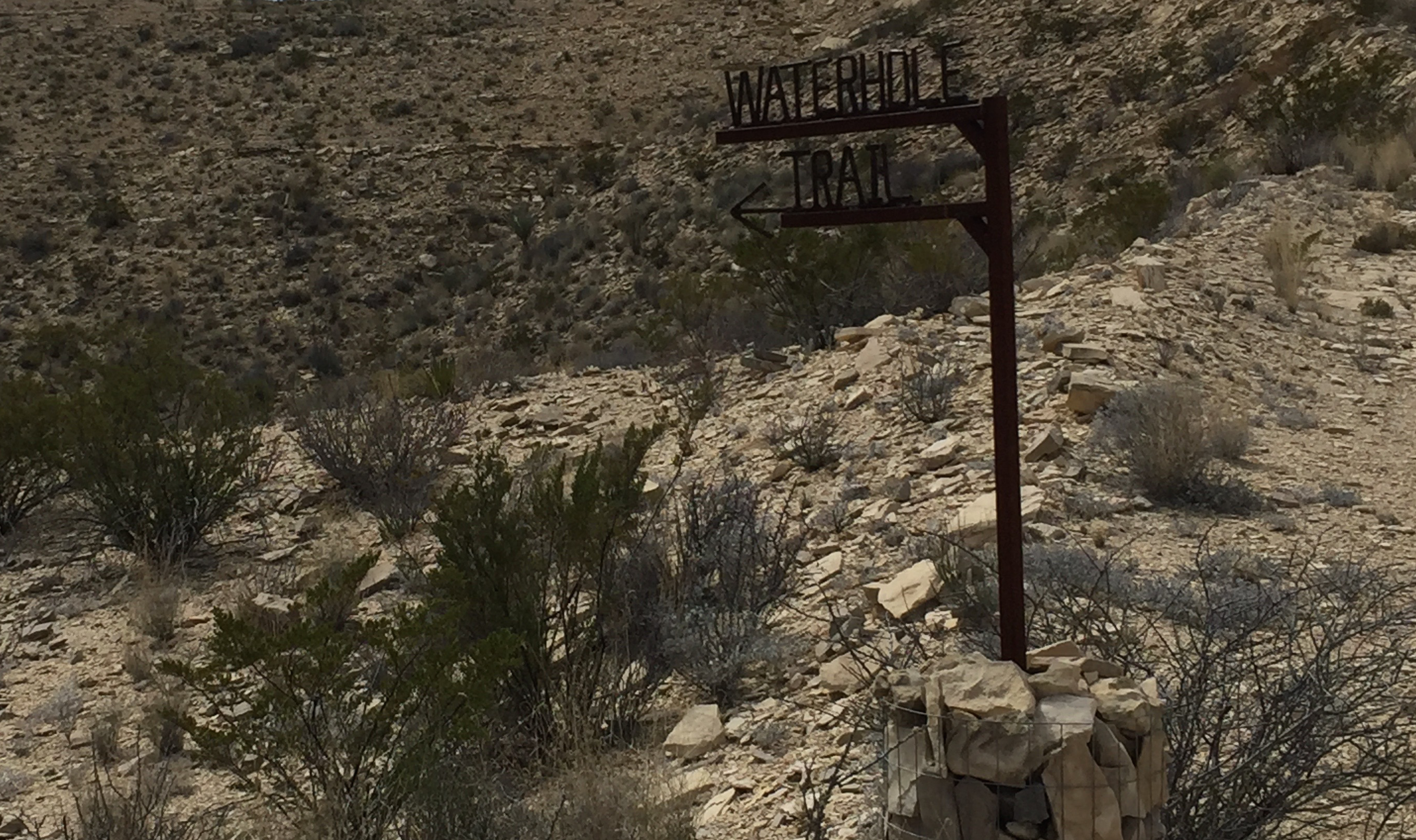
While there is little rainfall in the Chihuahuan Desert, the region is not entirely without sources of water. The Rio Grande River bisects the Chihuahuan Desert and forms the natural border between Texas and Mexico. There are also streams, arroyos, puddles formed during summer rains, and some aquifers. These help sustain both plant and animal life in this harsh desert environment.


My grandfather Martinez Antonio Guerra was from state of Chiuhuahua Mx.
LikeLike
It’s Huerta , not Guerra. Correction
LikeLike
That is a beautiful part of Mexico, especially the Copper Canyon.
LikeLike
wow
LikeLike
hey can I know how did Chihuahuan desert gets its name
LikeLike
There is dispute among historians and linguists about the origin of the name Chihuahuan. Many believe it was derived from the Nahuatl language and means “The place where the water of the rivers meet.”
LikeLike
Halo I am from mexico
LikeLike
very factual!
LikeLike
That’s cool, I heard the Chihuahuan desert has this area known as White Sands National Park in the Tularosa Basin on the region. The 275 square mile long dunes made of gypsum resembles snow and have been used for military expeirence.
LikeLike
Yes. Another cool and similar area is the Salt Flats outside of Guadalupe Mountains National Park. Amazing beauty in the Chihuahuan Desert.
LikeLike
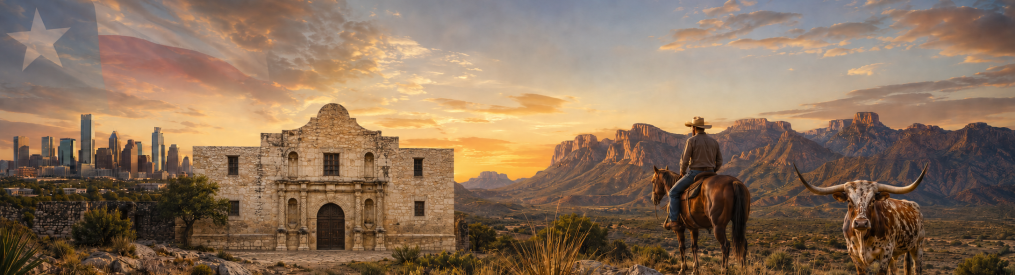
The Chihuahuan Desert is remarkable, which makes your feature photo of the Alamo out-of-place. This historic landmark on the upper San Antonio River sits on the edge of the Texas Hill Country, another remarkable landscape that is in central, not West Texas. A better pic would feature Texas Sage blooming in the Chihuahan Desert
LikeLike
Thank you for your comment and suggestion! I created my blog header as a collage to celebrate different parts of Texas. It starts with the Houston skyline, then shows the Alamo, and ends with a West Texas scene with a cowboy and longhorn, all under the Texas flag in the clouds. My goal in creating my blog header was to show the variety of landscapes, landmarks, and culture that make Texas special, not just focus on one area.
I agree that the Chihuahuan Desert is beautiful. It’s one of my absolute favorite spots in Texas. I always enjoy visiting, exploring, and photographing its rugged beauty. Thanks again for sharing your thoughts and for your readership!
LikeLike