Anahuac National Wildlife Refuge is one of fifty-nine wildlife refuges managed by the U.S. Fish and Wildlife Service. These wildlife refuges have been set aside to conserve our nation’s fish, wildlife, and plants — including threatened or endangered species. Our nation’s wildlife refuges are home to more than 700 species of birds, 250 species of mammals, 250 reptile and amphibian species, and more than 200 species of fish.
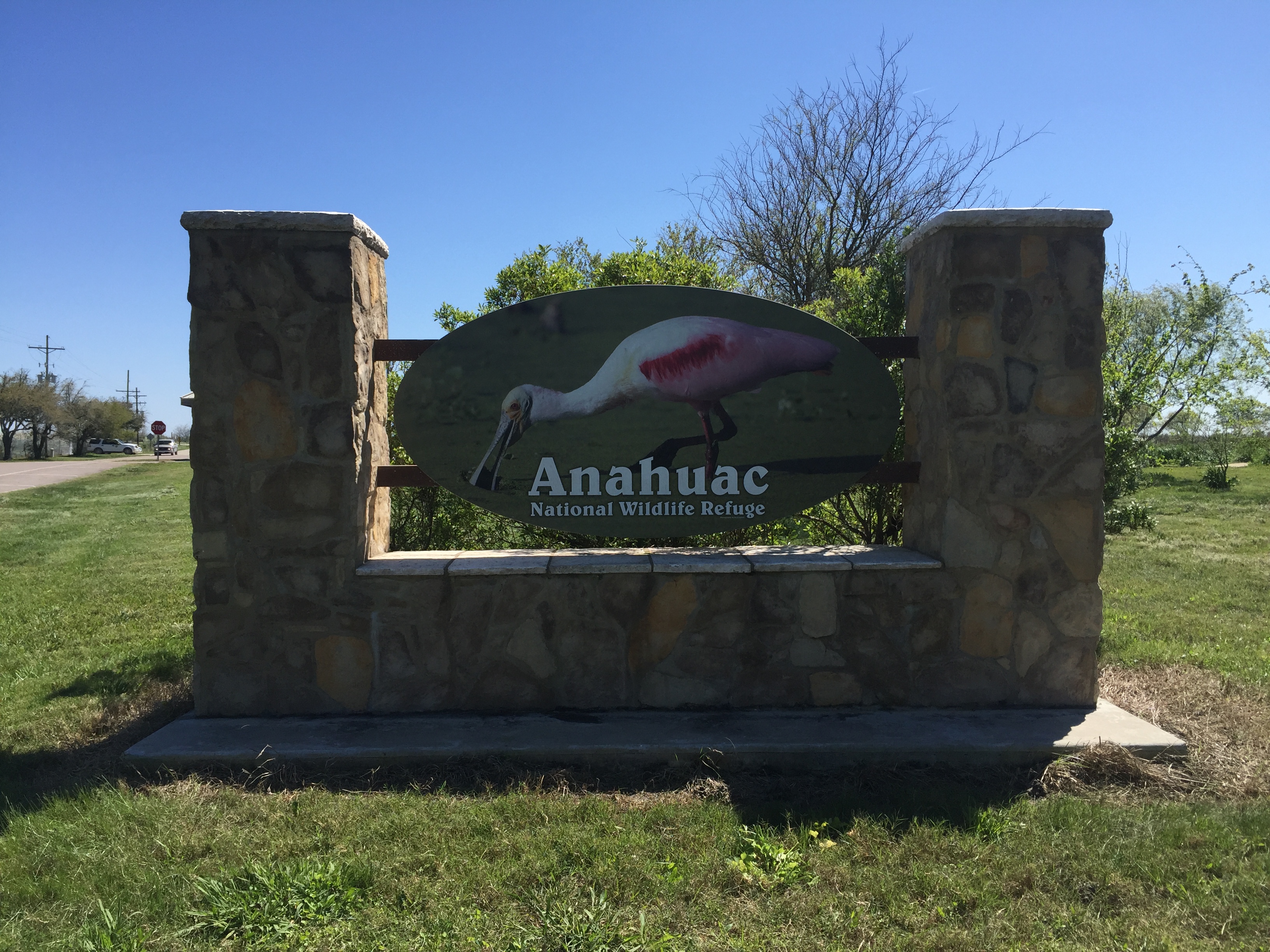 The Anahuac National Wildlife Refuge was established in 1963 and is one of nineteen wildlife refuges located in the Lone Star State. The name Anahuac is a Nahuatl (an Aztec language) word that means “close to water.” The earliest inhabitants of the region, however, were not Aztecs but Atakapan Indians. The name perfectly fits because Anahuac is indeed near the water.
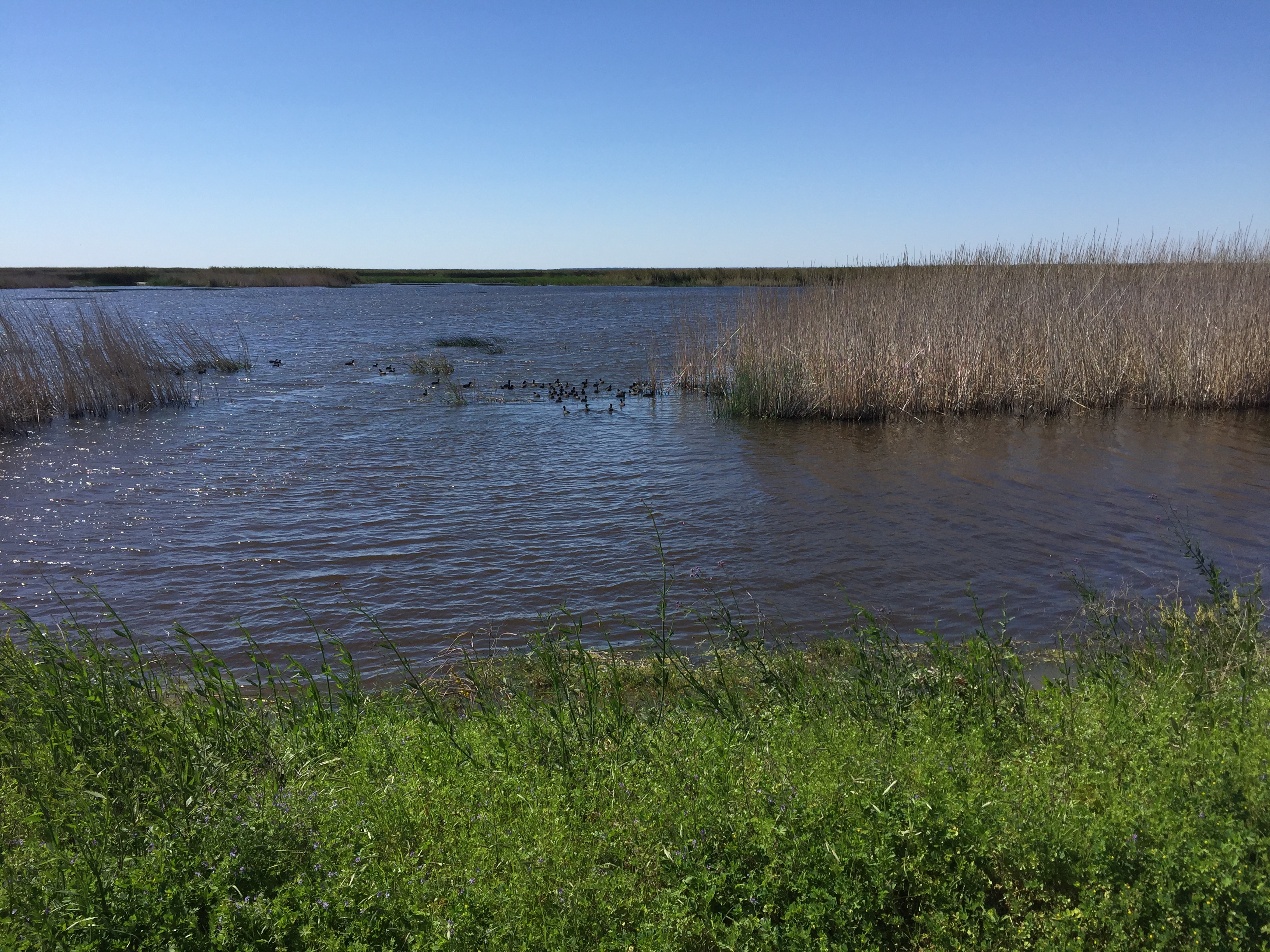 This 34,000-acre refuge is largely coastal marsh land and prairie bordering Galveston Bay in southeast Texas. The marshes, meandering bayous, and prairies of Anahuac are home to an abundance of wildlife, including alligators and bobcats. The Anahuac refuge also serves as a hotel for migrating birds — a place where they can rest, nest, breed, and eat as they continue on their respective journeys.
 If you want to catch a glimpse of alligators, then Anahuac is the place to be. Southeast Texas is regarded as one of the best places in the nation to see alligators. Spring and fall are the best times to catch sight of these reptiles as they sun themselves on the banks of the bayous. Anahuac is also a paradise for birders. Helpful signs on the driving and walking trails identify the birds you might see in the park — everything from shorebirds, wading birds, migratory songbirds, and more.
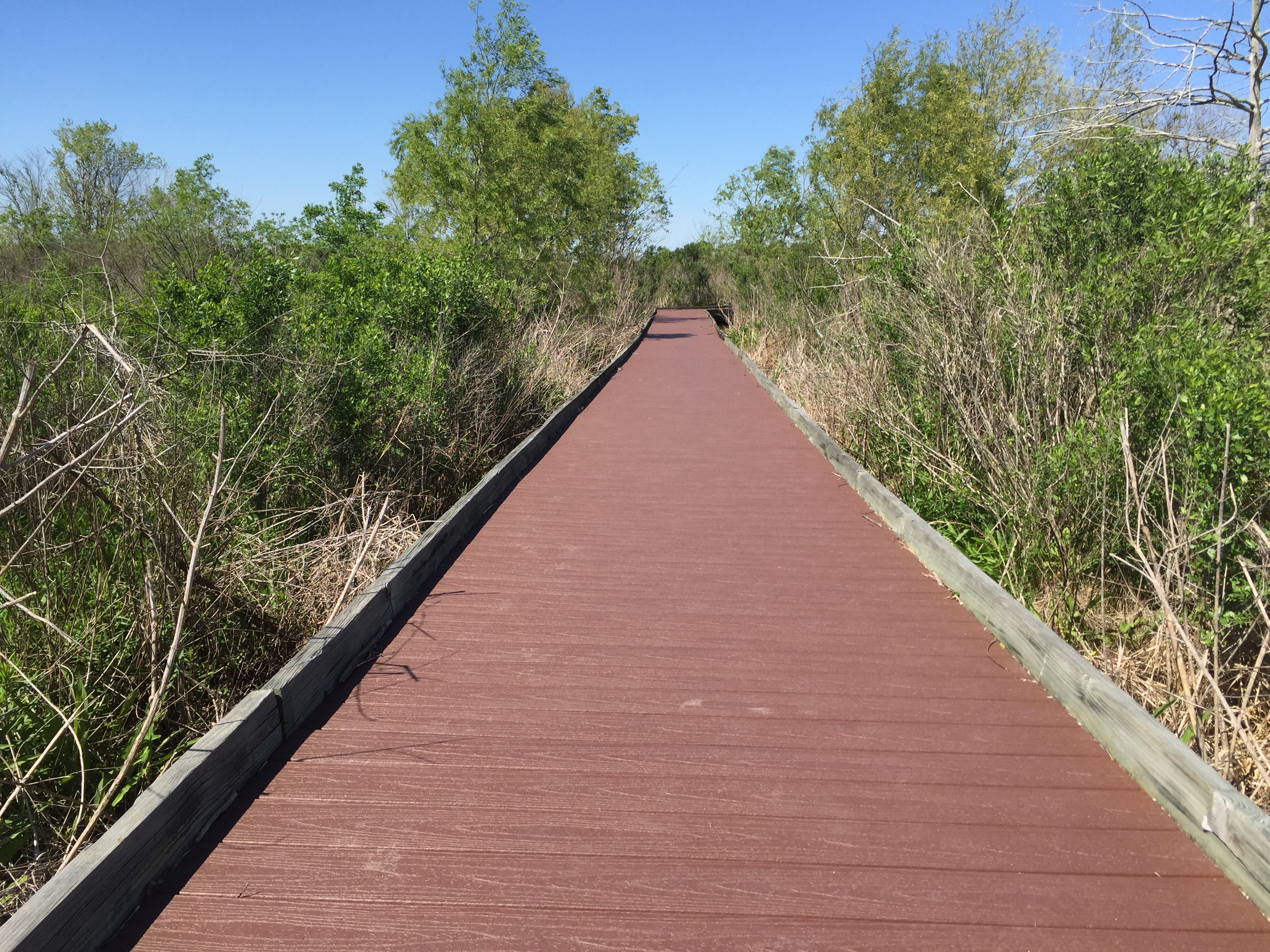 The refuge offers a driving loop with places to pull over to watch for certain birds and animals. The walking trails are well maintained and feature boardwalks and benches where you can sit and enjoy the outdoors, including the music of migratory songbirds. If you visit, bring a pair of binoculars with you. You can purchase an inexpensive folding field guide at the park store to help you identify the birds in the refuge.
 We are fortunate to have a third of the nation’s wildlife refuges in the Lone Star State. Don’t overlook these outdoor treasures as you plan your Texas adventures. These are great places to connect with the outdoors — beautiful locations where you can walk slowly, breathe deeply, and appreciate the great diversity of wildlife in Texas.

Flora and Fauna
5 Facts About Ocotillo
When it comes to desert shrubs, the Ocotillo is in a class by itself. It is one of the easiest plants to identify in the desert and, in my estimation, one of the most beautiful. Whether I am hiking or biking down a desert trail, I love how the Ocotillo accents a desert landscape. Here are five interesting facts about this hardy desert shrub.
 1. The Ocotillo is at home on the range.
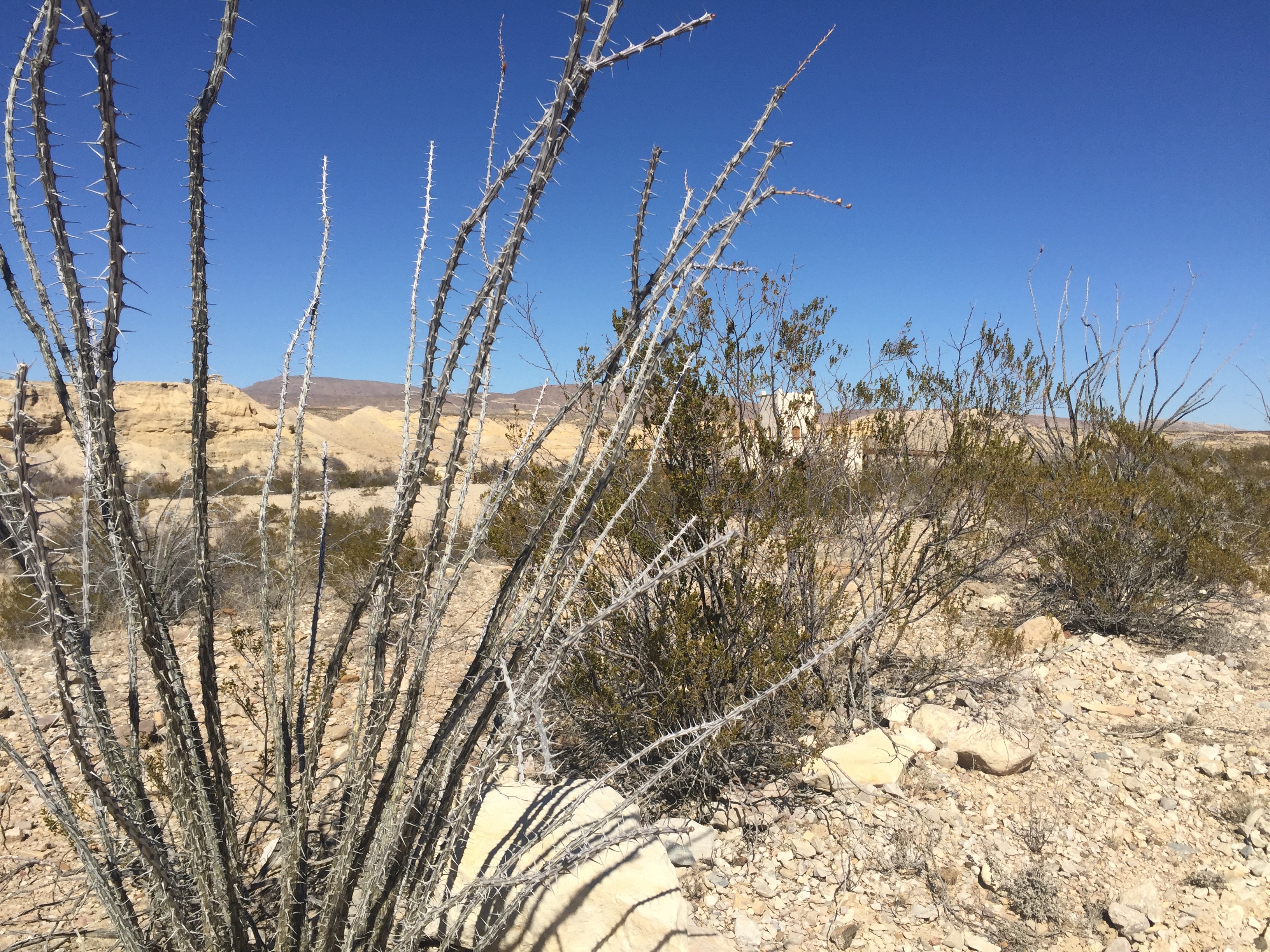
The beautiful Ocotillo is at home in the harsh environment of the Chihuahuan Desert. This is one hardy shrub that can handle the wide temperature ranges of the desert and requires little water to survive. The Ocotillo is not some sissy plant that requires pampering. It prefers a rocky and well-drained habitat, the kind of environment that intimidates other plants. And, make no mistake about it, whenever you see a brown and leafless Ocotillo, it is still very much alive.
 2. The Ocotillo is not a cactus.
The Ocotillo is also known by many different names including Candlewood, Slimwood, Coachwhip, Flaming Sword, and Jacob’s Staff — all names that take their cue from some physical characteristic of this spiny-stemmed shrub. Vine Cactus is also an alias for the Ocotillo, although it is not a cactus.
 3. The Ocotillo has a long lifespan.
Folks are not exactly sure about how long Ocotillo can live. Some believe that a good estimate is 60 years. Some studies, however, indicate that this tough shrub can live well beyond a hundred years. One reason the Ocotillo can live so long is because it has few pests and no known diseases.
 4. The Ocotillo is a flowering plant.
The whip-like branches of the Ocotillo can grow as high as twenty feet or more. After a rain these slender branches are covered with small green leaves that resemble those of the boxwood. When water is scarce, these leaves turn brown and fall off. If the rainfall is good, the Ocotillo produces bright red or pink tube like flowers between March and June. And, hummingbirds like the honey nectar these flowers produce.
 5. Ocotillo can be used to make a durable fence.
Ocotillo fencing is a popular design element in the southwest. When planted in rows, the Ocotillo becomes a living fence. Its spines stop people and animals from passing through. Some nurseries even sell Ocotillo fencing panels that add a rustic component to a garden and can last for years.
 The next time you find yourself anywhere near the Chihuahuan Desert or Big Bend, keep your eyes open for the Ocotillo. This hardy shrub is truly a success story in the world of desert plants.
Attwater Prairie Chicken
The words endangered species generally bring to mind visions of exotic animals in faraway places. Animals like the black rhinoceros or the Asian elephant or the bandicoot of Australia. However, unbeknownst to many, the Lone Star State has its own critically endangered species — the humble Attwater prairie chicken.
What is a prairie chicken, you ask?
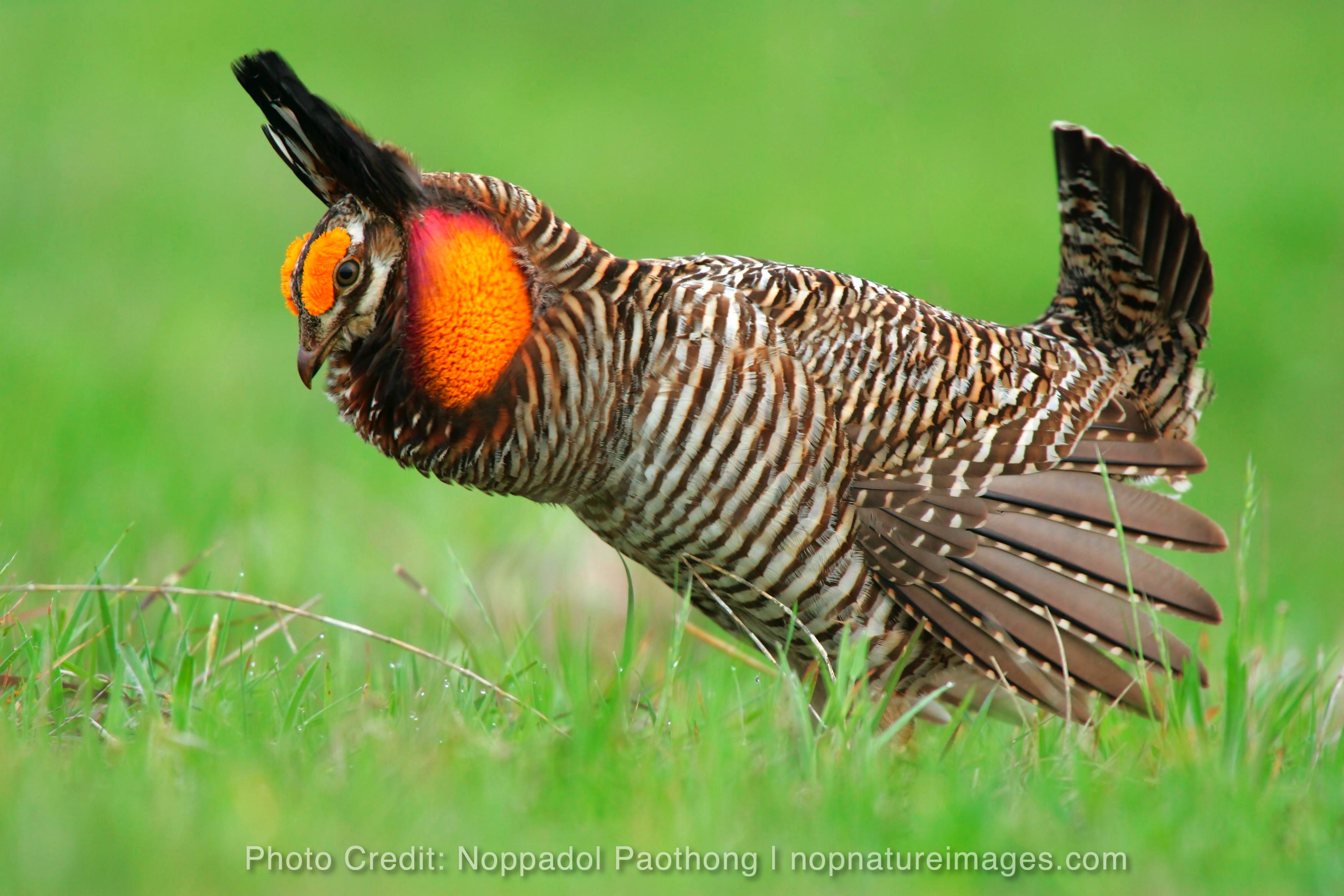 The Attwater prairie chicken is one of the most endangered birds in North America. A member of the grouse family, this barred brown and tan bird is unique to the coastal prairies of Texas and Louisiana. A hundred years ago they numbered up to an estimated one million birds. Today, the few remaining birds are protected by the Endangered Species Act of 1973.
 The Attwater Prairie Chicken National Wildlife Refuge is home to the remaining population of this ground-dwelling grouse. The prairie chicken is a fascinating bird. Each spring, the males of the species gather to perform an elaborate courtship ritual that includes inflating their yellow air sacs and emitting a strange, booming sound. Rangers at the refuge can tell you the best seasons and times to catch a glimpse of these remarkable birds.
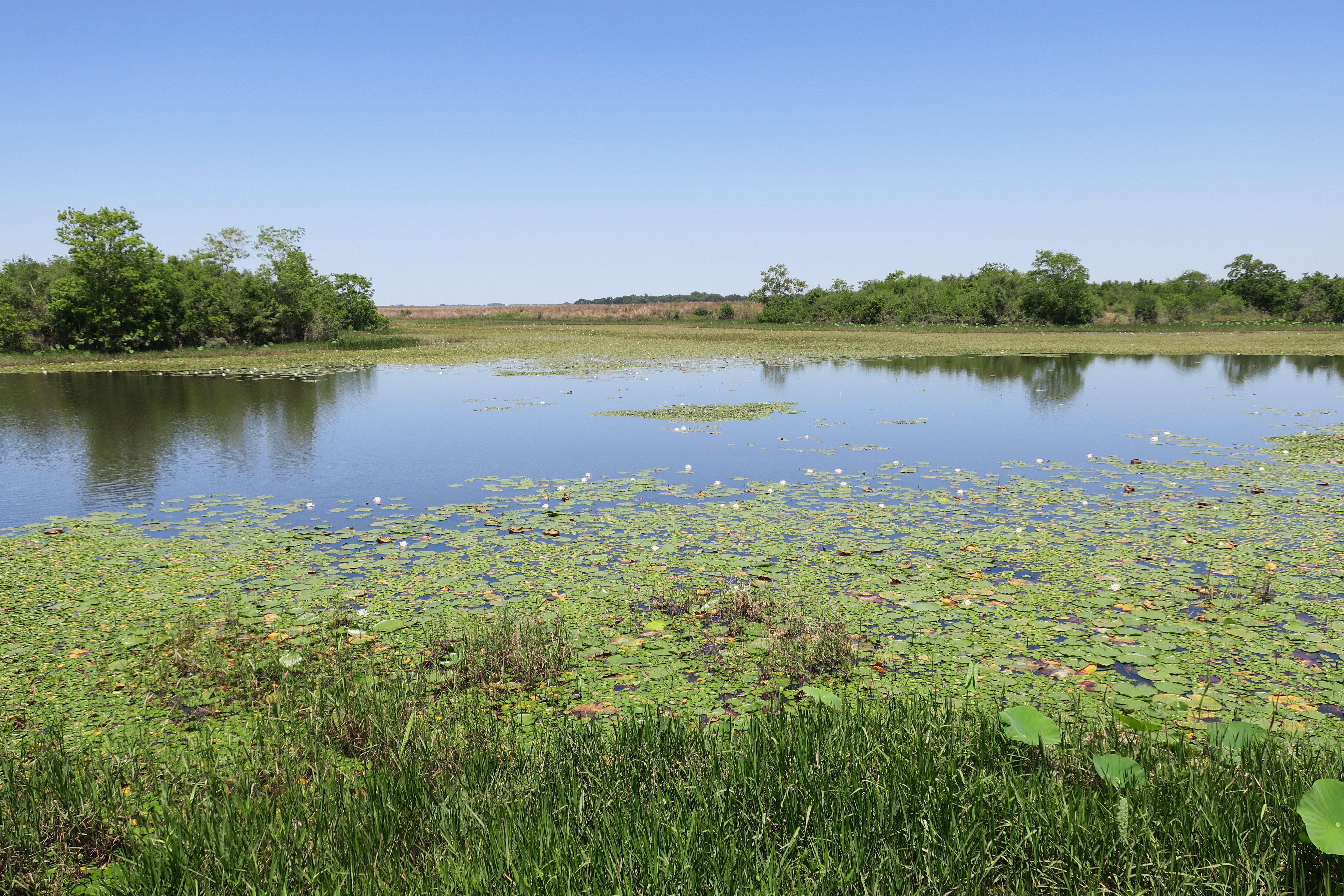 Development along the Gulf Coast over the years has claimed almost six-million acres of prairie, pushing the prairie chicken to the edge of extinction. The survival of this endangered species depends on the faithful stewardship and careful management of the prairie chicken’s declining ecosystem. Today, less than 200,000 fragmented acres of prairie remain, including the 10,339-acre Attwater Wildlife Refuge.
 Places like the Attwater Wildlife Refuge are important because they are a haven for native and migratory birds. The Attwater Refuge is one of a few refuges managed specifically for an endangered species. Intentional efforts to protect prairie chicken hatchlings, for example, increases the likelihood that their numbers will continue to steadily rise and once again grace our remaining prairies with their courtship dance.
 The Attwater Prairie Chicken National Wildlife Refuge is located southwest of Sealy and northeast of Eagle Lake. The refuge is easily accessible and offers a car route, hiking trails, wildlife viewing stands, and acres of beautiful vistas in every direction. The headquarters features a remarkable display of birds native to the region and a brief orientation video.
 If you are looking for a day trip near Houston, check out the Attwater Prairie Chicken National Wildlife Refuge. You will enjoy the vistas, the fresh air, and learning about the birds and plants native to our remaining gulf coast prairies.
5 Facts About Prickly Pear Cactus
Over the years, the Texas State Legislature has designated 72 official state symbols. Some, like the bluebonnet, are better known than others. In 1995, our esteemed lawmakers designated the prickly pear cactus the official state plant. I’m glad they did. There is just something about the resilient prickly pear cactus that has Texas written all over it.
As a South Texas boy, I grew up in the land of prickly pear cactus. My big backyard playground was thick with prickly pear and mesquite growing out of barren hard-packed dirt. I learned early on how painful it can be to rub up against a cactus plant.
I also have vivid memories of my uncle burning the thorns off of cactus plants on his Duval County ranch so that his cattle would have something to eat. He referred to this process as chamuscar which means to singe. Prickly pear cactus was an abundant food source for the cattle on his ranch. With that in mind, here are five interesting facts about our Texas-tough State plant.
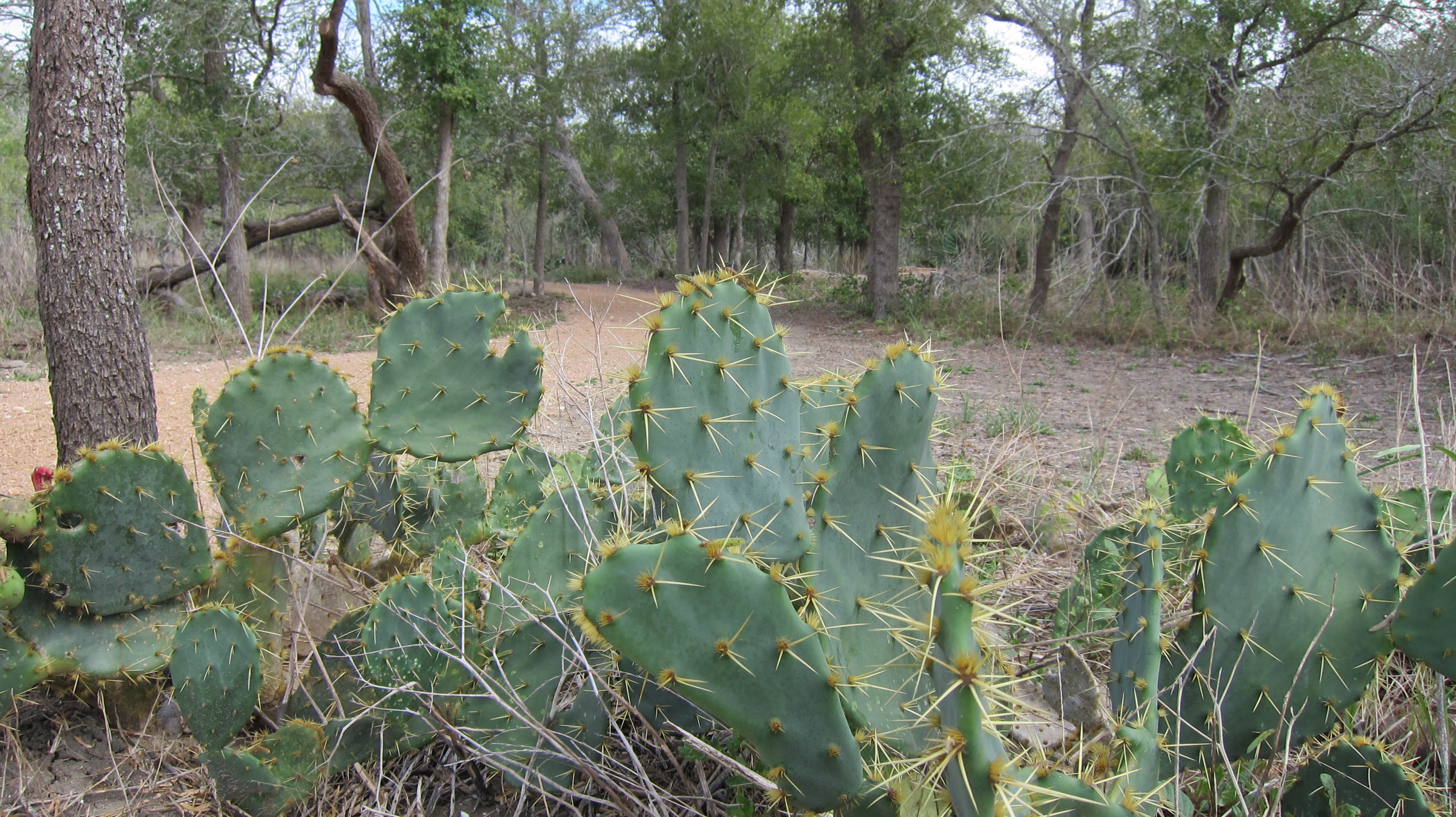 1. Cactus has a Greek root.
That’s right! The word cactus is derived from the ancient Greek word kaktos which means prickly plant. Enough said.
 2. The prickly pear cactus is both fruit and vegetable.
The deep red fruit that adorns the prickly pear is referred to as tuna. This fruit is edible — but first be sure to burn off the fine and barely visible barbed spines lest they get lodged in your throat. The green pads are considered a vegetable and are also edible. My mother used to harvest these pads in late spring and early summer and then would dice and cook them. Most of the kids I grew up with had eaten nopalitos, a term derived from the Spanish word nopal which means cactus.
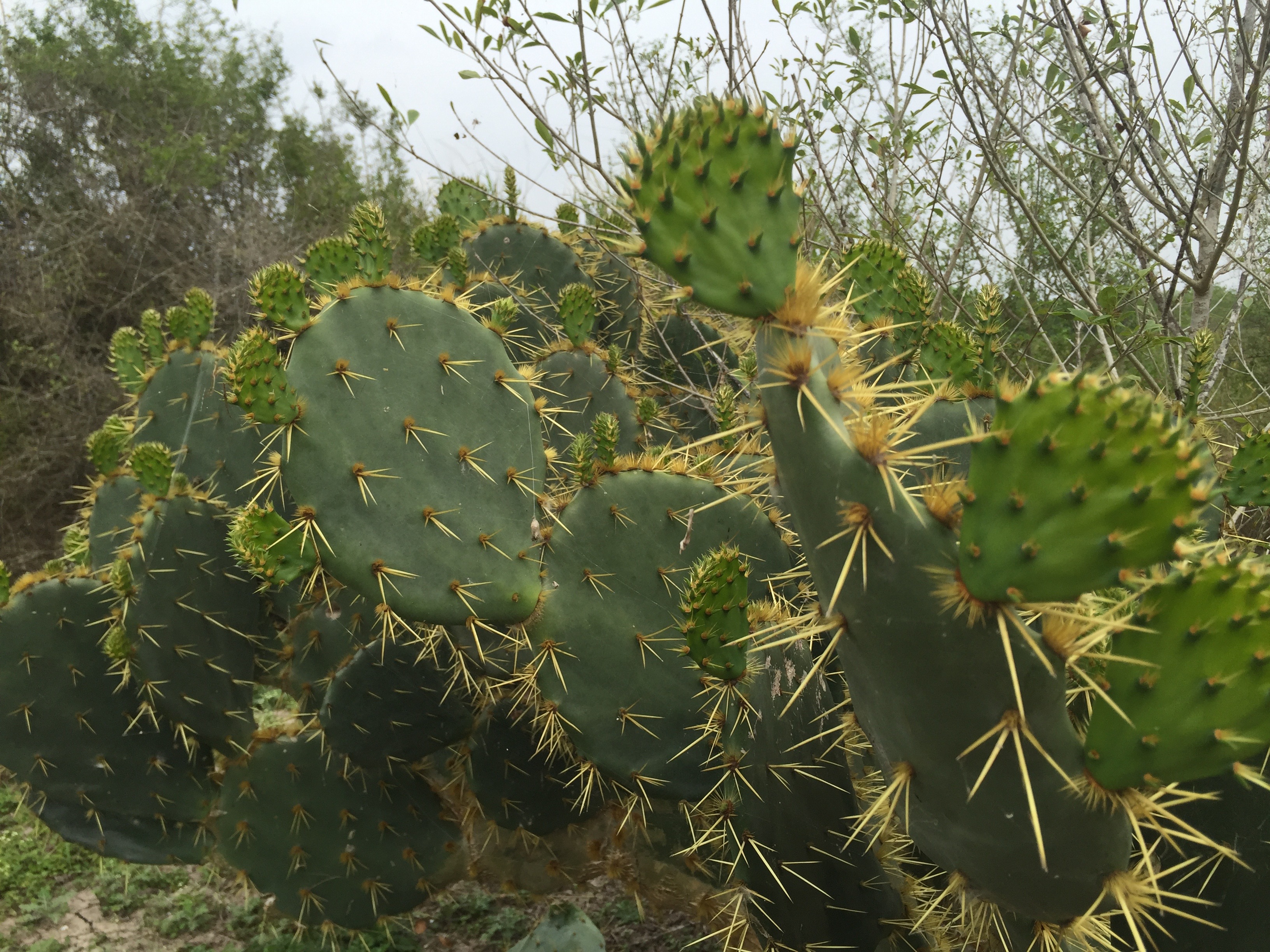 3. Those green things that look like leaves and not leaves!
The flat, fleshy pads of the prickly pear look like leaves but are actually modified branches. These branches serve several functions, including water storage, photosynthesis, and flower production. The large spines that grow on these flat branches are modified leaves that harden as they age.
Some species of prickly pear have clusters of fine, barbed spines called glochids. These grow at the base of the large spines. They are hard to see and even harder to remove once they get lodged in the skin. So, be careful. There is a legend that the coyote brushes the spines off the fruit of the prickly pear with its tail before eating it. This practice is not recommended for humans!
 4. The prickly pear pharmacy.
Native Americans discovered more than a food source in the prickly pear cactus. These resourceful early inhabitants discovered a veritable pharmacy in the prickly plant. The prickly pear cactus has been used to treat stomach problems, cuts and bruises, sunburn, constipation, cold symptoms, and even diabetes. One folk remedy involves heating the pads and placing them on a cold sufferer’s chest to relieve congestion.
 5. The prickly pear is Texas tough.
Texas is home to about 20 species of prickly pear that can be found throughout the Lone Star State — from the thick piney woods to the rugged Chihuahuan Desert. The resolution that designated the prickly pear cactus the official plant of Texas declares: “Rugged, versatile, and beautiful, the prickly pear cactus has made numerous contributions to the landscape, cuisine, and character of the Lone Star State, and its unusual status as both a vegetable and a fruit make it singularly qualified to represent the indomitable and unique Texas spirit as an official state symbol.”
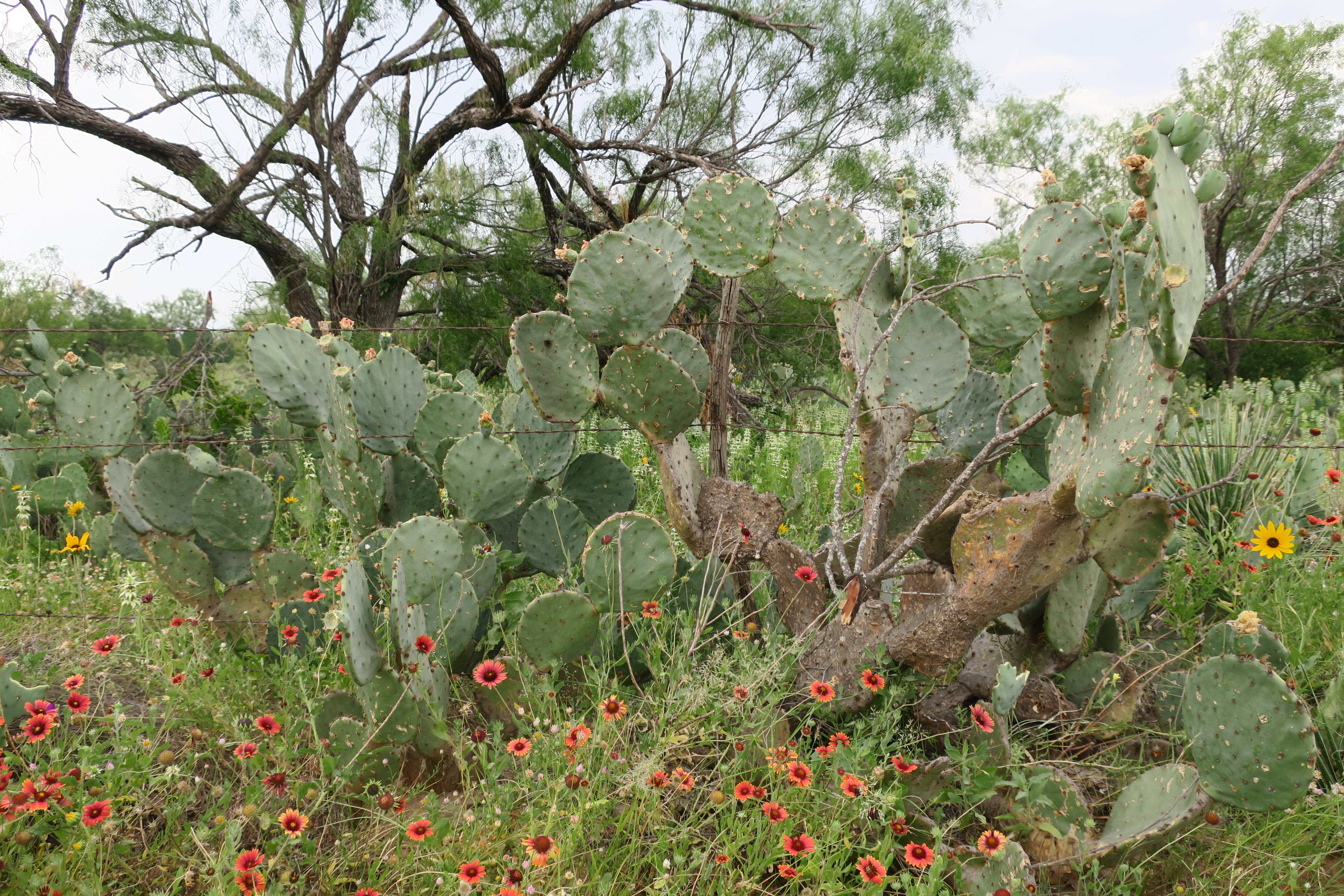
5 Facts About Indian Paintbrush
The magnificent Texas Bluebonnet is the undisputed star of the wildflower show that premiers every spring in the Lone Star State. This beautiful state flower is always a sight to behold when it makes its debut along our highways and byways. The Indian Paintbrush, another beautiful flower, has earned a costarring role alongside the bluebonnet. These two flowers are often seen together, complementing one another on nature’s springtime screen. Here are five interesting facts about this costar in the Lone Star State’s springtime wildflower extravaganza.
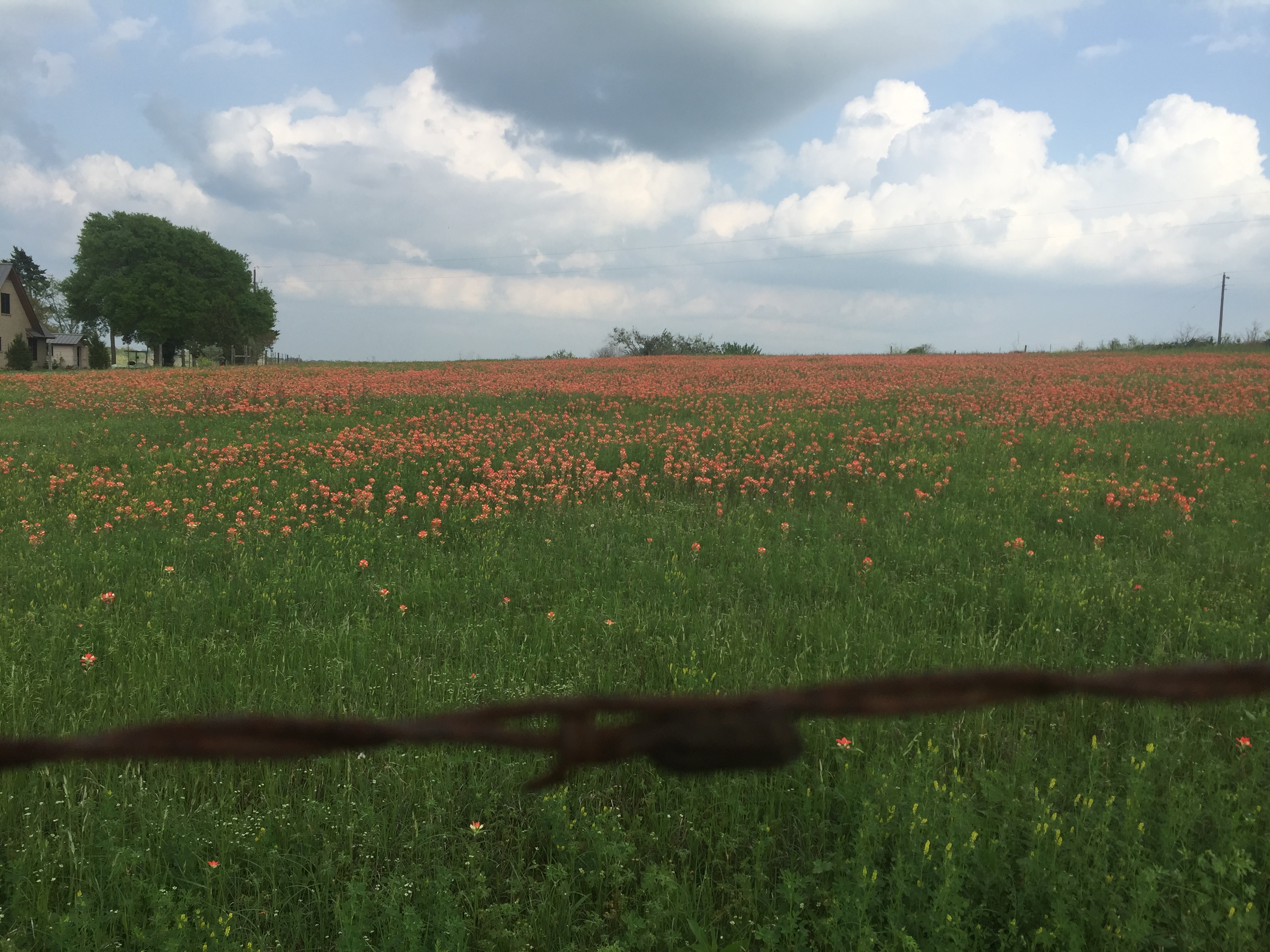 1. How the Indian Paintbrush was named.
The name of this flower is based on the legend of an Indian who wanted to paint a sunset. Frustrated that he could not produce any of the colors that matched the beauty of a sunset, he asked the Great Spirit for help. The Great Spirit provided him with paintbrushes to create his painting. After completing his work, the artist then discarded his used paintbrushes around the landscape. These paint bushes later blossomed into plants. Another similar Native American legend also involves an artist whose discarded paint brushes became flowers.
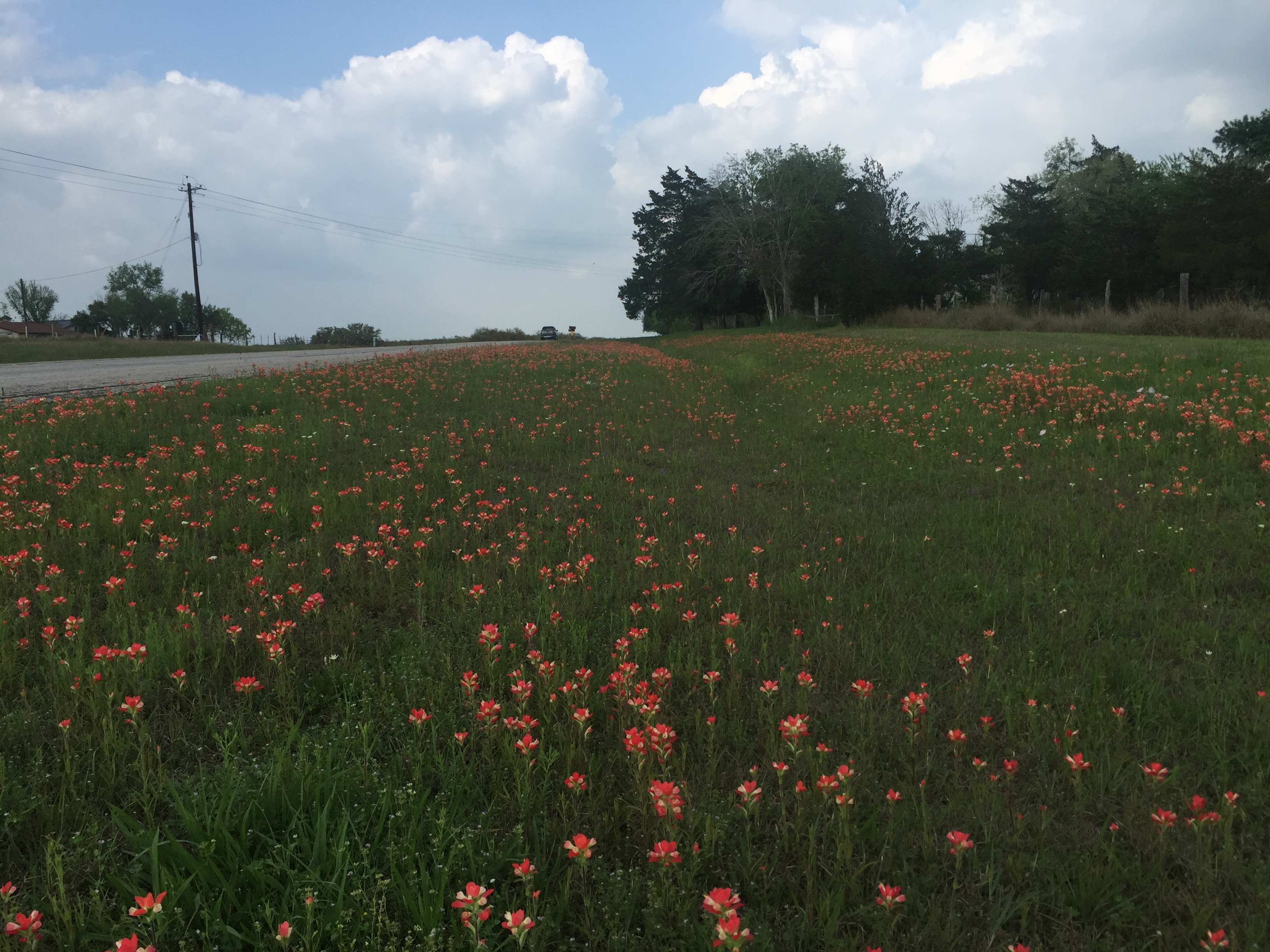 2. The Indian Paintbrush has several aliases and uses.
This beautiful flower is also known by other names like Texas Paintbrush, Scarlet Paintbrush, Grandmother’s Hair, Common Red Paintbrush, Butterfly Weed, Prairie Fire, Painted Cup, and Painted Lady. Most folks prefer to call it by its most popular name — Indian Paintbrush.
The name Grandmother’s Hair is attributed to the Chippewa Indians who used the plant to treat women’s diseases and rheumatism. The Navajo Indians also used the plant for medicinal purposes. And, Native Americans soaked the plant in grease to make a hair oil.
3. Indian Paintbrush are parasitic.
Don’t be alarmed. This means that the Indian Paintbrush rely on other plants to grow. When the roots of the Indian Paintbrush come in contact with the roots of other plants and grasses, they latch on to their neighbor’s roots to get additional nutrients. So, the next time you see Indian Paintbrush growing alongside Texas Bluebonnets, you can pretty much know what’s going on. Those free-loading paintbrushes are actually soaking up nutrients from their blue clad neighbors.
 4. Indian Paintbrush are made up of bracts.
From a distance, it appears that the slender stalk of the Indian Paintbrush is covered with flowers. These flowers are actually petallike bracts or colored leaves that grow below the actual flower of the plant. In the case of the paintbrush, these bracts get more attention than the inconspicuous cream-colored flowers.
 5. The Indian Paintbrush is the Wyoming State Flower.
By 1916, over half of the states had already designated a state flower. The Wyoming Chapter of the Daughters of the American Revolution felt it was time for Wyoming to designate a state flower and put their support behind the Indian Paintbrush. Some objected on the grounds that there were too many varieties and the flower was not common throughout the state. However, when all was said and done, the Wyoming Legislature made the Indian Paintbrush (Castilleja linariaefolia) the official state flower of Wyoming on January 31, 1917.
5 Facts About Texas Bluebonnets
I love Springtime in Texas — that wonderful season when highways and byways in the Lone Star State are adorned with the most beautiful wildflowers. While you may not know the names of all of these colorful spring blooms, any self-respecting Texan can recognize the bluebonnet in the bunch.
The bluebonnet is “not only the state flower,” wrote historian Jack Maguire, “but also a kind of floral trademark almost as well known to outsiders as cowboy boots and the Stetson hat.” Maguire also said: “The bluebonnet is to Texas what the shamrock is to Ireland, the cherry blossom to Japan, the lily to France, the rose to England and the tulip to Holland.”
In anticipation of wildflower season in Texas, I thought it might be fun to consider five interesting facts about Texas bluebonnets.
1. The bluebonnet is the official state flower of Texas.
If you are from Texas, this is one fact that we all learned in elementary school. However, things could have been different when the Texas Legislature was considering our state’s official mascots in 1901. The bluebonnet was, in fact, one of three blooms under consideration by our elected officials at the time.
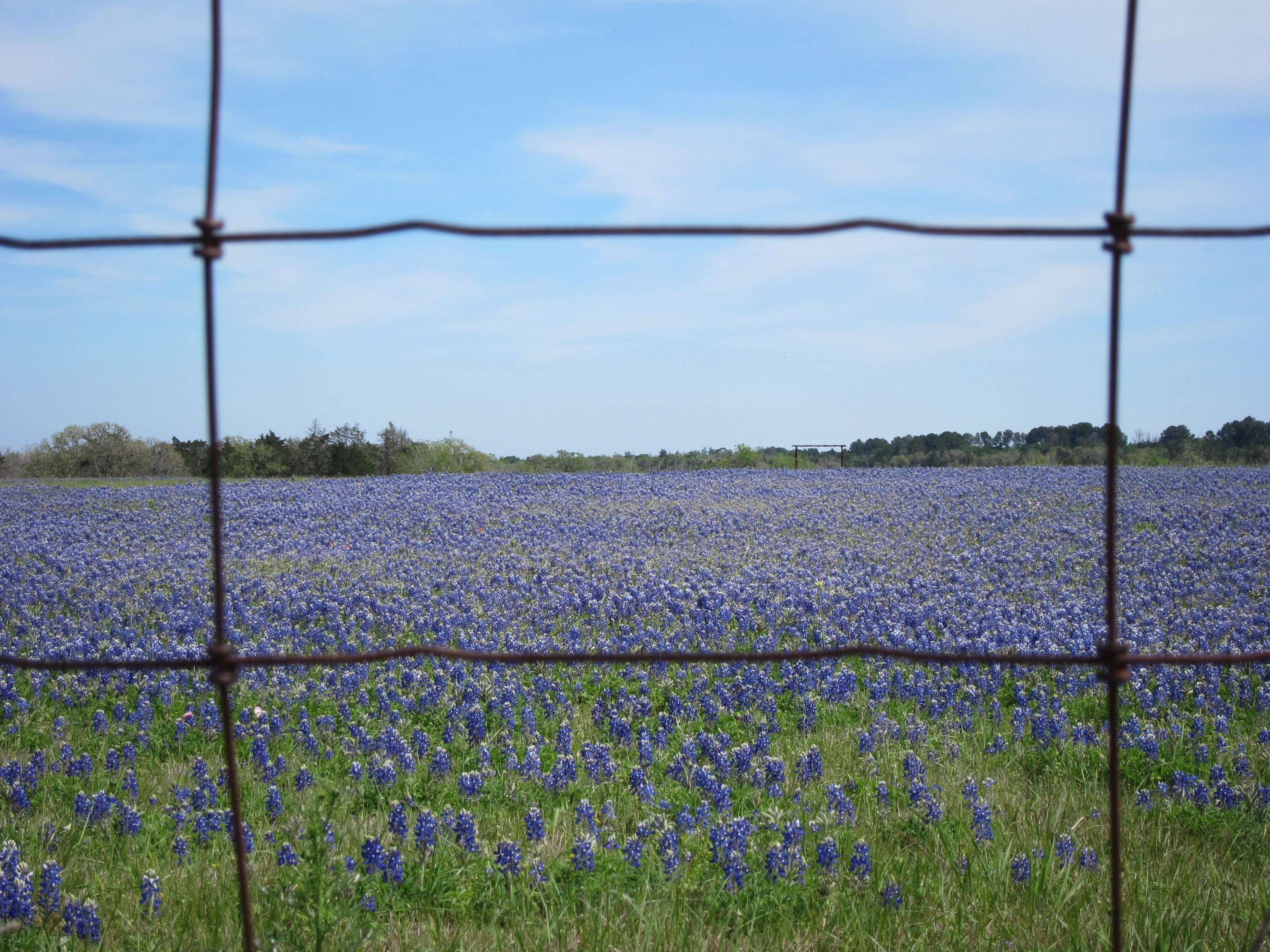 The cotton ball was nominated but did not garner much support because, quite frankly, it’s somewhat plain and not much to look at. A fellow named “Cactus Jack” Garner, reputed to be as prickly as his name, nominated the pretty flower of the prickly pear cactus. This hardy flower also lost out. These nominees paled by comparison to the bluebonnet, nominated by the National Society of Colonial Dames of America.
2. A bluebonnet by any other name.
The bluebonnet is also known by other names, including Buffalo Clover and Wolf Flower. The Spanish called the bluebonnet El Conejo from the Spanish word for rabbit because the bluebonnet’s white tip looks like a cottontail rabbit’s tail. The bluebonnet was also called Azulejo from azul, the Spanish word for blue. According to the Lady Bird Johnson Wildflower Center, this word can be loosely translated as “indigo bunting.”
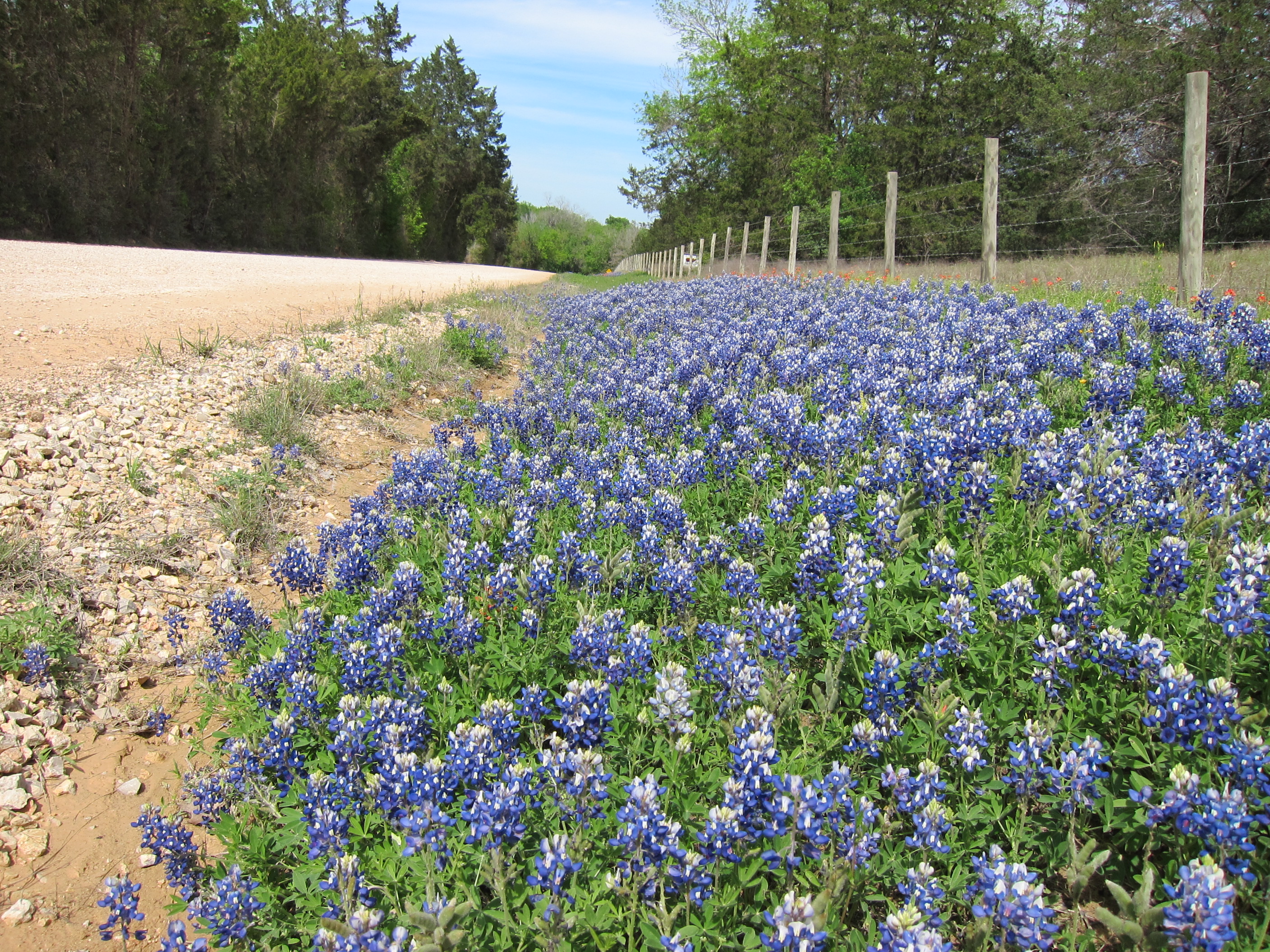 Texas is home to five native species of bluebonnets. In 1901, the Legislature selected lupinus subcarnosus as the state flower. However, citizens protested and petitioned that the lupinus texensis was a better choice because of its larger and more vibrant blooms. The matter was finally settled in 1971 when the Legislature classified all five species of bluebonnets as the Texas state flower.
3. Texas was the first state to plant flowers along state highways.
When the Texas Department of Transportation was organized in 1917, officials noticed that wildflowers were among the first plants to appear along roadways in the Springtime. In 1932, the department hired a fellow named Jac Gubbels as its first landscape architect. Gubbels was charged with maintaining, preserving, and encouraging the growth of wildflowers and other native plants along Texas roadways.
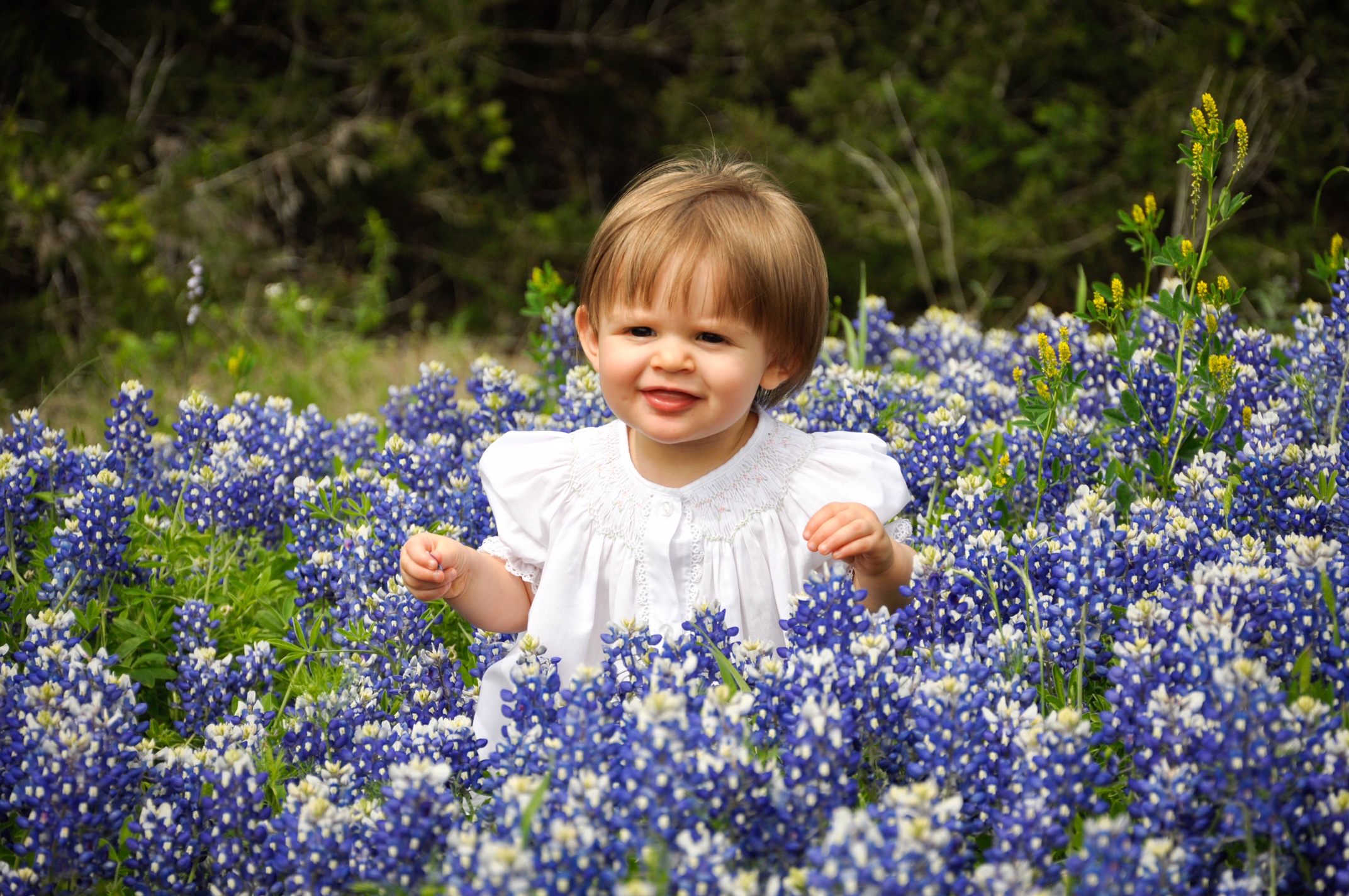 In 1934, the department started to delay mowing along Texas roadways until the end of wildflower season. Today, the Texas Department of Transportation buys and sows about 30,000 pounds of wildflower seeds each year, making Texas highways among the most beautiful and scenic in the nation. Every year, flower lovers from around the state and around the nation can be found taking photos among the bluebonnets along Texas roadways.
4. And the award goes to…
The 1997 Texas Legislature named Ennis the official Bluebonnet City of Texas. And because Ennis is home to forty miles of roadsides covered with wildflowers, the Legislature also recognized Ennis as the Texas Bluebonnet Trail. Ennis holds its annual Ennis Bluebonnet Trails Festival every April.
 The town of Chappell Hill calls itself “the heart of Bluebonnet Country” and earned the title “Official State of Texas Bluebonnet Festival.” Chappell Hill holds its annual Bluebonnet Festival in April. And then there is Burnet, recognized by the Texas Legislature as the “Bluebonnet Capital of Texas.” Burnet holds its own Bluebonnet Festival during the second week of April.
5. Different species of bluebonnets bloom in the Spring.
Unless you are a naturalist, you will likely not be able to tell much difference among the various native species of bluebonnets. That’s ok! The important thing is to enjoy the bluebonnets that grow in or near your particular region. Here is a quick guide on where to go and what to look for.
Lupinus Texensis are found in Central Texas from late March to early April. Look for pointed leaflets and blue flowers tipped with white.
Lupinus Subcarnosus grow in Hidalgo, Leon, and LaSalle counties. Look for blunt leaflets and widely spaced flowers in late March.
Lupinus Havardii grow in Big bend country and grow up to three feet tall in early spring.
Lupinus Concinnus grow in the Trans-Pecos region in the early spring. These bluebonnets only grow as high as seven inches and produce flowers in purple, lavender and white.
And, finally, Lupinus Plattensis can be seen throughout the Panhandle plains from mid to late spring. These particular plants grow as tall as two feet.

Life’s Better With Birds!
According to the folks at the Gulf Coast Bird Observatory, life’s better with birds! Located at 103 West Highway 322 in Lake Jackson, the observatory sits on 34 acres of Columbia Bottomland forest. Had it not been for my wife Cheryl, I might never have visited the observatory. She invited me to join her for her Texas Master Naturalist class on ornithology led by Chris Eberly, the Executive Director of the observatory. “We’ll also get to see how they band birds,” she said. That sounded too interesting to pass up.
 Eberly and his team believe that life’s better with birds for good reasons. Birds do more to help our environment and our Texas economy that most people realize. The mission of the Gulf Coast Bird Observatory is to protect birds and their habitats around the Gulf of Mexico and beyond. Why? Because migratory birds benefit us through pollination, seed dispersal, and pest control. Beyond that, bird-watching contributes more than five-billion dollars annually to the Texas economy.
 The ecoregion known as the Columbia Bottomlands includes the thick forest along the southeast coast of Texas. An estimated 29 million migratory birds pass through the Columbia Bottomlands every year. Think of this ecoregion as a hotel for migratory birds, many of which fly hundreds of miles on their migration routes. Migrating birds lose as much as one-third of their body weight. These birds stop to rest and to replenish their strength in the insect-rich woods before they continue their perilous journey north.
 On the third Saturday of every month, the Gulf Coast Bird Observatory conducts a bird banding event that helps them collect baseline data on bird populations at the sanctuary. Robert and Kay Lookingbill operate the banding program. They share the information they gather with a national database that tracks the movement of birds and ultimately helps scientists better understand how to protect birds and their habitats.
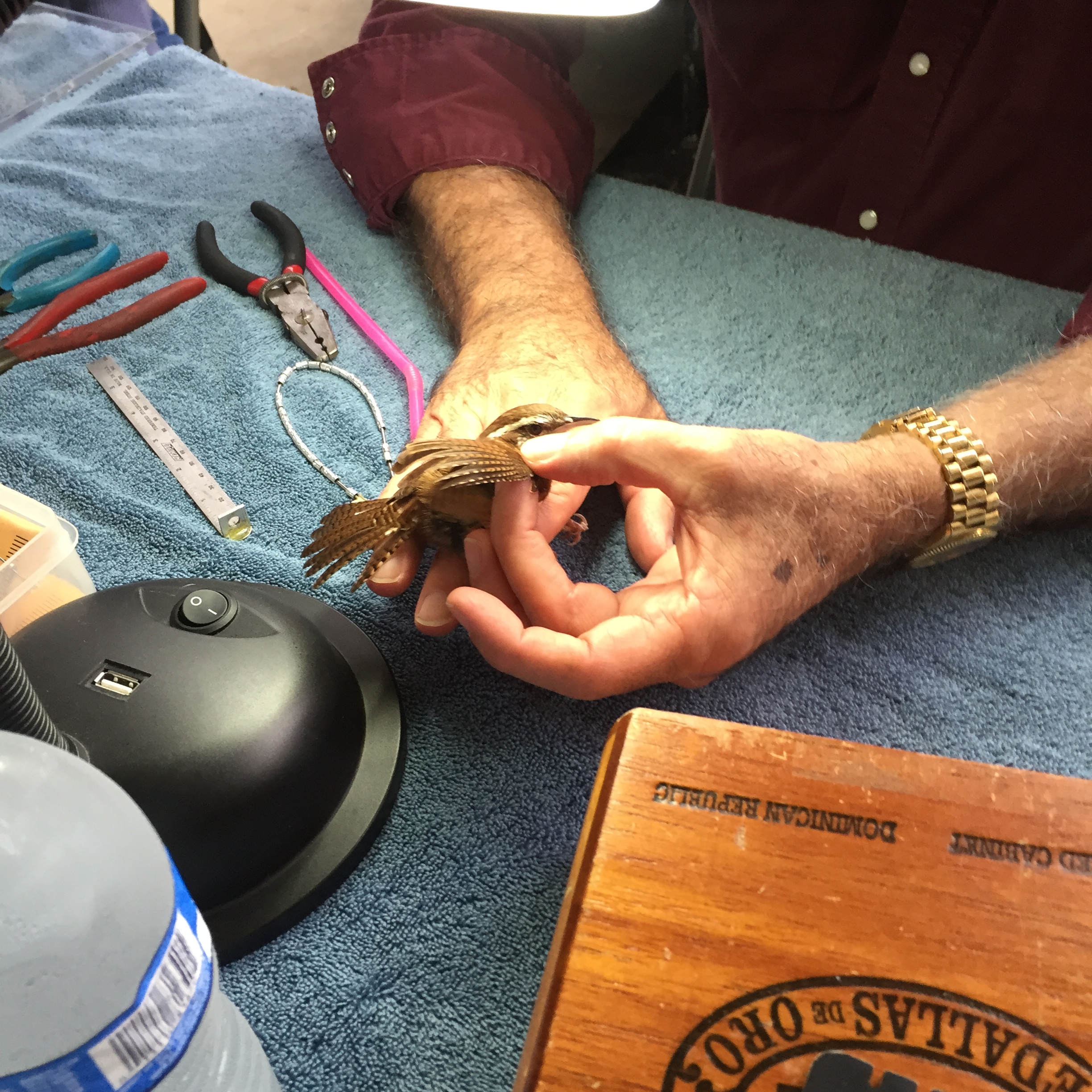 I found the whole banding experience fascinating to watch. I have never before had an opportunity to see such a variety of beautiful birds so up close and personal. Robert and Kay handled each bird with the utmost care and recorded every detail about each of the birds — weight, wingspan, body fat, and more. They know their stuff and answered a lot of questions from those of us in attendance.
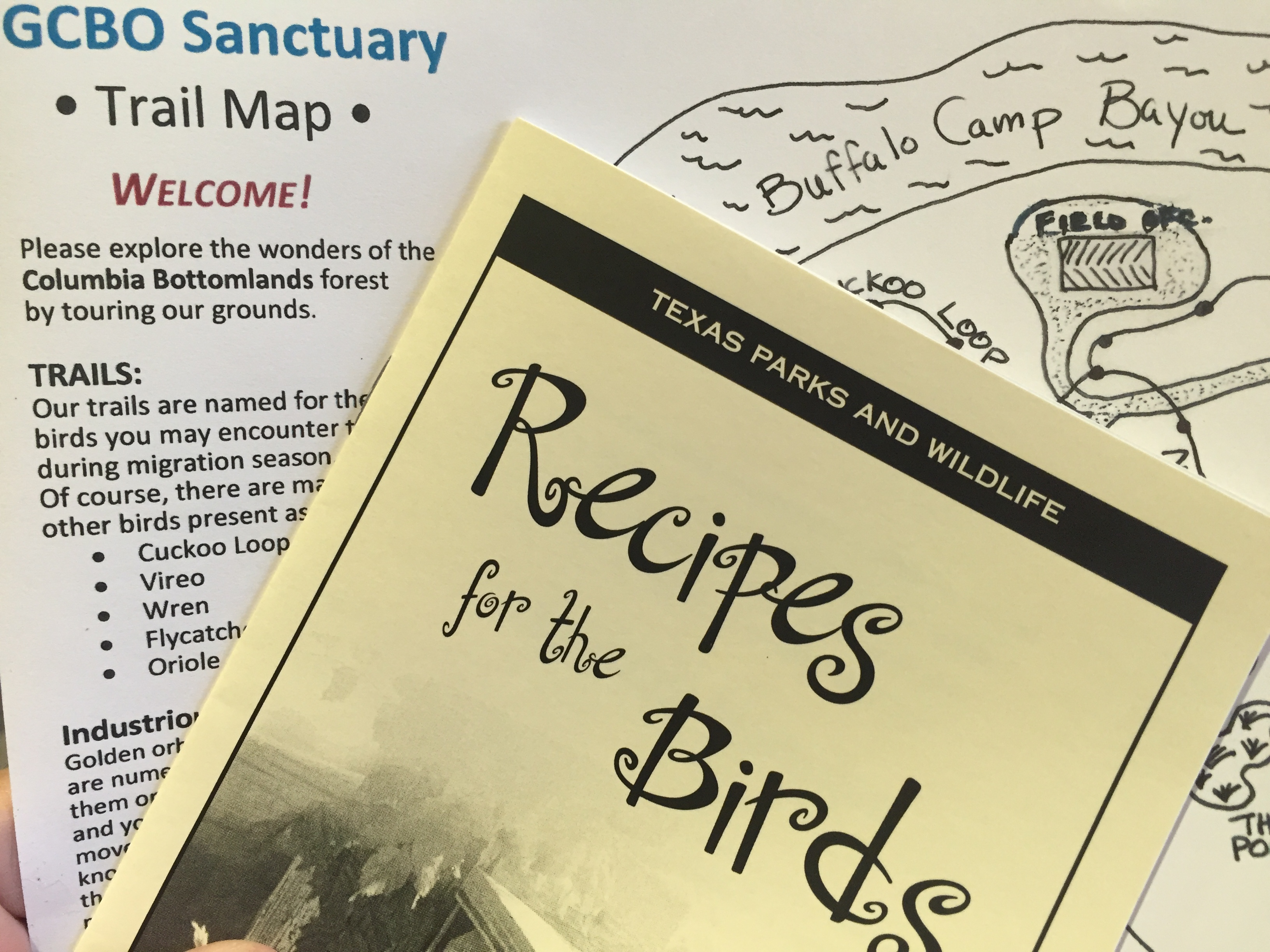 In addition to visiting our state parks, consider a trip to the Gulf Coast Bird Observatory. The self-guided nature trails are open Monday through Saturday from 8:30 AM to 4:30 PM. The monthly bird-banding operation is free of charge and no reservations are required. For more information on the Gulf Coast Bird Observatory visit their website. It’s a great place for adults and kids alike. Once you visit you too will agree that life’s better with birds!
The Oaks of Brazos Bend
Magnificent — that’s the word that best describes the huge live oak trees at Brazos Bend State Park. These stately giants elegantly dressed in Spanish moss have lived through lots of years of Texas history. As a kid I learned that scientists can determine the age of a tree by counting the rings in the trunk of the tree. The term for the study and dating of annual growth rings in trees is dendrochronology, from dendro (tree), chronos (time or events in past time), and ology (the study of).
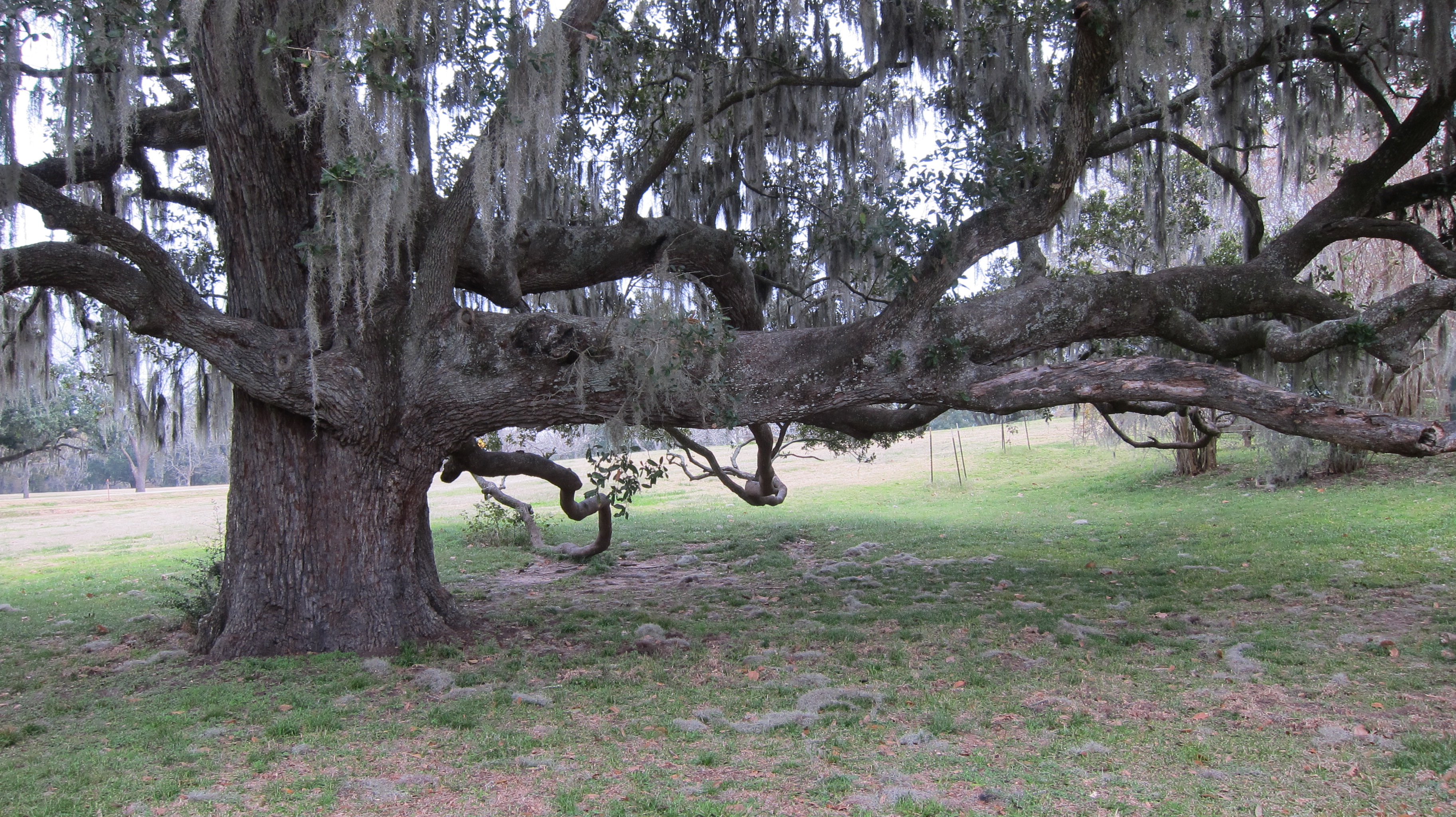 I know very little about the science of dendrochronology. But, that has never stopped me from admiring and enjoying the old, stately trees of Brazos Bend. Every time I hike or bike the trails at the park, I can’t help but wonder about the ages of these moss-draped giants. The oaks of Brazos Bend have survived lots of stuff through years of growth on the coastal plains of Texas, including hurricanes and droughts and other threats.
 I recently read “Forty Chances: Finding Hope in a Hungry World,” a book authored by billionaire Warren Buffet’s son, Howard. The older Buffet is quoted in the book as saying,“We do sit in the shade of trees planted by others.” He continued, “While enjoying the benefits dealt us, we should do a little planting ourselves.” What a great thought and reminder that there is wisdom in planting trees.
 Like John Chapman, the American pioneer nurseryman also known as Johnny Appleseed, those who plant trees have a vision that extends beyond their lifetime. Tree planters invest in the next generation and have faith in a future they may never see. They are not afraid to take on big projects or to start things for which they may never see an end result. And yet they plant anyway because they believe that someone in the future will one day enjoy sitting under the shade of the trees they planted.
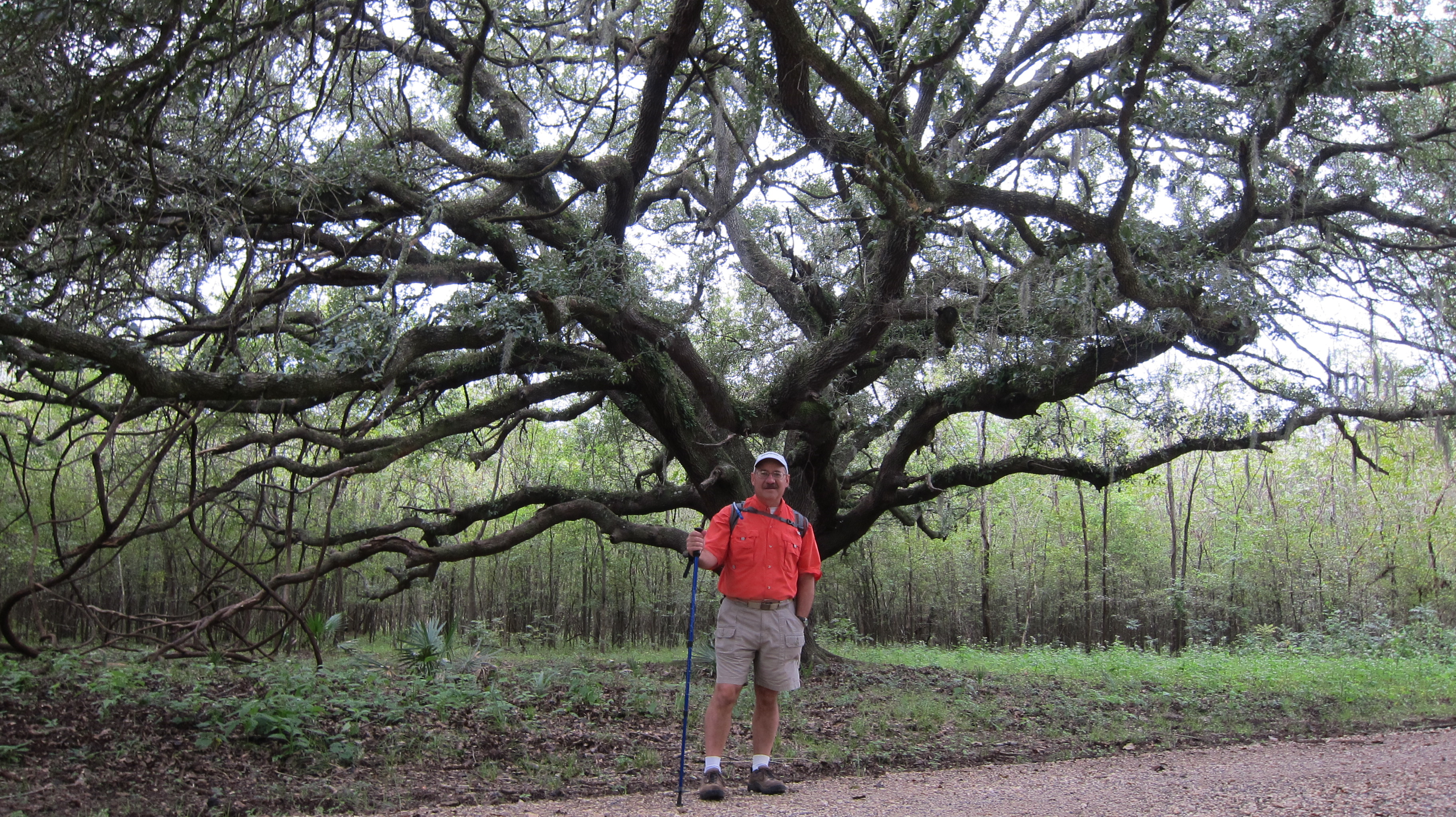 The huge trees at Brazos Bend did not get huge overnight. And the trees that we plant will not get big overnight. Good things, including growth and maturity, take time. It’s amazing to think that every majestic oak at Brazos Bend started as a seed. Big things often have small beginnings. Not every seed that randomly falls into the ground or that we plant will grow or survive the ravages of time, but some will. And those that do will provide shade for people we may never meet.
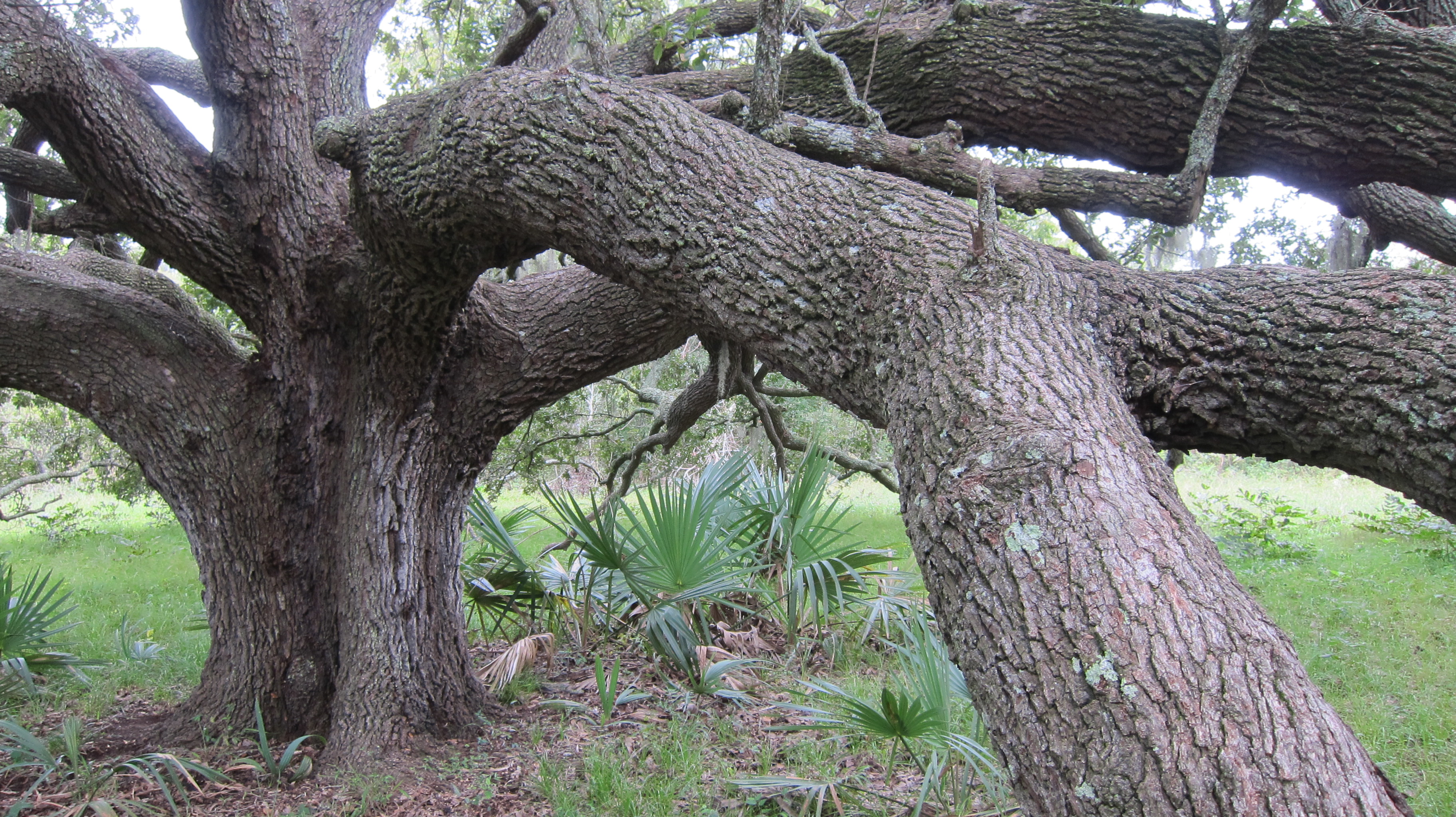 The next time you visit the Coastal Plains of Texas, make it a point to visit Brazos Bend State Park, if for no other reason than to enjoy the trees and to sit under their shade. These trees are a Texas treasure and will continue to provide enjoyment to park visitors for years to come. And, if you are so inspired, go home and plant a tree that will grow to provide shade for people you may never meet.
The Tree of My Youth
I enjoy windshield time on Texas highways. On a recent drive, I turned West off of US Route 77 onto Texas State Highway 285. The range on either side of this desolate 22-mile stretch between Riviera and Falfurrias is riddled with gnarled mesquite trees.
 Call me crazy, but I like mesquite trees. The mesquite is the tree of my youth — the first tree I learned to identify and the first tree I climbed as a kid. We had little grass on the lawn of our home in the small town of Mission, but we had plenty of mesquite trees. I had many an adventure in and around these trees and many fond memories as a result.
 The name of the tree is an Hispanicized version of the Aztec word mizquiti. This hardy tree refuses to grow straight and has a disposition as defiant as the rugged environment where it thrives. And, its gnarled wood is as hard as the vaqueros, the cowboys, that settled South Texas. The mesquite is one tough tree — certainly harder to kill than any weed.
 The mesquite tree is a survivor that laughs in the face of drought. It has a tap root that can reach depths in excess of a hundred feet and lateral roots that spread in all directions, each designed to drink in the life-giving moisture that enables it to survive in harsh environments. South Texas ranchers either love them or hate them, but there is no middle ground.
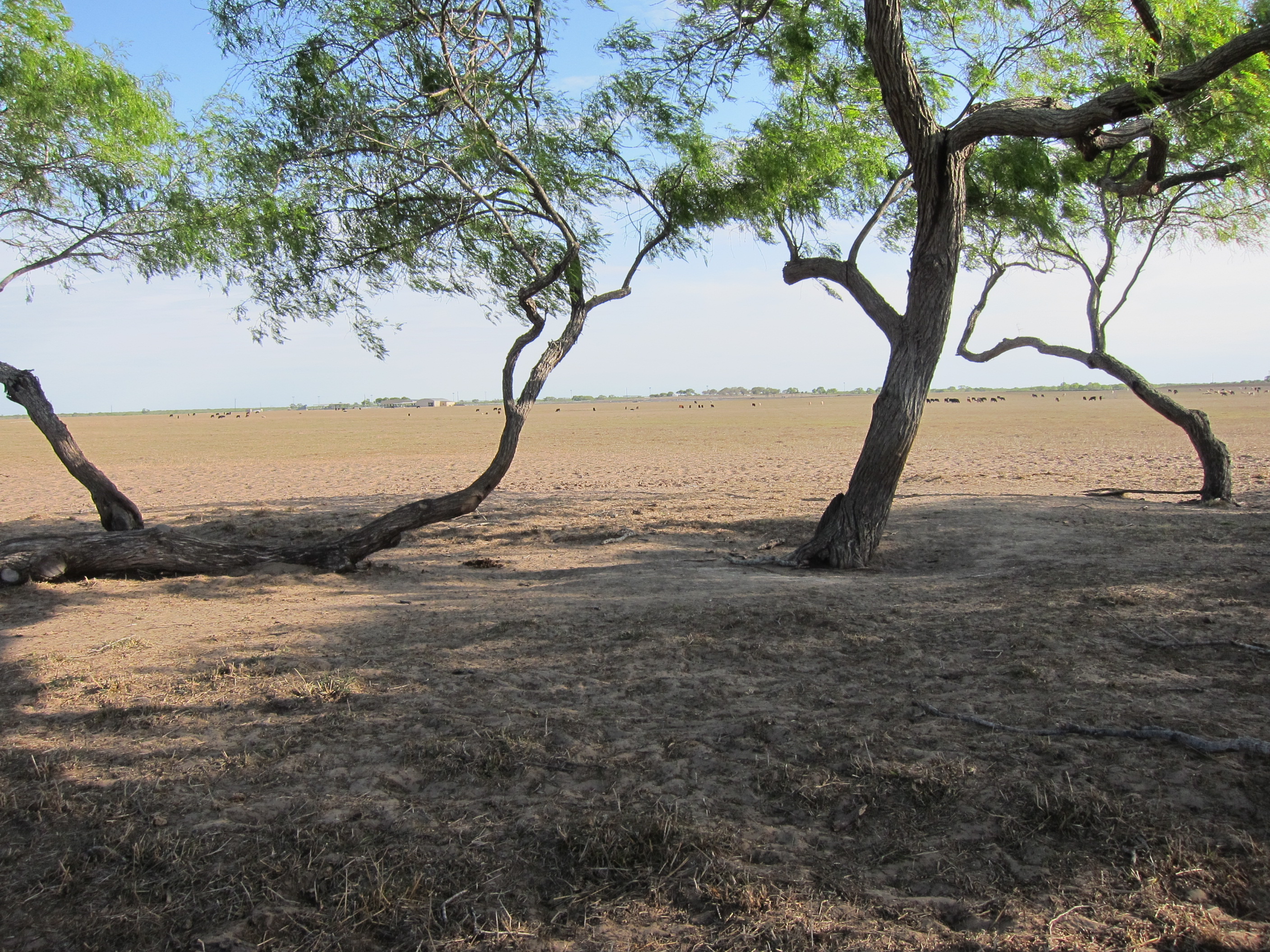 Texas writer J. Frank Dobie loved mesquite trees. He wrote, “I could ask for no better monument over my grave than a good mesquite tree, its roots down deep like those of people who belong to the soil, its hardy branches, leaves and fruit holding memories of the soil.” However, pioneer Texas rancher W.T. Waggoner called the mesquite “the devil with roots,” adding “It scabs my cows, spooks my horses, and gives little shade.”
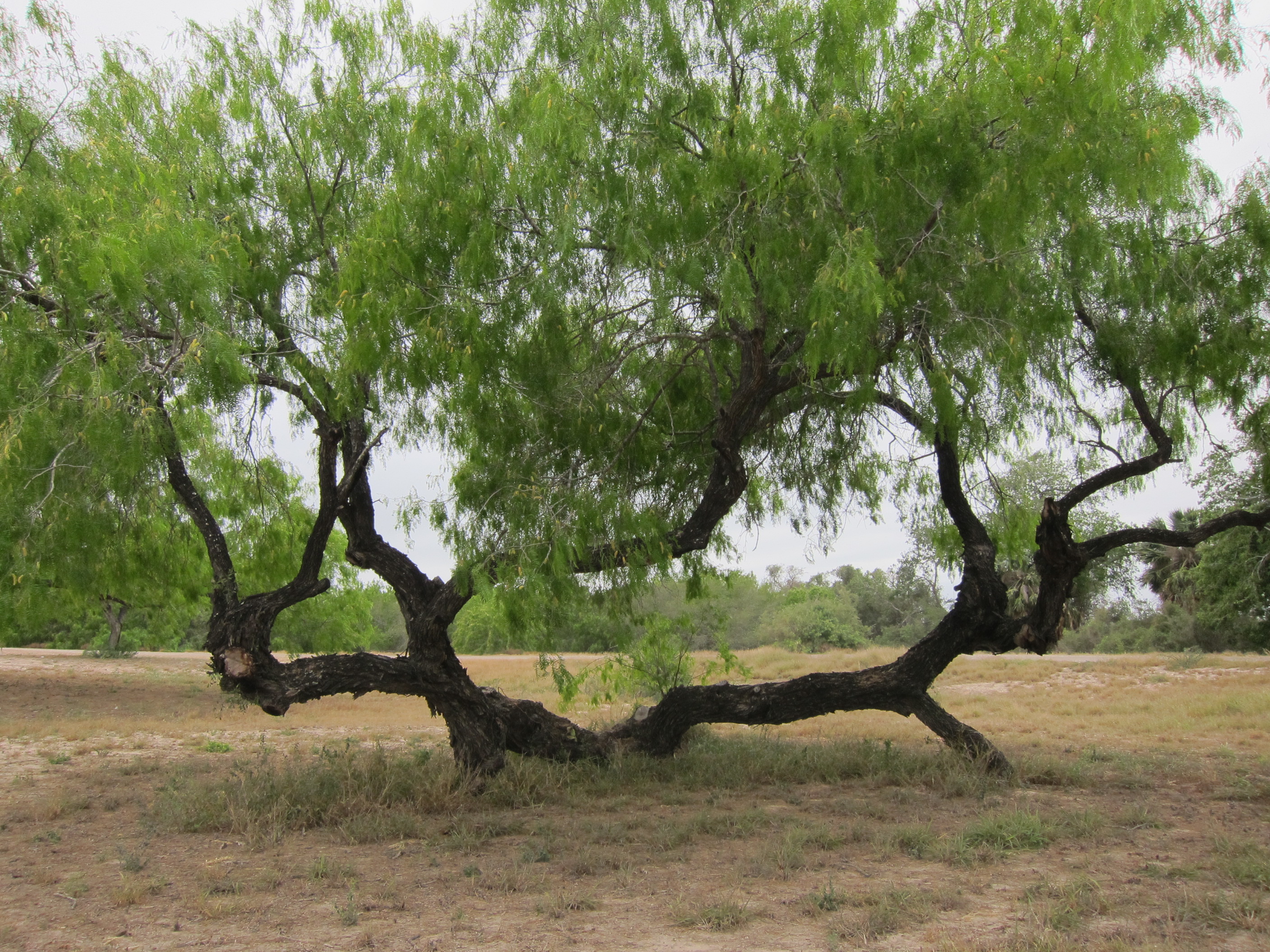 I like the ubiquitous mesquite tree. I always know that I am a little closer to home when I catch sight of their gnarled trunks in the distance and see them waving to me with their feathery leaves when I turn on to Highway 285 to begin the final leg of my journey home. It is the tree of my youth — a tough tree that reminds me to always persevere.
 Explore Texas