Encino, Texas

Every now and then when I find myself somewhere between where I’m coming from and where I am headed I just can’t help myself — I have to turn off the main road to explore a back road. Even if I drive only a few miles down that road, I make new discoveries and always find interesting things to photograph.
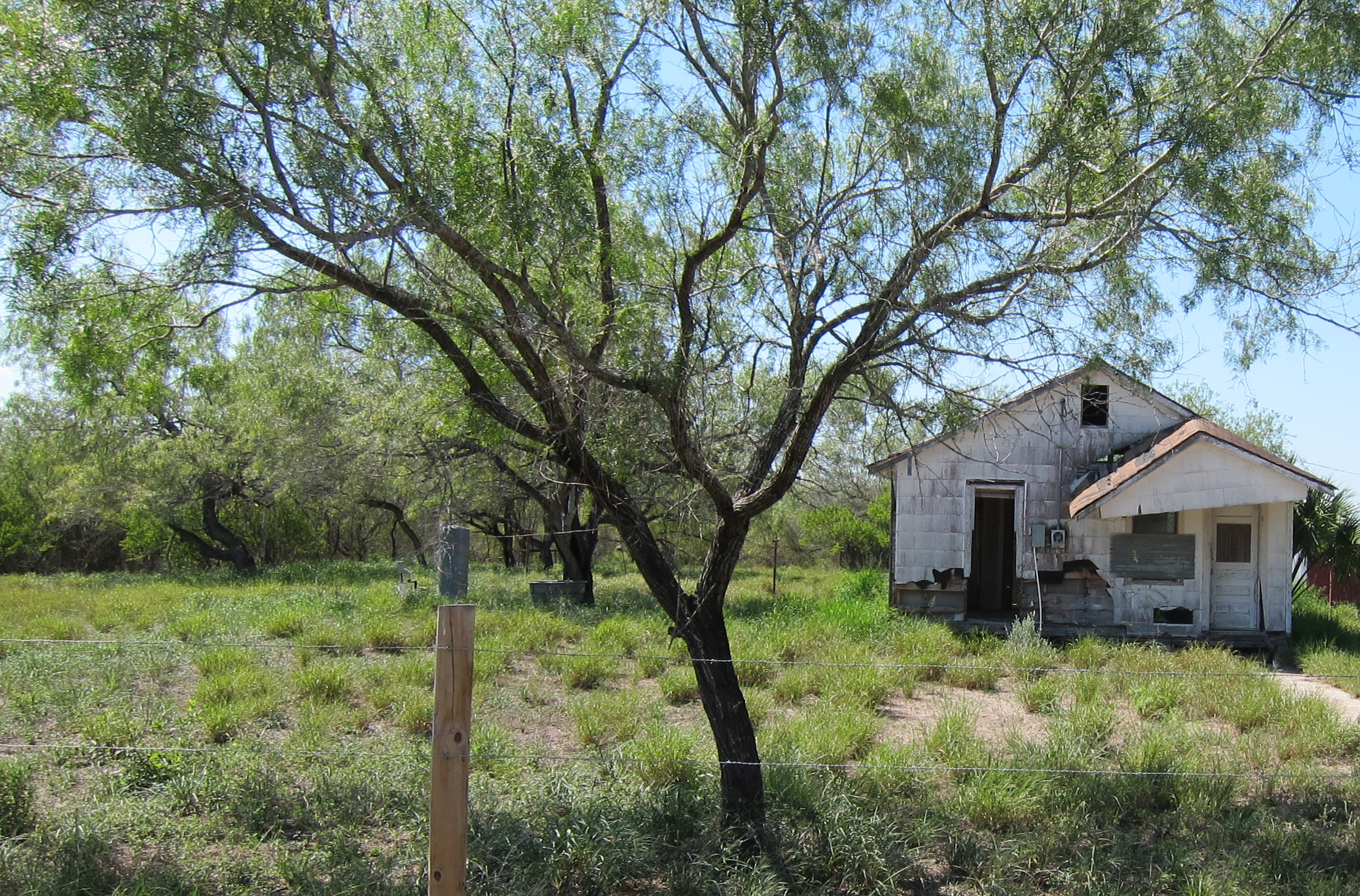
Mesquite and BuildingThat’s what happened while recently traveling to South Texas. My wanderlust kicked in and beckoned me off the beaten path. So, I slowed down and turned on to a caliche backroad near the rural community of Encino. Located eighteen miles south of Falfurrias on Highway 281, Encino is regarded as a “census designated place” and not a town because it does not have a municipal government. You don’t even have to blink to miss it.
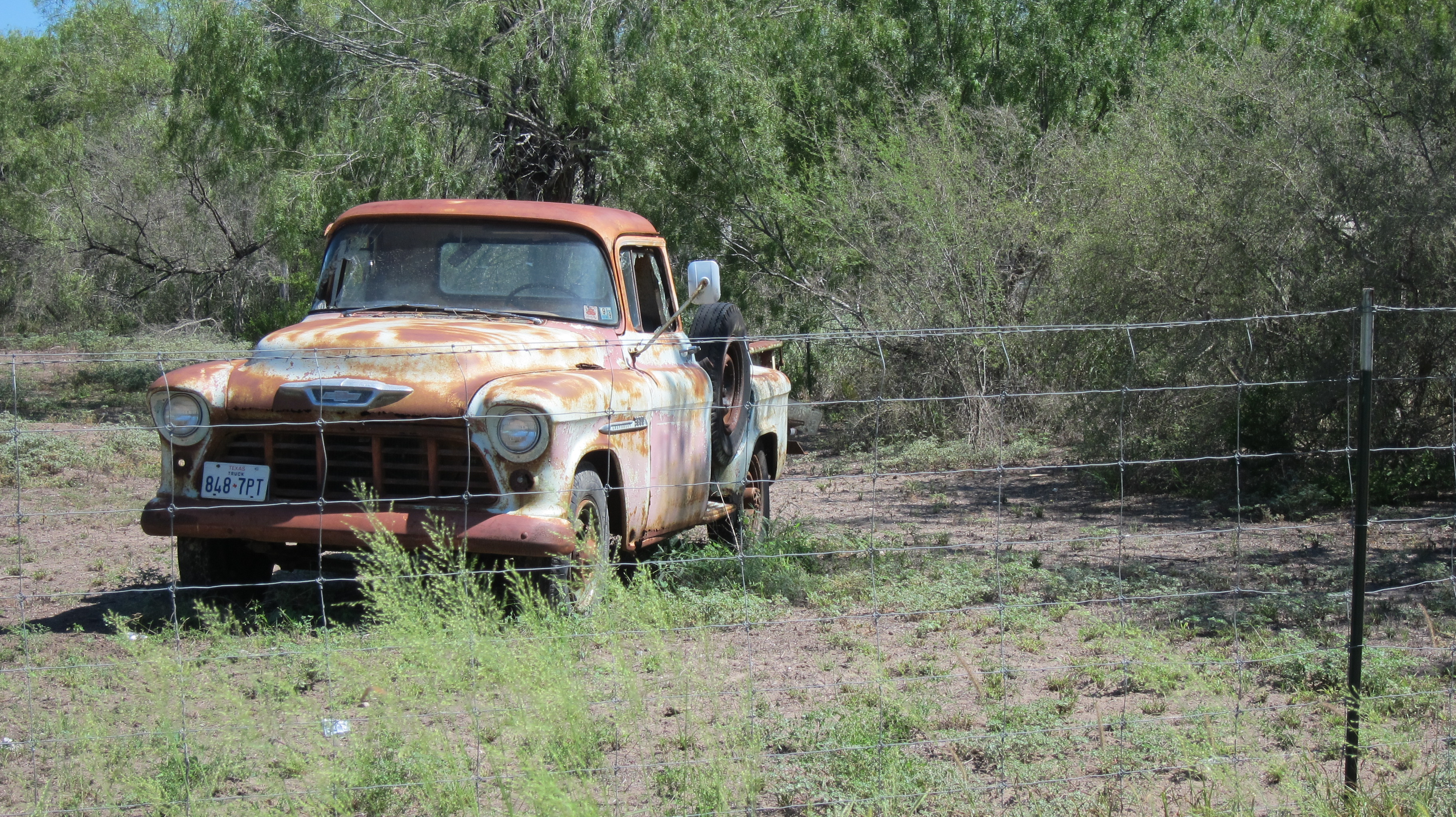
Encino TruckIn 1832, a man named Luciano Chapa acquired a Mexican land grant called La Encantada y Encina del Pozo, translated “Enchanted Place and Live Oak in a Hole.” The name of the grant reportedly was derived from a large live oak around which animals seeking shade wore down the land under the tree. In the early 1900s, the Encino community was established at the site as a roundup point for cattle raised by Mexican cattlemen.
Encino, TexasA historical marker erected near Encino by the Texas Historical Commission reads as follows:

El Encino del Poso

In this vicinity once stood a magnificent live oak tree that was an early landmark on the South Texas Plains for many years, noted for its size and its wide canopy. It was located in a large hollow created by livestock that gathered beneath its branches and by winds that eroded the exposed soil. El Encino del Poso was a landmark for early trails and land grants. It also served as the location of a stagecoach station and as the basis for naming Encino. The tree died in the 1890’s, before the formation of Brooks County, the victim of an extended drought.
Encino Windmill
Today, the backroads near Encino are accented by evidence of the passage of time — reminders that this is still hard country to tame. The proof is there in the form of weathered windmills, old shelters that look like they are melting into the brush, and assorted rusting remnants left behind by a previous generation. These old time-tarnished sights are starkly juxtaposed against a few newer homes and vehicles and farming and ranching implements.

In 1996, families in the area fought to keep the local elementary school open when the Brooks County Independent School District was looking for ways to cut costs from their overburdened budget. Even families without kids got involved in the fight to save the elementary school established in 1949.

The Dallas Morning News quoted the school principal as saying, “We don’t have problems with gangs. We don’t have problems with profanity. We don’t have problems they have everywhere else. The parents are trying to keep these kids in this type of environment as long as possible.” The involvement of families in the fight to keep their school reminds us that parents in small and large communities share a common concern about the welfare of their kids.

The next time you find yourself traveling south on Highway 281, take a moment to slow down and look to the left and to the right as you drive past Encino. While Encino and other tiny Texas towns may not look like much from the road, there is more there than meets the eye! Encino is home to families that have lived there for generations and who care very much about the next generation.

The Small Town Post Office

One of the fondest of my childhood memories is of the post office in my small hometown of Mission, Texas. Every morning, my grandfather would stop by the post office on his way to work. From the time I could walk he started taking me on his daily visit to get the mail. He and I would ascend the seven steps hand in hand, enter through the glass door, turn right, and go to Box 507.
Mission Post Office StepsJust thinking about my visits to the post office with my grandfather reminds me of the peculiar but not unpleasant smell of the place. Those were the days before e-mail and junk mail, so every item in Box 507 was important. Sometimes my grandfather would open and read a letter while standing in the post office. I knew that it had to be something important.

Over the years my grandfather also encouraged me to write letters and helped me to mail them. He taught me how to approach the man at the window to buy a stamp, where to place the stamp on a letter, and explained the journey my letter would take.

As I got a little older, my grandfather encouraged me to write letters to those in public office. I still have a copy of a reply I received from United States Senator John Tower when I was twelve years-old. I mailed my letter to Senator Tower from the post office in Mission.

When my grandfather told me that my cousins in Michigan wanted to see a real, live Texas horny toad (a horned lizard), he asked me to go out and catch one so that we could mail it to them. So, I did. We put the horny toad in a shoe box, punched holes in the side, included some bugs for a snack, and then headed for the post office.

I still remember the sound of the horny toad scratching the inside of the box as we walked up the steps to the post office. We took the box to the window, the fellow there calculated the postage, and off went the Texas horny toad on his great adventure to Michigan. I am happy to report that the little critter arrived there safely, to the delight of my cousins.
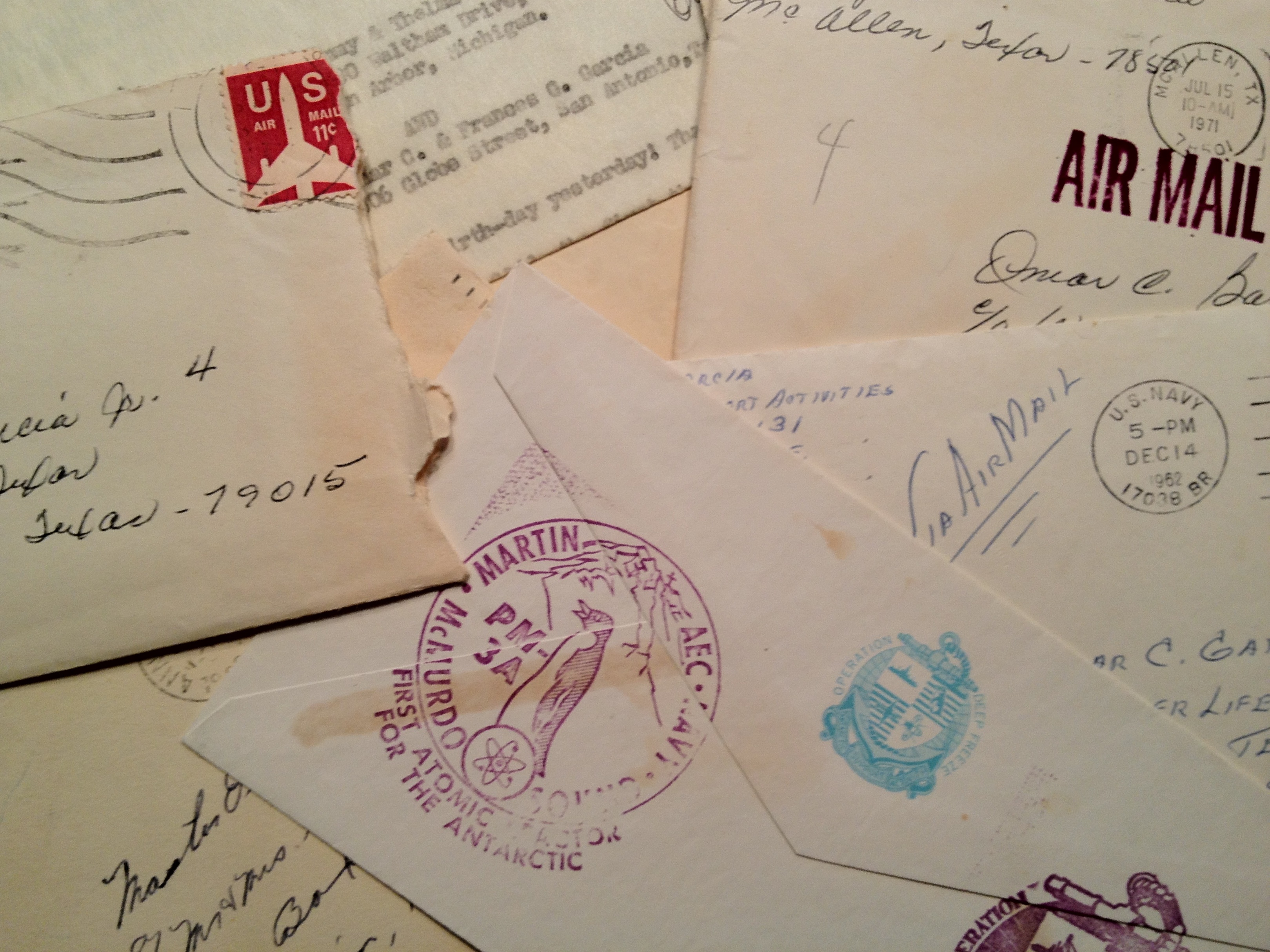
Family LettersGoing to the post office daily with my grandfather gave me an appreciation for writing and receiving letters. It was just as fun for me to mail a letter as it was to receive one. Over the years I managed to hold on to several letters that are, today, worth more to me than gold. They are irreplaceable because they keep me connected to the people and the places that shaped me.
Mission Post Office SignAs much as I enjoy the convenience and speed of email, there will always be a part of me that misses going to the post office and the excitement of receiving a handwritten letter with an interesting stamp affixed to the upper right corner. Today, Mission has a new and modern post office. The old post office building was converted to a Museum Store a few years ago.

I know the day is coming when post offices and handwritten letters will be a thing of the past, but I’m going to continue to do my part to postpone that day by writing letters. I miss standing in front of P.O. Box 507 with my grandfather, but I am grateful for the things I learned from him at the post office in our small town.

Law West of the Pecos

There is no question that Texas is big and vast. In Texas you measure distance by hours rather than miles — a lesson I learned when I traveled on a hot school bus from the Rio Grande Valley to the Buffalo Trails Scout Ranch in the Davis Mountains in 1972. One of the most memorable parts of that long journey was stopping at Langtry to visit the Jersey Lilly, the place where the legendary Kentucky-born Judge Roy Bean dispensed justice in the late 1800’s.

Roy Bean called himself the “Law West of the Pecos.” I first learned about Judge Roy Bean from my grandfather when I was a kid growing up in Mission, Texas. My grandfather was a real estate broker and served on the Mission City Council. One year he was recognized as the oldest city commissioner actively serving in the state of Texas. He also provided notary and translation services to folks in town. And, he loved Texas history.

Law West of the PecosMy grandfather leased a part of his office to a man named Leo Gonzalez, the local Justice of the Peace. Judge Gonzalez had an old painting of the Jersey Lilly hanging on the wall in his office above a sofa. The building in the painting had a sign prominently displayed above its entrance: Judge Roy Bean | Notary Public | Law West of the Pecos. That was my introduction to Judge Roy Bean.

Judge Roy Bean PicMy grandfather shared amusing stories with me about the colorful Judge Roy Bean. It’s hard to separate fact from fiction when it comes to Judge Bean. But there is no question that he was a fascinating character in Texas history. He owned a single law-book but rarely referred to it. Instead, he dispensed his own brand of justice. Once, Judge Bean fined a corpse, ironically for the exact amount that the deceased man had in his pocket when he had died! But, in the lawless and desolate Chihuahuan Desert of West Texas, Judge Bean was the man for the job.
Boy Scouts at Jersey LillySo, when my Boy Scout Troop leader announced that we would be traveling to the Davis Mountains and would visit the Jersey Lilly along the way, I was excited to have the opportunity to see a place I had heard so much about. Since that first visit to Langtry with Boy Scout Troop 68, I have stopped by the Jersey Lilly on a couple of other occasions.

Langtry and the Jersey Lilly reek of the gritty old west. I love walking around the place, perhaps because it makes me nostalgic and reminds me of my grandfather, Judge Gonzalez, and the old painting hanging on the wall in his office.

I am fortunate that my grandfather stirred my imagination and nurtured my curiosity by telling me stories about colorful Texas characters like Judge Roy Bean. Texas has no shortage of interesting people and places that can connect us to the rich history of the Lone Star State.

If you have never visited Langtry, I encourage you to add it to your list of out-of-the-way places worthy of a visit. You’ll enjoy walking back in time to the days when Judge Roy Bean dispensed his sometimes quirky brand of justice in the vast Chihuahuan Desert west of the Pecos.

Welcome, Texas

Texas has no shortage of small towns with interesting names — including Welcome, a small unincorporated community in Austin County. Welcome is located on FM 109 between Industry and Brenham, the home of Blue Bell Ice Cream. This tiny if-you-blink-you-will-miss-it spot in the road is definitely worth a visit.
Welcome Texas SignThe town was settled in the late 1820‘s but remained nameless until 1852 when a German immigrant named J.F. Schmidt christened the town Welcome — a name that he felt reflected the hospitality of the residents. At its peak, the town boasted a population of no more than a couple hundred folks and a few businesses. Today, a little more than a hundred folks call Welcome their home.

A friend and I drove through New Ulm on our way to Welcome and pulled over to walk through the cemetery, established in 1853. I make it a point to stop by old cemeteries when I travel Texas backroads. You can learn a lot about a place and the folks who settled there by visiting their burial places.
New Ulm CemeteryAs my friend and I walked through the cemetery at New Ulm we headed for the oldest grave markers. That’s when we noticed a pattern — an entire section of graves of children who all died at the turn of the twentieth century. After reading the names and dates on these graves we felt heartsick and wondered what had happened to these children. We talked about how the deaths of these kids must have impacted their families and the New Ulm community in those years.
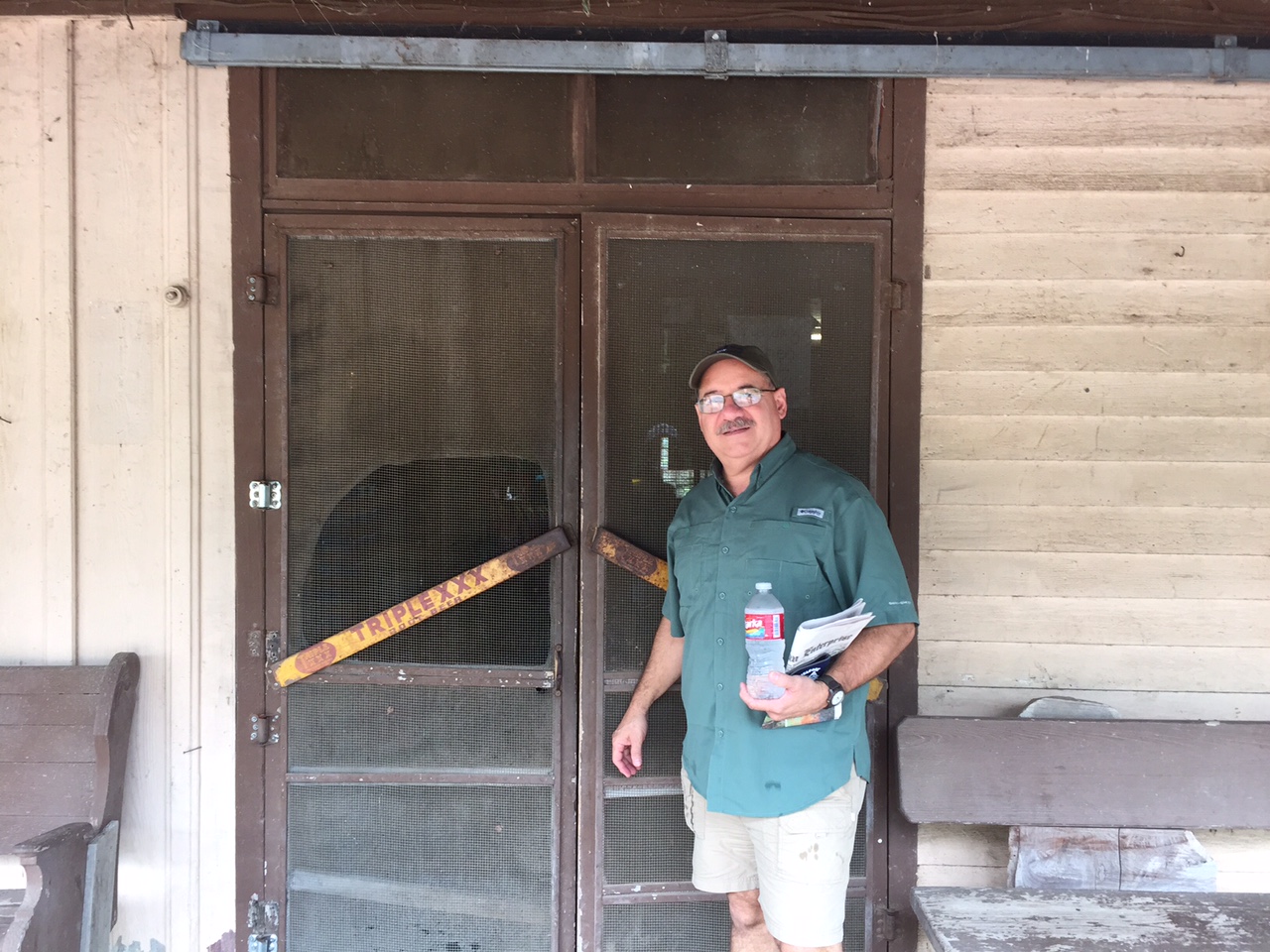
Welcome StoreWhen we arrived in Welcome we stopped by the Welcome Store, established in 1890 and a Texas Historic Landmark. The original two-story building was damaged by a storm in 1900 and reconfigured as a one-story building with two asymmetrical gables, a wide front porch, and a screened door entry. The building pretty much looks the same today as it did when it was rebuilt after the storm.
Omar at Welcome StoreStepping inside the Welcome Store was like stepping back in time. The place is a fascinating time capsule crammed with tons of interesting details. Leonard and Lynn Wittneben, the current owners, greeted us warmly. This sweet couple raised their family in Welcome and recently celebrated their 50th wedding anniversary.
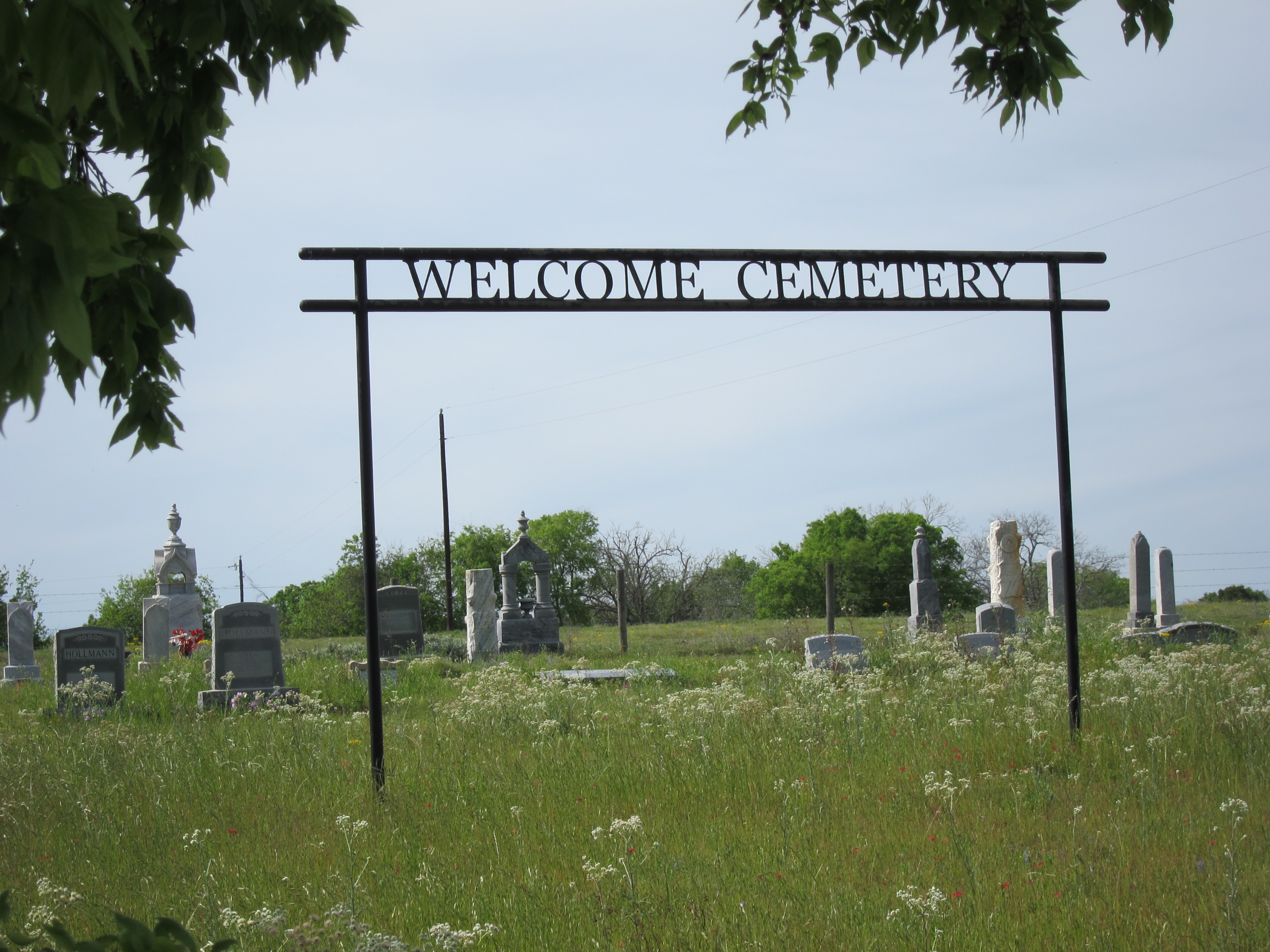
Welcome CemeteryWhen we told Leonard and Lynn about our visit to the New Ulm cemetery and mentioned the number of graves for kids, Lynn told us that a typhoid epidemic had taken the lives of the children. “You’ll see the same thing at the old Welcome cemetery, the one across the street from the Lutheran church” she said. “There’s a whole section of graves for kids who died during that same epidemic.” Times were hard then.
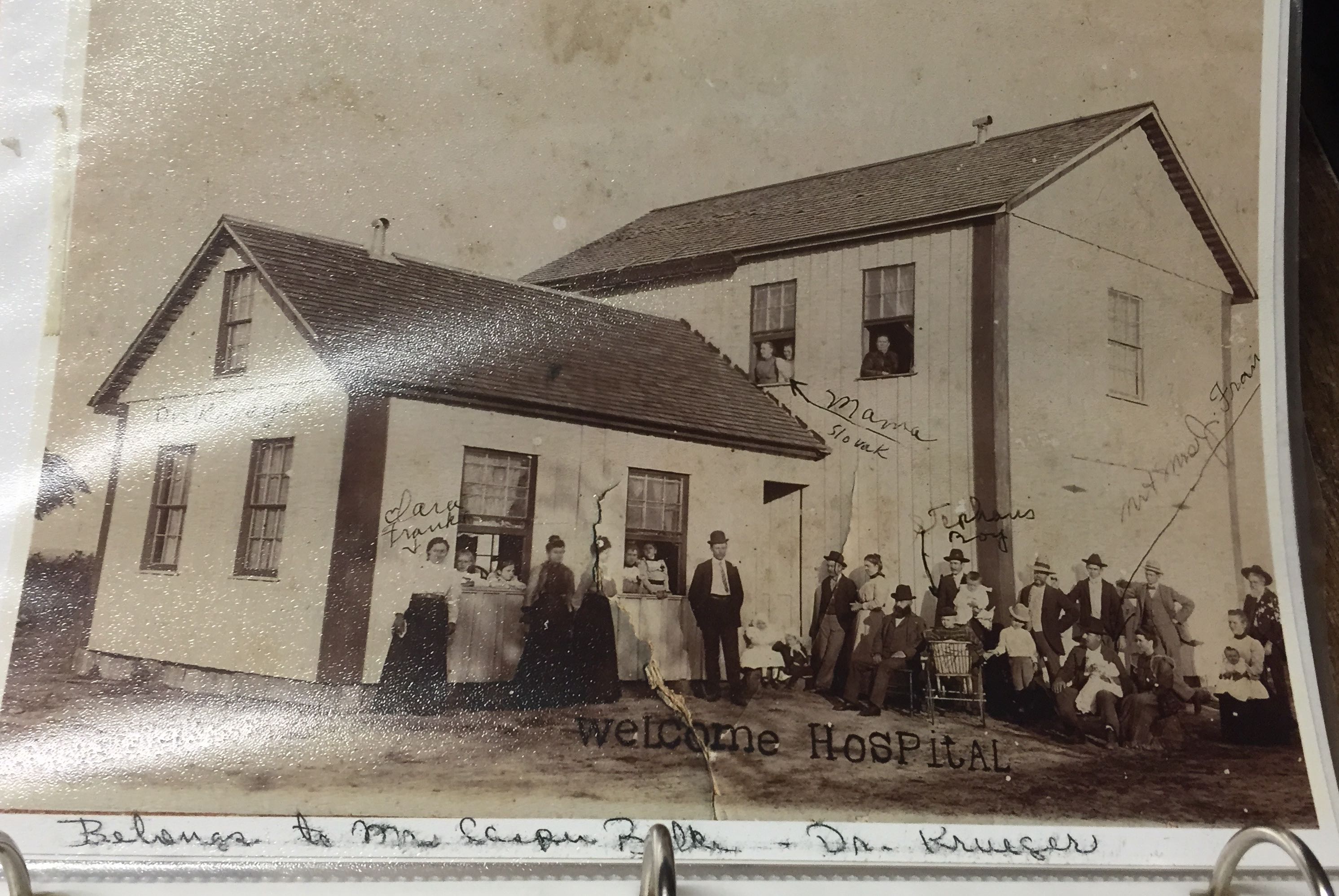
Welcome Hospital PicLynn motioned to Leonard to get their history album, a collection of old photos and stories  about Welcome crammed into an old notebook. Welcome actually had a hospital in its early days, and a doctor whose methods later came into question and led to his suicide. We sat with Leonard and Lynn for almost an hour and listened to the fascinating history of their beloved community.
Omar w Leonard and LynnWhen we finally exchanged good-byes, our new friends invited us to stop in again sometime. My buddy and I agreed that Leonard and Lynn are true ambassadors for a tiny community named for its hospitality. They indeed made us feel welcome in Welcome.

If you are ever anywhere near the vicinity of Welcome, take a moment to stop by the old Welcome Store, a place that has served travelers and residents for the past 125 years. Leonard and Lynn will welcome you and remind you that good-old Texas hospitality is never out of date. Oh, and while you are there, ask Lynn to tell you the fascinating story about their wedding cake!

The Backroads Adventurer

Texas leads the nation with 675,580 miles of highways and byways, enabling you to get to anyplace you want to visit at whatever pace you want to travel. While I enjoy the 85-mile per hour speed limit on Interstate-10 once you head west of San Antonio, I still prefer to travel the Lone Star State at a much slower pace.

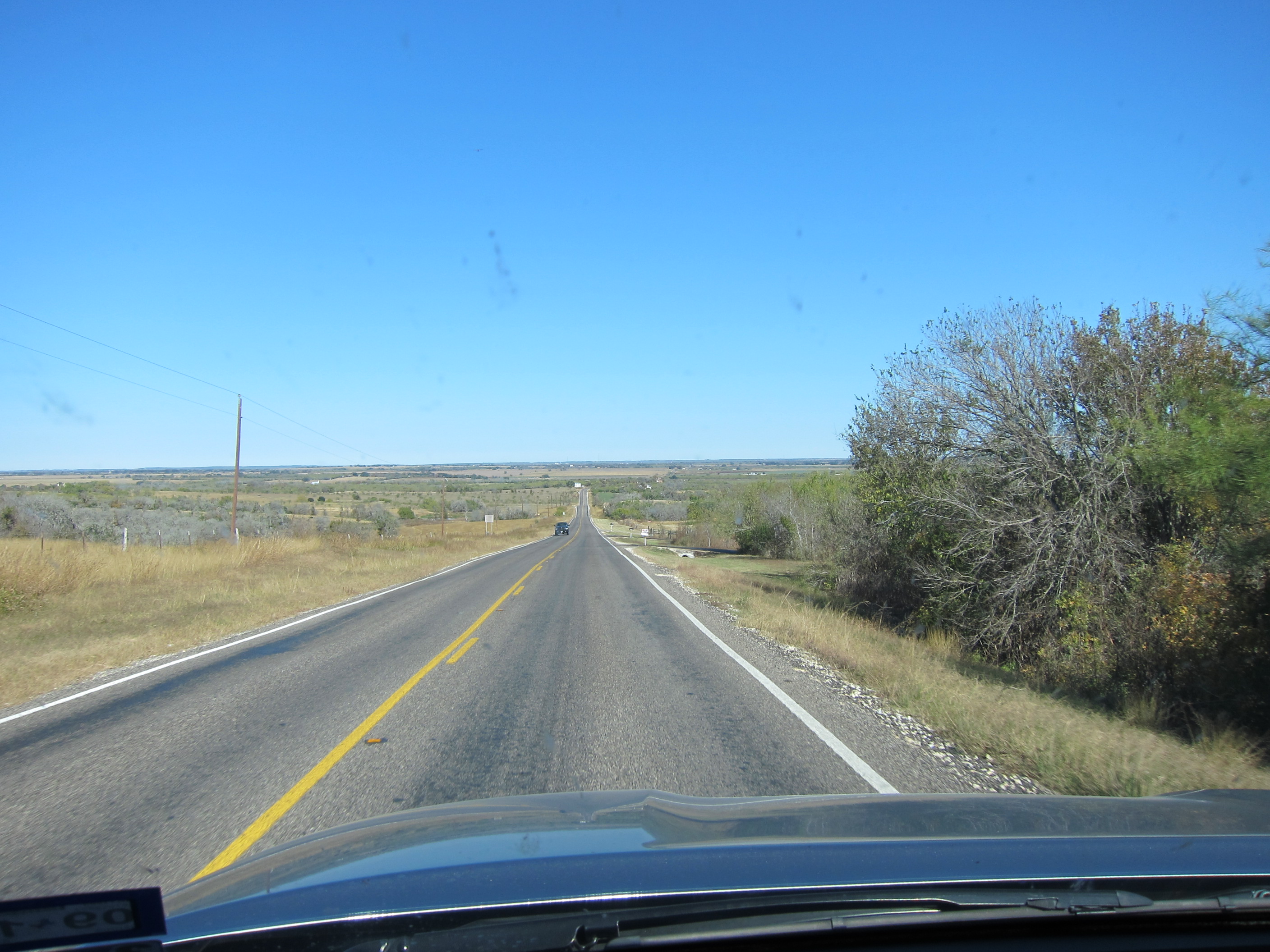
Traveling Texas backroads yields treasures that are easily missed when you travel by faster routes. Not the least of these treasures are the many small towns, farms, and ranches along two-lane arteries off the beaten paths. I have made a list of some of my favorite things about traveling at a slower pace along Texas backroads.
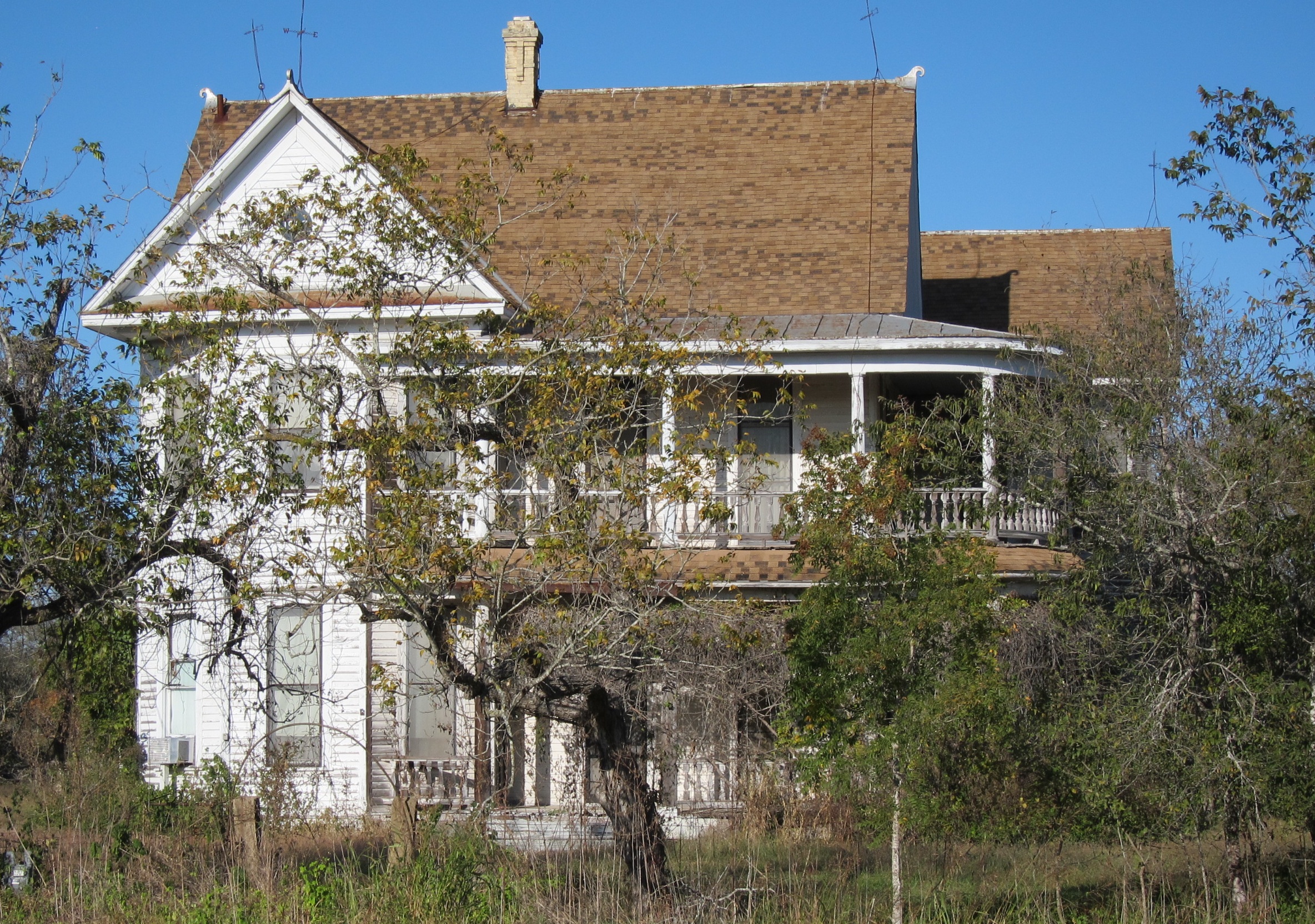
Texas 1907 House10. Interesting old houses and buildings. | Every small town has interesting old houses and buildings, some in a permanent state of disrepair, melting away in the heat of the passing years. These places stir my imagination. I also enjoy seeing how entrepreneurs have restored or repurposed old houses and buildings and turned them into craft shops, specialty boutiques, restaurants, and more. It’s nice to see new life breathed into old buildings.

9. Historic hotels. | Many of the smaller destinations in Texas have some of bigger and better historic hotels. I especially like the old Gage Hotel in Marathon and Hotel Limpia in Ft. Davis. These old hotels are beautifully appointed with antiques and offer comfortable common areas where you can actually enjoy relaxed conversations around the hearth with other guests.
Two Trucks8. Steering wheel salutes. | When driving Texas backroads, especially in a pick-up truck, you can expect the person in the approaching vehicle to give you a quick salute with the hand on top of his steering wheel. Or, if you make way for the guy behind you to pass you on some two-lane backroad, he will generally give you a courtesy thank-you wave. The good thing about all this is that folks in Texas wave at you with all of their fingers!

7. Incredible hospitality. | You can expect to meet some really friendly folks when you travel Texas backroads. Once, when my wife and I were running late, we phoned ahead to tell the small town hotel of our late arrival. The lady told us not to worry. “If you get here late,” she said, “we’ll leave the key in an envelope with your name on it on the front porch. It will unlock the front door to the hotel and also the door to your room.”
Dairy Queen Burnet Tx6. The Texas Stop Sign. | You will not see many Golden Arches when traveling Texas backroads, but you will see the Texas Stop Sign in almost every small town you come to — Dairy Queen. Enjoying a cone dipped in chocolate at a Dairy Queen in a small town is the equivalent of ordering one of those fancy coffee drinks at a big city Starbucks.

5. Home-style cooking and generous portions. | When traveling the backroads, you should always take time to ask the locals about the best places to eat. Or, just pick a place that looks interesting and stop in for a meal. That’s how I have discovered some really good places to eat that offer home-style-made-from-scratch cooking offered in generous portions complete with a tall glass of sweet tea. Oh my!
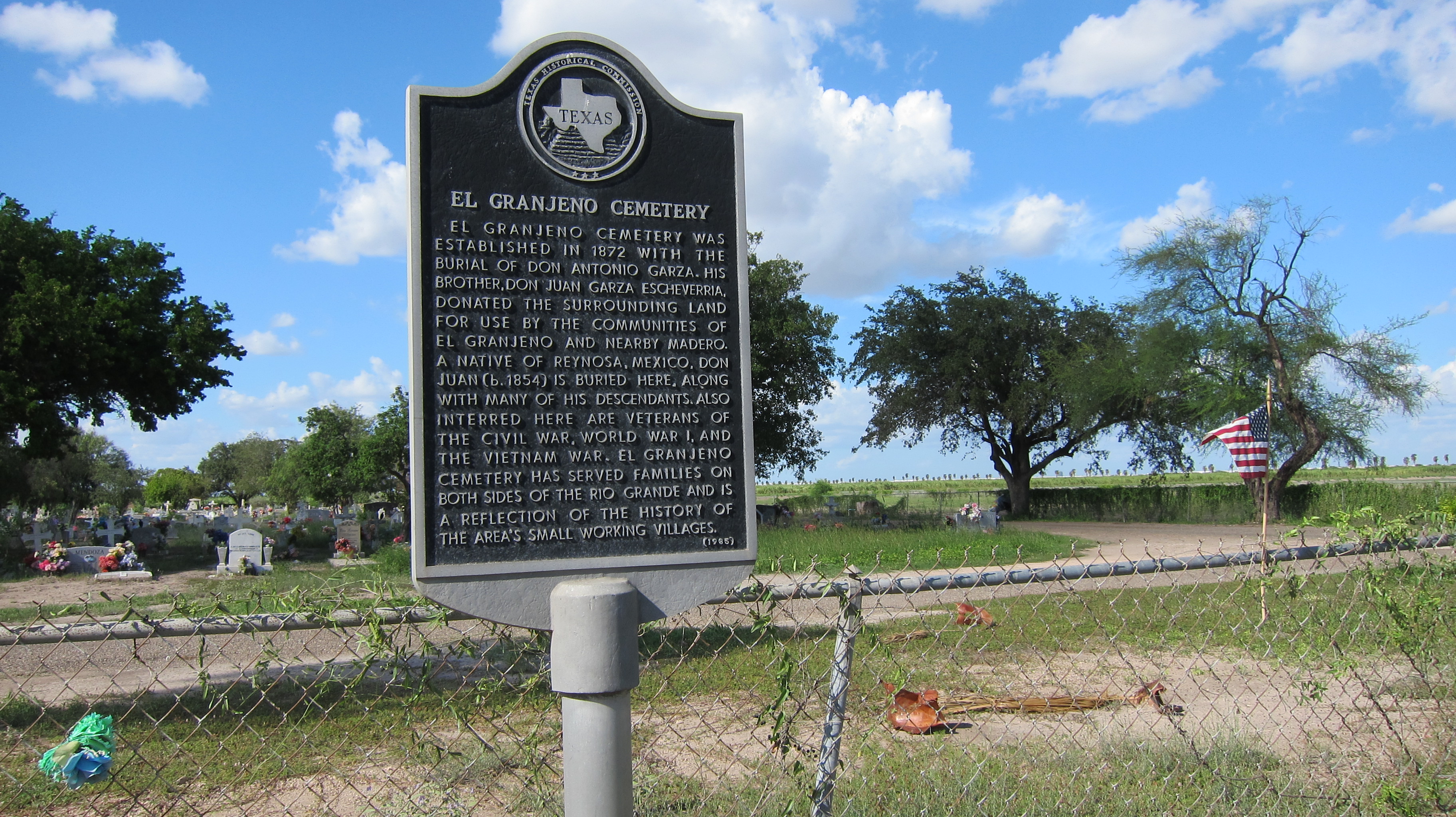
El Granejo Marker4. Historical markers. | Texas has a great Historical Marker system in place throughout the State. One advantage to not being in a hurry is that you can take the time to stop and read some really interesting things about what happened at or near wherever you happen to be.

3. County courthouses and town squares. | County seats in Texas boast some of the best-looking courthouses in the nation. These prominent courthouses are generally centrally located and adjacent to inviting town squares where people actually sit on park benches and have conversations.
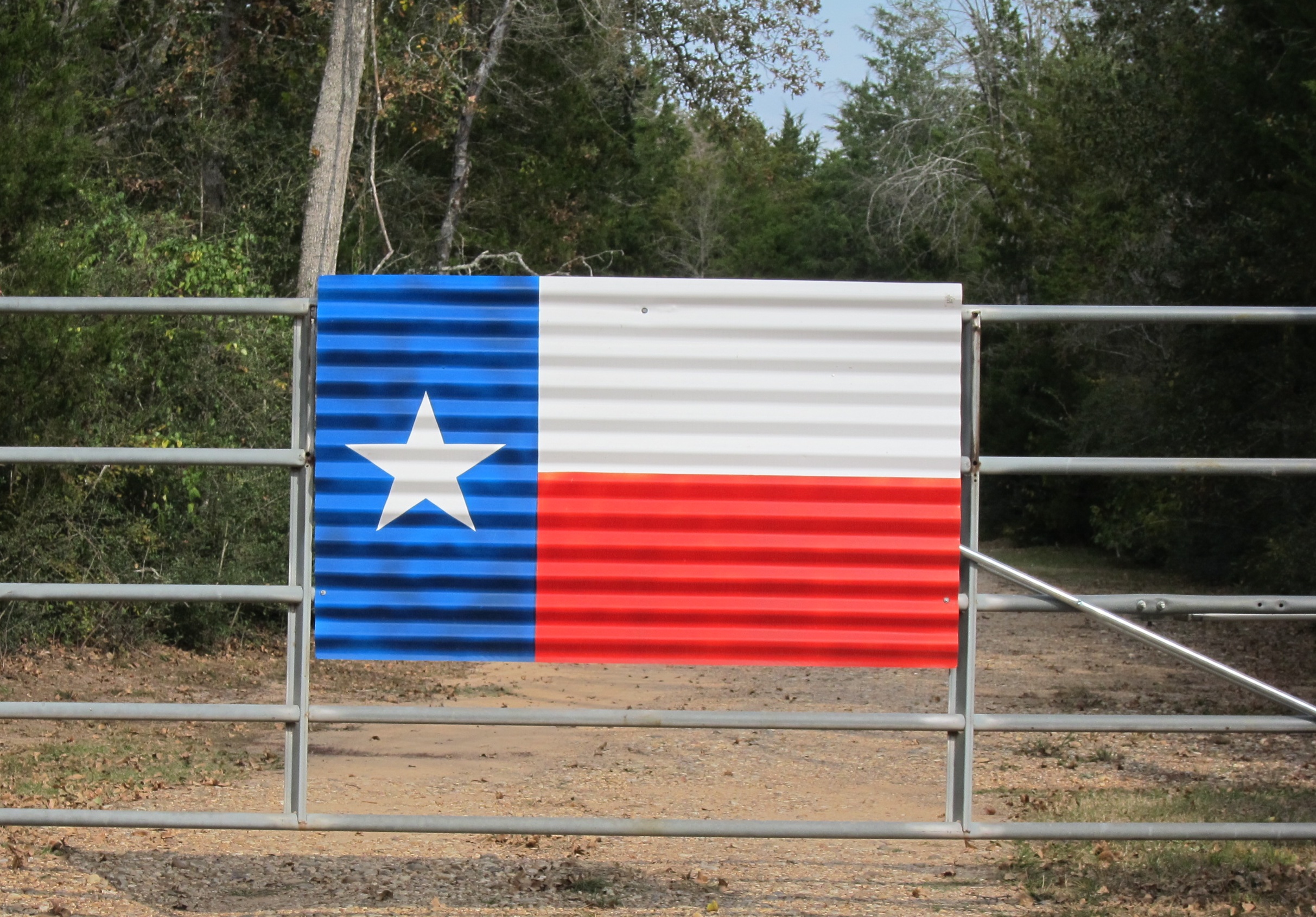
Texas Gate2. New friends. | One thing I enjoy most about slower travel along Texas backroads is meeting interesting people along the way. On one road trip, my wife Cheryl and I met a young lady from New York who had left the corporate world to seek new employment and adventure in small town Texas. She was excited about making a new start in really small town. This New Yorker turned Texan is one of many interesting people we have met over the years because we travel at a slower pace.

1. Sharing the adventure. | I have traveled many backroad miles all by myself in my pick-up truck. But, I prefer to travel with my wife or a friend in the passenger seat. I believe that the beauty of the Lone Star State is made even more enjoyable when you share the experience with a loved one or a friend. So, the next time you venture out, take someone along and enjoy Texas.

Dime Box, Texas

One of the best resources for planning a Texas road trip is a map with lots of detail. That’s how I discovered Dime Box, Texas — a small town located 12-miles northeast of Giddings. When I saw the name of this little town on my map, I knew that I had to go there by way of the most meandering route available.
Gravel RoadDime Box was founded sometime between 1869 and 1877 by a man named Joseph S. Brown who built a sawmill about three miles northwest of the present community. Within a short period, other settlers came to the area and the community became known as Brown’s Mill.
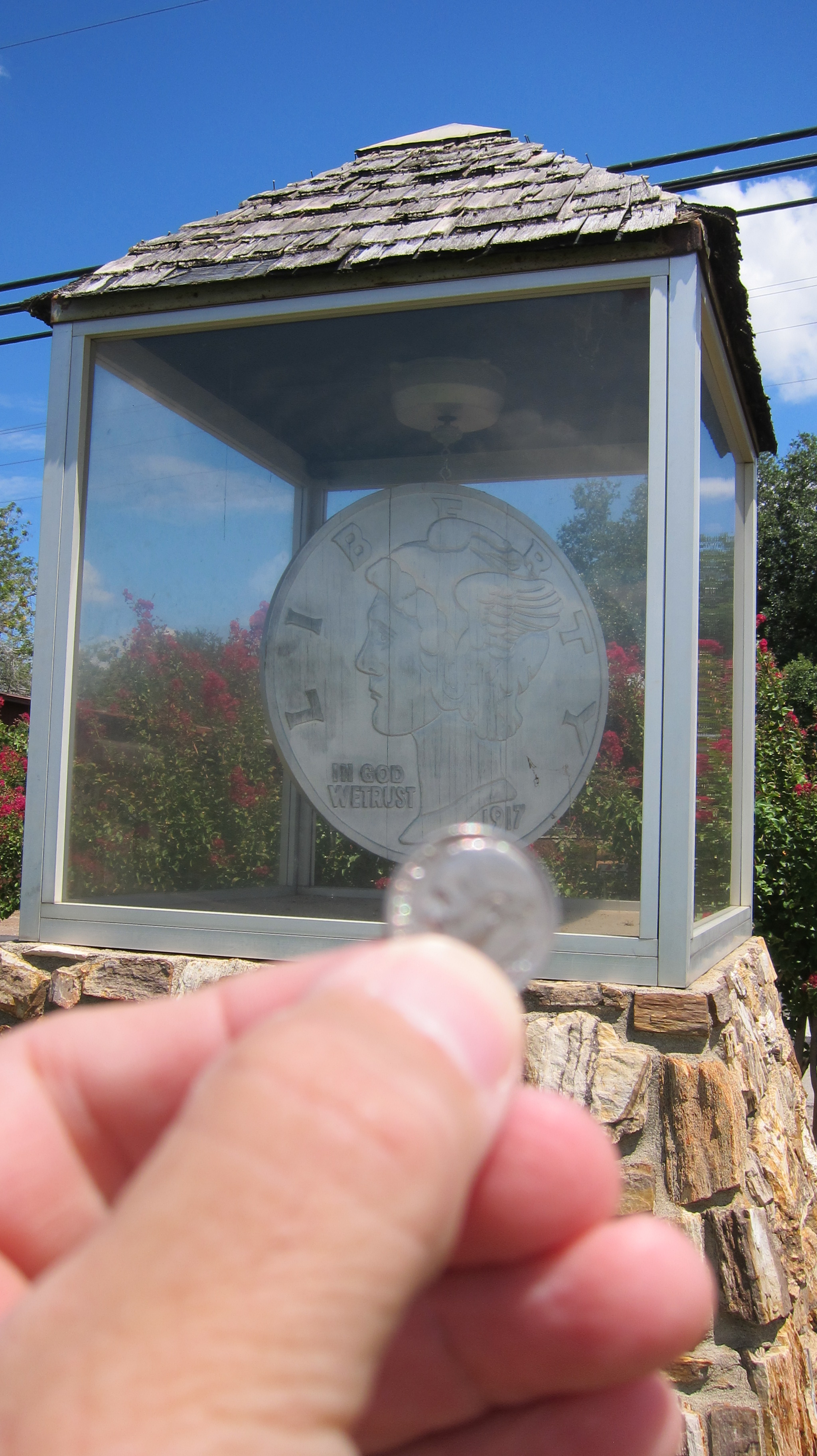
Dime Box DimeBrown’s Mill had no post office in its early days, so settlers placed their outgoing mail and a dime in a box in Brown’s office for weekly delivery to Giddings. However, when the postal service officially opened a post office in Brown’s Mill in 1884, they asked that the community be renamed to avoid confusion between Brown’s Mill and Brownsville. So, the community was renamed Dime Box.
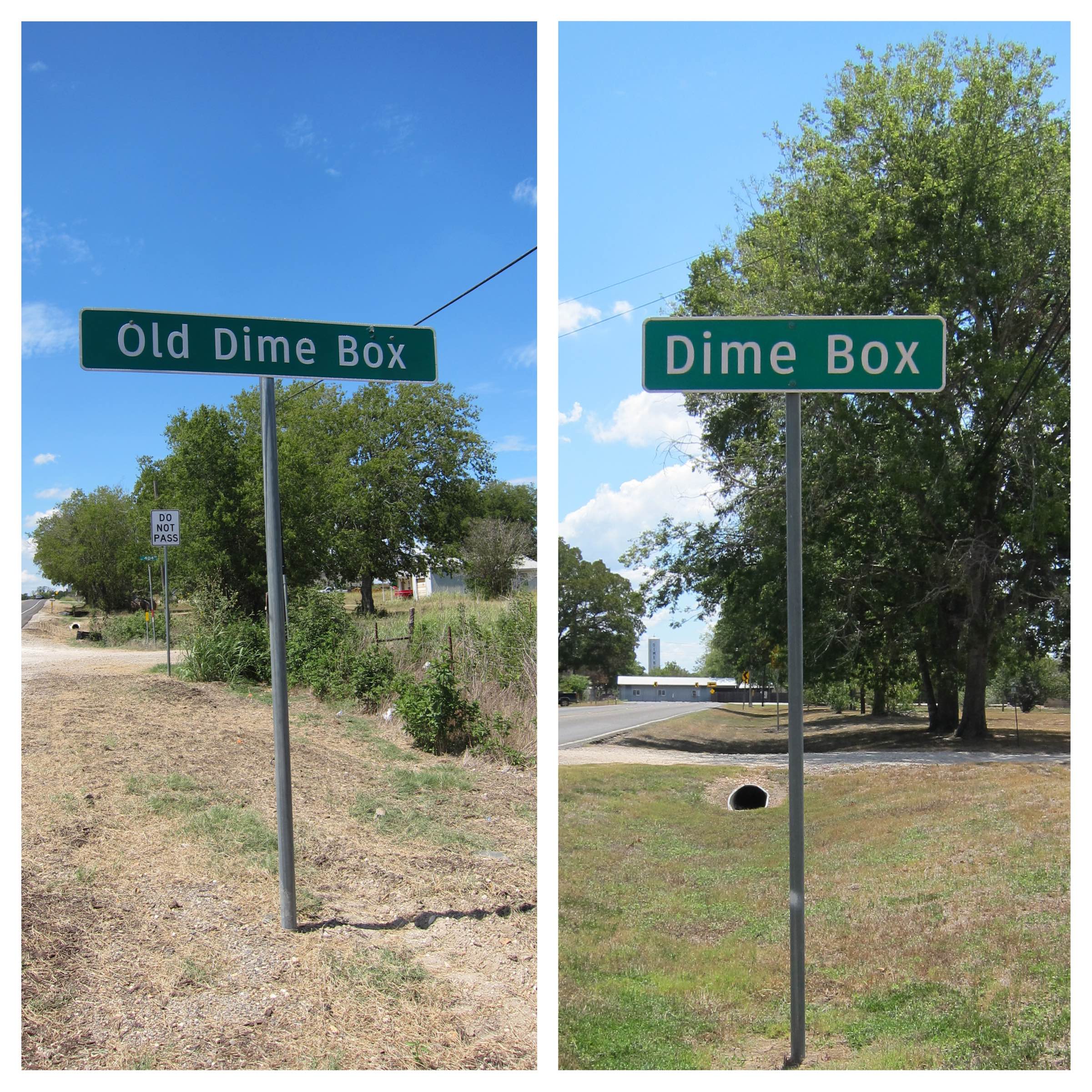
Dime Box Road SignsIn 1913, when the Southern Pacific Railroad built a line three miles from Dime Box, the folks there moved closer to the railroad. The original settlement became known as Old Dime Box and the new town became known as Dime Box. The railroad brought in new settlers and, at its peak, the population of Dime Box grew to five-hundred. The population has since declined to a little more than three-hundred people.
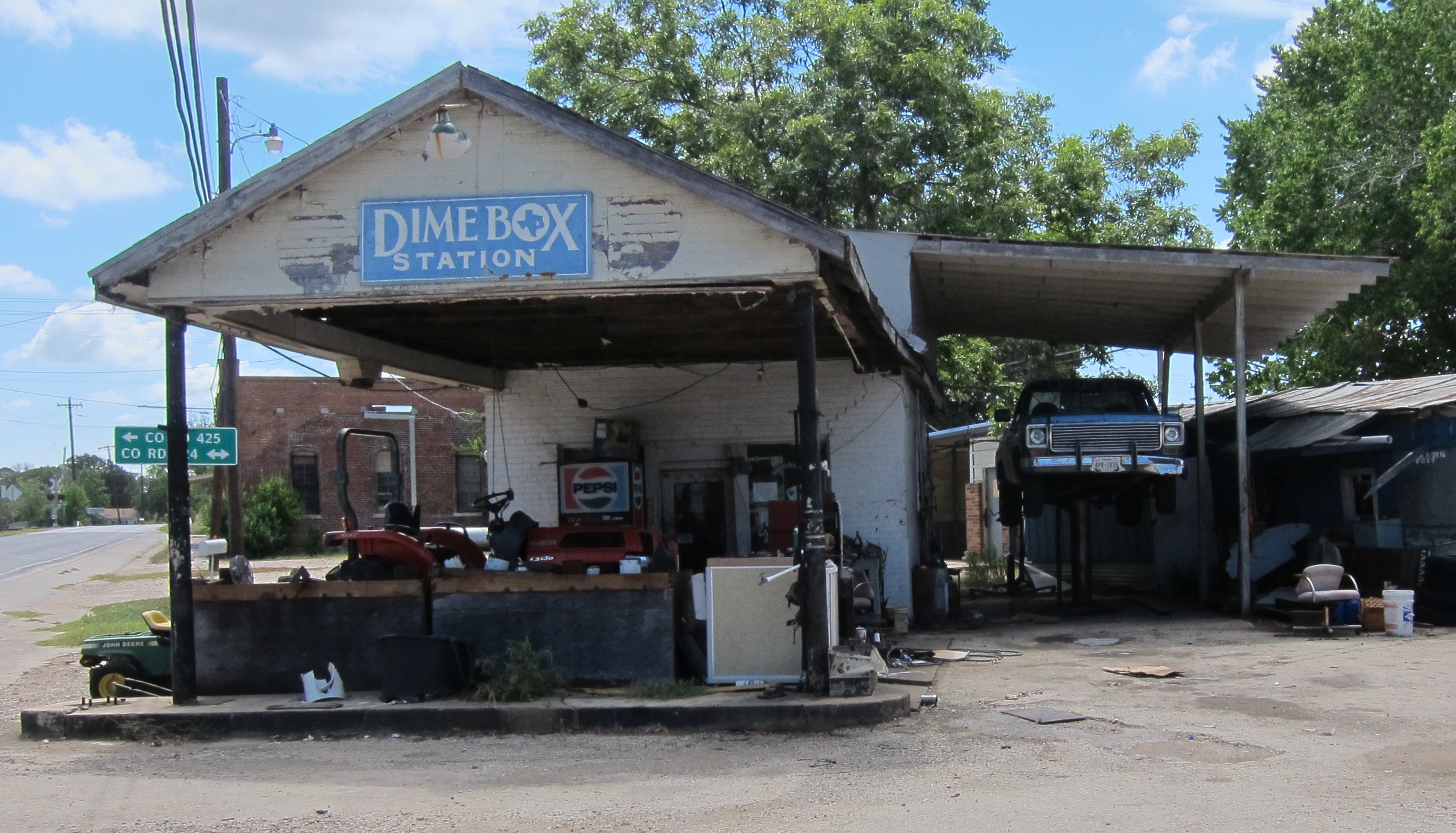
Dime Box StationDime Box had its fifteen-minutes of fame in the 1940’s when a CBS broadcast kicked off the national March of Dimes drive from Dime Box. Today, Dime Box is a quiet little community. I enjoyed driving around the few streets and had a pleasant chat with a local who was out for a walk.
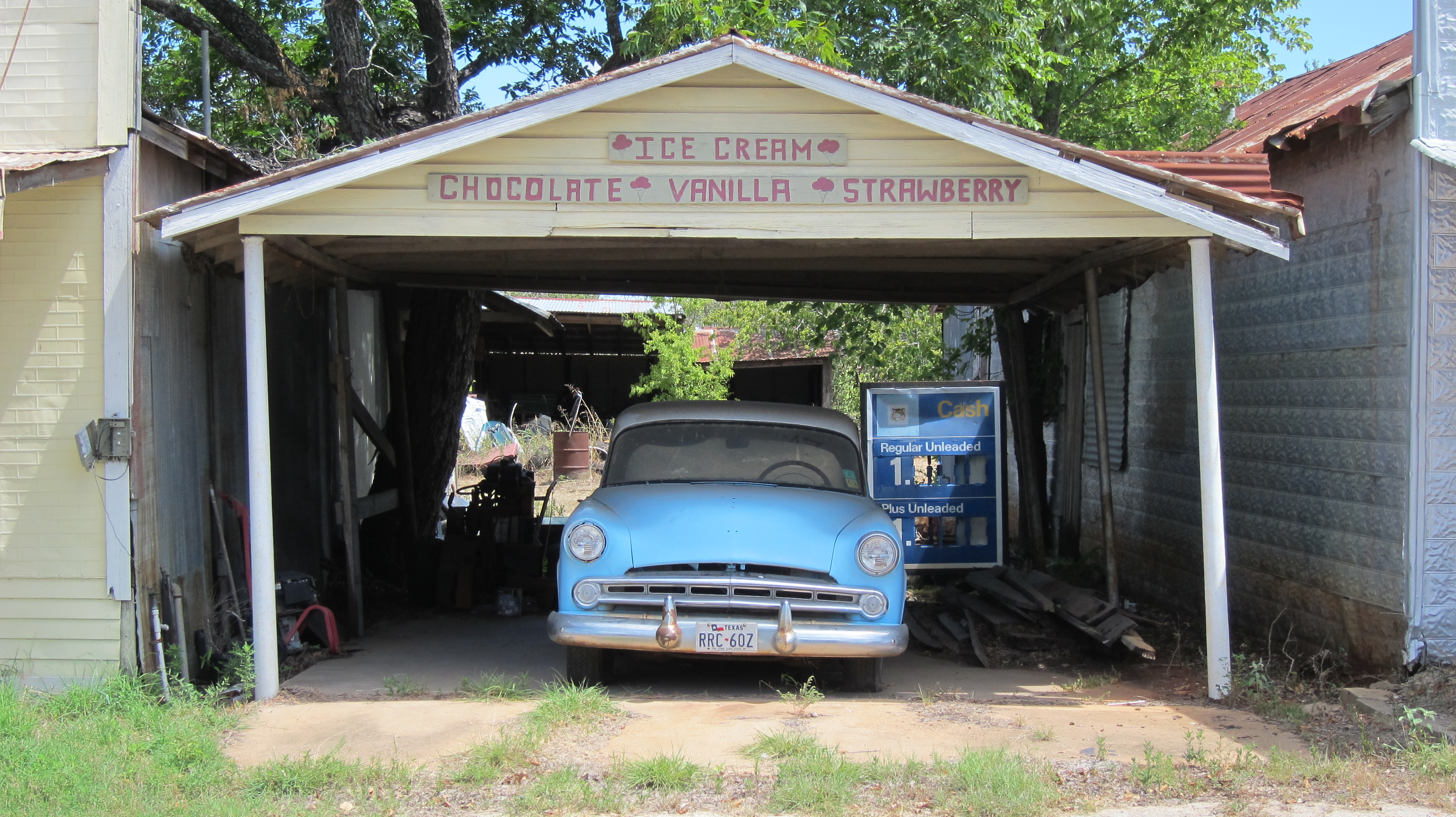
Dime Box ChevyDime Box is certainly not on any destination list you will ever find in the glossy pages of Condé Nast Traveler. But for any backroads adventurer, it is a place worth visiting, if for no other reason than its interesting name and history. The next time you look at a Texas map, pay particular attention to those small out-of-the-way places with interesting names. And the next time you go from here to wherever, take a detour to see those places for yourself.