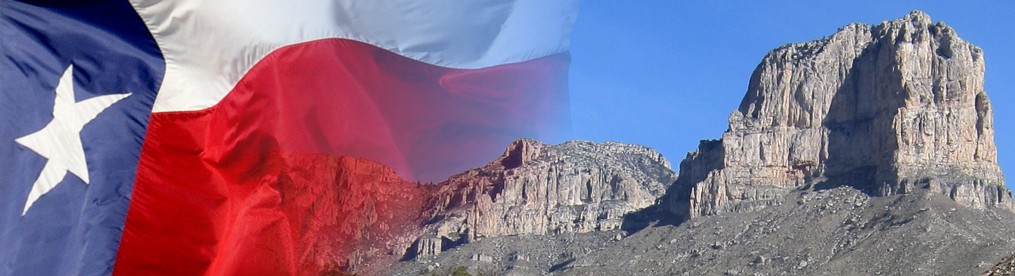
The First Day Hikes program is a cooperative initiative among the nation’s state parks to get more people outside. Last year, an estimated 41,000 people across the United States logged more than 72,000 miles on park trails. Today, more than 75 state parks are offering guided hikes and other outdoor events.
 This past year was a wet one in the Lone Star State, making it a challenge to hike and bike the trails at many of our state parks. Even so, I managed to get plenty of use out of my Texas State Parks annual pass. When it comes to hiking, I tend to agree with the philosophy of renowned explorer Sir Rannulph Fiennes: “There is no such thing as bad weather, only inappropriate clothing.”
 This morning, my wife Cheryl and I laced up our hiking boots and headed to Brazos Bend State Park for our First Day Hike. The cold weather and light drizzle did not dampen our spirits. We just donned our Frogg Toggs rain gear and took a leisurely stroll down one of my favorite trails at the park. Meanwhile, park rangers led other groups of hikers at Brazos Bend on their First Day Hike.
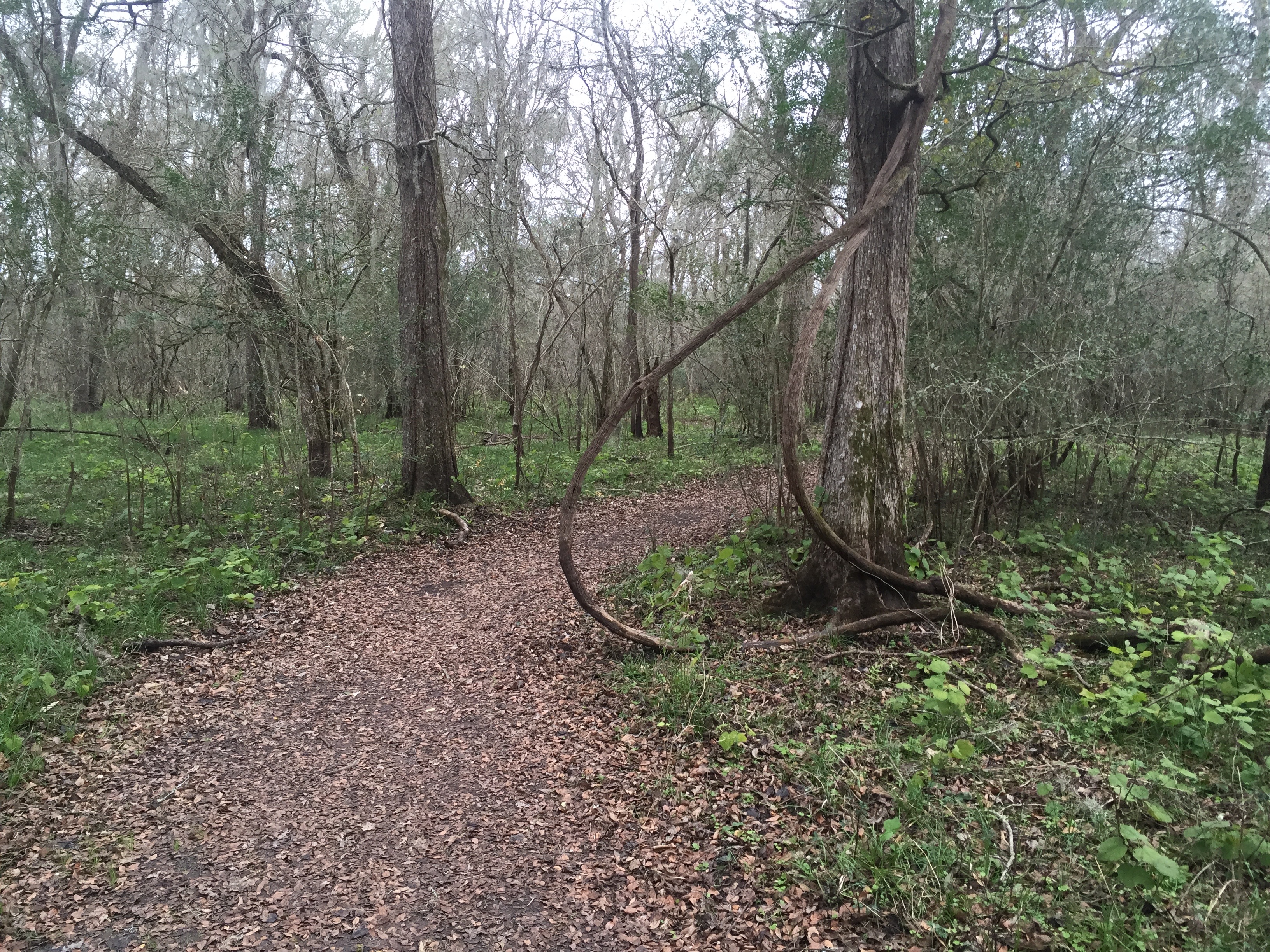 Today marks the fifth year that the Texas Parks and Wildlife Department has offered First Day Hikes. After the untold numbers of holiday calories consumed by the average Texan, the First Day Hikes initiative is the perfect way to get folks to burn off some of those calories by moving in the direction of a healthier and more active lifestyle. Hopefully, many who participate in First Day Hikes will be inspired to savor the beauty of our outdoor spaces throughout the coming year.
 Cheryl and I certainly enjoyed our slow walk through the woods on this first day of the new year. Hiking with Cheryl made the hike far more interesting for me. As a Texas Master Naturalist, she pointed out a lot of interesting stuff about flora and fauna along the trail. Our walk reminded me of something David Henry Thoreau said: “An early-morning walk is a blessing for the whole day” — and indeed it was.
 If you did not hike today, that’s ok. But, don’t wait until next year for your First Day Hike. Make any day of the new year the day of your first day hike. Hopefully your hike will inspire you to spend more time outdoors this year. Our Texas State Parks offer access to some of the most beautiful scenery in the world. So, find a park near you, lace up your boots, and hit the trail. In the words of Thoreau, you will find the experience to be a blessing.
Hiking and Camping
McKittrick Canyon
The most beautiful spot in Texas. These are the words that piqued my interest in McKittrick Canyon. Located near the eastern edge of the Guadalupe Mountains National Park, the canyon has the most breathtaking display of fall colors in the Lone Star State. These spectacular fall colors attract thousands of visitors to the park in late October and early November.
 Although I visited the canyon in late November, I was not disappointed. Friends and I camped at the Pine Springs Campground under overcast skies and freezing rain. The morning of our planned hike to McKittrick greeted us with 20-something degree temperatures and a world of ice. Through the night, the freezing rain had turned the plants and trees in the park into beautiful ice sculptures. We all felt privileged to see the park as few others have the opportunity to see it.
 McKittrick Canyon is located about seven miles from the Pine Springs Visitor Center — the headquarters for Guadalupe Mountains National Park. We paid our entrance fee at the visitor center and then drove to the canyon. The freezing temperatures kept most sane folks away so we had the canyon pretty much to ourselves. Once we arrived, we wasted no time in setting off down McKittrick Trail toward the Grotto and the Hunter Line Shack (a round-trip hike of about eight miles).
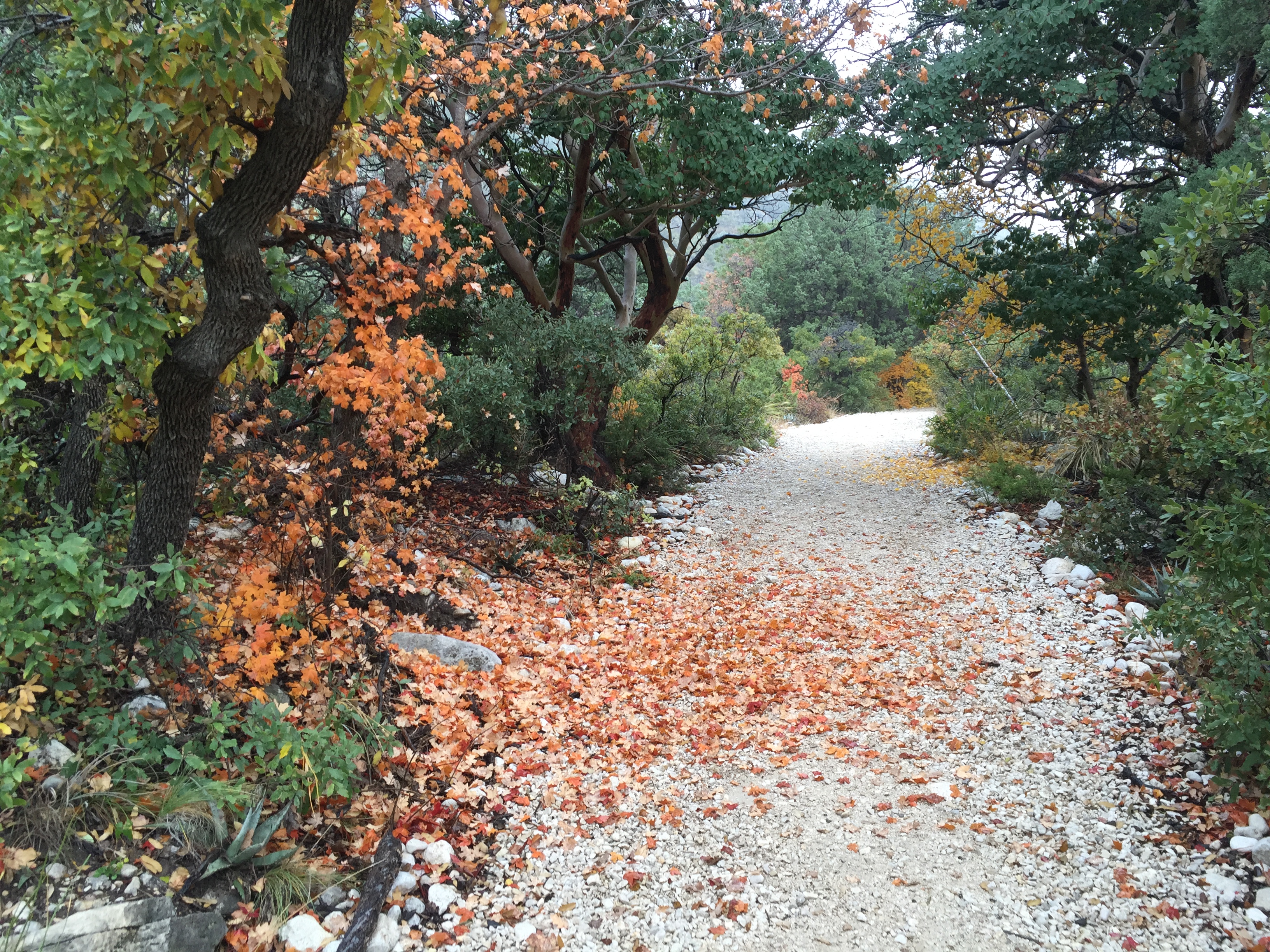 McKittrick Canyon has a beauty all its own. It did not take long for us to realize that we were indeed in one of the most beautiful spots in the Lone Star State. We hiked through a striking palette of fall colors made even more dramatic by the cold, overcast skies. Colorful big-tooth maples, deep-green alligator juniper, bark-shedding manzanita trees, and other native plants each contributed to the beauty of the canyon.
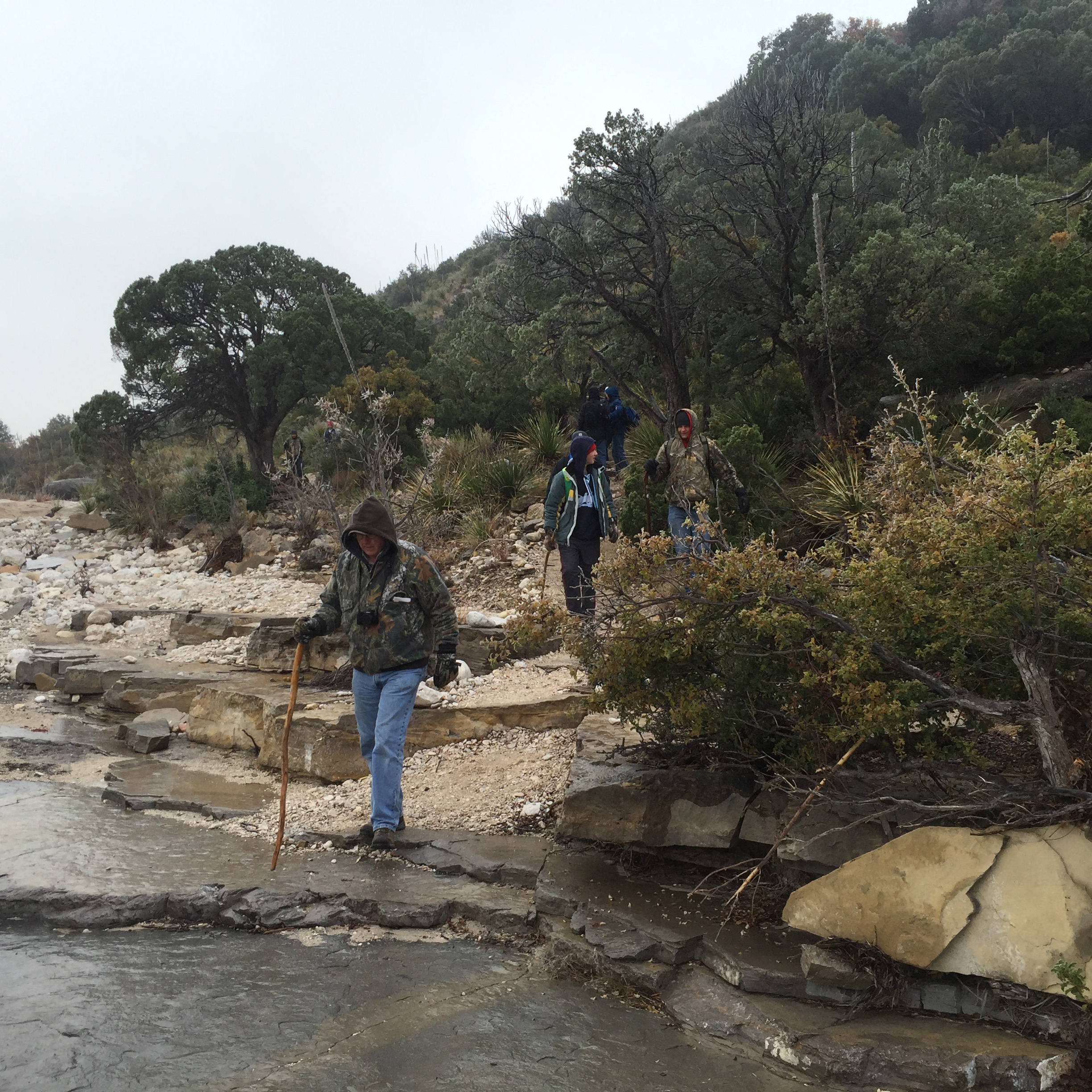 The McKittrick Trail is the most popular in the park and a relatively easy trail to hike. The path is well-maintained and marked, making it almost impossible to get lost. The trail also crosses the only year-round stream found in the park. This stream is home to Texas’ only reproducing stock of rainbow trout. We hiked this trail to the Grotto, a tiny limestone cave filled with stalagmites and stalactites.
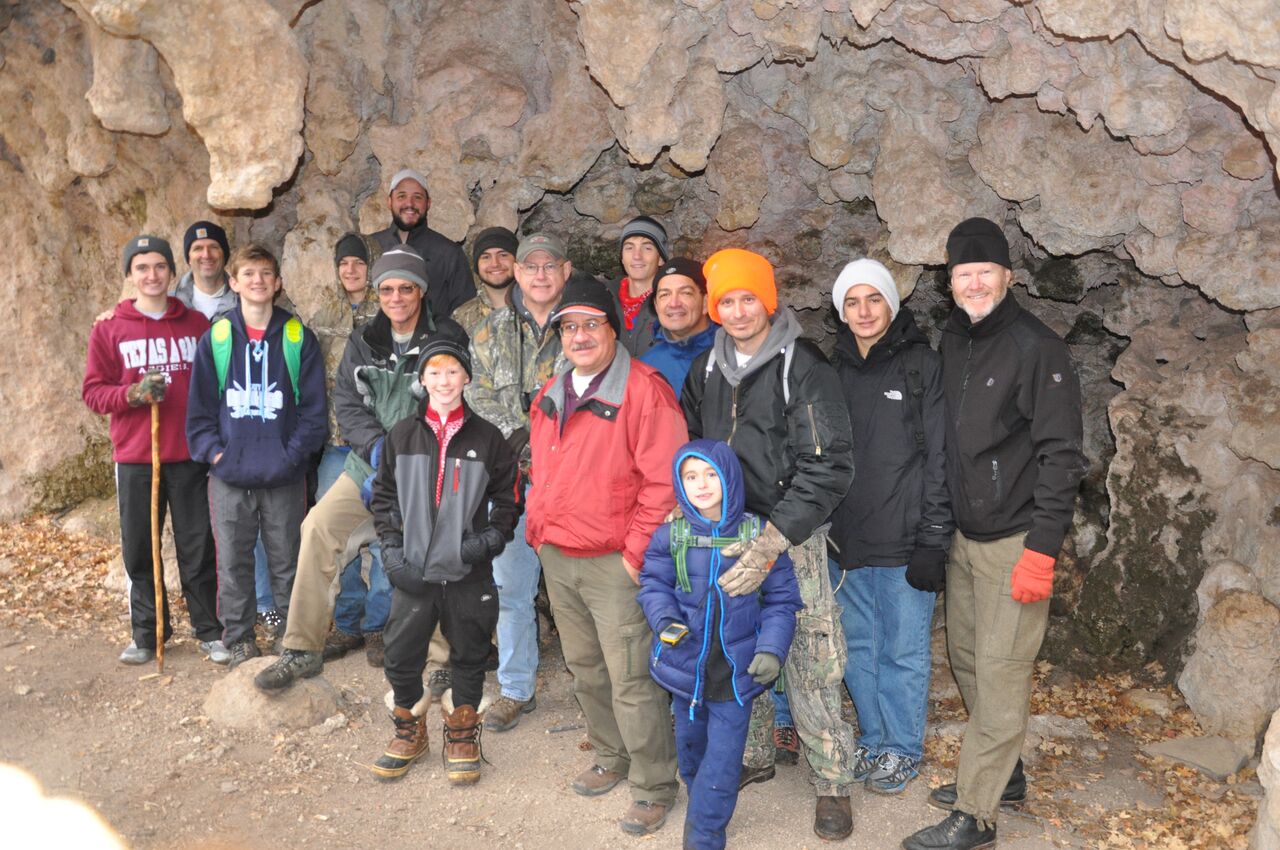 Just past the Grotto is a beautiful picnic area with rock tables and benches. We lingered a while at this peaceful spot and just soaked in the beauty of the place. After enjoying a few snacks, we wandered down the trail to the Hunter Line Shack, built in 1924. You can’t visit a place like this without letting your imagination run wild — wondering about the people who built and used it. What an amazing setting for a cabin! The stars at night must have indeed seemed big and bright to the guys who built this cabin deep in the heart of the canyon.
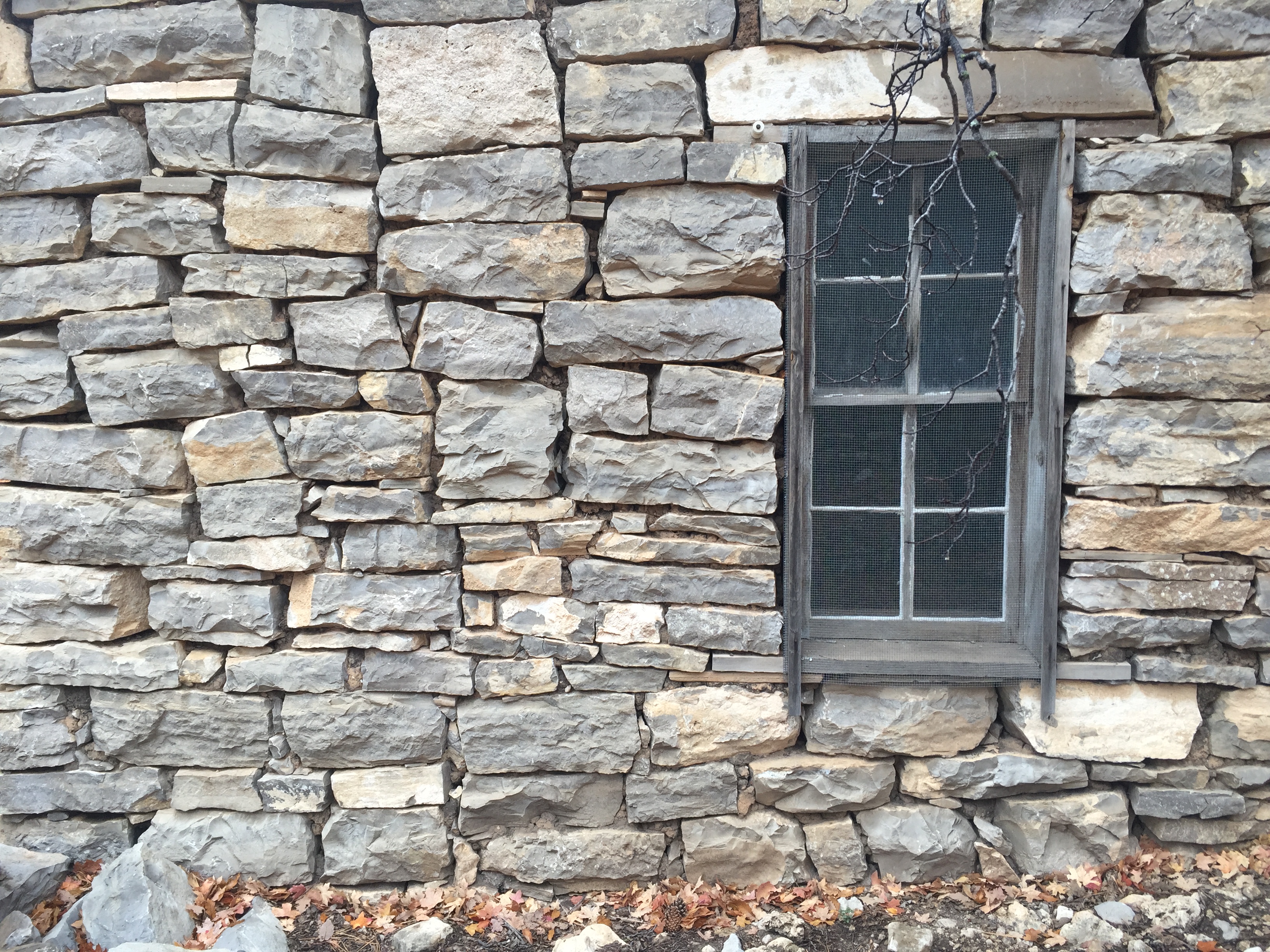 McKittrick Canyon is just one of the gems that makes a trip to the Guadalupe Mountains National Park worth the drive from anywhere in Texas. In addition to this amazing place that boasts the best fall colors in the state, the park is also home to Guadalupe Peak, the highest point in Texas, and El Capitan, the most dramatic landmark in the Lone Star State. I’m glad my friends and I visited the canyon in the fall. I look forward to returning again soon to enjoy the beauty of the canyon in the Spring or Summer.

The Lone Star Hiking Trail
The Lone Star Hiking Trail is the longest hiking trail in Texas. This 129-mile (including loop trails) National Recreation Trail winds its way through the beautiful Sam Houston National Forest. Last year, a couple of my buddies and I thru-hiked the main 96-mile trail from Richards, Texas all the way to the eastern terminus near Cleveland.
 The Lone Star Hiking Trail is indeed a Texas treasure — a heaven for hikers. Over the seven days on the trail we hiked through some of the most absolutely beautiful scenery I have ever seen. Tall pines and majestic oaks accented by blooming dogwood trees. Colorful wildflowers splashed on the pine-needle carpeted trail. Every step of the way held interesting sights. And there is no way to describe the gentle sounds made by the wind plucking notes on tree branches.
 Although the terrain is relatively flat, in some sections the trail meanders up and down through miles of forests of pine, oak, and mixed hardwoods. In places, the trail follows winding bayous for miles, often bisected by these natural waterways. Footbridges make it easier to cross boggy sections or deep ravines. And, there are many places where the trail gently slopes upwards for such long distances that you feel the burn in your legs.
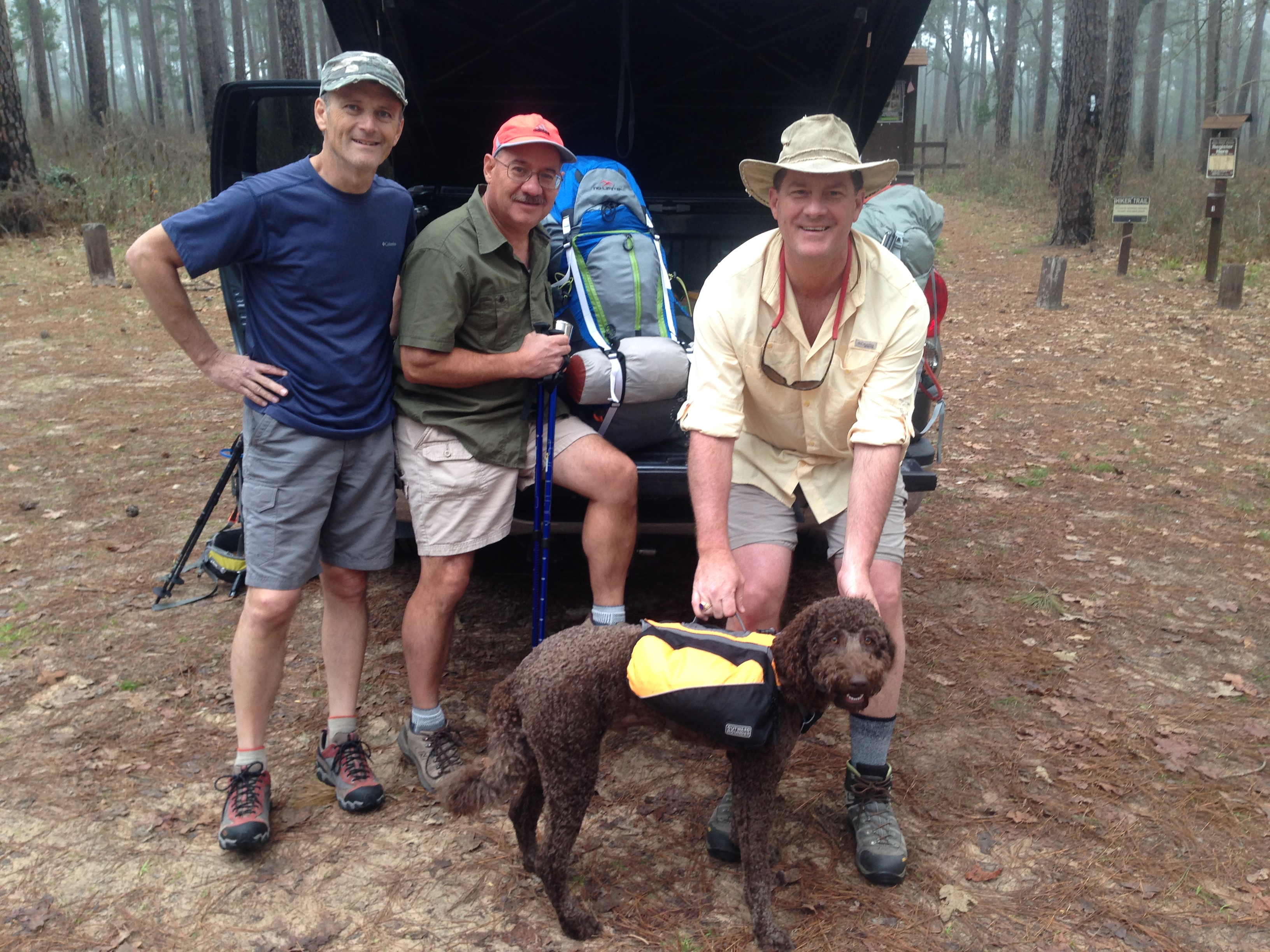 Doing this thru-hike does require a few miles of hiking along Farm to Market and Forest Service roads. This is where we encountered so many dogs along the way. Private homes along these country roads, it seems, had their fair share of dogs that sensed our approach and barked smack in an effort to scare us away.
 Hiking the trail means factoring in times of rest along the way. These rest times were opportunities for us to sit silently in the woods, allowing us to look up at the sky through the tall pines. We also took advantage of these quiet moments to do a little foot care, to down some extra nutrition, and to study our maps.
 Every segment of the trail presented its respective challenges — an incline, crossing a ravine, dense and low-hanging overgrowth, mud, pounding pavement between trailheads, finding a water source or campsite. Each challenge made our trek all the more adventurous.
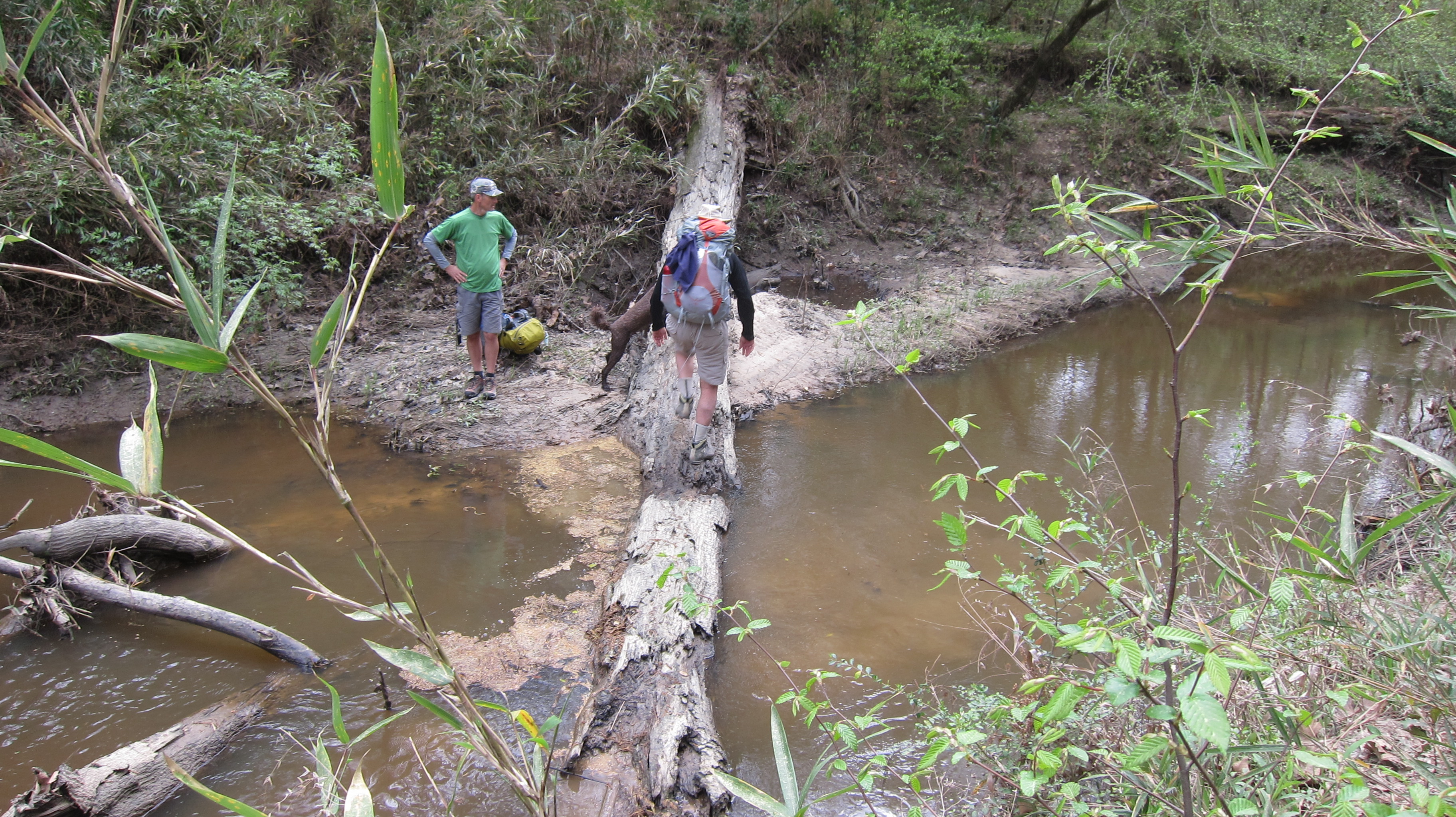 For several days, the one nagging thought in the back of my mind was how we would cross the East fork of the San Jacinto River. Not knowing how much water was in the river or whether an old log reported by other hikers was still the best way to cross the river made me anxious to get there. Worst case scenario would mean backtracking and taking a long detour. Fortunately, we were able to cross the river by walking across the old partially submerged log.
 We found great places to camp along the way, filtered our water, prepared meals on our backpacking stoves, and enjoyed sitting around our campfire in the evenings. When we passed through Huntsville State Park we enjoyed refreshing showers and bought lots of snacks at the park store. Near the end of our hike it rained and rained, so we cut our adventure short by one day and hiked the final 21-miles in the pouring rain.
 Hiking the Lone Star Hiking Trail was an unforgettable experience. This trail is indeed a hiker’s heaven. Regardless of whether you only have time for a day hike, an overnight camping trip, or a long-distance trek, you will absolutely love this trail. The trail is very well maintained and the route clearly marked with blazes on the trees. If you are a hiker, consider planning an adventure on the Lone Star Hiking Trail. And if you camp out, you’ll find that the stars at night are indeed big and bright, deep in the heart of Texas.
Huntsville State Park Trails
Huntsville State Park offers 21 miles of trails through the natural beauty of the East Texas Pineywoods. Two of my favorite trails at the park are the Triple C and the Chinquapin Trails. These two trails wind their way through one of the most beautiful forested sections of the park. I was especially excited to hike the Triple C Trail — named in honor of the work of the Civilian Conservation Corps.
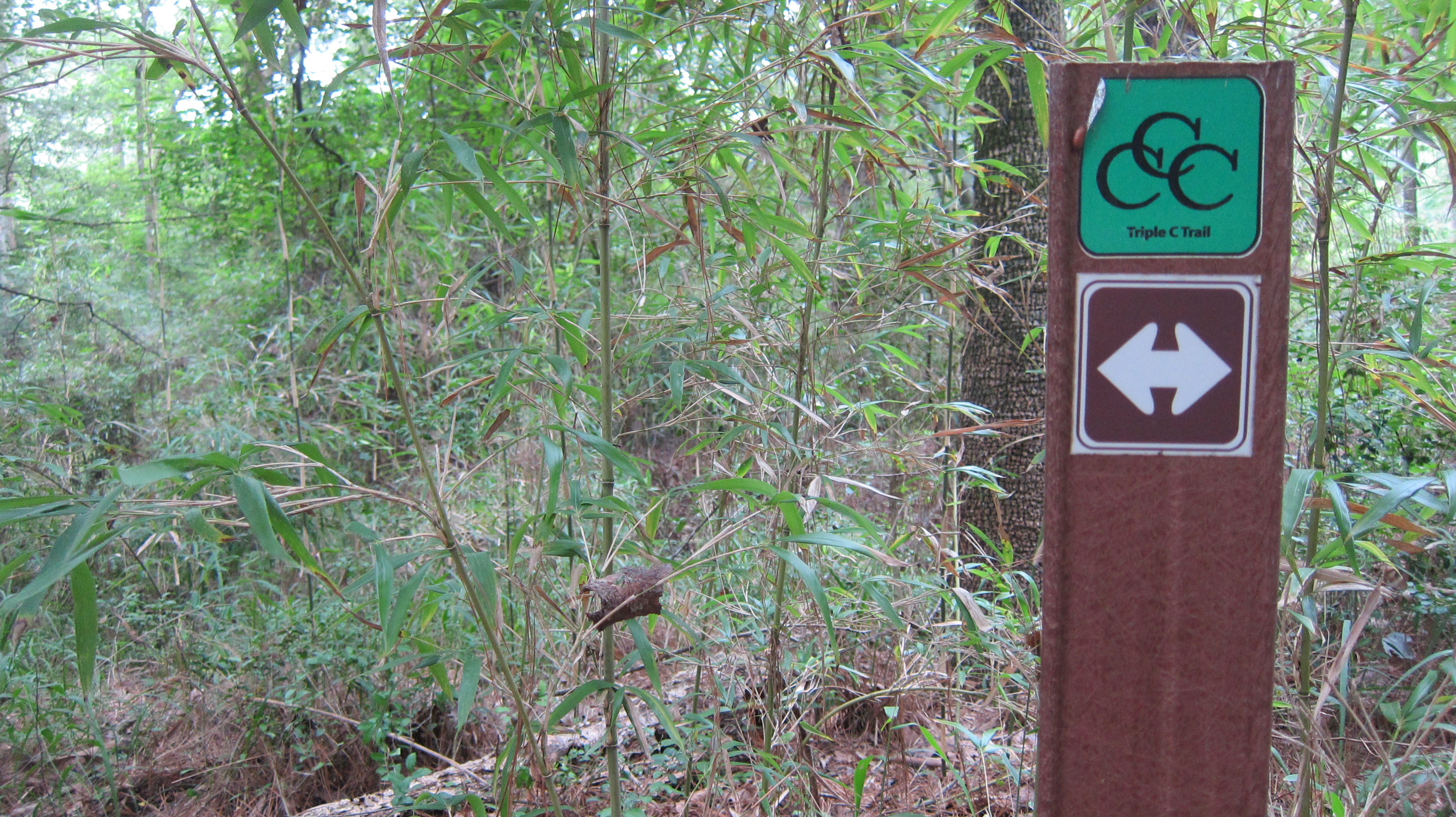 The Civilian Conservation Corps (CCC) was formed in March 1933 when our nation was in the grip of the Great Depression. With more than twenty-five percent of the population unemployed, President Franklin Delano Roosevelt took decisive action to help the unemployed. The CCC was one of Roosevelt’s first New Deal programs and harnessed the strength of our nation’s youth to help conserve our natural resources.
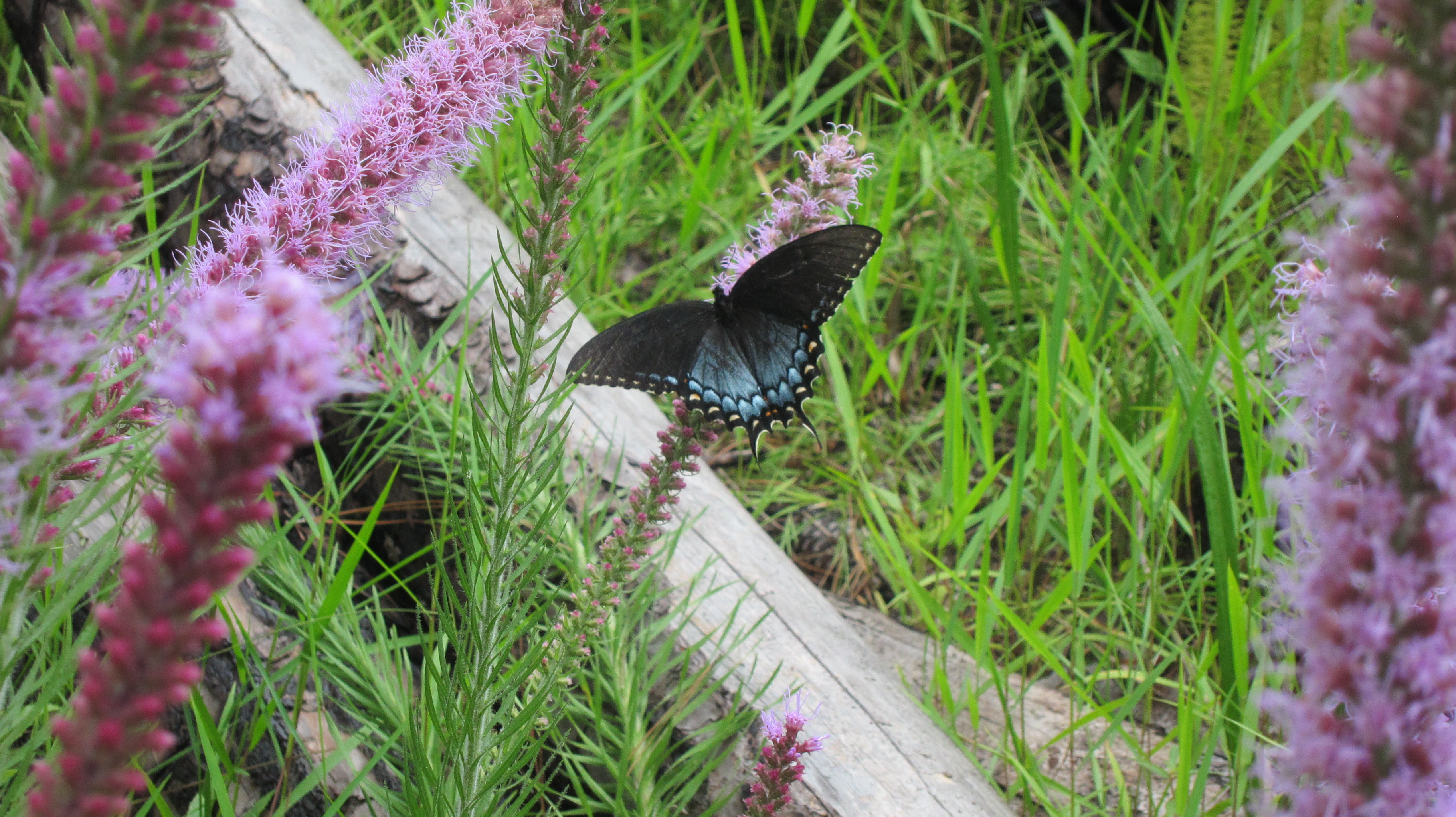 Operating from 1933 to 1942, the CCC engaged in conservation initiatives in national and state parks around the nation. Today, the CCC is recognized as the single greatest conservation program in our history. The conservation initiatives of the program not only developed young men through disciplined outdoor labor, they also fueled concern for our natural resources and laid the foundation for the tenets of modern conservation.
 As I hiked the Triple C Trail, I thought about the young men who labored during the Great Depression in the area near the trail. Their boot prints are no longer visible in the East Texas soil. Their names are not recorded on any plaque. The only thing that remains are remnants of their labor along a trail through the woods — one that has given countless numbers of people across the years access to one of the most beautiful places in the Lone Star State.
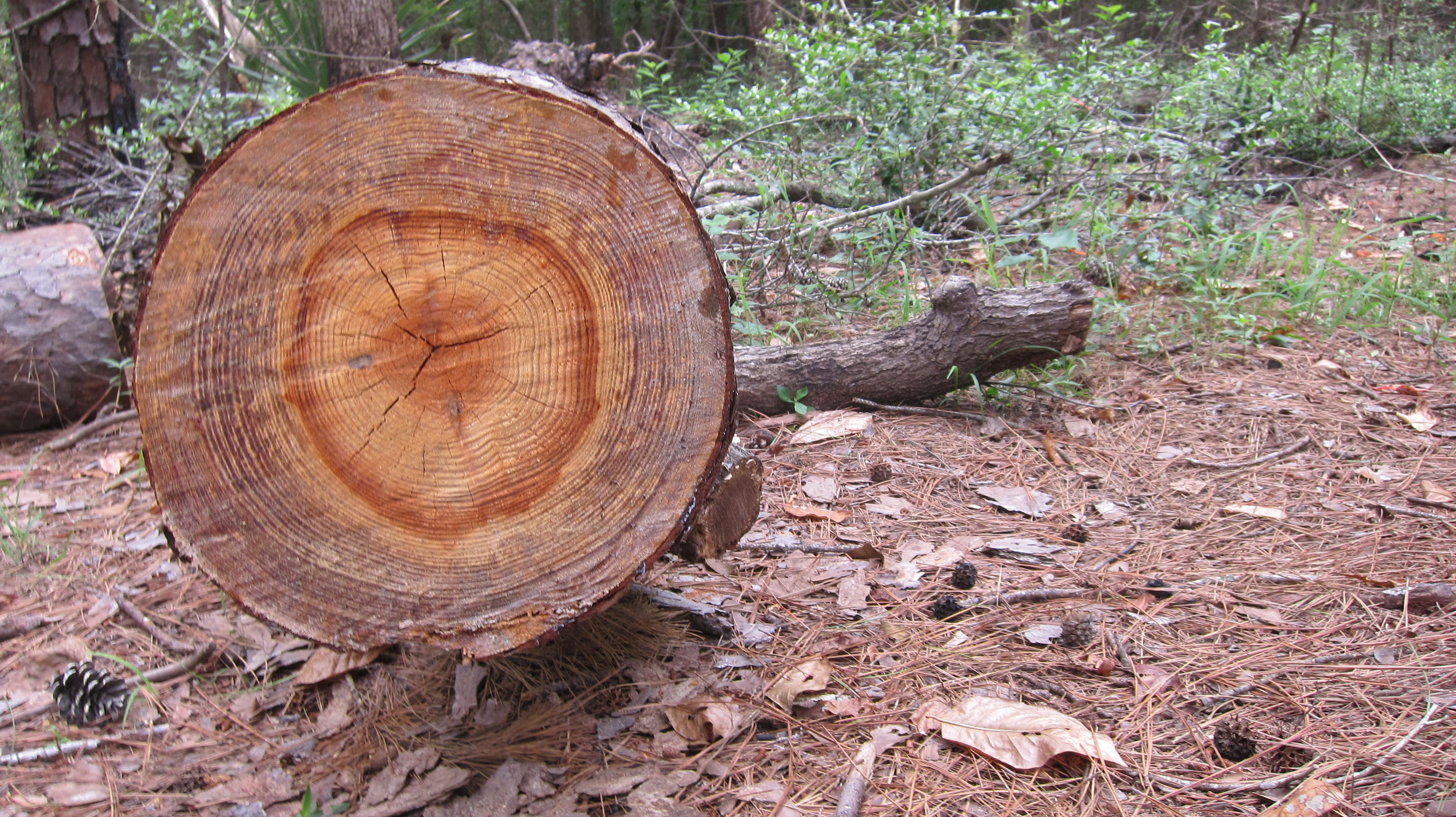 When you think about it, we are all the beneficiaries of the labor of those who came before us or those who worked hard to make something that we enjoy today. Whether a hiking trail or a home or even the car that we drive, our lives are made better in many ways because of the labor of others.
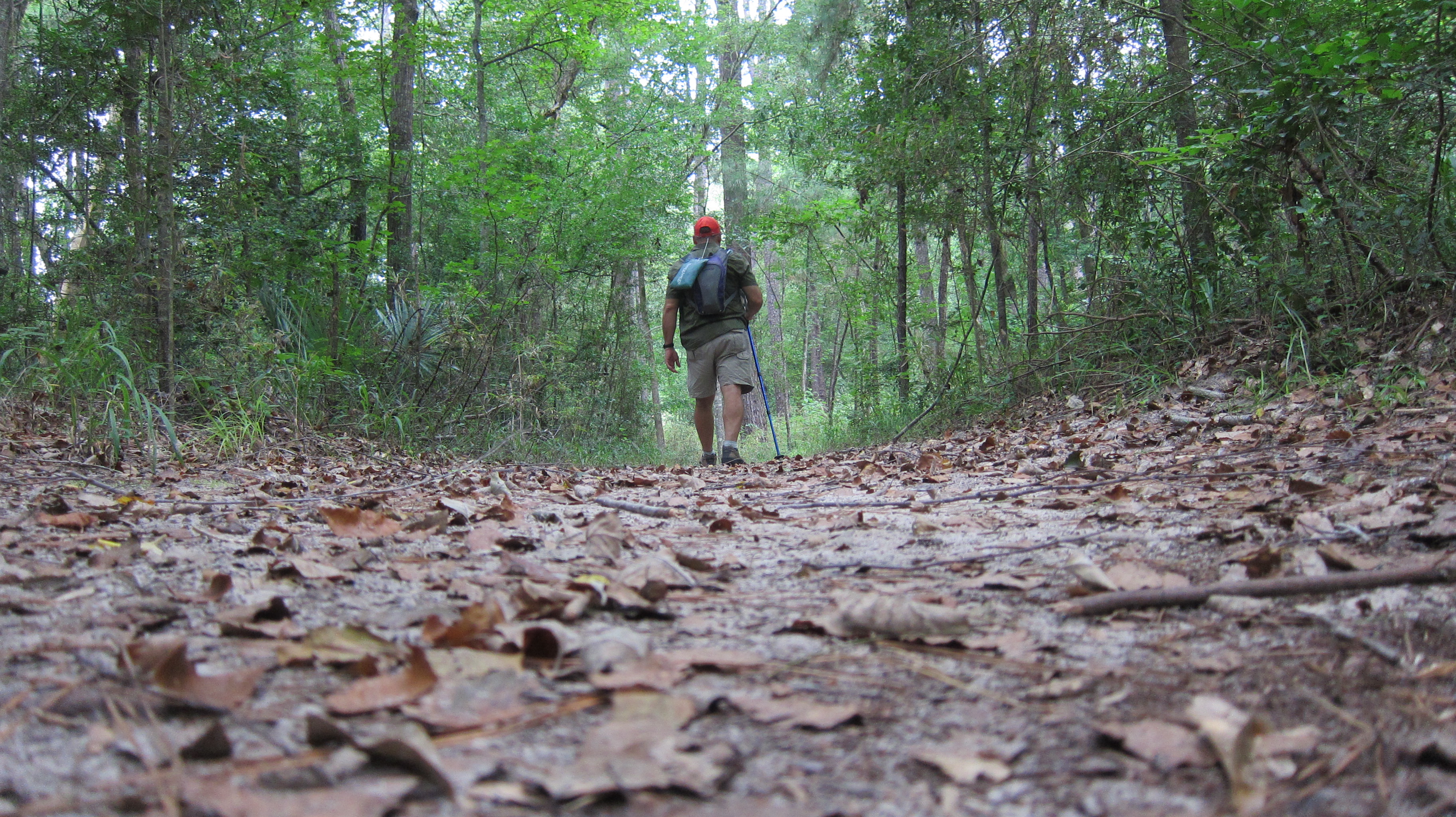 The next time you are in East Texas, swing by Hunstville State Park, lace up your hiking boots, and hit the trail. And, as you walk among the tall trees, make it a point to think about the young men who lived during the Great Depression and were a part of a program that inspired the preservation of our natural resources for the enjoyment of generations to come. May their example inspire us to leave a legacy that can be enjoyed by future generations.
Guadalupe Peak
Guadalupe Peak, the highest point in Texas, is located where the northern edge of the Chihuahuan Desert meets the southern tip of the Rocky Mountains.
Rising a modest 8,750 feet above sea level, Guadalupe Peak is not high compared to other peaks in the world. And, it’s not even considered the signature peak of the Guadalupe Mountain range. That designation belongs to the massive 8,085-foot high limestone bulwark known as El Capitan.
 Guadalupe Peak is, however, the highest place you can go in the Lone Star State — and that alone makes the strenuous hike to the top worthwhile.
 I started my journey to the highest point in Texas long before I packed my gear. Before venturing to the Guadalupe Mountains National Park, I read everything I could find on Guadalupe Peak and watched several YouTube videos posted by hikers who had made the trek to the top of the mountain. I also studied trail maps to get a better understanding of the trail and its many switchbacks.
When I arrived at the park I checked in at the park office and chatted with the rangers about the hike. I spent the night at the campground and was up before sunrise the following day. I filled my hydration pack, tossed some Cliff Bars into my pack, grabbed my trekking pole and headed for the trailhead.
 The trail to the top of Guadalupe Peak is just over four miles, but it’s all uphill. The National Park Service has rated this hike as strenuous because the trail steadily rises 3,000 vertical feet along the way. They are not kidding when they say strenuous. It was very strenuous.
 The first mile and a half of the hike is the toughest because of the drastic elevation gain. Hiking this section of the trail is like climbing uneven stairs for a mile and a half. After that point, the trail has lots of switchbacks that steadily take you higher and higher into these mountains that were once the stronghold of Mescalero Apaches.
 The trail to the top go Guadalupe Peak is absolutely breathtaking. The final section of the trail offers a fantastic view of the backside of El Capitan and the surrounding country. After 2 hours and 50 minutes, I hiked the final switchback to the top and shouted for joy when I saw the marker at the top of the peak.
There are no words to describe what I felt when I reached the highest point in Texas. I was a kid again. I spent about 30 minutes at the summit — enjoying the view and the solitude.
On the way down I met a guy named Chet, the only other person who hiked to the summit on that day. We had a nice conversation and thought it was cool that he and I were the only two human beings on the face of the earth who stood on the highest point in Texas on December 2, 2014.
 I smiled all the way down the mountain and logged a round-trip time of 5 hours and 40 minutes. Not bad for a 58 year-old guy who is still wild at heart. Standing on the highest point in Texas was an experience I will never forget. Hiking to the highest point in Texas should definitely be on the bucket list of any able-bodied Texas adventurer.

Hike at Your Own Pace
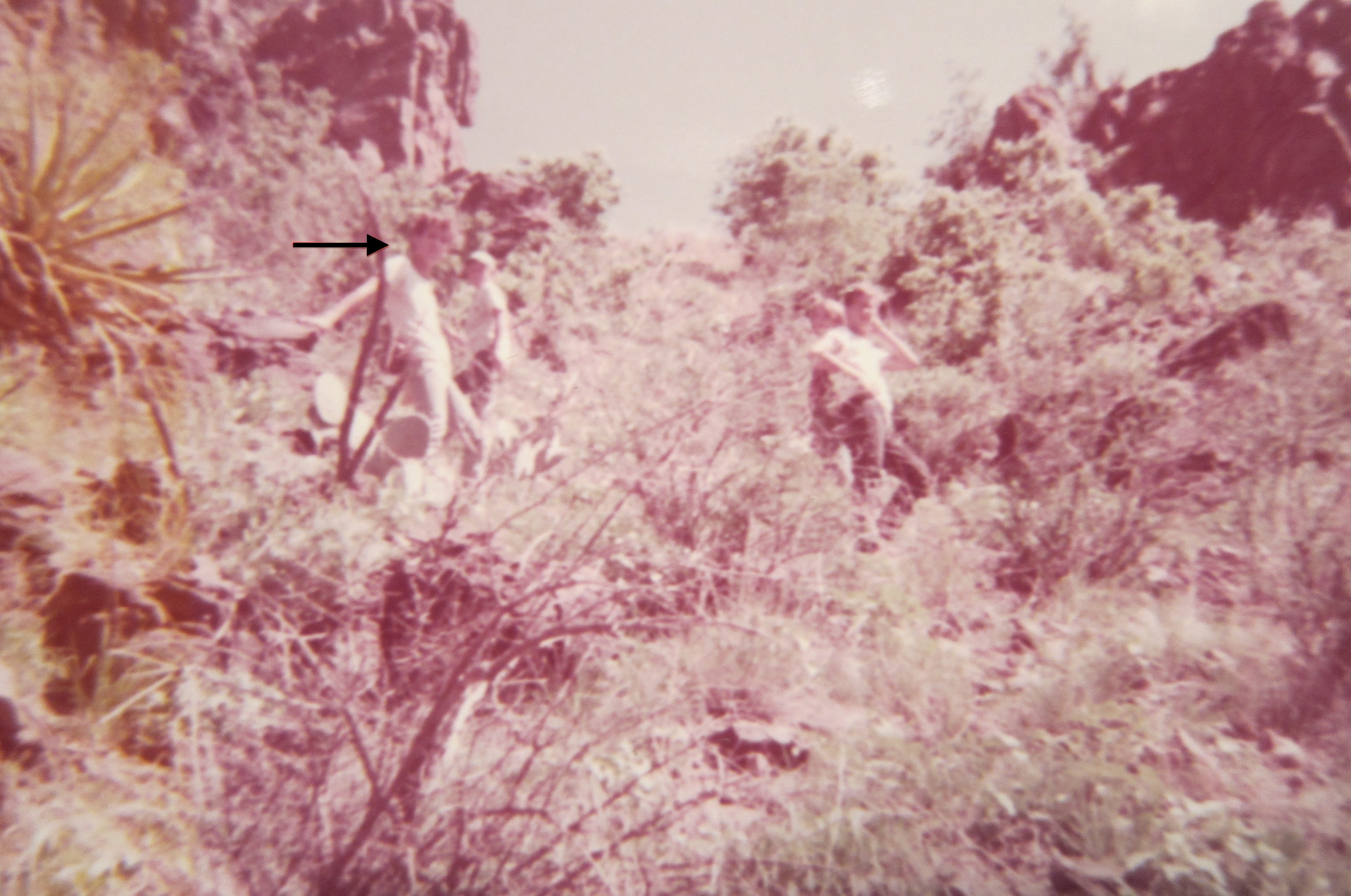
I have loved the outdoors since I was a kid. I was fortunate to be a member of an active Boy Scout Troop that took us on many hiking and backpacking adventures. My favorite adventure was in July 1972 at the Buffalo Trail Scout Ranch in the Davis Mountains of far West Texas. Camping at Buffalo Trail was a dream come true for me and my South Texas buddies. We logged lots of hours hiking up and down mountain trails, enjoyed cooking our own meals, and felt like pioneers when we drank water from a cold stream.
 I still have my Boy Scout Handbook and several of my Merit Badge handbooks as well. As a Scout, I spent hours poring over the pages of these manuals, learning to do things like tie knots and make my own survival kits. My grandmother made my first sleeping bag because they were not as readily available in stores then as they are today. My homemade sleeping bag served me well for a number of years. My Dad gave me his Boy Scout hatchet and my Mom bought me an official Boy Scout knife.
 For a number of years I lost some connection with the outdoors because of my busy schedule of writing, travel, and the plain old pressures of the daily grind. In recent years, however, my son helped me to reconnect with the outdoors by inviting me to join him in kayaking, doing ultra-marathon canoe races, camping out, and hiking. I’m glad he did. Getting outdoors again flipped my outdoor adventure switch back on — and it has stayed on ever since.
 Last year I managed to bike and hike a little more than a thousand miles on Texas trails, including thru-hiking the Lone Star Hiking Trail. The great thing about biking and hiking is that you can take things at your own pace — no need to get in a hurry. I set my own goals last year of hiking every trail at Brazos Bend, Stephen F. Austin, and Palmetto — three state parks not far from home. I am in the process of doing the same at a couple of other state parks this year. All at my own pace. Just a few miles at a time.
 Don’t be satisfied with watching Bear Grylls eat bugs and have his own epic adventures on television. Take some intentional steps to enjoy the great outdoors in the Lone Star State. Do some online research to find a state park or walking trails near you and then go on a hike. Start slow and go at a pace that you can enjoy. Set a goal to walk all of the trails (over time) that are a fit for your physical conditioning. Invite a friend to join you. Walk slowly. Stop often to breathe deeply and to listen to the sounds of nature. I guarantee you’ll enjoy the experience.
Below is a quick checklist of some basic items you will need for a leisurely walk in the woods. More on these items in future blog posts.
• Comfortable shoes (a half-size bigger will give your feet room to expand)
• Trekking pole (a personal preference)
• Water bottle or hydration pack
• Trail mix or granola bars
• Trail map (available at any park office)
• Survival Kit (I carry a compact survival / first aid kit in my hydration pack)
I hope to see you somewhere on a hiking trail in the great State of Texas.
 Explore Texas