5 Facts About Sunflowers

One of the most distinctive flowers that grace our Texas highways is the sunflower. This tall and cheerful flower makes its debut in May and stays around until October. There are more than 15 different sunflower species native to Texas. Their bright yellow petals make them hard to ignore and a beautiful addition to any garden. Here are a few interesting facts about sunflowers.
1. Sunflower is one of only a few flowers with the word “flower” in its English name.

The botanical name for the sunflower is helianthus annus. The word helianthus is derived from the Greek words helio (sun) and anthos (flower). The word annus simply means that sunflowers are annual or flowers that only live for a single growing season.


2. Sunflowers faithfully follow the sun.

The sunflower actually follows the sun throughout the day — a characteristic called heliotropism. By following the sun, the sunflower makes the very best use of light and maintains a higher temperature that attracts bees and other pollinators. Interestingly, the French word for sunflower is tournesol which means to turn with the sun. The Spanish word for this cheerful flower is girasol which means to track or follow the sun.
3. Sunflowers have thousands of flowers within the flower.

The sunflower resembles a big daisy with yellow petals and a striking center. The center of the sunflower, however, is actually a garden within the flower. The centers are actually the flowers of a sunflower — thousands of tiny flowers that go to seed after pollination. The birds and the bees love these tiny blossoms that make up the center of the sunflower.
4. Sunflowers grow fast.

Sunflowers grow remarkably fast and tall. They can grow an average of 8 to 12 feet tall within six months. According to the Guinness Book of World Records, the tallest sunflower on record grew to a height of 30 feet and 1 inch in Germany. That’s a mighty tall flower!
5. Sunflowers are native to the Americas.

Evidence suggests that Native American tribes cultivated sunflowers as a crop as early as 1500 BC. These early Americans ground the seeds into flour for cooking. Sunflower seeds are rich in nutrients and vitamins A, B, C and E. Native Americans also used the sunflower to make a purple dye for textiles and body painting. Sunflowers were exported to other countries as early as the 16th century.

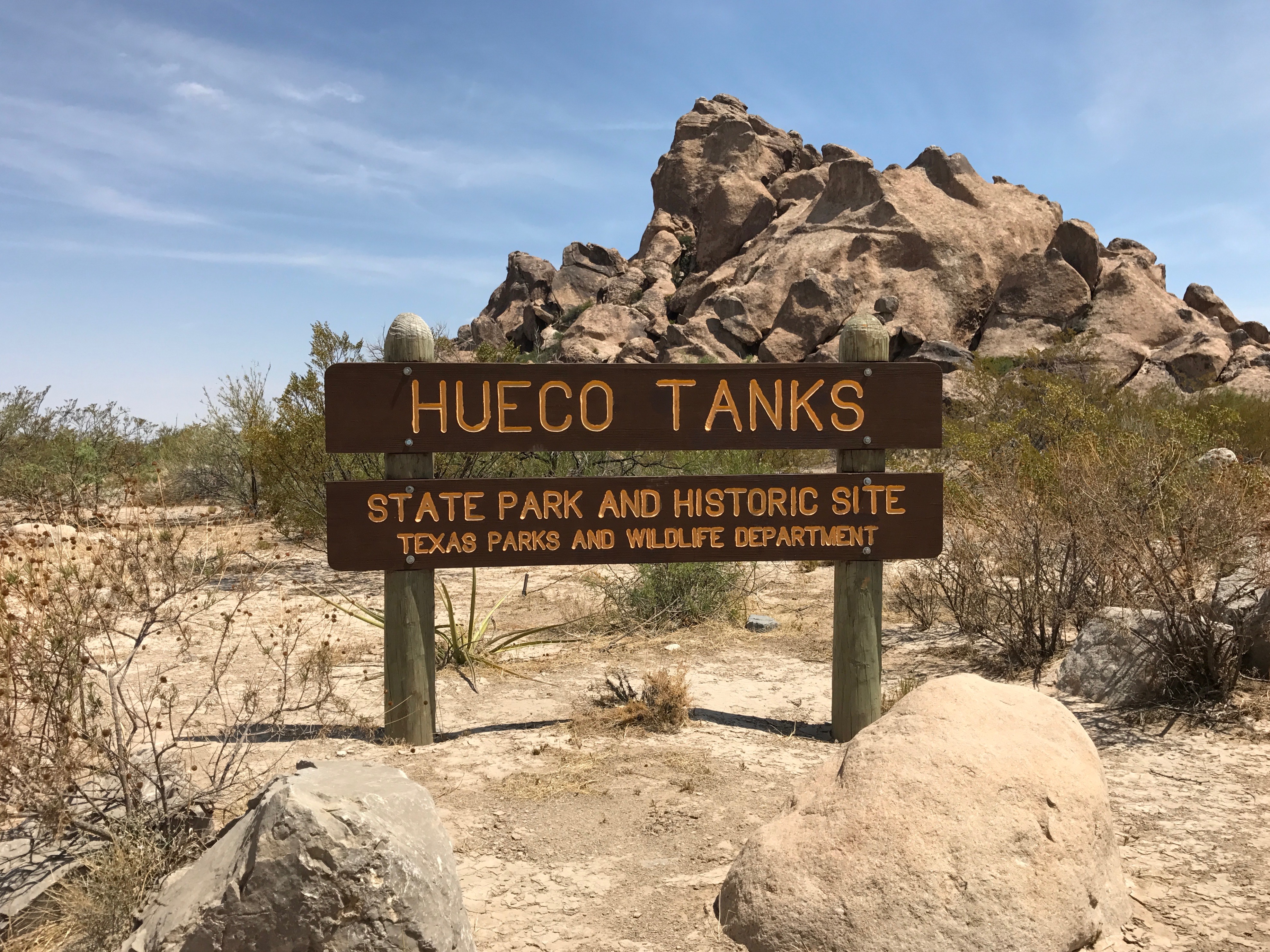
Hueco Tanks State Park and Historic Site

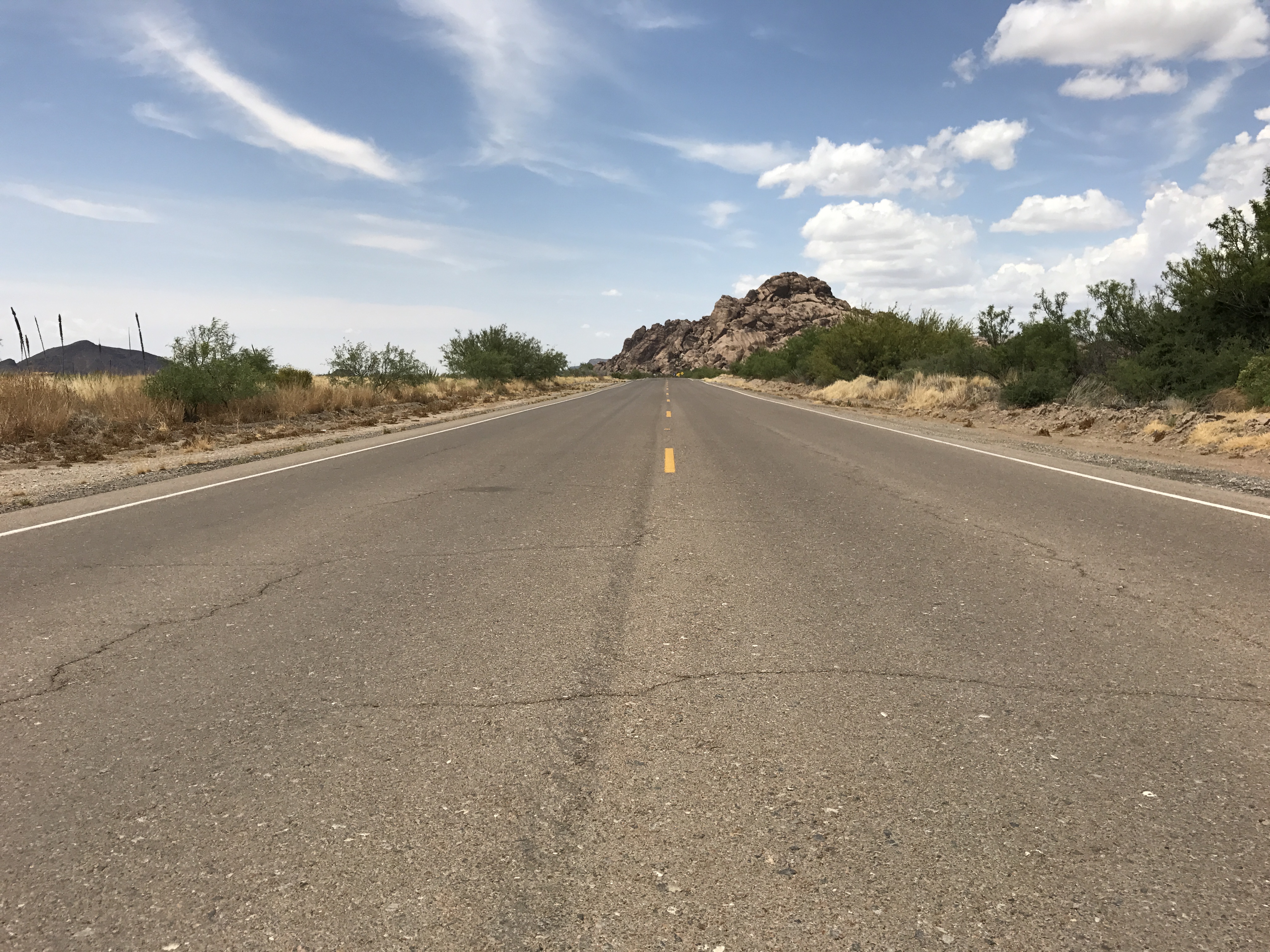
There is a time capsule hidden away among jumbled granite outcroppings located thirty-two miles northeast of El Paso. Hueco Tanks State Park and Historic Site is the custodian of this slice of Texas geography where ancient peoples left their marks in stone — a record of more than three-thousand pictographs.
The meanings behind these ancient pictographs largely remain a mystery and the subject of archeological research. Among these cryptic images are more than two-hundred painted masks or face designs attributed to an ancient people known as the Jornada Mogollon.
What is no mystery is why there are so many pictographs in this island of granite rising above the vast sea of surrounding desert. For centuries, ancient peoples were attracted to this area because it provided them with the one essential they needed in order to survive in the desert — water!
The huge boulders and rocks in the area are pock-marked with fissures and holes, called huecos (whey-coes), that can hold rainwater for months at a time. Hueco is a Spanish word that means hollows, referring to the natural depressions in the boulders. These natural water tanks attracted people and animals and created microhabitats that supported a variety of living things.
The Kiowa, Mescalero Apache, and Tigua are among the Native Americans that found refuge at Hueco Tanks. These peoples left behind their respective signatures in stone. The pictographs of Hueco Tanks show dancing figures, handprints, animals, weapons, and human figures. These images tell stories of daily life, hunting, traditions, celebration, conflict, and more.
The rocks at Hueco Tanks also record the presence of latter-day visitors — cowboys and travelers through the region who also etched their names in stone. Sadly, vandals have also left their marks at the site, requiring costly services to remove the graffiti without damaging the original pictographs.
Because of the fragile nature and historic value of the site, visitors to the park are required to watch a fifteen-minute video that provides both the history of and orientation to the site. Guided tours are offered by park rangers into areas that are restricted to other hikers in order to protect the site’s pictographs. Hikers may access other trails that give them access to some beautiful vistas.
My wife Cheryl and I enjoyed our visit to Hueco Tanks. Loved our hike. Loved the sights. Loved imagining what it must have been like for the peoples who found refuge on this island in the Chihuahuan Desert. If you are anywhere near Hueco Tanks on your next road trip, be sure to add this amazing site to your list of places to visit.

El Paso Mission Trail

El Paso may not be located deep in the heart of Texas but it is a city with Texas deep in its heart. This westernmost city in the Lone Star State is unquestionably rich in history. A lot of that history was made along an eight mile stretch of road that was a part of the Camino Real.

The Camino Real, or Royal Road, was a major route for transporting trade goods from Mexico City and Chihuahua in the South to Santa Fe and Taos to the North. Three of the oldest mission churches in the country were established along this route on the frontier with Mexico.

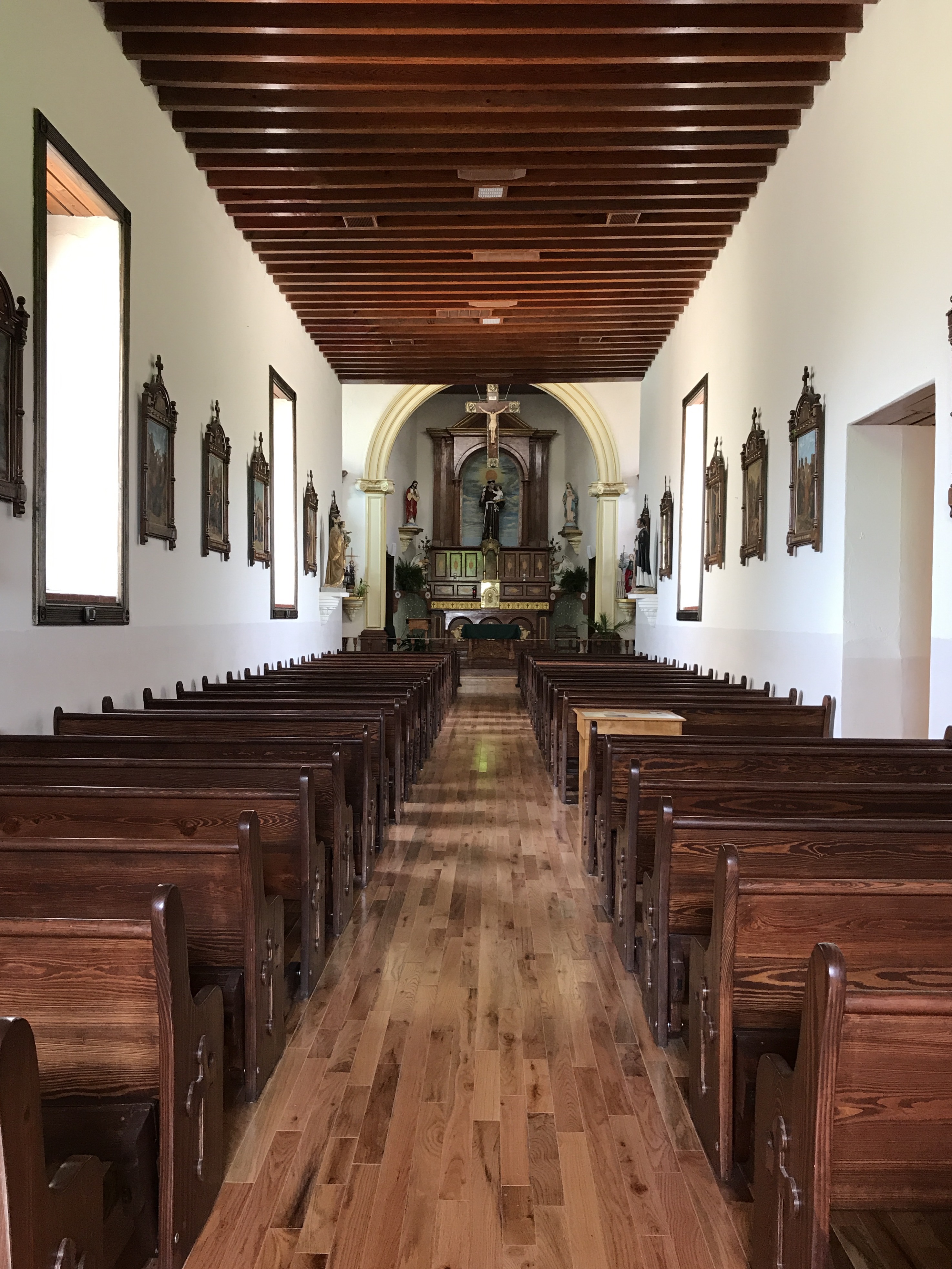
The Ysleta Mission is located closest to present-day El Paso. It is the oldest mission in Texas and the second oldest continually active parish in the United States. Established in the heart of Tigua Indian territory in 1680, the original mission was made of cottonwood branches and adobe mud.

Over the years the building was modified, enlarged, and improved — at times because of damage done by fires and floods. Today, the thick adobe-walled building stands as a testimony to the resolve of parishioners to continue to worship and practice their faith.
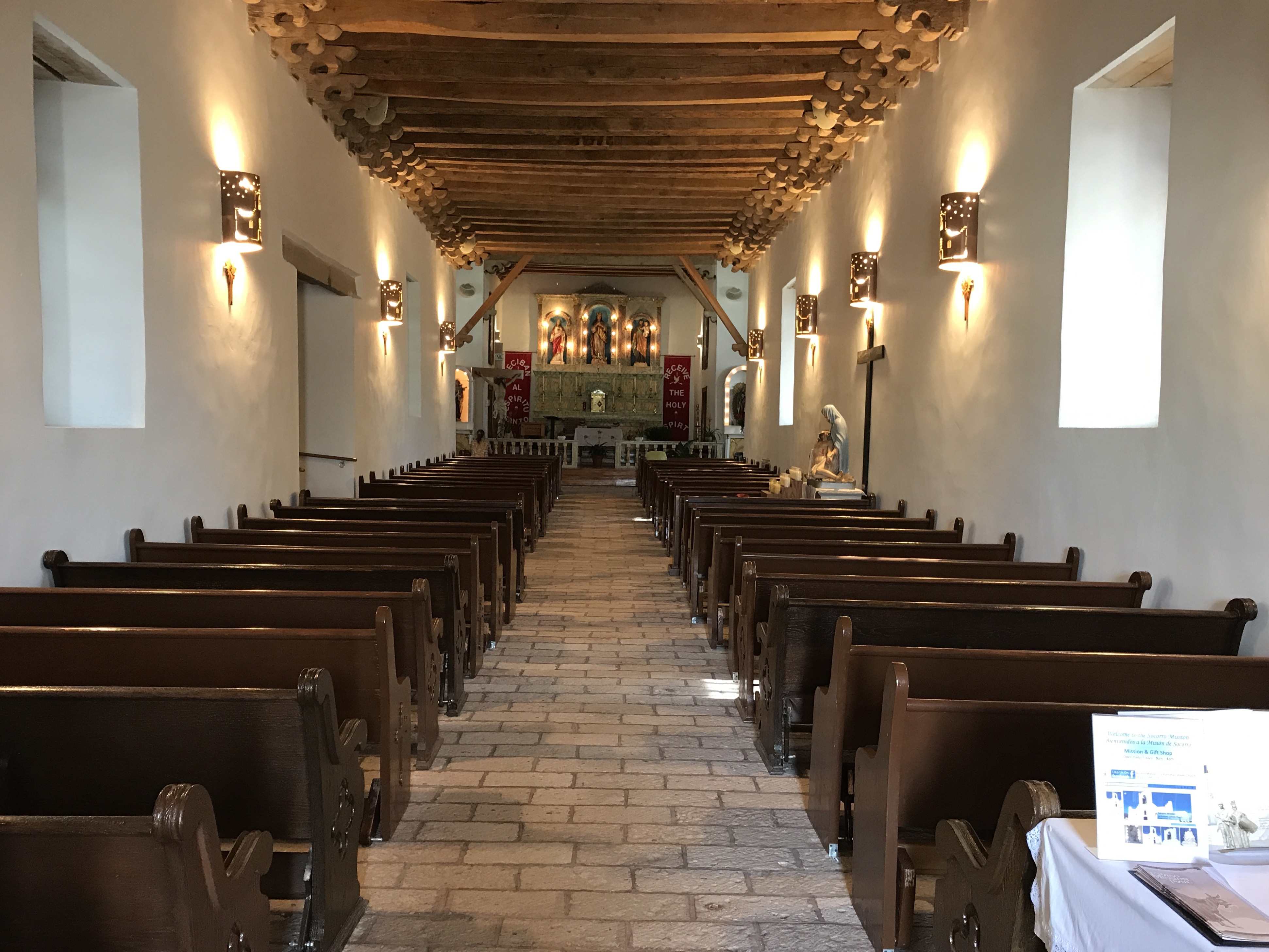
The Socorro Mission is located a short distance to the southeast of Ysleta and is considered the second oldest mission in Texas. Socorro is the Spanish word for help, relief, or assistance. Completed in 1691 to minister to Spaniards and also to the Piro, Tano, and Jemez Indians, this mission continues to live up to its name.

Through the years, the building suffered many of the same disasters as the Ysleta Mission. And, like the Ysleta community, the folks at Socorro came to the aid of their parish. The building that stands today was built in 1843 and features design inspired by both the Indians and the Spanish. The carved support beams are made of cottonwood and cypress and were salvaged from the original building.

The third mission on the El Paso Mission Trail is the San Elizario Presidio Chapel. In 1789, Spaniards established a presidio or fort to defend the frontier and supply lines. This presidio was named “San Elceario” after the French patron saint of the military, San Elcear. A chapel was built within the presidio walls and bears the same name as the military garrison.

Like the other early mission churches, the architecture of the San Elizario chapel is characterized by the adobe style that has become iconic in the southwest. I love these old structures that have endured for so long and have meant so much to their respective parishioners through the years.

There are lots of great things to do in El Paso, including driving the Mission Trail along Socorro Road. Each of these old missions welcome visitors. So, add this to your list of Texas adventures. You will enjoy learning about the role each of these missions and their parishioners have played through the years in the development of this part of the Lone Star State.

Rosa’s Cantina

When it comes to music, my iTunes playlist is nothing less than eclectic. My taste in music encompasses just about everything from Mongolian throat singing to Mexican mariachi. I especially enjoy ballads — sentimental songs that tell stories that tug at my heart. And when it comes to ballads, I especially enjoy country–western singer Marty Robbins.

In 1959, Marty Robins released what became one of his signature songs, El Paso. This song about a love struck cowboy propelled Robbins from singer to superstar almost overnight. The setting for the song was Rosa’s Cantina “out in the west Texas town of El Paso.” What many may not have realized at the time is that there is a real place called Rosa’s Cantina in El Paso.

As the story goes, Robbins and his band were traveling from Nashville to Phoenix. They happened to stop for a break in El Paso in front of a local watering hole named Rosa’s Cantina. The place was already closed for the night but Robbins looked through the windows and walked around the joint, casting an eye toward the badlands of New Mexico.

Those brief moments in front of Rosa’s Cantina played a role in sparking Robbin’s storytelling imagination. By the time he and the boys had arrived in Phoenix the ballad was complete. We will never know for sure whether Robbins was already working on the song or if that brief stop in El Paso was the catalyst for the song.

What we do know for certain is that Rosa’s Cantina was the setting for almost the entire story about a love struck cowboy who gunned down another cowboy in a jealous rage over Felina, the Mexican girl who worked at the saloon. That song not only catapulted Robbins to fame, it also put Rosa’s Cantina on the map.

Today, Rosa’s Cantina is pretty much the same as it was in 1959. Housed in an unimpressive rock building next to a garage in a part of town where blue-collar workers hammer out a living, Rosa’s Cantina is a destination spot for Marty Robbins fans from all over the world. The guest book in the joint has signatures of guests from too many countries to count.

Cheryl and I were excited to finally make it to Rosa’s Cantina to enjoy the atmosphere and a hearty plate of Mexican food. The staff was super-friendly, the food was delicious, and the ambiance was very cool. The walls featured several Marty Robbins albums and other memorabilia. This place continues to give patrons a connection with a song about the old west that continues to stir the imagination.

Rosa’s Cantina is definitely worth a visit. Don’t hesitate to bring the whole family. The owners and staff know they are stewards of a legacy unwittingly bestowed on them by Marty Robbins. And once you step in the door, your own imagination will kick in as you reflect on a love story that did not end well for a jealous young cowboy.

Dairy King in Sanderson

There is nothing like a Texas road trip to clear my mind. Having windshield time on the back roads of the Lone Star State is a soothing balm for my soul. The last thing I want to see when I have a few days off is another airport. I prefer to see beautiful Texas vistas — and to find a place to enjoy a good bacon cheeseburger.

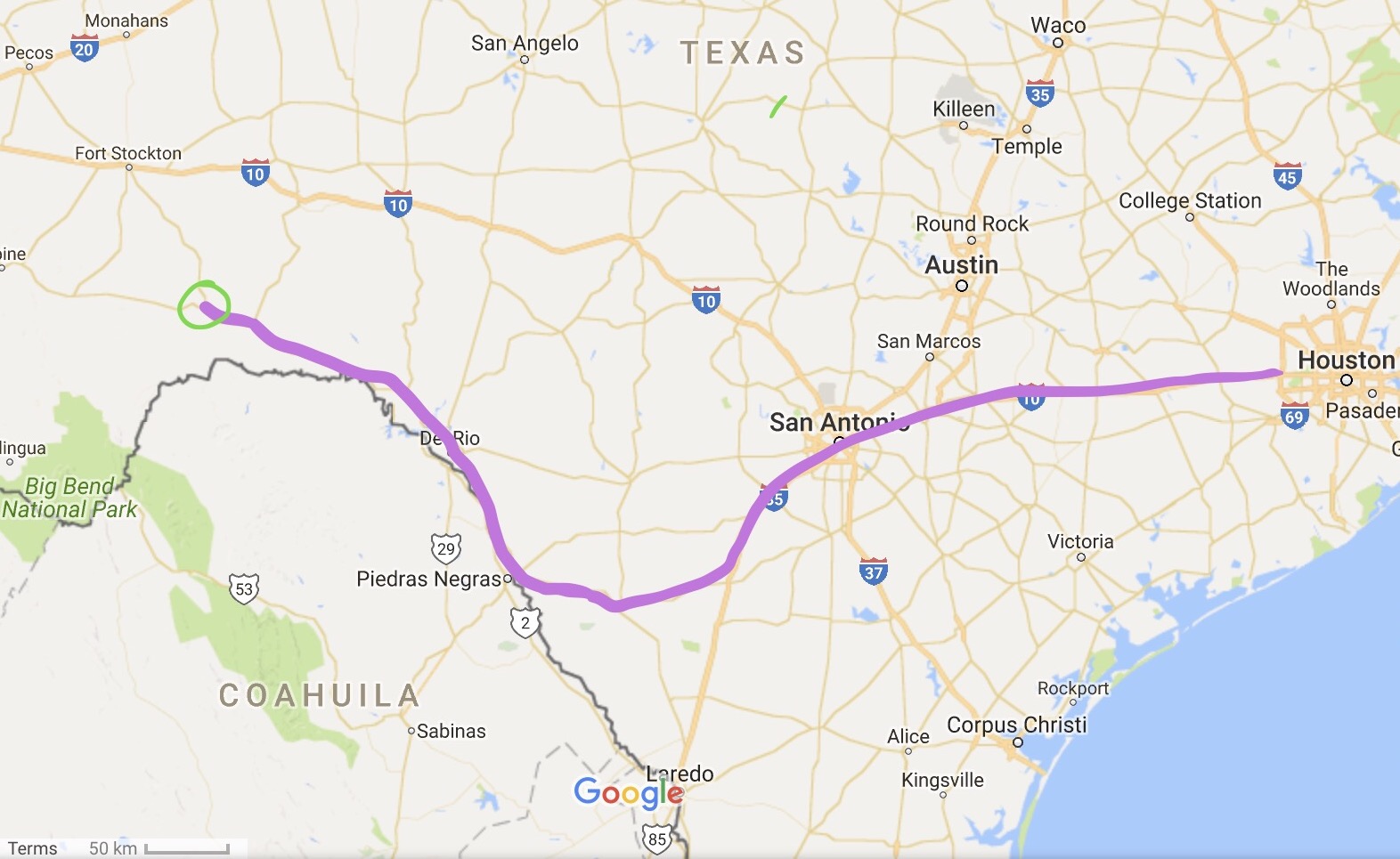
Cheryl and I are en route to the Trans Pecos, one of our favorite regions of our beautiful state. After a restful night in Carrizo Springs, we were up early and on the road toward El Paso. Lunch time found us on the outskirts of Sanderson, the county seat of Terrell County. Sanderson has been around since the late 19th century. In fact, the colorful Judge Roy Bean once operated a saloon there.

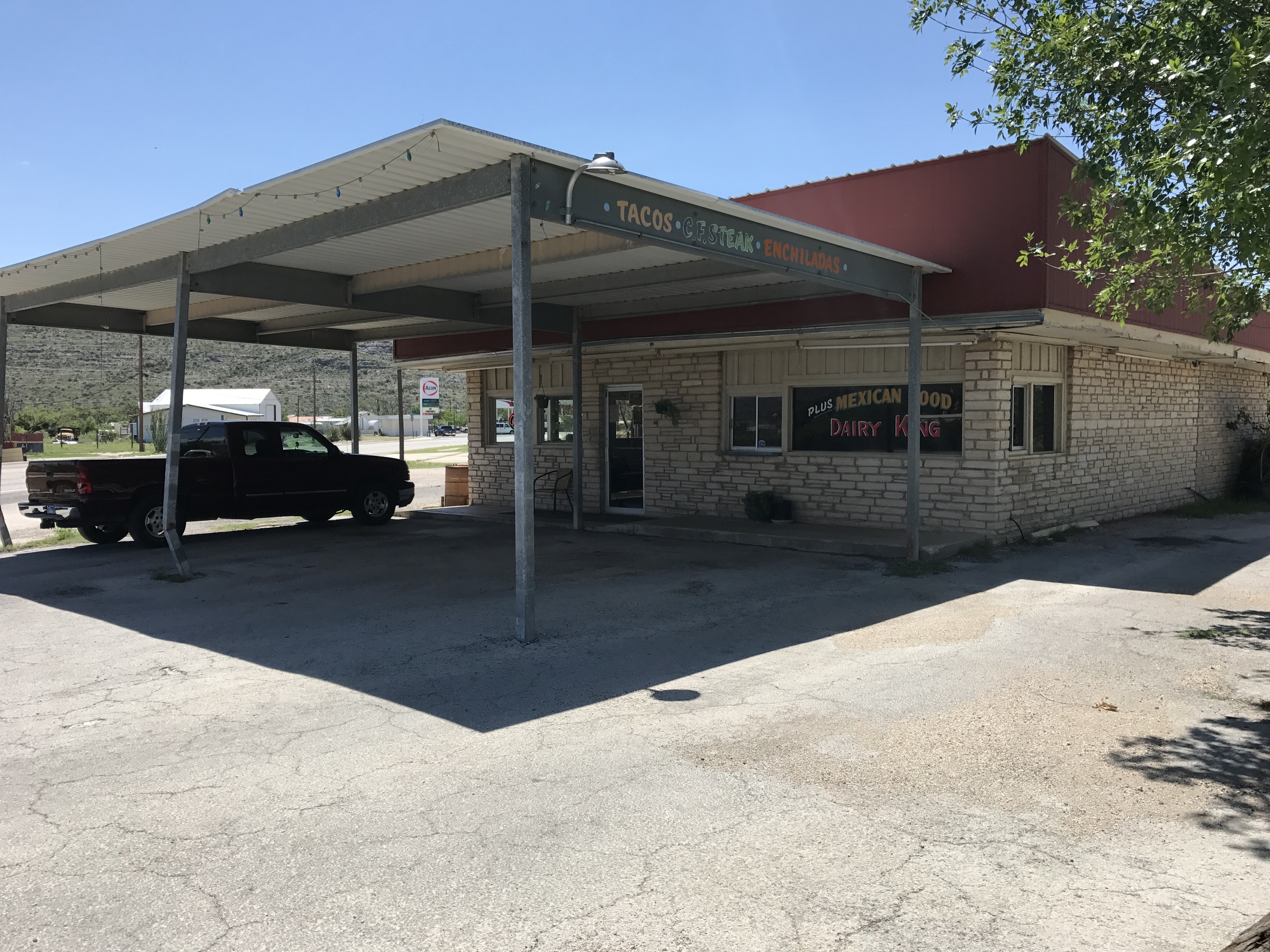
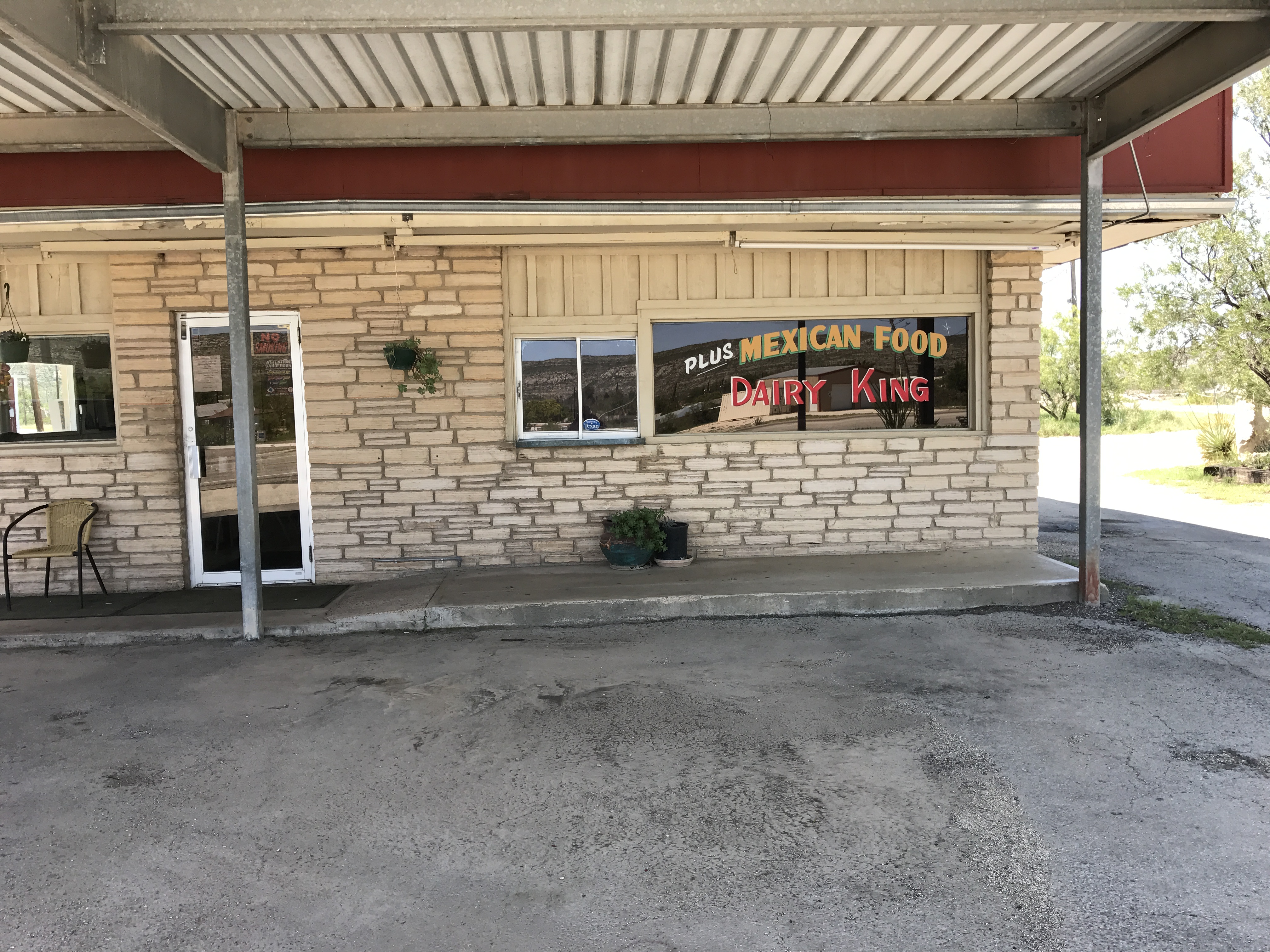
There are not too many places to grab a bite in Sanderson but we did find a place that immediately piqued our interest — the Dairy King. With a name like that we had to stop and check it out. I have to confess that I really like the adventure of walking into places like this in small towns across Texas.

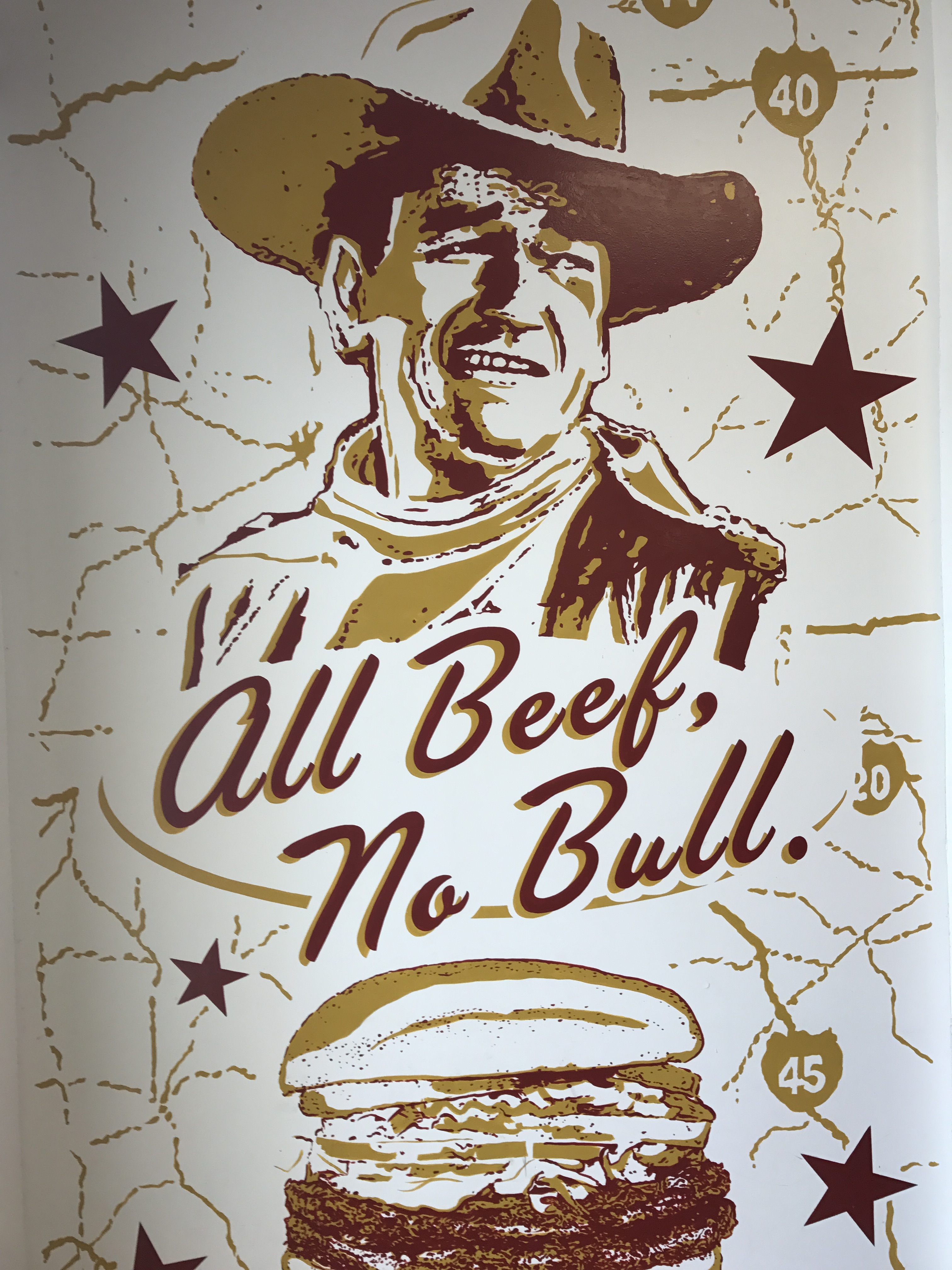
Dairy King is housed in a modest Dairyqueenesque looking building with a small and noticeably clean dining hall. The menu listed a pretty good offering of both Mexican and American dishes. I, however, was there for a burger. Because their signature Eagle Burger was much bigger than I wanted (or needed), I opted for a quarter pound bacon cheeseburger with a side of onion rings and a glass of iced tea.

I really appreciate places like this that offer good burgers. Nothing fancy. No gourmet stuff. Just a simple hamburger that delivers on flavor every time. And that is exactly what I got. My bacon cheeseburger was one really good burger. I commented to Cheryl that the bacon was especially good. Nice and crispy but not greasy. And everything on the burger was super fresh.

I enjoyed watching and listening to the locals in the restaurant. Reminded me that places like Dairy King are important to life in small town Texas because they bring folks together around good food. I loved watching people talk with those at their table and talk with others seated at other tables. Cheryl and I were really glad that we dropped in for lunch. If you find yourself anywhere near Sanderson at lunch time or anytime, stop by the Dairy King.

TX Burger

A fun part of my Texas road trip adventuring is discovering places that serve delicious burgers. Over the years I have tasted some mighty fine burgers throughout the Lone Star State and others that were just ok but not blog-worthy. For quite some time I have wanted to stop by one of the TX Burger locations and finally had the opportunity to do so in Madisonville.

Madisonville is the official home of TX Burger. Back in the early 1970’s, a fellow named James Carter wanted to serve burgers as tasty as the ones his mom made at home. Using all natural beef and fresh ingredients combined with great customer service, Carter hit on the right combination. Soon, TX Burger became a huge success and has since added locations around Texas.

I ordered my usual bacon cheeseburger with everything on it and a side of onion rings — all reasonably priced. In fact, I bought lunch for four of us and spent almost ten dollars less than I had spent on three of us the previous day on an “award winning” burger that turned out to be somewhat disappointing (that burger was definitely not blog-worthy).

My bacon cheeseburger arrived hot and ready to eat. The first bite confirmed that I had indeed made the right choice. It was delicious. Everything about this burger was fresh and honest and the meat was moist and prepared to perfection. Nothing disappointing about this burger. Every bite was delicious.

After eating my burger I turned my attention to the Blue Bell Ice Cream bar. This is Texas and Nolan Ryan beef and Blue Bell Ice Cream are certainly infused with Texas goodness. I bypassed the cone and opted for the biggest hand spun chocolate malt on the menu. Absolutely delicious and the perfect way to end this meal.
The next time you are on the road and see a billboard or sign for TX Burger, make it a point to head their way. You will enjoy the family-friendly atmosphere, their delicious burgers and sides — and, of course, the opportunity to eat some Blue Bell Ice Cream. I am certainly glad that I finally stopped to eat at TX Burger. I can assure you that this won’t be the last time!

Caddo Mounds State Historic Site

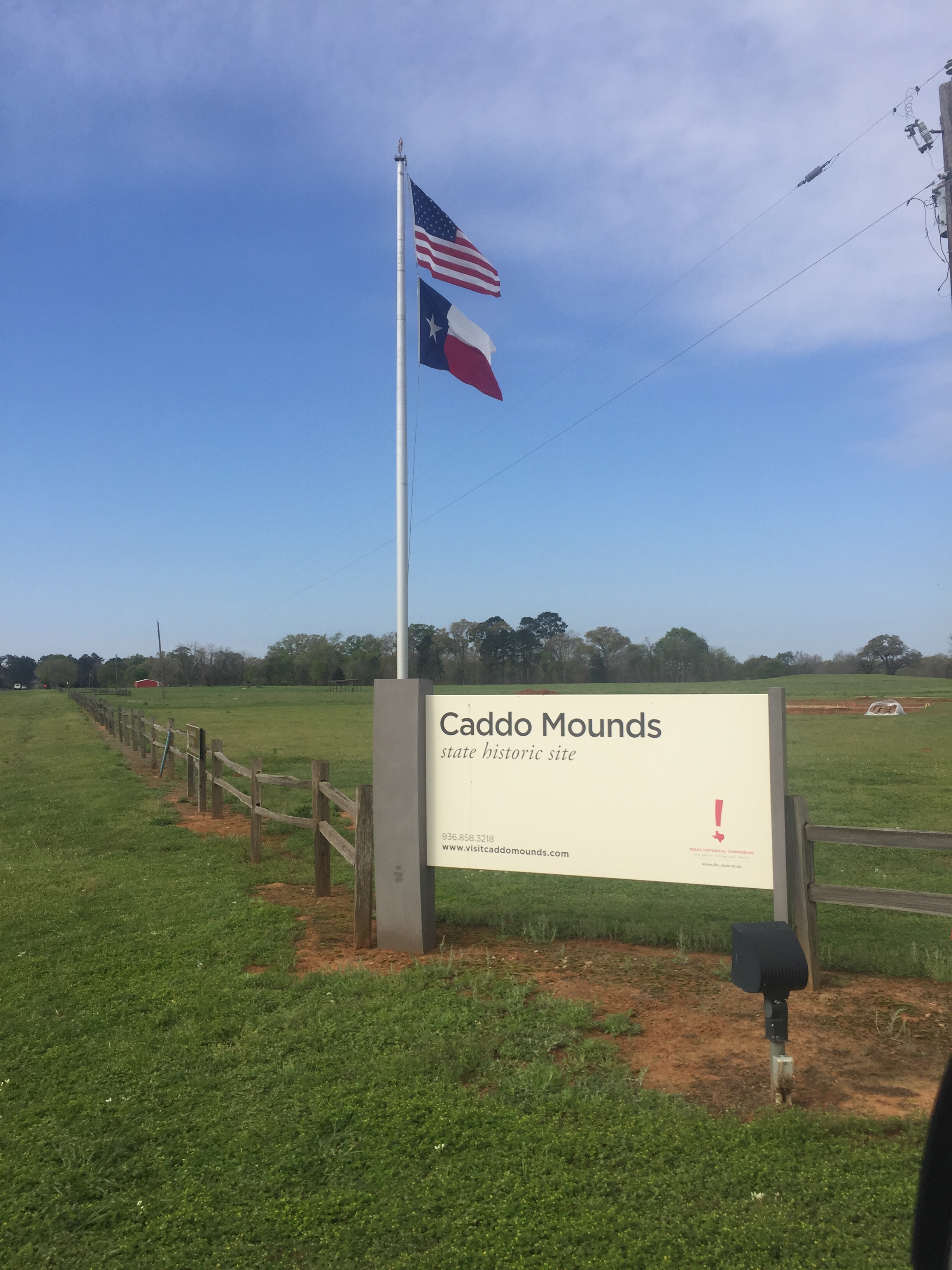
Located 26-miles west of present day Nacogdoches, the Caddo Mounds State Historic Site is one of the more unique historic sites in the Lone Star State. Once the ceremonial center for the Hasinai, a group of Caddo Indians, this site preserves the remnants of this great Mound Builder culture that thrived here more than 1,200 years ago.

Those of us who love Texas owe a debt of gratitude to the Caddo. The name of our beloved state comes from the Caddo word “tejas” which means friend. It’s hard to imagine our great State having any name other than Texas.

The Caddo selected this site near the Neches River because the soil was ideal for agriculture, the springs that flowed into the Neches provided a reliable source of water, and the surrounding forest yielded lots of food resources. As a result, the Caddo thrived in this region for more than 500 years.

Over time, these native Americans developed trade routes that connected them with other native groups in Central Texas and as far away as present day Florida to the east and Illinois to the north. The Hasinai group that inhabited Caddo Mounds was also a part of a larger Caddo domain that encompassed northeast Texas, northwest Louisiana, western Arkansas, and eastern Oklahoma.

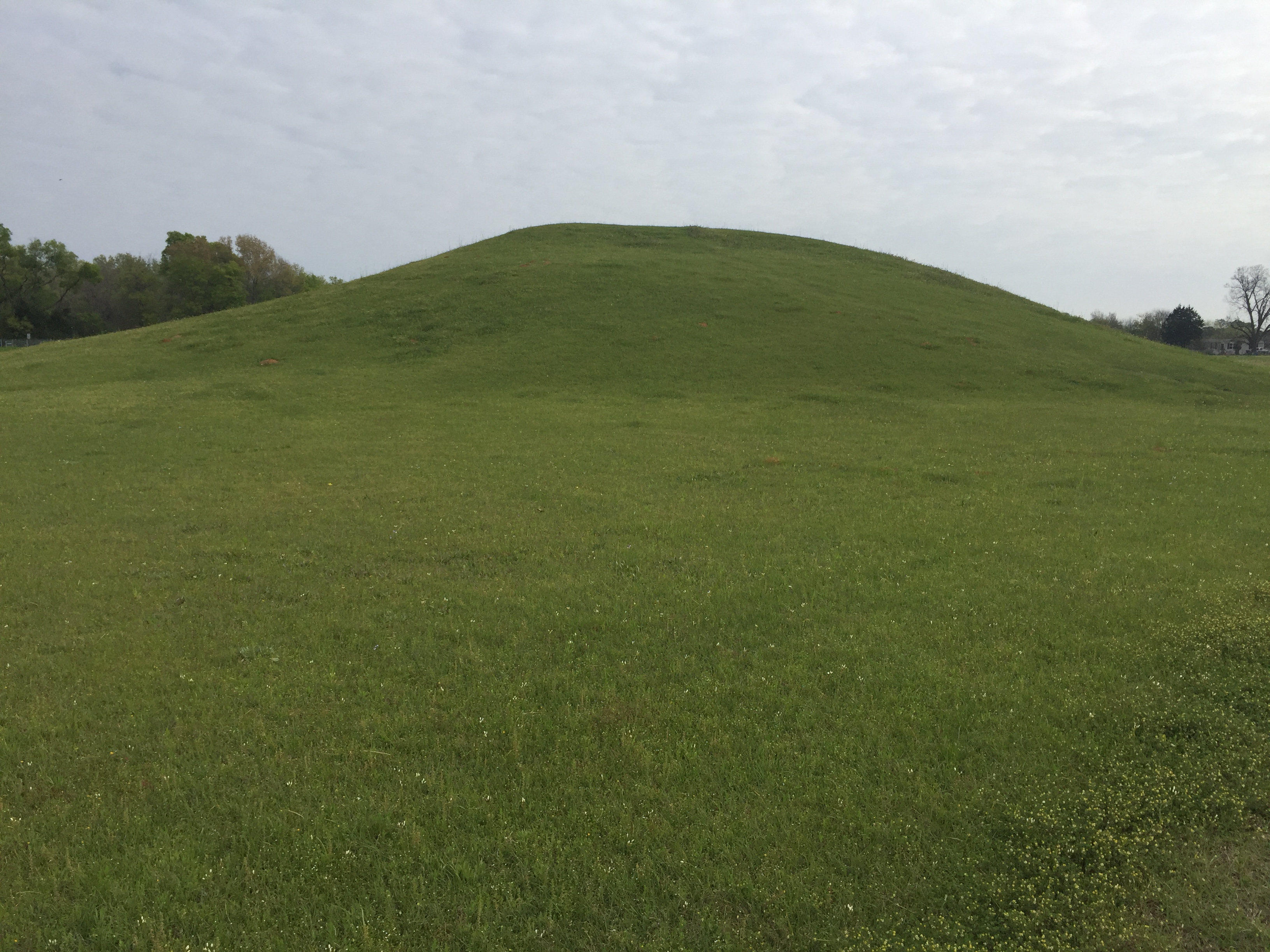
The Historic Site preserves three remaining and distinctive earthen mounds and a replica of a large thatched beehive-shaped Caddo hut made of native grasses. These dwellings were designed to be cool in the summer and warm in the winter.

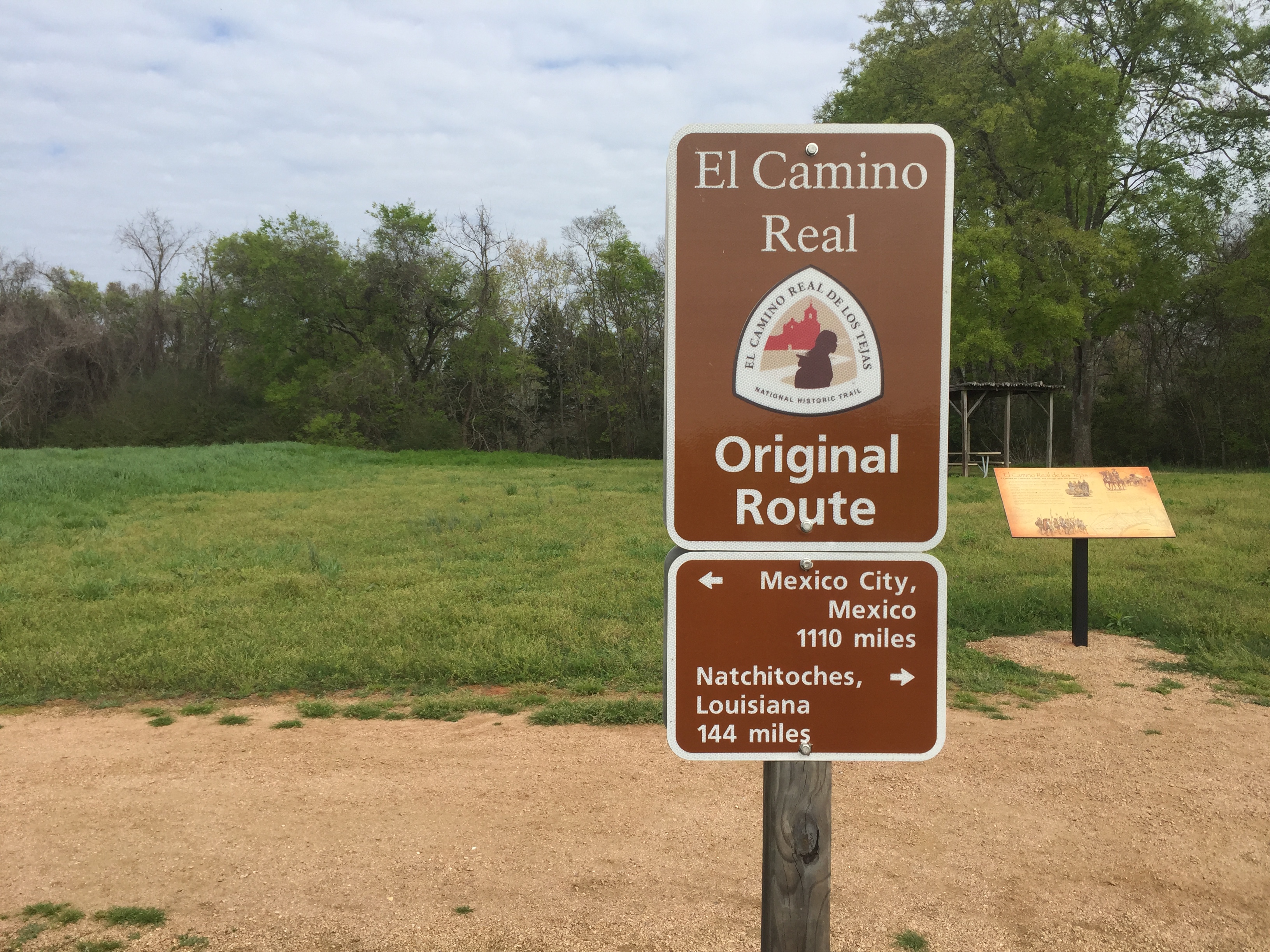
The museum at the site is worth visiting. It features informative displays and artifacts dating from A.D. 750–A.D. 1400, including pottery, tools, and weapons. I encourage you to visit the museum before you walk the 0.7 mile self-guided interpretive trail to see the Caddo’s burial, low temple, and ceremonial mounds. This self-guided trail also leads to a portion of the old El Camino Real de los Tejas National Historic Trail, which runs from Louisiana to Mexico.

Caddo Mounds is an excellent choice for a day trip or as a stop on your next East Texas road trip. One thing is certain, the Caddo enjoyed our great state long before we arrived on the scene. And you will enjoy your visit to this well-maintained historic site. It’s worth visiting and learning about the people whose native language gave us the great name of Texas.

Baby Head Cemetery

Cemeteries seldom make the list of must-see places on road trip adventures, and understandably so. After all, there are many more inviting and cheerful options to visit than final resting places. But, don’t let that stop you from considering a visit to some of the most fascinating and historical spots in the Lone Star State — old cemeteries.
One of Texas’ most interesting old cemeteries also bears the distinction of having one of the creepiest names on record for a cemetery — Baby Head Cemetery. Located about 9 miles north of Llano along Highway 16, this place is definitely worth visiting.

As the story goes, sometime between 1850 and 1875 a small child in the area was kidnapped and killed by Indians in an effort to discourage settlers to the area. Some oral traditions claim that the baby’s head was placed on a spike as a warning to encroaching settlers. Consequently, the mountain (or better yet, hill) where this incident allegedly happened was named Babyhead Mountain.

In the 1870s, a pioneer community was founded near the mountain and became known as Baby Head. A post office was established there in 1879 and remained in operation until 1918. The small rural community which once had numerous farms, homes, and business eventually dwindled to only a handful of folks. The cemetery is the last physical reminder of the Baby Head community.
Baby Head Cemetery is the final resting place for a few dozen folks, many of whom died in the 19th century and some as recently as the past few years. Many of the old headstones are so weathered that they are hard to read. But, in spite of their deteriorating condition, you can still make out the epitaphs on many of the old tombstones.
The epitaph on the headstone of two-year old Texas Calvin, the daughter of W.T. and M.A. Mc Coy expresses the hope of these parents who suffered the loss of their little girl. The inscription is a silent reminder that they grieved with hope:

Farewell sweet little Texas
Farewell on earth to thee
Sleep sweetly sleep beneath the tomb
The angels o’er thee watch
And when we meet in heaven above
We will part no more
Perhaps the most poignant epitaph was the one I read on the broken headstone marking the grave of Susan McCoy who died in 1893.

Remember friends as you pass by
As you are now so once was I
As I am now so you must be
Prepare for death and follow me

There is a lot of Texas history in our old cemeteries. Walking slowly among the graves always makes me wonder about the stories of those at rest beneath old and broken headstones. Reading the fading epitaphs also makes me think about what final message I will leave on my headstone for those who will stroll through cemeteries long after I am gone.

The Jefferson General Store

East Texas is unquestionably one of the most beautiful places in the Lone Star State. If you love forests and lakes then this is the place for you. This is definitely road trip heaven. On a recent road trip through East Texas, we headed over to Jefferson near Big Cypress Creek and Caddo Lake at the junction of U.S. Highway 59 and State Highway 49.

Jefferson was named for Thomas Jefferson when it was founded in the early 1840s by Allen Urquhart and Daniel Alley. In those early years it became the state’s leading inland river port as well as the leading commercial and distribution center of Northeast Texas. By 1870, Jefferson was the sixth largest city in Texas. But, with the advent of the railroad and less reliance on river boat transport of products, Jefferson gradually declined in population.
Today, Jefferson is one of the coolest road trip destinations in Texas. The town is home to more than fifty historic structures listed in the National Register of Historic Places. Many of the old historic buildings in the downtown area now house all kinds of specialty and antique shops. One must-see stop in Jefferson is the Jefferson General Store.

The Jefferson General Store occupies a building first used as a hardware store in the 1860’s and has remained an important part of the community through the years. There are not many places left in Texas where you can step through the door of an old building and go back in time. But that is exactly the feeling you’ll get when you step across the threshold of the front door and into the Jefferson General Store.
The sign above the door boasts “we have everything” — and that is not far from the truth as far as general store merchandise goes. The moment my wife Cheryl and I stepped through the door we looked at each other and smiled. This place was crammed with more interesting things than we could have imagined — including some of the hard-to-find candy we enjoyed as kids like Chick-O-Stick.

You can browse the stuff at the store, sit at the soda fountain and sip on five-cent coffee or any of their nostalgic soda fountain offerings, play a game of checkers on an oversided checker board, or fill a bag at the old-time candy counter. In addition to enjoying some of our favorite candy, we discovered fried peanuts in the shell. Delicious, indeed!

I enjoyed browsing through their eclectic selection of books on everything from Texas history, flora and fauna, recipe books, collections of humorous sayings, and more. If you like signs with funny messages, you’ll find plenty of those. They also have a great selection of Texas jams, jellies, and salsas.
If your travels take you to East Texas, I hope you’ll make time to go by Jefferson and to stop by the Jefferson General Store. Walk slowly. Look at everything. Have a soda. Eat candy. Peruse a book and laugh. Take a selfie. Have fun.

A Place Called Uncertain

I sometimes resort to an unconventional method when planning a road trip — unfold a Texas map, adjust my bifocals, and then look for the most interesting place names. That’s the way my East Texas road trip came about. Actually, my wife Cheryl found the spot on the map and suggested we head in the direction of Uncertain.
I was so happy to learn that there is actually a place in Texas named Uncertain. How cool is that. It was settled, then. The only thing we were certain of was heading to Uncertain. Any other stops along the way would be at our whim. When Cheryl and I do this kind of road trip we don’t make lodging reservations ahead of time so that we can be free to head in any direction we want.
There are a couple of stories about how Uncertain got its name. One story suggests that the place was once known as Uncertain Landing and got its name because steamboat captains often had a hard time mooring their vessels there. Another story suggests that the town got its name before the border between the United States and the Republic of Texas was finally established. Before that time residents were uncertain about their citizenship.
Uncertain is an incorporated community located deep in the heart of East Texas. Situated along the shores of Caddo Lake, the largest natural lake in Texas, Uncertain is a little place with a whole lot of stuff going on. Locals offer boat tours that take guests through the largest bald cypress forest in the world. These big old trees give Caddo Lake a unique and mysterious personality.
You’ll find several small businesses in Uncertain and a non-denominational place of worship understandably called The Church of Uncertain. But don’t let the name fool you. This little house of worship is certain about the doctrinal essentials that make it vital to the spiritual health of the community.
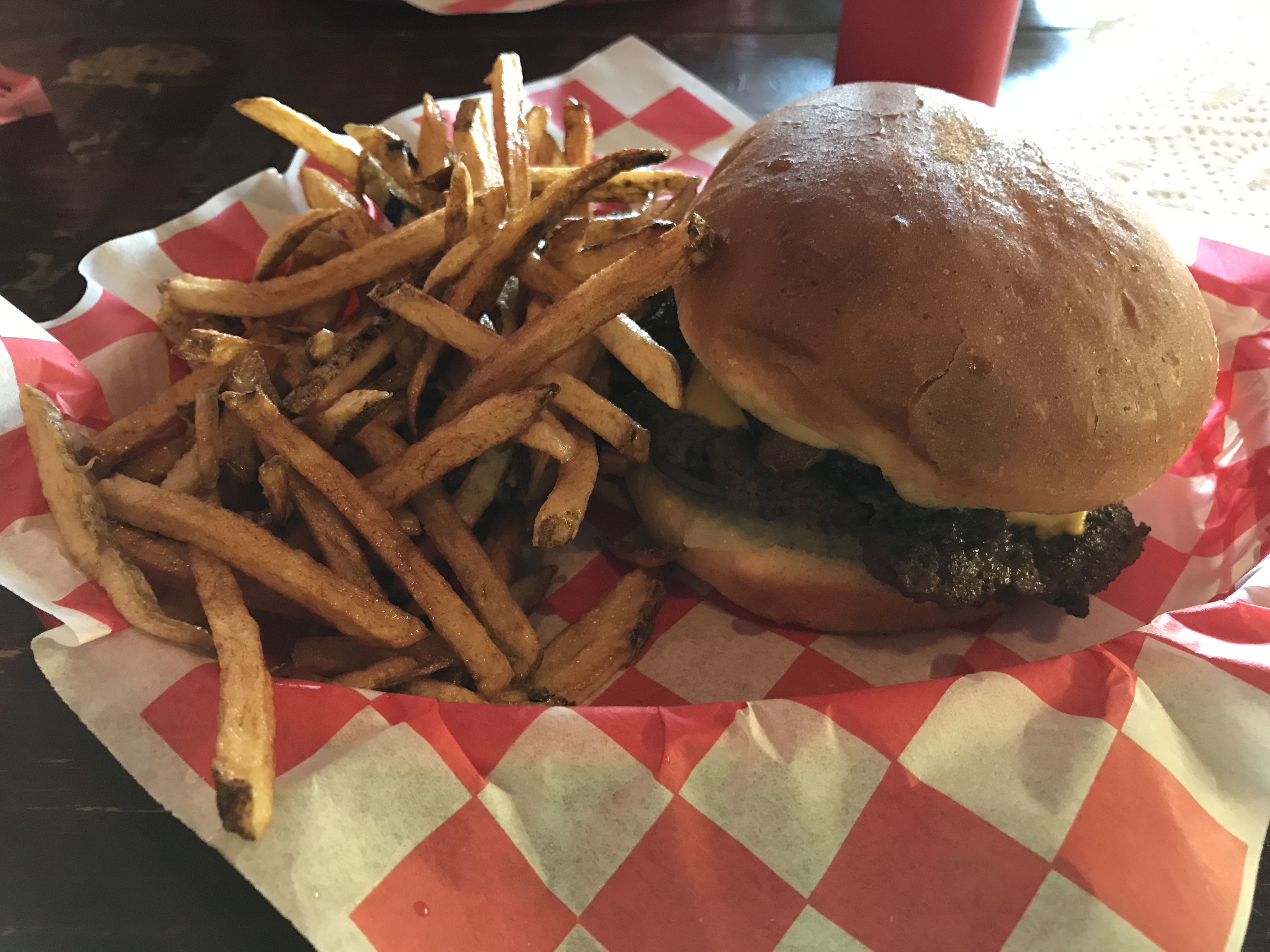
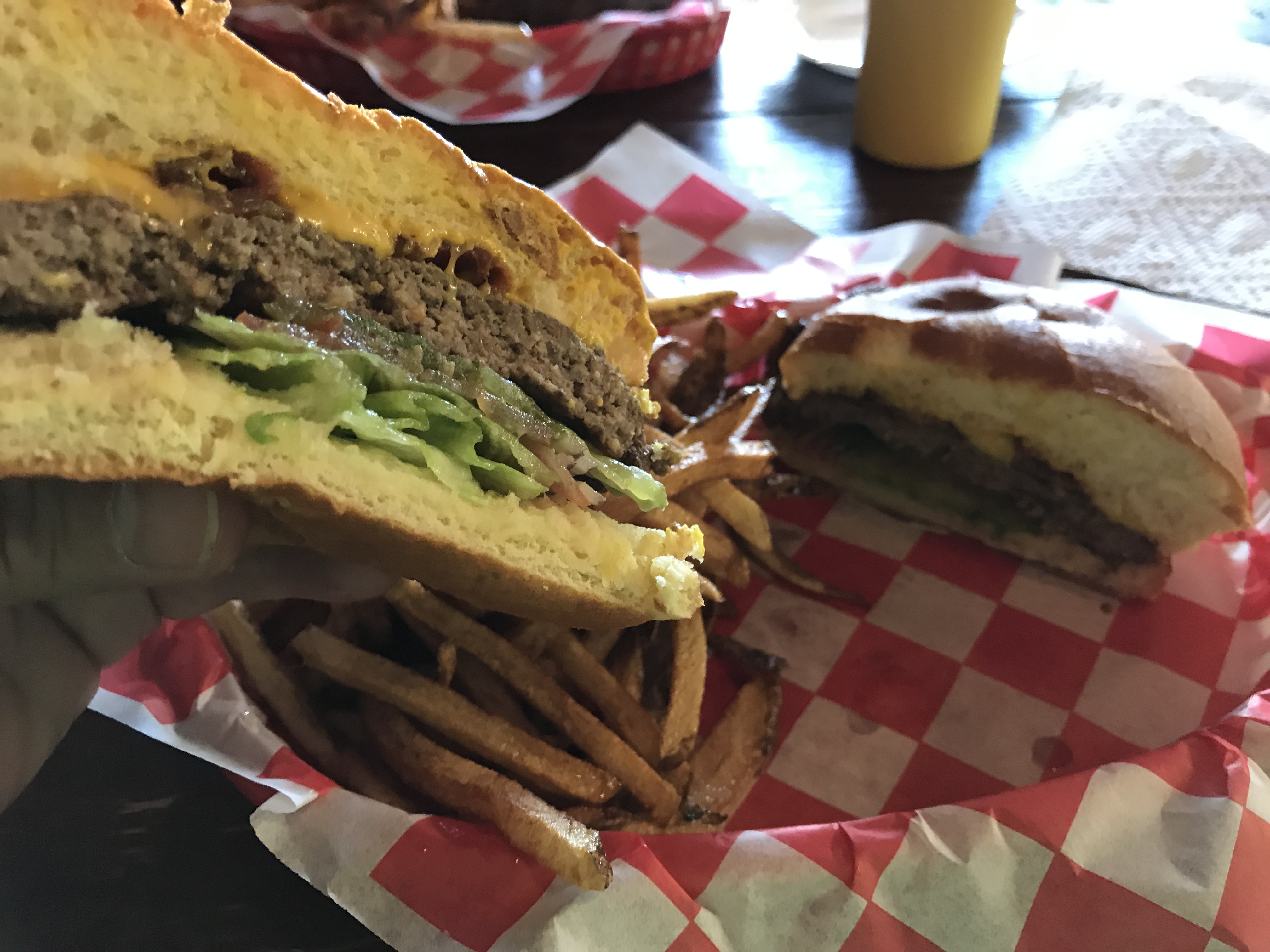
There are a few places to eat in Uncertain but we chose to stop at a place called Shady Glade Cafe. This little joint has a cool local vibe and offers a great selection of home-style meals, including burgers. The big guy seated next to us ordered a chicken fried steak that was bigger than the plate. I ordered the Baconator with cheese, seasoned fries, and iced tea.
As he was leaving the big guy turned, took a deep breath, and said to me, “I can put away a lot of groceries, but I could not finish that chicken fried steak.” I can understand why. It was huge! As for my burger, it was really good, especially the generous meat patty that had a great flavor. There was a steady stream of customers the whole time we were there. That in itself is a good endorsement.
Bottom line — we enjoyed our drive through this small community where folks make their livelihood from catering to tourists and fishermen to Caddo Lake. The folks we met while there were all very friendly and helpful. So, one thing is certain — we enjoyed our brief time in Uncertain and glad that this was our first stop on our East Texas road trip.