Tamales in Texas

Whenever I hear the word “tradition” I can’t help but think of Tevye, the milkman in “Fiddler on the Roof” whose struggle to maintain his Jewish traditions was made even more challenging by the choices of his three older daughters. In the month of December, the word “tradition” in South Texas is all about La Tamalada or a tamale-making party.

"Tamalada" | Painted by Carmen Lomas Garza

“Tamalada” | Painted by Carmen Lomas Garza

One of my very favorite memories of growing up in South Texas is of the Tamaladas that my beautiful mother would host in our home. The annual Tamalada was a big family and social event when our home was filled with extended family and friends who gathered to make tamales, empanadas, pan de polvo, and other Christmas goodies. It was a great time of the year to be a kid in our home because the house was filled with people we loved, with music, laughter and conversation, and the opportunity to sample lots of food.

Tamales have been around for a long time. Bernardino de Sahagún, a Franciscan friar and ethnographer who came to New Spain (Mexico) in 1529, documented that the Aztecs served tamales to the Spaniards in the mid-1500s. We have traced our ancestry on my Dad’s side of the family to the 16th century, so perhaps our ancestors were among those who sampled Aztec tamales.

The word tamale is derived from the word tamalii from the Nahuatl language spoken by the Aztecs. The word means “wrapped food.” However, the Aztecs were not the only people to enjoy tamales. Tamales were also a favorite food of the Mayans in Central America and the Inca in Peru. Warriors from all of these peoples survived on tamales because it was a portable food.

My mother taught my wife Cheryl how to make tamales. Making tamales is a time-consuming, labor intensive, messy, and creative process but one that is worth the effort when that first batch of tamales is ready to be sampled. In keeping with tradition, Cheryl has hosted tamaladas in our home. My job is to sample the various fillings and making sure that the masa has the perfect taste.
TamalesA Tamalada is hard work but fun. It takes lots of hands to soak, dry, and sort the corn husks, to prepare and spread the masa on each husk, and then to add the filling, tie and bundle each tamal (singular) and then finally steam all of the tamales. Because the process is so labor intensive, families that keep the Tamalada tradition make as many tamales as possible. And then, the best part — eating and sharing tamales at Christmas.

Traditions are not all bad, especially those that keep us connected and grounded to faith and family. I hope that you will consider your Christmas traditions and help create memories that will bless and comfort your family and friends for years to come. And, whatever you do, be sure to eat plenty of tamales this Christmas.
Presidio La Bahia

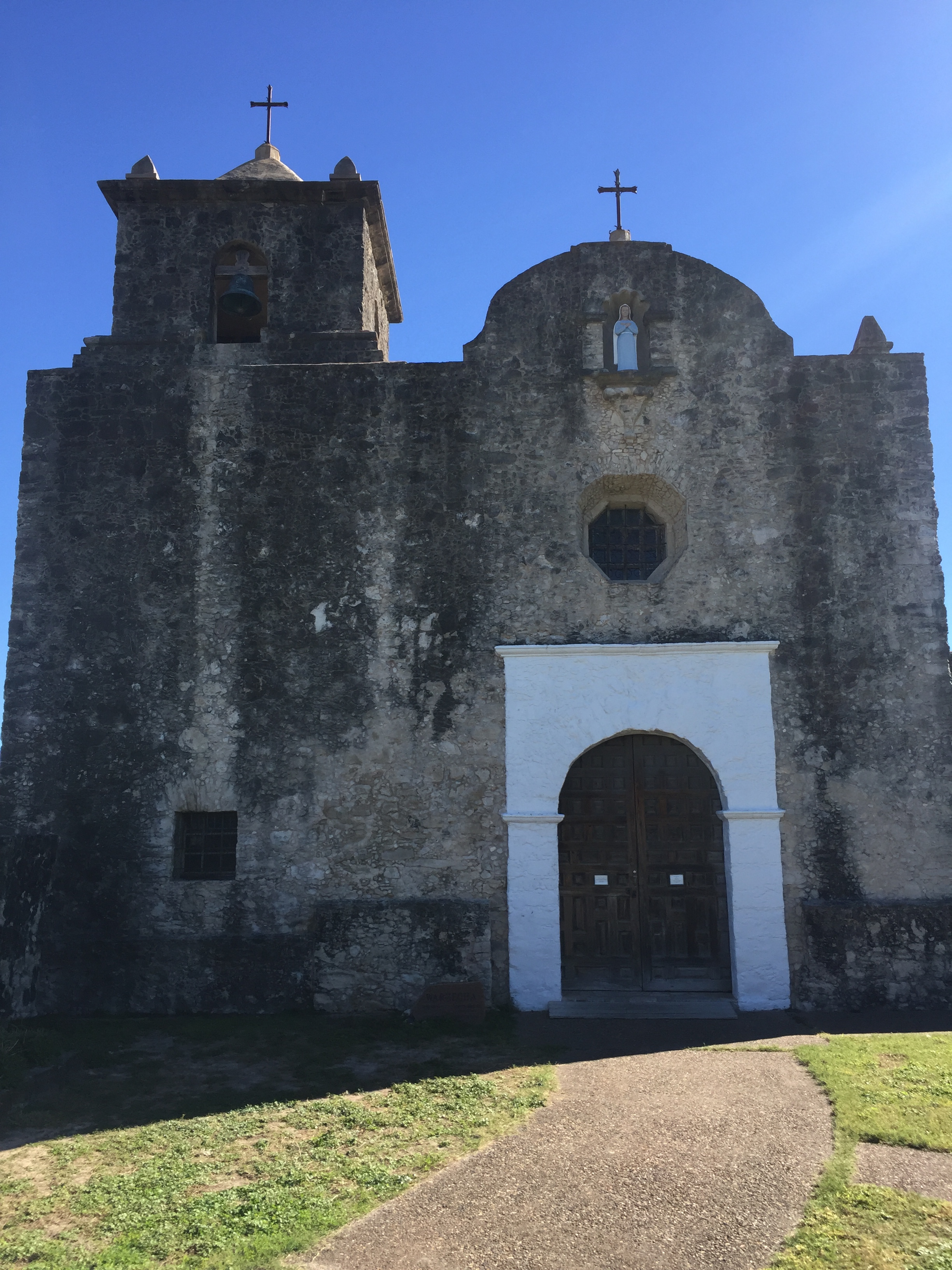
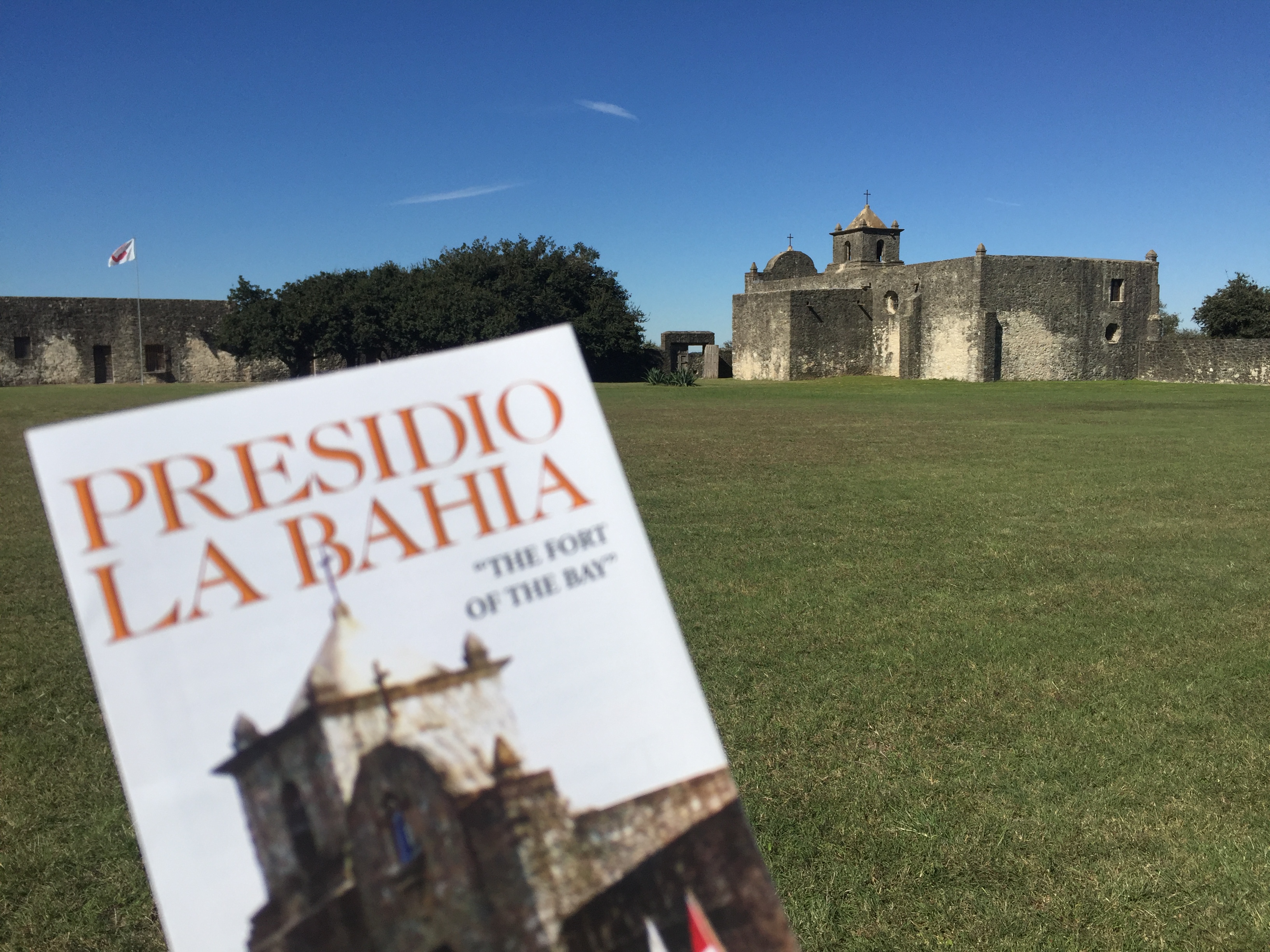
Presidio La Bahia, the world’s finest example of a Spanish frontier fort, is located outside the town of Goliad. The original fort was built in 1721 on the banks of Garcitas Creek near present day Port Lavaca. When this location proved unsuitable, the fort was moved inland in 1726 to a location near present day Victoria. In 1749, the fort was again relocated to its present location near the banks of the San Antonio River.
Presidio La Bahia BrochurePresidio La Bahia was responsible for the defense of the coastal area and eastern province of Texas. Within time, a settlement called La Bahia (The Bay) grew up around the fort. The name of La Bahia was changed to Goliad in 1829 in honor of Father Miguel Hidalgo, the patriot priest of the Mexican Revolution. Goliad is an anagram formed from the letters of the name Hidalgo (minus the silent letter H).
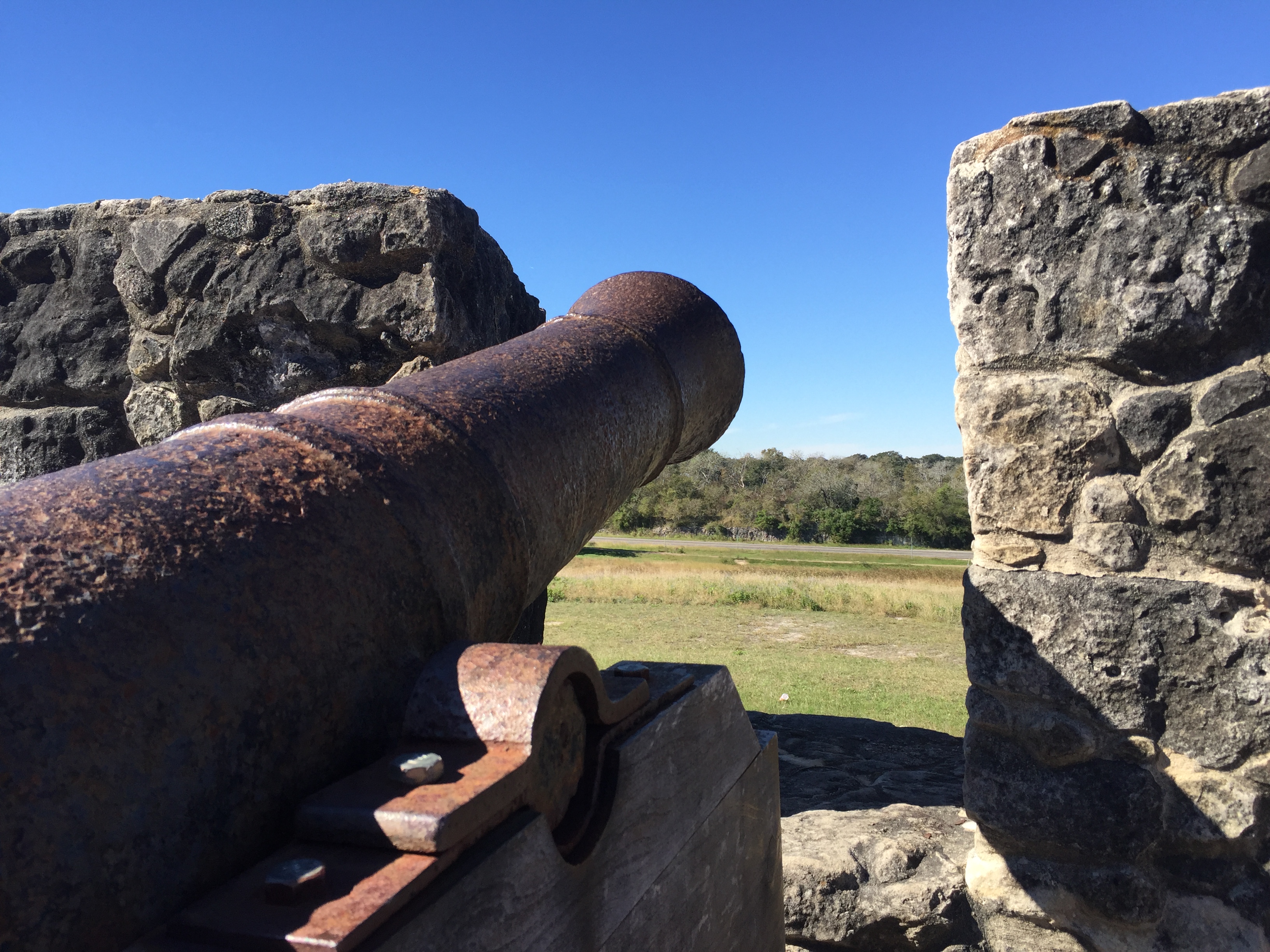
Presidio La Bahia CannonOn October 9, 1835, Captain George Collinsworth and his band of Texas fighters attacked and defeated the Mexican garrison stationed at the Presidio. On December 20 of that year, the first Declaration of Texas Independence was formally declared at the fort. This Declaration was signed by 92 Texas citizens inside the chapel of Our Lady of Loreto, the oldest building in the compound.
Our Lady of Loreto ChapelThe darkest day in Texas history, the Goliad Massacre, took place at Presidio La Bahia on March 27, 1836 — Palm Sunday. Colonel James Walker Fannin and 341 men under his command had surrendered to General José de Urrea of the Mexican army on March 20 at the Battle of Coleto Creek. The Mexican army held Fannin and his men as prisoners at the Presidio and at the chapel of Our Lady of Loreto.
Goliad MassacreFannin and his men had drafted terms of surrender and expected to be treated with a measure of dignity as prisoners of war. General Urrea, however, told Fannin that he could not ratify his terms. He was bound by Santa Anna’s orders and a congressional decree to accept no terms other than unconditional surrender. And, although General Urrea recommended clemency for Fannin and his men, he later received orders from Santa Anna to execute all of the prisoners. He was left with no choice but to carry out the orders.
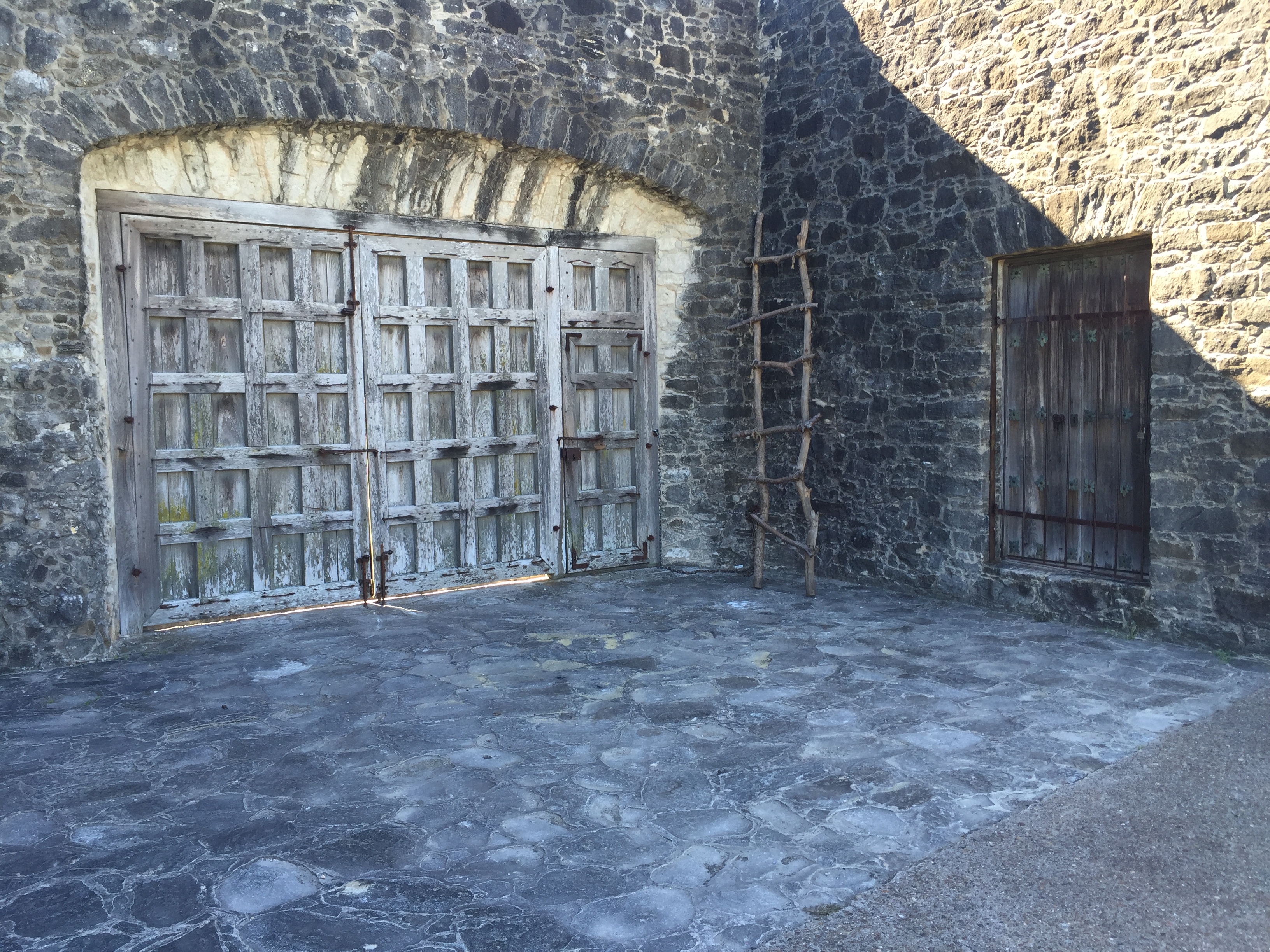
Presidio La Bahia DoorsSome of the men were killed on the grounds of the Presidio and others were killed outside the fort. A few managed to escape. Twice as many men died at the Goliad Massacre than died at the Alamo. As news of the Goliad Massacre spread, streams of volunteers came to Texas to take up arms against the brutal dictator Santa Anna. “Remember the Alamo!” and “Remember Goliad!” became the most potent battle cries of the Texas Revolution.
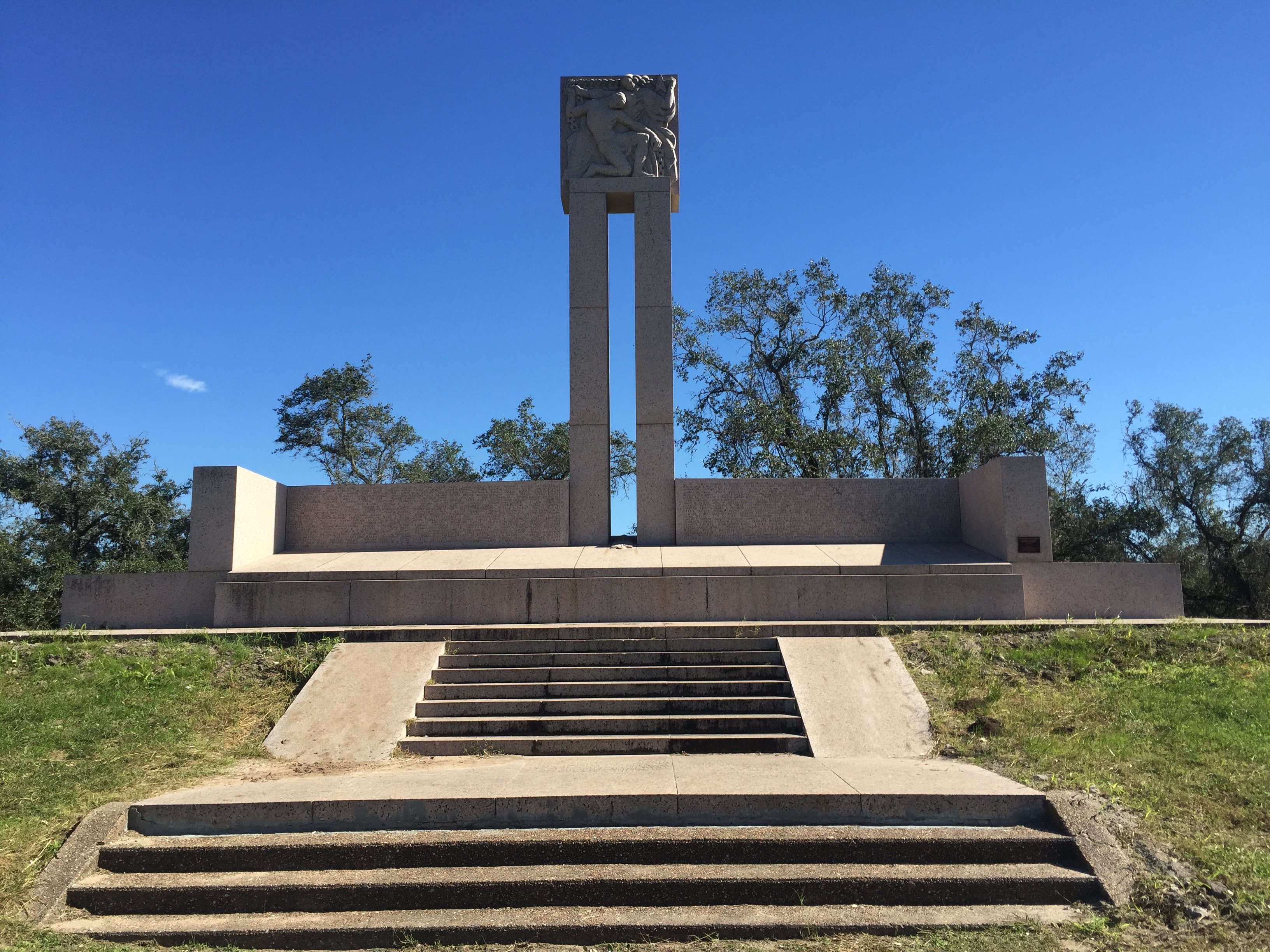
Fannin Memorial MonumentFannin and his men are buried in a mass grave outside of the walls of the Presidio. Their names are etched on the pink granite walls of the Fannin Memorial Monument, erected over the burial site in 1938 by the State of Texas. This site is located next to La Bahia Cemetery where you can find grave markers that date back to the mid-nineteenth century.
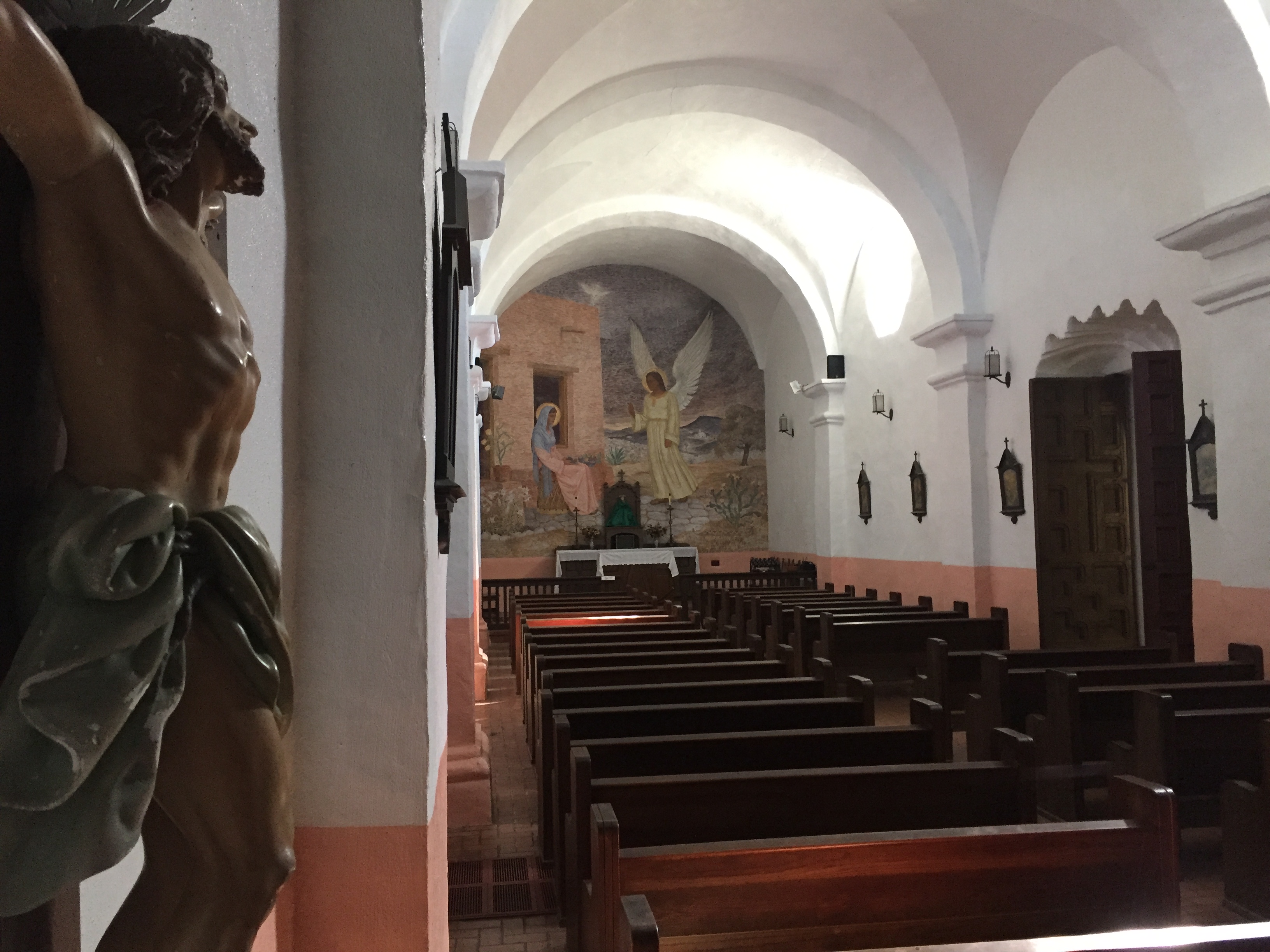
Our Lady of Loreto MuralOur Lady of Loreto Chapel, where Fannin and his men spent their final days, is one of the oldest churches in the United States and is still in use today. In 1946, Antonio Garcia of Corpus Christi, known as the “Michelangelo of South Texas,” painted a beautiful fresco behind the altar. Lincoln Borglum, son of Gutzon Borglum of Mount Rushmore fame, sculpted the statue of Our Lady of Loreto that sits in the outside niche above the doors to the chapel.
Presidio La Bahia MuseumYou can learn much more about the history of Presidio La Bahia by visiting this National Historic Landmark. Visitors should watch the brief video that gives a broad overview of the history of the fort before walking through the museum filled with artifacts found on site. The grounds and out buildings are well-maintained and give visitors a sense of what life was like at the Presidio.
Texas Revolution SitesAs you travel the Lone Star State, be sure to visit the sites that preserve the history of the Texas Revolution. Visiting Presidio La Bahia and the Fannin Memorial Monument in Goliad is a great way to remember and honor those who gave their lives for the great state of Texas. Their sacrifice should not be forgotten.

The Garden Company Cafe

On a recent day trip to Shiner to visit the Catholic Church of Saints Cyril and Methodius, one of the most beautiful of the painted churches in Texas, I made my way back home on backroads. Hungry for a hamburger, I stopped for lunch in Schulenburg, a small town located at the intersection of Interstate 10 and U.S. Highway 77.

The area around Schulenburg was settled by German, Austrian, and Czech settlers in the mid-nineteenth century. The town of Schulenburg was founded in 1873 when the Galveston, Harrisburg, and San Antonio Railway came through the area. The town gets its name from Louis Schulenburg, the man who donated land for the railroad.
The Garden Company CafeUncertain about the restaurants in town, I asked Siri (my iPhone travel guide) to recommend a restaurant. I read some quick reviews and decided to have lunch at The Garden Company Cafe, not necessarily a hamburger joint, but a place with lots of interesting choices on the menu. Housed in a period-looking farm house, I could not help but stop to eat there.

In addition to the restaurant, The Garden Company also features a marketplace and a nursery with colorful bedding plants, shrubs, trees, and more. The restaurant is creatively decorated and has large windows that let lots of light spill in to the rooms. The place was packed when I walked in — a good sign. Of course, I took advantage of the opportunity to see what folks were eating while I waited for my table.
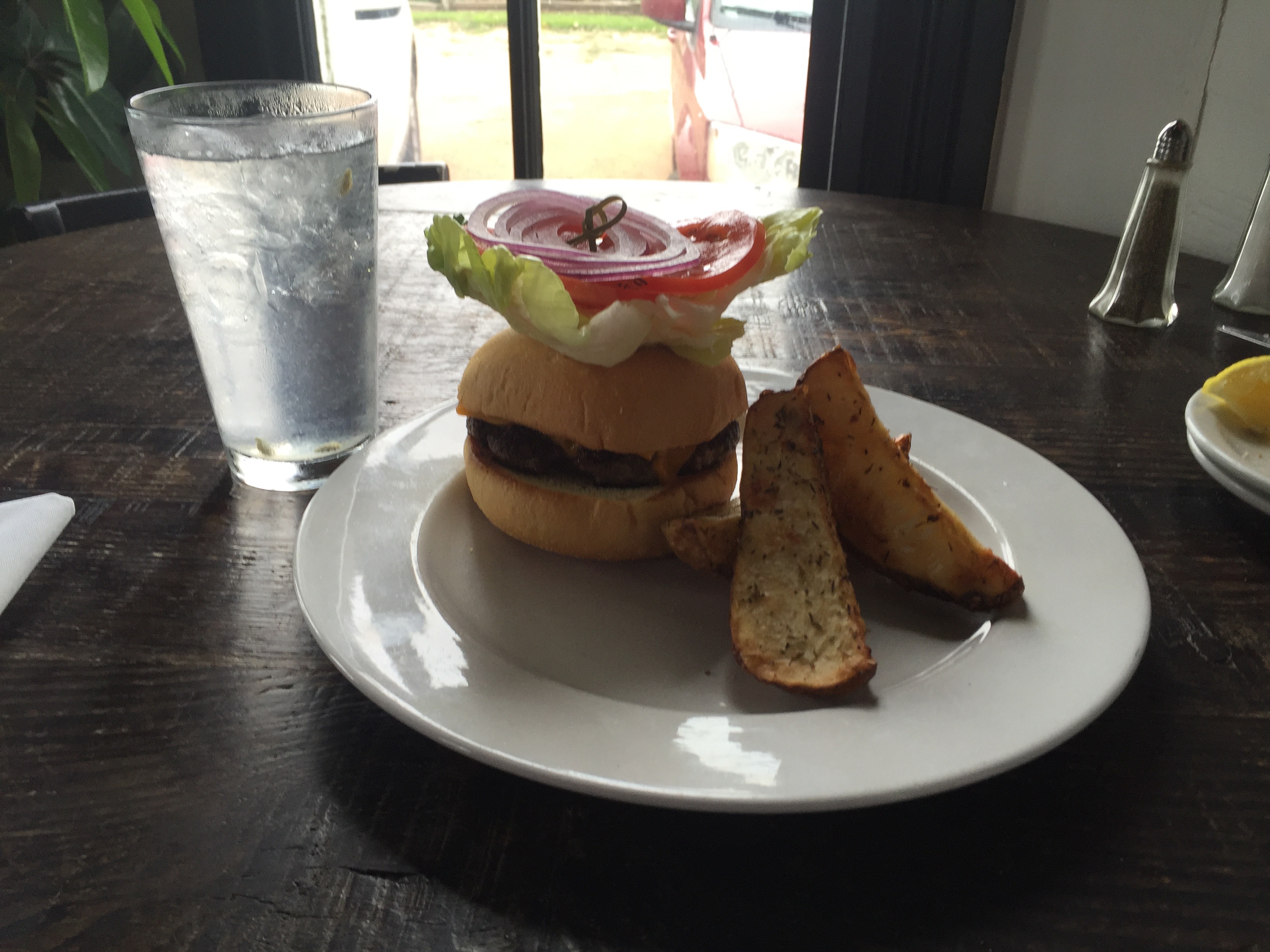
Garden Co Cafe MenuThe selections on the menu looked amazing. Wish I could have ordered a sampling of everything, but I was there to eat a hamburger. So, I ordered the Plain Jane — just a simple burger. The Plain Jane has a patty made of a blend of chuck and brisket topped off with an ample melted portion of aged sharp cheddar. The meal is served with oven roasted potato wedges, lettuce, tomato, and red onion on the side.
Garden Co Cafe BurgerThe Plain Jane burger was anything but plain. It was delicious. The bun was moist, the flavor of the meat was really good, and the potato wedges were cooked to perfection. Just the right size and the right amount of everything. The only thing that disappointed me was that the burger and potato wedges filled me up and I had no room left to eat one of their delicious-looking desserts.

I’m glad that I stopped by The Garden Company Cafe — absolutely a good decision. The wait staff was friendly and courteous, making the experience that much more enjoyable. If you are headed down Interstate 10 and find yourself anywhere near Schulenburg, stop by The Garden Company Cafe to enjoy a delicious meal or coffee and a dessert. I think you’ll agree with me that it was well worth the stop.

Lost Maples State Natural Area

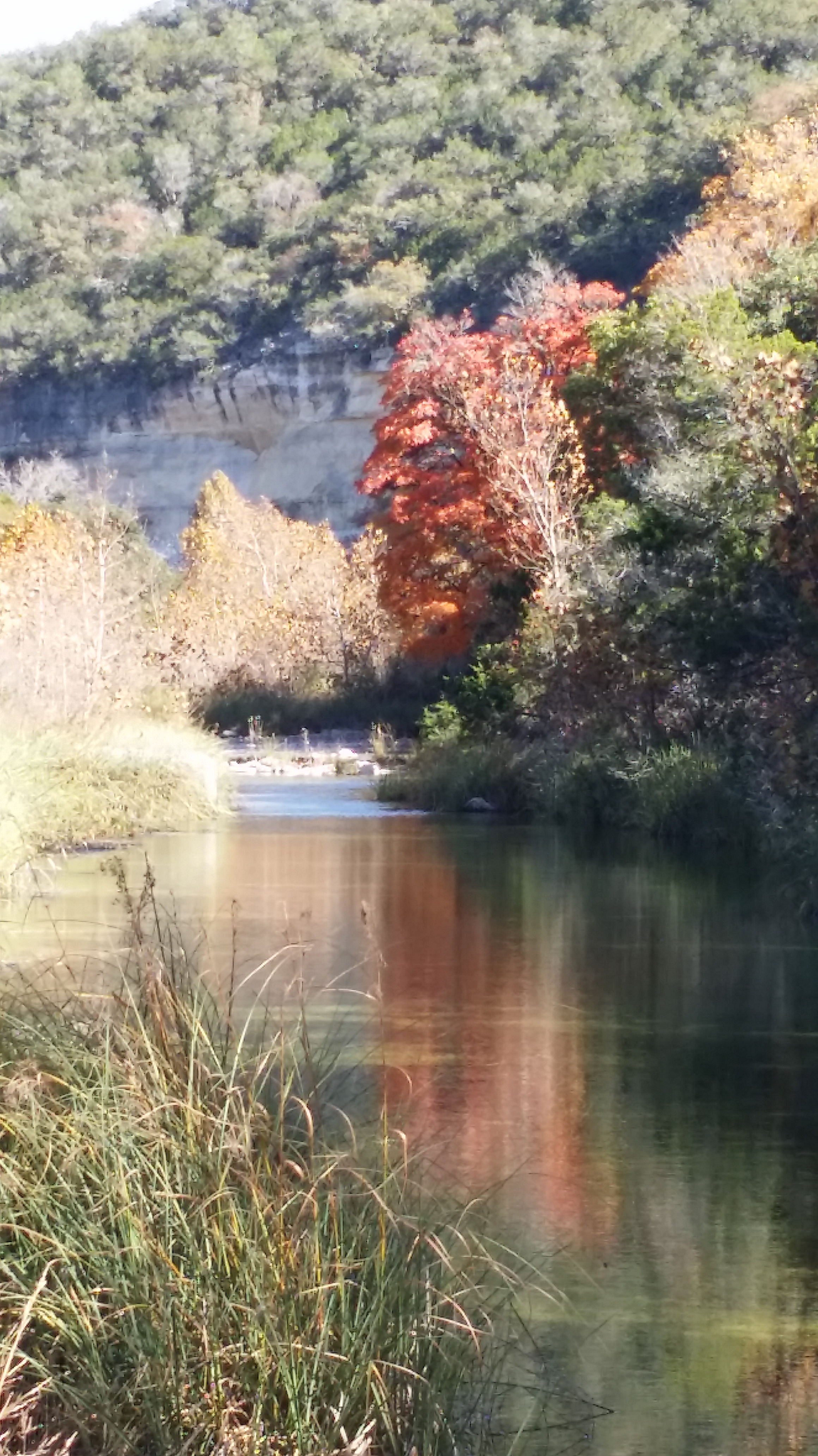
Lost Maples is one of my favorite places in the Lone Star State. Tucked away in the rugged limestone canyons of the upper Sabinal River, this small park is big on beauty. This State Natural Area is a top Texas destination in the fall when the park becomes a palette of dazzling seasonal colors.
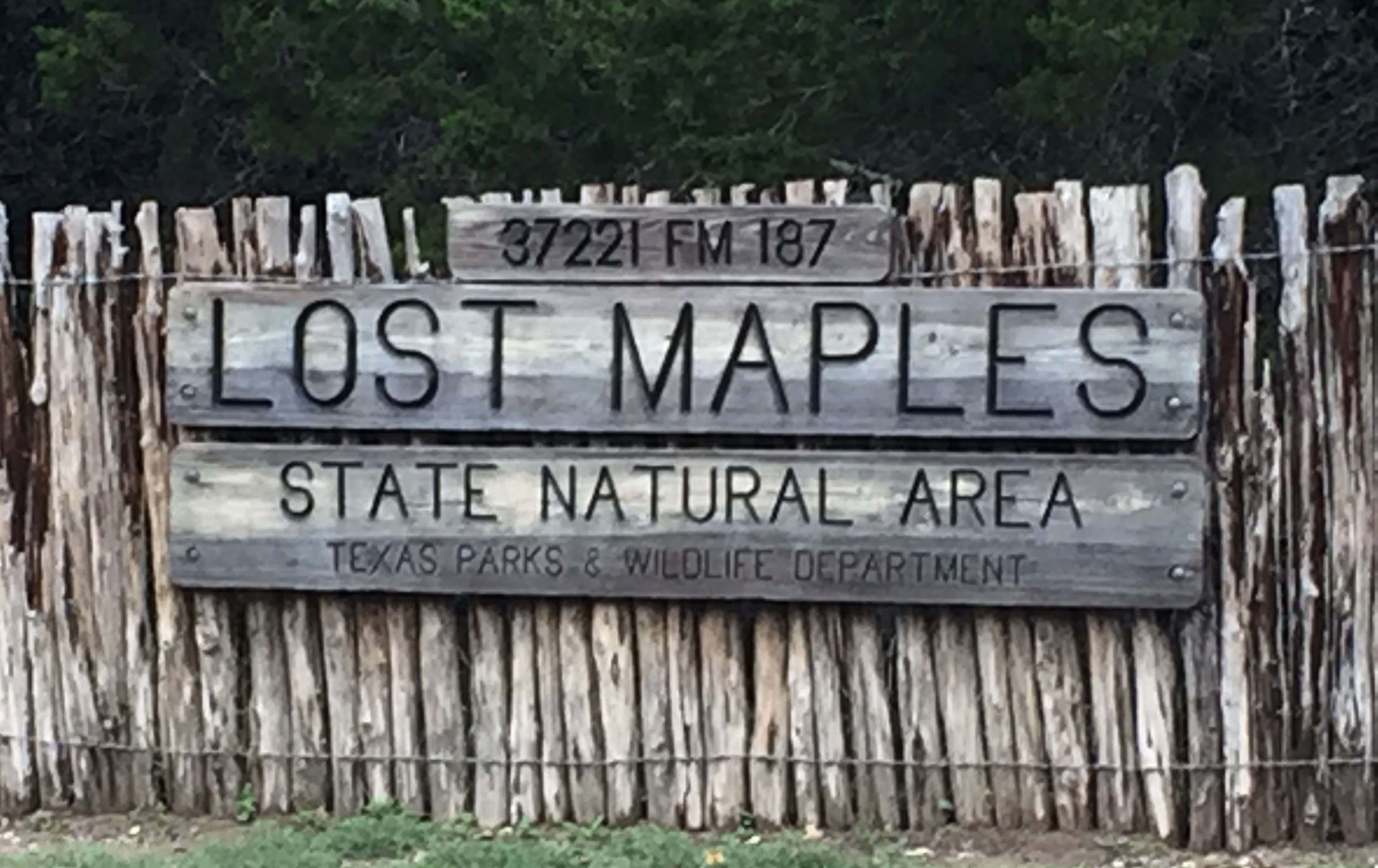
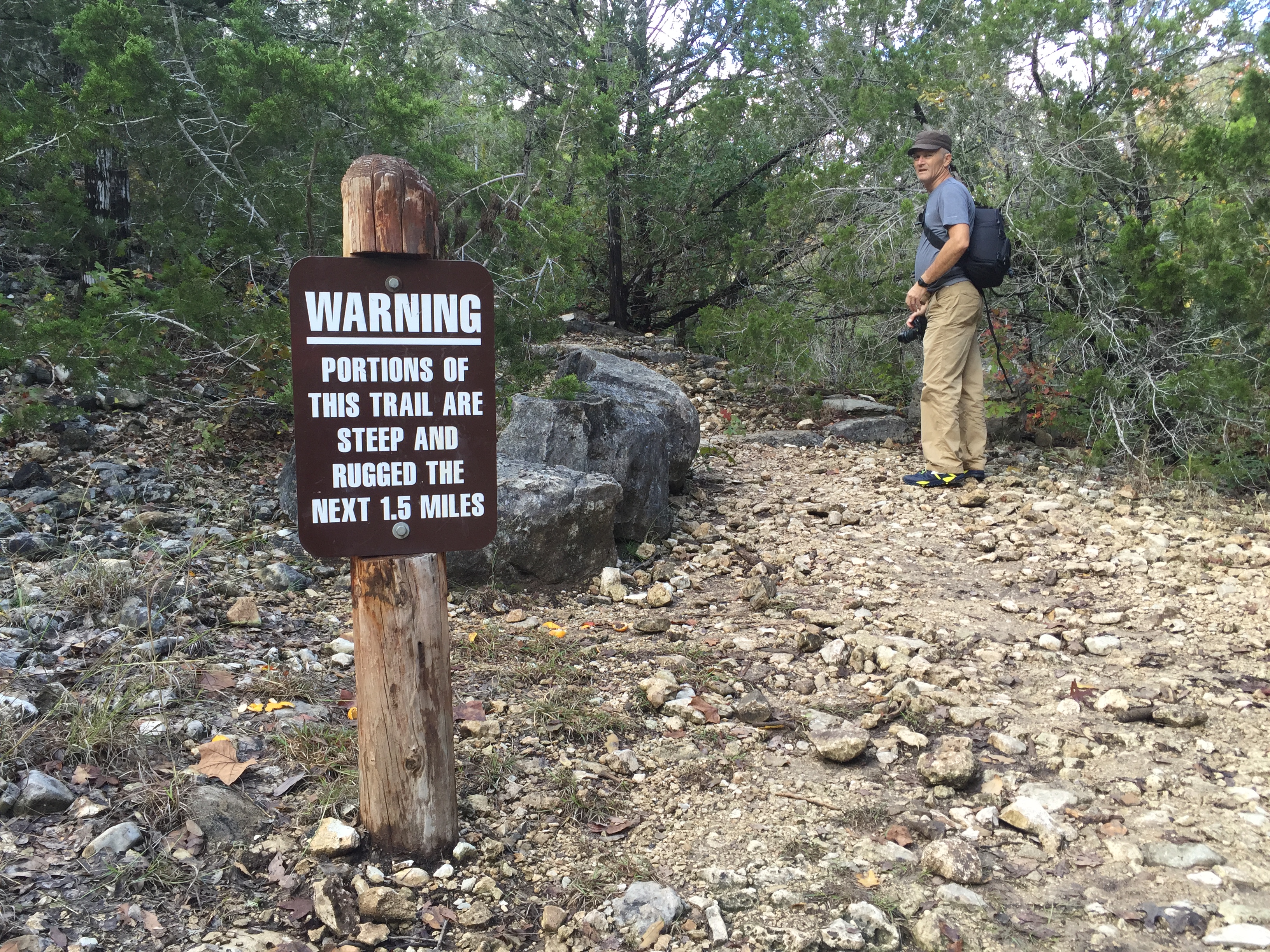
Lost Maples SignThe park is home to a variety of trees that thrive in the deep and fertile soil deposited by the Sabinal River. In addition to one of the largest stands of big tooth maple trees, the park is home to a variety of oak trees, Florida basswood, American sycamore, green ash, black willow, sugar hackberry, and pecan trees. All beautiful trees that play their part in the fall color palette.
Lost MaplesThe months of October and November are among the busiest at the park. That’s when thousands of visitors make their way to Lost Maples to see the spectacular seasonal colors. You can check the weekly foliage report on the park’s website before you visit. This report is updated each Thursday and features photos of the color changes at the park.

If you enjoy hiking, then Lost Maples will not disappoint. The park offers eleven miles of trails, some of which are rugged and reach elevations of 2,200 plus feet, offering amazing views of the surrounding area. But, be warned, some of these trails are not only rugged, they are steep. If you decide to hike, make sure you are in reasonably good physical shape and be sure to take plenty of water.
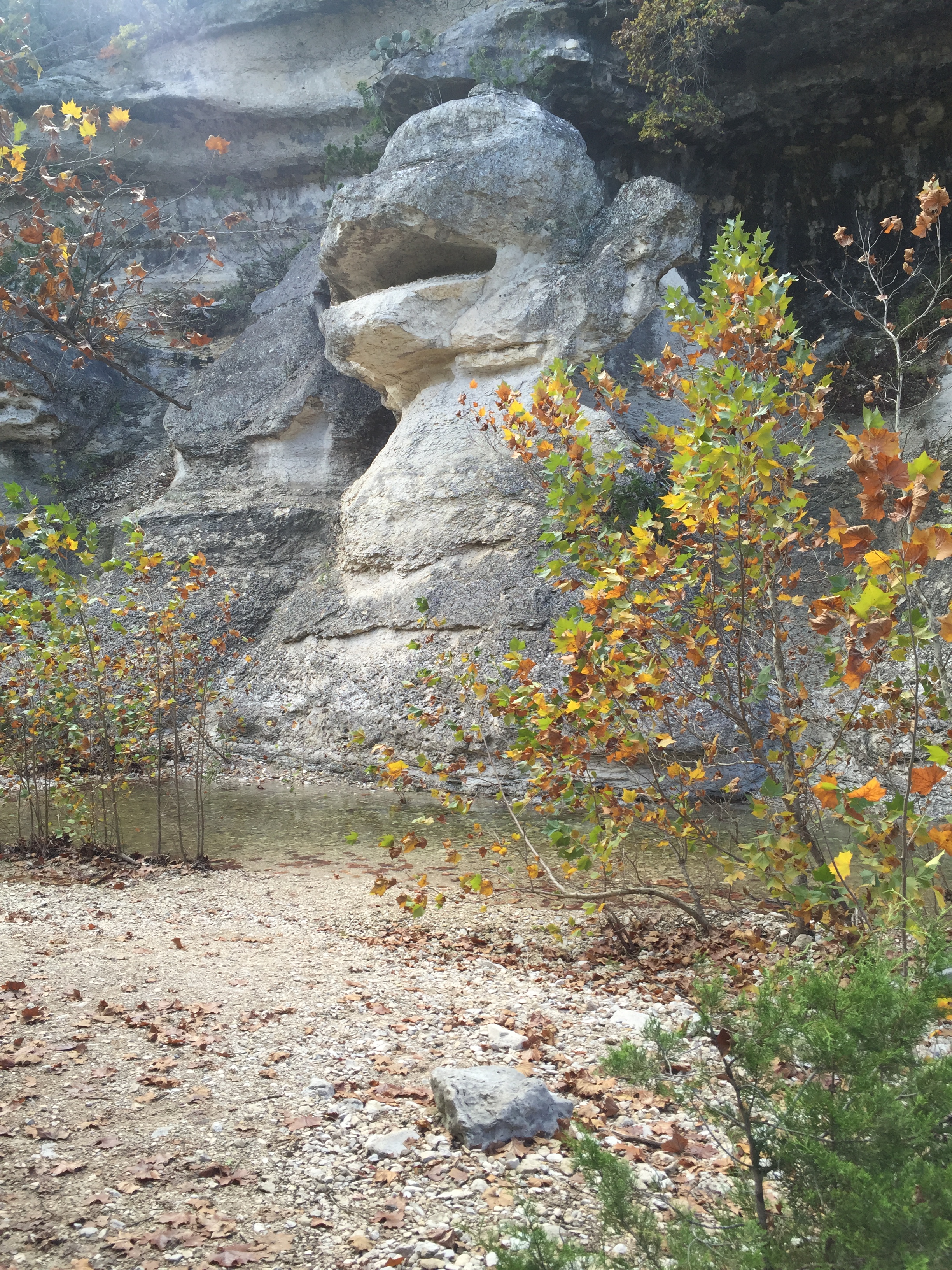
Monkey RockOne of the most interesting features at the park is Monkey Rock located on a spur trail off of the East Trail. Once you hike into the clearing at the base of a bluff you will see it — the monkey-looking rock sculpted by wind, water, and weather. And, if you walk slowly along the trails, you will also see an abundance of wildlife.
Lost Maples East TrailLost Maples is located about five miles north of Vanderpool and seventy-one miles west of San Antonio in western Bandera County and far eastern Real County. The park can only accommodate about 250 cars. So, be sure to go early if you can or you may find yourself in a long line of cars waiting for a parking space to become available.
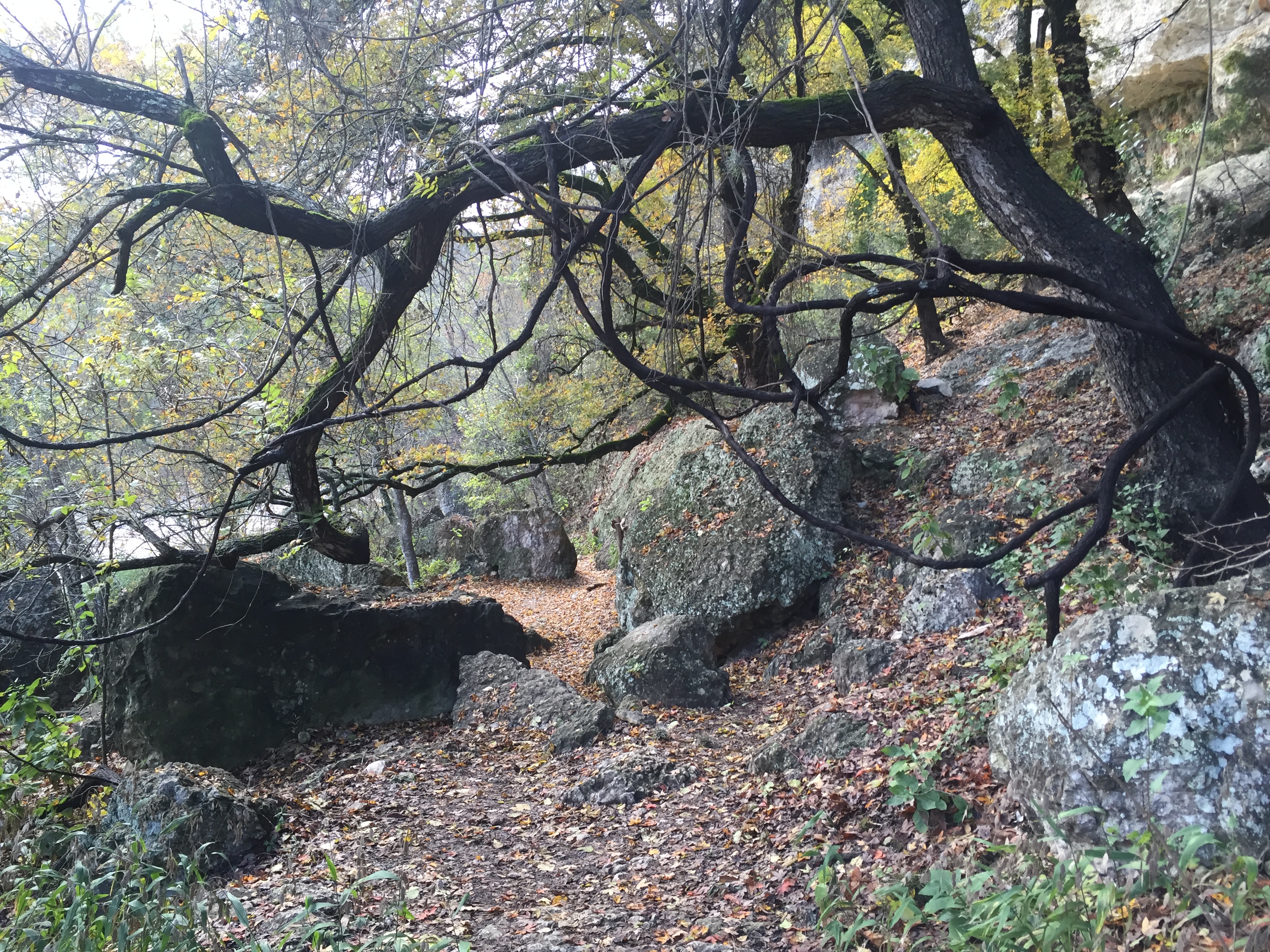
Maple Trail at Lost MaplesLost Maples is absolutely beautiful in the fall of the year. But this area is also beautiful throughout the year, so visit whenever you have an opportunity. Regardless of when you visit the park, you will appreciate this Texas treasure. And, whether you spend the day or camp overnight, Lost Maples will inspire you and make you glad you spent the day outdoors.

_______________
Please take a moment to read 10 Amazing Hikes in Texas You Need to Try.

Brady’s Restaurant in Brady

My search for the best burger in Texas has convinced me that if you are willing to drive past the fast food joints that crank out burgers faster than the speed of light, then you will find some really amazing burgers. But, you have to be intentional about looking for those out-of-the-way places that do more than slap a frozen patty on the grill. And you have to be willing to stop and check things out for yourself.
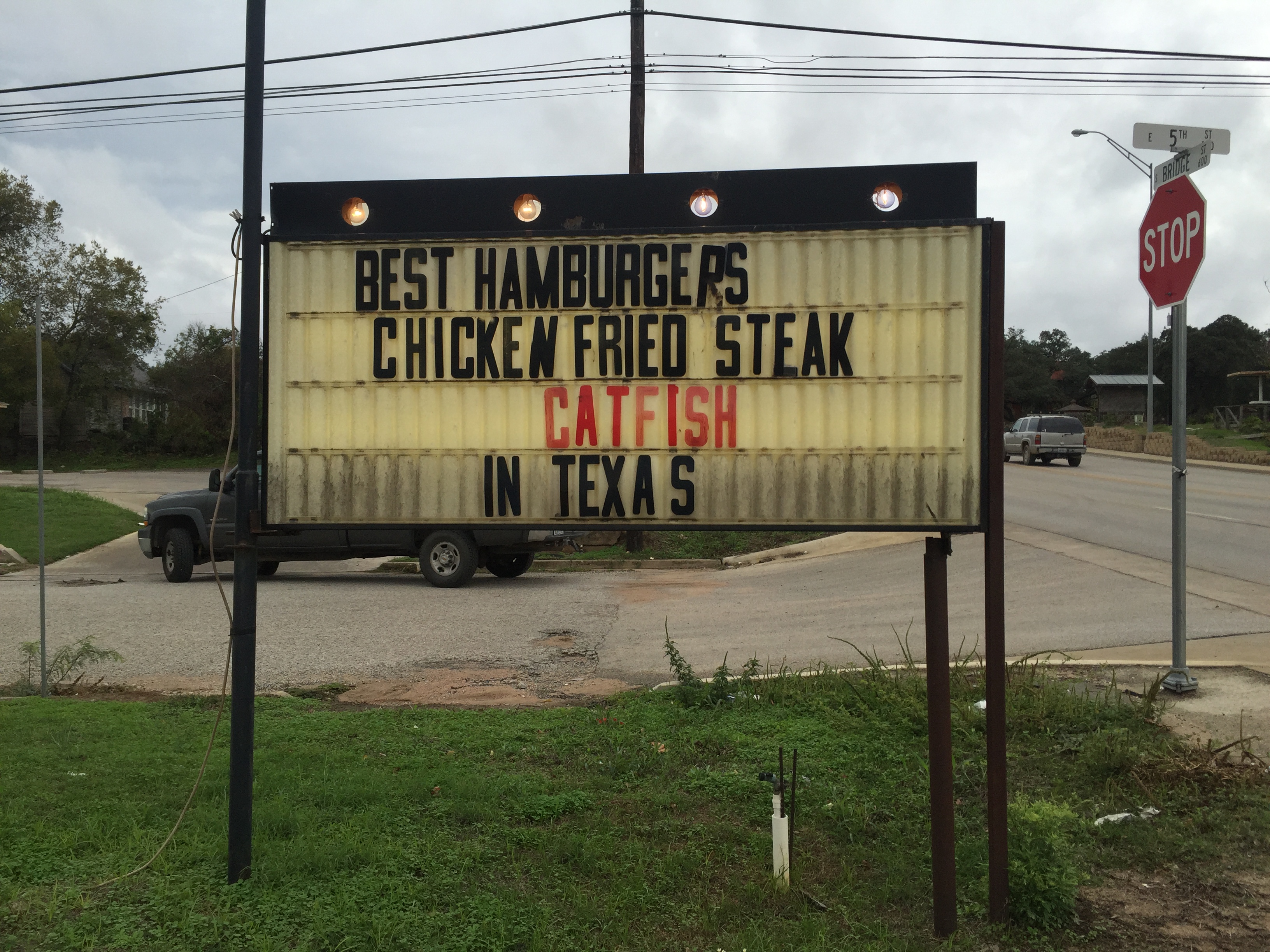
Brady's SignThat’s exactly what a friend and I recently did while making our way to the geographic center of Texas. While driving through the small town of Brady, the town known as “The Heart of Texas,” we noticed a sign that boasted the best burgers in Texas. “Look,” I said, “that place serves the best burgers in Texas!” No hesitation — we had to check this out for ourselves. So, we drove around the courthouse in the town square and made our way back to Brady’s Restaurant.
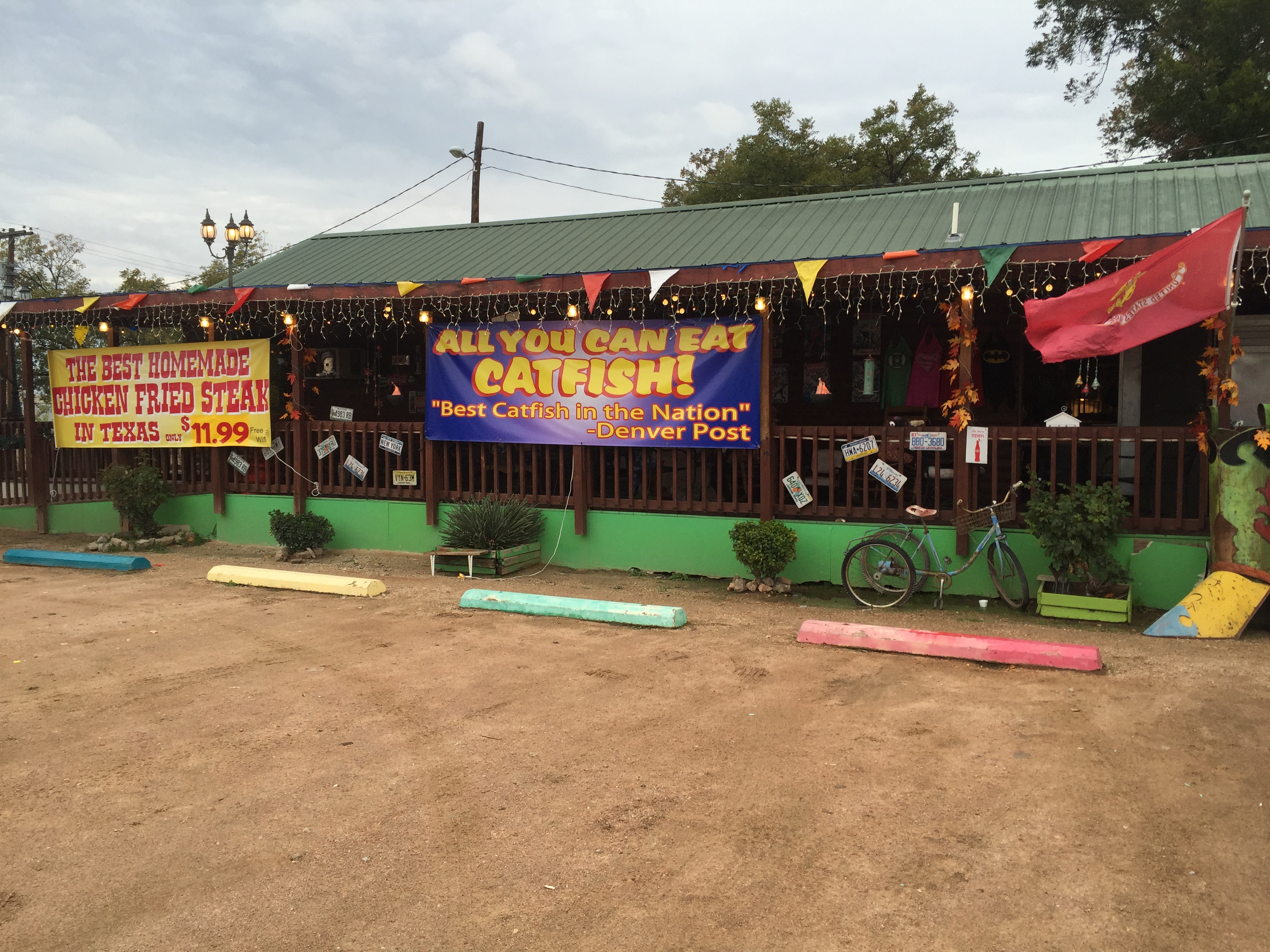
Brady's RestaurantAfter a morning of hiking at Enchanted Rock State Natural Area, we were both hungry and ready for a hot meal. Simon, the guy who cooks the burgers, took our order. The menu above the counter described their burger as having a hunger-busting half-pound of Angus beef served on a caramelized bun with a side order of hand-cut fries. Perfect! That and a cold glass of tea completed my order.
Brady's MenuSimon personally brought the piping hot burgers and hand-cut fries to our table. The burger was served sans condiments, something that we got to add ourselves from the condiments bar. The aroma of the burger and fries was a treat in itself. The first bite did not disappoint. Wow! The flavor of the meat and the moisture of the bun were perfect. Whatever Simon does in the kitchen to cook these burgers he does well. The last bite was as delicious as the first.
Brady's BurgerAfterward, I had the privilege of meeting Syed, the owner of Brady’s. Syed and his family have owned the restaurant for about ten years. As we talked about some of the other dishes on the menu, Syed convinced me that I should come back to try their famous chicken fried steak or all-you-can-eat catfish — dishes he claims are the best in Texas. And, of course, there is their big Cowboy Burger for those with a really huge appetite.
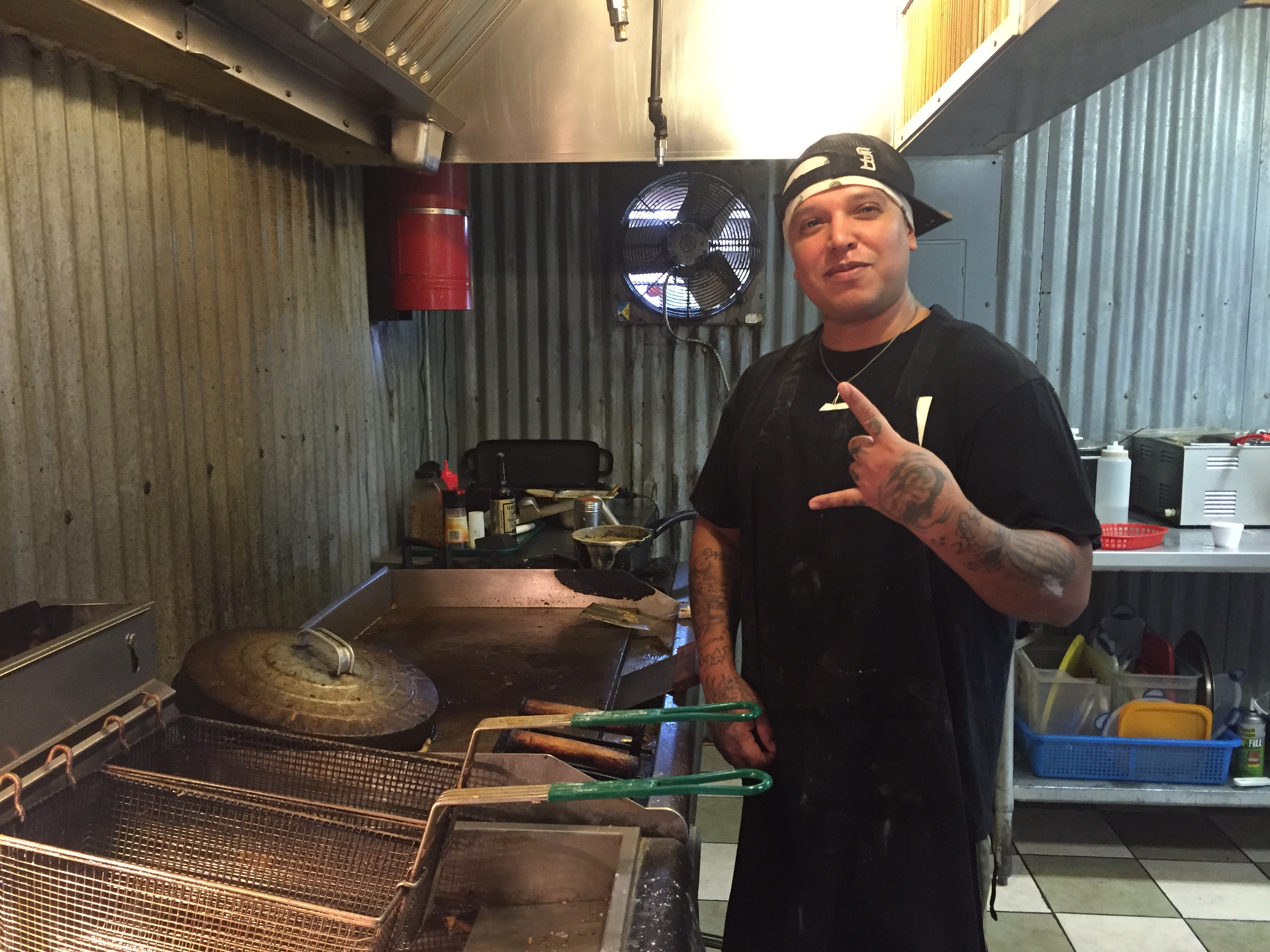
Simon the Cook at Brady'sNo pretense at Brady’s. Syed and Simon believe in their product — and after eating their burger, I believe in it, too! Stopping to eat at Brady’s was definitely a good call. It’s so easy to talk ourselves out of stopping to eat at family-owned places like this and opt instead for the more familiar brand-name places. Traveling Texas backroads has certainly changed my default setting from the familiar eateries to the more interesting places that are easy to miss. I am happy to add Brady’s to my list of favorite places to eat a burger in the Lone Star State.

Geographic Center of Texas

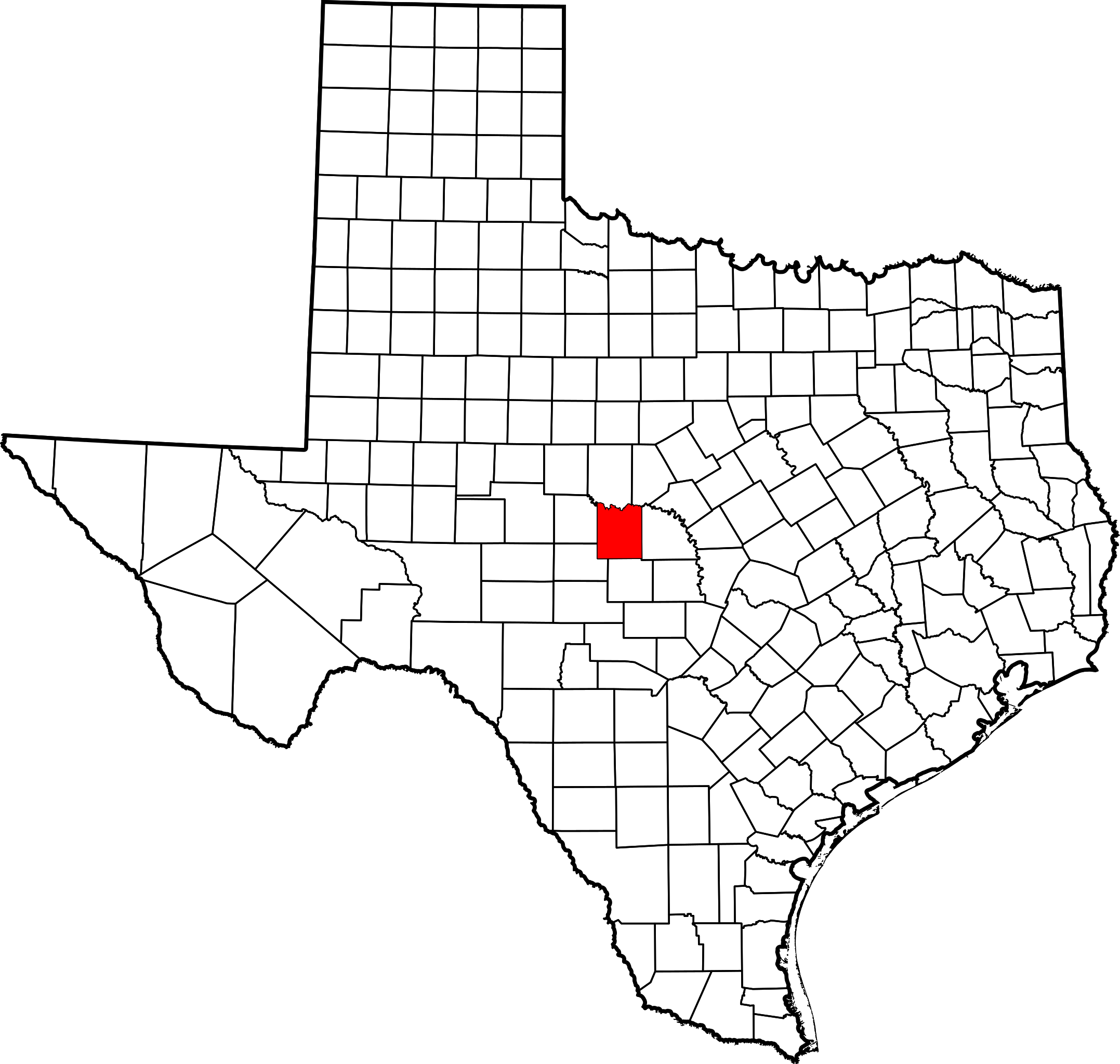
Brady, the county seat of McCulloch County, refers to itself as “The Heart of Texas.” That’s because it is the town closest to the geographic center of the Lone Star State. The town was originally named Brady City after Brady Creek, which runs through the town. However, when the town was incorporated in 1906 the name was shortened to Brady.
IMG_6340The McCulloch Country Courthouse is located in the heart of Brady. Construction of this Romanesque Revival styled building was completed in 1900. One odd feature of the building is that it has no clock in the tower — making its tower truly “timeless.” A marker on the courthouse lawn proudly displays the town’s Heart of Texas moniker.
Brady Courthouse Heart of TexasOne interesting fact about McCulloch County is that during World War 2, there was a German prisoner-of-war camp located three miles east of Brady. After the surrender of General Erwin Rommel’s Afrika Korps in April 1943, three-hundred German prisoners were transported to this camp deep in the heart of Texas. They remained there until 1945 when the United States began the process of repatriating these former prisoners of war.

As for the geographic center of Texas, it is actually located about 20 miles northwest of Brady. A historical marker off Highway 377 states that the actual smack-dab-in-the-middle coordinate is five miles from the marker on a private ranch. I’m sure that working out the location of the geographic center of Texas had its challenges, especially given the Lone Star State’s distinctive shape. The highway marker is as close as most Texans will ever get the the actual geographical center. I’m ok with that.

Standing at the marker near the point where the imaginary lines that divide Texas intersect was pretty cool. No matter which way you face from this center point, you get the idea that Texas is really big. In fact, fifteen of the fifty states could fit within Texas’ borders with more than 1,000 square miles left over. That’s a lot of space within the state’s distinctive outline.

To give you an idea of the vastness of Texas, the center point of the state is located 437 miles from the state’s most westerly point, 412 miles from the most northerly point, 401 miles from the most southerly point, and 341 miles from the most easterly point. Long distances no matter which way you face and even greater geographical diversity depending on which direction you travel.

McCulloch CountyIf you happen to have a bucket list of places to see in the Lone Star State, be sure to include a visit to the geographic center of the state. And, of course, be sure to stop in Brady to see its beautiful courthouse. They just don’t build them like that anymore! I’m certainly glad I visited the heart of Texas. As a Texan, I will always have Texas in my heart.

Enchanted Rock State Natural Area

Enchanted Rock, located about twenty miles north of Fredericksburg, is a Texas Hill Country treasure. This massive 500-foot-high dome of pink granite is surrounded by a sea of deep green cedar and piñon pines. Enchanted Rock is the nation’s second largest granite dome, next to Georgia’s Stone Mountain.
Enchanted Rock Entrance
Road to Enchanted RockThe Tonkawa and other Native American tribes believed that the rock talked — a belief rooted in the strange sounds they heard coming from the granite dome at night. Scientists explain that these sounds are created by the expansion and contraction of fissures in the rock as temperatures change. This and other myths and legends gave rise to the name Enchanted Rock.
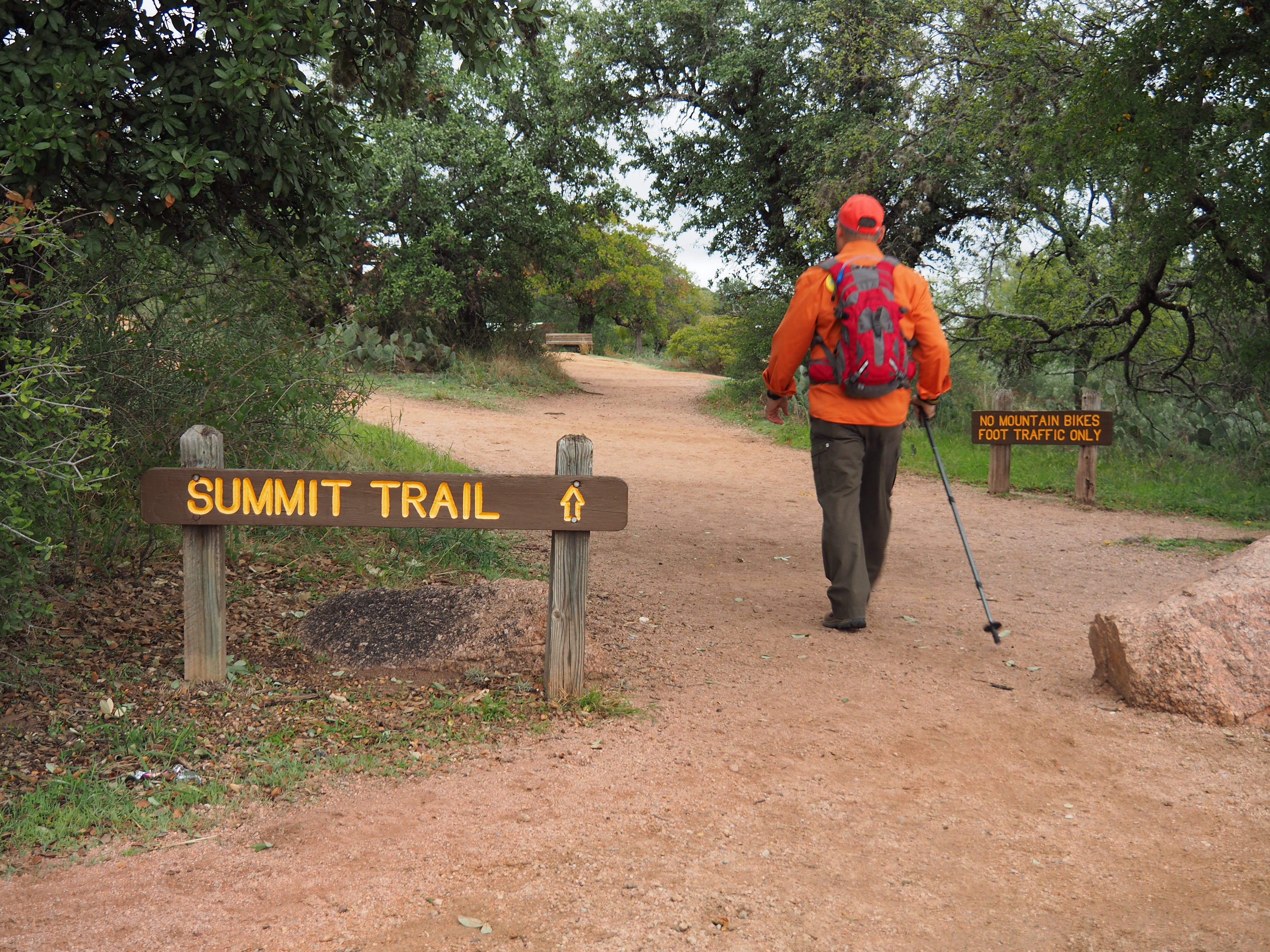
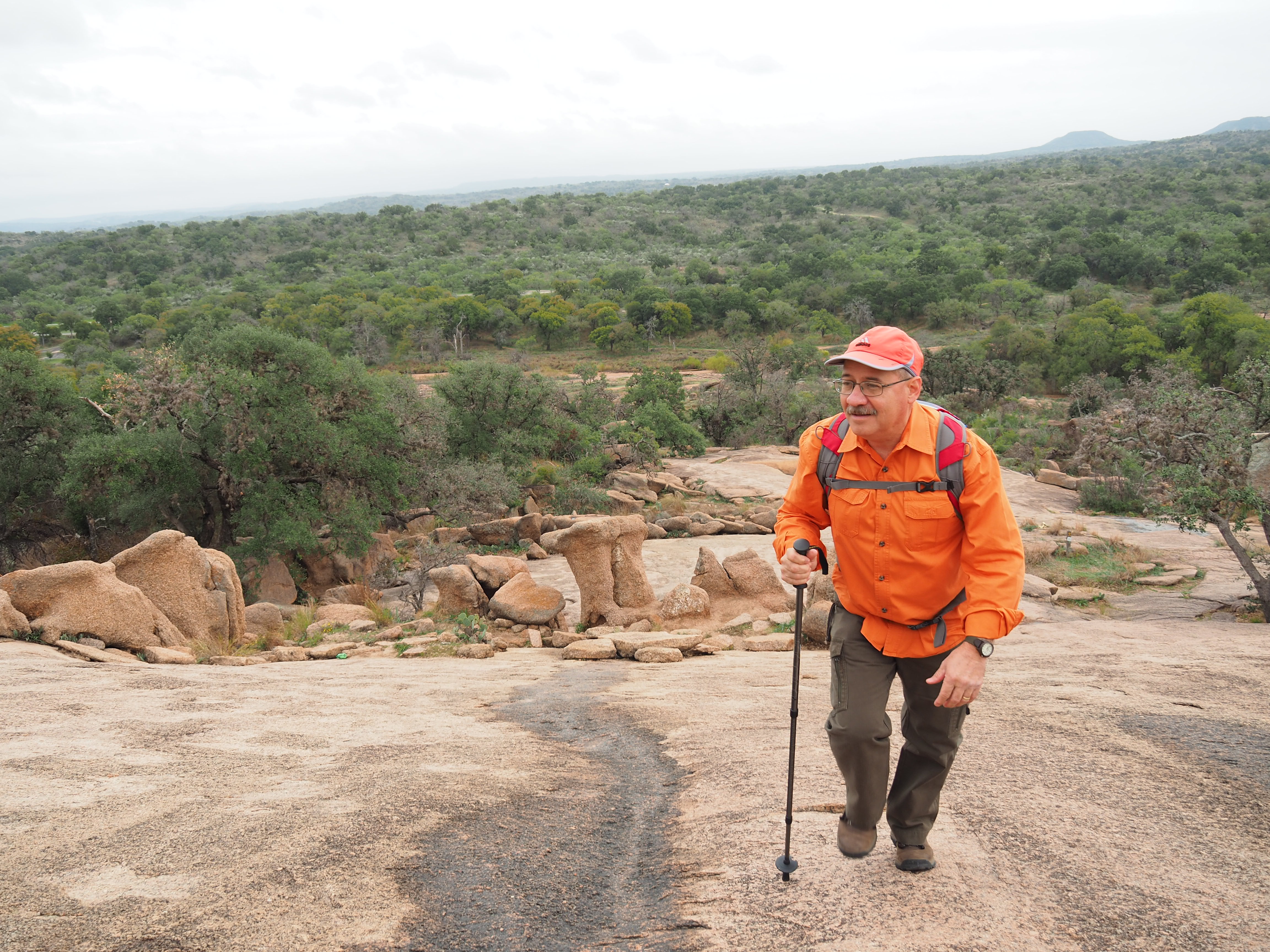
Enchanted Rock Summit TrailEnchanted Rock State Natural Area offers seven miles of hiking trails. The four-mile Loop Trail winds around the base of Enchanted Rock and gives hikers opportunities to see lots of wildlife. The Summit Trail is the most popular hike in the park. Even though the trail has a 425-foot elevation gain from the trailhead to the summit, it is a relatively easy hike. The summit offers fantastic views of the surrounding countryside.

Enchanted Rock SunflowersMany people prefer to visit Enchanted Rock between late April and early June when the park is awash with the vibrant colors of Texas wildflowers — bluebonnets, Indian paintbrush, yellow coreopsis, and basin bellflowers. But, regardless of what time of the year you visit the park, you won’t be disappointed by the views from the summit.
Enchanted Rock Vernal Pools
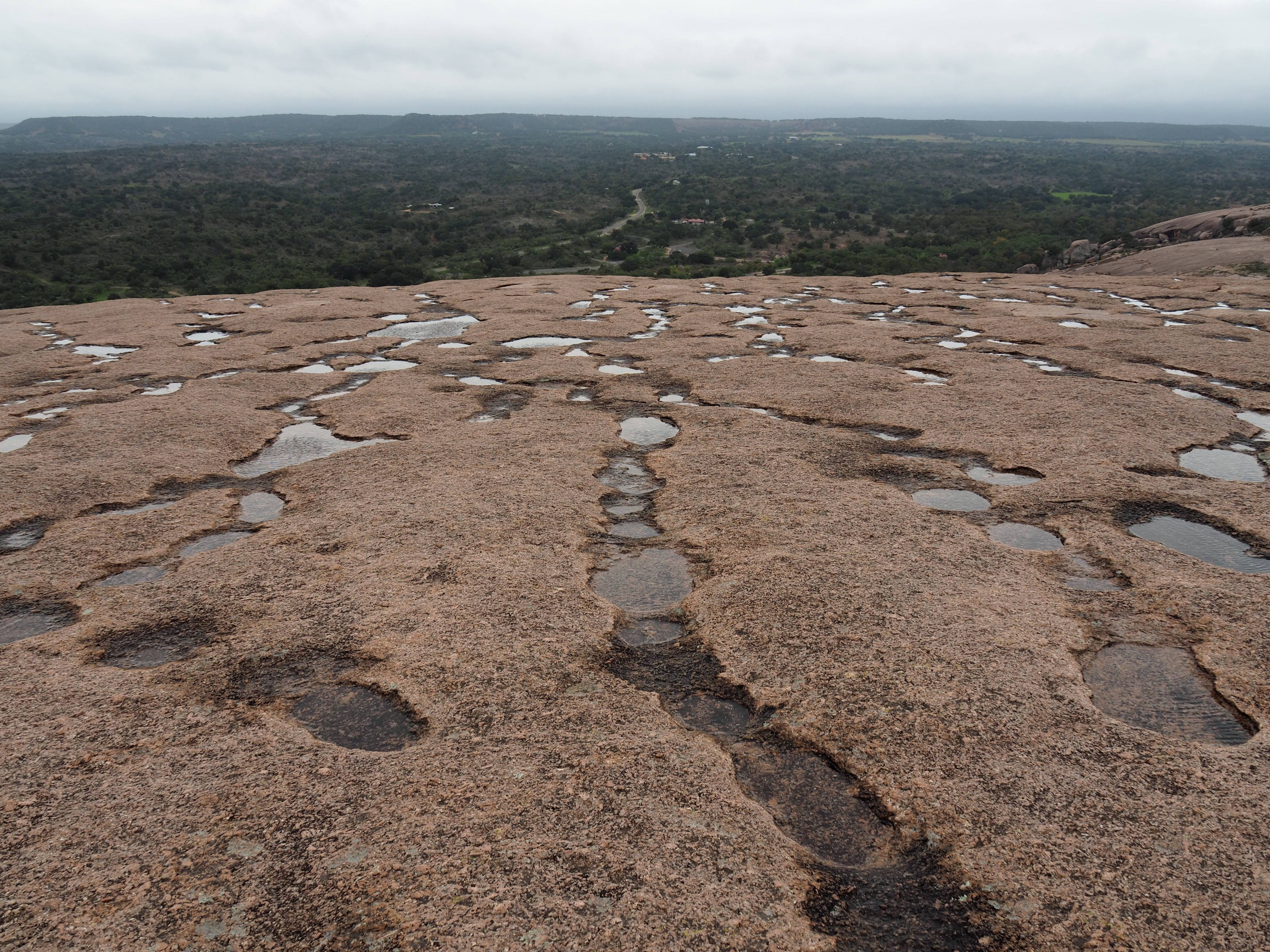
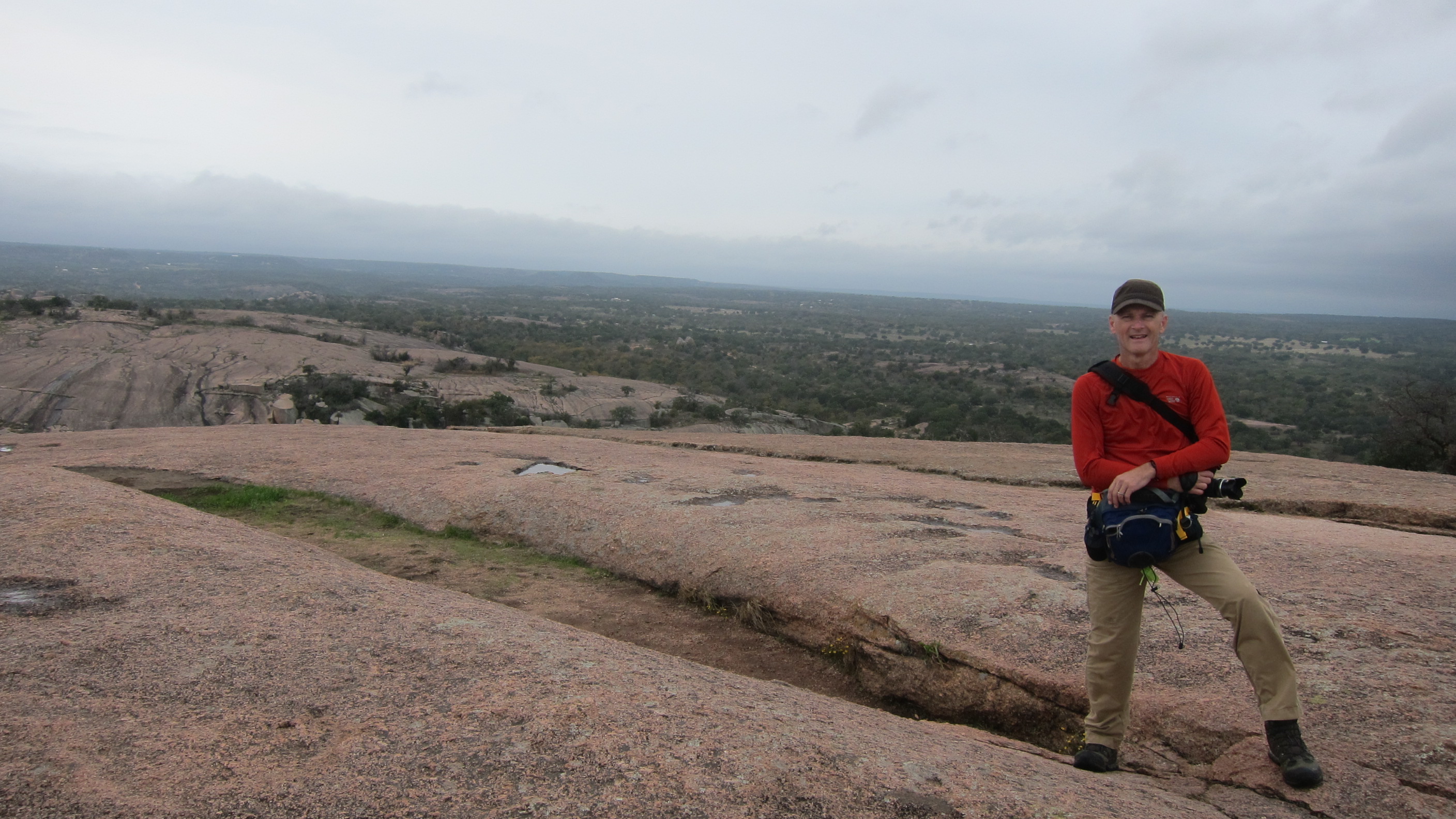
Vernal Pool w TreeOn the summit you will notice shallow depressions in the granite. One Indian tale tells of the spirit of an Indian chief who sacrificed his daughter and was consequently doomed to walk the summit forever. The indentations in the rock, the legend says, are the chief’s footprints. In reality, these indentations are called vernal pools that collect water and eventually accumulate soil and become a small oasis of plant life on the face of the rock.
Omar Doyle Enchanted Rock
Omar Hike Up Enchanted FallsEnchanted Rock is not on a direct route to anywhere else, so if you want to visit the park you have to plan to go there. And, once you visit, you’ll understand why Enchanted Rock is one of the most popular places in the Lone Star State. When you visit, definitely plan on hiking the Summit Trail.
Doyle Enchanted Rock Summit
Omar Pushing Rock Enchanted RockBe sure to wear shoes with good soles that will grip the rock, take a water bottle or hydration pack, and don’t forget your camera. And, if you happen to be on the summit in the evening, listen carefully and you just might hear what the Tonkawa Indians heard years ago — the enchanting sounds of the talking rock.

Cadillac Ranch

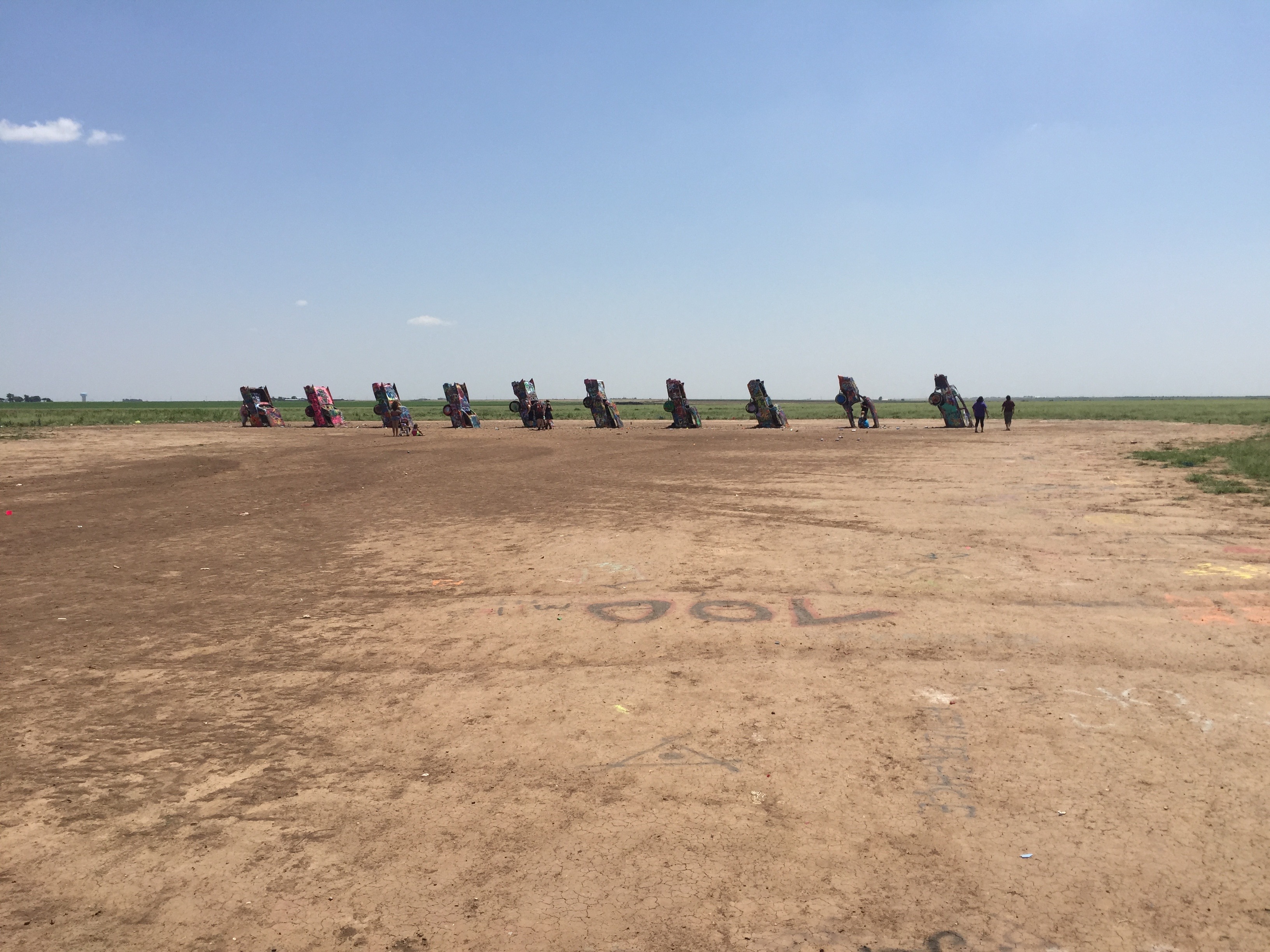
Cadillac Ranch may just be the quirkiest tourist attraction in the Lone Star State. The old folks up around Amarillo know it as one of the world’s first roadside sculptures — ten Cadillacs buried nose down in a field along old Route 66 west of town. This art project was the brainchild of the late Stanley Marsh 3, an eccentric Texas millionaire. Marsh used the number 3 after his name because the felt that the Roman numeral III was too pretentious. Imagine that!
Cadillac RanchIn 1973, Marsh invited a group of artists from California to help him create an unusual work of art, one that would baffle the locals. The hippie artist collective, known as the Ant Farm, was all too happy to help Marsh realize his dream. These guys came up with the idea of burying old Cadillacs nose down in a wheat field owned by Marsh. The Texas millionaire approved the plan and work started in 1974.
Cadillac Ranch CloseupThe California artists initially acquired eleven Cadillacs ranging in model year from 1948 to 1963. Most of the cars were purchased from junk yards at a cost of about a couple-hundred bucks each. Only ten of these cars, however, were used. Ten holes were dug and, one by one, each Cadillac was nudged nose first into its partially buried resting place.
Cadillac Ranch Car CloseupThe cars were buried in sequence from the oldest to the newest — all facing west and supposedly at the same angle as the Great Pyramid of Giza. As a result, a legend was born (or perhaps buried). The site immediately attracted the attention of folks traveling down the road and eventually came to be known as Cadillac Ranch.
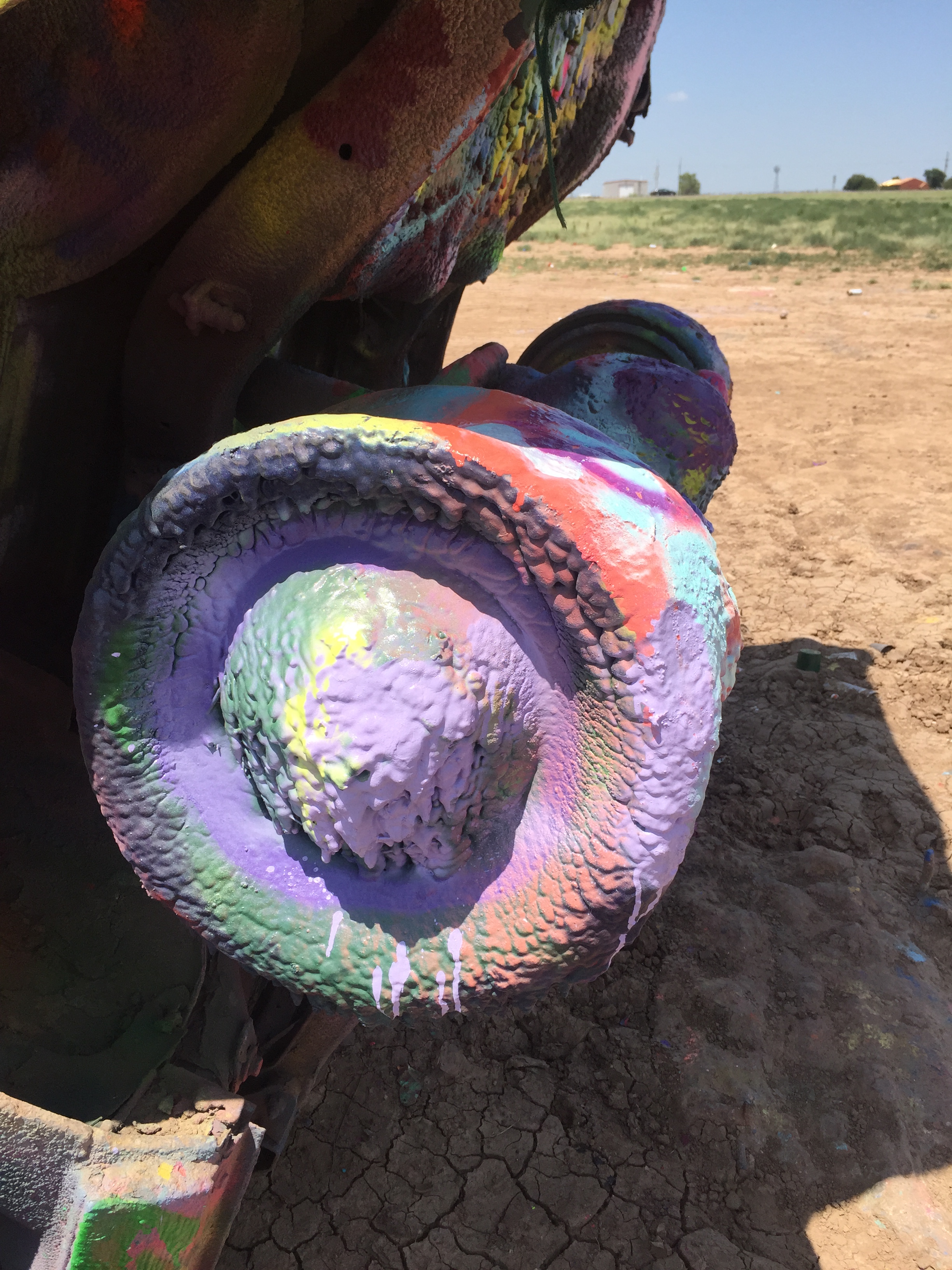
Cadillac Ranch TireIn 1997, the cars were exhumed and moved about two miles to the West because of the encroaching city. This roadside oddity continues to draw tourists and the curious. There is parking along the road and visitors are allowed to bring their own spray paint to add their personal tags to the sculptural oddity. Today, the cars are covered with thick layers of spray paint and ever-changing graffiti, possibly the only thing holding the old cars together.
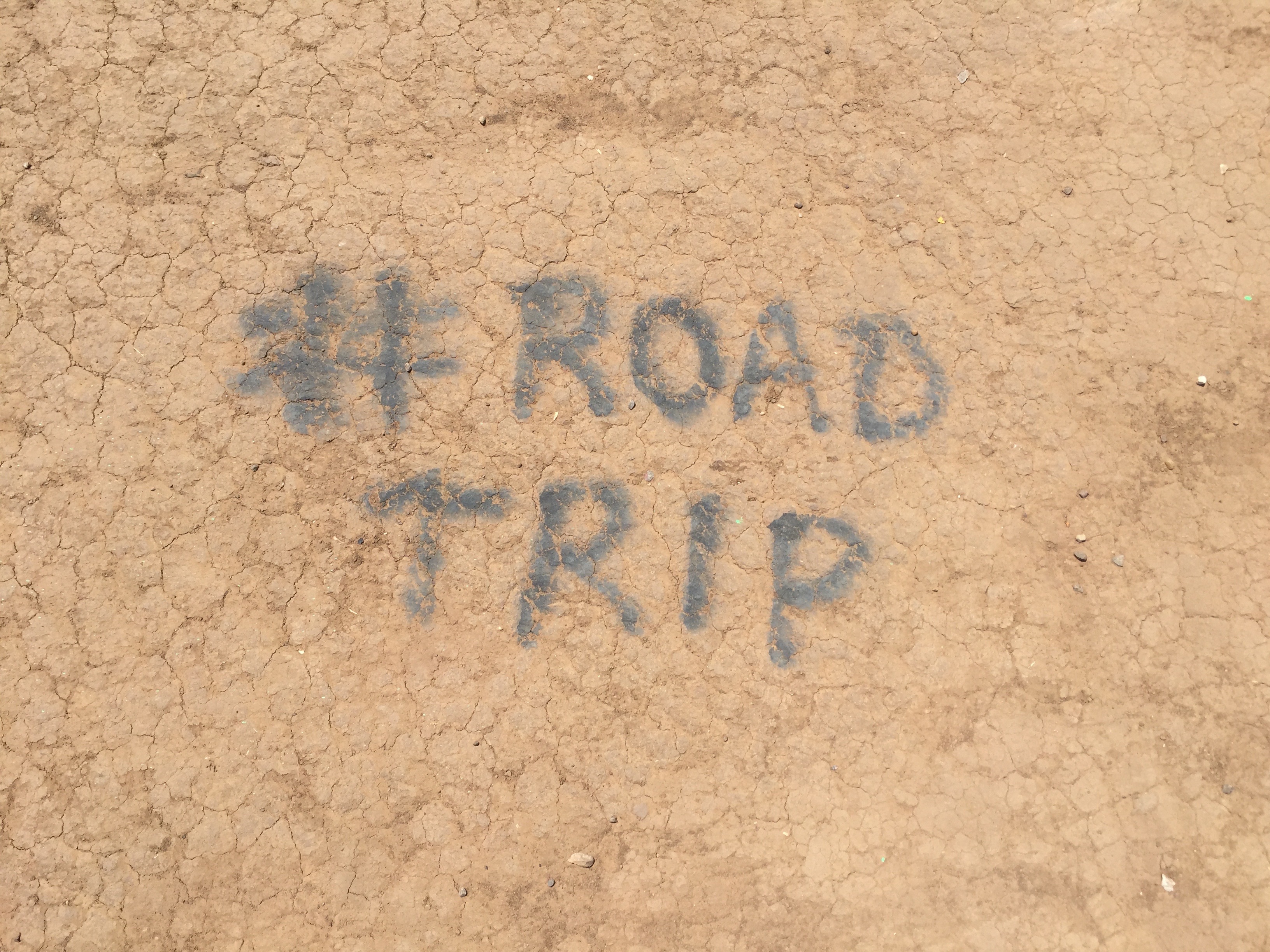
# Road TripI have visited the Great Pyramid of Giza. And while it’s impressive, it is certainly not as colorful as the old Cadillacs with their tails in the air. Interesting that ten cars buried nose first in a wheat field in Texas likely draw as many or more visitors than the pyramids we all learned about in school. We are definitely drawn to the historical and the comical. And although the quirky roadside attraction will not outlast the pyramids, kudos to Marsh, the patron saint of Cadillac Ranch, for turning an otherwise empty field in the Lone Star State into something to talk about.

Filipps Restaurant in Sealy

Randy and Georgia Hinze’s life took an unexpected turn after Randy experienced problems with his heart. Unable to find employment because of his health and yet not ready to retire, Randy looked in a new direction. Filipps Bar-B-Q had just come up for sale, so he and Georgia decided to buy it and go into the restaurant business.
Filipps RestaurantFilipps is located in Sealy, a small town on Interstate 10 west of Houston. A guy named Joe Filipps started the restaurant forty years ago and ran the place for thirty years. Filipps sold the restaurant to another couple who owned it for a few years. They sold it to yet another couple who eventually sold it to Randy and Georgia in 2009.

I learned about Filipps from my friend Gil Harris who also enjoys eating at these kind of off-the-beaten-path places. Gil knows that I am on a quest to find the best burgers in Texas. So, he invited me and some other friends to join him for lunch at Filipps. And I am so glad he did. Filipps is now on my list of favorite places to eat.

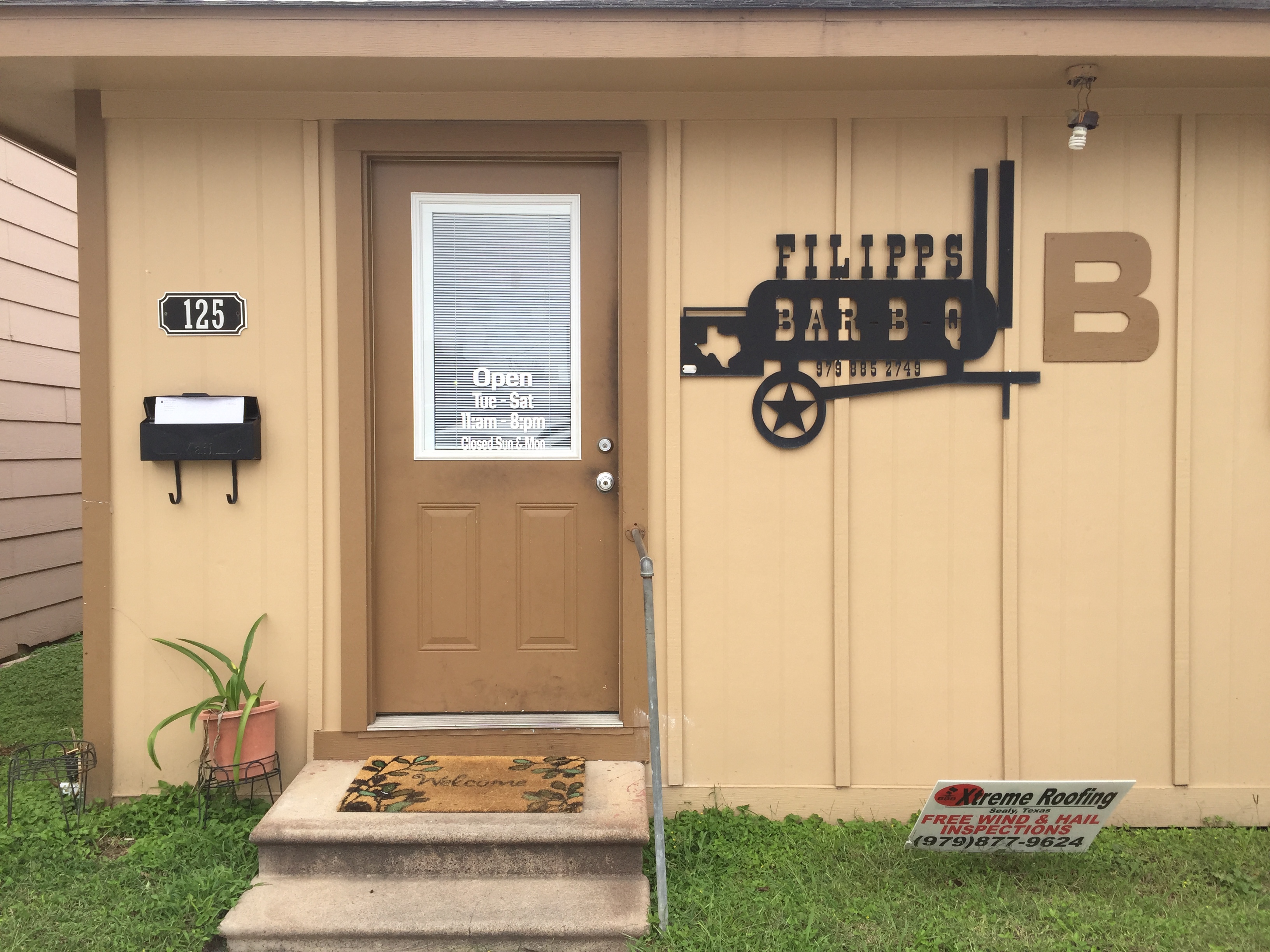
The restaurant sits a block off the main street in town just west of the railroad tracks. You can’t miss the small tan-colored building with the letters B B Q on the front of the building. But, don’t let the Bar-B-Q sign fool you. Randy and Georgia serve much more than Bar-B-Q. They have an amazing menu of delicious home-cooked dishes served in generous Texas-sized portions.
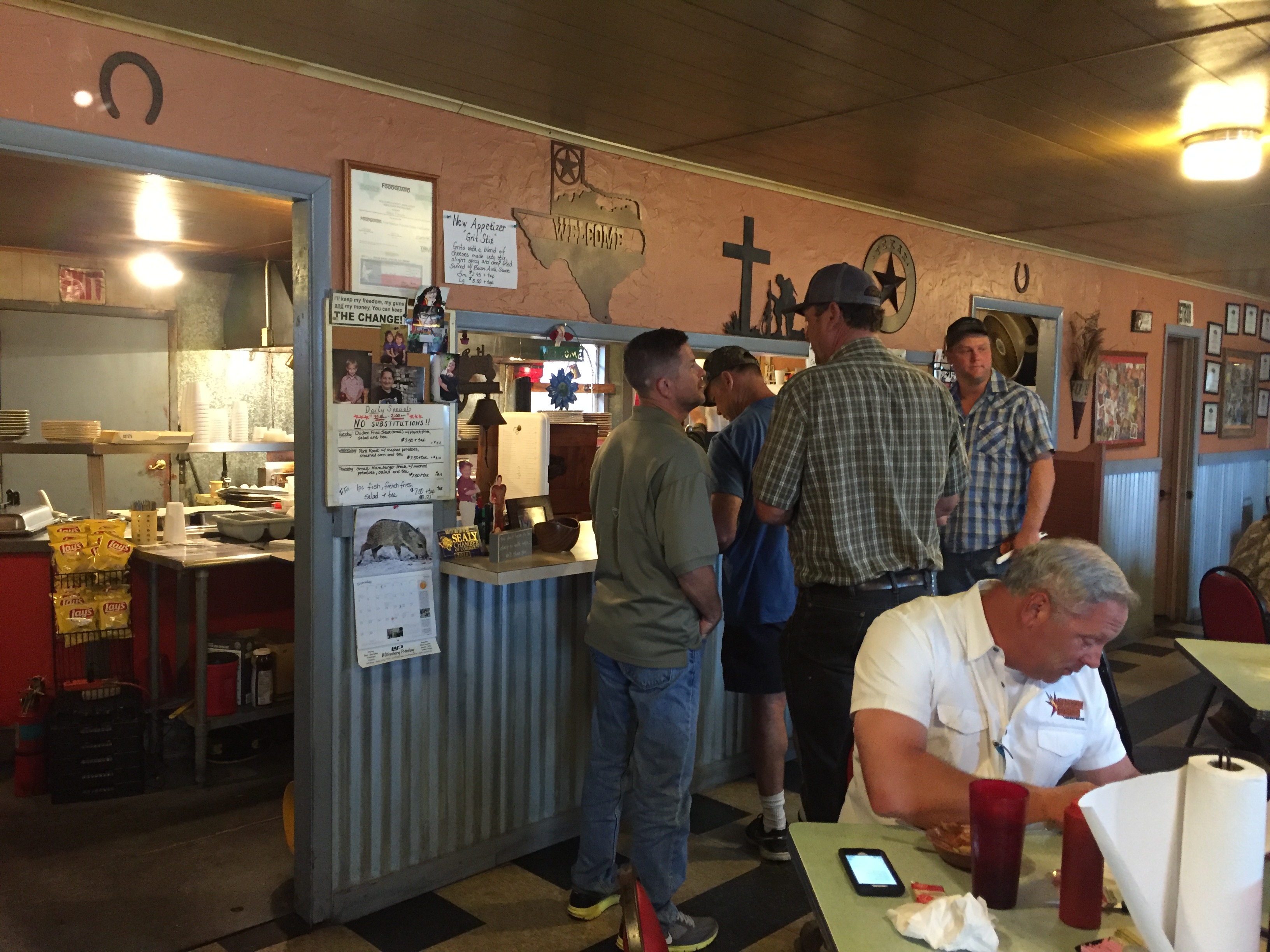
Filipps OrderingI was there, of course, to sample their bacon cheeseburger and onion rings. Gil ordered their hand-cut sweet potato fries with his burger. I had been waiting a month to visit Filipps and walked through the door with a big appetite. I was so hungry I could hardly wait for my burger. So, you can imagine my delight when Georgia finally delivered my meal to the table.
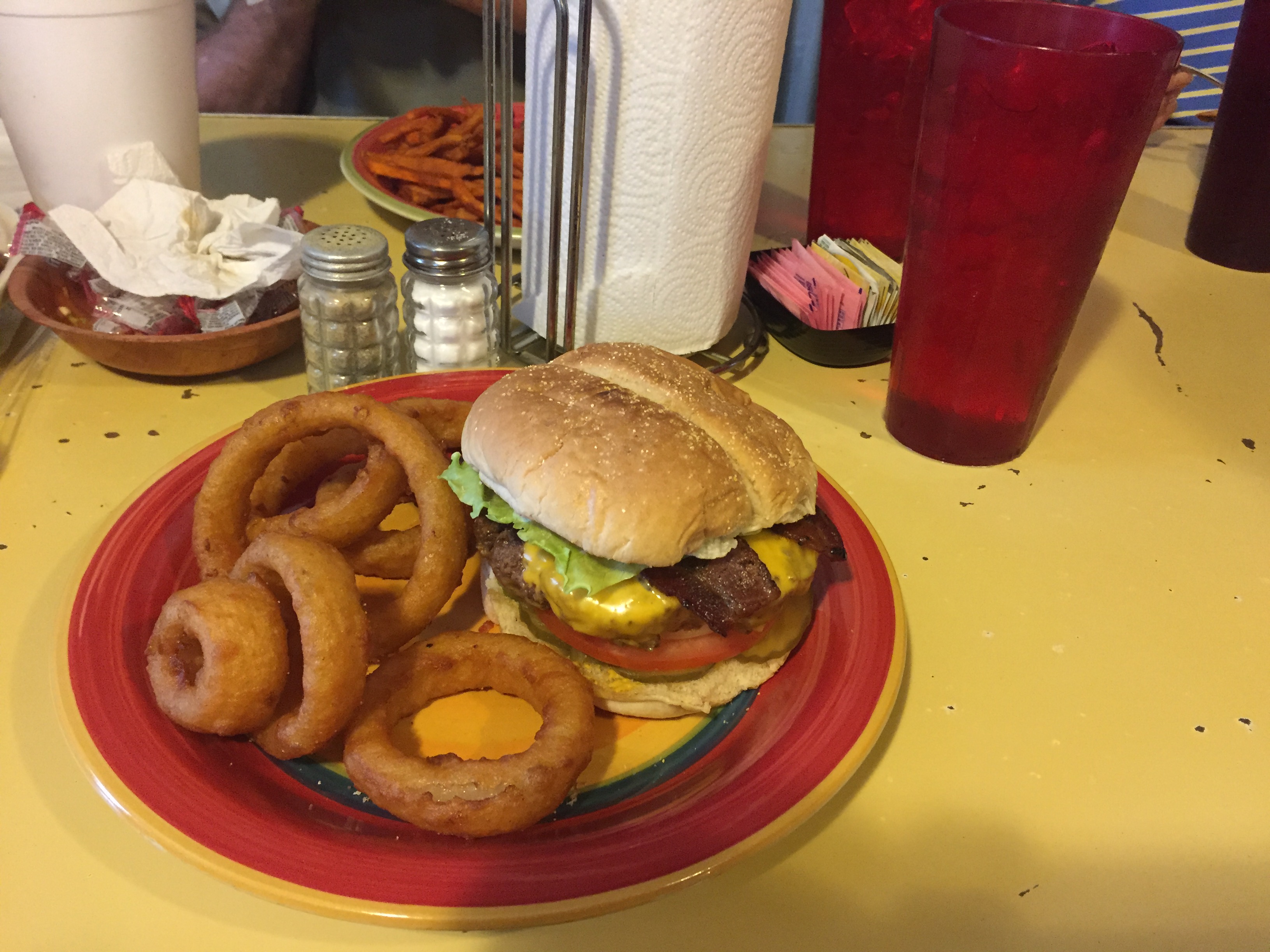
Filipps BurgerThe burger had a half-pound of meat served on a moist bun with all of the fixings. One bite and I immediately concluded that this is one of the best burgers I have eaten in the Lone Star State — a burger with a flavor as big as Texas! Holy smoke it was good! I savored every bite as I thought about how soon I can make it back to Sealy to do this all over again.
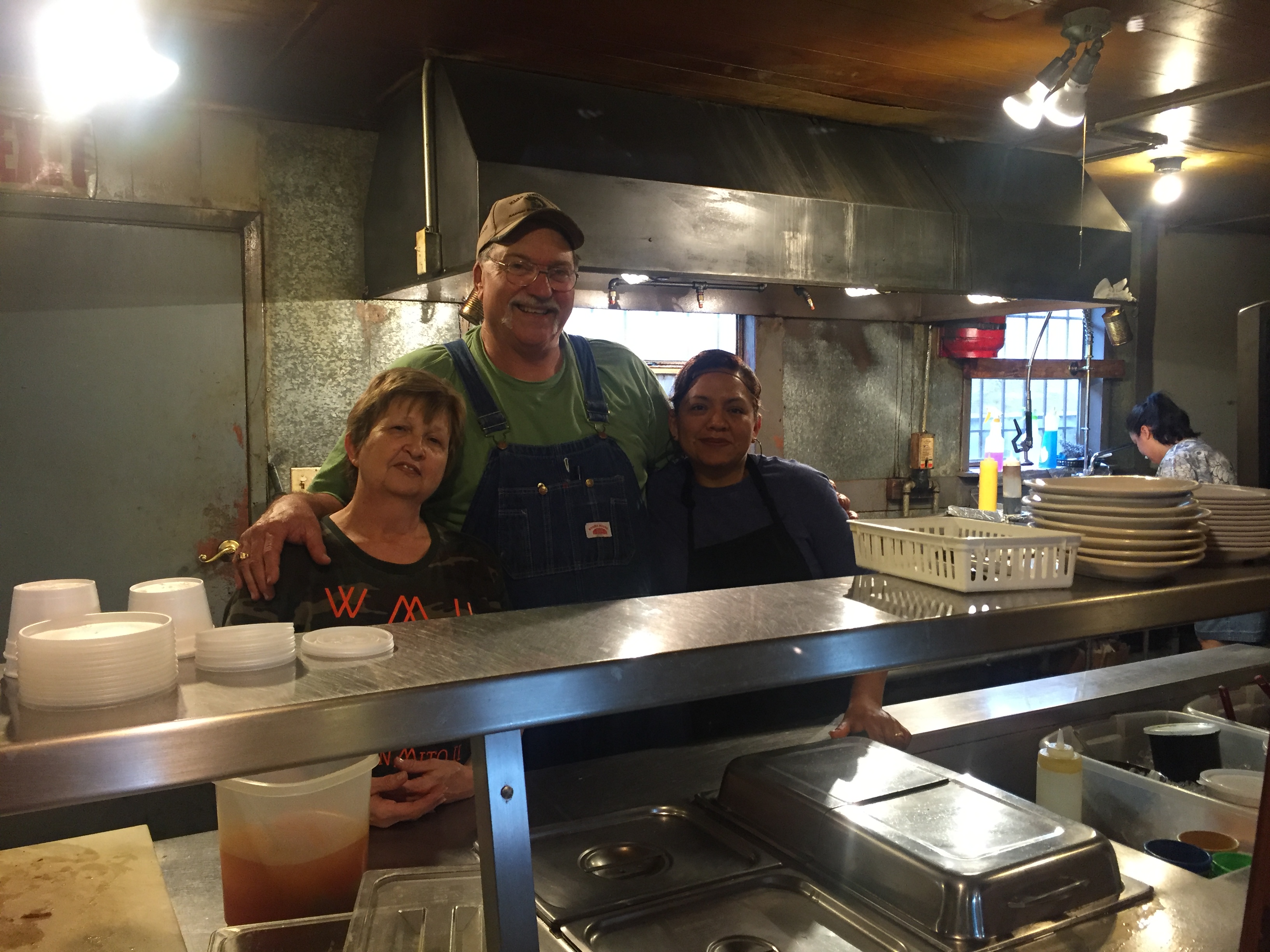
IMG_6298Afterward, Randy and Georgia invited me into the kitchen to see where the burger magic happens. That’s where they shared their story with me about how they ended up running a restaurant at this season of their lives. It was immediately apparent to me how much they care about the freshness of their ingredients and refuse to compromise on quality.

Randy and Georgia are passionate about what they are doing. They treat every customer like family. Within minutes of meeting them I felt as though I had known them for years. Although their food is unquestionably delicious, their restaurant works because they care deeply about their customers. They offer what you will never get at a fast food place — warm hospitality and the kind of home-cooked food that keeps you coming back.

Filipps is indeed off-the-beaten path, unless you live in Sealy. But it is definitely a place worth visiting if you are ever anywhere near this small town. The restaurant is open between the hours of 11:00 AM and 8:00 PM on Tuesdays through Saturdays. Stop by Filipps if you are in the area — and tell them I sent you. You’ll be glad you did and you won’t go away hungry!

Church of Saints Cyril and Methodius

The painted churches of Texas are one of the Lone Star State’s best historical treasures. The legacy of German and Czech immigrants, these churches are a testimony to the faith of those who settled frontier towns from the Gulf Coast to the Texas Hill Country. There are about twenty painted churches in Texas — so called because their sanctuaries are beautifully adorned with hand-painted murals and other colorful decorative elements.
Painted Church ShinerThe Catholic Church of Saints Cyril and Methodius in Shiner, Texas is one of the most beautiful of the painted churches. Shiner was founded by German and Czech immigrants in 1887. While the early citizens of Shiner were busy building their homes and businesses, they did not neglect the spiritual welfare of their new community. The first Catholic church building was completed in 1891 and served the people of the community for many years.
Shiner Church Entry AngelRapid growth of the parish in subsequent years led to the construction of the larger church building that is still in use today. Completed in 1921, this beautiful building is regarded as one of the most magnificent Gothic structures between San Antonio and Houston. The church is named after Saints Cyril and Methodius, two brothers who were honored missionaries to the Slavic peoples during the ninth century.
Shiner MuralsBoth the exterior and interior of the church building are a feast for the eyes. The exterior is patterned after the Romanesque architectural style. The interior boasts a beautiful hand-painted mural behind the ornate altar depicting Christ in the Garden of Gethsemane. Other painted features include clouds on the ceiling of the dome above the altar and angels on the panel above the arch as you face the altar. These beautiful murals are the work of Edmond Fatjo, the artist. Fatjo was trained in Berlin and specialized in painting church interiors.
Shiner Stained GlassThe six large stained glass windows depicting Biblical scenes were made in Munich, Germany and imported to Shiner when the church was built. Stand glass windows, it seems, have become a forgotten element in modern church architecture. However, the stained glass windows in the sanctuary of the church in Shiner not only add a worshipful ambiance to the interior, they serve as a passive form of education — like illustrated pages from the Scriptures.
Shiner Interior BackThe dramatic murals and other decorative elements make the Catholic Church of Saints Cyril and Methodius one of the most beautiful churches in the Lone Star State. It’s no wonder that this church has been on the National Register of Historic Places since 1983. Other painted churches are located in the towns of Ammansville, Dubina, High Hill, Praha, Schulenberg, West, and Fredericksburg — all towns whose historic painted churches are a testimony to the spiritual and cultural legacy of early German and Czech immigrants to Texas.
Shiner Church EntryAs you consider daytrips near you or roadtrips farther away from you, consider visiting the painted churches of Texas. They are indeed a Texas treasure. The church in Sculenburg keeps its doors open throughout the week and welcomes visitors. You can check the internet for the best times to visit some of the other painted churches or sign up for a tour of the painted churches through the Schulenburg Chamber of Commerce.