As I travel Texas backroads, I find myself irresistibly drawn to abandoned places — old and dilapidated structures slowly being erased by time. Not long ago I came across a photograph of an abandoned adobe style church taken in the fading light of day. The photo captivated me. I knew I had to find this place and go there to see it for myself.
 With a little research I learned that the old church building is located along FM 1017, the road that connects San Manuel−Linn and San Isidro. This is in the heart of rugged South Texas ranch country. Many of the ranch owners in the area can trace their respective lineages back to the days of the Spanish Land Grants. These families have stewarded these lands for generations.
 The old church, known as Guadalupe El Torero, was built between 1918 and 1920 in a place called San Luisito, a town that no longer exists. In those days, the only option for families was to travel ten miles one way by horse and buggy to worship at the old San Isidro Catholic Church. That was a long way to travel. So, the original El Torero Church was constructed in San Luisito behind the home of Juan and Luisa Bazan.
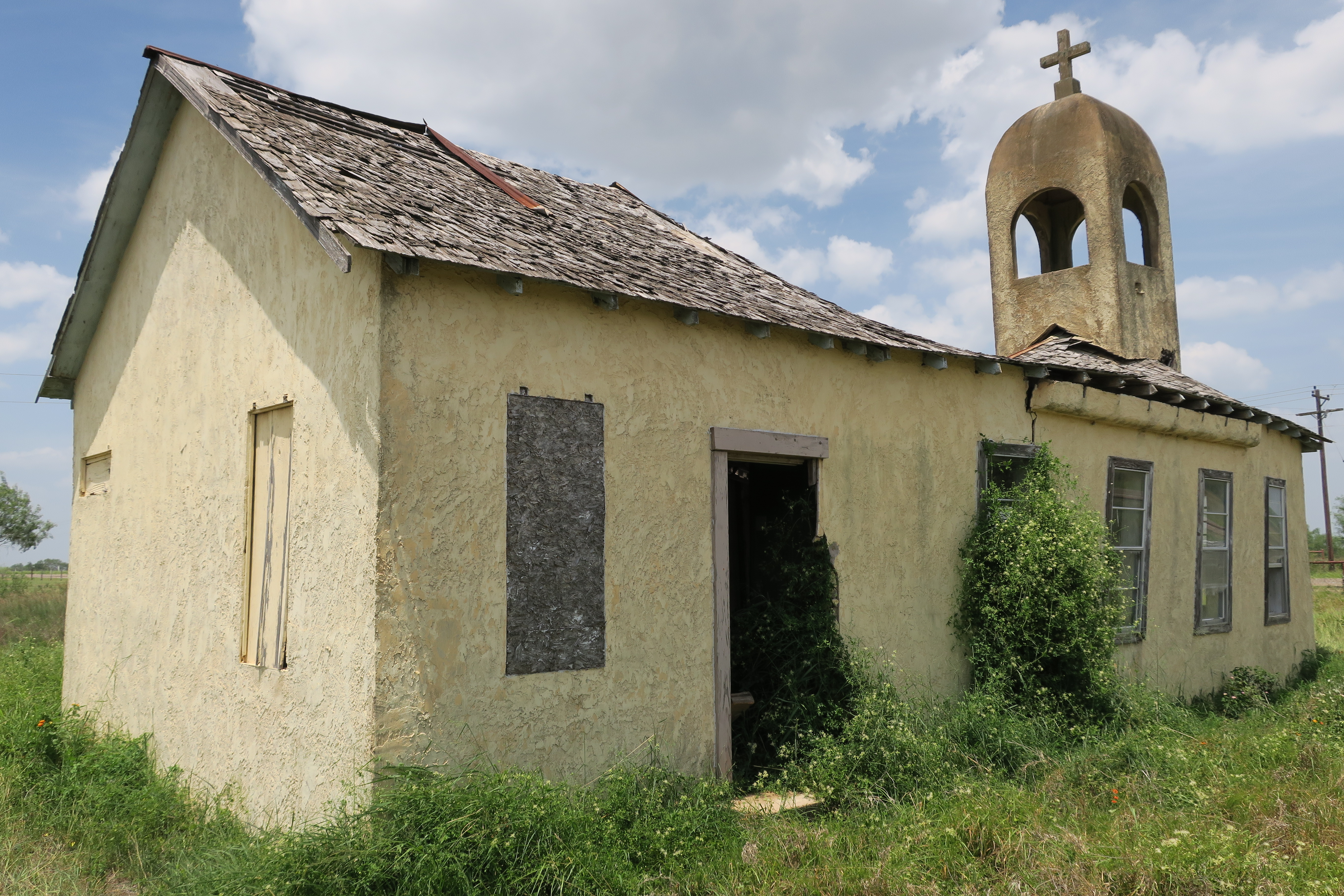 On January 5, 1924, Juan Cavazos purchased ten acres of land that was part of the San Ramon Land Grant that had originally been granted to Julian Farias. Juan gave a tithe of the land to the church under the pastorate of Father Gustavo Gollbach. A few years later, the original church building was moved to this new and permanent location and the entry tower bearing the cross was added.
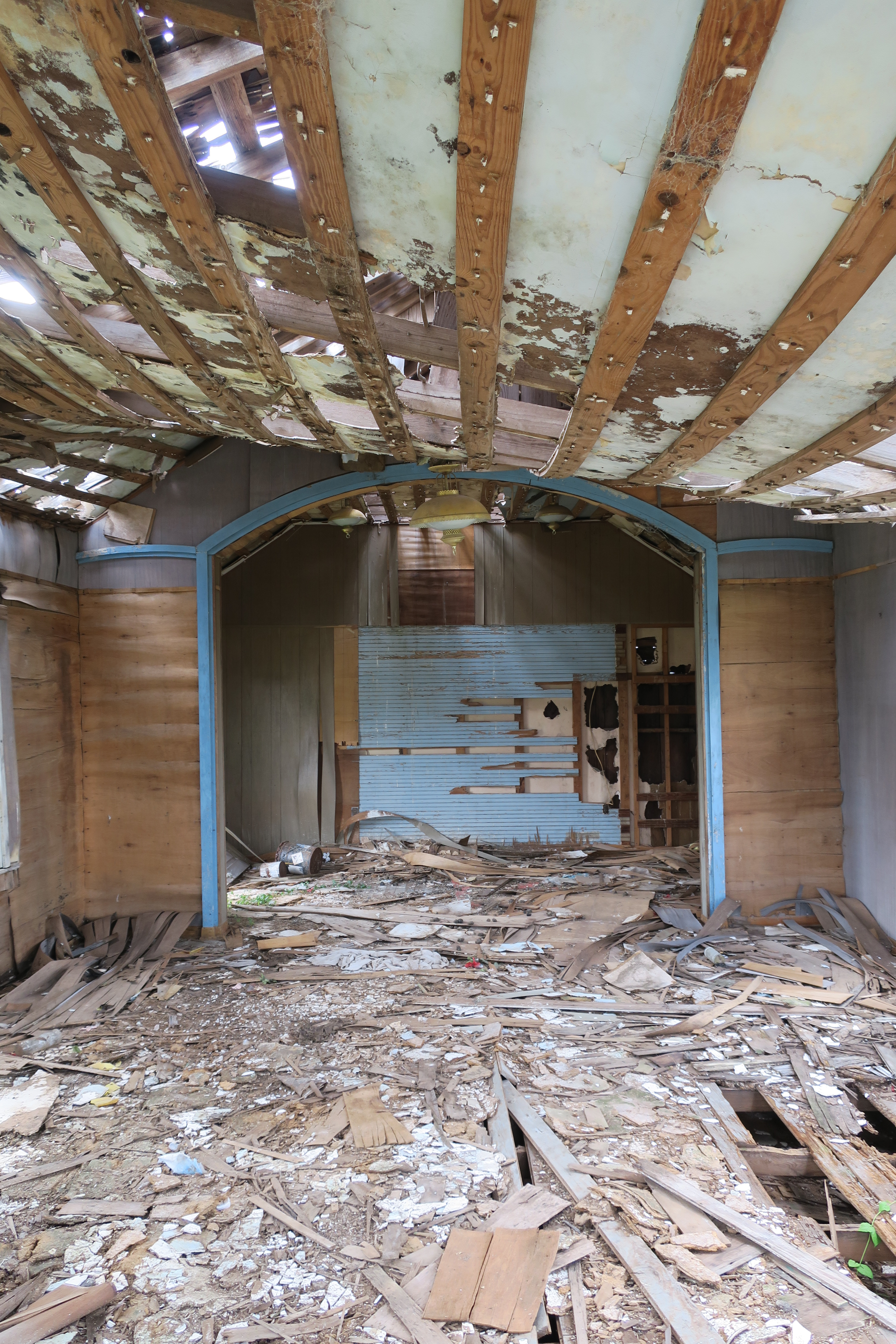 A woman named Sylvia Perez Kotzur, who lives about a mile from the old church, attended services at El Torero when she was a child. She remembers that it had “a celestial blue trim and benches and wood plank floors.” She also recalled looking out the windows and watching the cattle grazing during Mass.
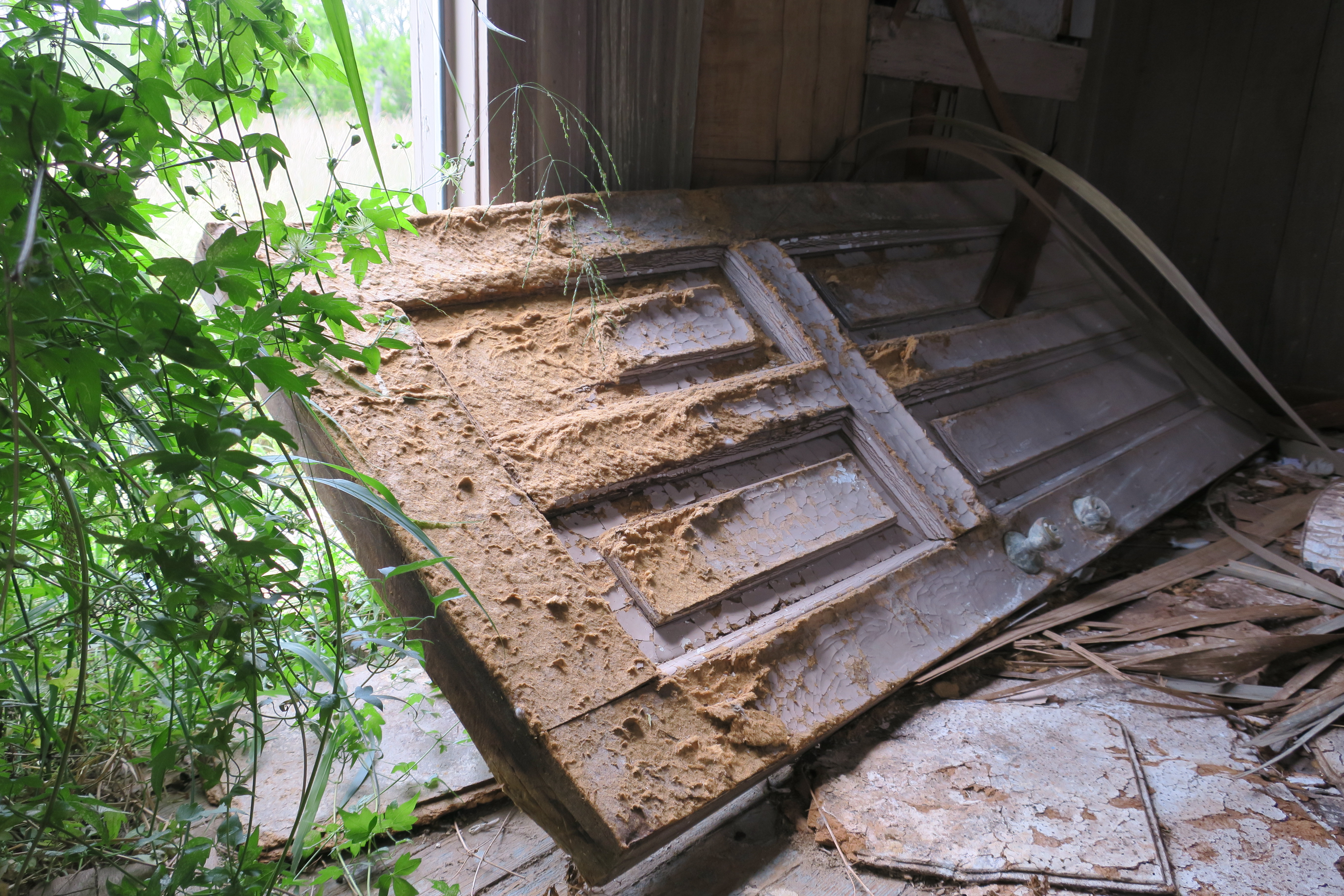 I could not find any information about when the final service was held at El Torero. Whatever day that might have been, that became the first day that would lead to years of neglect — years that eventually took their toll on the building that Kotzur remembers as being “small and cute.”
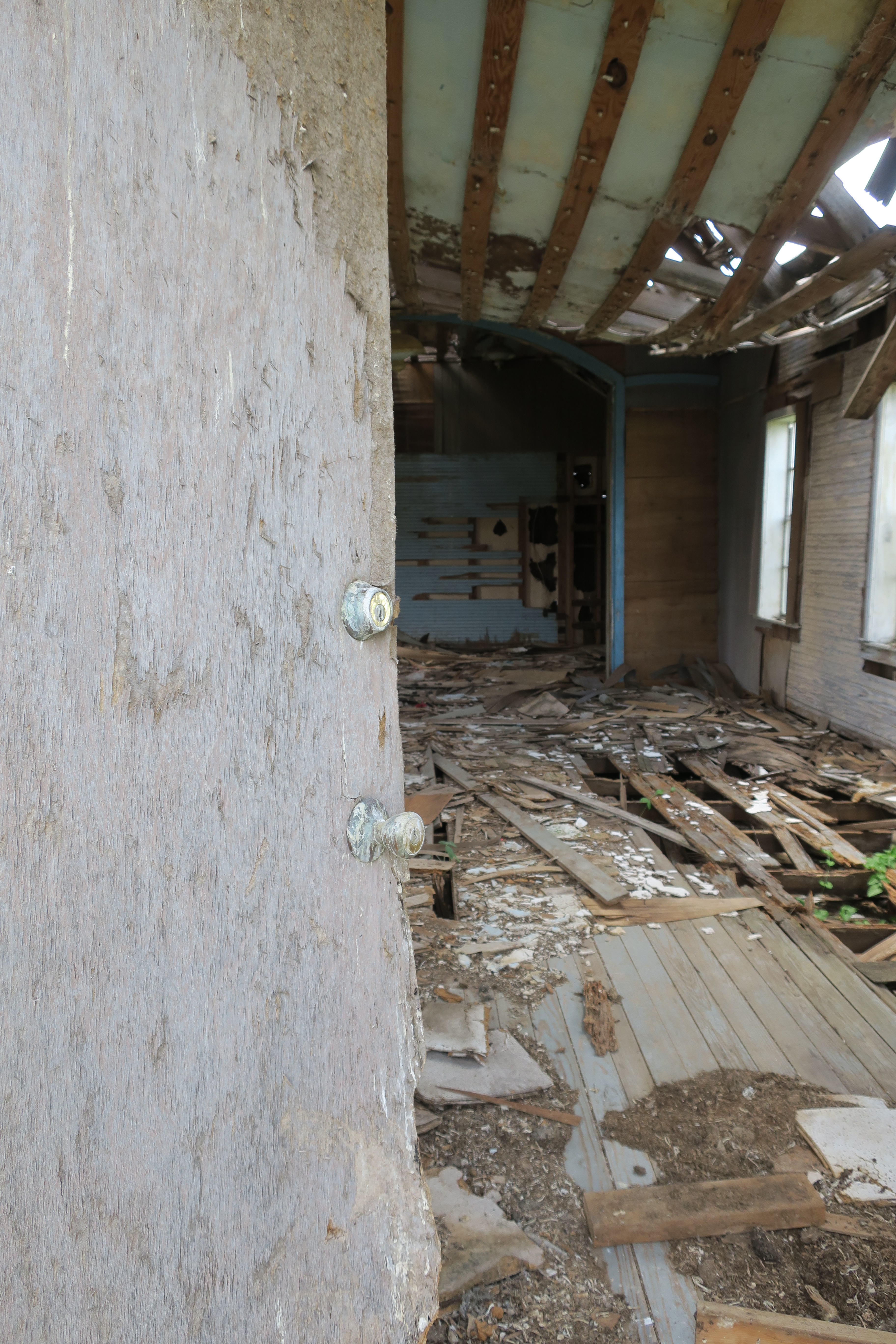 When I walked through the weeds and into the old building, it was easy to envision what it must have looked like in its day. I could still see traces of the blue paint that Kotzur recalled. It was, however, sad to see a place that had once been so special to local residents in this condition.
 The good news is that Kotzur and other area residents started a fundraising campaign to build a new church. The old structure is beyond repair and must be torn down. The new structure will be built on the same footprint as the old church.
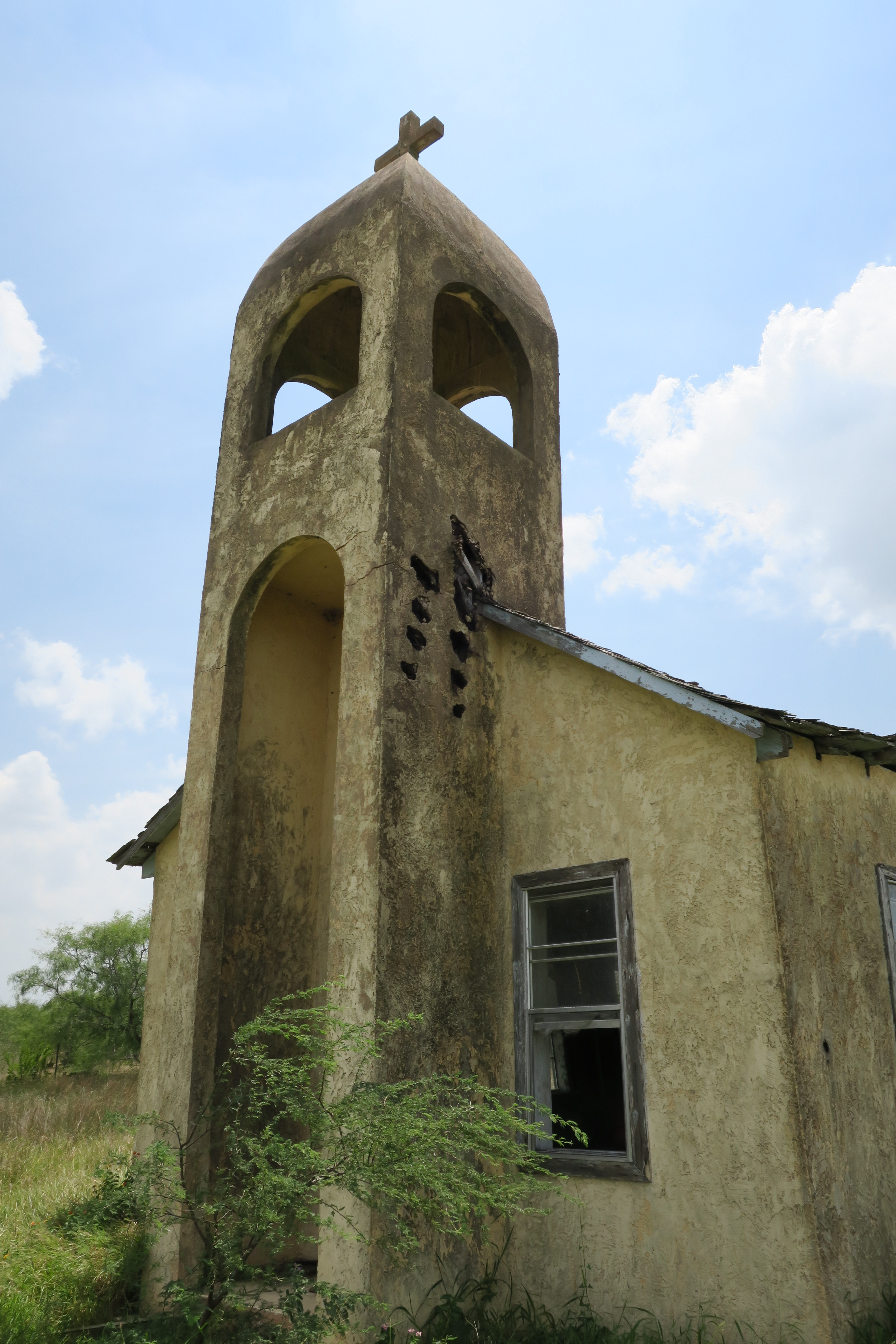 Kudos to everyone involved in giving new life to El Torero Church. I hope that the new structure will bear some resemblance to the old church. I can’t wait to see the new house of worship and hope it will stand as an enduring symbol of faith in this rugged place for generations to come.
Texans Helping Texans
Recent record-setting floods in Texas wreaked havoc throughout the state, leaving in their wake thousands of Texans dealing with millions of dollars in losses. In many cases, homeowners fled rising flood waters with only the possessions they could hastily cram into their cars and trucks. Everything left behind was either washed away or completely destroyed.
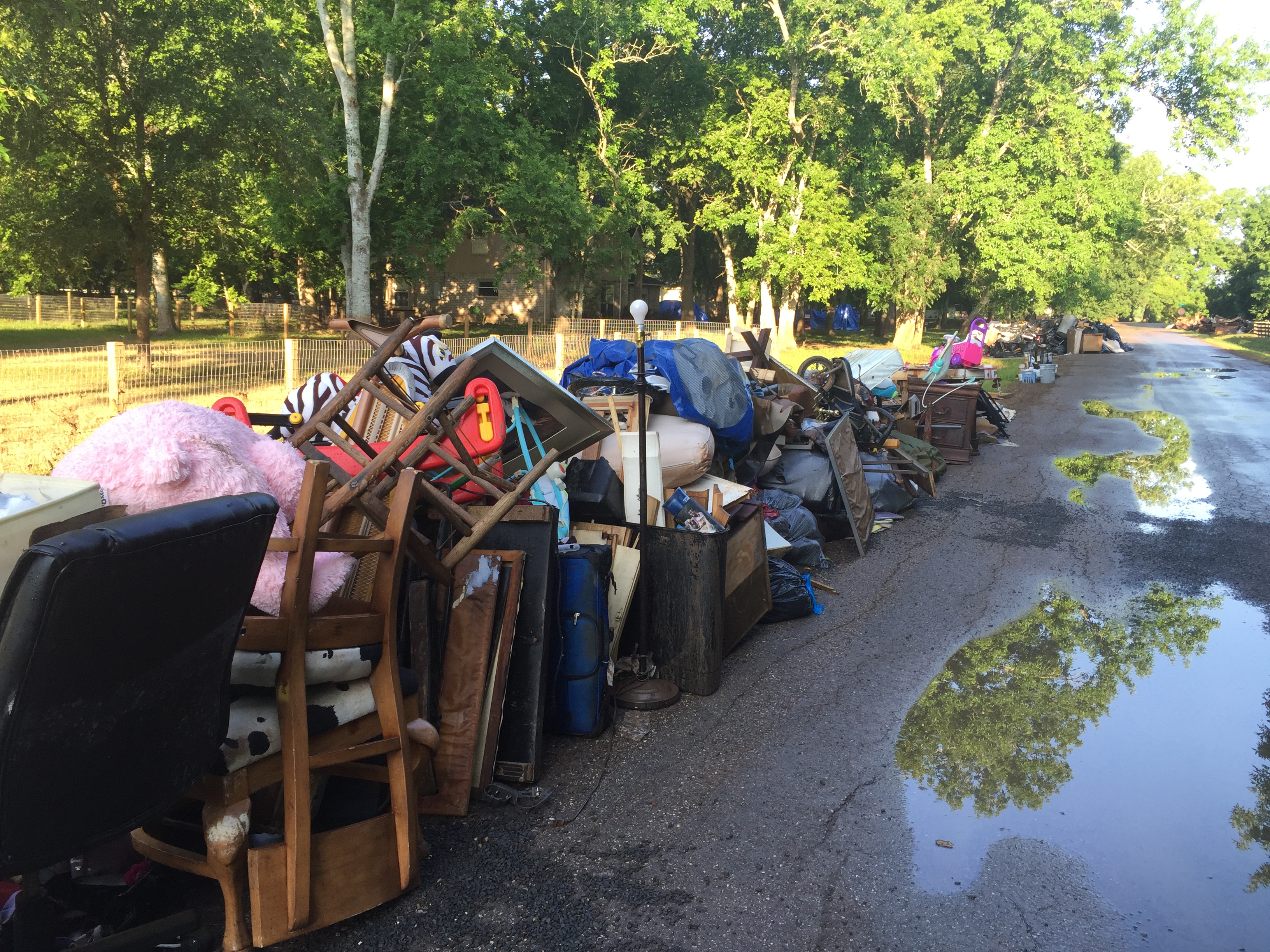 Over the past weeks, images of destruction, damage, and even deaths have poured into our homes courtesy of the evening news. Weather reports have taken on greater significance, especially in areas where the ground is so saturated that no one dares to even spit on their lawn. The phrase “five-hundred year flood” is now a part of our vocabulary.
 The damage caused by flood waters is heart-breaking. There is no feeling more helpless than watching water levels rise until they cross the threshold into our homes. Once inside, the waters soak and destroy everything in their path. And when they finally recede, they leave behind a deposit of mud and filth and stench — and homeowners who must deal with it all.
 But, the worst of things often bring out the best in people. That’s certainly the case in regard to the recent flooding in the Lone Star State. I am proud to serve with my church’s disaster response team that works under the auspices of the Texas Baptist Men (and women, too). We are a team of Texans (born or moved here as fast as they could) helping Texans.
 The Texas Baptist Men Disaster Relief Team is one of the most highly regarded disaster relief agencies in the world, and with good reason. They have earned this reputation. This organization is on the governor’s speed dial and can mobilize with little notice. Their teams provide assistance to homeowners who have experienced loss due to floods, fires, hurricanes, tornadoes, and other natural disasters.
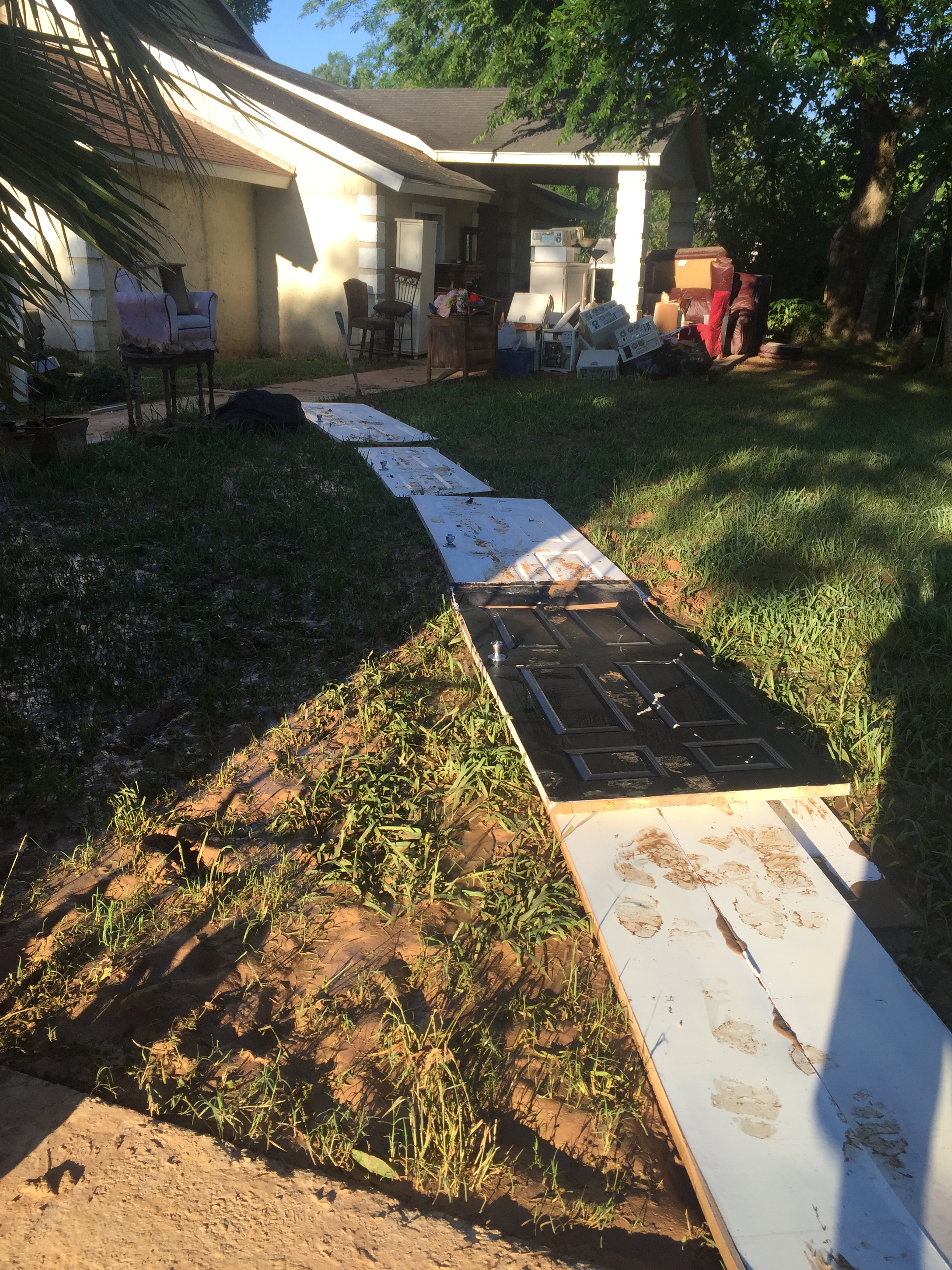
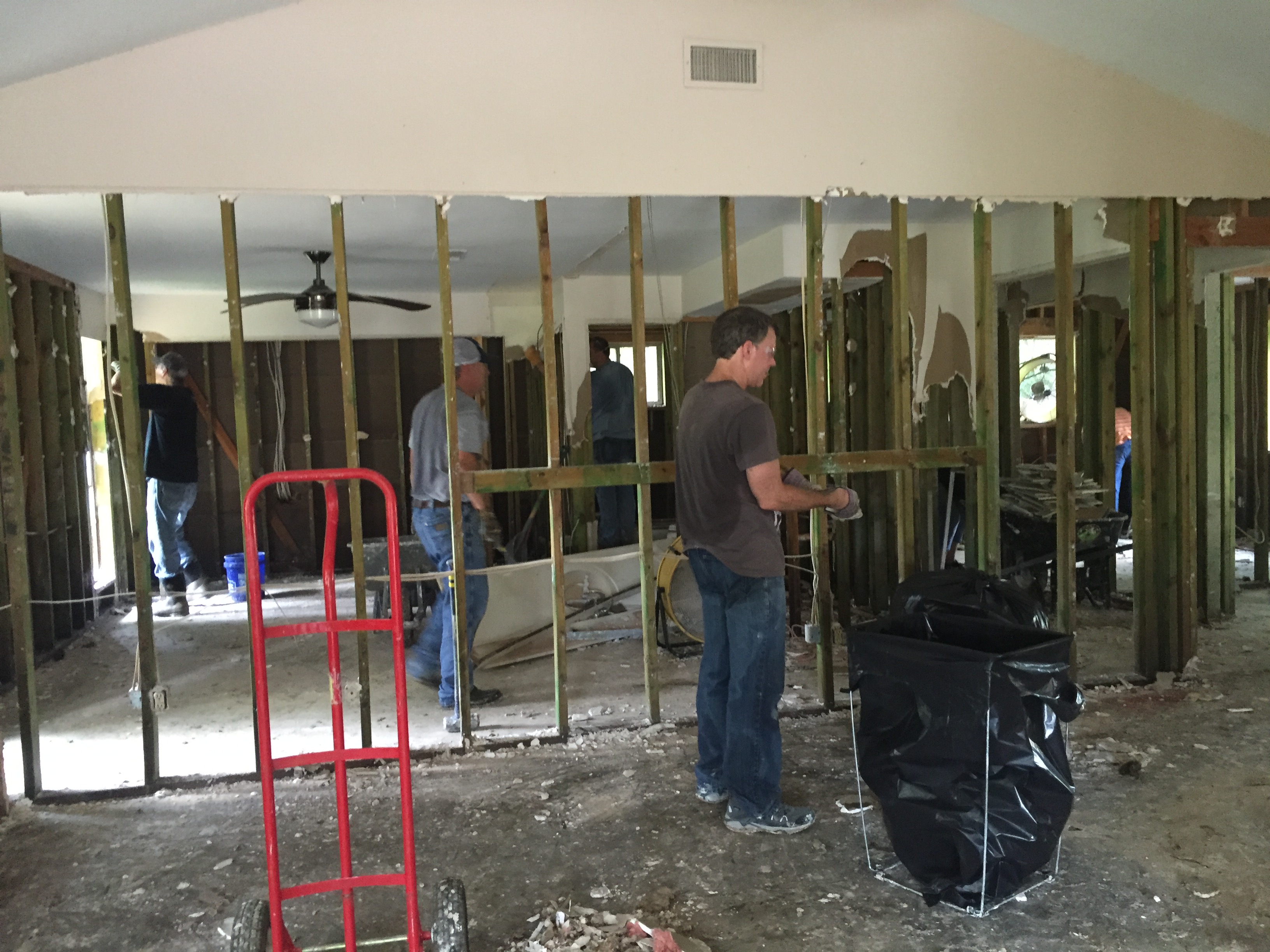 In the case of flooding, teams help homeowners to box up belongings that can be salvaged, clean out mud, and remove damaged sheetrock, insulation, and appliances. The Texas Baptist Men also mobilize feeding units, chainsaw crews, and shower and laundry units. They remain on the scene until the work is done. The only thing they leave behind is hope and a reminder that no one in Texas needs to face tough times alone.
 I served with our team this past weekend. We assisted homeowners in Wallis — a young couple whose home flooded as they expected their first child. While our team was hard at work on their home, the young mother was in labor at the hospital. Knowing that this young family needed to get back home as soon as possible fueled our own labor.
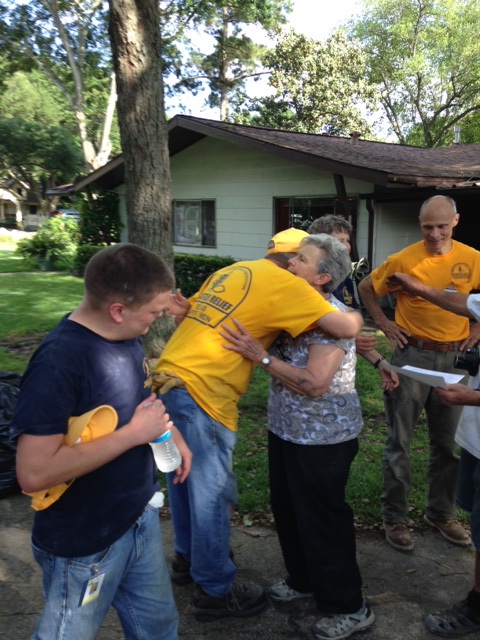
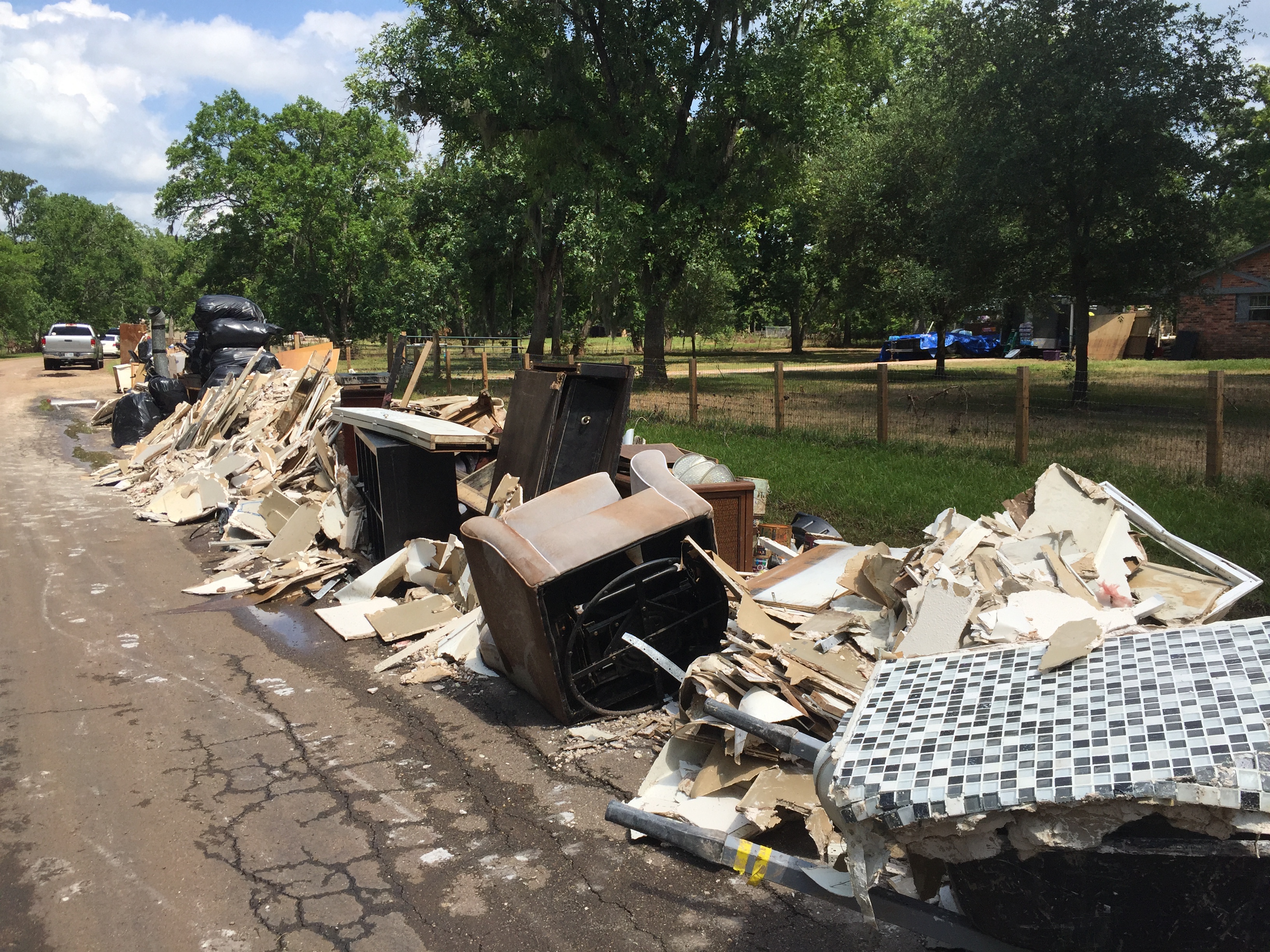 I am certainly proud to be a Texan and more than proud to play a small role in helping my neighbors in need through the Texas Baptist Men’s disaster relief work. I know that if anything ever happens to my home, I can count on help from my fellow Texans. That’s just the way we do things here in the Lone Star State. We don’t mind hard work and we are not afraid to sweat. In the wise words of an old cowboy, we know “no one ever drowned himself in his own sweat.”
The Burger Barn
In my ongoing quest to enjoy the most delicious burgers in Texas, I not only look for the joints with favorable reviews but quite often with interesting names. So, when I learned about The Burger Barn in Rosenberg I had to give it a try. I like the name. Burger Barn is just a simple and honest name that conjures up visions of good homestyle cooking.
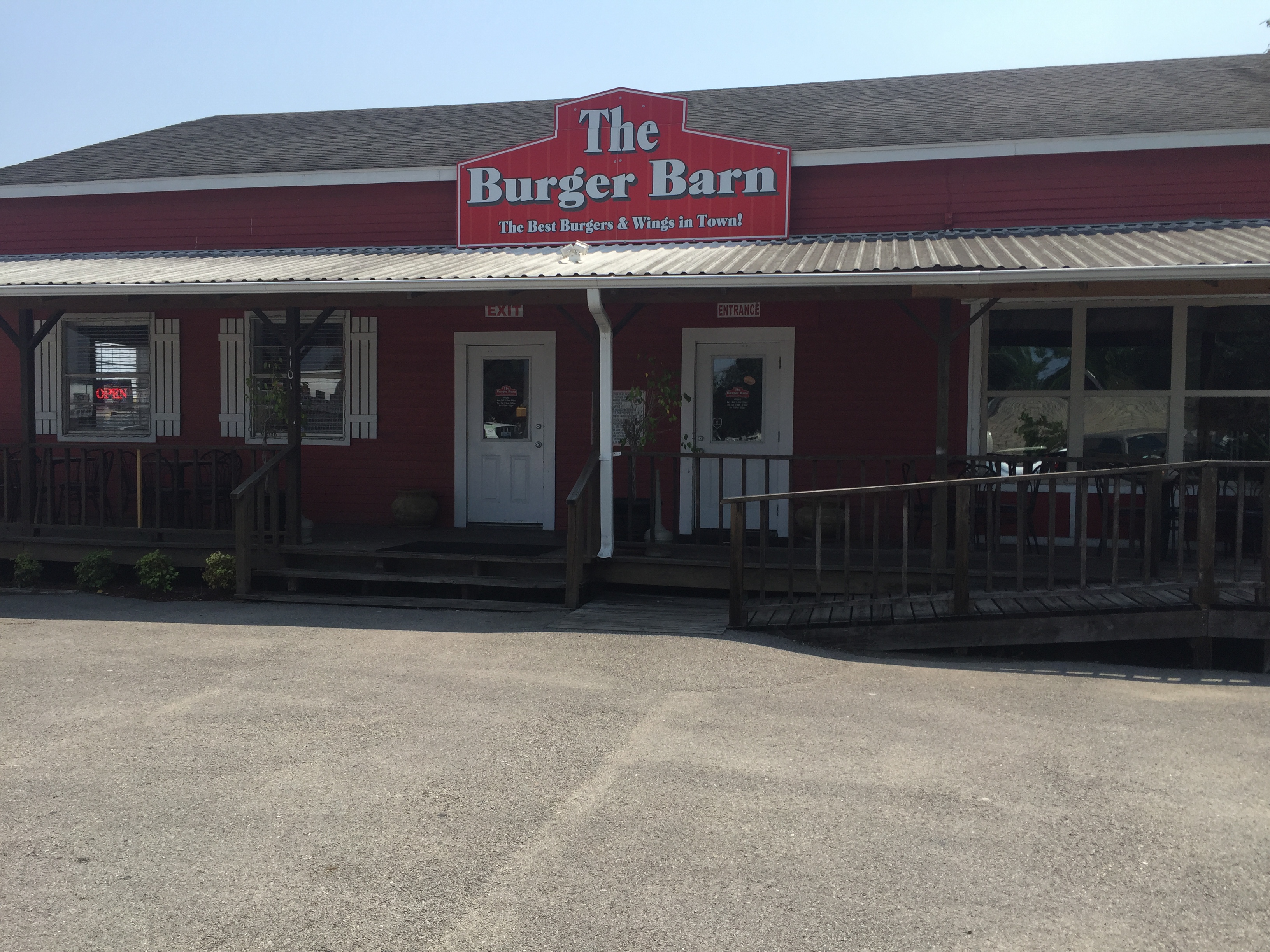 The Burger Barn has four locations in Texas, including Rosenberg. They promise diners more food, more taste, more service, and an always fresh experience. More is definitely good — especially when it comes to burgers. So, I called my friend Brad and his boys and asked them to join me on this culinary road trip to The Burger Barn.
 The Burger Barn offers an amazing selection of 25 burgers. As for me, I ordered burger number six, the Bacon Cheddar Barn Burger. This burger boasts a fresh patty made of 100% beef, smoked bacon, cheddar cheese, lettuce, tomatoes, pickles, red onions and mayo on a toasted bun. And, of course, I ordered a side of onion rings and a glass of iced tea.
 Brad and the boys ordered burgers, brisket, onion rings, and fried pickles. There was no danger of a food shortage at our table. The burgers arrived piping hot and wrapped in gingham paper. The aroma of the burgers was inviting and the onion rings looked amazing. The Burger Barn definitely delivered on its promise of more. These burgers were a handful.
 The first bite was all it took to convince me that The Burger Barn also delivered on its promise of more taste and fresh ingredients. The bacon, by the way, was really good. Everything about this burger worked perfectly to deliver more taste. And the onion rings were mighty delicious, too. No regrets about making the drive to Rosenberg. As for Brad and his boys, they each gave a thumbs up to the whole experience.
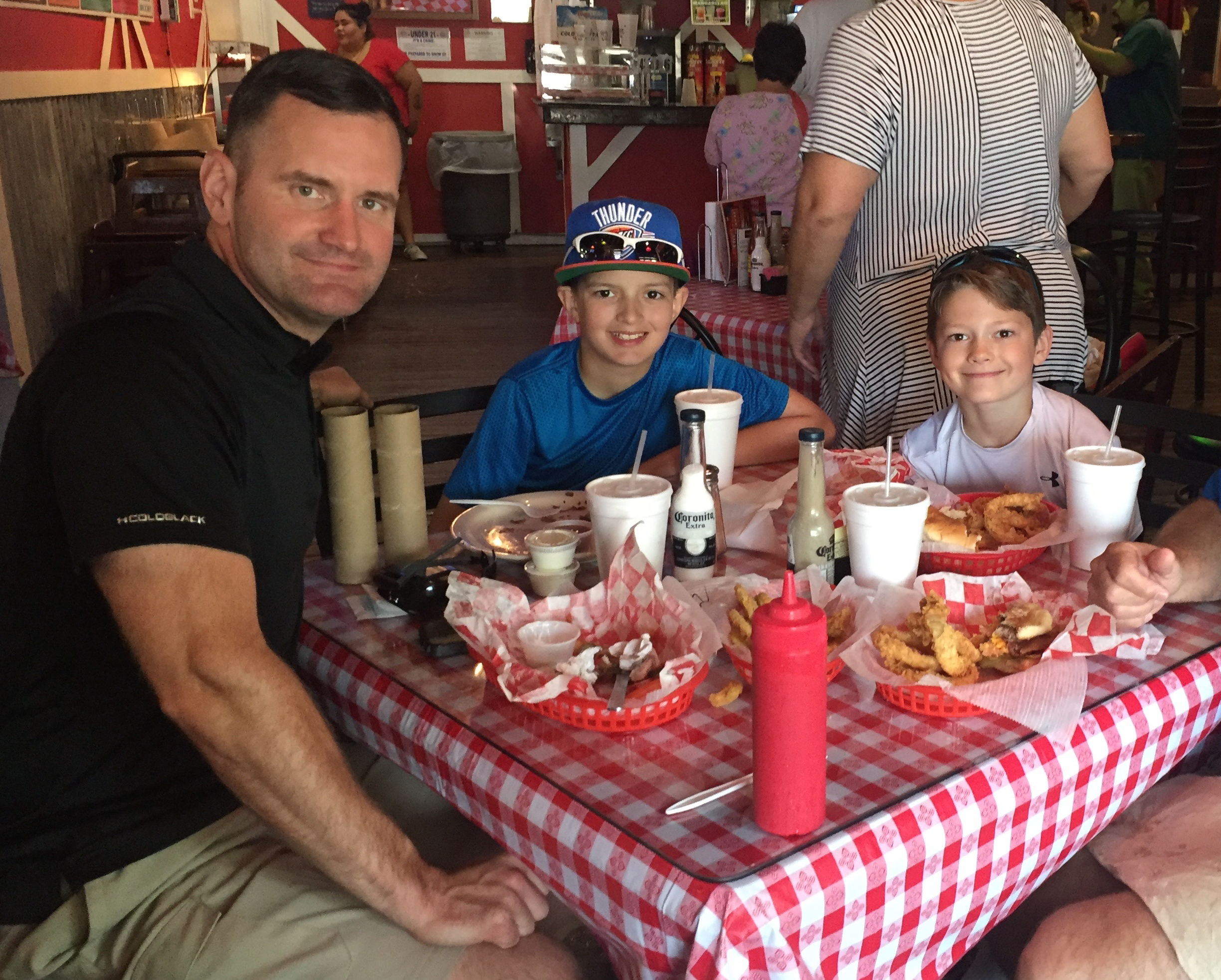 Whether you are on road trip or just looking for a place near you to eat a good burger, be adventurous and be intentional. Don’t be afraid to break away from the fast food chains to try something different. Pull over and check out those burger joints with interesting names. If you do so, you will make some delicious discoveries. There is no question in my mind that the best burgers on the planet are right here in the Lone Star State.
Anahuac National Wildlife Refuge
Anahuac National Wildlife Refuge is one of fifty-nine wildlife refuges managed by the U.S. Fish and Wildlife Service. These wildlife refuges have been set aside to conserve our nation’s fish, wildlife, and plants — including threatened or endangered species. Our nation’s wildlife refuges are home to more than 700 species of birds, 250 species of mammals, 250 reptile and amphibian species, and more than 200 species of fish.
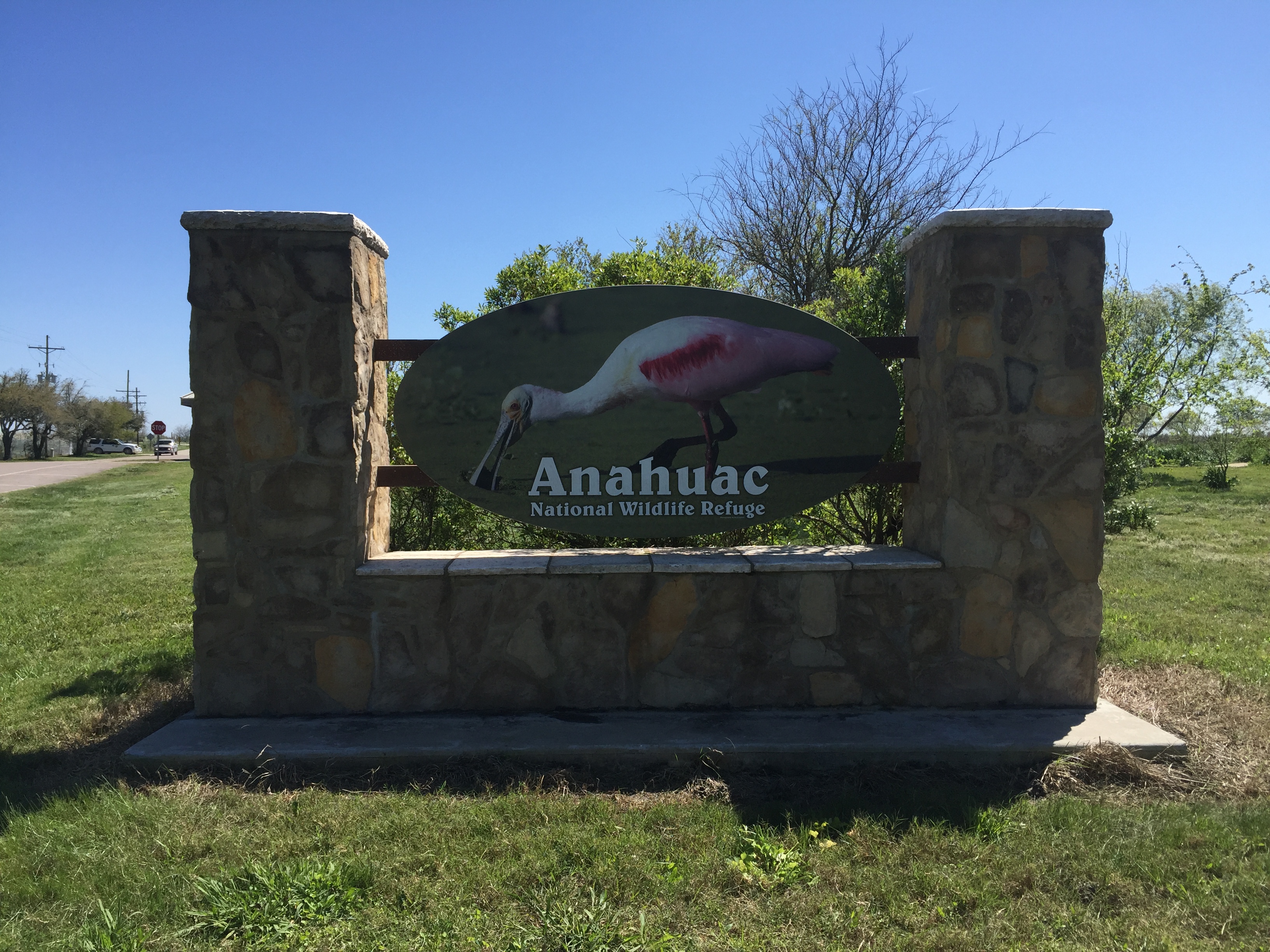 The Anahuac National Wildlife Refuge was established in 1963 and is one of nineteen wildlife refuges located in the Lone Star State. The name Anahuac is a Nahuatl (an Aztec language) word that means “close to water.” The earliest inhabitants of the region, however, were not Aztecs but Atakapan Indians. The name perfectly fits because Anahuac is indeed near the water.
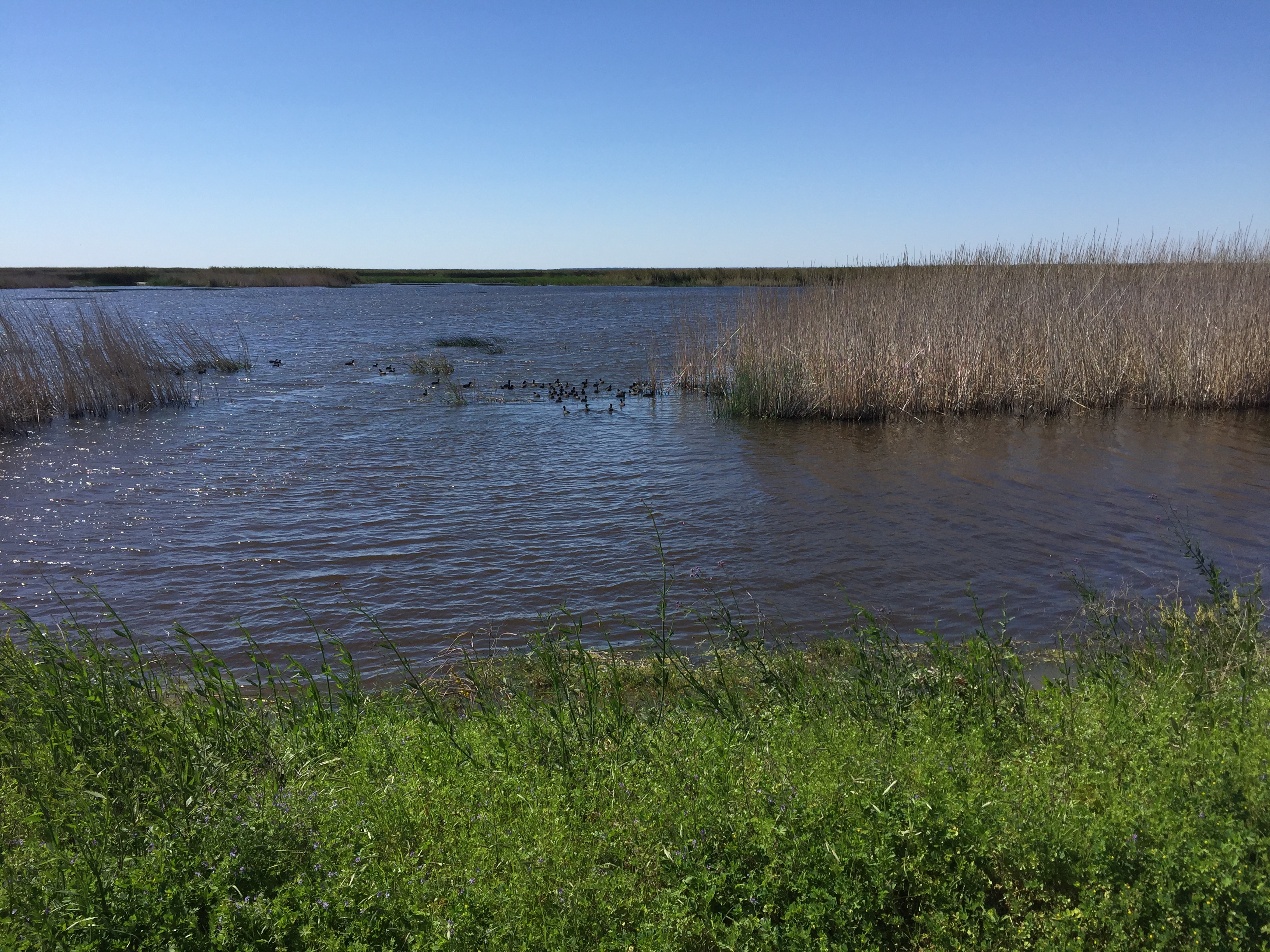 This 34,000-acre refuge is largely coastal marsh land and prairie bordering Galveston Bay in southeast Texas. The marshes, meandering bayous, and prairies of Anahuac are home to an abundance of wildlife, including alligators and bobcats. The Anahuac refuge also serves as a hotel for migrating birds — a place where they can rest, nest, breed, and eat as they continue on their respective journeys.
 If you want to catch a glimpse of alligators, then Anahuac is the place to be. Southeast Texas is regarded as one of the best places in the nation to see alligators. Spring and fall are the best times to catch sight of these reptiles as they sun themselves on the banks of the bayous. Anahuac is also a paradise for birders. Helpful signs on the driving and walking trails identify the birds you might see in the park — everything from shorebirds, wading birds, migratory songbirds, and more.
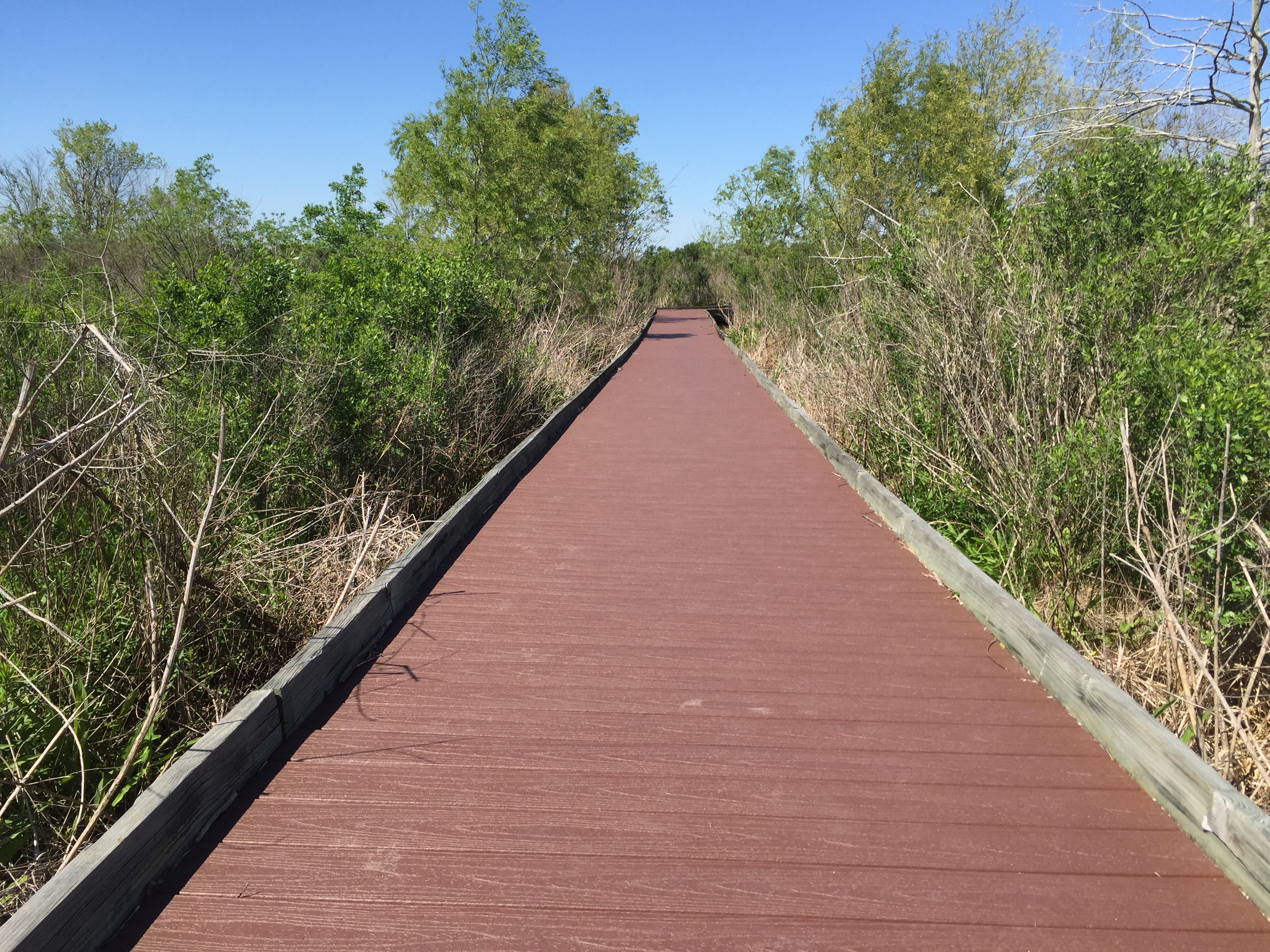 The refuge offers a driving loop with places to pull over to watch for certain birds and animals. The walking trails are well maintained and feature boardwalks and benches where you can sit and enjoy the outdoors, including the music of migratory songbirds. If you visit, bring a pair of binoculars with you. You can purchase an inexpensive folding field guide at the park store to help you identify the birds in the refuge.
 We are fortunate to have a third of the nation’s wildlife refuges in the Lone Star State. Don’t overlook these outdoor treasures as you plan your Texas adventures. These are great places to connect with the outdoors — beautiful locations where you can walk slowly, breathe deeply, and appreciate the great diversity of wildlife in Texas.

Church of the Guardian Angel
The painted churches of Texas are among the most beautiful architectural treasures in the Lone Star State. These simple yet elegant structures remain a vital part of the DNA of the small communities they have served for well over a hundred years.
 Every detailed feature of these buildings is a lingering testimony to the talent of now-forgotten carpenters and craftsmen — men and women who built something that has outlived them and continues to inspire new generations of the faithful.
 The original structure of the Guardian Angel Catholic Church in Wallis was built in 1899 to serve the small Czech community. Sadly, this building was destroyed by a cyclone the following year. Services were held in the homes of parishioners until a second structure was built in 1904.
 By 1912, the parish had grown to about 75 families. So, parishioners raised funds for a new building. Wallis builder Jan Bujnoch was hired to build the new structure designed by German architect Leo Dielman of San Antonio. The new building was dedicated on October 21, 1915 and was added to the National Register of Historic Places in 1983.
 The simple Gothic Revival exterior of the white structure is accented by the deep green foliage of the surrounding trees. It is a peaceful setting — the perfect place for a church building. The entry to the building is flanked by a small statue of Christ with His arms extended and a statue of a guardian angel protecting two children.
 The interior of the building is quite simply magnificent. The arches, the ceiling with its gallery of biblical figures, the wooden pews, and the columns all serve to frame the ornate altar. The statutes of the Stations of the Cross depicting the passion of Christ line the walls on either side of the pews. And the beautiful stained glass windows soften the light that spills into the sanctuary.
 Every element in this building in some way contributes to creating a peaceful and worshipful setting — a refuge from the outside world. Once inside, I had to take a moment to put my camera down and to just sit and take it all in. To say “they don’t build them like this anymore” would be absolutely true. Most modern church building are functional but lack the inspiring elements of the painted churches.
 There are lots of great places to visit in the Lone Star State. We certainly have no shortage of natural wonders. But, as you plan your next Texas adventure, consider visiting some of the painted churches in the state. Most of these churches remain open throughout the week and welcome visitors. Enter with reverence. Linger for a while. Depart refreshed by the legacy of faith of our early Texas settlers.
Billy Bob’s Hamburgers
The folks who call Hondo home are convinced they live smack-dab in the middle of God’s Country. They love their little slice of heaven and frown upon any who drive through town like the devil. Thus their unusual Welcome sign that has cautioned motorists since 1930: “This is God’s Country. Please don’t drive through it like hell.” And they mean it!
 The Hondo Welcome sign is likely the most photographed site in town and the catalyst for many a conversation among folks passing through town. There is, however, something else to talk about when it comes to Hondo, and that is Billy Bob’s Hamburgers — a local burger joint that has been serving up some of the tastiest burgers in Medina County since 1990.
 Some friends and I decided to give Billy Bob’s a try on our way back to Katy from a week of adventuring on the Devils River. To say we were hungry would be an understatement. We had burned enough calories to justify eating any burger on the menu. And there are quite few offerings on Billy Bob’s menu.

One of my buddies and I decided to order the Giant Heart Attack burger with two sides of beer-battered onion rings and a tall glass of tea. This enormous burger boasts one pound of meat, bacon, lettuce, tomato, pickles, onion, mayo, mustard, and ketchup. When the burger arrived at our table I could understand how it got its name. This thing was huge!
 Knowing this would be a big burger, I asked to have it cut in half. There is something beautiful about cutting a big old burger in half and appreciating the layers of goodness — kind of like a geologist looking at the strata of a west Texas hillside. Four layers of meat, all the fixings, and a moist bun. This was burger geology at its best.
 As for the first bite — amazing! Billy Bob’s lived up to its “nothin’ but excellent” motto. This was one exceptionally good burger. The onion rings were also delicious, a good balance of crispness covering perfectly moist onions on the inside. The entire meal was satisfying. Billy Bob’s has certainly earned a top ranking on my list of great burgers in the Lone Star State.
 If you love a good burger, look beyond the fast food joints to discover places like Billy Bob’s. We are fortunate to have so many places to eat great burgers in Texas. Life is too short to waste our lunch hours eating at fast food chains. I prefer the better and more adventurous options of eating at places like Billy Bob’s. And, honestly, I think you will, too.
5 Facts About Ocotillo
When it comes to desert shrubs, the Ocotillo is in a class by itself. It is one of the easiest plants to identify in the desert and, in my estimation, one of the most beautiful. Whether I am hiking or biking down a desert trail, I love how the Ocotillo accents a desert landscape. Here are five interesting facts about this hardy desert shrub.
 1. The Ocotillo is at home on the range.
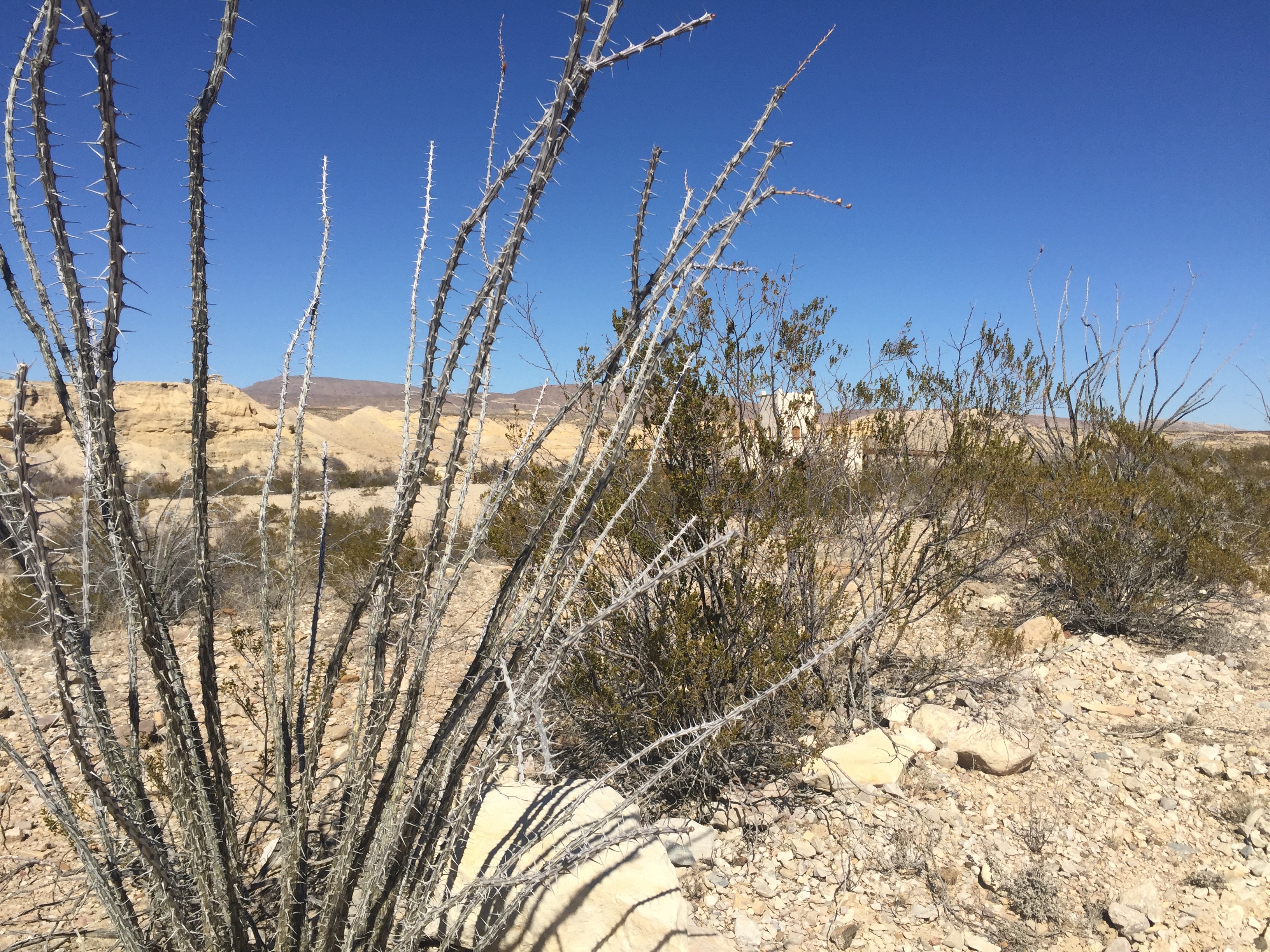
The beautiful Ocotillo is at home in the harsh environment of the Chihuahuan Desert. This is one hardy shrub that can handle the wide temperature ranges of the desert and requires little water to survive. The Ocotillo is not some sissy plant that requires pampering. It prefers a rocky and well-drained habitat, the kind of environment that intimidates other plants. And, make no mistake about it, whenever you see a brown and leafless Ocotillo, it is still very much alive.
 2. The Ocotillo is not a cactus.
The Ocotillo is also known by many different names including Candlewood, Slimwood, Coachwhip, Flaming Sword, and Jacob’s Staff — all names that take their cue from some physical characteristic of this spiny-stemmed shrub. Vine Cactus is also an alias for the Ocotillo, although it is not a cactus.
 3. The Ocotillo has a long lifespan.
Folks are not exactly sure about how long Ocotillo can live. Some believe that a good estimate is 60 years. Some studies, however, indicate that this tough shrub can live well beyond a hundred years. One reason the Ocotillo can live so long is because it has few pests and no known diseases.
 4. The Ocotillo is a flowering plant.
The whip-like branches of the Ocotillo can grow as high as twenty feet or more. After a rain these slender branches are covered with small green leaves that resemble those of the boxwood. When water is scarce, these leaves turn brown and fall off. If the rainfall is good, the Ocotillo produces bright red or pink tube like flowers between March and June. And, hummingbirds like the honey nectar these flowers produce.
 5. Ocotillo can be used to make a durable fence.
Ocotillo fencing is a popular design element in the southwest. When planted in rows, the Ocotillo becomes a living fence. Its spines stop people and animals from passing through. Some nurseries even sell Ocotillo fencing panels that add a rustic component to a garden and can last for years.
 The next time you find yourself anywhere near the Chihuahuan Desert or Big Bend, keep your eyes open for the Ocotillo. This hardy shrub is truly a success story in the world of desert plants.
The Devils River
The Devils River is one of the lesser known rivers in Texas — and that is just fine! Defiantly snaking its way through some of the most rugged terrain in the Lone Star State, this is a river that lives up to its name. Texas Monthly magazine reported, “If the Devils River were a woman, Willie would have married her twice and we would be crying into our beer as he lamented her wicked ways.”
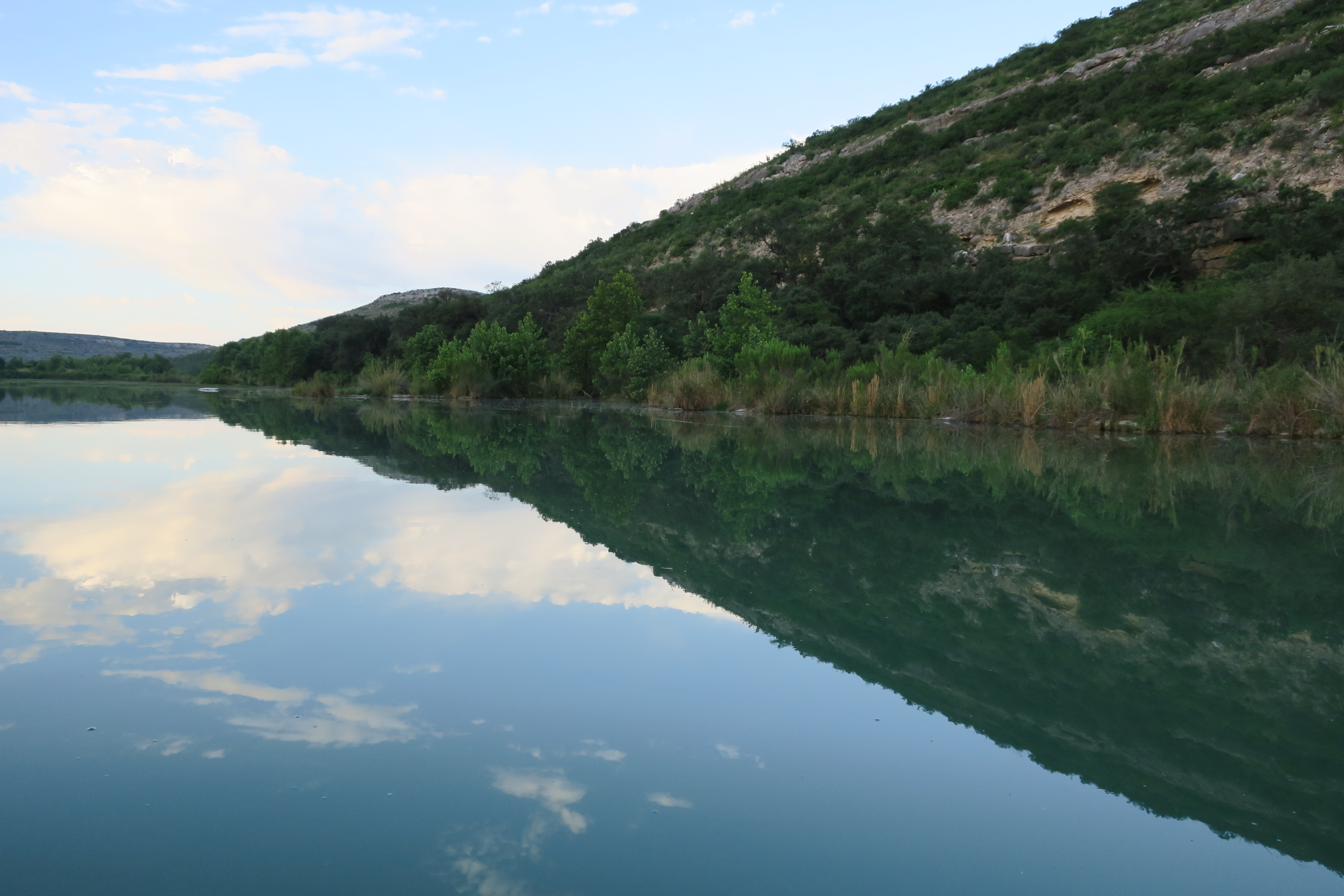 As a canoeist, the Devils River has been on my list of must-do paddling adventures in Texas. However, paddling on this river requires a bit of research and connecting with the right outfitter. The river flows through private ranches whose owners do not allow camping on the long riparian stretches of their big backyards. This also means that there are few public take-out sites along the way. So, careful planning is essential.
 The Texas Parks and Wildlife Department cautions that a trip on the Devils River is suitable only for experienced paddlers who are prepared to spend more than a day on the river. There are a number of Class I and Class II rapids, deep pools, strong headwinds, rocky shallows, and dense canebrakes along the route. Knowing how to pick your line and when to apply a good draw stroke are vital to successfully navigating the rocky rapids.
 My dream of paddling the Devils River became a reality through the generosity of some dear friends. The best part about it was the opportunity to share this adventure with my son Jonathan and a few of our paddling friends. Our team traveled to Rocker U Ranch where Dougal and Cathy Cameron welcomed us with the warmest of Texas hospitality. Their beautiful ranch sits along a three-mile stretch of the Devils River below Baker’s Crossing.
 Dougal, a real estate professional, is no stranger to the Devils River. Although not an outfitter by trade, he understands the pulse of this waterway, how to navigate through the confusing canebrakes, the best islands for camping (since you are not allowed to camp along the banks), the warning signs that indicate the potential for a flash flood, and the fascinating history of the river. He is an excellent paddler and proved to be the perfect guide.
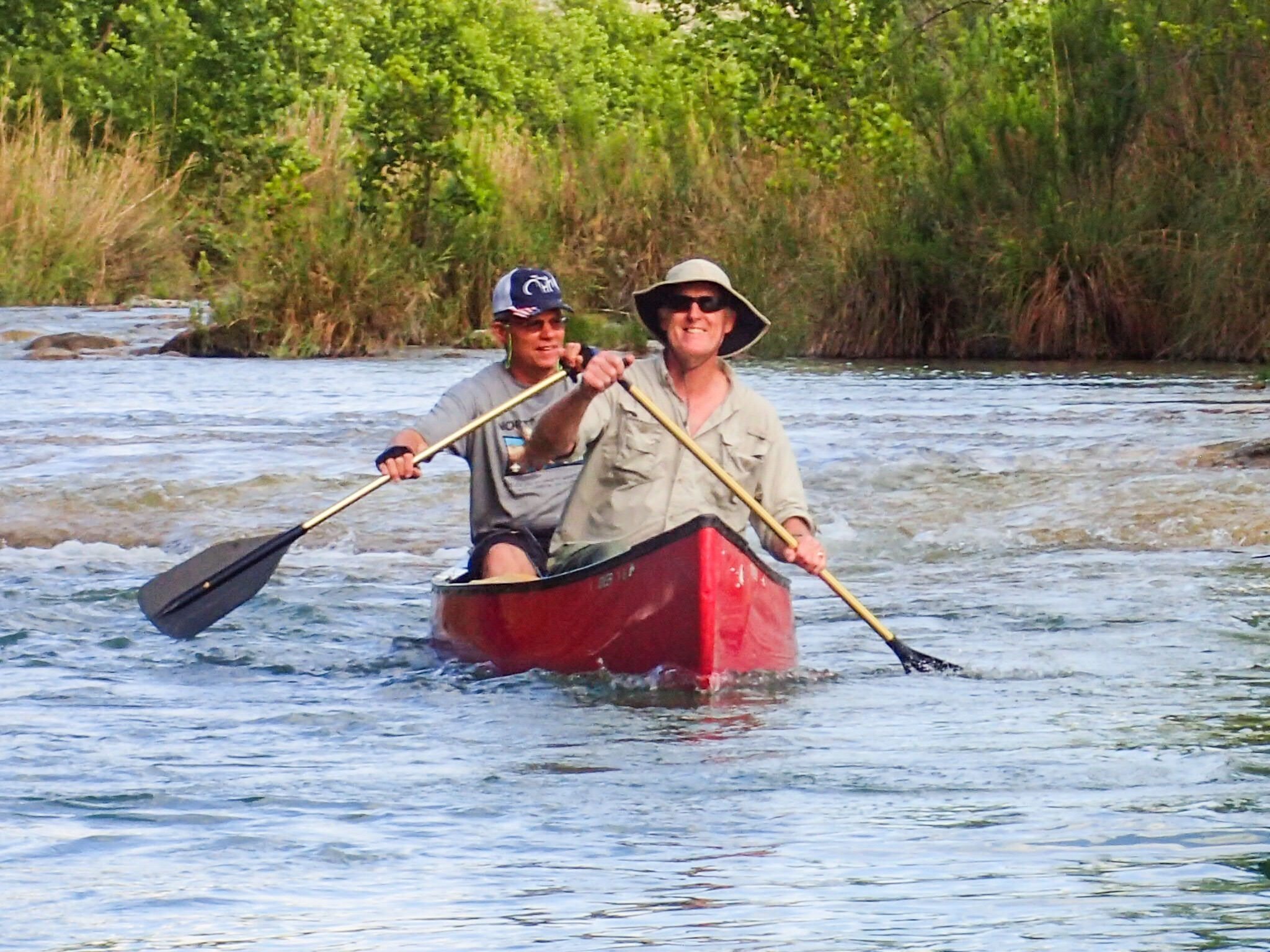
 Dougal led us from his ranch all the way to the magnificent Dolan Falls, a 10-foot Class IV waterfall about 16.4 miles downstream from Baker’s Crossing. Dolan Falls is the largest continuously flowing waterfall in Texas. At the bottom of the falls is a deep blue swimming hole — a perfect place for jumping in from the smooth overhead crag. Our guys could not resist the temptation to dive in.
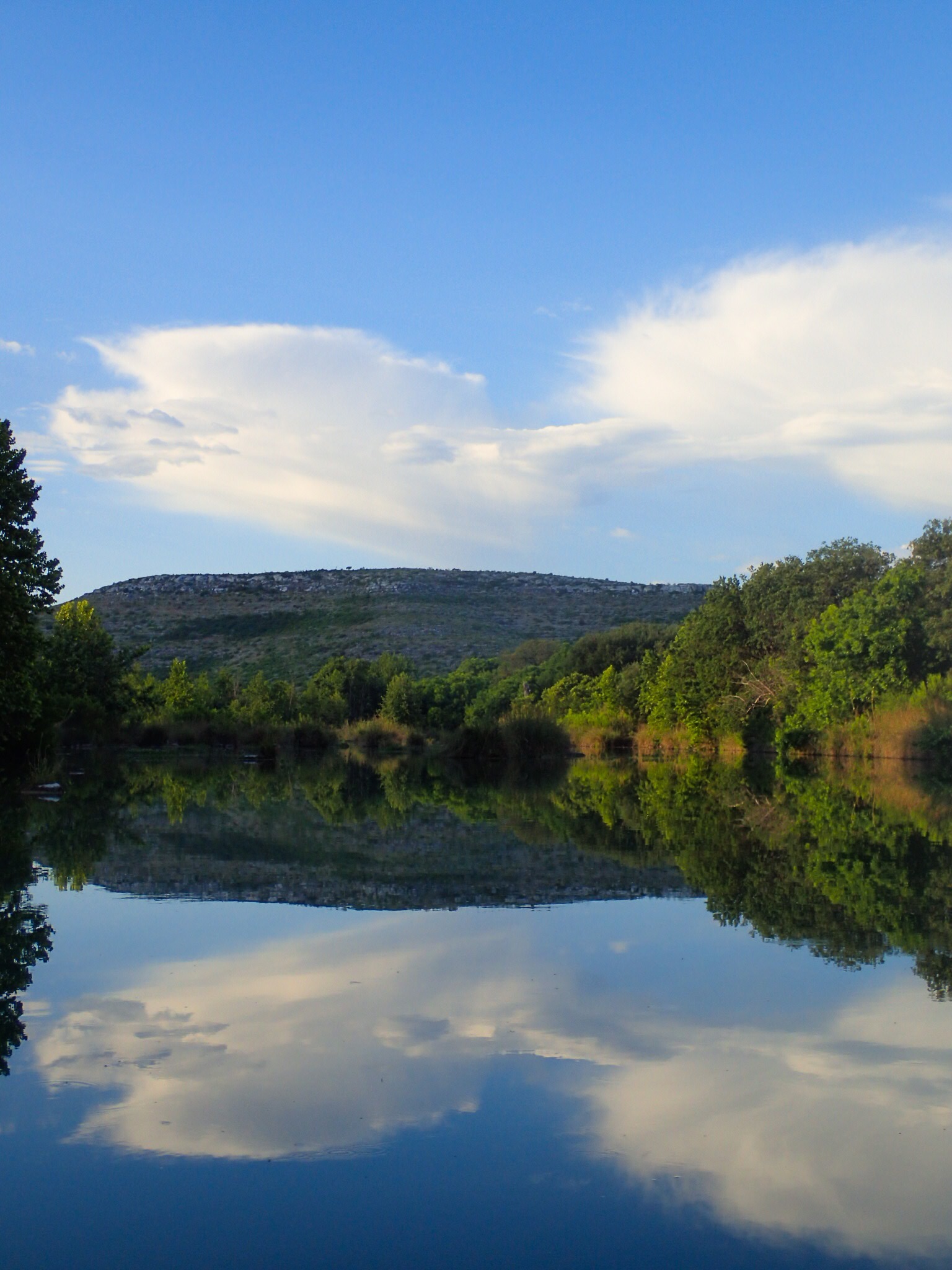 The Devils River is regarded as the most pristine river in Texas. And indeed it is. We saw absolutely not one scrap of trash along the way. The spring-fed water was a consistent turquoise and blue, and clear all the way to the bottom. In fact, we filled our water bottles from the river and drank it unfiltered. Not many places left where you can do that!
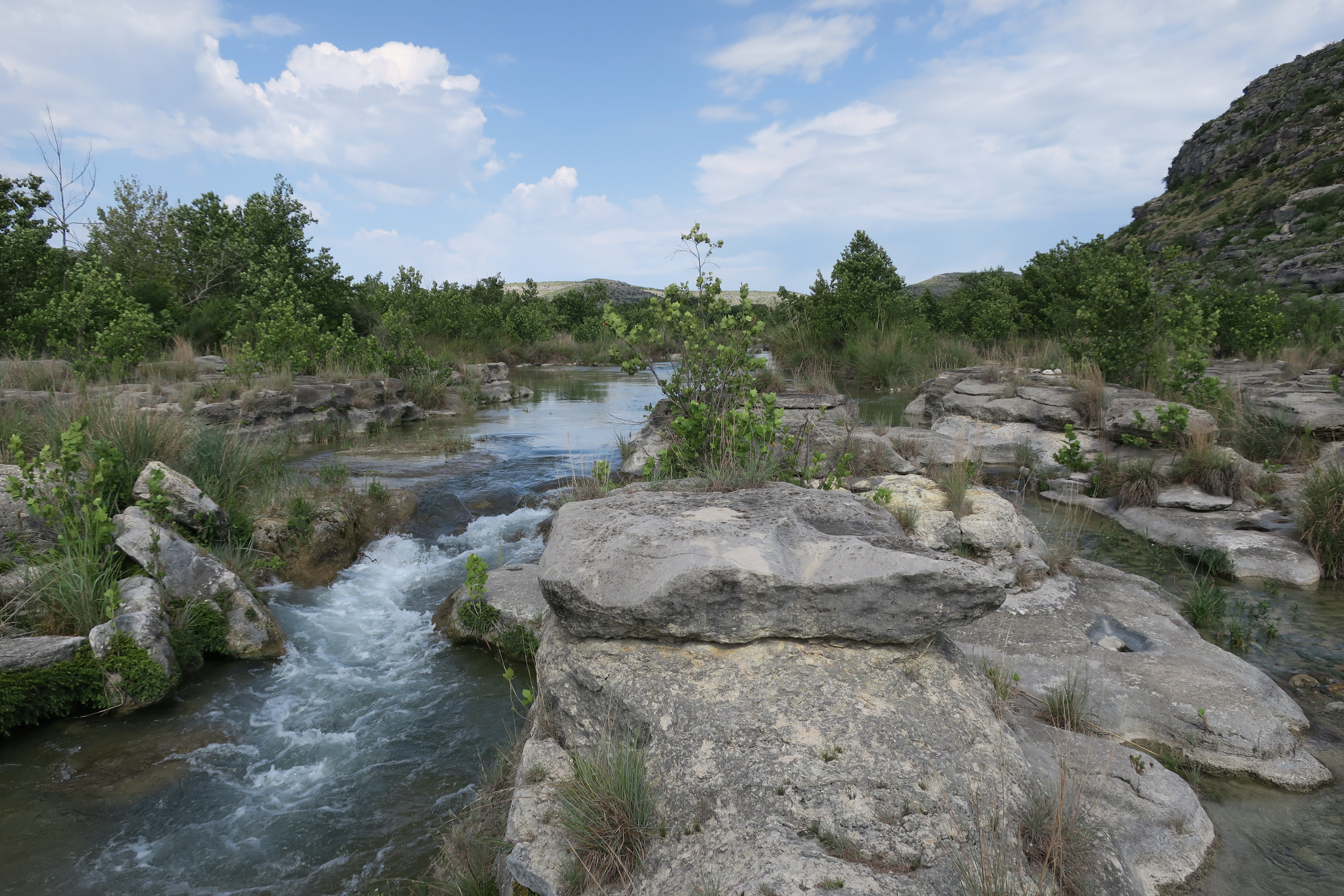
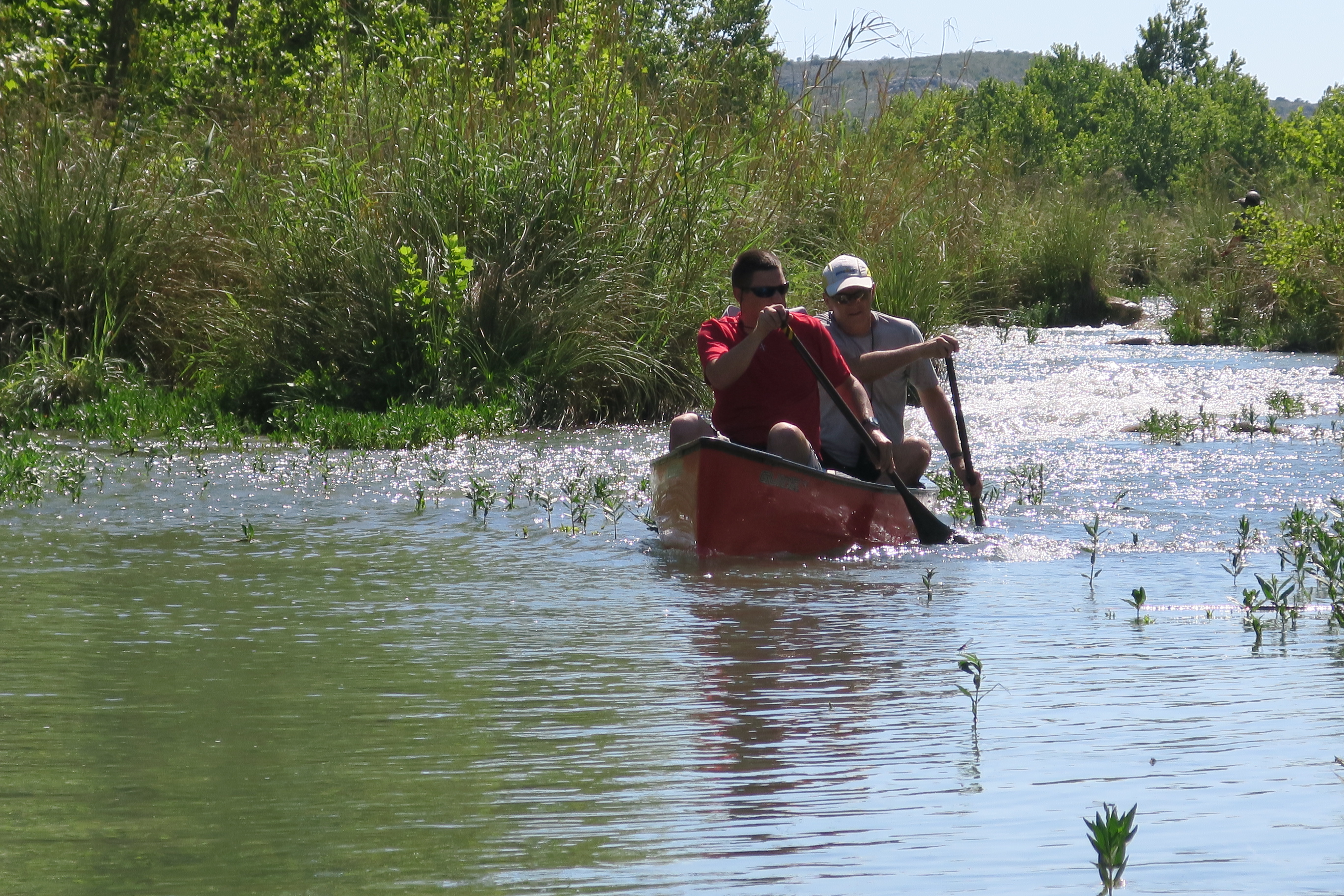 The banks of the river are lined with elm, sycamore, live oak, pecan, mountain laurel, and a variety of other trees and shrubs. The hills on either side are pockmarked with natural caves that beg to be explored. Dougal has found numerous arrowheads along the river banks on his property, an indication that native Americans once lived along this river.
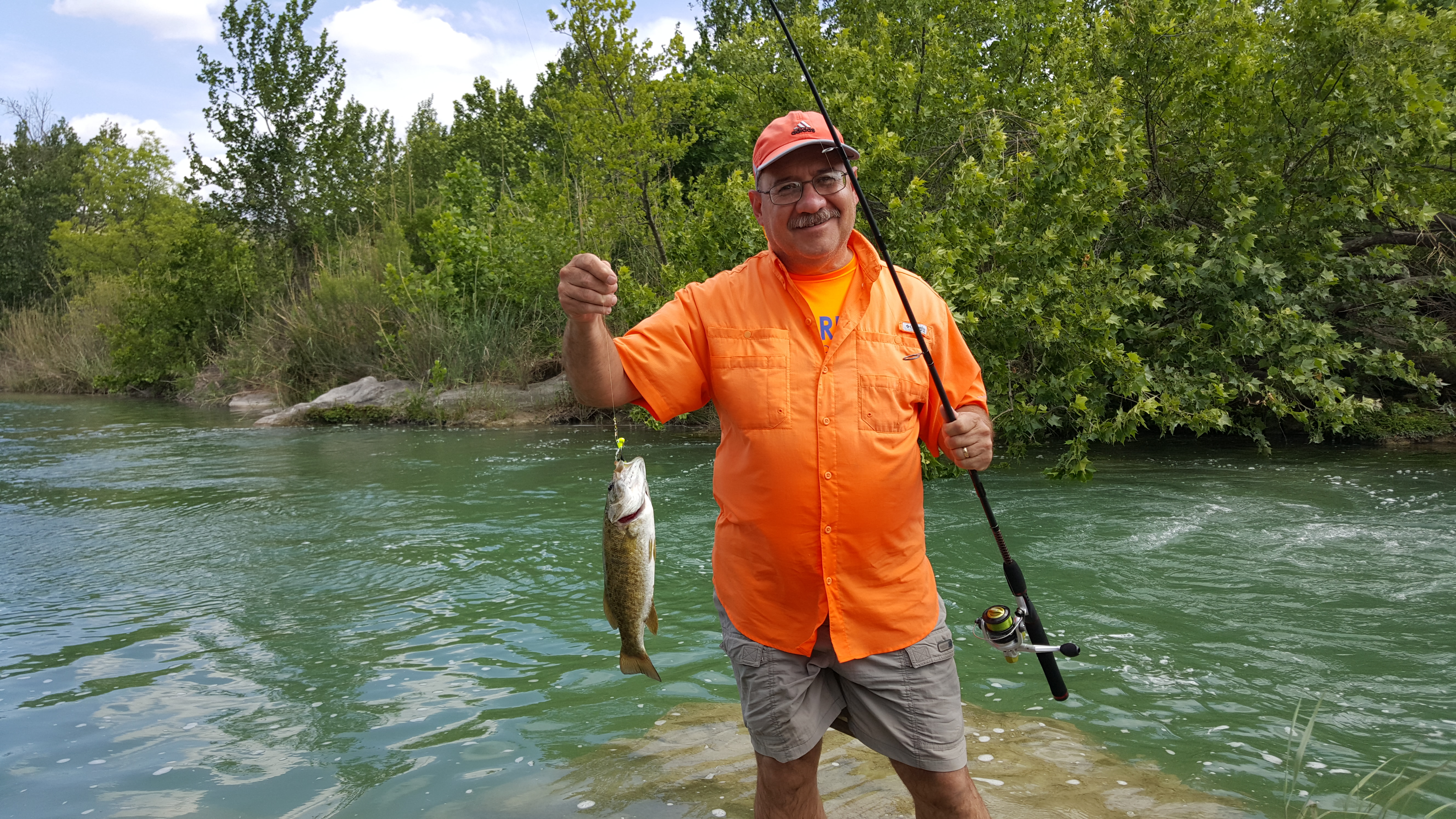 We did have an opportunity to fish along the way and caught and released several large and smallmouth bass. We spent the night on Game Warden Rock in the middle of the river. That was a cool experience. We slept under the stars and enjoyed an amazing display of thunder and lightning off in the distance. Jonathan summed it up by saying that while we may not have slept like a rock it was really cool sleeping on a rock.
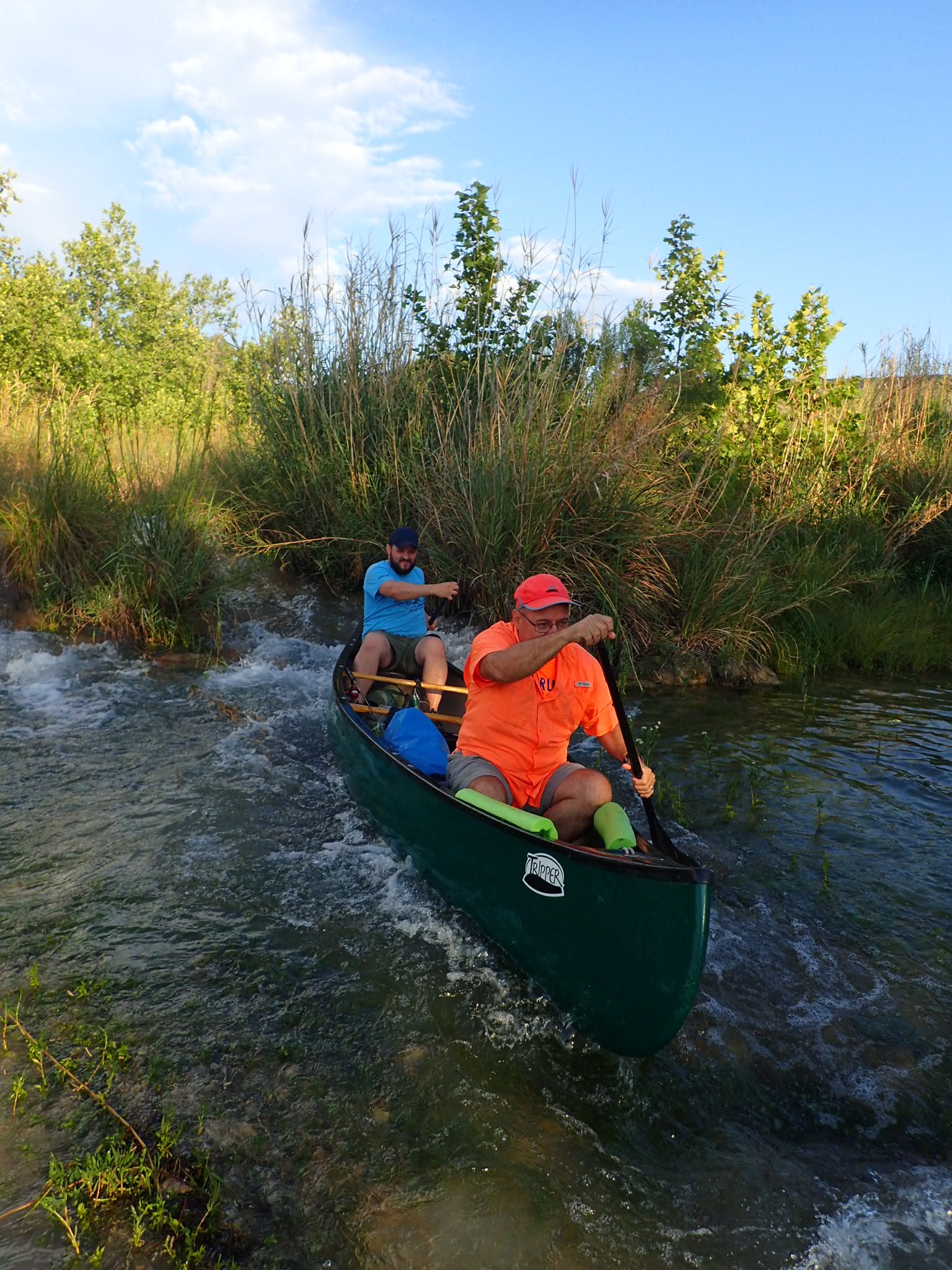 From Dolan Falls, we did something that I doubt few, if any, other paddlers have done. We paddled up river back to Dougal’s place. That meant, of course, portaging the many rapids and rocky shallows on the way back. No problem! This made for a great adventure and we actually made good time. We arrived back at Rocker U Ranch in time for a late lunch followed by a sumptuous evening meal. And we arrived with deep gratitude for having shared an adventure of a lifetime.
 The Devils River is a Texas treasure because of the efforts of the Nature Conservancy and local ranchers to protect the surrounding watershed, including nearly 150,000 acres in the Devils River basin. Paddlers must also do their part to protect this river. To learn more about preparing for a Devils River trip, visit the Texas Parks and Wildlife Department’s webpage. If you have an opportunity to visit the Devils River, I think you’ll agree that it is indeed a paddlers paradise.
Uncle Barney’s Old Fashioned Hamburgers
My burger adventures have led me to some of the best burger joints in the Lone Star State. One thing is certain, there is no shortage of places to eat really delicious burgers in Texas. On a recent road trip from Carrizo Springs to Katy, I reached San Antonio at noon and decided to stop at Uncle Barney’s Old Fashioned Hamburgers.
 I was glad to pull in to a full parking lot — always a good endorsement for an eatery. When I got out of my truck, the fragrant aroma of meat on a grill greeted me and quickened my steps. I arrived hungry and ready to try a new burger. Walking past the windows and catching a glimpse of folks chowing down on healthy-sized burgers got me even more excited about this place.
 Uncle Barney’s Burgers shares a building with the Hungry Farmer Steakhouse, their sister restaurant. According to a sign, Uncle Barney’s grinds their meat daily from the cuttings of steaks from the Hungry Farmer next door. And, to make matters really interesting, their hamburger patties are Texas-shaped.
 I knew exactly what I wanted when I walked up to the counter to place my order — a bacon cheeseburger with a side of onion rings along with a glass of tea. I’m glad I ordered the tea because tea refills are free. According to a sign at the counter, all other refills will cost you a quarter.
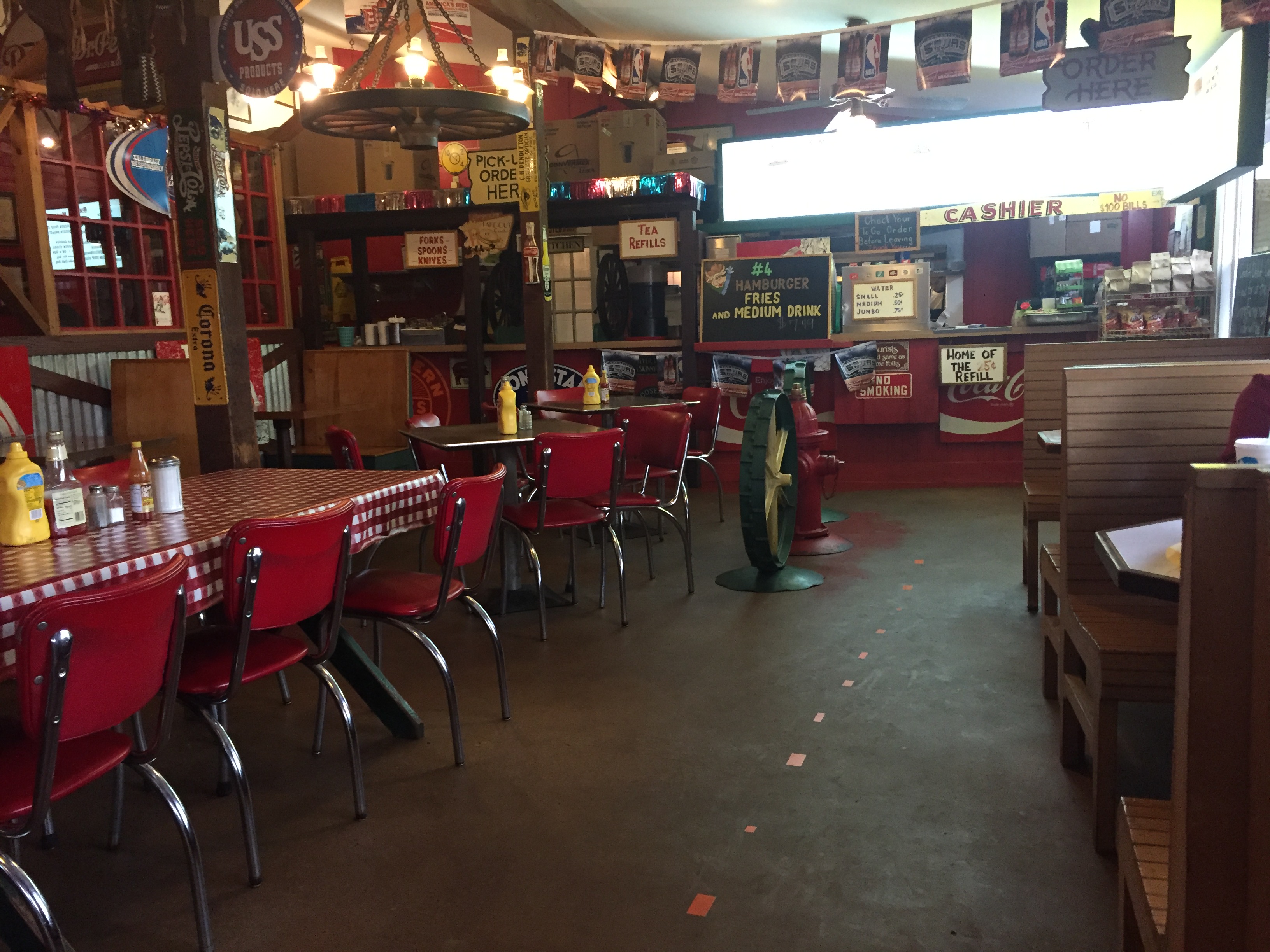 My burger arrived complete with onion rings in a paper-lined basket. Everything about this burger looked inviting. All of the ingredients were fresh. The meat was cooked to my liking. The bun was nice and warm. As for the first bite — very tasty. The only problem I had was trying to compress the burger enough to bite into it. But, somehow I managed to do a lot of damage to this burger.
 I’m not sure how much the Texas-shaped patty weighed but it was a significant about of meat. In fact, for the first time on my burger adventures, I am embarrassed to say that I was not able to finish this burger. It was just a little more food than I could handle on this particular day. I hated to leave any portion of a burger this good on the table but I had no choice. I was stuffed!
 I’m glad I stopped at Uncle Barney’s and recommend it without hesitation. The restaurant was clean and the food was delicious. Eating a burger at a place like this definitely beats eating a burger at any fast food chain any day of the week. The next time you head out on a Texas road trip, keep your eyes open to interesting places to grab a bite and live adventurously.
Attwater Prairie Chicken
The words endangered species generally bring to mind visions of exotic animals in faraway places. Animals like the black rhinoceros or the Asian elephant or the bandicoot of Australia. However, unbeknownst to many, the Lone Star State has its own critically endangered species — the humble Attwater prairie chicken.
What is a prairie chicken, you ask?
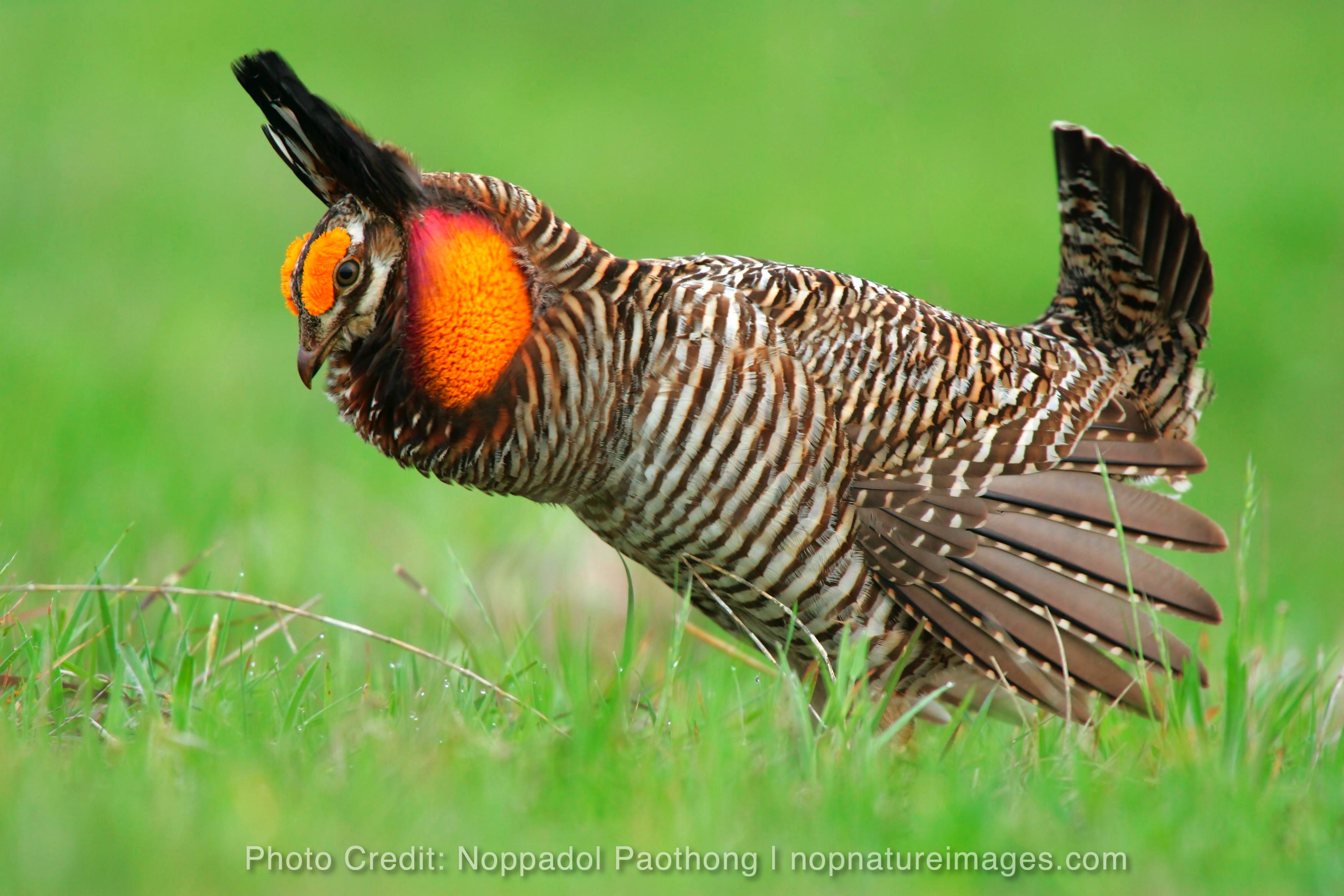 The Attwater prairie chicken is one of the most endangered birds in North America. A member of the grouse family, this barred brown and tan bird is unique to the coastal prairies of Texas and Louisiana. A hundred years ago they numbered up to an estimated one million birds. Today, the few remaining birds are protected by the Endangered Species Act of 1973.
 The Attwater Prairie Chicken National Wildlife Refuge is home to the remaining population of this ground-dwelling grouse. The prairie chicken is a fascinating bird. Each spring, the males of the species gather to perform an elaborate courtship ritual that includes inflating their yellow air sacs and emitting a strange, booming sound. Rangers at the refuge can tell you the best seasons and times to catch a glimpse of these remarkable birds.
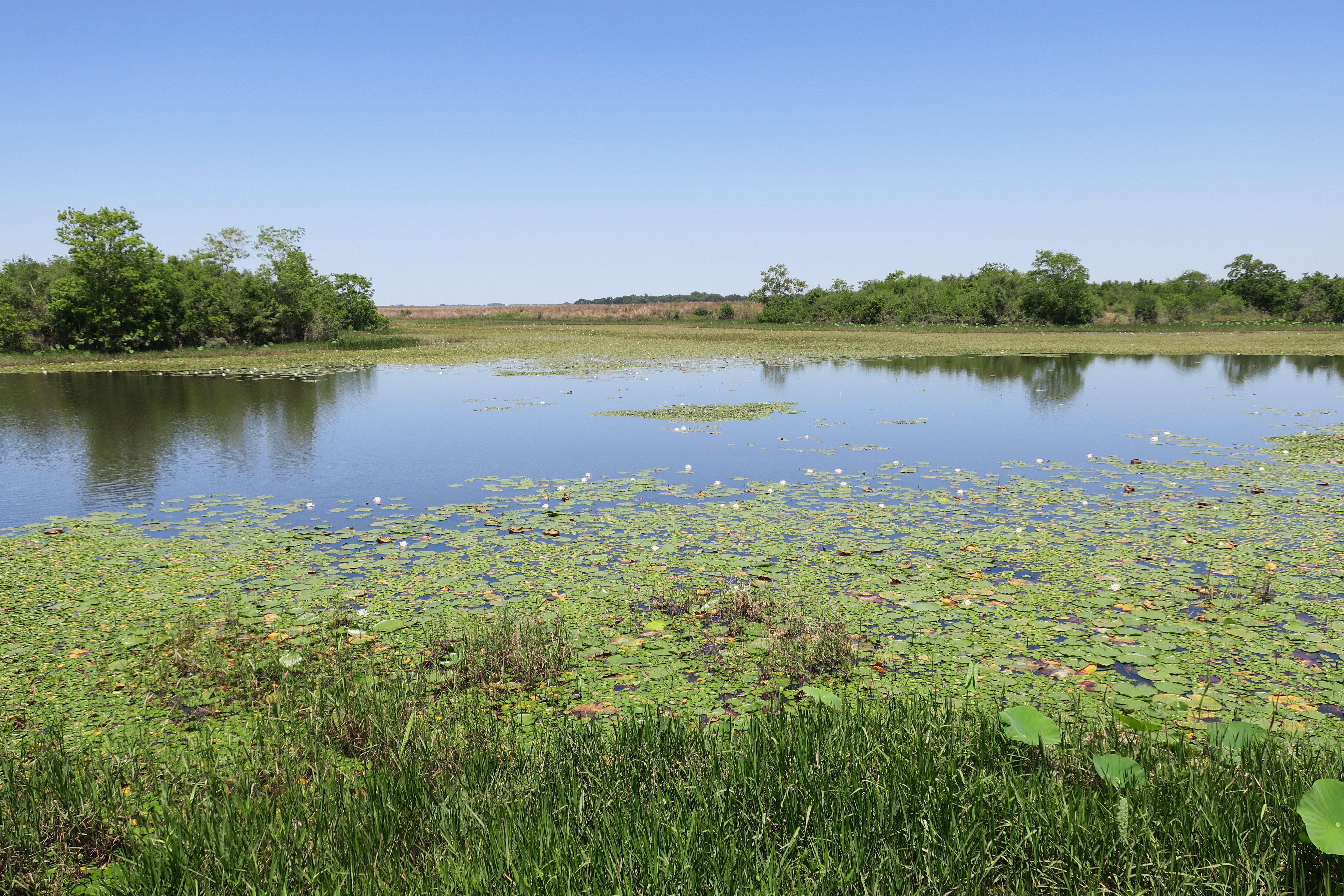 Development along the Gulf Coast over the years has claimed almost six-million acres of prairie, pushing the prairie chicken to the edge of extinction. The survival of this endangered species depends on the faithful stewardship and careful management of the prairie chicken’s declining ecosystem. Today, less than 200,000 fragmented acres of prairie remain, including the 10,339-acre Attwater Wildlife Refuge.
 Places like the Attwater Wildlife Refuge are important because they are a haven for native and migratory birds. The Attwater Refuge is one of a few refuges managed specifically for an endangered species. Intentional efforts to protect prairie chicken hatchlings, for example, increases the likelihood that their numbers will continue to steadily rise and once again grace our remaining prairies with their courtship dance.
 The Attwater Prairie Chicken National Wildlife Refuge is located southwest of Sealy and northeast of Eagle Lake. The refuge is easily accessible and offers a car route, hiking trails, wildlife viewing stands, and acres of beautiful vistas in every direction. The headquarters features a remarkable display of birds native to the region and a brief orientation video.
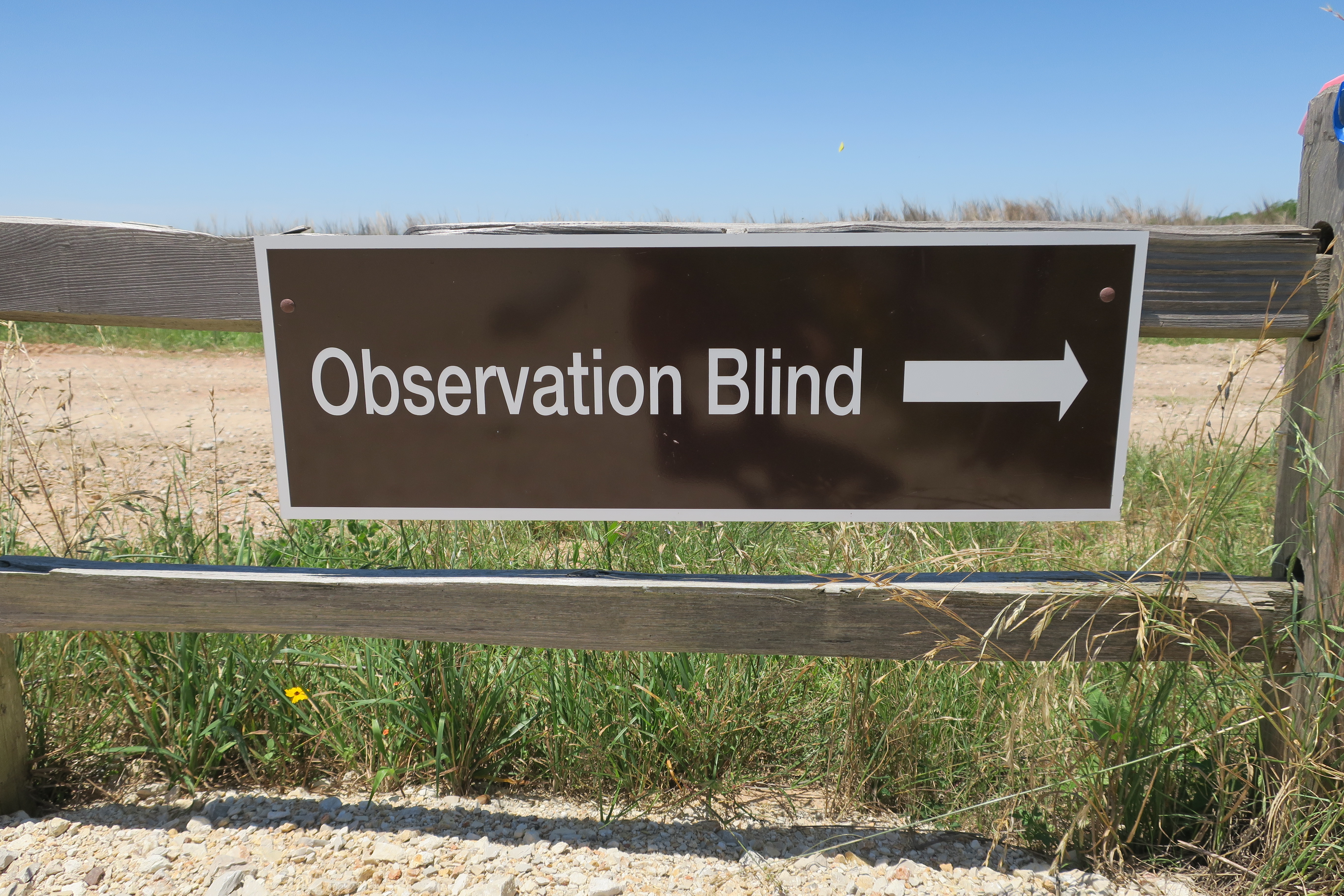 If you are looking for a day trip near Houston, check out the Attwater Prairie Chicken National Wildlife Refuge. You will enjoy the vistas, the fresh air, and learning about the birds and plants native to our remaining gulf coast prairies.
 Explore Texas