A Stroll Along Shoreline Drive

Shoreline Drive in Corpus Christi is one of my favorite drives in the Lone Star State. There is just something about looking out at the vast expanse of Corpus Christi Bay that I find soothing. During the years I lived in the Sparkling City by the Sea, I often ventured to Shoreline Drive to eat my lunch. I always enjoyed watching ships come into the port, recreational boats skipping across the waves, and birds dancing on the warm breezes.

CC Bay BoatsWhenever I visit Corpus Christi, I especially like driving over the Harbor Bridge at night because it affords a cool view of the lights reflecting off the water. At Christmas, this entry point is especially beautiful because of the colored lights on the bridge and the buildings. Definitely worth seeing this iconic bridge at night.

On a recent visit, I took a stroll along the waterfront. My earliest memories of Shoreline Drive are of coming here on vacation with my family when I was just a few years old. My Mom and Dad took my sister and me to the t-heads where we met and talked with shrimpers. And then they took us out on a boat excursion where we held up crackers for the seagulls to eat. Dad captured these special moments on his 8mm camera.

CC ShrimperI thought a lot about those happy days as I walked slowly beside the shrimp boats. I stopped and had a nice chat with one shrimper — a colorful character with a weathered face, bushy mustache, raspy voice, and one arm. Shrimping is hard work and I wondered how the one-armed man was able to manage the equipment on his boat. Somehow he did.

CC Shrimper 2While chatting with the shrimper, a couple visiting from China stopped to buy some shrimp from him and joined in the conversation. We all had an enjoyable visit. I believe that it’s definitely worth slowing down and taking the initiative to meet people, even if we only have a few minutes to spend with them. You never know how investing a few minutes in someone else might be just the thing they needed or you needed to brighten your day.

Shrimp BoatsI enjoyed my nostalgic stroll down Shoreline Drive. And I’m grateful that my Mom and Dad modeled for me the importance of slowing down and meeting others in those early years when we stopped to meet and talk with shrimpers on our visit to Corpus Christi. People, after all, are what make the places we visit interesting and meaningful.

If you have not yet visited Corpus Christi, I encourage you to plan a visit. Shoreline Drive is very visitor friendly. There are safe places to park your car and to take a stroll along the bayfront. And, of course, there are some really good places to eat along Shoreline Drive. I’ll post soon about biking along the bayfront.

Huntsville State Park Trails

Huntsville State Park offers 21 miles of trails through the natural beauty of the East Texas Pineywoods. Two of my favorite trails at the park are the Triple C and the Chinquapin Trails. These two trails wind their way through one of the most beautiful forested sections of the park. I was especially excited to hike the Triple C Trail — named in honor of the work of the Civilian Conservation Corps.
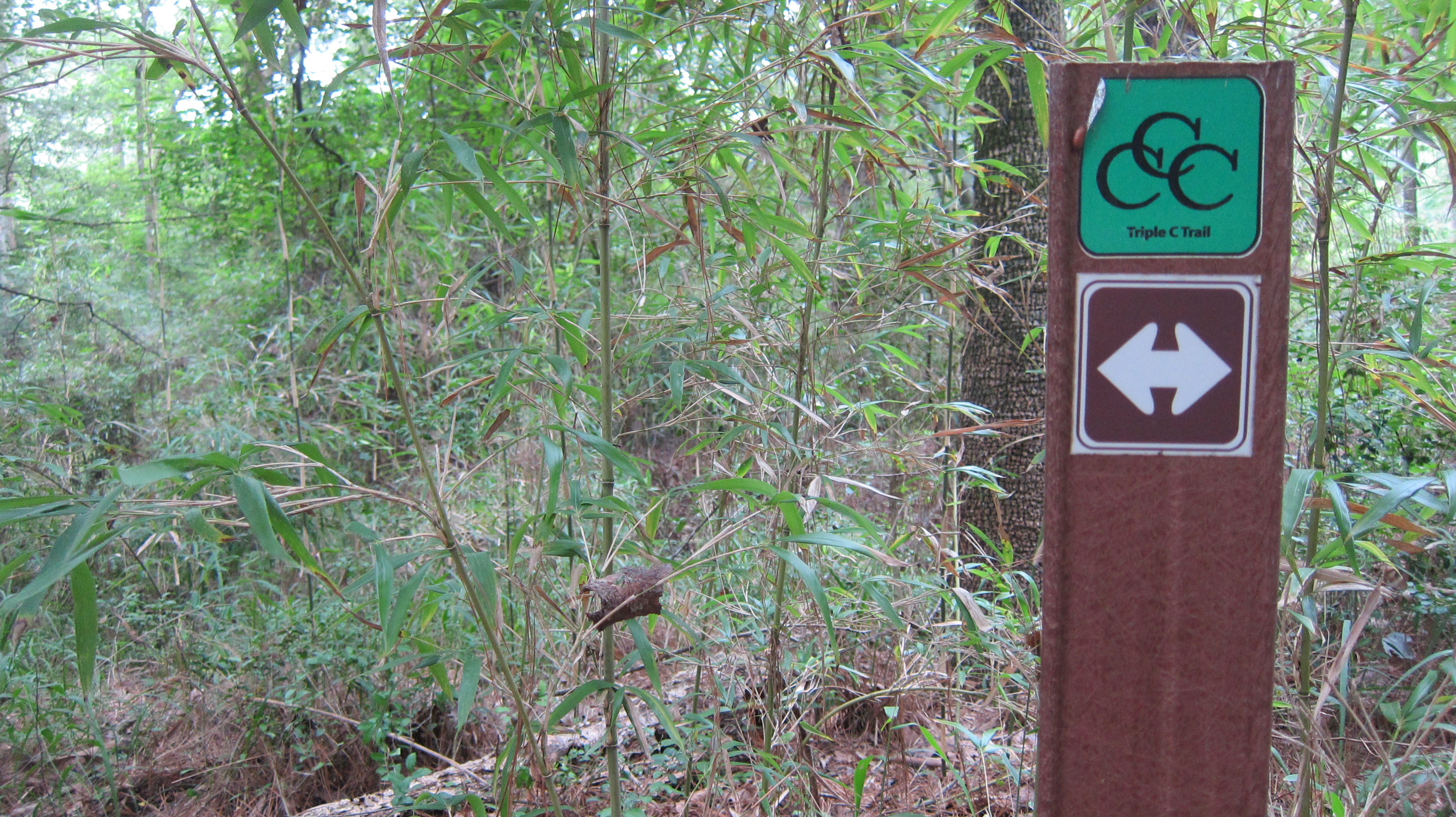
Triple C TrailThe Civilian Conservation Corps (CCC) was formed in March 1933 when our nation was in the grip of the Great Depression. With more than twenty-five percent of the population unemployed, President Franklin Delano Roosevelt took decisive action to help the unemployed. The CCC was one of Roosevelt’s first New Deal programs and harnessed the strength of our nation’s youth to help conserve our natural resources.
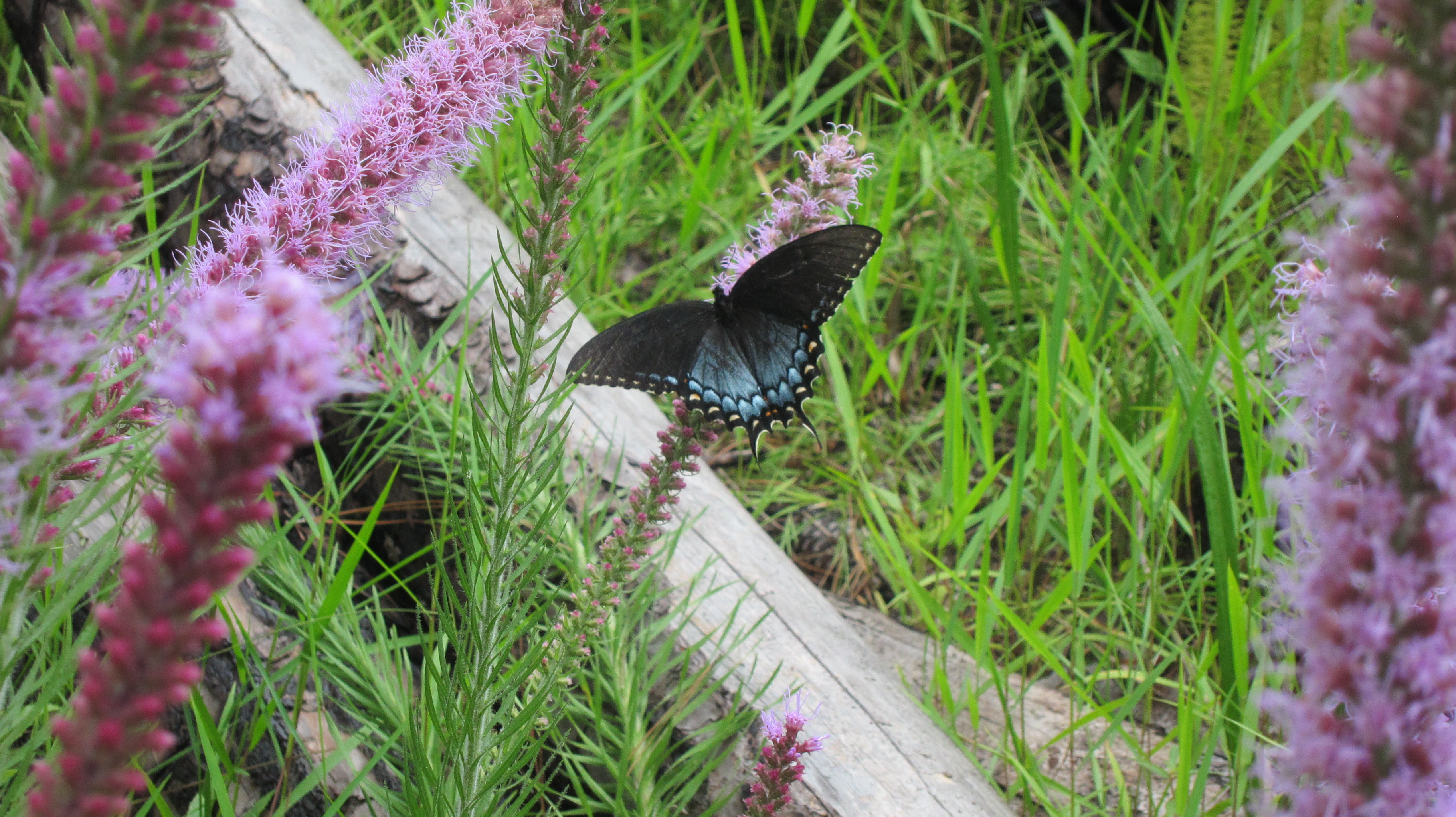
Butterfly at HSPOperating from 1933 to 1942, the CCC engaged in conservation initiatives in national and state parks around the nation. Today, the CCC is recognized as the single greatest conservation program in our history. The conservation initiatives of the program not only developed young men through disciplined outdoor labor, they also fueled concern for our natural resources and laid the foundation for the tenets of modern conservation.
Huntsville SP MapAs I hiked the Triple C Trail, I thought about the young men who labored during the Great Depression in the area near the trail. Their boot prints are no longer visible in the East Texas soil. Their names are not recorded on any plaque. The only thing that remains are remnants of their labor along a trail through the woods — one that has given countless numbers of people across the years access to one of the most beautiful places in the Lone Star State.
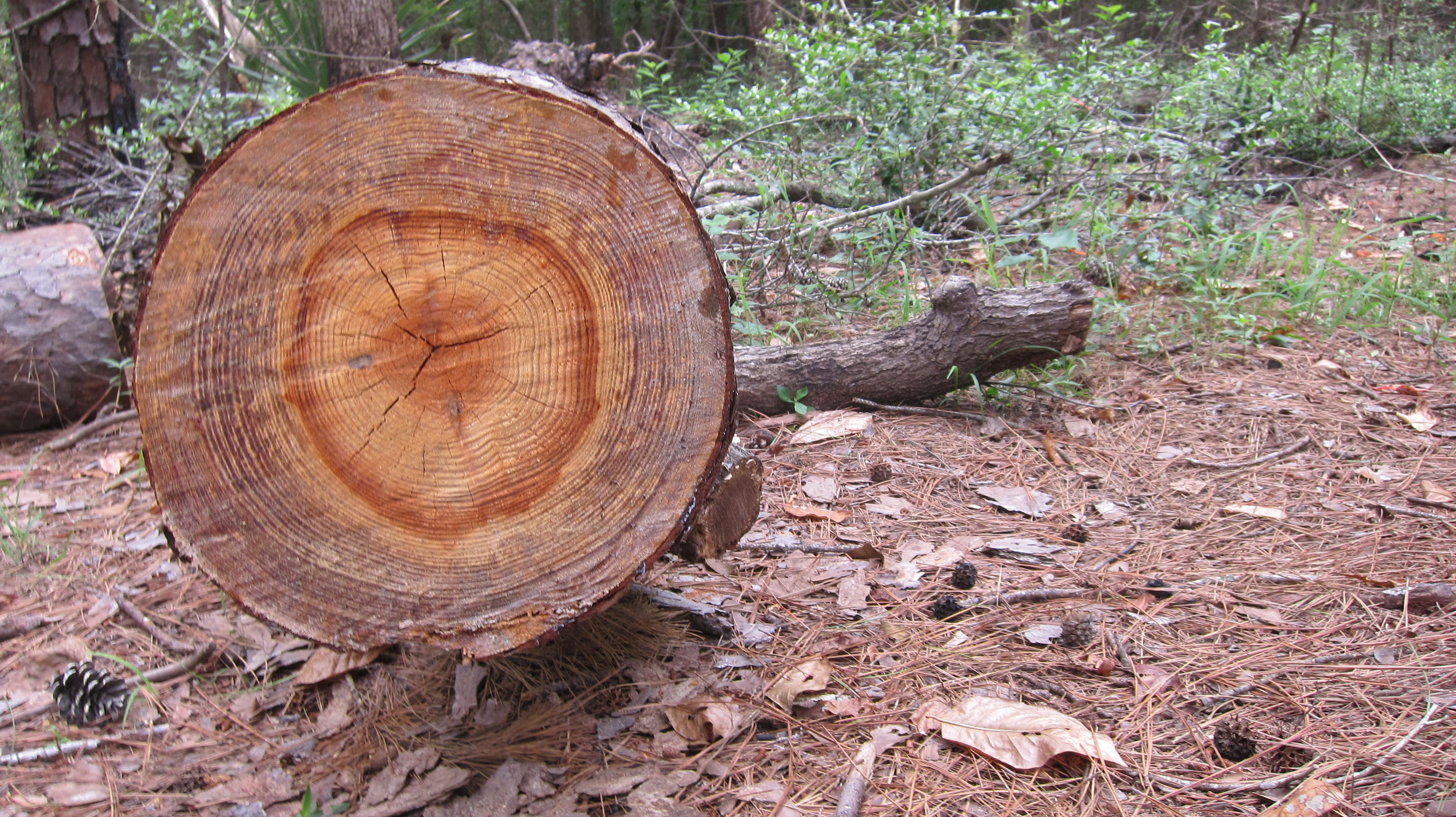
Log at HSPWhen you think about it, we are all the beneficiaries of the labor of those who came before us or those who worked hard to make something that we enjoy today. Whether a hiking trail or a home or even the car that we drive, our lives are made better in many ways because of the labor of others.
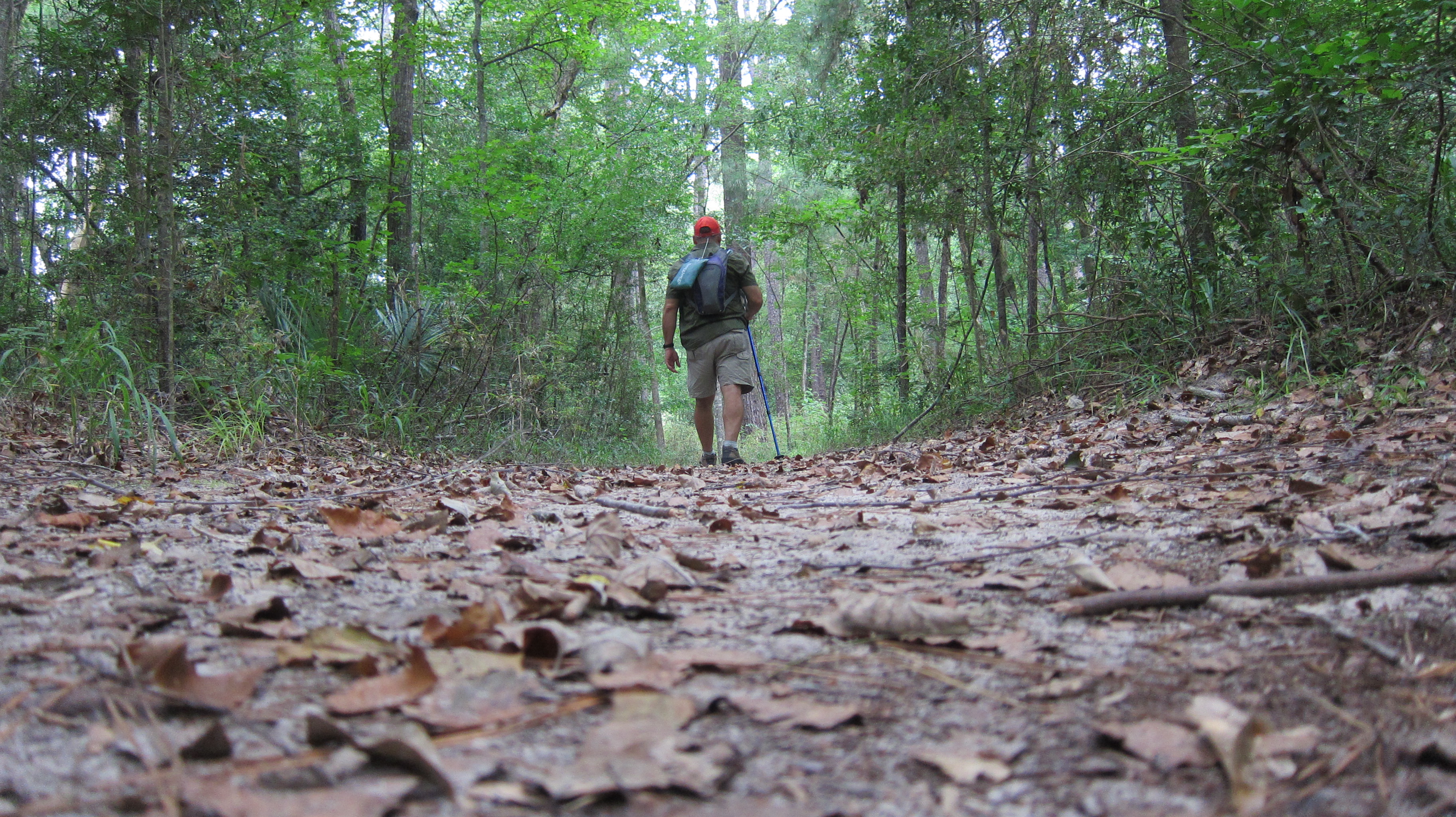
Omar Hiking at HSPThe next time you are in East Texas, swing by Hunstville State Park, lace up your hiking boots, and hit the trail. And, as you walk among the tall trees, make it a point to think about the young men who lived during the Great Depression and were a part of a program that inspired the preservation of our natural resources for the enjoyment of generations to come. May their example inspire us to leave a legacy that can be enjoyed by future generations.

Fishing Matagorda Bay

Washington Irving, the author of The Legend of Sleepy Hollow, said, “There is certainly something in angling that tends to produce a serenity of the mind.” I agree with Irving. There is indeed something therapeutic about being outdoors — especially casting a line into a body of water and the accompanying anticipation of catching a fish. Being outdoors is good medicine and even more therapeutic when you share your outdoors adventures with good friends.

I recently read The River of Doubt by Candice Millard, the account of Theodore Roosevelt’s epic journey to map an uncharted tributary of the Amazon River in Brazil. “Throughout his adult life,” Millard wrote, “Roosevelt would relish physical exertion, and he would use it not just to keep his body fit and his mind sharp but as his most effective weapon against depression and despair.” Dr. Christian Scirica, a physician at Massachusetts General Hospital would agree. He believes that “exposure to natural environments … improves physical and emotional health.”
At Matagorda BayI have had the privilege of having some fun fishing adventures on Matagorda Bay thanks to my friend Holloway Sinclair. Everyone in the large Sinclair family loves the outdoors and often share adventures together. More than that, they enjoy inviting others to join them. I’m grateful for their kindness in inviting me to join family and friends to fish with them at one of the most beautiful coastal areas in the Lone Star State.

Having a knowledgeable fishing guide is important. Although there are some really great guides at Matagorda Bay, it’s been my privilege of fish with Captain Keith Phillips of Red Fish Matagorda. He is an expert fishing guide with a great sense of humor. If you fish with Keith, then count on laughter being a big part of the experience. Keith knows the coastal waters, where to find the fish, and how to make the experience enjoyable.
Foursome FishFor an occasional angler like myself, I am amazed at Keith’s attention to detail. He looks at the water, the currents, the wind, the marshes, and everything about the environment to determine where to find the fish. He knows exactly where to cast each line. And, with a single glance at the slightest movement of your fishing rod, he will know before you do that a fish is about to take the bait.

Fishing is enjoyable. However, sharing the adventure with friends makes the experience far more meaningful and fun. And, like Irving said, spending the day fishing will produce “a serenity of the mind.” Breathing the fresh gulf air, getting soaked by a sudden rain, catching our respective limits, and enjoying laughter and conversation with friends — these are the things that can refresh and revive even the most stressed soul.
Ryan Rush with RedfishI encourage you to find time to get outdoors with family or friends. Enjoy the serenity that comes from taking in beautiful vistas, breathing fresh air, waiting for fish to bite, or whatever you enjoy doing in the great outdoors. You’ll be glad you did. And, if you want to enjoy a really fun fishing adventure, then give my friend Captain Keith a call. You’ll definitely enjoy your time with him and you will definitely catch fish!

Record Your Own Texas History

I have always enjoyed going home — back to the places where my childhood memories were made. On a recent trip to visit my Dad, I listened to a 2-hour taped interview between my uncle and my grandfather. This recording was made on January 15, 1975. The cassette had been tucked away for years for safe keeping. As soon as my grandfather started speaking, memories flooded the room and engulfed me in waves of pensive emotions.

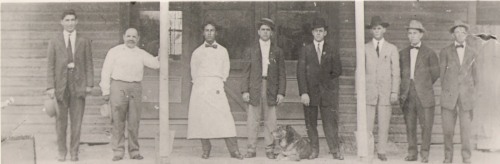
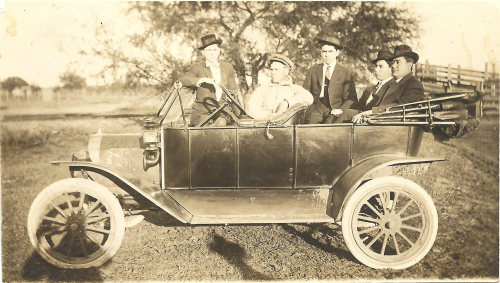
My grandfather (center) and friends. | San Diego, Texas | circa 1911

My grandfather (center) and friends. | San Diego, Texas | circa 1911

The interview was fascinating. My grandfather talked a lot about his family. He told the story of returning to his mother’s home to visit his grandfather. While there, his grandfather died. So, he negotiated with the local blacksmith, who also had carpentry skills, to have a coffin made and then arranged for his grandfather’s burial. He also spoke about his first school teacher and classmates and what life was like growing up on a ranch.

My Grandfather and Friends | San Diego, Texas | circa 1912

My Grandfather and Friends | San Diego, Texas | circa 1912

I especially liked his story about traveling from the family ranch near San Diego, Texas all the way to California in 1917. My grandfather talked about the route and how difficult it was to drive on the poor and sometimes impassable roads in those days before any highways or the interstate highway system. And when he arrived in Hollywood he learned that they were filming a western and applied to be an extra since he was a skilled cowboy.

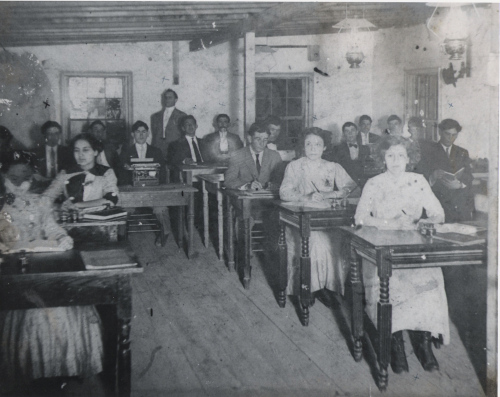
My grandfather’s business school classmates.

My grandfather’s business school classmates.

One of the most riveting parts of the interview was the time he served as an election judge in Duval Country, known for its political intrigue. When a particular election did not go as some in power had hoped, two police officers were sent to arrest him and take the ballot boxes from him before he could get them to the county courthouse. My grandfather did not give up the ballot boxes, asked to see the warrant for his arrest (none was offered), and succeeded in getting the voting results to the courthouse. He was never arrested.

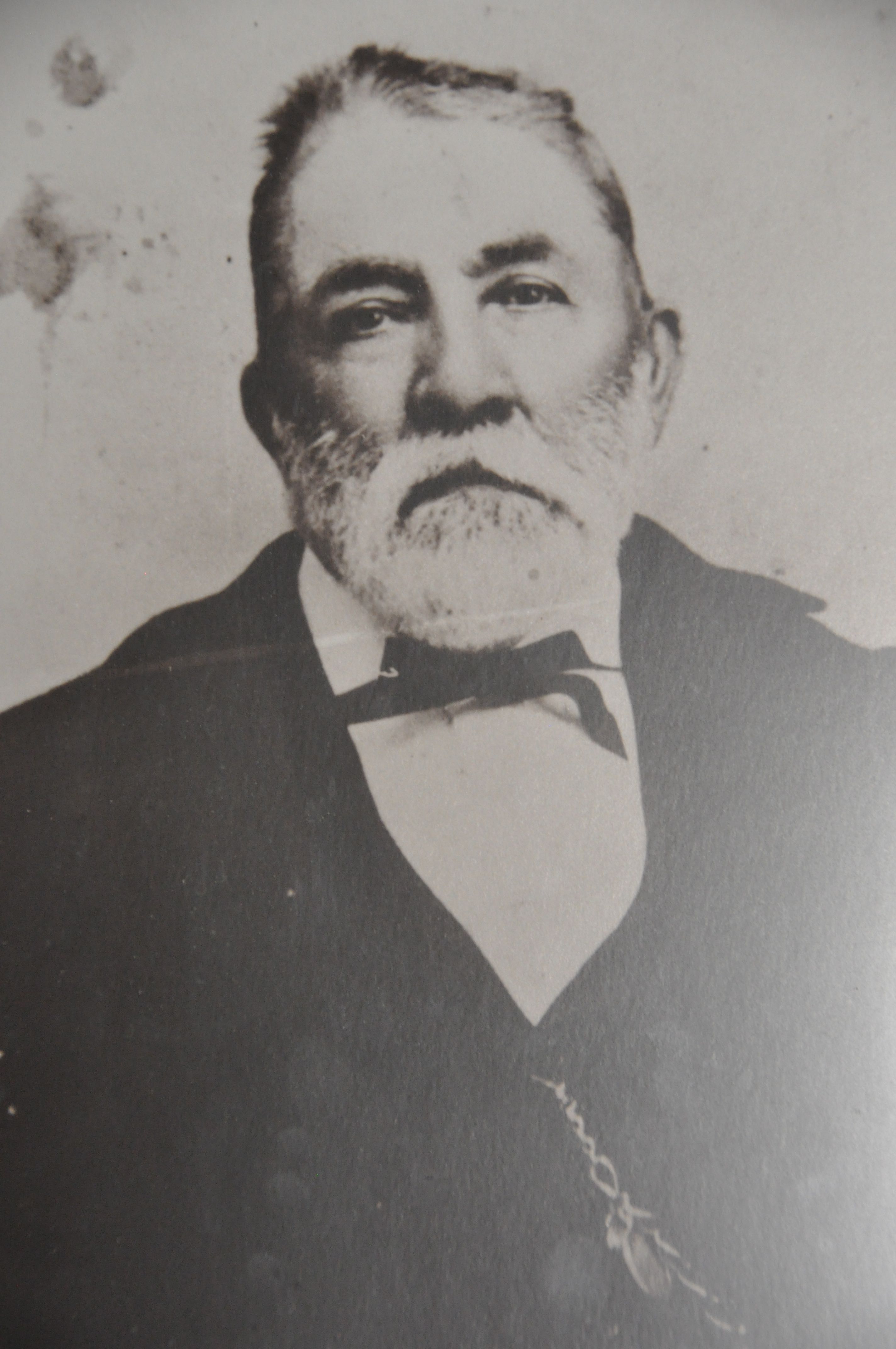
My grandparents, Felipe and Lucy Garcia.

My grandparents, Felipe and Lucy Garcia.

I loved every story he told, including the account of marrying my grandmother, starting the first Boy Scout troop for Hispanics in Duval Country and later in the Rio Grande Valley, enlisting in the First World War, and so many other great stories. Had my uncle not interviewed my grandfather, all of these wonderful memories would have been buried with him. And although I had heard some of these stories when I was a kid, it was good to hear them again as an adult. I appreciate them so much more. They are treasures. They are a part of the history of my family.

1955 reunion of Boy Scout Troop 20, started by my grandfather (front right).

1955 reunion of Boy Scout Troop 20, started by my grandfather (front right).

I believe in the importance of recording family history lest it fade from memory, never to be seen or heard again. In this day of digital devices, there are no good excuses for failing to be a family historian. Here are a few practical suggestions for recording your family’s Texas history.

Interviews | Interview your grandparents and parents. Ask them to share stories about their childhood and your family that you can share with your children. If possible, interview them at a place that will awaken dormant memories.

Photographs | Sit with your family’s elders and ask them to tell you the stories associated with old photographs. Record the stories and names of the people in the photographs. Use a photo service to create photo books that can be easily reproduced and shared with family members.

Technology | Record interviews on video and audio devices. Ask family members specific questions about your family’s history. Be sure to ask them about how they responded to key events like the Kennedy assassination or the lunar landing.

Holidays | Use holidays, reunions, and other times when your family gathers together as a time to talk with older family members and to record some of your family’s history. Talk about traditions, vacations, celebrations, and getting through hard times together.

Journal | Don’t neglect to record your own history in a journal or even on a blog. By doing so you will ensure that your own kids will have access to your story.

Guadalupe Peak

Guadalupe Peak, the highest point in Texas, is located where the northern edge of the Chihuahuan Desert meets the southern tip of the Rocky Mountains.

Rising a modest 8,750 feet above sea level, Guadalupe Peak is not high compared to other peaks in the world. And, it’s not even considered the signature peak of the Guadalupe Mountain range. That designation belongs to the massive 8,085-foot high limestone bulwark known as El Capitan.
Omar GP Summit PicGuadalupe Peak is, however, the highest place you can go in the Lone Star State — and that alone makes the strenuous hike to the top worthwhile.
Guadalupe MountainI started my journey to the highest point in Texas long before I packed my gear. Before venturing to the Guadalupe Mountains National Park, I read everything I could find on Guadalupe Peak and watched several YouTube videos posted by hikers who had made the trek to the top of the mountain. I also studied trail maps to get a better understanding of the trail and its many switchbacks.

When I arrived at the park I checked in at the park office and chatted with the rangers about the hike. I spent the night at the campground and was up before sunrise the following day. I filled my hydration pack, tossed some Cliff Bars into my pack, grabbed my trekking pole and headed for the trailhead.
On TheTrail to GPThe trail to the top of Guadalupe Peak is just over four miles, but it’s all uphill. The National Park Service has rated this hike as strenuous because the trail steadily rises 3,000 vertical feet along the way. They are not kidding when they say strenuous. It was very strenuous.
Stair Steps to GPThe first mile and a half of the hike is the toughest because of the drastic elevation gain. Hiking this section of the trail is like climbing uneven stairs for a mile and a half. After that point, the trail has lots of switchbacks that steadily take you higher and higher into these mountains that were once the stronghold of Mescalero Apaches.
El Capitan from GPThe trail to the top go Guadalupe Peak is absolutely breathtaking. The final section of the trail offers a fantastic view of the backside of El Capitan and the surrounding country. After 2 hours and 50 minutes, I hiked the final switchback to the top and shouted for joy when I saw the marker at the top of the peak.

There are no words to describe what I felt when I reached the highest point in Texas. I was a kid again. I spent about 30 minutes at the summit — enjoying the view and the solitude.

On the way down I met a guy named Chet, the only other person who hiked to the summit on that day. We had a nice conversation and thought it was cool that he and I were the only two human beings on the face of the earth who stood on the highest point in Texas on December 2, 2014.
GP Summit PicI smiled all the way down the mountain and logged a round-trip time of 5 hours and 40 minutes. Not bad for a 58 year-old guy who is still wild at heart. Standing on the highest point in Texas was an experience I will never forget. Hiking to the highest point in Texas should definitely be on the bucket list of any able-bodied Texas adventurer.

Law West of the Pecos

There is no question that Texas is big and vast. In Texas you measure distance by hours rather than miles — a lesson I learned when I traveled on a hot school bus from the Rio Grande Valley to the Buffalo Trails Scout Ranch in the Davis Mountains in 1972. One of the most memorable parts of that long journey was stopping at Langtry to visit the Jersey Lilly, the place where the legendary Kentucky-born Judge Roy Bean dispensed justice in the late 1800’s.

Roy Bean called himself the “Law West of the Pecos.” I first learned about Judge Roy Bean from my grandfather when I was a kid growing up in Mission, Texas. My grandfather was a real estate broker and served on the Mission City Council. One year he was recognized as the oldest city commissioner actively serving in the state of Texas. He also provided notary and translation services to folks in town. And, he loved Texas history.

Law West of the PecosMy grandfather leased a part of his office to a man named Leo Gonzalez, the local Justice of the Peace. Judge Gonzalez had an old painting of the Jersey Lilly hanging on the wall in his office above a sofa. The building in the painting had a sign prominently displayed above its entrance: Judge Roy Bean | Notary Public | Law West of the Pecos. That was my introduction to Judge Roy Bean.

Judge Roy Bean PicMy grandfather shared amusing stories with me about the colorful Judge Roy Bean. It’s hard to separate fact from fiction when it comes to Judge Bean. But there is no question that he was a fascinating character in Texas history. He owned a single law-book but rarely referred to it. Instead, he dispensed his own brand of justice. Once, Judge Bean fined a corpse, ironically for the exact amount that the deceased man had in his pocket when he had died! But, in the lawless and desolate Chihuahuan Desert of West Texas, Judge Bean was the man for the job.
Boy Scouts at Jersey LillySo, when my Boy Scout Troop leader announced that we would be traveling to the Davis Mountains and would visit the Jersey Lilly along the way, I was excited to have the opportunity to see a place I had heard so much about. Since that first visit to Langtry with Boy Scout Troop 68, I have stopped by the Jersey Lilly on a couple of other occasions.

Langtry and the Jersey Lilly reek of the gritty old west. I love walking around the place, perhaps because it makes me nostalgic and reminds me of my grandfather, Judge Gonzalez, and the old painting hanging on the wall in his office.

I am fortunate that my grandfather stirred my imagination and nurtured my curiosity by telling me stories about colorful Texas characters like Judge Roy Bean. Texas has no shortage of interesting people and places that can connect us to the rich history of the Lone Star State.

If you have never visited Langtry, I encourage you to add it to your list of out-of-the-way places worthy of a visit. You’ll enjoy walking back in time to the days when Judge Roy Bean dispensed his sometimes quirky brand of justice in the vast Chihuahuan Desert west of the Pecos.

Texas Star Cafe

A friend introduced me to the Texas Star Cafe a few years ago — and I am glad he did! Located on FM 1094 in New Ulm, this small town cafe is big on delicious home cooked meals offered in Texas-sized portions. On my first visit I sampled their chicken fried steak. “Order the small one,” my friend advised, “or you won’t be able to eat it all.” He was right!
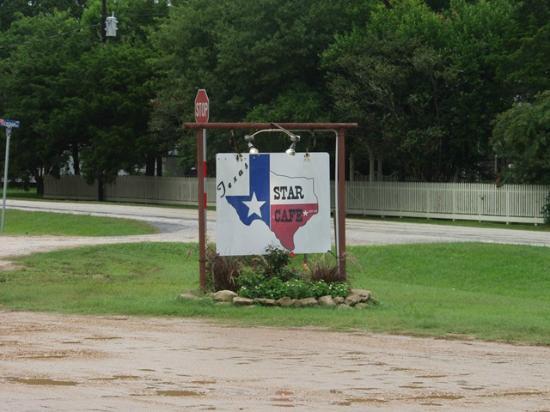
Texas Star Cafe SignOn my most recent visit I tried one of their hamburgers for the first time. For whatever reason, I have been on a quest to find the best burgers in Texas this year. So, I wanted to try one of the many burgers on the menu at the Texas Star. Figuring out what to order was easy. I ordered the Jalapeño Bacon Cheeseburger with a side of their homemade onion rings and a tall glass of iced tea.
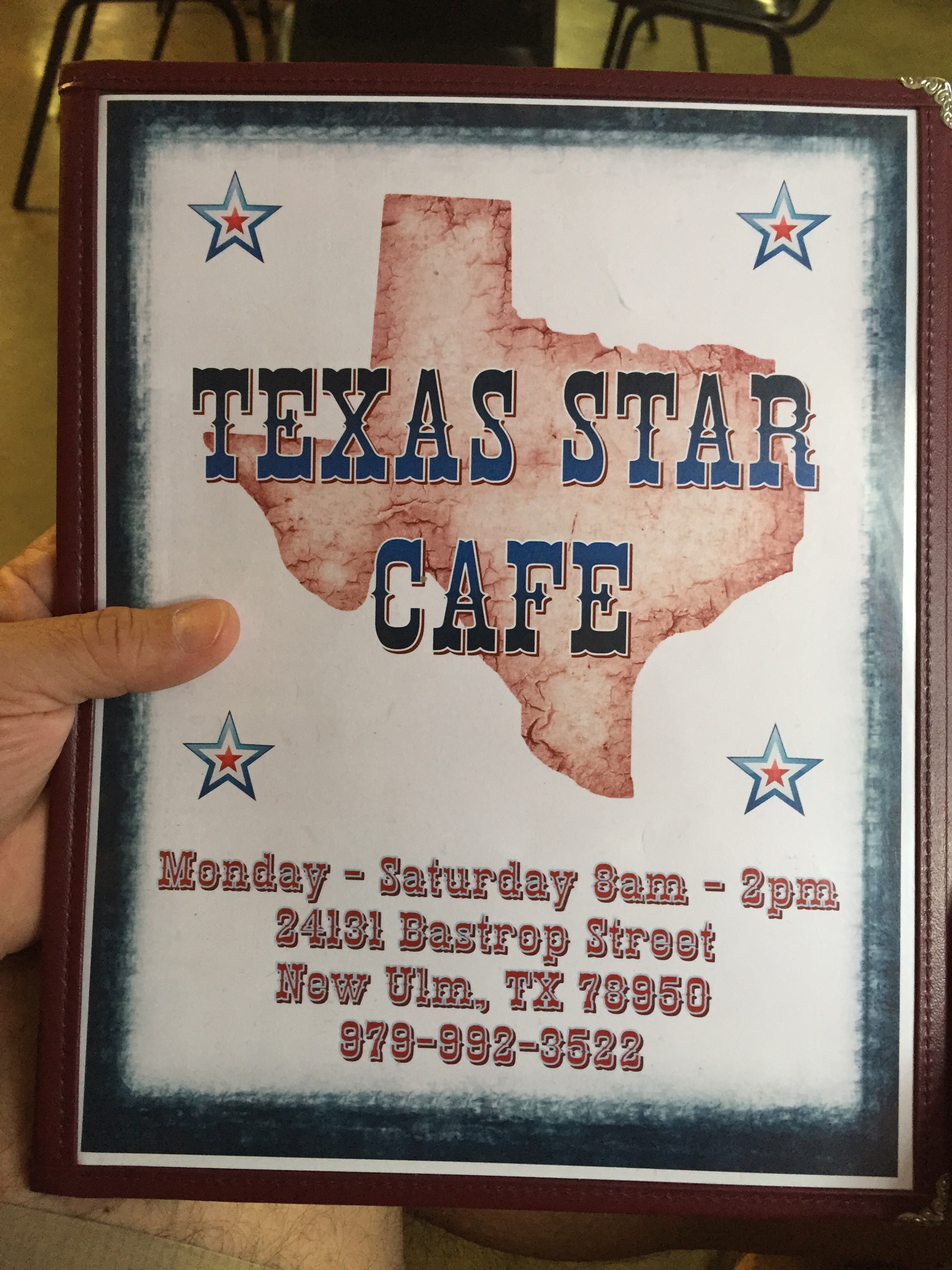
Texas Star Cafe MenuAs soon as the burger arrived at my table I knew I had made the right choice. I could tell just by looking at it — a half-pound of meat covered with crispy bacon, cheese, and a generous helping of jalapeños. Step one was to cut the burger in half just to make it easier to eat it. The first bite confirmed that I had indeed made the right choice.

One of the key ingredients to a great burger (at least in my humble opinion) is the bun. The bun should serve as more than just parentheses around the meat. I have sampled some tasty burgers only to be disappointed by the bread. Not so at the Texas Star! The buns were expertly prepared, perfectly moist, and enhanced the flavor of the burger.
Texas Star Cafe BurgerAs for the onion rings — definitely some of the best I have ever had. Absolutely delicious! I could have easily made a meal of nothing but onion rings and iced tea. So, the bottom line is, I thoroughly enjoyed my jalapeño bacon cheeseburger and onion rings.
Texas Star Cafe InsideI can’t wait to visit again to sample one of the other burger selections at the Texas Star Cafe. And, I can’t wait to discover other places along Texas back roads on my quest to find and enjoy the best burgers in the Lone Star State. I welcome your suggestions on great burger joints.

Welcome, Texas

Texas has no shortage of small towns with interesting names — including Welcome, a small unincorporated community in Austin County. Welcome is located on FM 109 between Industry and Brenham, the home of Blue Bell Ice Cream. This tiny if-you-blink-you-will-miss-it spot in the road is definitely worth a visit.
Welcome Texas SignThe town was settled in the late 1820‘s but remained nameless until 1852 when a German immigrant named J.F. Schmidt christened the town Welcome — a name that he felt reflected the hospitality of the residents. At its peak, the town boasted a population of no more than a couple hundred folks and a few businesses. Today, a little more than a hundred folks call Welcome their home.

A friend and I drove through New Ulm on our way to Welcome and pulled over to walk through the cemetery, established in 1853. I make it a point to stop by old cemeteries when I travel Texas backroads. You can learn a lot about a place and the folks who settled there by visiting their burial places.
New Ulm CemeteryAs my friend and I walked through the cemetery at New Ulm we headed for the oldest grave markers. That’s when we noticed a pattern — an entire section of graves of children who all died at the turn of the twentieth century. After reading the names and dates on these graves we felt heartsick and wondered what had happened to these children. We talked about how the deaths of these kids must have impacted their families and the New Ulm community in those years.
Welcome StoreWhen we arrived in Welcome we stopped by the Welcome Store, established in 1890 and a Texas Historic Landmark. The original two-story building was damaged by a storm in 1900 and reconfigured as a one-story building with two asymmetrical gables, a wide front porch, and a screened door entry. The building pretty much looks the same today as it did when it was rebuilt after the storm.
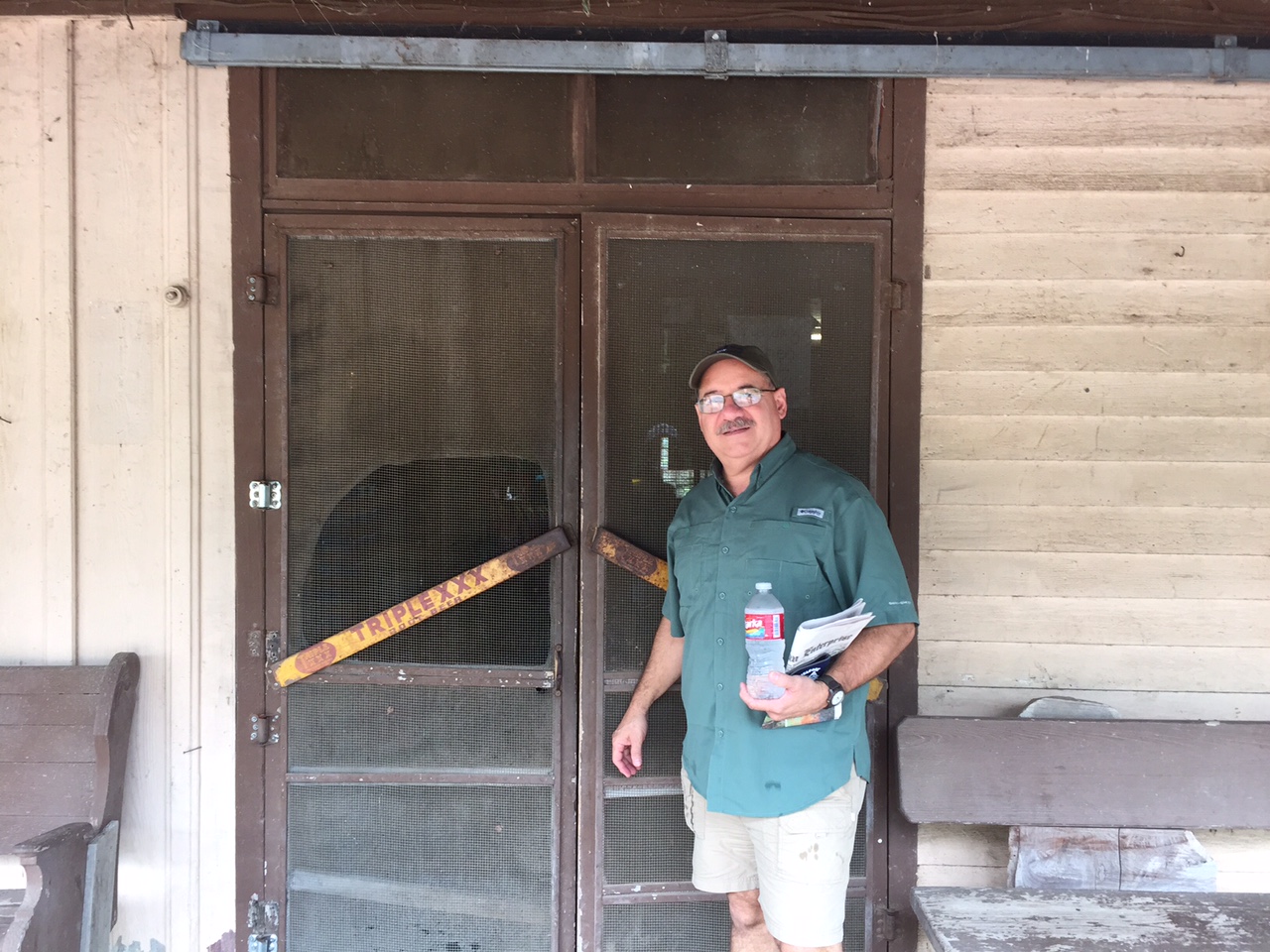
Omar at Welcome StoreStepping inside the Welcome Store was like stepping back in time. The place is a fascinating time capsule crammed with tons of interesting details. Leonard and Lynn Wittneben, the current owners, greeted us warmly. This sweet couple raised their family in Welcome and recently celebrated their 50th wedding anniversary.
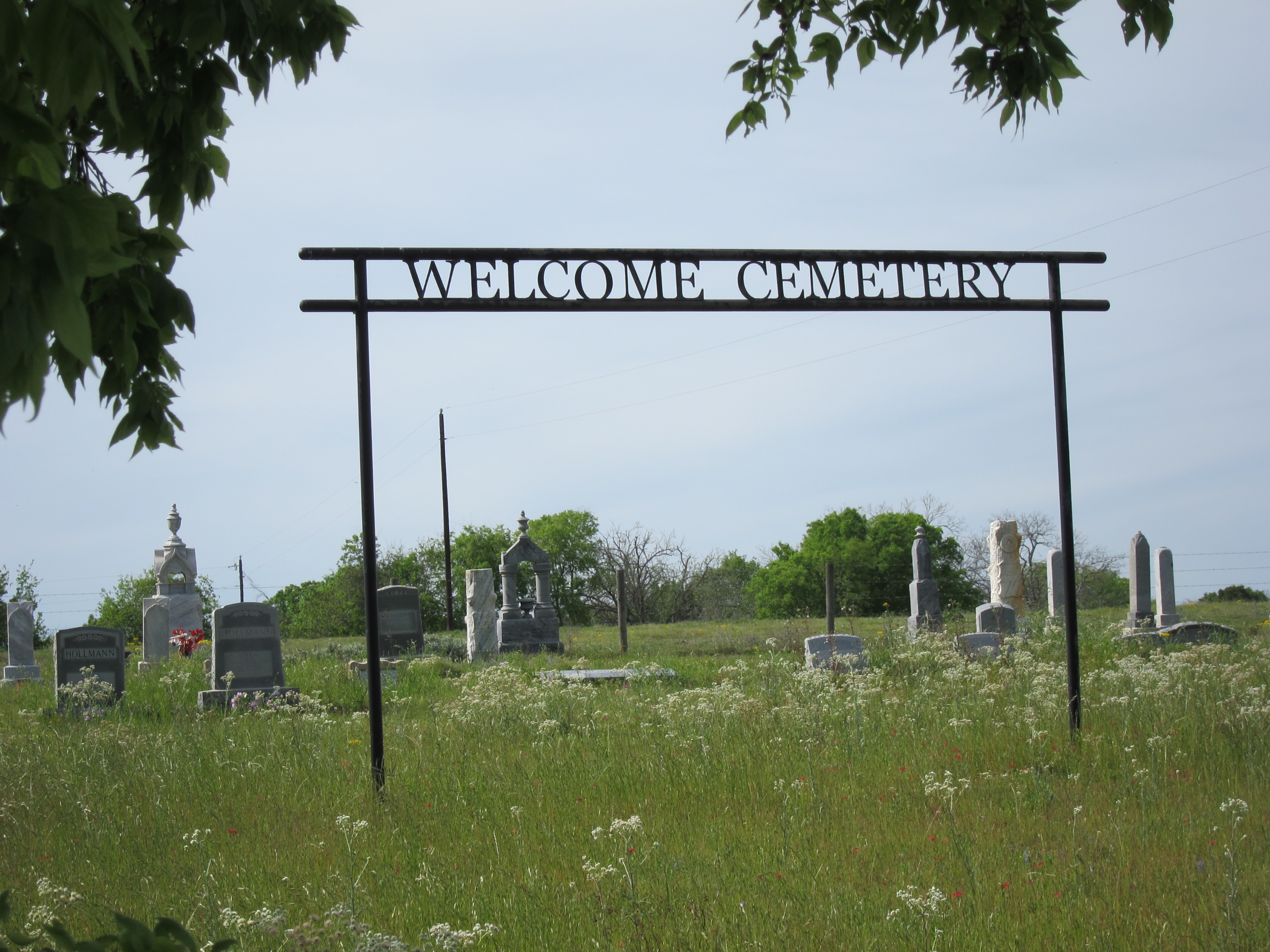
Welcome CemeteryWhen we told Leonard and Lynn about our visit to the New Ulm cemetery and mentioned the number of graves for kids, Lynn told us that a typhoid epidemic had taken the lives of the children. “You’ll see the same thing at the old Welcome cemetery, the one across the street from the Lutheran church” she said. “There’s a whole section of graves for kids who died during that same epidemic.” Times were hard then.
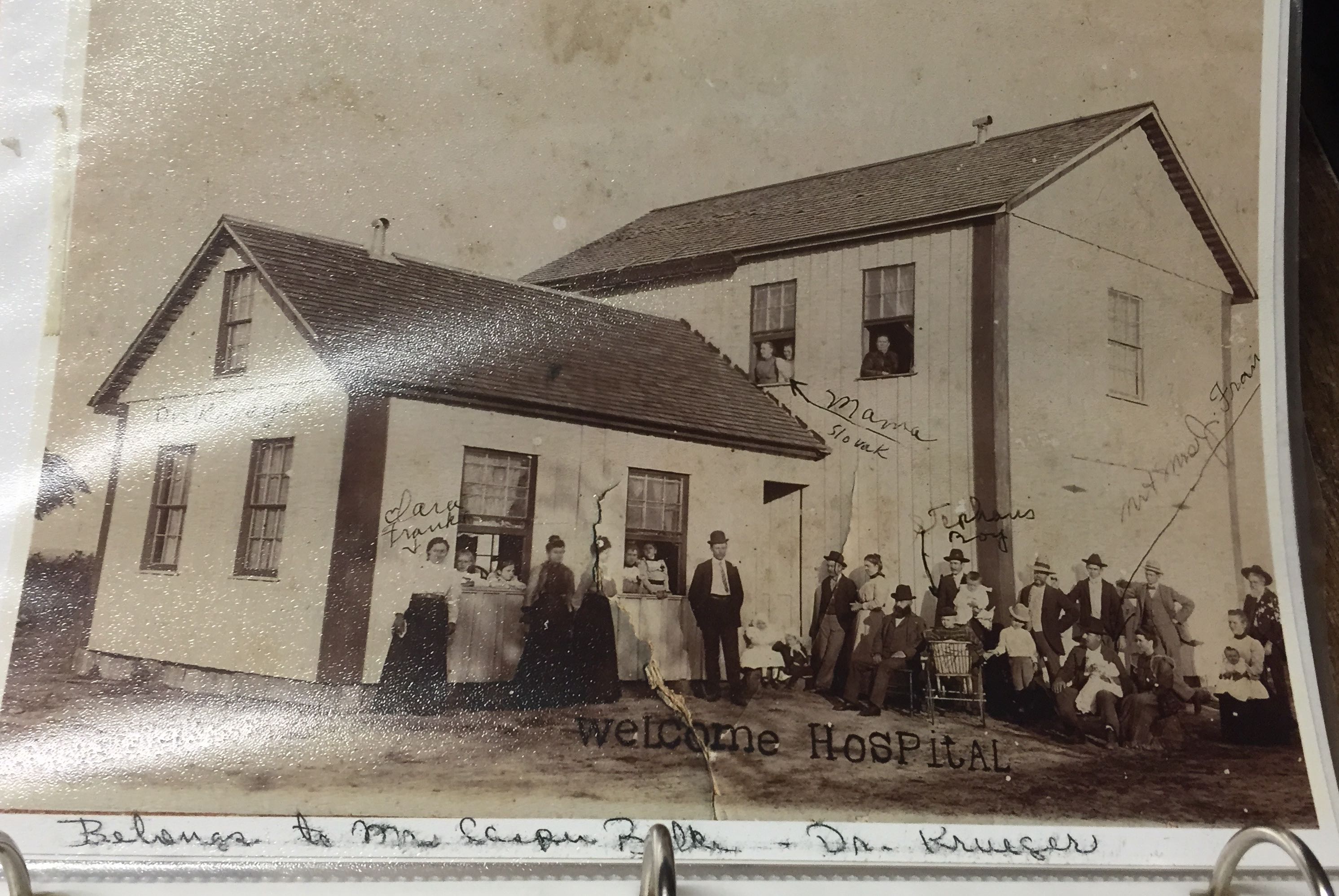
Welcome Hospital PicLynn motioned to Leonard to get their history album, a collection of old photos and stories  about Welcome crammed into an old notebook. Welcome actually had a hospital in its early days, and a doctor whose methods later came into question and led to his suicide. We sat with Leonard and Lynn for almost an hour and listened to the fascinating history of their beloved community.
Omar w Leonard and LynnWhen we finally exchanged good-byes, our new friends invited us to stop in again sometime. My buddy and I agreed that Leonard and Lynn are true ambassadors for a tiny community named for its hospitality. They indeed made us feel welcome in Welcome.

If you are ever anywhere near the vicinity of Welcome, take a moment to stop by the old Welcome Store, a place that has served travelers and residents for the past 125 years. Leonard and Lynn will welcome you and remind you that good-old Texas hospitality is never out of date. Oh, and while you are there, ask Lynn to tell you the fascinating story about their wedding cake!

Dichos Sabios

Dichos sabios are wise sayings. Every culture has their “dichos” — sayings, proverbs, and nuggets of folk wisdom passed from generation to generation by means of everyday conversation. As a Hispanic kid growing up in South Texas, dichos were the spice of parental advice. I heard my fair share of dichos throughout my growing up years.

The beautiful thing about dichos is that they have their own rhyme and rhythm that makes them easy to remember but often harder to translate. Nevertheless, these little sayings are pregnant with wisdom. Here are a few of my favorites. Even if you don’t speak or read Spanish, try sounding out these dichos to get a sense of their rhythm.
Don Quixote Dichos SabiosA quien madruga, Dios le ayuda. | Translation: God helps the one who gets up early. This dicho is related to “the early bird gets the worm” and is an admonition to work hard.

Acabándose el dinero, se termina la amistad. | Translation: When the money runs out (or ends) so do friends (friendships). This dicho addresses fair-weather friends who stay around as long as they can benefit.

Camarón que se duerme, se lo lleva la corriente. | Translation: The current carries away the sleeping shrimp. This dicho cautions against slothful and lazy living.

El diablo sabe más por viejo que por diablo. | Translation: The Devil knows more because he is old than because he is the Devil. This dicho reminds us that experience is the best teacher.

La lengua del mal amigo más corta que el cuchillo. | Translation: The tongue of a bad friend cuts deeper than a knife.

Para un niño con un martillo, todo es un clavo. | Translation: To a child with a hammer, everything is a nail.

El que quiere baile, que pague músico. | Translation: The one who wants to dance should pay the musician. This dicho teaches that the one who wants to see something happen should take responsibility for making it happen.

Lo que bien se aprende, nunca se pierde. | Translation: We will never lose what we learn well.

Si quieres el perro, acepta las pulgas. | Translation: If you want the dog, accept the fleas. Regardless of what you do, every endeavor or profession has its respective challenges.

Del dicho al hecho, hay mucho trecho. | Translation: There is a great distance between word and deed. This dicho is akin to the old saying, “It’s easier said than done.”

Despacio voy, porque de prisa estoy. | Translation: I am progressing slowly because I am in a hurry. This dicho reminds us that it is better to take the time to do things right than to have to make the time to make them right. Or, in the words of the carpenter, “Take the time to measure twice and then cut once.”

Mejor solo que mal acompañado. | Translation: It’s better to be alone than to be with bad company.

These are just a few samples from among hundreds of dichos. Every culture has their respective collection of folk sayings and proverbs. I encourage you to explore your own culture and discover some of the timeless truths that have  been shared across your family’s generations. You may just discover some “dichos sabios” that you can pass on to the next generation.

Hike at Your Own Pace

I have loved the outdoors since I was a kid. I was fortunate to be a member of an active Boy Scout Troop that took us on many hiking and backpacking adventures. My favorite adventure was in July 1972 at the Buffalo Trail Scout Ranch in the Davis Mountains of far West Texas. Camping at Buffalo Trail was a dream come true for me and my South Texas buddies. We logged lots of hours hiking up and down mountain trails, enjoyed cooking our own meals, and felt like pioneers when we drank water from a cold stream.
Omar's July 72 Davis Mtn Hike

July 72 Davis Mtn StreamI still have my Boy Scout Handbook and several of my Merit Badge handbooks as well. As a Scout, I spent hours poring over the pages of these manuals, learning to do things like tie knots and make my own survival kits. My grandmother made my first sleeping bag because they were not as readily available in stores then as they are today. My homemade sleeping bag served me well for a number of years. My Dad gave me his Boy Scout hatchet and my Mom bought me an official Boy Scout knife.
Omar's Scout BooksFor a number of years I lost some connection with the outdoors because of my busy schedule of writing, travel, and the plain old pressures of the daily grind. In recent years, however, my son helped me to reconnect with the outdoors by inviting me to join him in kayaking, doing ultra-marathon canoe races, camping out, and hiking. I’m glad he did. Getting outdoors again flipped my outdoor adventure switch back on — and it has stayed on ever since.
Omar AloneLast year I managed to bike and hike a little more than a thousand miles on Texas trails, including thru-hiking the Lone Star Hiking Trail. The great thing about biking and hiking is that you can take things at your own pace — no need to get in a hurry. I set my own goals last year of hiking every trail at Brazos Bend, Stephen F. Austin, and Palmetto — three state parks not far from home. I am in the process of doing the same at a couple of other state parks this year. All at my own pace. Just a few miles at a time.
IMG_6116Don’t be satisfied with watching Bear Grylls eat bugs and have his own epic adventures on television. Take some intentional steps to enjoy the great outdoors in the Lone Star State. Do some online research to find a state park or walking trails near you and then go on a hike. Start slow and go at a pace that you can enjoy. Set a goal to walk all of the trails (over time) that are a fit for your physical conditioning. Invite a friend to join you. Walk slowly. Stop often to breathe deeply and to listen to the sounds of nature. I guarantee you’ll enjoy the experience.

Below is a quick checklist of some basic items you will need for a leisurely walk in the woods. More on these items in future blog posts.

• Comfortable shoes (a half-size bigger will give your feet room to expand)
• Trekking pole (a personal preference)
• Water bottle or hydration pack
• Trail mix or granola bars
• Trail map (available at any park office)
• Survival Kit (I carry a compact survival / first aid kit in my hydration pack)

I hope to see you somewhere on a hiking trail in the great State of Texas.