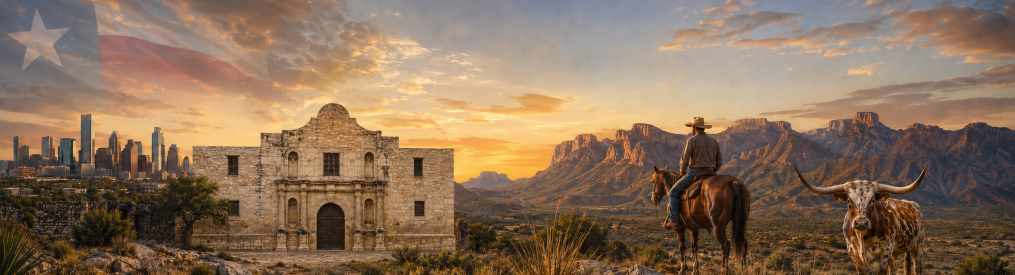
The old general stores and churches scattered along Texas backroads preserve an important part of the Lone Star State’s history. Each played a vital role in the rural communities it served.
The general store supplied farming and ranching families with everyday necessities. Many also served as the local post office and became gathering places where neighbors exchanged news, caught up on community happenings, and enjoyed a few moments of conversation.
Churches, on the other hand, met spiritual needs. They offered families the spiritual support they needed to get through hard times and losses. But they also served as places where families celebrated births and weddings. Dinner-on-the-grounds and other fellowship events brought families and neighbors together.
The general store helped sustain daily life; the church nurtured the soul. Together, they served as two important anchors of rural Texas.
My back roads travels have taken me to the Painted Churches of Texas. Czech and German immigrants built these beautiful historic sanctuaries primarily in the late nineteenth and early twentieth centuries. With their elaborate murals, decorative ceilings, and ornate altars, these churches reflect the faith and cultural heritage of the families who built them.
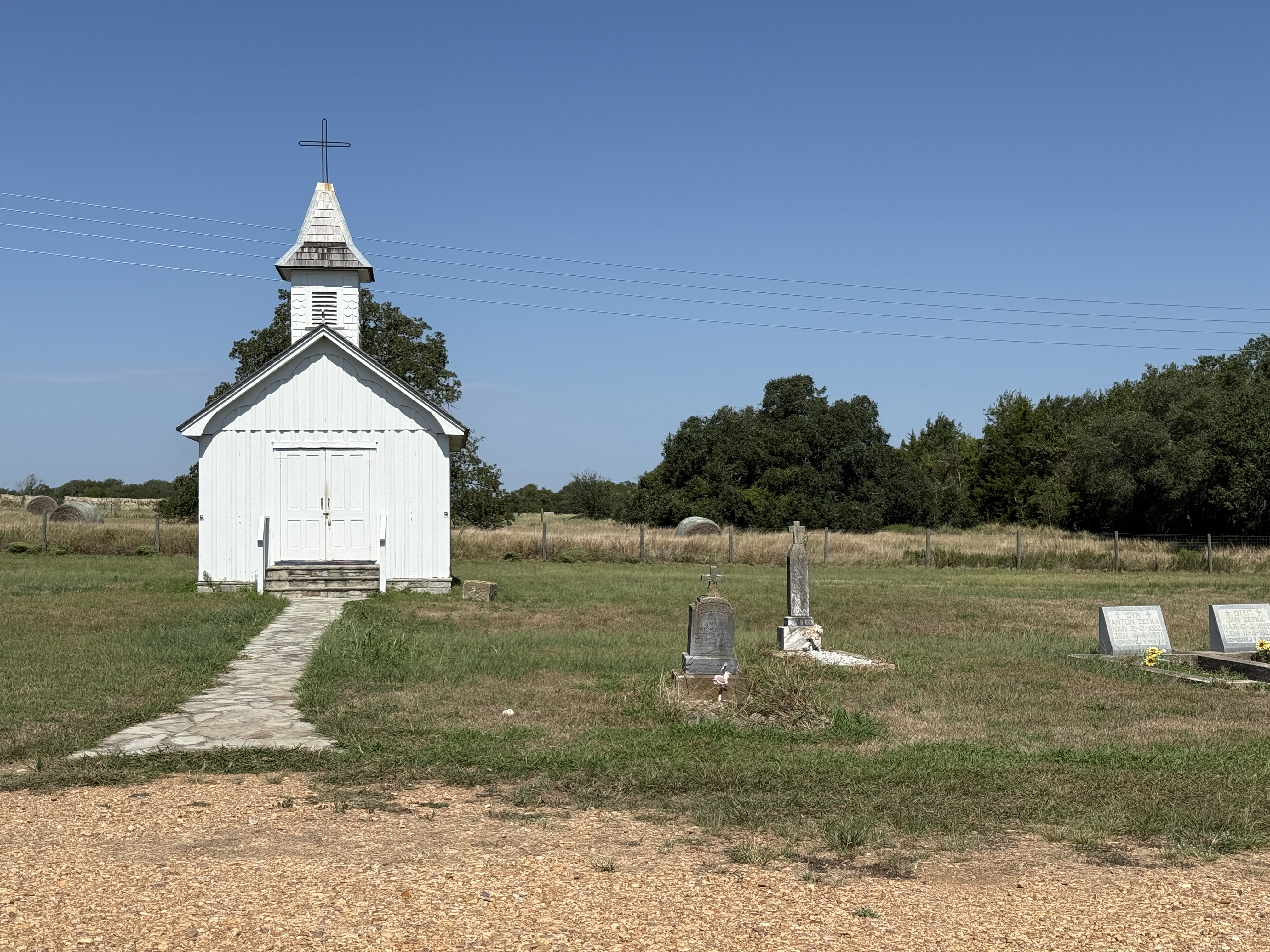
In striking contrast to the Painted Churches stands St. Martin’s Catholic Church. The small white chapel is tucked beside State Highway 237 between Warrenton and Round Top. It is small, simple, and unadorned. In fact, it claims to be “the world’s smallest active Catholic church.” The entire structure measures approximately 12 by 16 feet and seats about 20 worshipers.
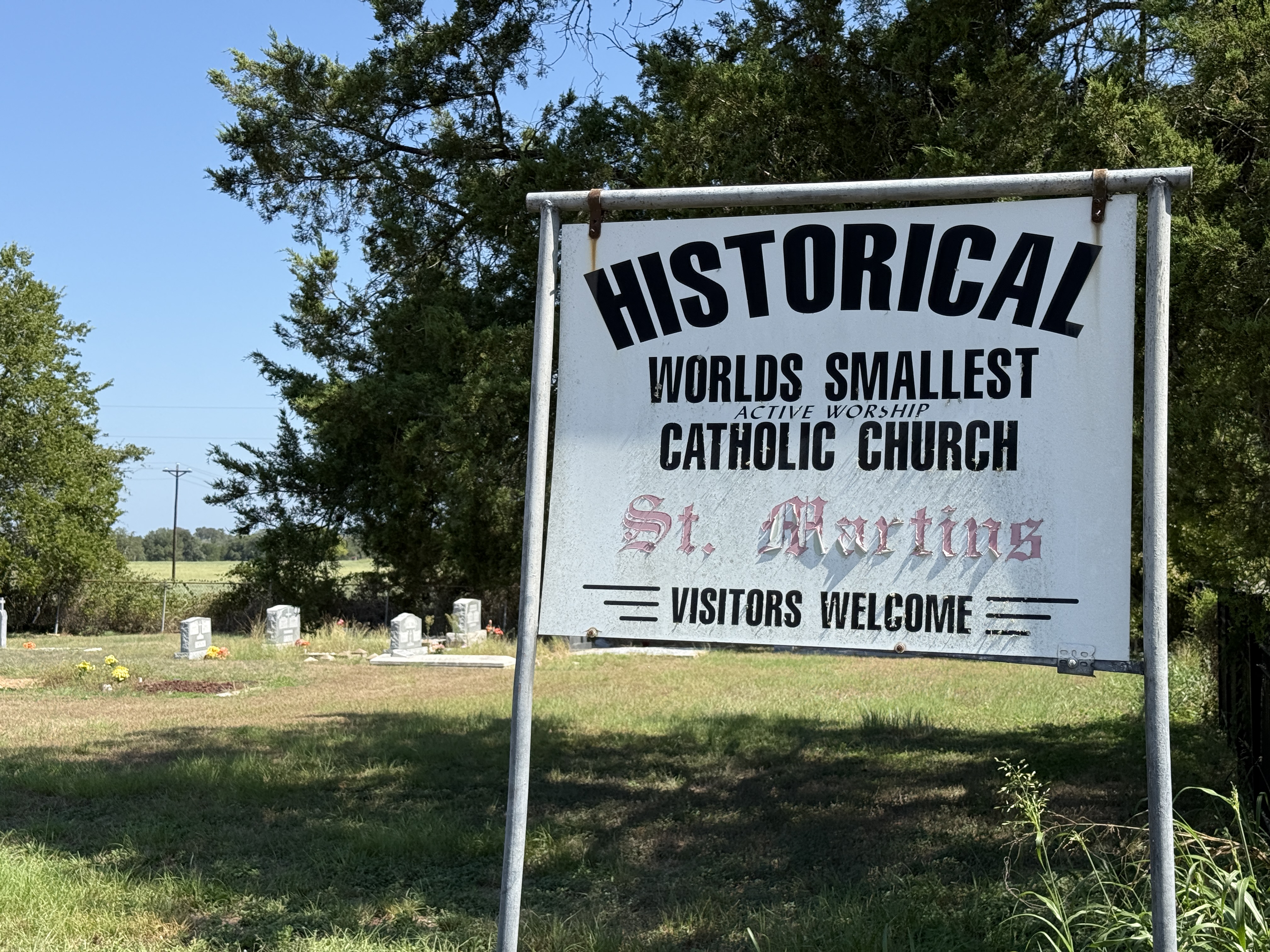
St. Martin’s was established in 1888 as a mission of St. John the Baptist Catholic Church in Fayetteville. For 27 years, the original church served the spiritual needs of farming families throughout the surrounding countryside. As the rural population declined, the parish dismantled the church in 1915 and repurposed much of its lumber to build a Catholic school in Fayetteville.
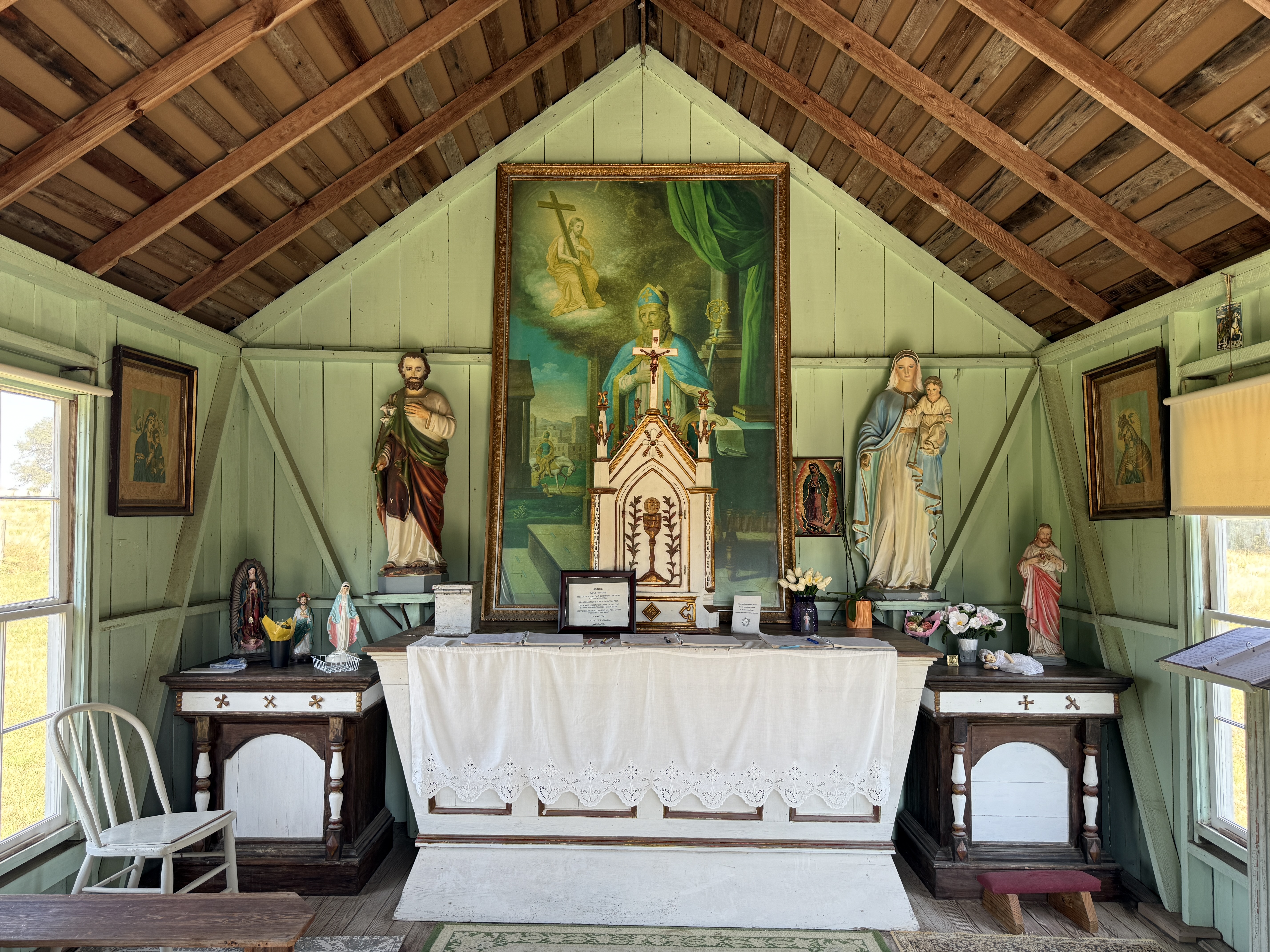
With the remaining lumber, parishioners built the smaller chapel that stands on the original site today. They placed several treasured pieces from the first church inside, including its altar, bell, statues, and a large painting of St. Martin of Tours, the church’s namesake.
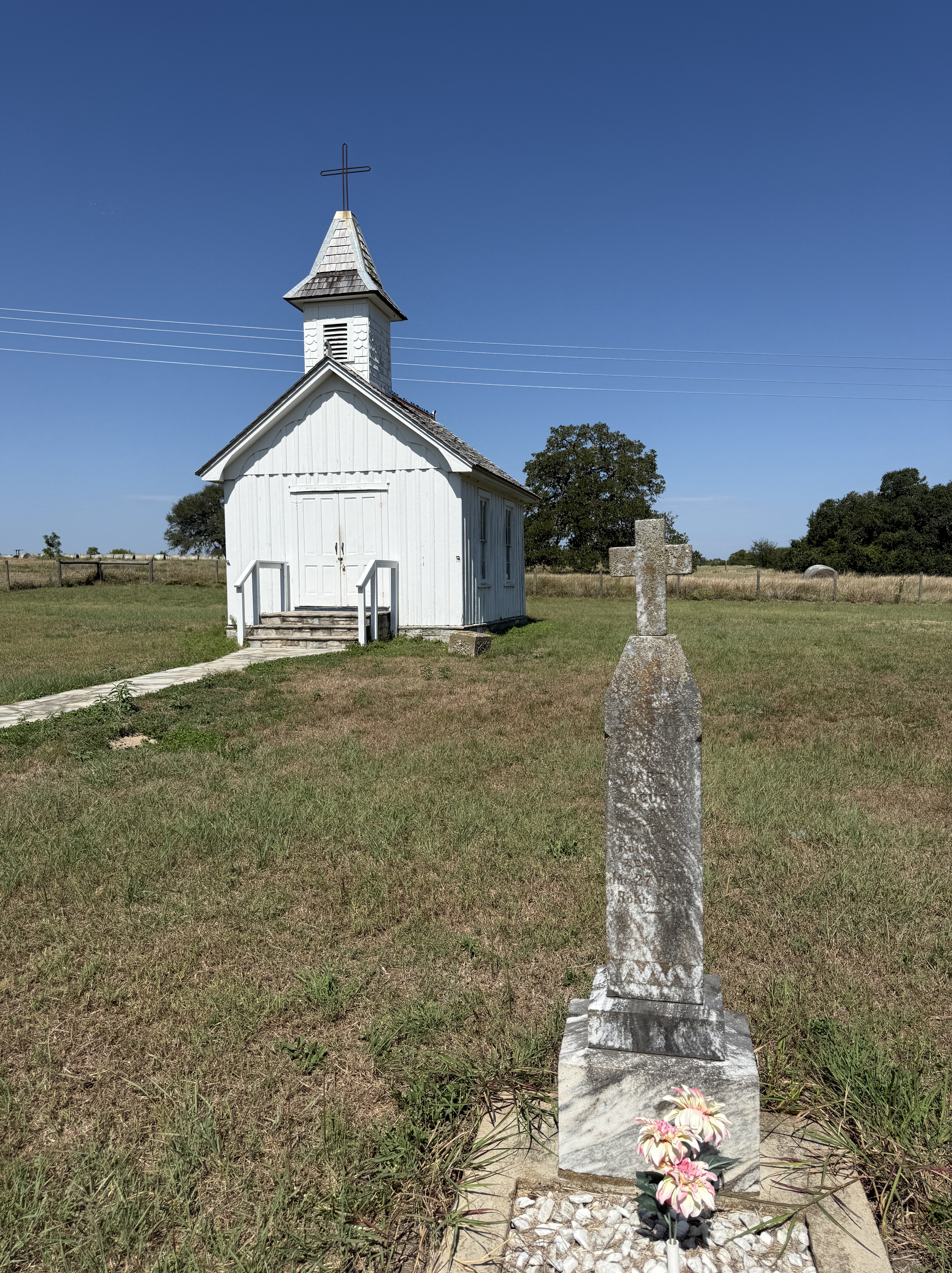
The chapel sits on a one-acre cemetery with about 60 graves, the final resting place for many of the families who once called this rural community home. The oldest identified grave belongs to Jan Blaha, a Moravian immigrant who died in 1889.
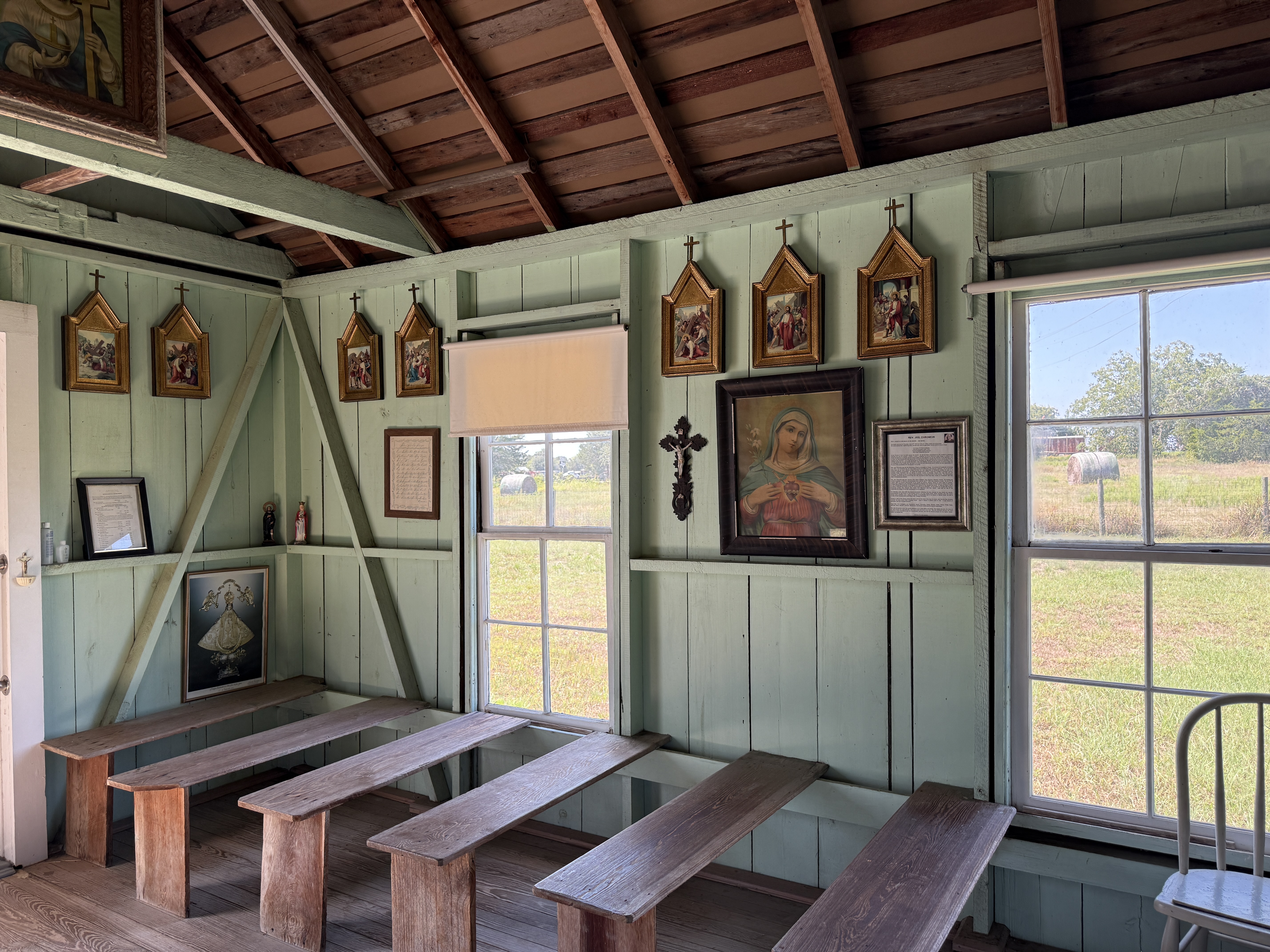
One of the best ways to learn about Texas history is to hit the back roads. Pull over, get out of your vehicle, and take the time to explore. Walk the ground, study what remains, and talk with an old-timer in the very place where a slice of Texas history unfolded. So much to see and learn on Texas back roads.

