Llano Earth Art Festival

The charming little town of Llano is located seventy-five miles northwest of Austin. Situated along the banks of the Llano River, this historic town is the county seat of Llano County. This region of the Lone Star State is known as the Llano Uplift, a rock formation created when underlying granite pushed its way to the surface and gave us the Texas Treasure known as Enchanted Rock.

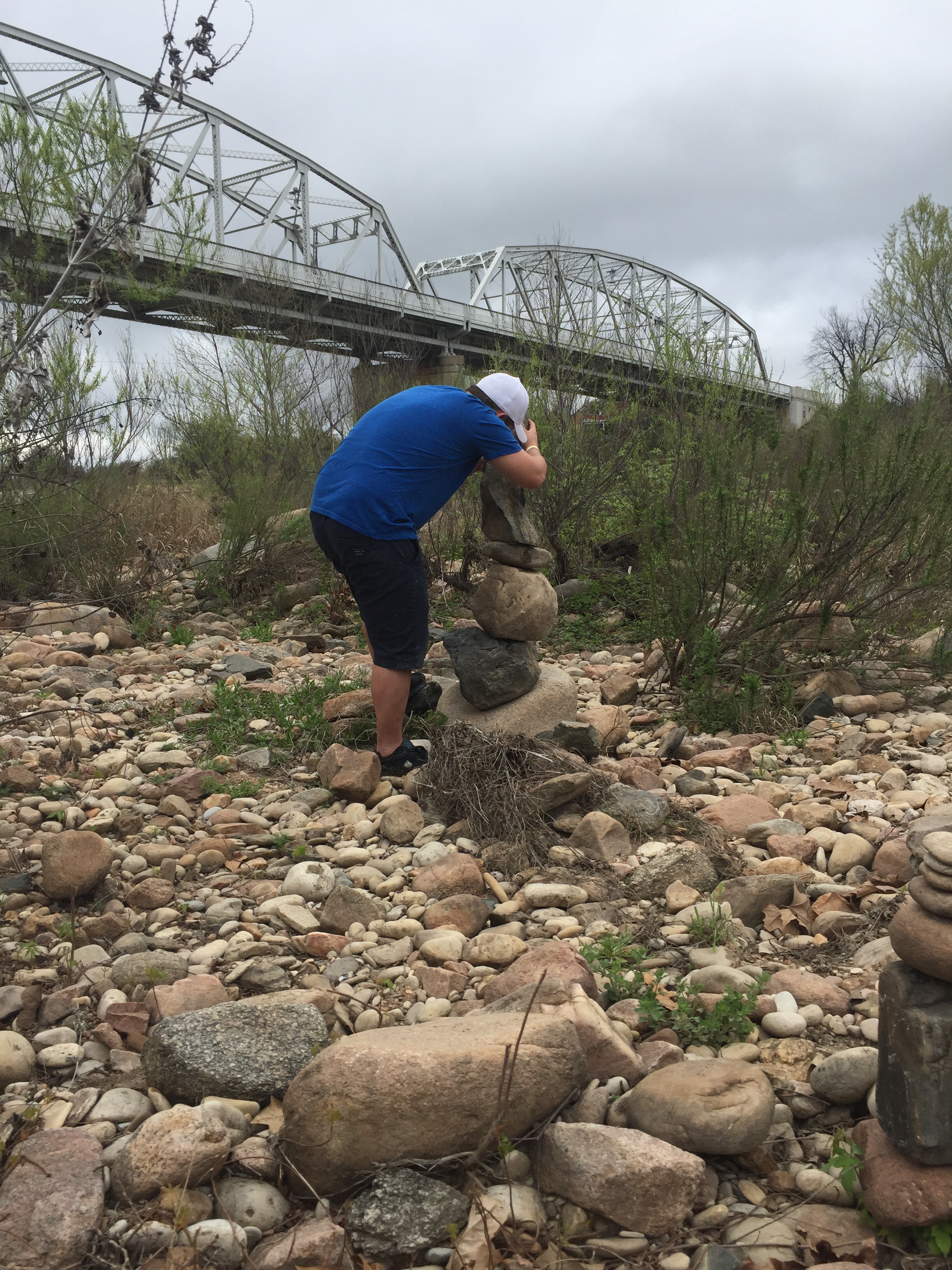
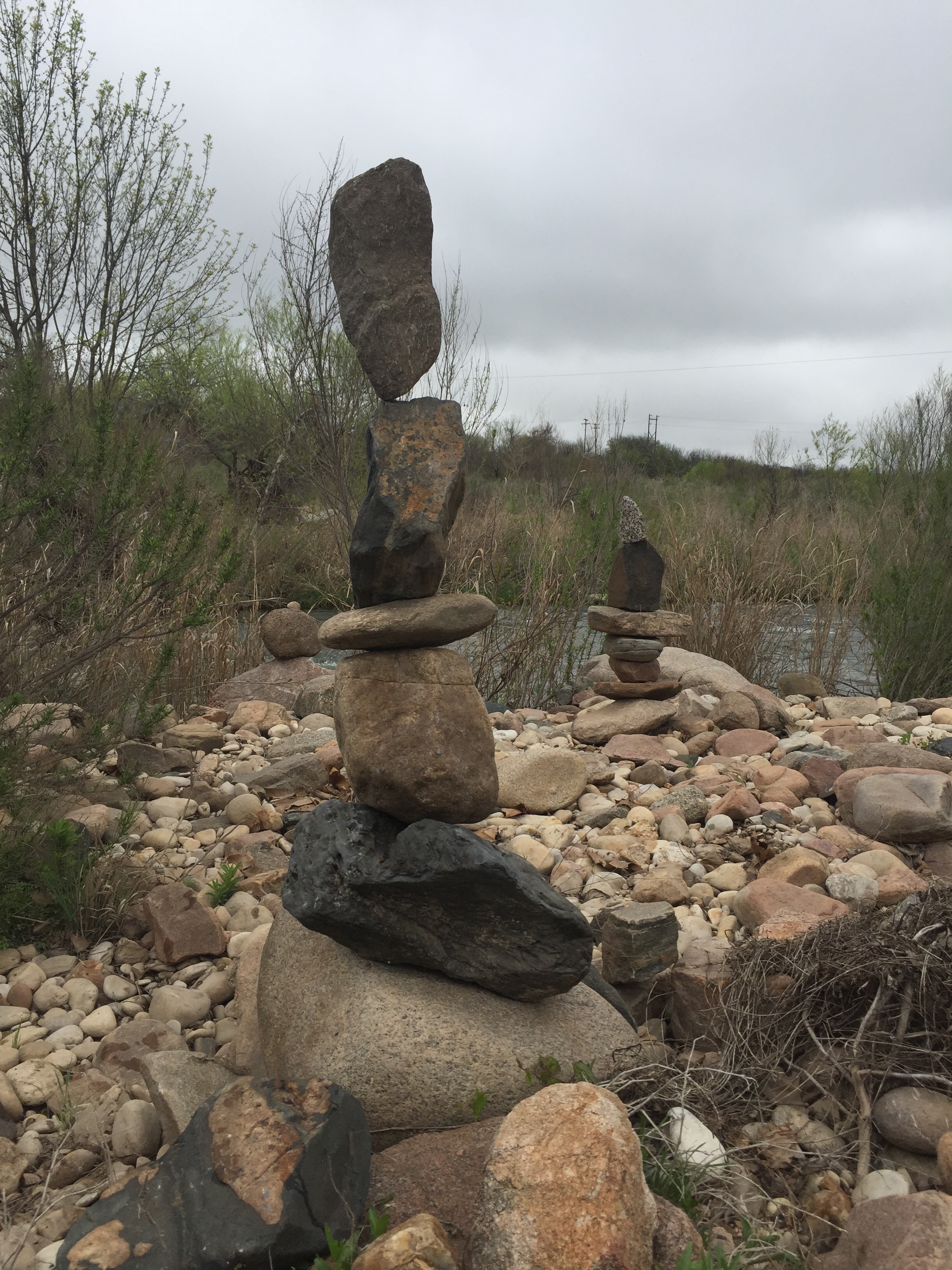
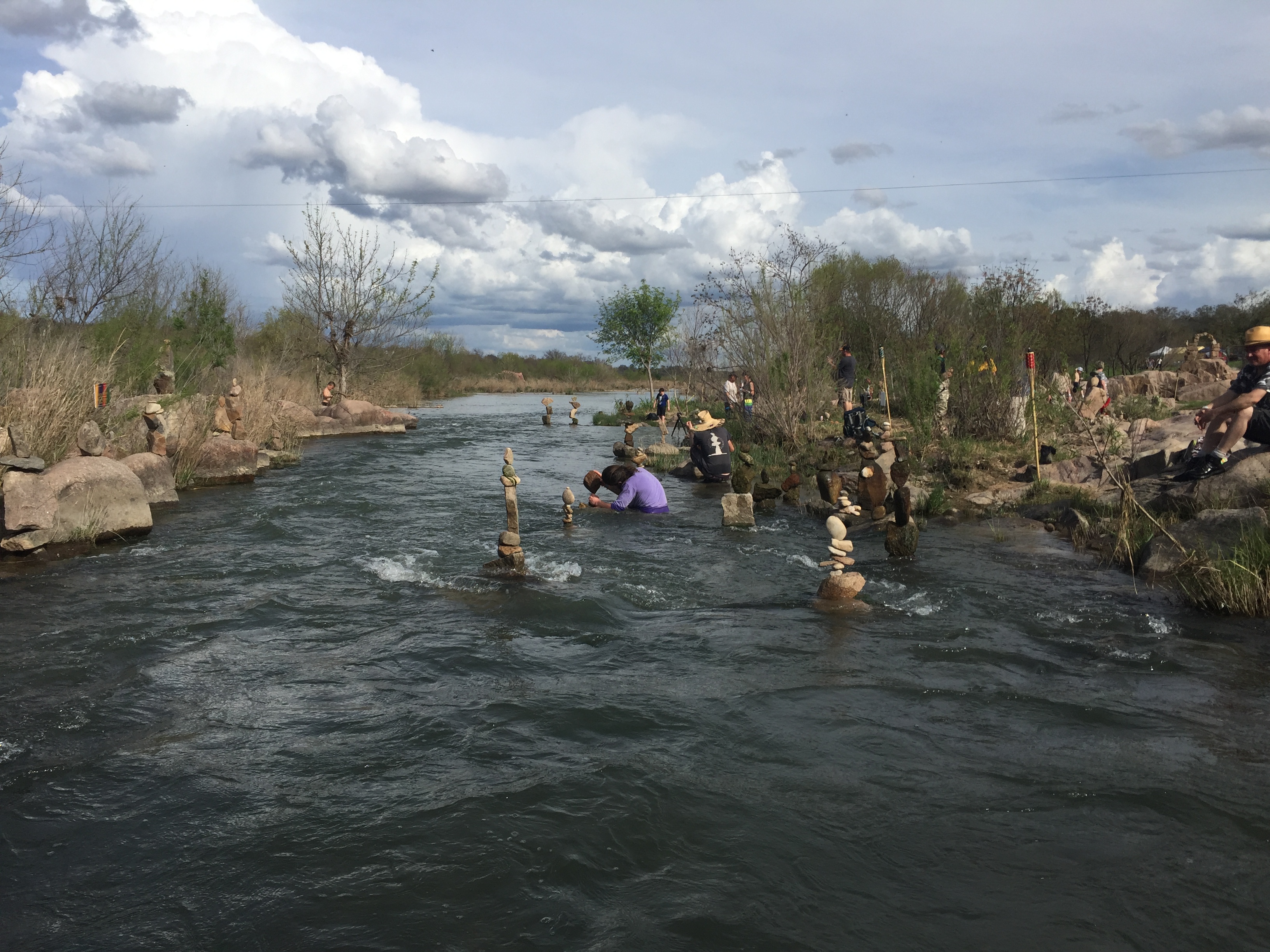
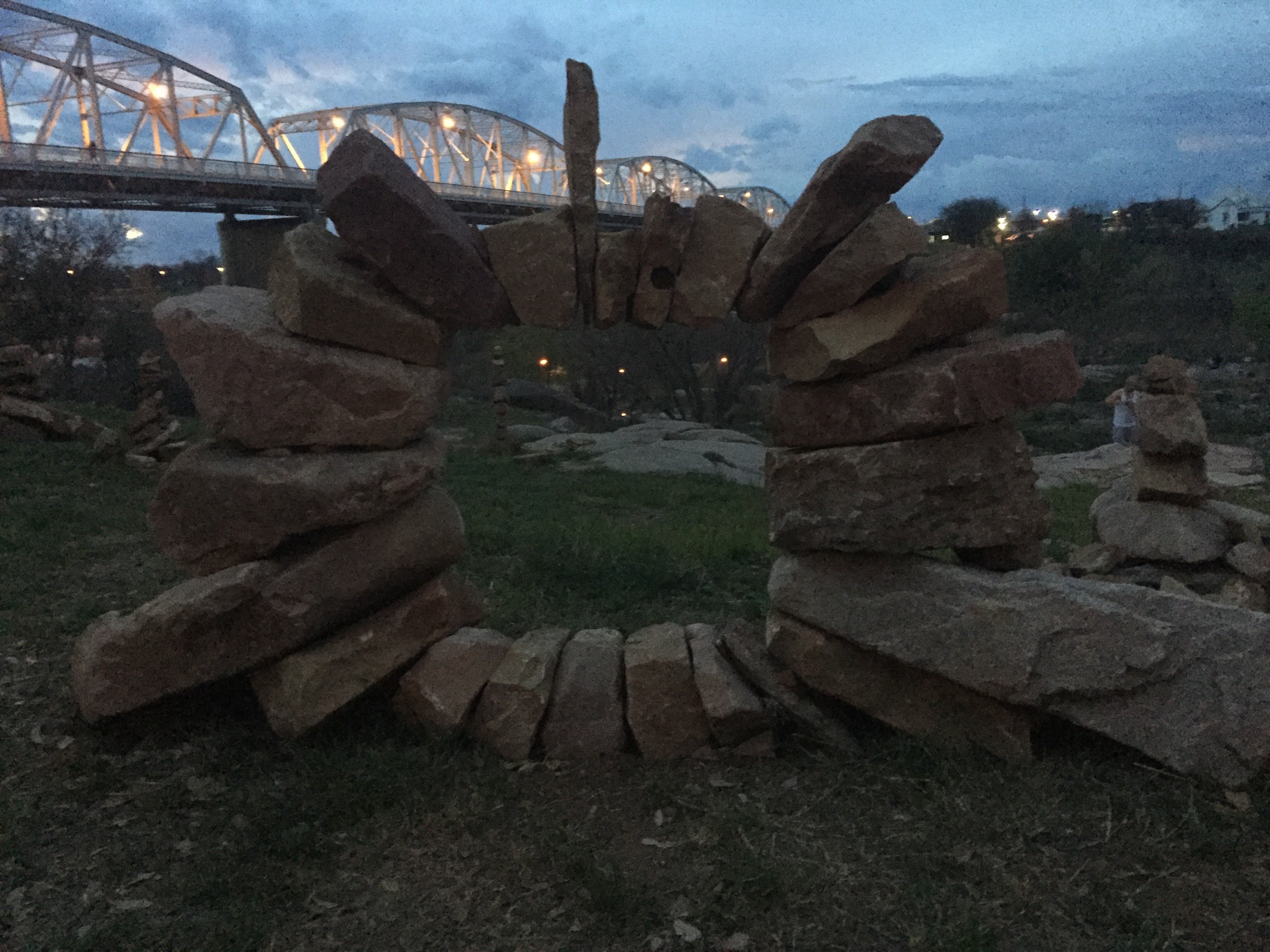
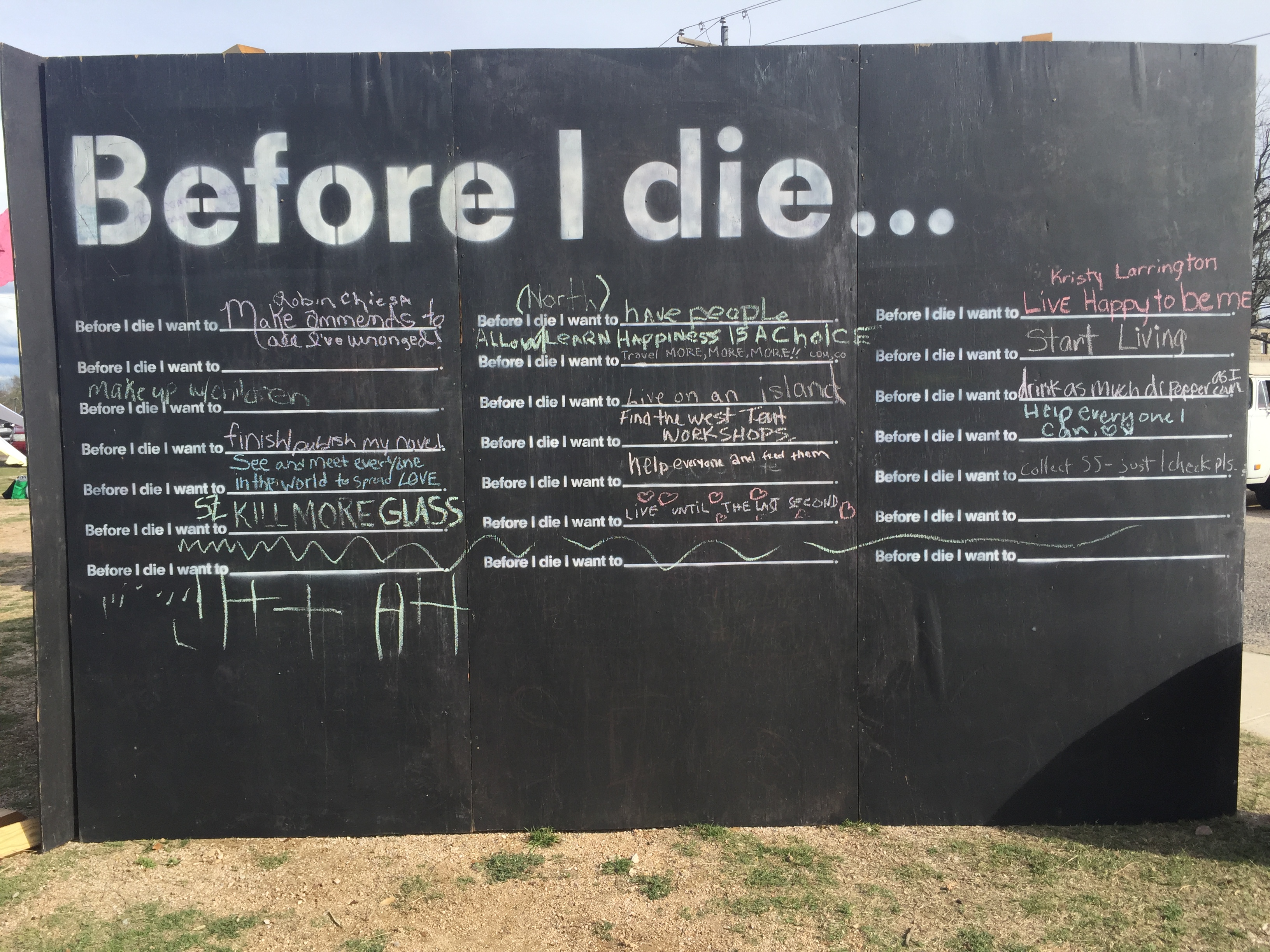
Llano is also home to one of the newest festivals in Texas. Held in March, the Llano Earth Art Festival, also known as LEAF, attracts folks from far and wide — especially those who love to stack rocks or who have a close connection with nature. LEAF features all sorts of cool activities, including earth and land art installations, a variety of workshops, a fashion circus, live entertainment, food vendors, and piles of rocks for novice and more accomplished rock-stackers.

The festival is held at Grenwelge Park on the south bank of the Llano River. Car camping and tent camping sites are available by reservation. I haven’t seen so many VW vans in one place since I was growing up in the sixties. This iconic vehicle continues to be a favorite of those who travel light and free and call the open road home. Very cool, indeed. My son and I pitched our tents among some of the friendliest and nicest people we have ever met.

At the heart of the Llano Earth Art Fest is something that is near and dear to my son’s heart — rock stacking! Jonathan started stacking rocks for fun about ten years ago and has left his temporary cairns along the banks of many a Texas river. I can barely stack one sheet of paper atop another so I am quite impressed by anyone who can stack rocks. I thoroughly enjoyed watching Jonathan and folks from all over the country and a few nations do the same.

LEAF prides itself as the host of the Rock Stacking World Championship, offering various categories of competition from balancing, arches, tallest stack, and artistic creations. The completion is fun to watch but what I found even better was strolling along the banks of the Llano River and watching the various rock stacking artists at work. A — maz —ing!

As much as I enjoyed the rock stacking and the food vendors, what I enjoyed most was the opportunity to meet so many interesting people. And I do mean interesting and super friendly and nice. And that’s really the coolest thing about a festival like LEAF. It is an event that brings people together and encourages everyone to slow down, walk slowly, have conversations, and make new friends.
Please don’t wait until next year’s festival to visit Llano. If the road takes you anywhere near central Texas, swing by and check out this lovely little town. After all, the infamous Bonnie and Clyde enjoyed Llano. You’ll likely enjoy it, too — especially if you are not running from the law!

Comfort Cafe in Comfort

Comfort is just a tiny little dot on Texas roadmaps. Located west of San Antonio along Interstate 10, Comfort is a popular tourist area with great recreational access to the Guadalupe River. While traveling to Big Bend, my buddies and I approached Comfort just in time for lunch. Our hunger led us straight to the Comfort Cafe.
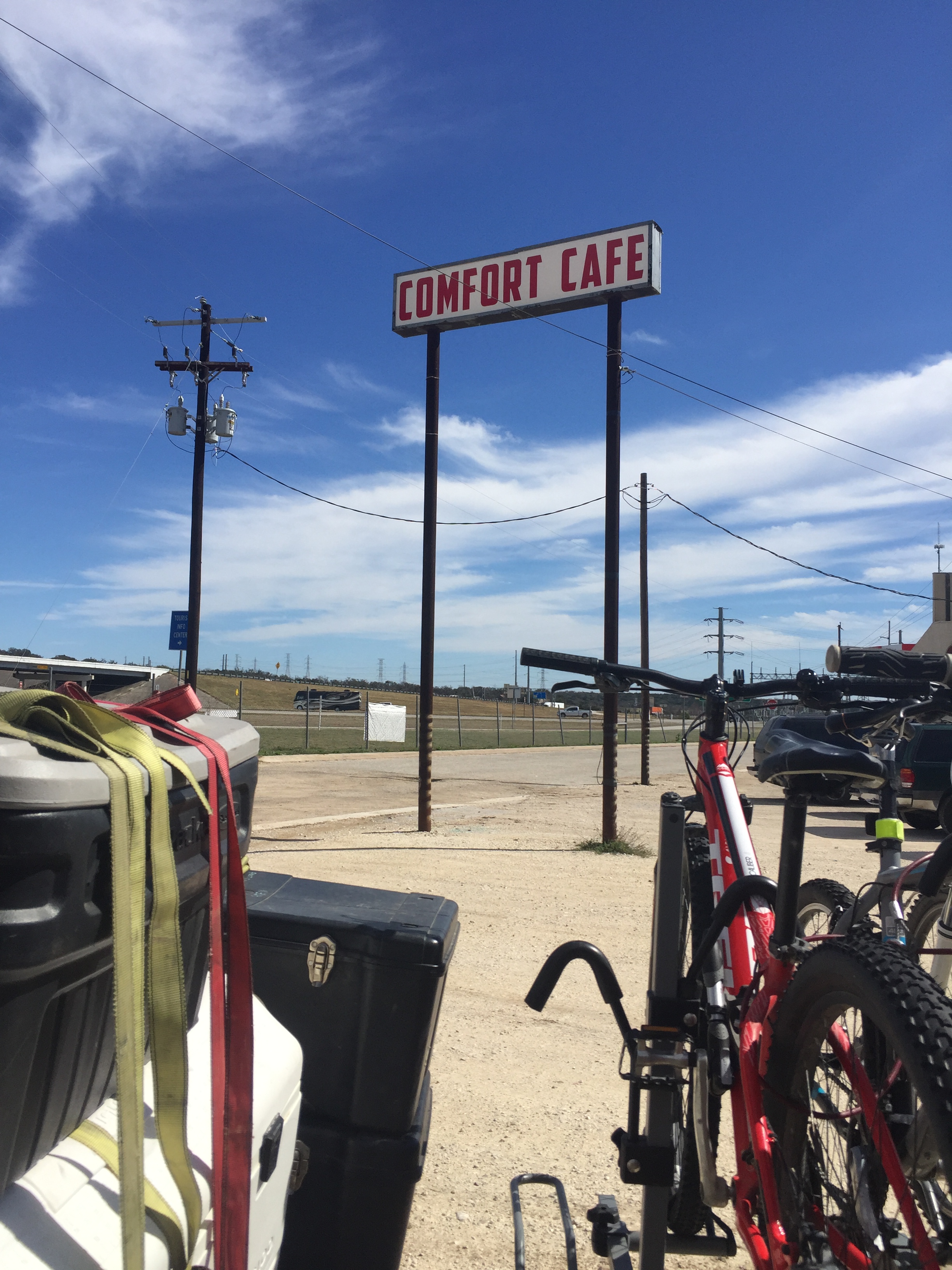
Comfort Cafe SignThe Comfort Cafe is small enough to be considered a hole-in-the-wall but, as we would soon discover, big enough to deliver on flavor. The place was clean as a whistle and the staff was more than eager to help. Friendly staff always helps make any dining experience that much more pleasant.
Comfort Cafe MenuI ordered a bacon cheeseburger with a side of onion rings and a glass of iced tea — my standard order on my burger adventures. From where I was sitting I could see into the kitchen area where my burger was being made to order. I could even hear the meat sizzling on the grill, releasing its burger perfume into the air.
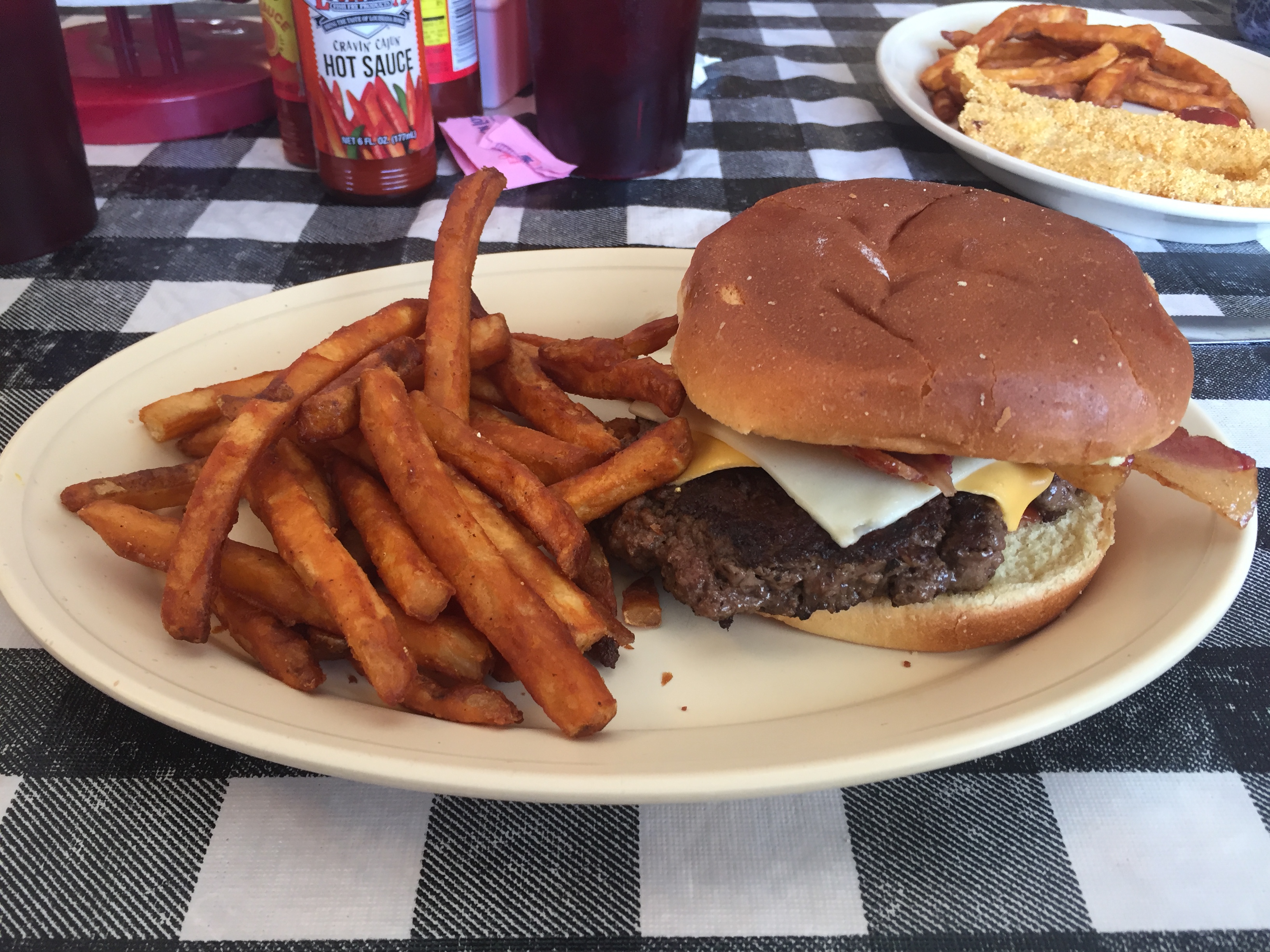
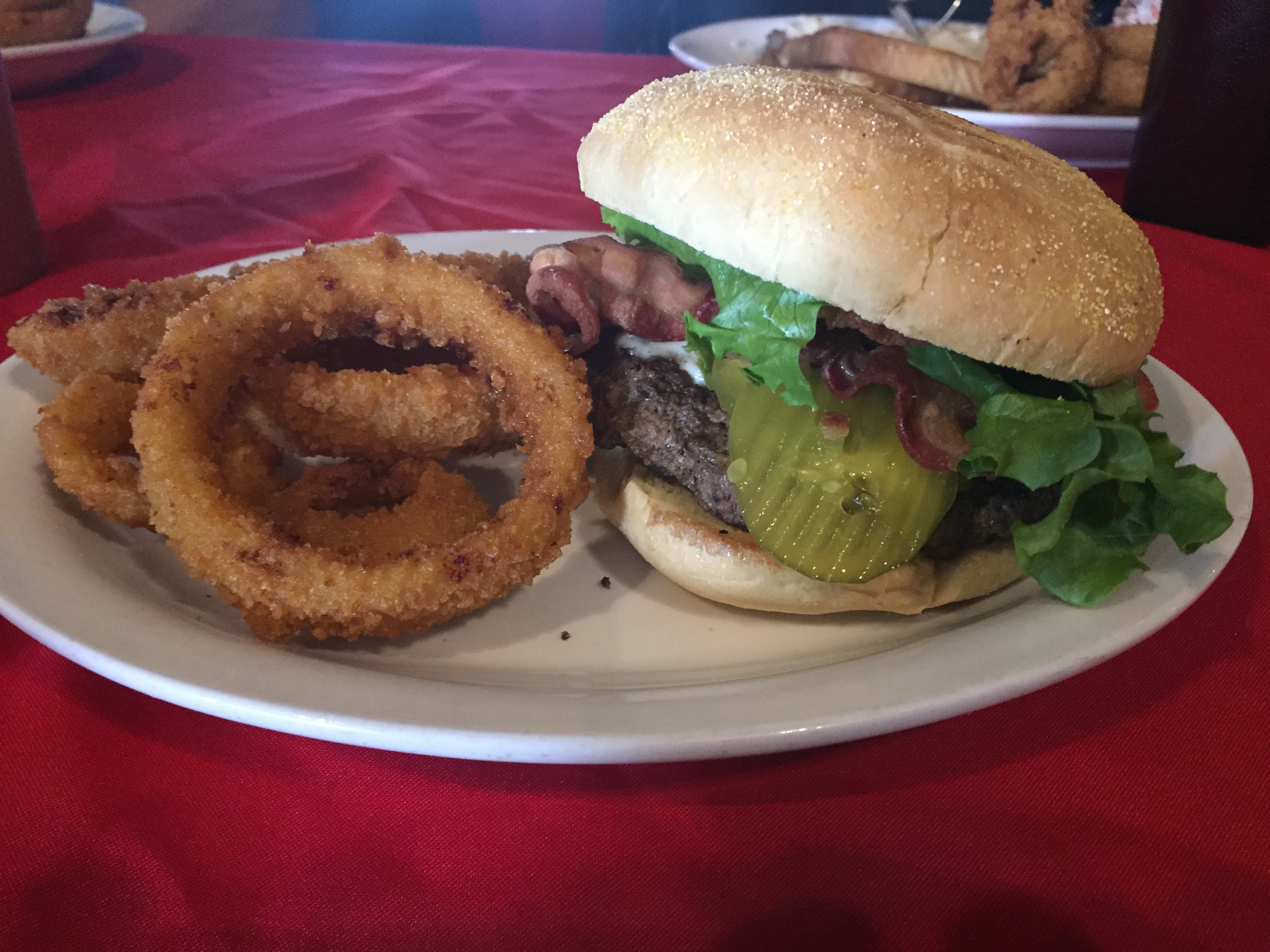
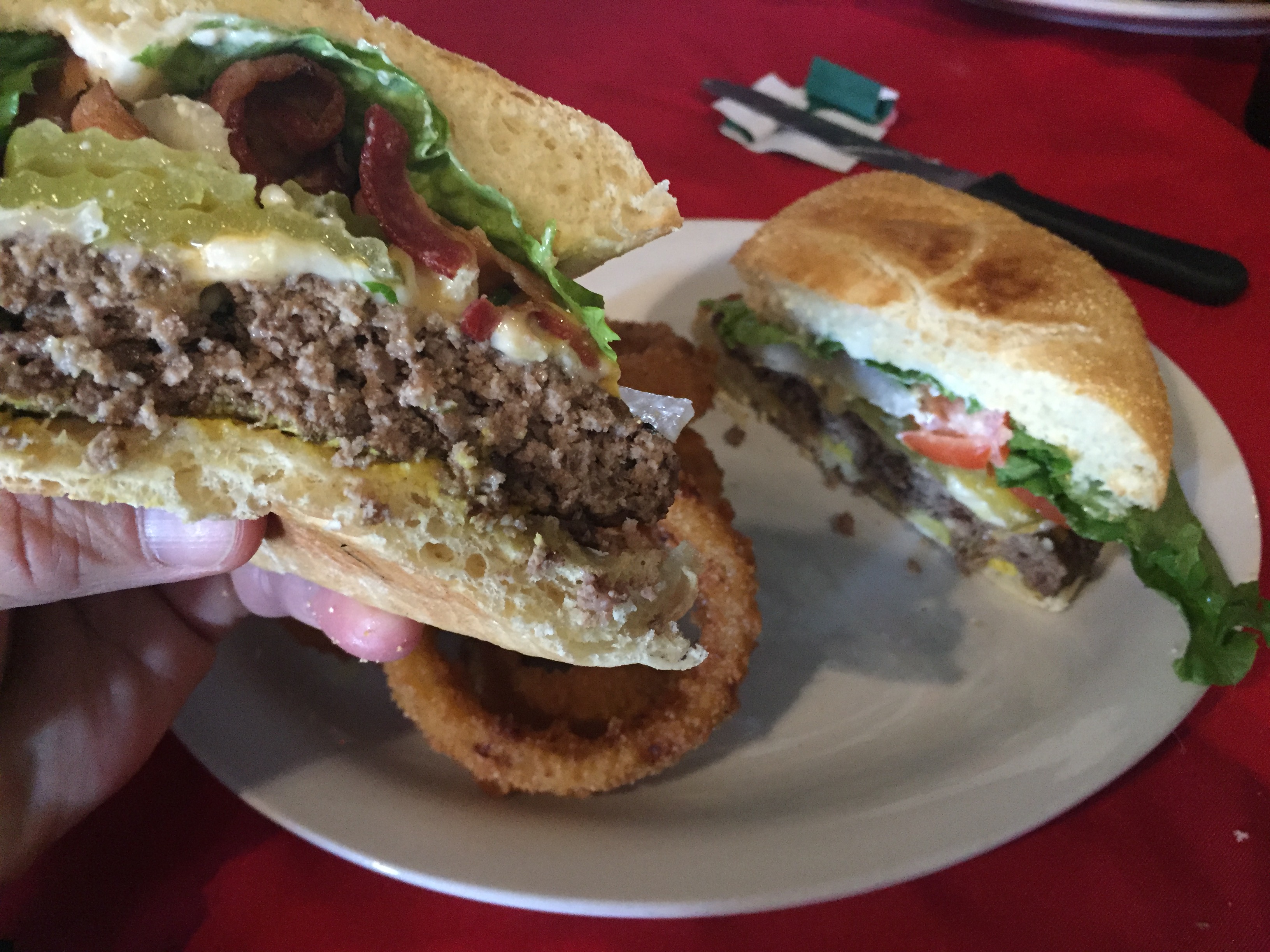
Comfort Cafe BurgerWhen my order arrived I cut my burger in half and was pleased to see the generous portion of meat. The bacon was crispy, the cheese perfectly melted, and the bun lightly toasted. All of the ingredients were obviously fresh. The only thing that remained was to take a bite.
Comfort Cafe Burger HalfBottom line — the burger was unquestionably tasty. Everything about this burger worked well together. Someone had obviously given some thought to how a burger should be prepared and did not compromise at any point on delivering a delicious burger. I made it a point to thank the folks in the kitchen, something easy to do in a small place like this.
comfort-cafe-interiorThe Comfort Cafe has only been opened a short while, but I am confident it will be around for a long time. If I lived anywhere near Comfort I would surely make it a point to make my way to the Comfort Cafe as often as possible. I loved the whole dining experience, especially the ambiance that is unique to small town mom and pop eateries.
comfort-cafe-exteriorIf your road trips ever take you anywhere near Comfort, consider pulling off the main drag and making your way to the Comfort Cafe. Little stops along the way like the Comfort Cafe just add a magical element to any road trip. Embrace the experience. Enjoy the food. Make good memories with friends and family.

5 Facts About the Chihuahuan Desert

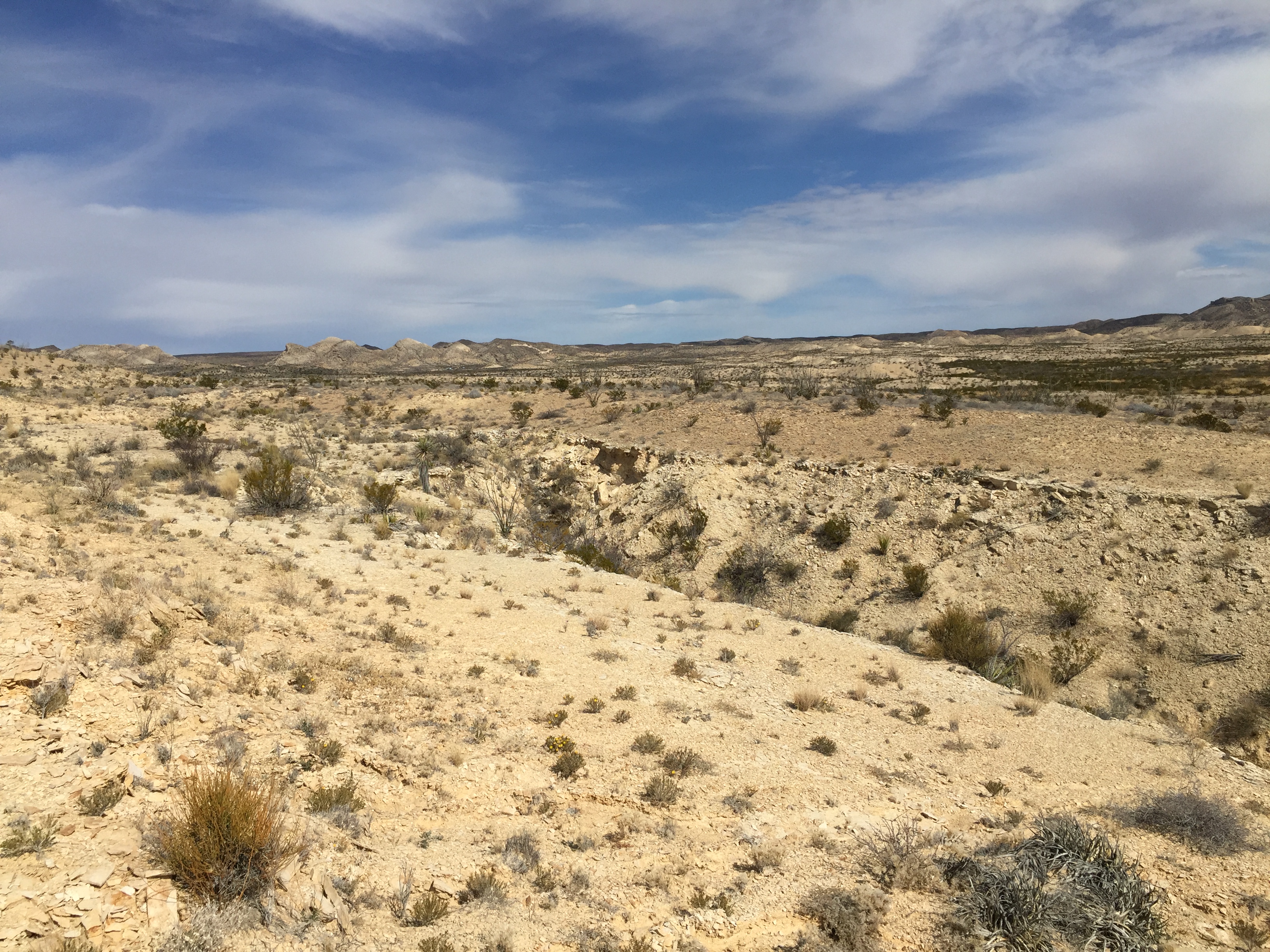
The Chihuahuan Desert is one of my favorite places in Texas. The expansive spaces, distant silhouetted hills, distinctive desert flora, deep in the heart of Texas kind of skies, and mesmerizing chiaroscuro splashed across the faces of desert mesas all work together to create an iconic Texas region. Here are five interesting facts about this distinctively beautiful part of the Lone Star State.
chihuahuan-desert-map1. The Chihuahuan Desert is the largest desert in North America.

The Chihuahuan Desert extends far beyond our own borders. The desert spans the northern states of Chihuahua and Coahuila in Mexico and extends north into Texas, New Mexico, and Arizona — a region bigger than the state of California.
chihuahuan-view2. The Chihuahuan Desert is a rain shadow desert.

A rain shadow is a dry region of land on the side of a mountain range that is protected from the prevailing winds and rainy weather. The Chihuahuan Desert is bordered by the Sierra Madre Occidental mountain range on the west and the Sierra Madre Oriental mountain range on the east. These mountain ranges form parentheses around the Chihuahuan Desert, blocking most of the moisture from the Pacific and from the Gulf of Mexico.
Chihuahuan Shrubs3. The Chihuahuan Desert is a shrub desert.

According to conservation groups like the World Wide Fund for Nature (aka World Wildlife Fund), the Chihuahuan Desert is the most biologically diverse desert in the world. In the mid-19th century, the grass in the northern Chihuahuan Desert grew as high as the belly of a horse. However, overgrazing led to the decline of native grasses thus allowing the invasion of shrubs like yuccas and agaves, ocotillo, creosote bushes, mormon tea, and many others.
Chihuahuan Panoramic4. The Chihuahuan Desert is home to several mountain ranges.

The Chihuahuan Desert in Texas is home to the Franklin Mountains, Chisos Mountains, Davis Mountains, and Guadalupe Mountains. The seven highest peaks in Texas that rise to more than 8,000-feet are found in the Guadalupe Mountains and the Davis Mountains. These higher altitudes boast both beautiful coniferous trees as well as magnificent vistas of the Lone Star landscape.
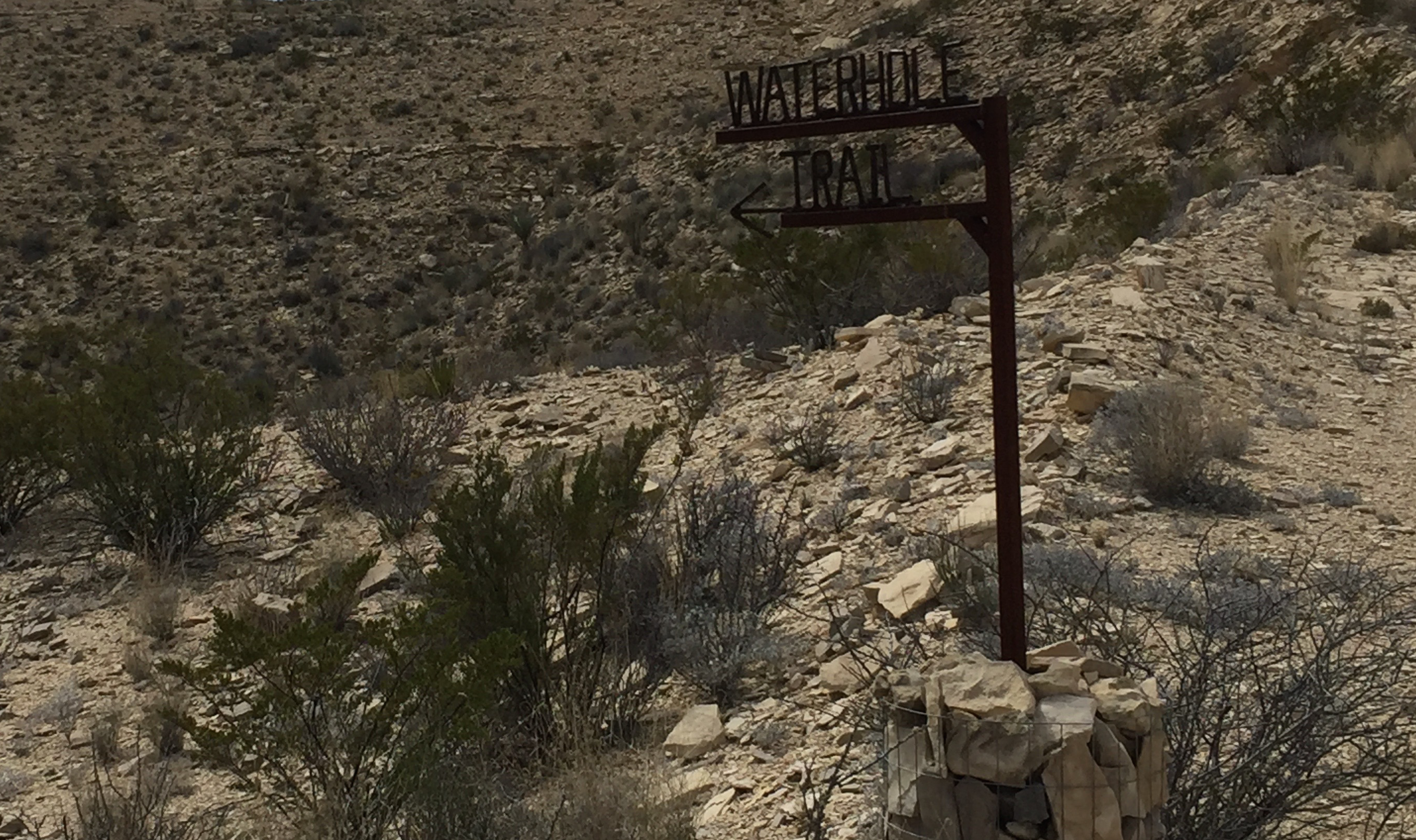
waterhole-trail5. There is water in the Chihuahuan Desert.

While there is little rainfall in the Chihuahuan Desert, the region is not entirely without sources of water. The Rio Grande River bisects the Chihuahuan Desert and forms the natural border between Texas and Mexico. There are also streams, arroyos, puddles formed during summer rains, and some aquifers. These help sustain both plant and animal life in this harsh desert environment.

High Sierra Bar and Grill

Terlingua is a place like none other in the Lone Star State. Nestled between Big Bend National Park and Big Bend Ranch State Park, this ghost town has a character uniquely its own. The name of the town is derived from the Spanish words “tres lenguas” meaning “three tongues” — a reference to English, Spanish, and Native American, the three languages spoken there in the days of the Old West.
Terlingua SignIf you have never ventured to the Chihuahuan Desert or to Terlingua, you owe it to yourself to visit this fascinating and mesmerizingly beautiful part of Texas. Terlingua was once a thriving mining town that was abandoned after the Second World War. Starting in the 1970’s, Terlingua became a destination for adventurers, entrepreneurs, artists, musicians, and just plain folks who were bewitched by the old ghost town and decided to stay.
High Sierra Bar and GrillOn a recent visit to Big Bend Ranch State Park, my buddies and I ventured to the High Sierra Bar and Grill in Terlingua in search of a hunger busting burger. There are not a lot of places to eat in Terlingua so we were happy to find the High Sierra and even happier to learn that they had burgers on the menu.

I ordered my usual bacon cheeseburger with a side of onion rings and a tall glass of iced tea. We enjoyed the ambiance of the place while we waited for our burgers. The staff was friendly. The iced tea was cold. The mix of locals and outsiders made for some interesting people watching. And the music was perfect, especially because Johnny Cash was on the playlist.
High Sierra BurgerMy burger and hand-battered onion rings arrived hot and ready to eat. The generous-sized and cheese covered meat patty was cooked just the way I like. The bun was slathered with a combination of mustard and mayo, every ingredient was fresh, and the bacon was nice and crispy. I cut my burger in half and eagerly took my first bite.
High Sierra Sliced BurgerThe first bite always tells the story. And this first bite was delicious. Wow — it was so good. I savored every tasty bite. When I finished, my only regret was that I did not have the bandwidth in my stomach (nor the metabolism) to do it all over again. Without question, this was one of the best burgers I have eaten in the Lone Star State. And the onion rings were pretty tasty in their own right. All in all — a delicious meal!

No matter where you go in Texas, you can find a delicious burger. However, you must be willing to get off the beaten path and walk into places you might not otherwise visit. I’m glad we stopped to eat at the High Sierra Bar and Grill. This eatery will remain high on my list of places to eat the next time I venture west of the Pecos River. If you find yourself anywhere near the ghost town of Terlingua, check out the High Sierra Bar and Grill.

2017 Chihuahuan Desert Bike Fest

Last year’s Chihuahuan Desert Mountain Bike Endurance Fest was one of my favorite Lone Star State adventures. The venue for this bike fest that draws hundreds of mountain bikers from across the state and beyond is the expansive Chihuahuan Desert at Big Bend Ranch State Park — without question one of the most beautiful and mesmerizing places in Texas.
Chihuahuan DesertThe Chihuahuan Desert Bike Fest is an annual event offered on Presidents’ Day Weekend in February and sponsored by Desert Sports of Terlingua, Big Bend Ranch State Park, and Lajitas Resort. If you are interested in riding, then be sure to register early. The event is capped at 500 riders and fills up well before the registration deadline.
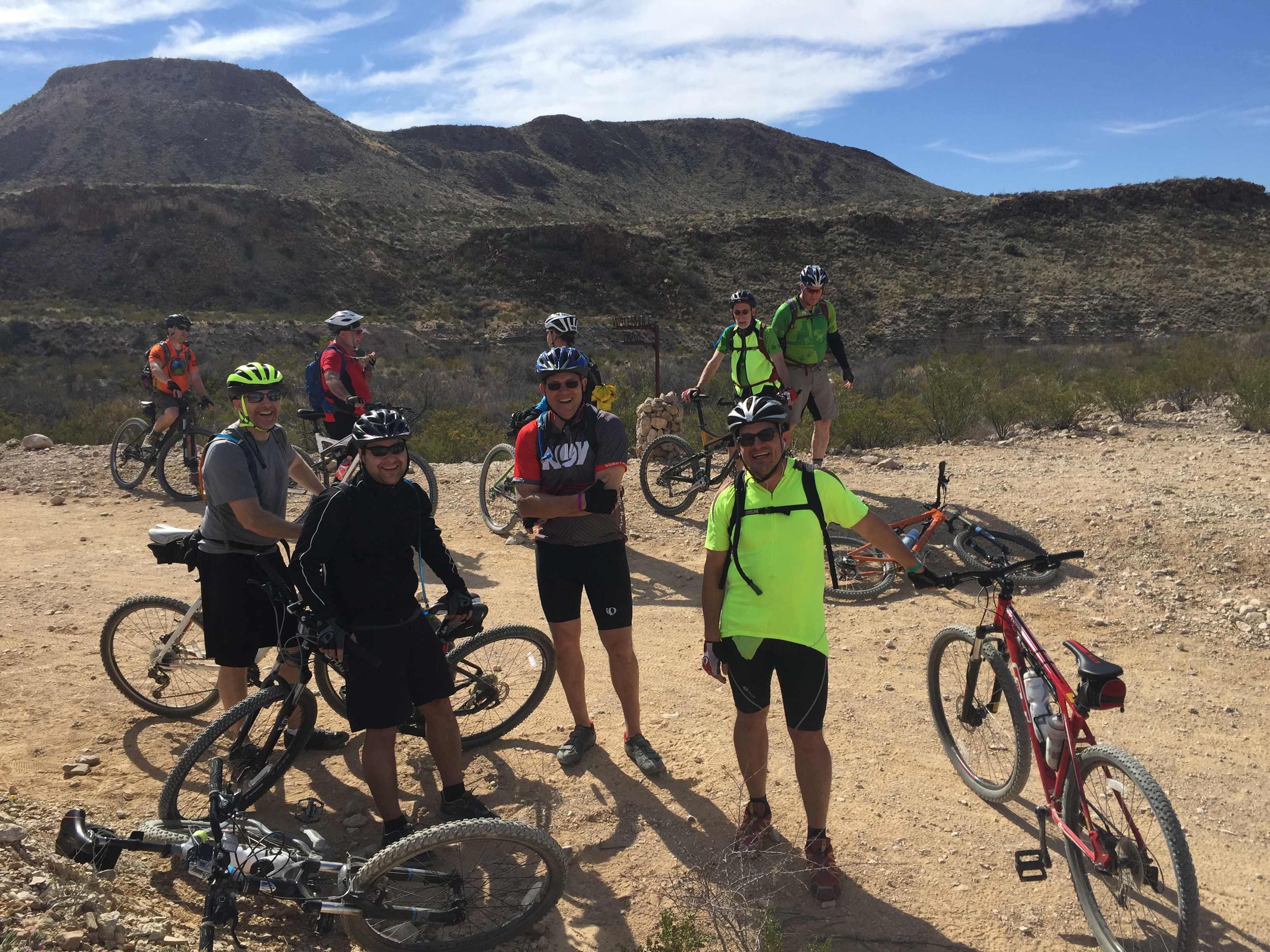
Bike GuysOne of the best things about this event is that it is a ride and not a race. Whether you have a multi-thousand dollar full-suspension mountain bike or an entry-level hard tail, you will feel right at home. There are guided rides for every skill level. You can ride at your own pace and not feel embarrassed if you have to dismount and walk your bike up a scree-covered incline.
Maverick RV ResortBase camp for the big event is the Lajitas Maverick Ranch RV Park in Lajitas, located adjacent to the old town cemetery that looks like something out of an old western. The surrounding desert hills and mesas only add to the old west mystique. The ride turns the RV Park into a boomtown crammed with RV’s and tents, brand name bike vendors, and evening campfires and music and conversation.
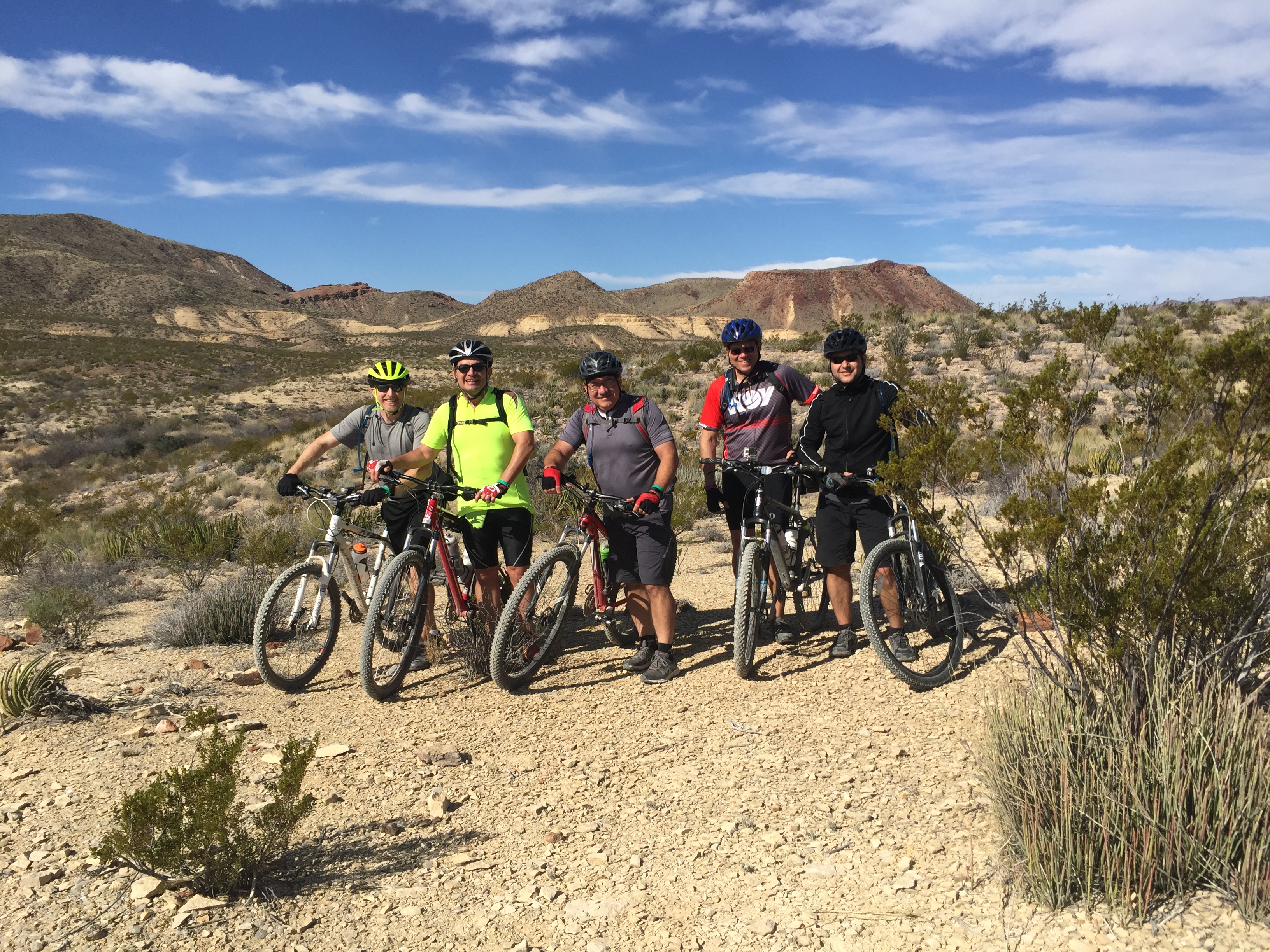
Biking FriendsThis year I returned to the Bike Fest with several friends. We had reserved a couple of sites after last year’s ride to make sure that we would have a place to pitch our tents. And, because we enjoy this event so much, we have already reserved our spaces for the next two years and hope to encourage a few more of our dirt-loving buddies to join us.
James at Bike FestAs soon as the sun came up we enjoyed a delicious breakfast and then mounted our mechanical steeds and headed off into the desert. We enjoyed two and a half days of riding and logged a little more than sixty trail miles. To say we had a blast would be an understatement. Sharing this adventure with good friends made it all the more enjoyable.
Trek at Chihuahuan Desert Bike FestI love events that bring people together — and the Chihuahuan Desert Bike Fest does just that. We enjoyed sharing our dutch oven desert with our neighbors at the campsite, talking with other riders, sharing tales of our daily rides, laughing a whole lot, and warming our feet at our evening campfire under the watchful glimmer of billions of stars in our deep in the heart of Texas sky.
img_1445If you are a mountain biker, then I encourage you to add the Chihuahuan Desert Bike Fest to your list of adventures. Get it on your calendar now. Register early. And then join the fun in one of the most amazing places in the Lone Star State. Hope to see you in the Chihuahuan Desert in 2018.

5 Facts About Walking Stick Cholla

I love the mesmerizing beauty of the Chihuahuan Desert in the Lone Star State. This is iconic cowboy country that easily conjures up images of the old west. The more I wander through this region, the more I want to learn about the distinctive plants that give the vistas a beauty all their own. On a recent visit to the Guadalupe Mountains, I became acquainted with the walking stick cholla — an easy to identify member of the cactus family. Here are five interesting facts about this really cool-looking plant.

1. Walking Stick Cholla has some really cool aliases.


Most plants that grow in the Chihuahua Desert are known by more than one name. The walking stick cholla (pronounced cho-ya) certainly has its fair share of Native American and Spanish names, many inspired by the features of the plant. The cholla is also known as cane cholla, tree cholla (because it resembles a small tree), tree cactus, candelabrum cactus, devil’s rope, coyote prickly pear, tuna quell, and velas (candles) de coyote.
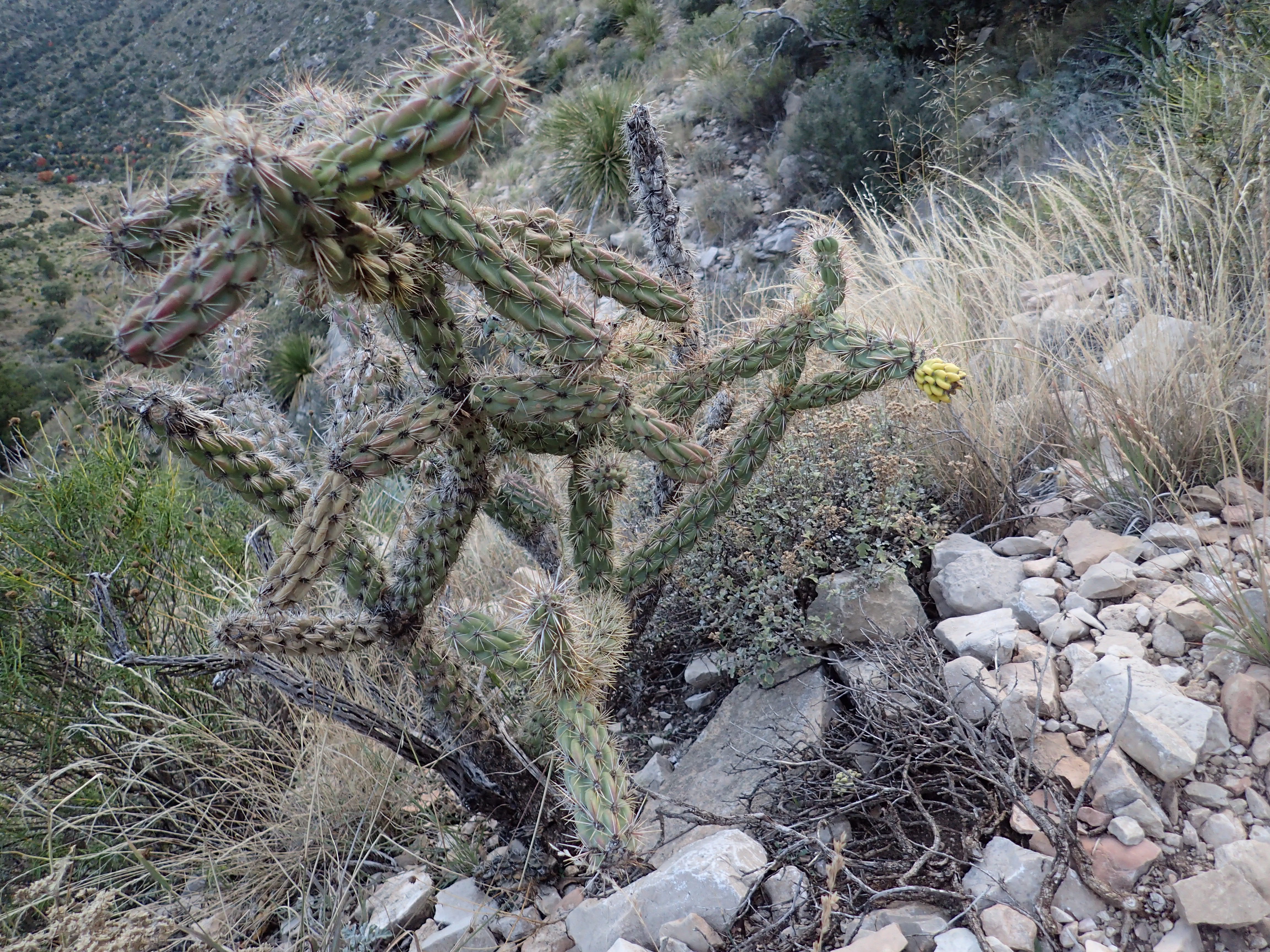
Cholla Cactus A2. People either love or hate the walking stick cholla.

In its native desert environment, the cholla is regarded by some as a weedy and troublesome pest. This hardy cacti can quickly reproduce. Fallen joints can easily form roots and produce new plants that spread and take over rangelands. However, to those who love xeric landscapes, cholla is regarded as a beautiful sculptural addition to a low-maintenance garden.

Cholla Fruit3. The walking stick cholla is a source of food.

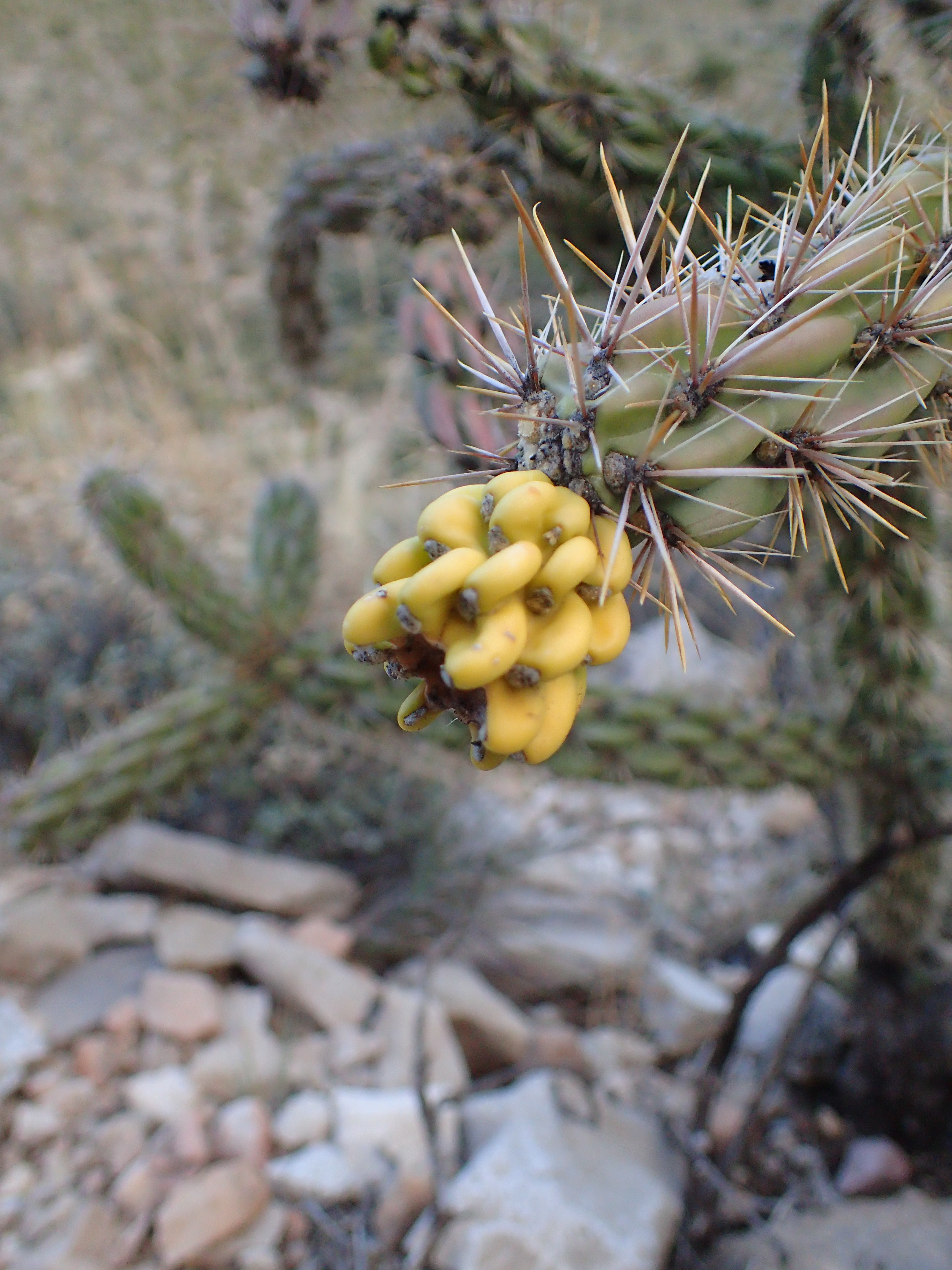
The walking stick cholla produces a distinctive yellow fruit that is often mistaken for flowers. This fruit lasts throughout the winter months and is a source of nutrition for wild birds, pronghorn antelope, desert bighorn sheep, and deer. The calcium-rich fruit of some species is edible either raw or boiled and is a good source of fiber. The cholla fruit is also used in dye production.

4. The walking stick cholla has spines and blossoms.

As with all cacti, beware of the thorny spines that grow around the perimeter of the candelabra-like branches of the walking stick cholla. The vicious barbed spines have earned it the nickname devil’s rope and are tough enough to penetrate leather gloves. So, handle with care. In contrast to its spines, the cholla produces purple or magenta flowers that add to the beauty of the desert landscape.
dried-cholla5. Dead walking stick cholla stems have a beauty all their own.

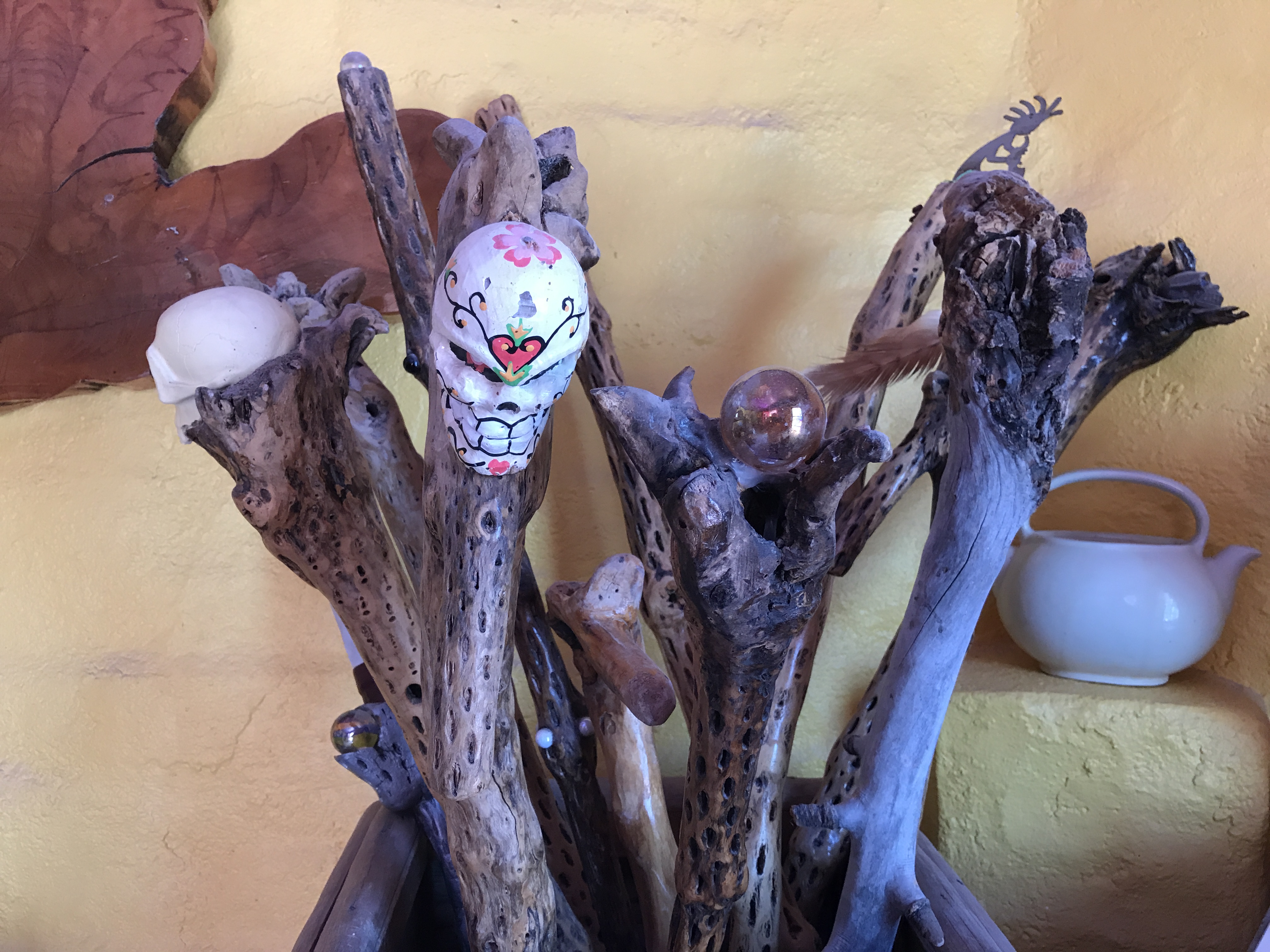
Dried cholla wood is a good source of firewood. When dead stems decay, they reveal a hollow wooden tube with a beautiful pattern of slits. These dried cylindrical branches are sometimes used as walking sticks or canes or to make picture frames, tool handles, and other curio-like items.

Champ Burger of Houston

Among the hidden treasures in the Lone Star State are off-the-beaten-path burger joints that serve up some of the finest burgers on the planet. This week I had an opportunity to venture from my suburban home in Katy to Houston’s Second Ward to eat a burger at Champ Burger — a fifty-plus year burger establishment on the corner of Sampson and Garrow.
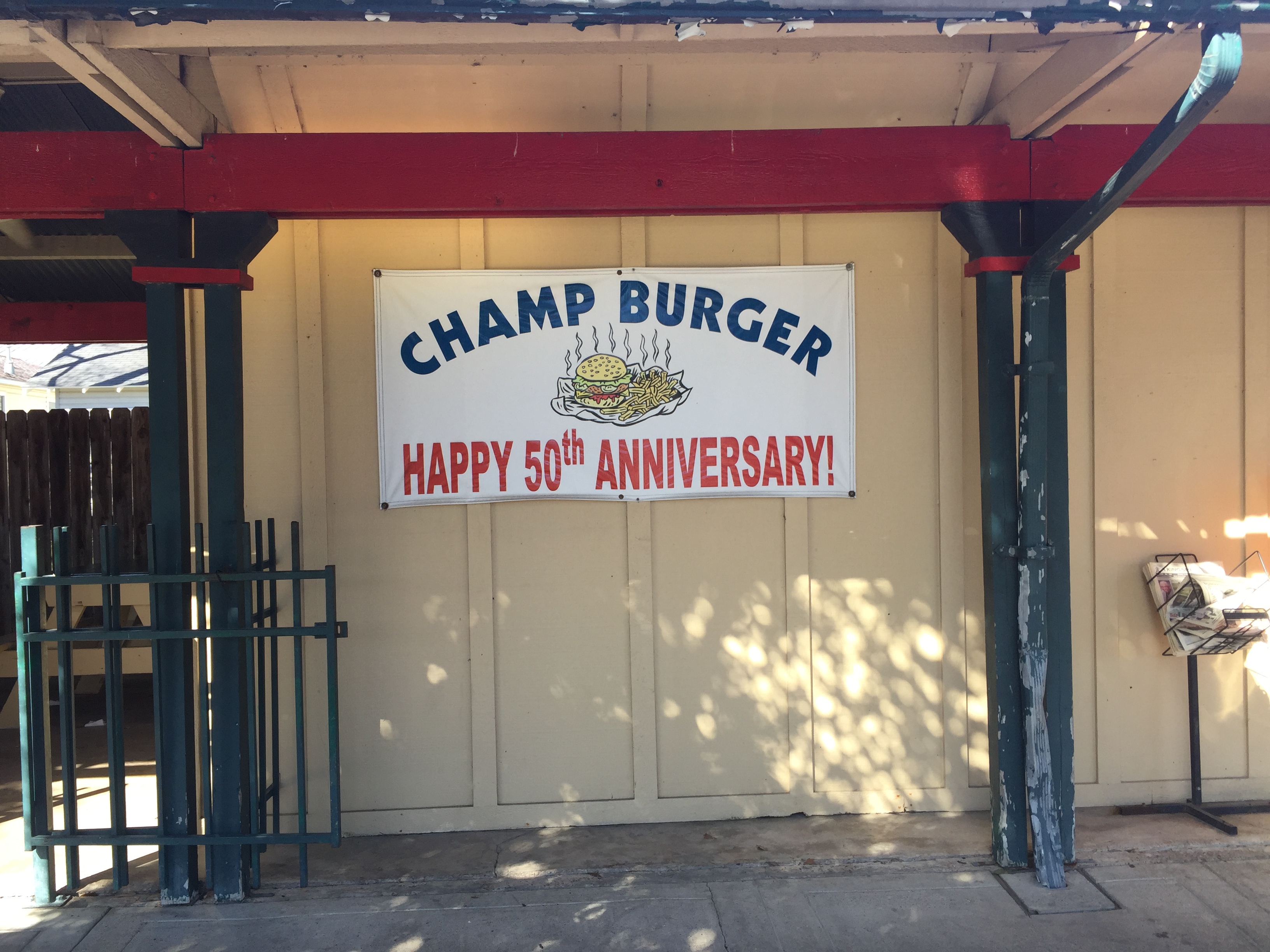
champ-burgerChamp Burger is an old-fashioned walk-up burger place with plenty of shaded outdoor seating. They have a window where you can place your order and another where you can pick-up phone orders. Both had a steady stream of customers when I was there. That in itself is a great recommendation. And, to make things even better, the staff was very friendly and helpful.
champ-burger-exteriorIf there is such thing as a Burger Heaven, then Champ Burger is definitely in. The burger-aroma around the joint was heavy and heavenly. As usual, I ordered a bacon cheeseburger with a side of onion rings and a glass of iced tea. Within minutes of sitting down my order was ready. And then, the best part — eating!
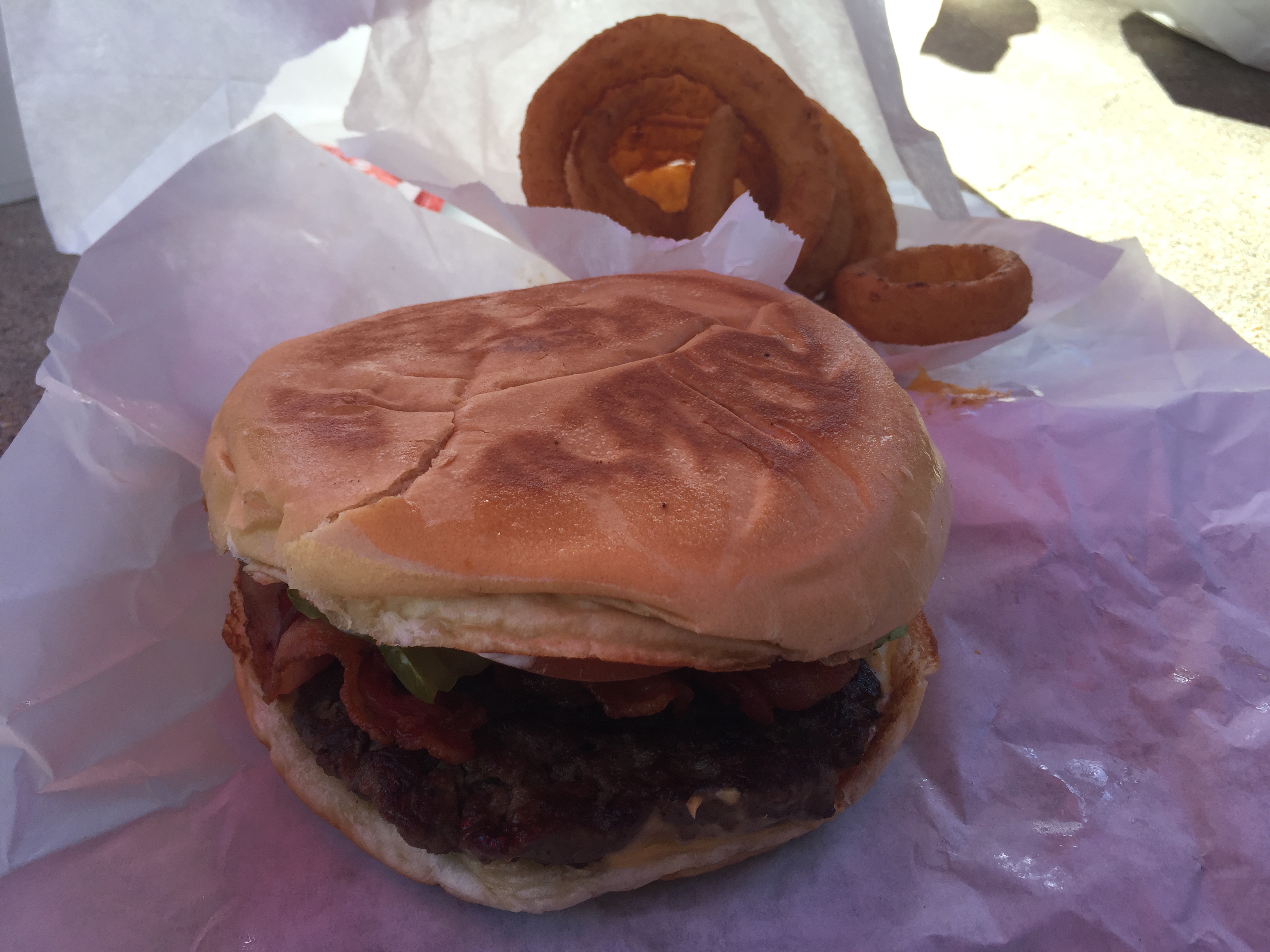
champ-burgerI was immediately impressed with the size of this single patty burger. The bun was toasted to perfection, the cheese-covered meat patty was generous and juicy, the bacon was crisp, and the veggies were fresh. Everything looked delicious and inviting. As for my first bite — oh my soul. It was absolutely delicious. Within seconds I knew that this was one of the best burgers I have ever tasted.
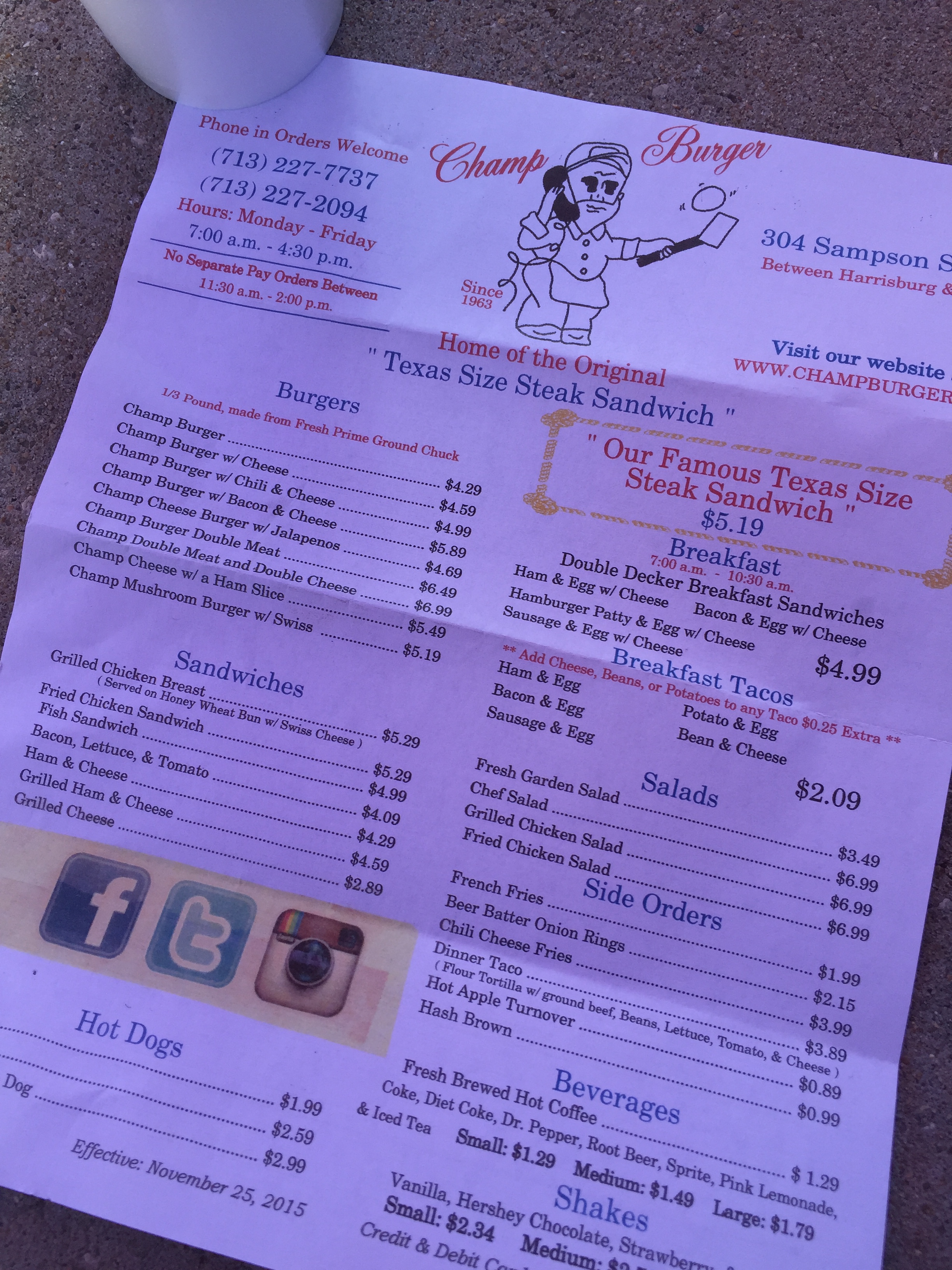
chamop-burger-menuI know that fast food joints serve a purpose. But why, when you have options like this, would anyone want to eat a fast food burger. It’s definitely worth taking a few extra minutes to drive to a place like Champ Burger to make lunch a little more of an enjoyable adventure. Some regard Champ Burger as one of Houston’s Best Kept Secrets. I agree but want to do what I can to let the secret out.
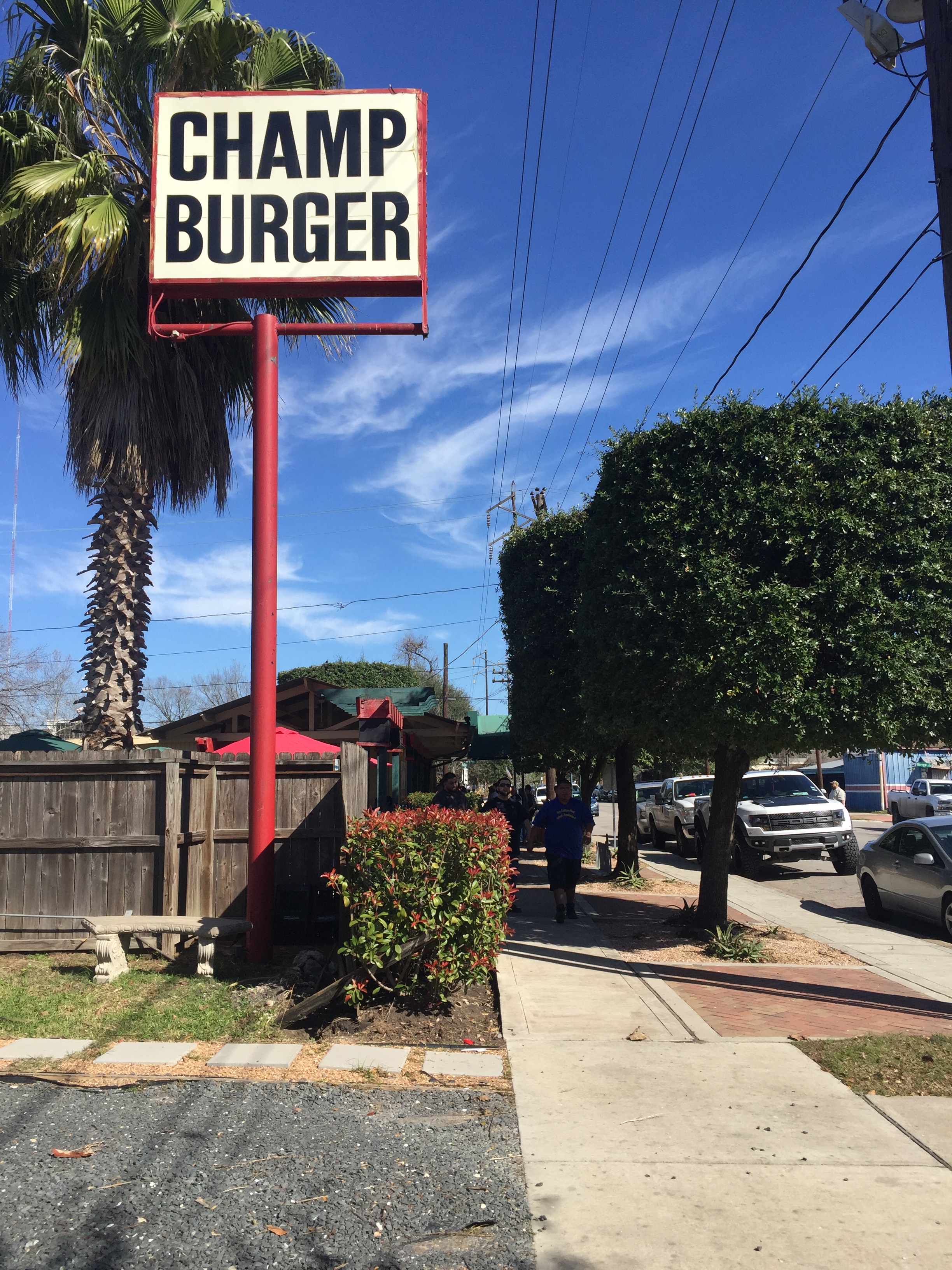
champ-burger-signjpgI love finding places like Champ Burger. These guys have been around for more than fifty years for good reason. They have perfected the preparation of an unforgettable burger that keeps drawing customers back again and again. If you live anywhere in the greater Houston area, you owe it to yourself to give Champ Burger a try. If you are traveling anywhere near Houston and love burger adventures, then swing by and see the folks at Champ Burger. You’ll definitely be glad you did!

Brown’s Drive In

One of the best things about a Texas road trip is the opportunity to discover new places to enjoy a burger far from home. I have a no fast-food rule when I am trekking across the Lone Star State. I figure that since I have to eat anyway, I may as well make every meal an adventure. And that means discovering new places to eat.

On a recent trek from my home in Katy to the Guadalupe Mountains, a buddy and I decided to find a burger joint in Kerrville. As I have done on many occasions, I asked Siri to recommend “places to eat a burger near me.” Brown’s Drive In showed up on that list and so we turned on our navigation and headed that way.
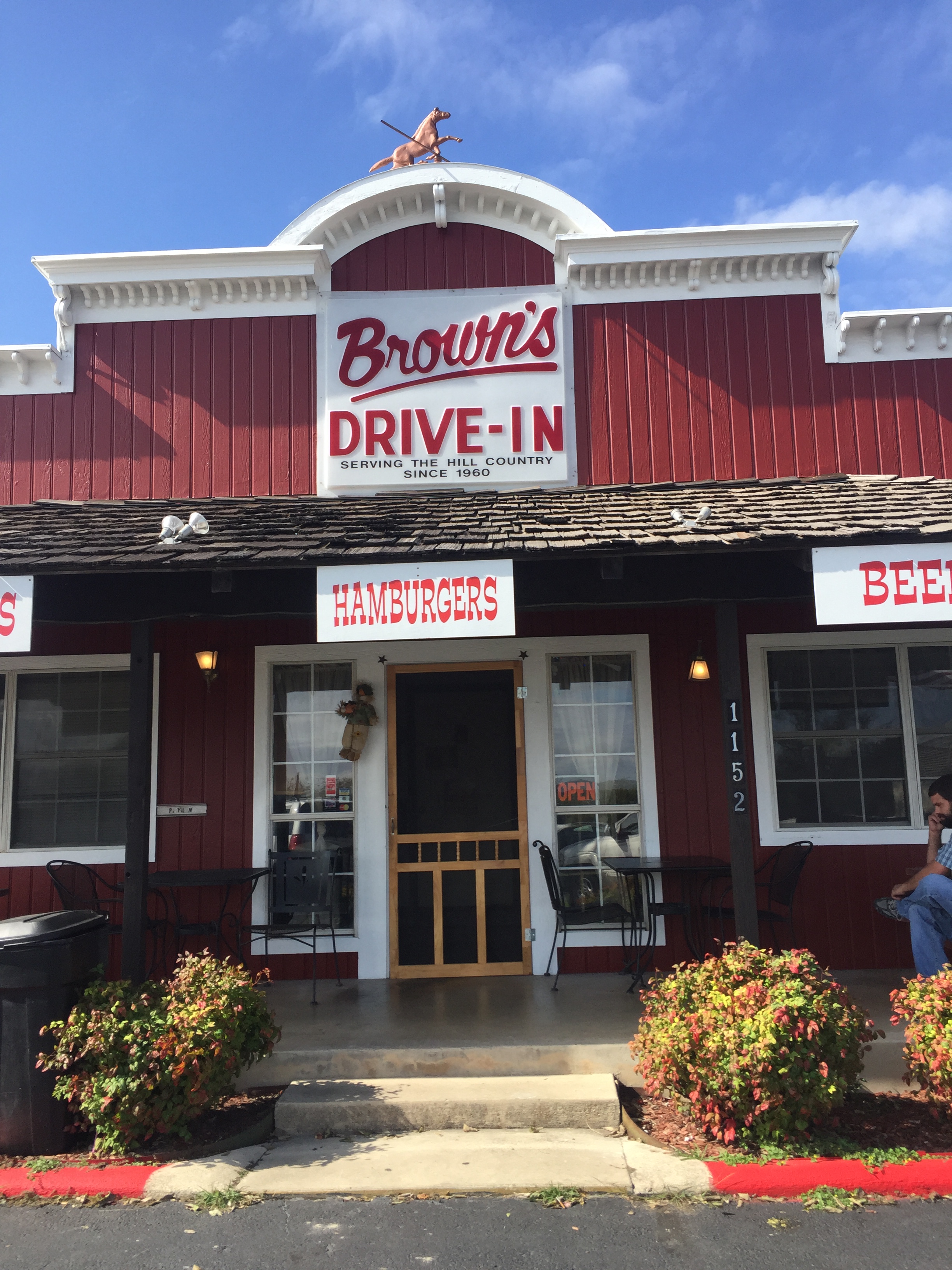
Brown's Drive InHoused in a hard-to-miss red building with white trim on Sidney Baker Street South, we parked and then took our hungry selves inside. The building is modest in size and smothered in fragrant burger aroma. There is seating both inside and out and a drive-thru window that kept the staff hopping.

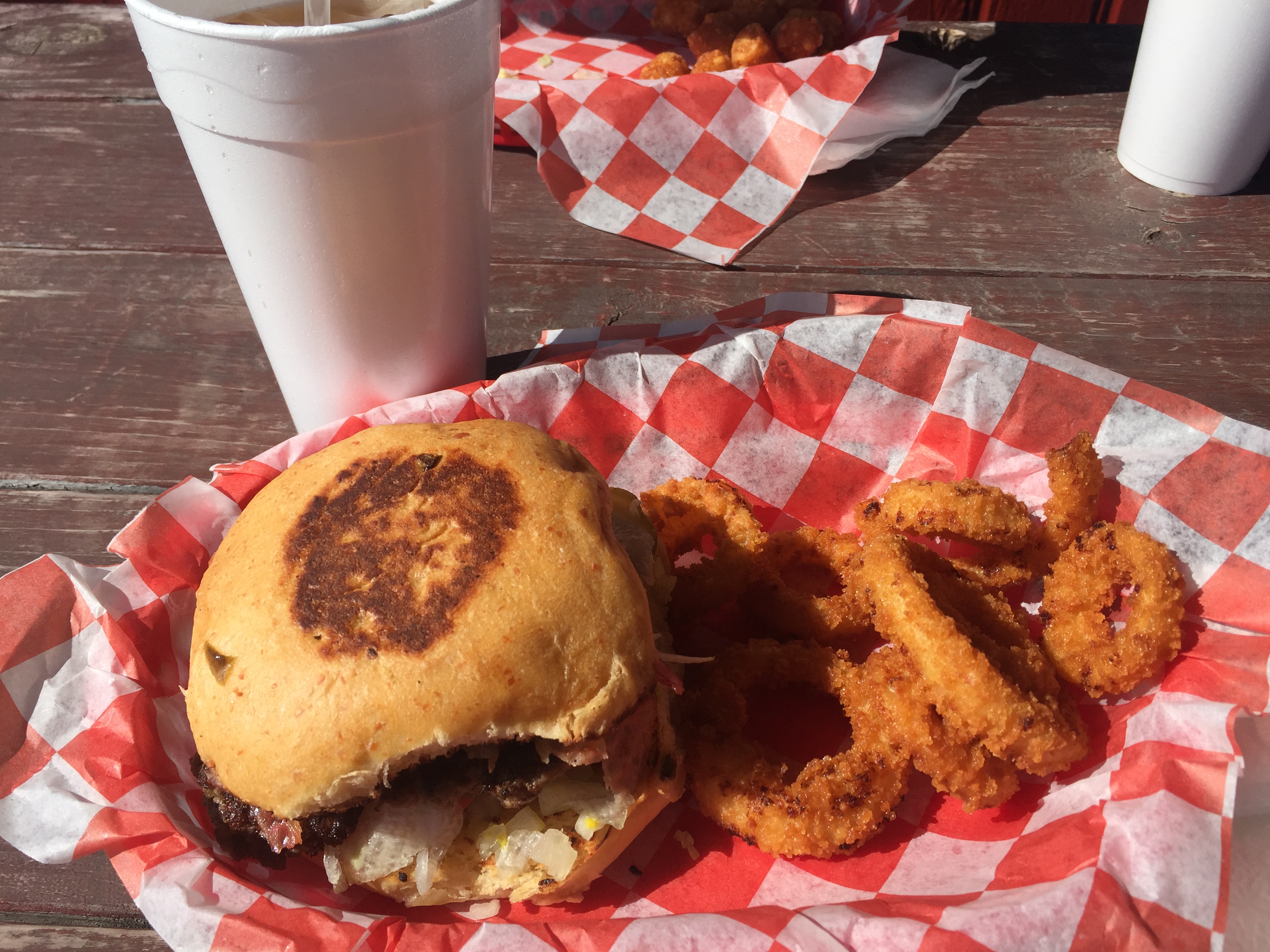
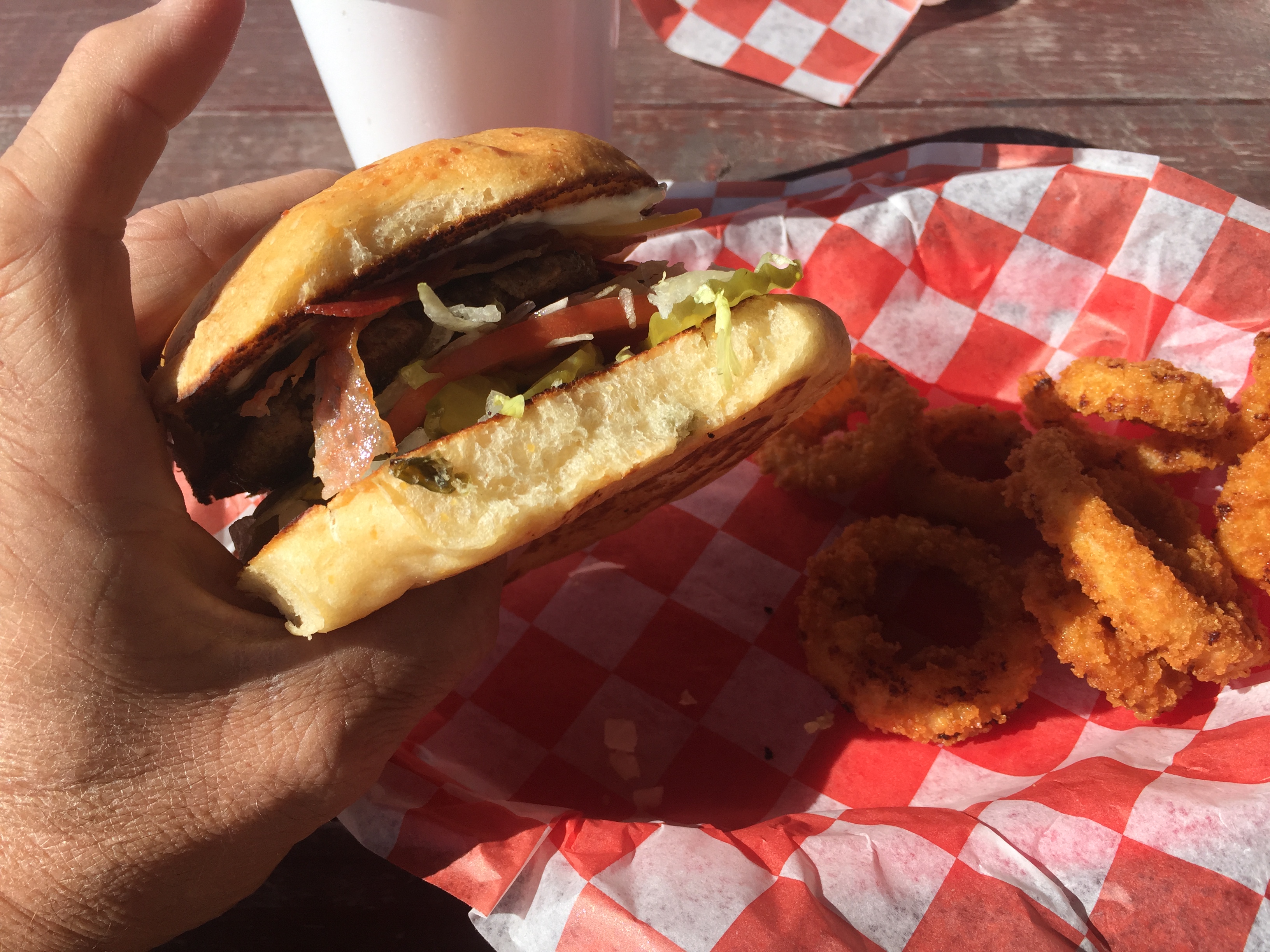
I ordered the smaller quarter-pound bacon cheeseburger on a jalapeño infused sourdough bun. Speaking of hamburger buns, God bless whoever had the brilliant idea of putting jalapeño bits into hamburger buns. You did all true Texans a great favor by going beyond in your creative culinary pursuits. I also ordered onion rings and a glass of tea.
Brown's Drive In BurgerSince the inside dining area was filled with customers, we sat at one of the picnic tables on the front porch. As for the burger, it was absolutely delicious. Everything about this burger worked well. All of the ingredients were fresh. The meat was juicy and cooked to perfection. The onion rings were crispy and tasty. All in all, this was a delicious meal.
Brown's Drive In Burger ProfileIf you find yourself traveling anywhere near Kerrville at lunch time (or anytime), make it a point to stop by Brown’s and try one of their delicious burgers. They have been around for a long time, know what they’re doing, and have a loyal customer base — perhaps the best recommendation of all.

Thank You, Trail Crews

On January 1, Texans of all ages will head to our state and national parks to participate in First Day Hikes, a cooperative initiative among the nation’s state parks to get more people outside. On that single day alone, folks in Texas and around the nation will collectively log tens of thousands of miles on park trails. And that’s a good thing!
Omar on Guadalupe TrailI enjoy both hiking and biking the trails in our state parks. In fact, I use my Texas State Parks Pass as often as possible. There is no question I get more than my money’s worth every time I renew my annual pass. There is no better way to relieve stress and to clear my mind than heading down a trail in one of our parks.
Doyle on Tejas TrailAs a guy who enjoys taking dirt paths, I have often wondered about trail development and maintenance. After all, trails don’t maintain themselves. The fact of the matter is someone had to get out there and determine the best way to get a hiker from Point A to Point B. That means understanding the local geography, how to mitigate things that can erode or damage trails, how to scratch out switchbacks to get hikers to higher elevations, building boardwalks and bridges, and much more.
on-tejas-trailOn my recent visit to Guadalupe Mountains National Park, I had an opportunity to meet a trail crew — young folks who were there to do maintenance work on Tejas Trail. They were all thin, tanned, athletic, super-friendly, and excited to do their part to keep the trails we all enjoy in good repair. My friend Doyle and I made it a point to thank each of them for their work as we made our way up Tejas Trail toward Hunter Peak. And each of them in turn told us to enjoy our hike.
trail-toolsAt the end of a long day of hiking, more than nine hours on the trails, we made our way back down Tejas Trail as the sun was setting. The work of the trail crew was evident. They had refreshed quite a bit of the trail by pruning back limbs of adjacent trees and plants, filled areas damaged by erosion, and more to keep this particular trail well defined. What a great gift to those of us who show up ready for adventure.
Tejas TrailI hope you will participate in a First Day Hike (or ride) at a park near you. Lace up your hiking boots, fill your hydration pack, toss some snacks into your daypack, air up your bike tires, and then get outdoors. And as you hike or bike down a trail, do so with gratitude for the trail crews that work so hard to make sure every trail in the Lone Star State is well maintained for our enjoyment. Thank you, trail crews!

5 Facts About Alligator Juniper

The alligator juniper is one of my favorite trees. I first encountered this member of the juniper family while hiking in the Guadalupe Mountains. It’s one of those trees that is hard to miss once you identify and get to know its distinctive characteristics. Here are five facts about the alligator juniper tree.
james-at-mckittrick-alligator-juniper1. The alligator juniper is named for its most distinctive characteristic — its bark.

The easiest way to identify the alligator juniper is by its distinctive bark. Look for rough square-plated bark that resembles the skin of an alligator. The thick bark grows in a cracked or checkered and furrowed pattern that sets it apart from other trees. The leaves of the alligator juniper are a deep green to blue-green in appearance.
Aliigator Juniper GMNP2. The alligator juniper is a tree as tough as its name.

The Guadalupe Mountains is a perfect place for alligator juniper. The tree prefers dry hillsides at moderate elevations like those found in the Trans-Pecos region of the state. The tree grows in the company of piñons, ponderosas, oaks, and other junipers. Alligator juniper has a high tolerance for heat and a low requirement for water. This evergreen tree thrives in either alkaline limestone or slightly acidic igneous soil.
alligator-juniper-mature-trunk3. The alligator juniper is in no hurry.

According to the science of  dendrochronology or the study of growth rings in trees, alligator juniper trees grow at a slow rate. Research has shown that young trees grow in diameter at a rate of 0.6 inches per decade — that’s pretty slow! The growth rate slows to 0.4 inches after the tree reaches 170 years of age. Alligator juniper trees have been known to live as long as 500 years. That’s pretty amazing!
alligator-juniper-trunks4. The alligator juniper is a berry producer.

The female tree produces edible berries that can be consumed raw or steamed. Native Americans used the strongly scented berries to flavor teas and incense and even added the berries to cornbread and sausages. Some Indians dried the berries for winter use or ground them into a mush and then formed them into cakes. In addition, they used the resin of the tree as chewing gum.
Alligator Juniper Omar Hike5. The alligator juniper is a favorite of wildlife.

The alligator juniper attracts a variety of wildlife. Wild turkeys and deer especially enjoy juniper berries. Various bird species such as sparrows, Mexican jays, flycatchers, woodpeckers, and hummingbirds breed among junipers. So, keep your eyes peeled for wildlife when you are out hiking among alligator juniper.