The Horse Crippler Cactus

The Big Bend region of Texas is home to more than 60 species of cacti, giving Big Bend National Park the distinction of having more kinds of cacti than any other U.S. national park. Among them all, none has a more intimidating name than the Horse Crippler.
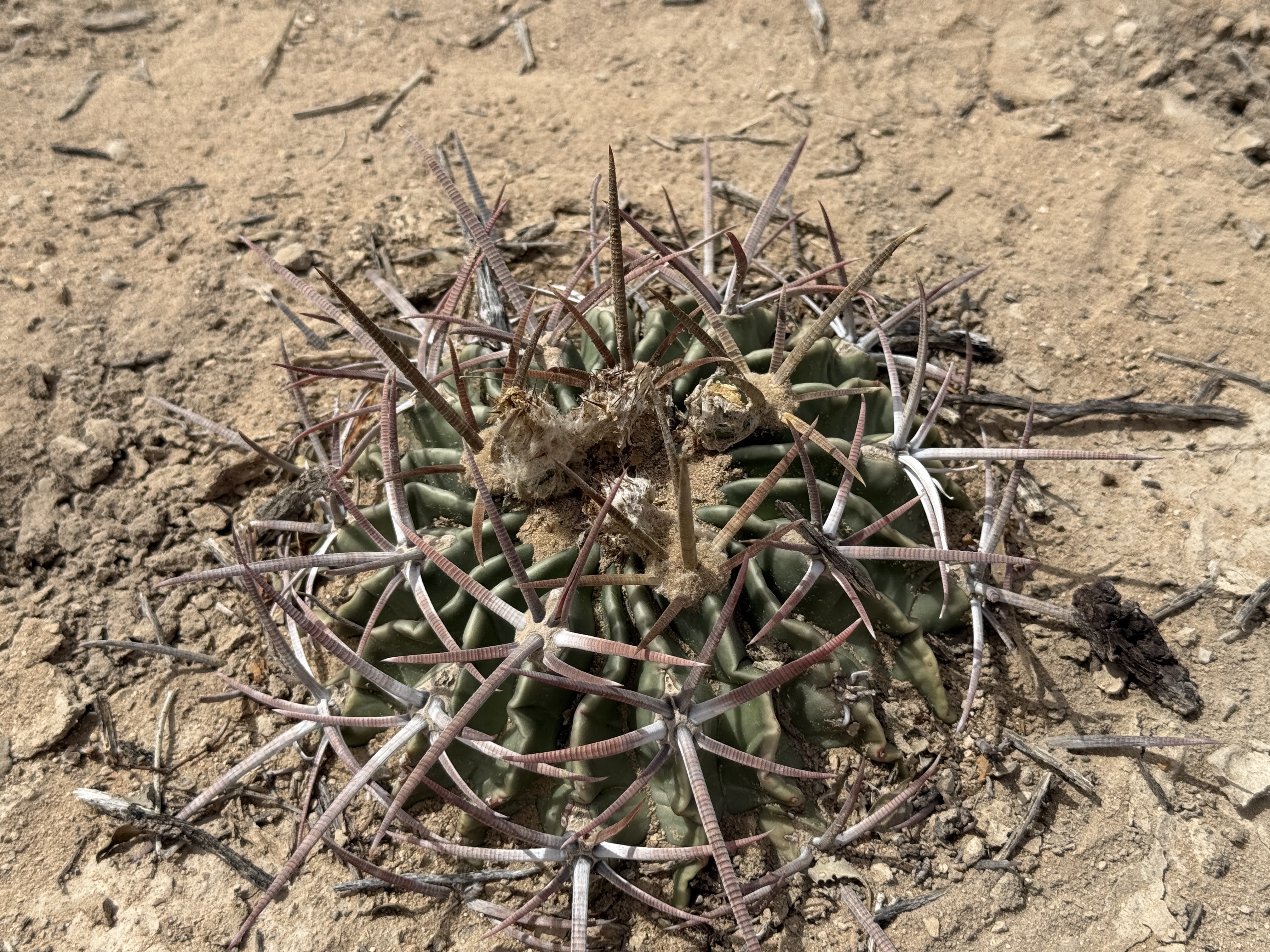

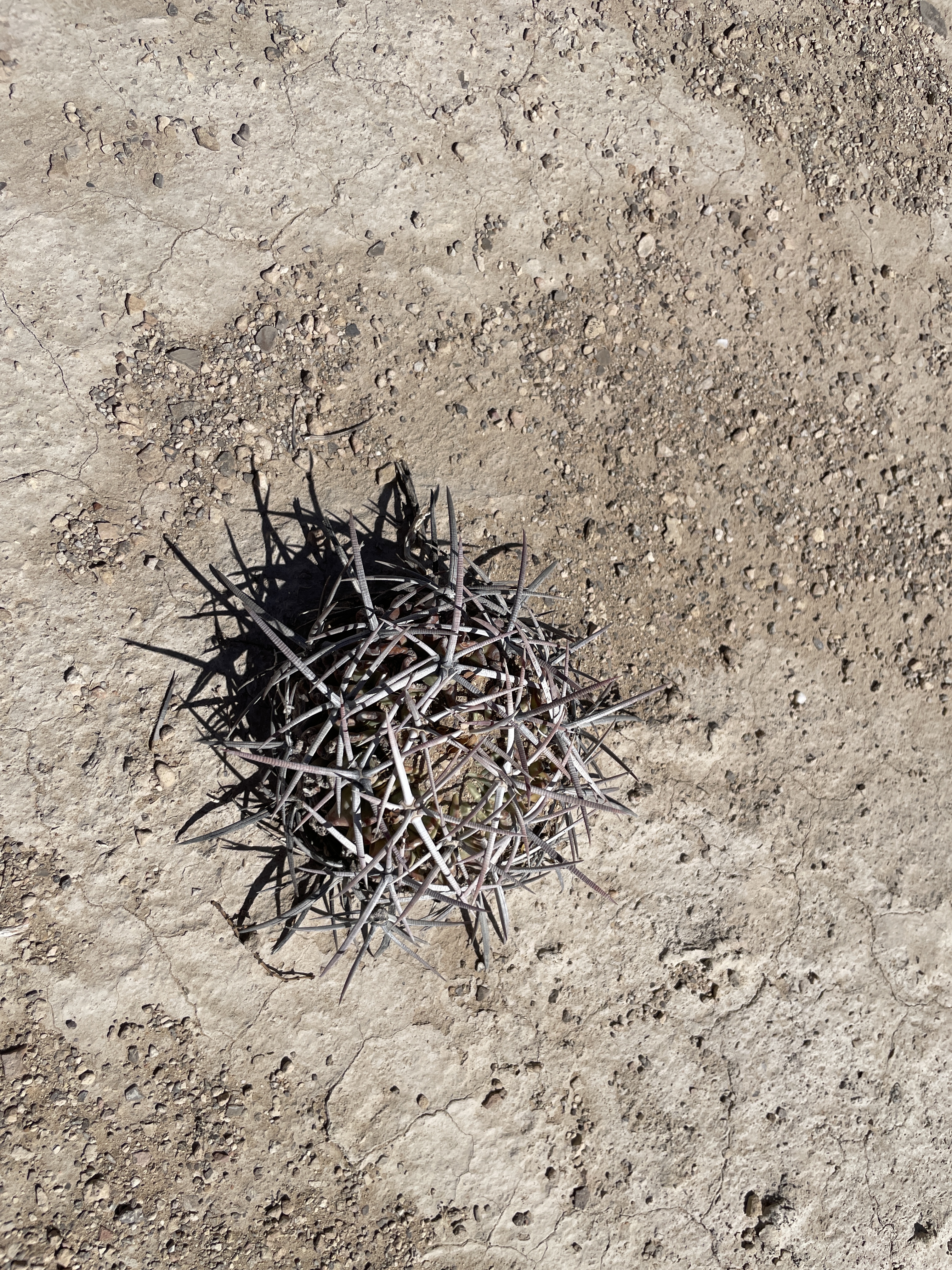
One look at this small but formidable succulent—with its broad, flattened shape and fierce spines—and it’s easy to understand how it earned its name. Hidden low against the desert floor, it was notorious for injuring the hooves of horses that accidentally stepped on it.

I have found several Horse Cripplers on our off-grid property just outside Big Bend National Park. They are surprisingly easy to miss because they hug the desert floor, blending almost perfectly into the sandy landscape. But the fact that this remarkable succulent thrives in the Chihuahuan Desert tells you everything you need to know—it is built for survival.
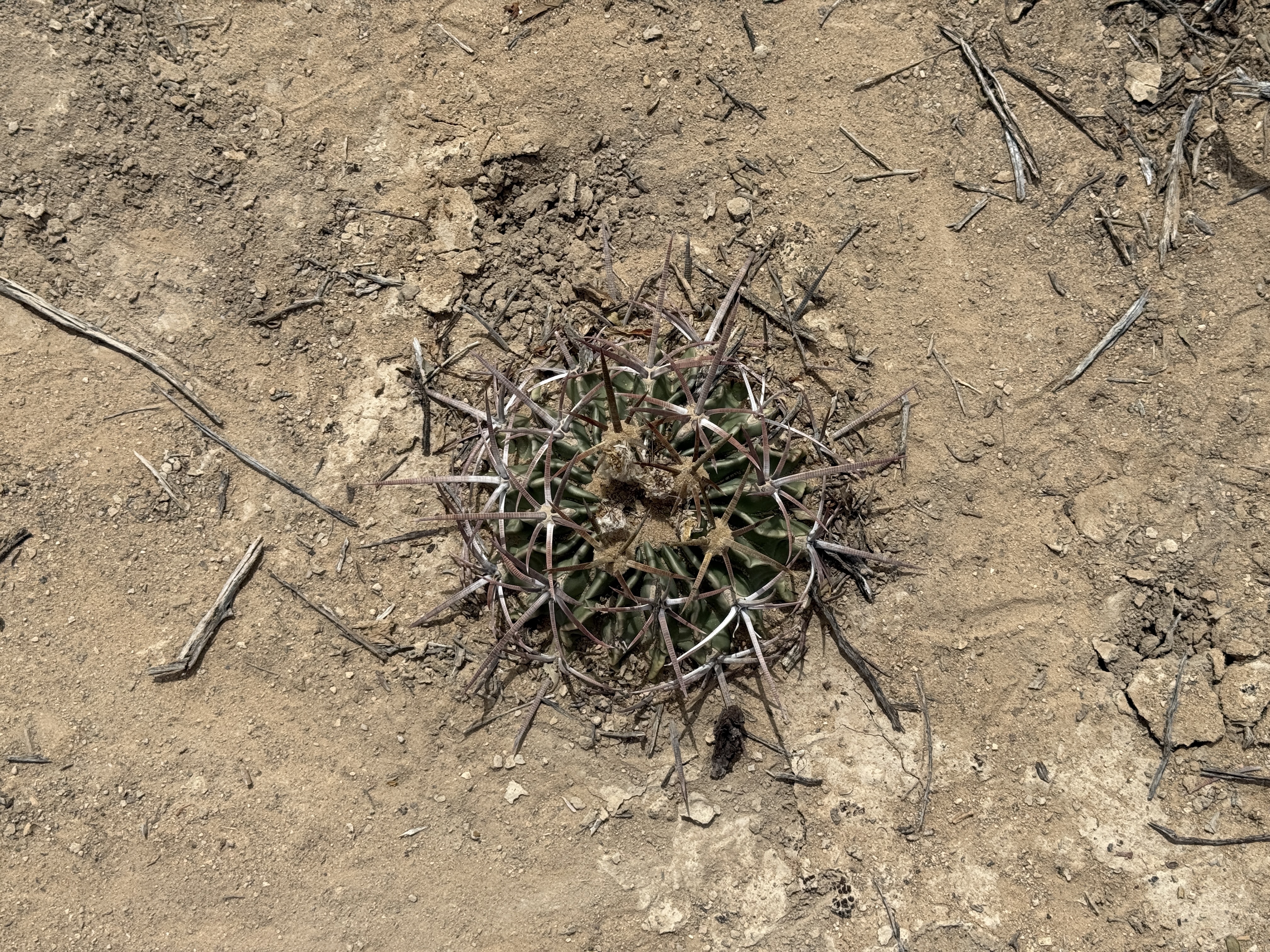

Unlike many other cacti, the Horse Crippler stays low to the ground. This helps protect it from the harsh desert sun and drying winds. When drought lasts a long time, it saves water by shrinking and sinking deeper into the soil. After a good rain, it fills up with water and rises a few inches, showing off its crown of spines again.

Like many of the cacti of the Trans-Pecos region of Texas, the Horse Crippler produces beautiful blossoms - in particular pink to lavender blossoms with striking reddish centers. These showy flowers appear in the spring and attract a variety of native pollinators. I have not yet been fortunate enough to find one in bloom, but I hope to one day.

Even more remarkable than its beautiful blossoms, the Horse Crippler produces scarlet-red fruit. After the flowers fade, these fruits develop and often remain on the cactus for weeks. The fruit provides an important food source for birds and small mammals who help disperse the cactus’s seeds across the desert.

The Horse Crippler shows that even in the tough conditions of the Chihuahuan Desert, survival goes to those built to last, no matter their size. Its resilience is a sign of the wisdom of its Creator.

For those fortunate enough to see a Horse Crippler in bloom, it offers another lesson: remarkable beauty can emerge from a life built to withstand difficult environments. Perhaps that is true of people as well.

In the meantime, I’ll continue watching where I step while keeping an eye out for this remarkable little cactus. One day, I hope to find one wearing its crown of pink and lavender blossoms.
5 Facts About Walking Stick Cholla

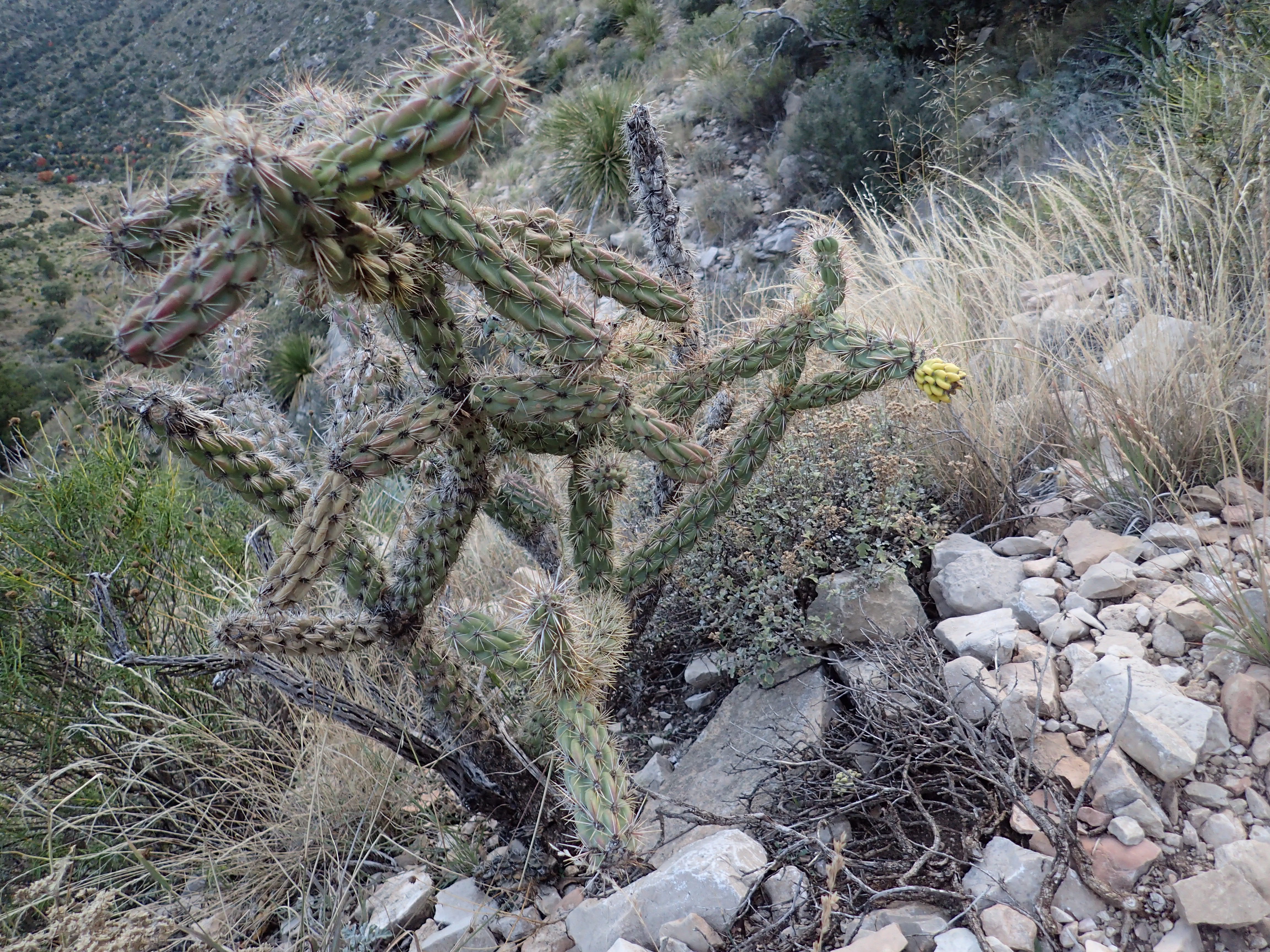
I love the mesmerizing beauty of the Chihuahuan Desert in the Lone Star State. This is iconic cowboy country that easily conjures up images of the old west. The more I wander through this region, the more I want to learn about the distinctive plants that give the vistas a beauty all their own. On a recent visit to the Guadalupe Mountains, I became acquainted with the walking stick cholla — an easy to identify member of the cactus family. Here are five interesting facts about this really cool-looking plant.

1. Walking Stick Cholla has some really cool aliases.


Most plants that grow in the Chihuahua Desert are known by more than one name. The walking stick cholla (pronounced cho-ya) certainly has its fair share of Native American and Spanish names, many inspired by the features of the plant. The cholla is also known as cane cholla, tree cholla (because it resembles a small tree), tree cactus, candelabrum cactus, devil’s rope, coyote prickly pear, tuna quell, and velas (candles) de coyote.
Cholla Cactus A2. People either love or hate the walking stick cholla.

In its native desert environment, the cholla is regarded by some as a weedy and troublesome pest. This hardy cacti can quickly reproduce. Fallen joints can easily form roots and produce new plants that spread and take over rangelands. However, to those who love xeric landscapes, cholla is regarded as a beautiful sculptural addition to a low-maintenance garden.

Cholla Fruit3. The walking stick cholla is a source of food.

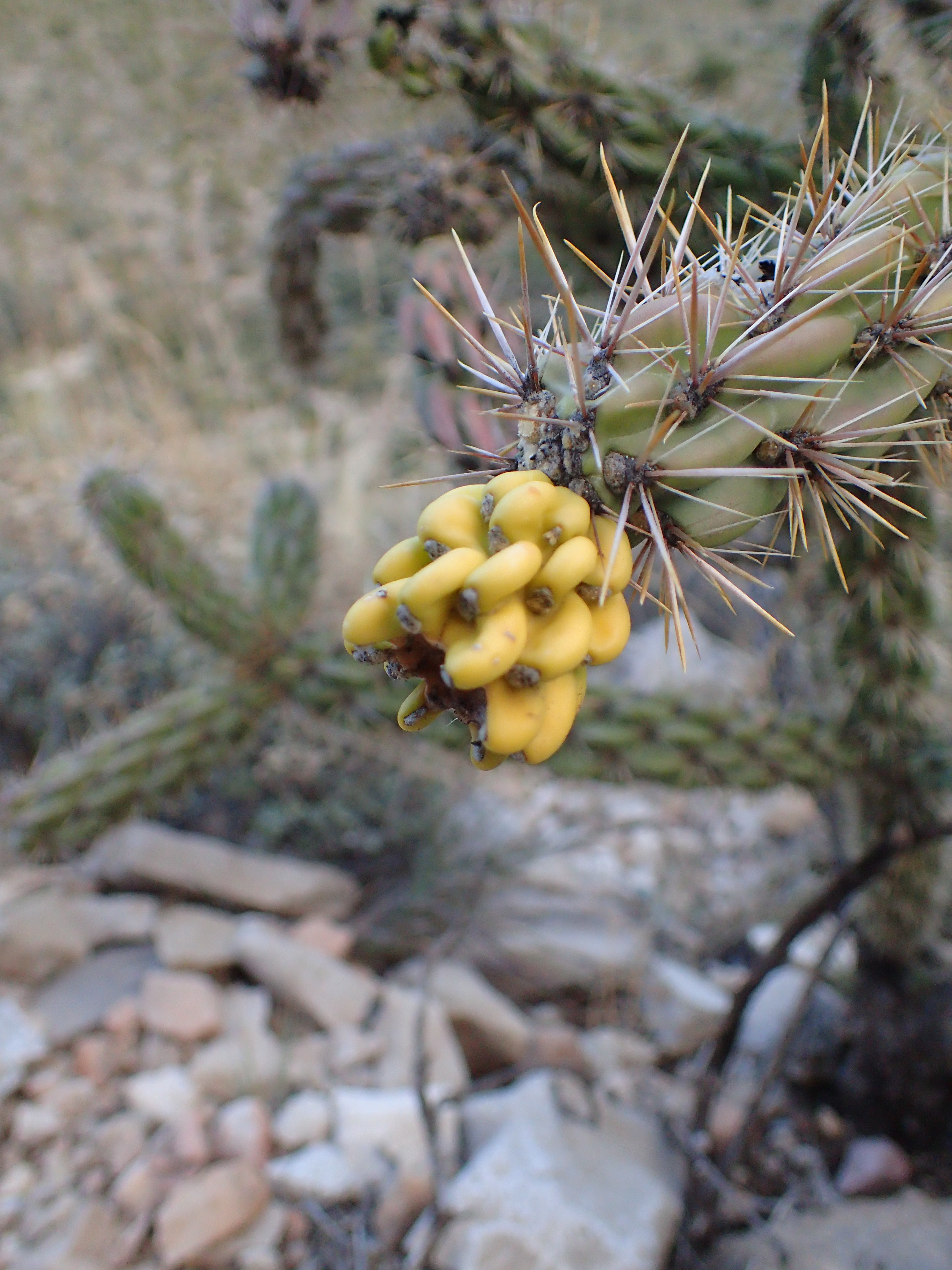
The walking stick cholla produces a distinctive yellow fruit that is often mistaken for flowers. This fruit lasts throughout the winter months and is a source of nutrition for wild birds, pronghorn antelope, desert bighorn sheep, and deer. The calcium-rich fruit of some species is edible either raw or boiled and is a good source of fiber. The cholla fruit is also used in dye production.

4. The walking stick cholla has spines and blossoms.

As with all cacti, beware of the thorny spines that grow around the perimeter of the candelabra-like branches of the walking stick cholla. The vicious barbed spines have earned it the nickname devil’s rope and are tough enough to penetrate leather gloves. So, handle with care. In contrast to its spines, the cholla produces purple or magenta flowers that add to the beauty of the desert landscape.
dried-cholla5. Dead walking stick cholla stems have a beauty all their own.

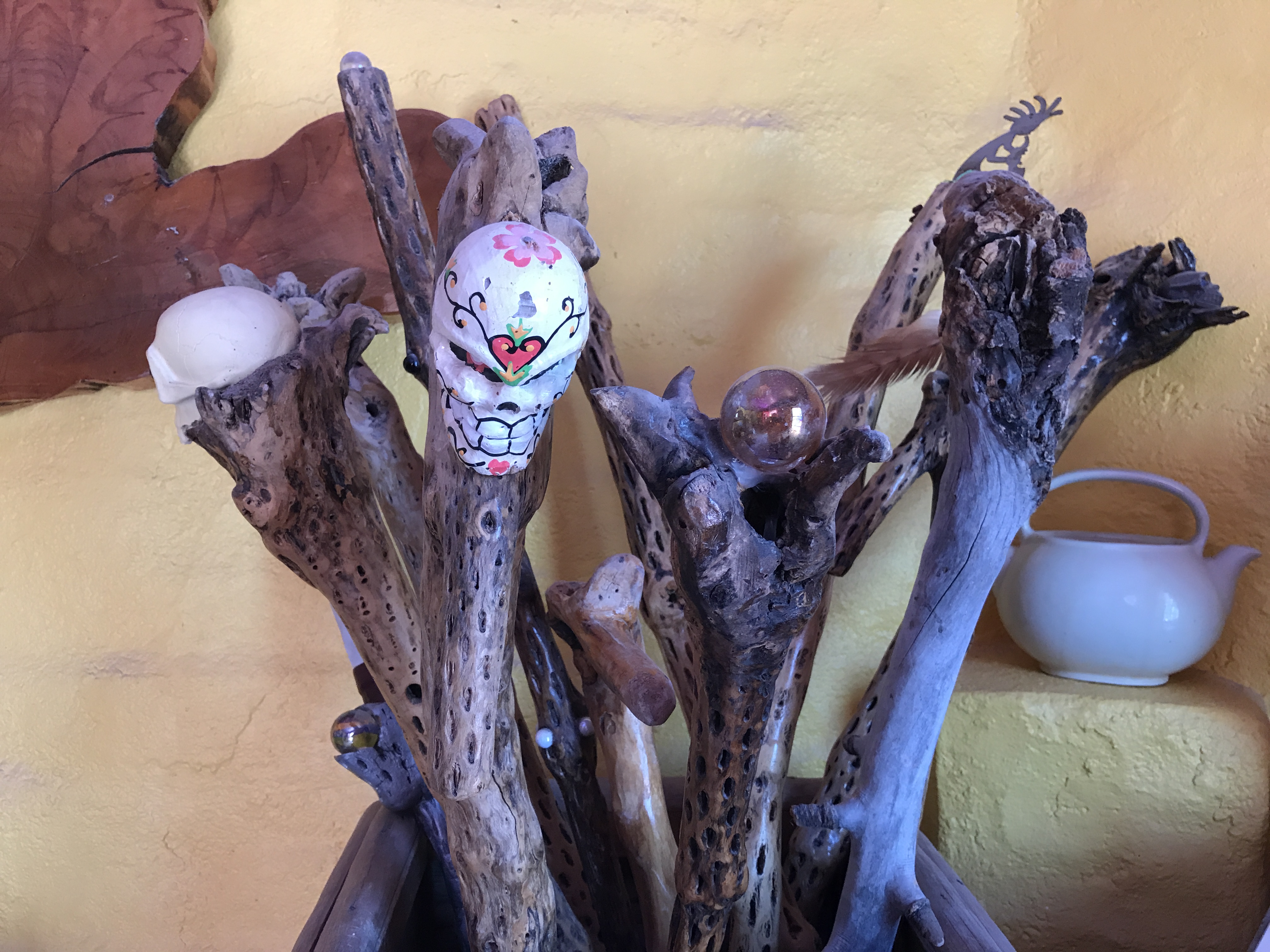
Dried cholla wood is a good source of firewood. When dead stems decay, they reveal a hollow wooden tube with a beautiful pattern of slits. These dried cylindrical branches are sometimes used as walking sticks or canes or to make picture frames, tool handles, and other curio-like items.