⭑ The Painted Churches of Texas Series
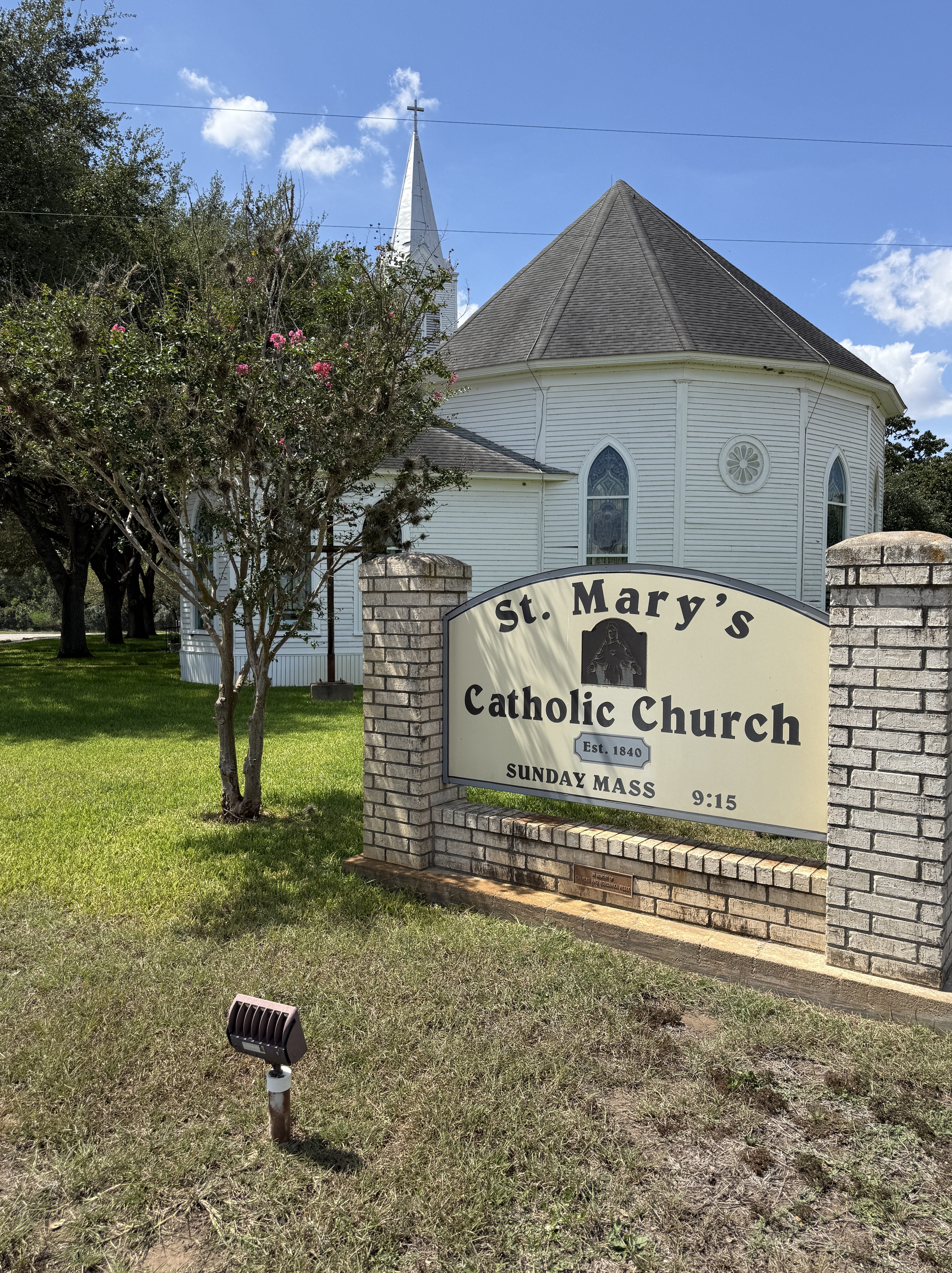
St. Mary’s Catholic Church stands about four miles west of Hallettsville on Farm to Market Road 340. Known formally as the Church of the Immaculate Conception of the Blessed Virgin Mary, it is considered the oldest rural Catholic parish in Texas. Established around 1840—before Texas became a state—the parish served as the spiritual and social heart of the community of St. Mary’s.
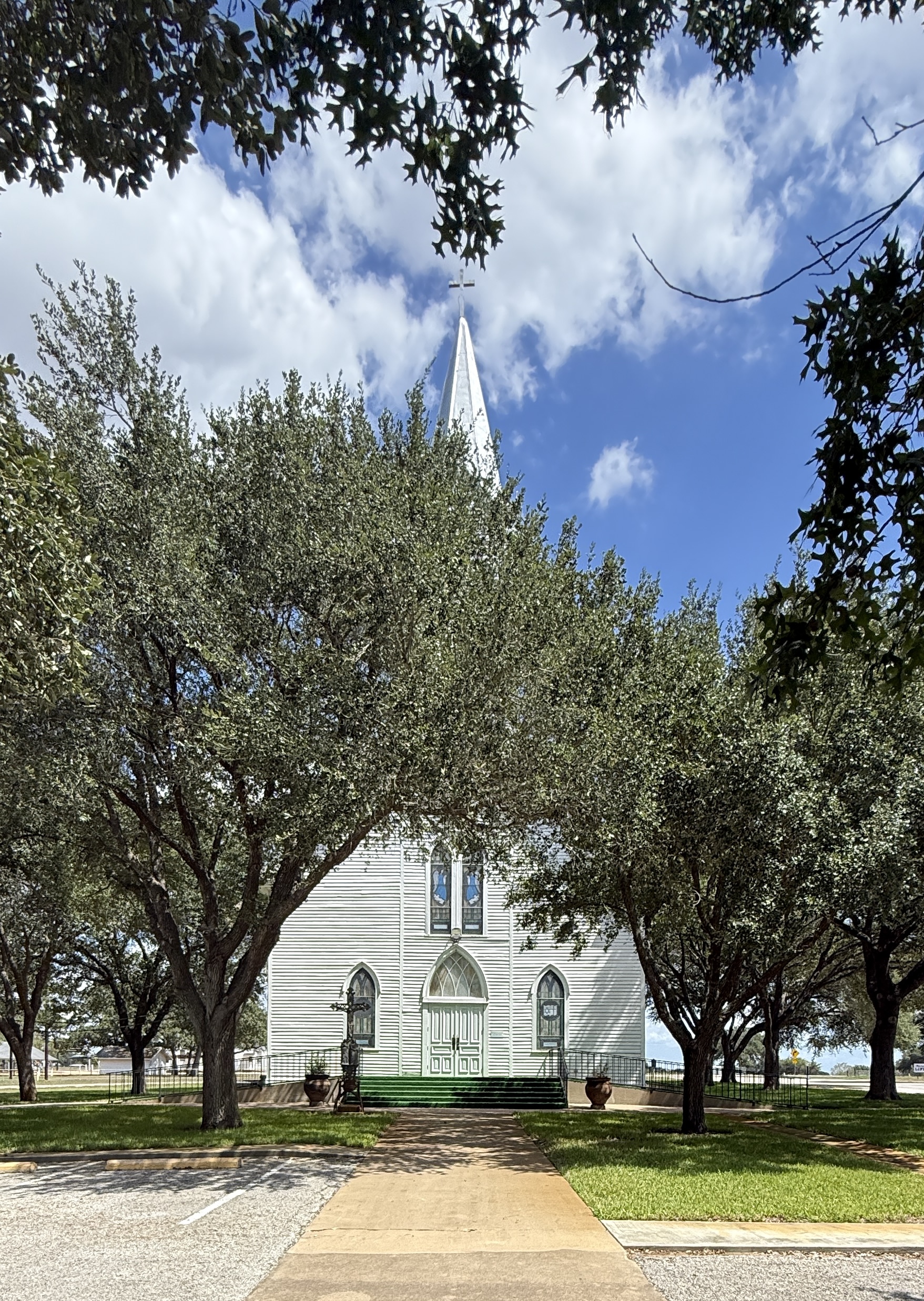
You won’t find St. Mary’s on most Texas maps. It was once a small but thriving rural community built around family farms, a school, a cemetery, and the Catholic church at the center of community life. Over time, the school closed, families moved away, and the settlement gradually faded away.
But the church remained.
In 1839, Fathers Edward Clarke and George Haydon arrived in the area and began constructing a log church and school. The following year, Father John Mary Odin—who would later become the first bishop of Texas—visited St. Mary’s and found a small but established Catholic settlement with a wooden church under construction. By 1847, St. Mary’s was one of only ten established parishes in the newly created Diocese of Galveston, the first Catholic diocese in Texas.
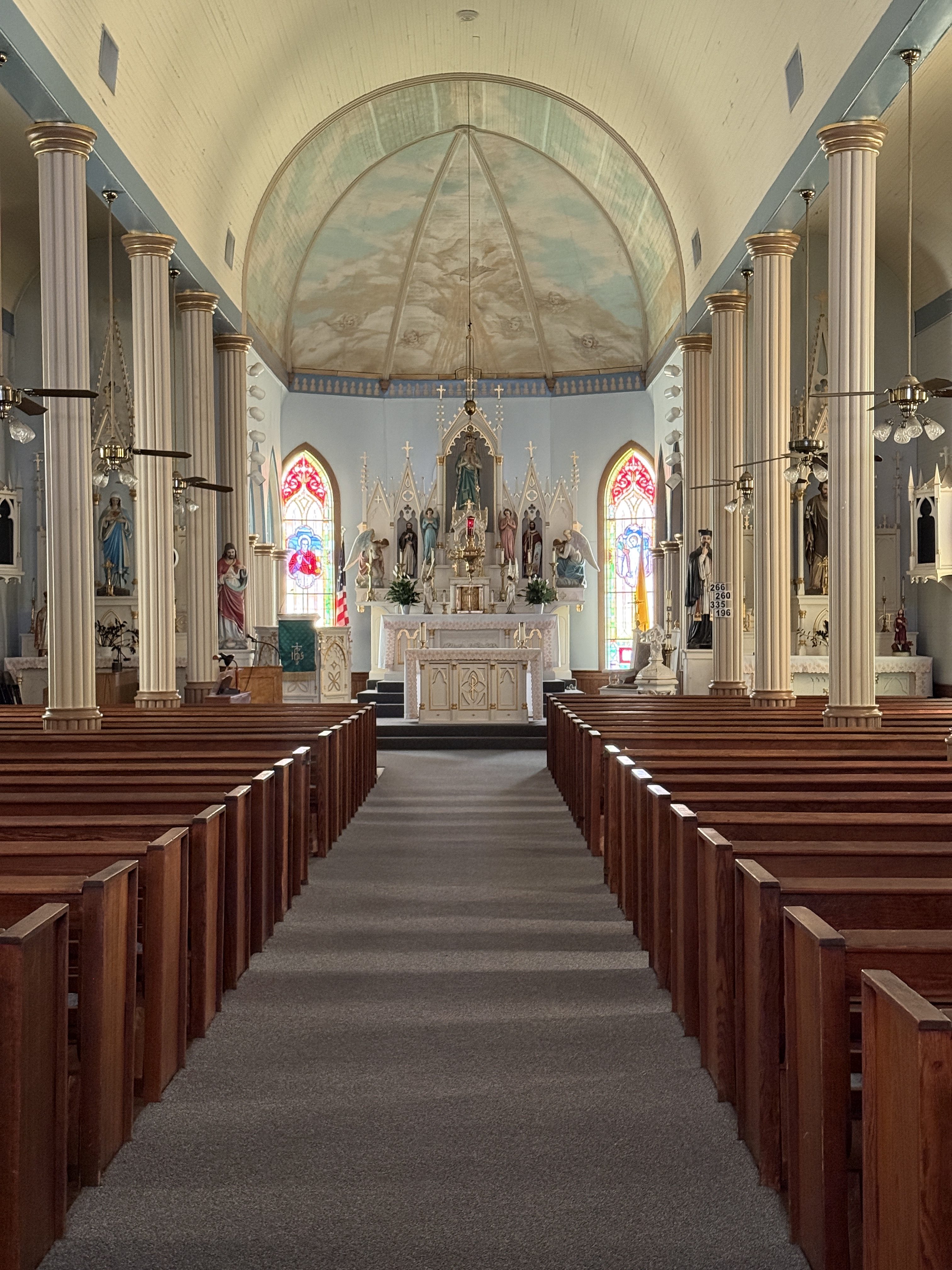
The present church was constructed in 1896 at a cost of approximately $4,000. Around 1945, an artist named Arthur Fatjo transformed the sanctuary ceiling with a heavenly scene of clouds, winged cherubs, and a dove representing the Holy Spirit. Fatjo is the only artist whose name has been preserved.
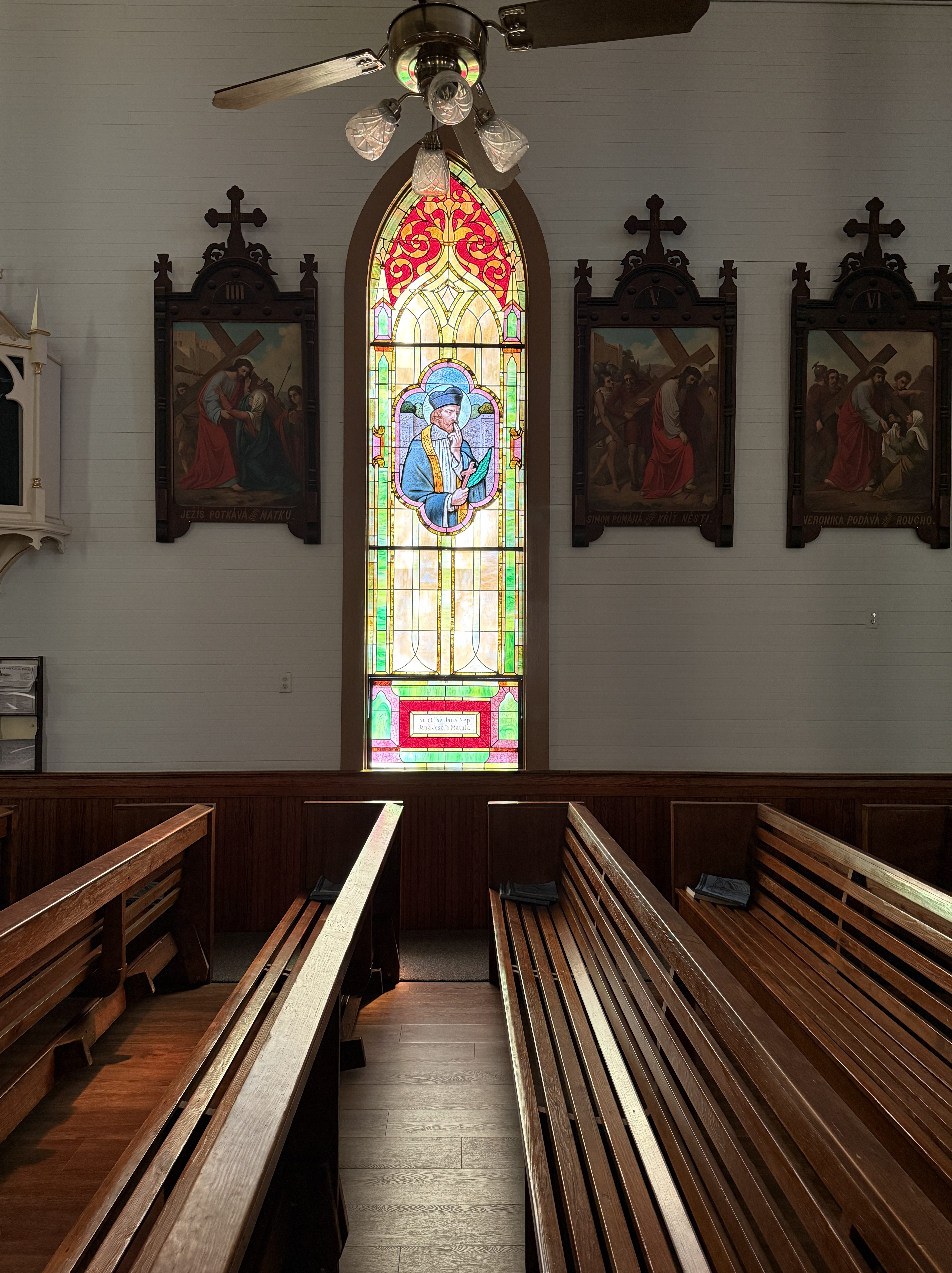
What fascinates me, however, is how many other artists and artisans worked together to create this beautiful interior. Who made the stained-glass windows with their Czech inscriptions? Who created the Czech-language Stations of the Cross? Who carved and installed the ornate altar? Who furnished the church with its wooden pews, statues, paintings, and finely crafted woodwork?
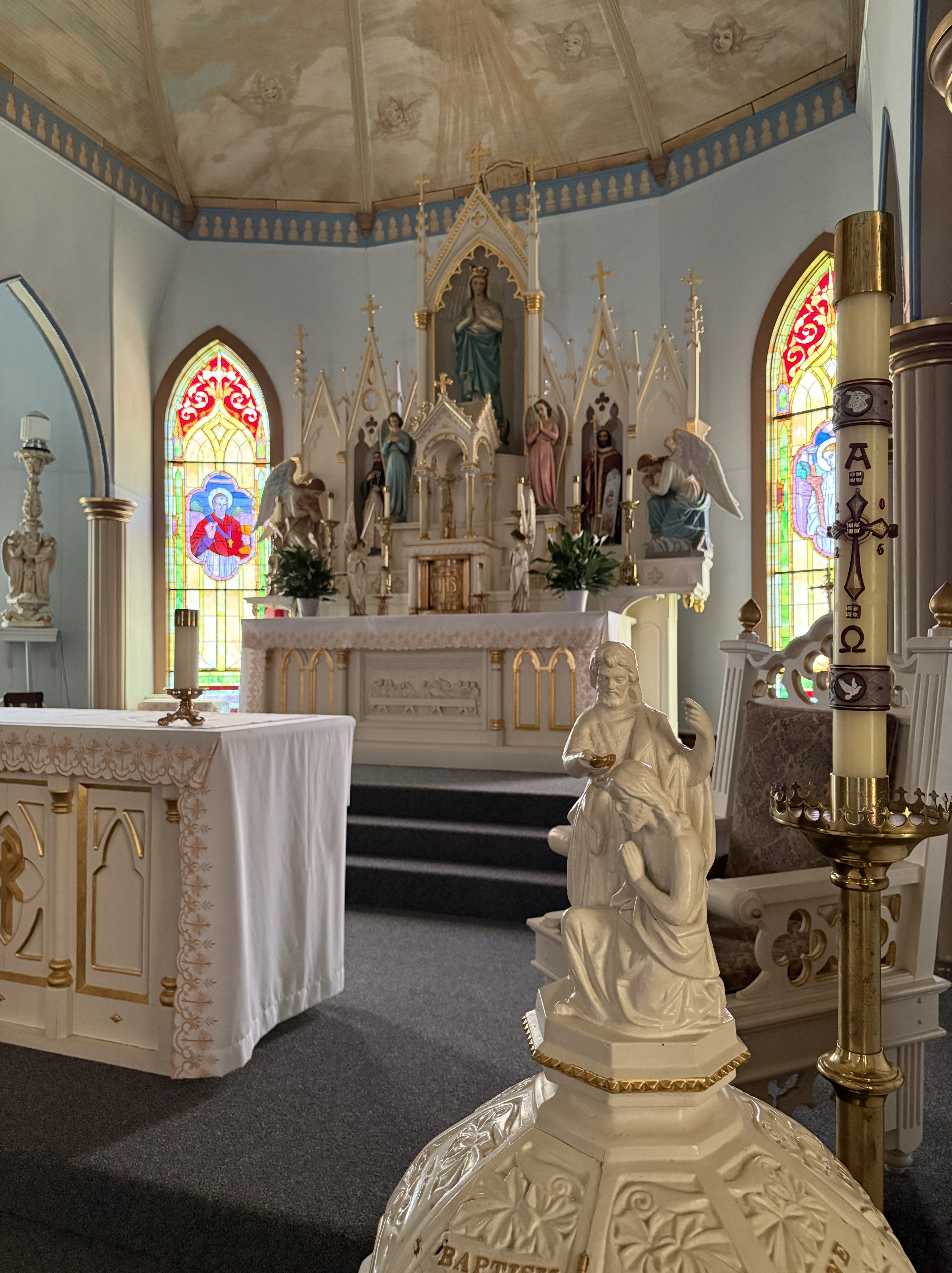
Their names may have been lost to history, but their work remains—a lasting testimony to their skill, devotion, and desire to create something beautiful for God.
The cemetery near the church preserves one of the settlement’s most important records. Some headstones date to the 1840s and bear the names of the early Irish-American families, followed by the Czech and German immigrants who later made this community their home.
I could not help but think about the generations of people buried there—people who once sat in the wooden pews of the old church through the ordinary and not-so-ordinary days of their lives. They gathered there to worship, to marry, to baptize their children, to bury their loved ones, and to seek God during times of both joy and sorrow. The settlement may have disappeared from the map, but this church’s enduring impact on generations of worshipers is undeniable.
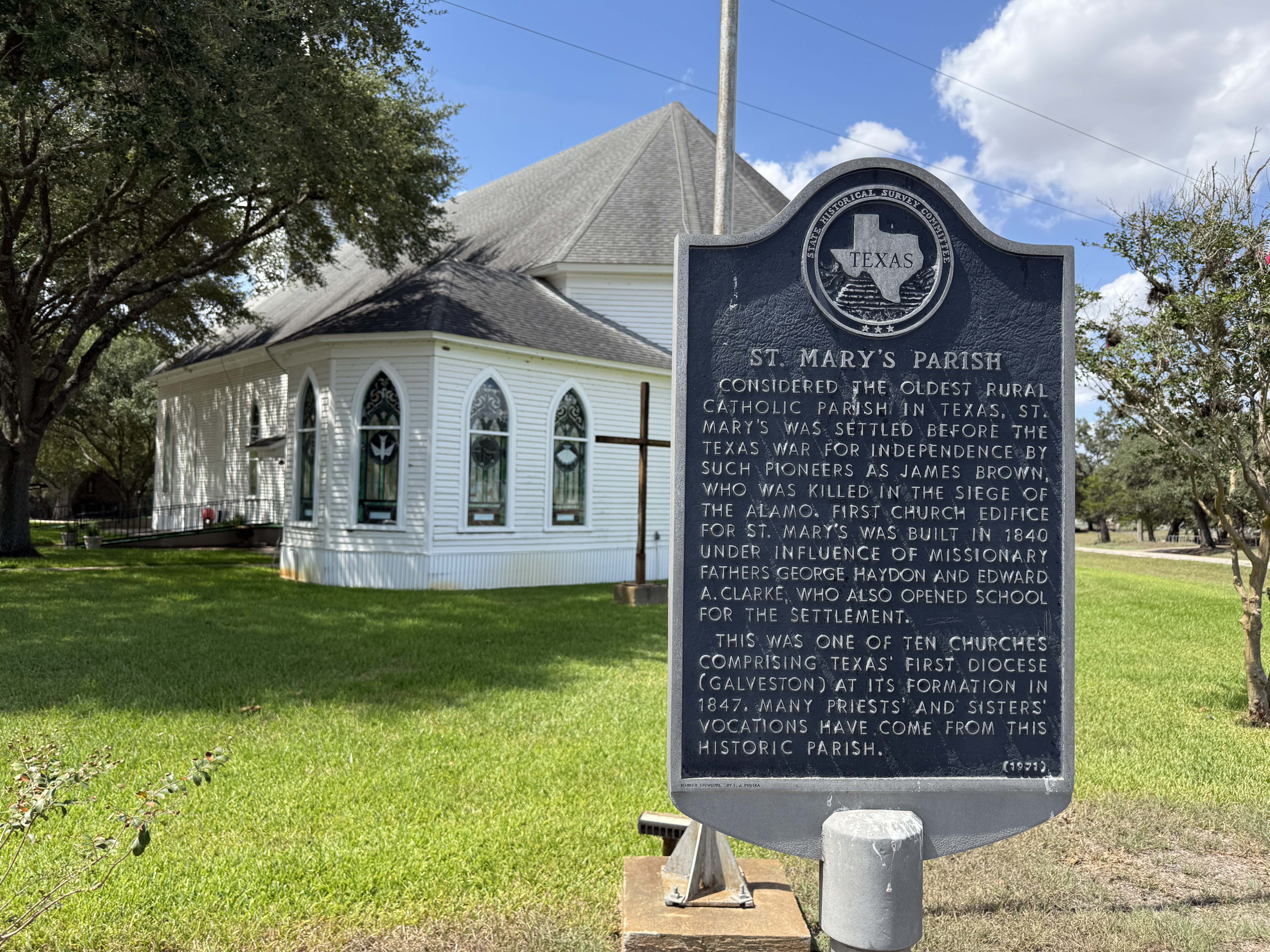
Today, this historic church remains an active place of worship. I wonder whether those who built it—and those who offered their artistic skills to make it one of the most beautiful painted churches in Texas—could ever have imagined the far-reaching impact of their work. Nearly 130 years later, people still gather beneath the ceiling they painted, sit in the pews they crafted, and worship within the sacred space they created.