There is something about old and abandoned buildings that stirs my imagination and ignites my curiosity. Whenever I venture down Texas backroads, I always look for old houses and buildings — the ones that have been long abandoned and are slowly being reclaimed by the elements. One structure in particular beckoned me to pull off the road just outside of Muldoon, a tiny community with a population of a little more than a hundred residents. It was an old church building with only the vertical section of a cross remaining on the steeple.

 As I made my way through the dry overgrowth, I noticed that the front door of the building was open. I grew up in a small town in the days when church buildings remained open all day and, in some cases, all night. In fact, I never recall the door to my childhood home ever being locked when I was growing up. In all of the years I lived at home I never had a house key. At any rate, I was glad to find an open door when I approached the old church building.
 Once inside the building, I noticed the few remaining pews on either side of the red-carpeted aisle. Everything in the building was covered with the dandruff of decay. I paused for a moment and tried to imagine what things must have looked like when the building was new and wondered how many brides had walked down the short distance to the altar. I had to remind myself that this old building was not the church, only the building where the church had once met for a season.
 The signs that this had once been a place where people studied the Scriptures were evident. Old Sunday School quarterlies littered the floor, some with the fading names of the members written on the covers. Once again, I could not help but wonder about those who had studied those lessons and perhaps made some life-changing decisions in this old country church building. In a way it did not matter so much that these old lesson books were strewn on the floor because what really matters is what the folks who studied here carried away in their hearts.
 Standing in the pulpit and looking toward the pews, I wondered about those who had stood in that same spot over the years. How many sermons and weddings and funerals had taken place there? What about special seasonal observances or musical presentations? The history of what happened in that building is lost to all but those who worshiped there. But, without question, so much must have happened in this humble little building throughout the years.
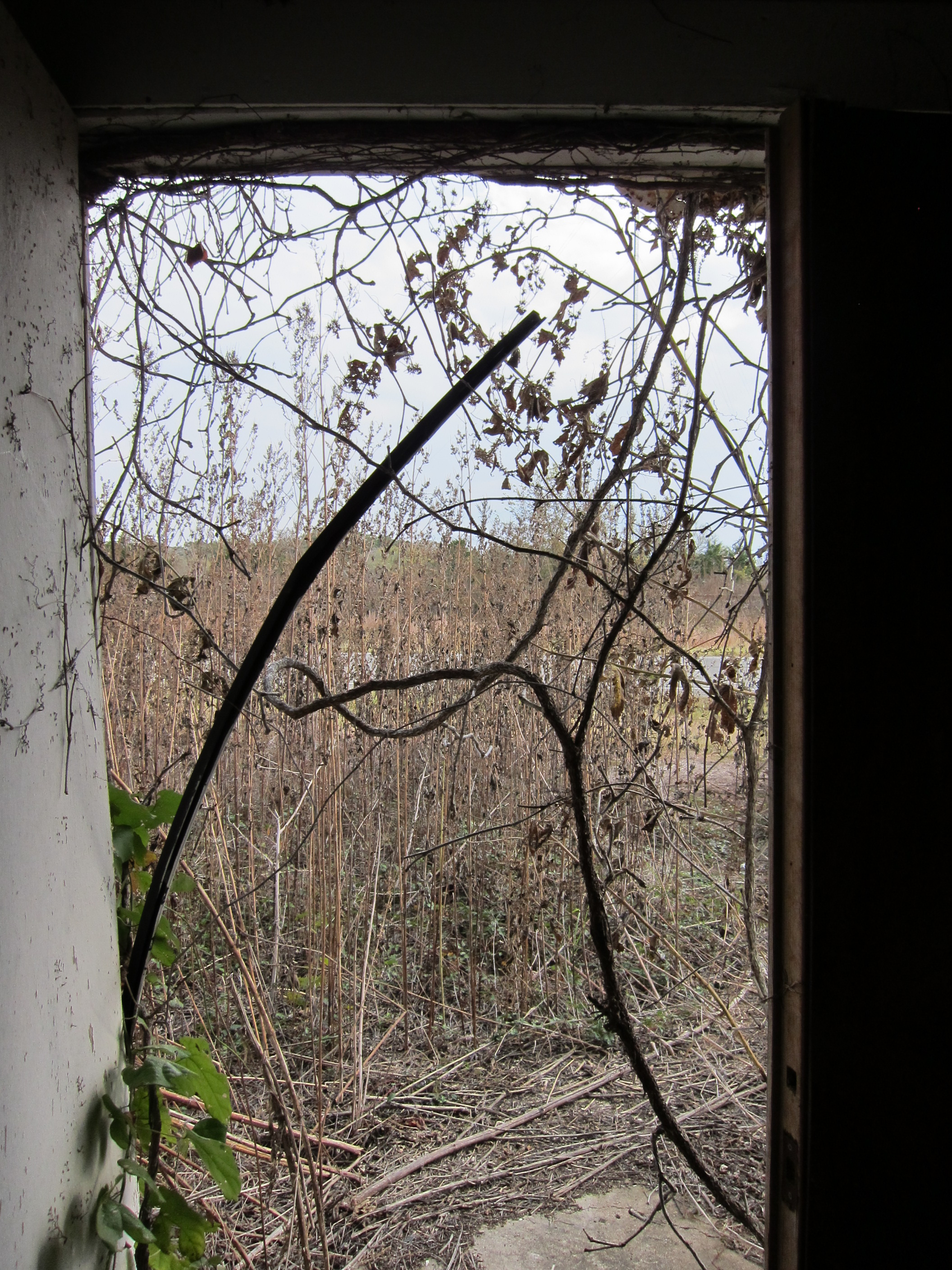 After lingering for a while I made my way slowly down the aisle toward the exit. Once again the open door beckoned me out toward the world at large, the place where we are to live out our faith. And again I wondered about how many people might have left this place a little different than when they walked in, perhaps more determined to love God and love people. That’s really the way we should always leave our places of worship — changed for the better, a little more in love with God, and ready and willing to serve others.
Author: Omar C. Garcia
A Texas History Road Trip
Something good happens when you combine book learning with field trips — somehow the things and events that happened in a particular place seem to make more sense. I am a firm believer that being onsite can help folks to gain greater insight. Being in the geographical context of history’s happenings stirs the imagination, stimulates brain activity, promotes conversation, and inspires wonder.
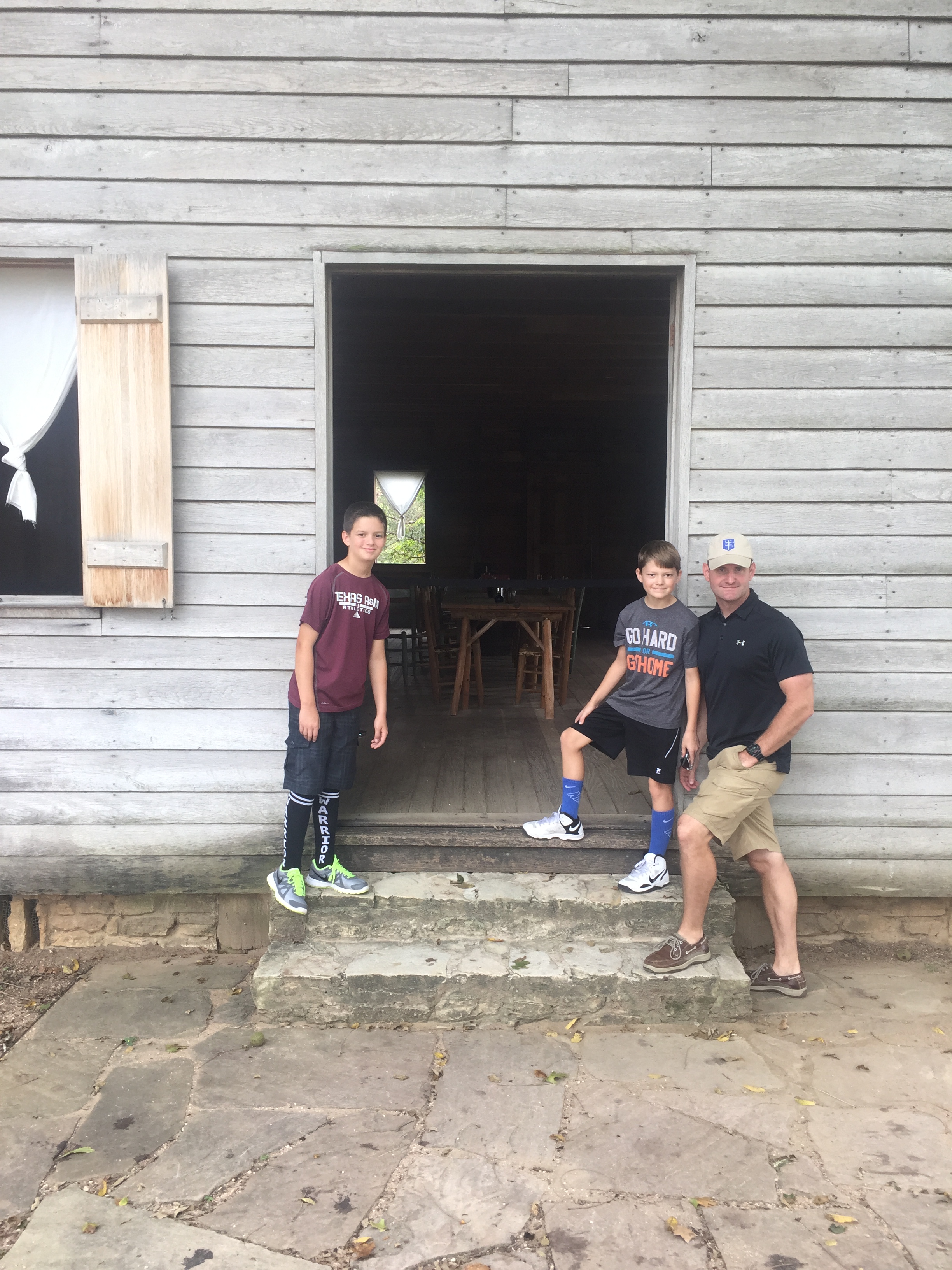
Last week, my friend Brad Flurry and his sons Hunter and Drew joined me for a Texas History road trip. Since we only had a few hours before the boys had to be at football practice, I planned a route to two locations along the Brazos River — San Felipe de Austin and Washington-on-the-Brazos. San Felipe is regarded as the “Cradle of Texas Liberty” and Washington-on-the-Brazos is the place where Texas became Texas.
 Before visiting San Felipe, we drove to a spot where the boys could walk down to the Brazos River. This was the perfect setting for talking about the Lone Star State’s longest river, including how it got its name and the role it played in promoting commerce in the early days of Texas. And, of course, it was also a good spot for chucking a few rocks into the river.
San Felipe was the unofficial capital of the colony that Stephen F. Austin founded at this site in 1823. Today, the folks at the San Felipe State Historic Site, a Texas Historical Commission property, guide visitors in understanding the significance of the many historical events that occurred in this community. The site features a hand-dug water well from the period, a museum, and a replica of an old cabin with toys and games from the period.
 From San Felipe we drove an hour north to Washington-on-the-Brazos State Historic Site. This is the place where Texas became Texas. In March of 1836, while the Alamo was under siege by Santa Anna’s army, 59 representatives of the Texas settlements met in an unfinished frame building at Washington to make a formal declaration of independence from Mexico. A replica of this building, known as Independence Hall, marks the place where the Texas Declaration of Independence was signed.
 From Independence Hall we hiked to a scenic overlook of the Brazos River and talked about the Runaway Scrape of 1836. As Santa Anna’s armies swept eastward from San Antonio, panic set in among the settlements of Texas. Colonists gathered personal possessions, abandoned their properties and headed eastward under difficult conditions. Settlers often waited days to cross the Brazos at Washington. After the Texas victory at the Battle of San Jacinto, settlers slowly returned to their homes.
To stand at the very spot where the Texas Declaration of Independence was signed or where something like the Runaway Scrape occurred does indeed stir the imagination. And, that’s a good thing! It’s far to easy for us to live disconnected from the past, unaware of how and why we are the beneficiaries of the courage and the sacrifices of those who came before us. The best antidote to that is to personally visit the places that shaped our history.
There are no shortages of affordable day trips from wherever you live in Texas that can help you and your kids gain a greater appreciation for the history of the Lone Star State. I hope you’ll hit the road soon and embark on a Texas history road trip.
Back Street Cafe
It’s no secret that I enjoy a good homestyle burger — the kind that you find only in the not-fast-food places tucked away off the beaten path. One thing I know for sure is that you have to be intentional about seeking out eateries that cook delicious burgers, fries, and onion rings. But, if you can navigate past the alluring songs of the fast food sirens, I promise you that you can find a better burger off the beaten path.
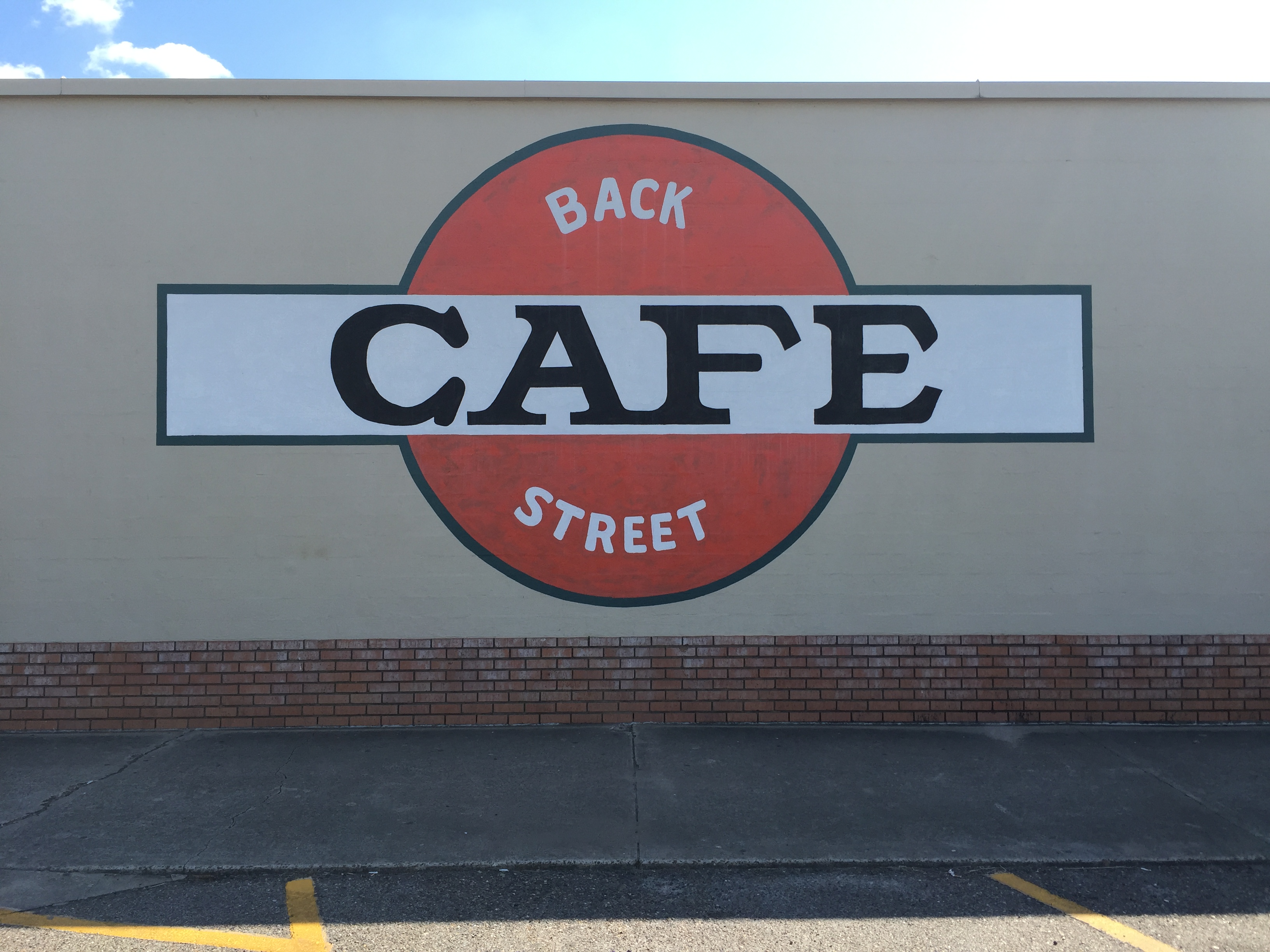 In my ongoing search for the most delicious burgers in the Lone Star State, I came across the Back Street Cafe this week. This cafe is located in Sinton, Texas, the county seat of San Patricio County and a popular destination stop for antique shoppers. Sinton is an easy 28-mile drive north of Corpus Christi and can be reached via US highways 77 and 181.
I arrived at the Back Street Cafe for a late lunch while traveling from South Texas to Katy along Highway 77. My smartphone guided me from the highway to the cafe on the corner of South Rachel Avenue and East Borden Street. The ample cafe occupies a building that was previously a pharmacy. The entrance is indeed on the back street — on East Borden.
My first impression was the cleanliness of the place and the small-town-friendliness of the staff. While the cafe offers a variety of delicious home-cooked meal options, I was there for one reason and one reason only — to try one of their hamburgers. I chose the cheeseburger served on a sourdough bun and an order of french fries.
 To my surprise, my waitress invited me to enjoy their complimentary bean bar while I waited for my burger. She didn’t have to ask twice. A small bowl of hot pinto beans sprinkled with fresh onions and a piece of cornbread was the perfect appetizer.
 As for the burger — well, all I can say is that I hit the jackpot, again! The lettuce and tomatoes were fresh, the meat was hot, and the bun was amazing. As I have said before, a bun can make or break a burger. The sourdough bun was fresh and beyond delicious. And the generous portion of french fries were hot and perfectly crispy. Add a glass of really cold iced tea and I was in burger heaven.
I’m glad that I found the Back Street Cafe and will return the next time I am anywhere near Sinton. Eating a delicious burger is one thing, but enjoying a burger at a place where the wait staff is attentive and friendly makes it an even more enjoyable experience. I hope that you’ll have an opportunity to visit the Back Street Cafe. They are open Monday through Friday only from 11:00 AM to 8:30 PM. That’s more than enough time to eat and enjoy one of their delicious burgers!
Encino, Texas
Every now and then when I find myself somewhere between where I’m coming from and where I am headed I just can’t help myself — I have to turn off the main road to explore a back road. Even if I drive only a few miles down that road, I make new discoveries and always find interesting things to photograph.
 That’s what happened while recently traveling to South Texas. My wanderlust kicked in and beckoned me off the beaten path. So, I slowed down and turned on to a caliche backroad near the rural community of Encino. Located eighteen miles south of Falfurrias on Highway 281, Encino is regarded as a “census designated place” and not a town because it does not have a municipal government. You don’t even have to blink to miss it.
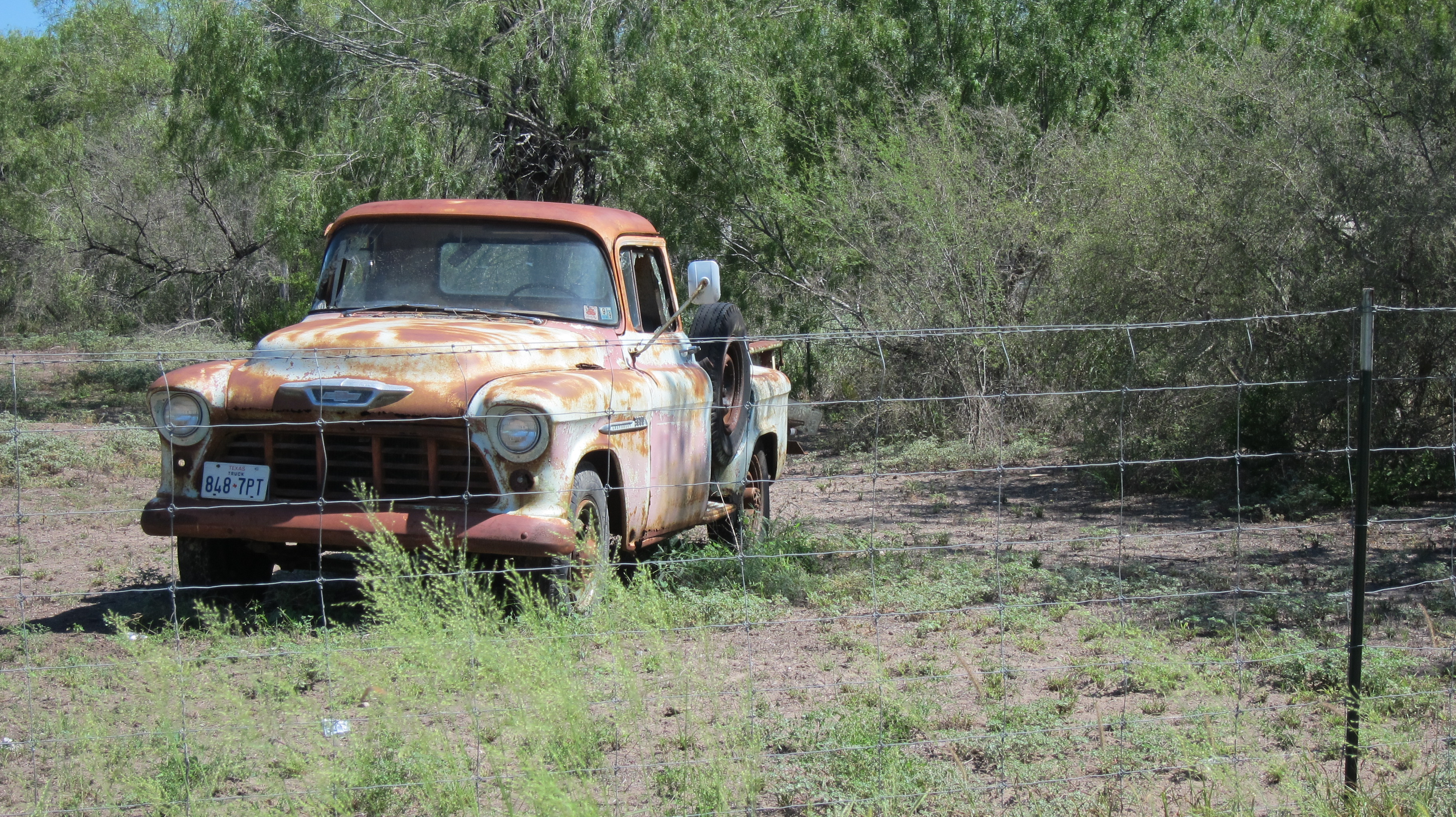 In 1832, a man named Luciano Chapa acquired a Mexican land grant called La Encantada y Encina del Pozo, translated “Enchanted Place and Live Oak in a Hole.” The name of the grant reportedly was derived from a large live oak around which animals seeking shade wore down the land under the tree. In the early 1900s, the Encino community was established at the site as a roundup point for cattle raised by Mexican cattlemen.
 A historical marker erected near Encino by the Texas Historical Commission reads as follows:
El Encino del Poso
In this vicinity once stood a magnificent live oak tree that was an early landmark on the South Texas Plains for many years, noted for its size and its wide canopy. It was located in a large hollow created by livestock that gathered beneath its branches and by winds that eroded the exposed soil. El Encino del Poso was a landmark for early trails and land grants. It also served as the location of a stagecoach station and as the basis for naming Encino. The tree died in the 1890’s, before the formation of Brooks County, the victim of an extended drought.
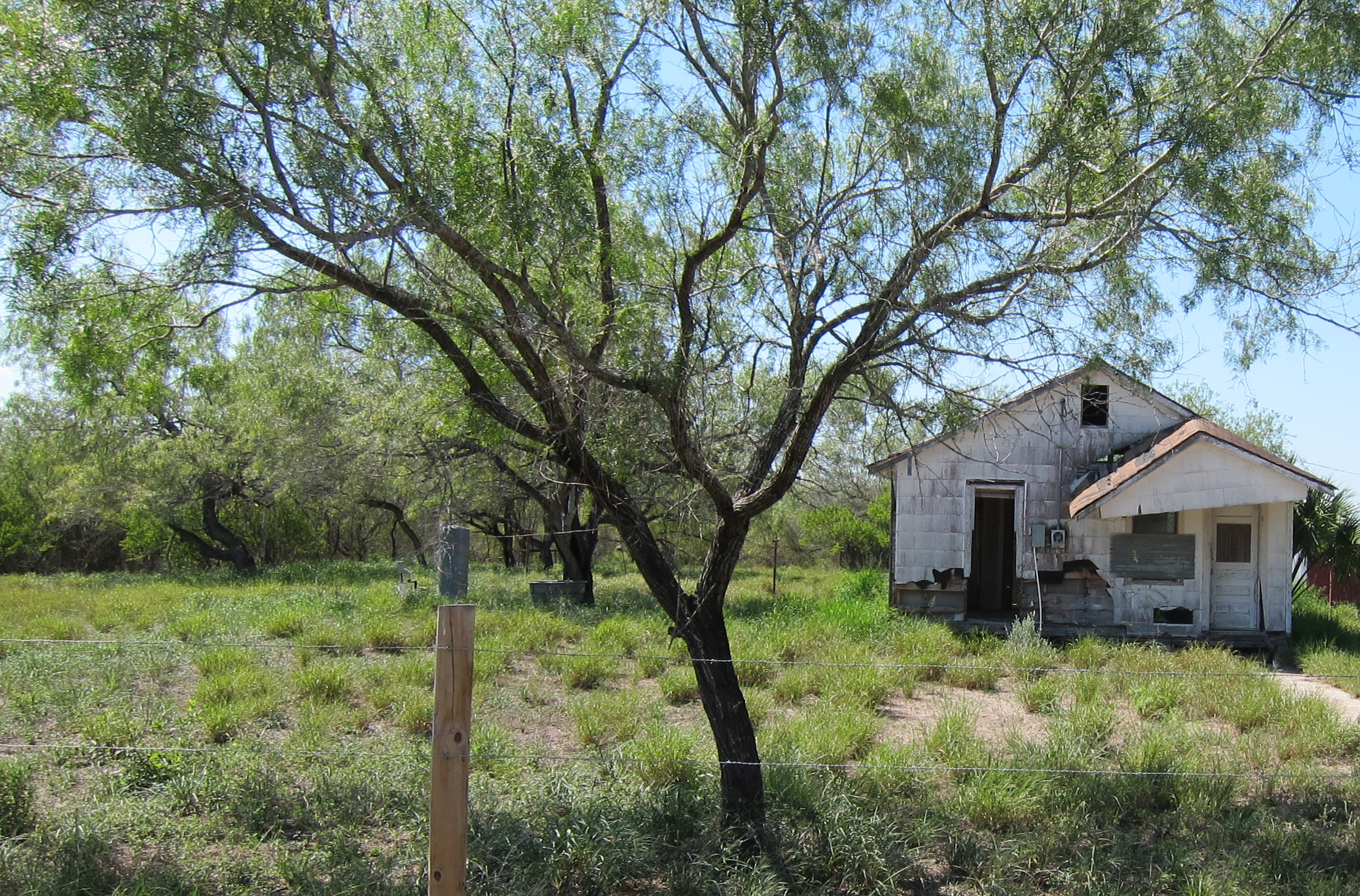
 Today, the backroads near Encino are accented by evidence of the passage of time — reminders that this is still hard country to tame. The proof is there in the form of weathered windmills, old shelters that look like they are melting into the brush, and assorted rusting remnants left behind by a previous generation. These old time-tarnished sights are starkly juxtaposed against a few newer homes and vehicles and farming and ranching implements.
In 1996, families in the area fought to keep the local elementary school open when the Brooks County Independent School District was looking for ways to cut costs from their overburdened budget. Even families without kids got involved in the fight to save the elementary school established in 1949.
The Dallas Morning News quoted the school principal as saying, “We don’t have problems with gangs. We don’t have problems with profanity. We don’t have problems they have everywhere else. The parents are trying to keep these kids in this type of environment as long as possible.” The involvement of families in the fight to keep their school reminds us that parents in small and large communities share a common concern about the welfare of their kids.
The next time you find yourself traveling south on Highway 281, take a moment to slow down and look to the left and to the right as you drive past Encino. While Encino and other tiny Texas towns may not look like much from the road, there is more there than meets the eye! Encino is home to families that have lived there for generations and who care very much about the next generation.
The Small Town Post Office
One of the fondest of my childhood memories is of the post office in my small hometown of Mission, Texas. Every morning, my grandfather would stop by the post office on his way to work. From the time I could walk he started taking me on his daily visit to get the mail. He and I would ascend the seven steps hand in hand, enter through the glass door, turn right, and go to Box 507.
 Just thinking about my visits to the post office with my grandfather reminds me of the peculiar but not unpleasant smell of the place. Those were the days before e-mail and junk mail, so every item in Box 507 was important. Sometimes my grandfather would open and read a letter while standing in the post office. I knew that it had to be something important.
Over the years my grandfather also encouraged me to write letters and helped me to mail them. He taught me how to approach the man at the window to buy a stamp, where to place the stamp on a letter, and explained the journey my letter would take.
As I got a little older, my grandfather encouraged me to write letters to those in public office. I still have a copy of a reply I received from United States Senator John Tower when I was twelve years-old. I mailed my letter to Senator Tower from the post office in Mission.
When my grandfather told me that my cousins in Michigan wanted to see a real, live Texas horny toad (a horned lizard), he asked me to go out and catch one so that we could mail it to them. So, I did. We put the horny toad in a shoe box, punched holes in the side, included some bugs for a snack, and then headed for the post office.
I still remember the sound of the horny toad scratching the inside of the box as we walked up the steps to the post office. We took the box to the window, the fellow there calculated the postage, and off went the Texas horny toad on his great adventure to Michigan. I am happy to report that the little critter arrived there safely, to the delight of my cousins.
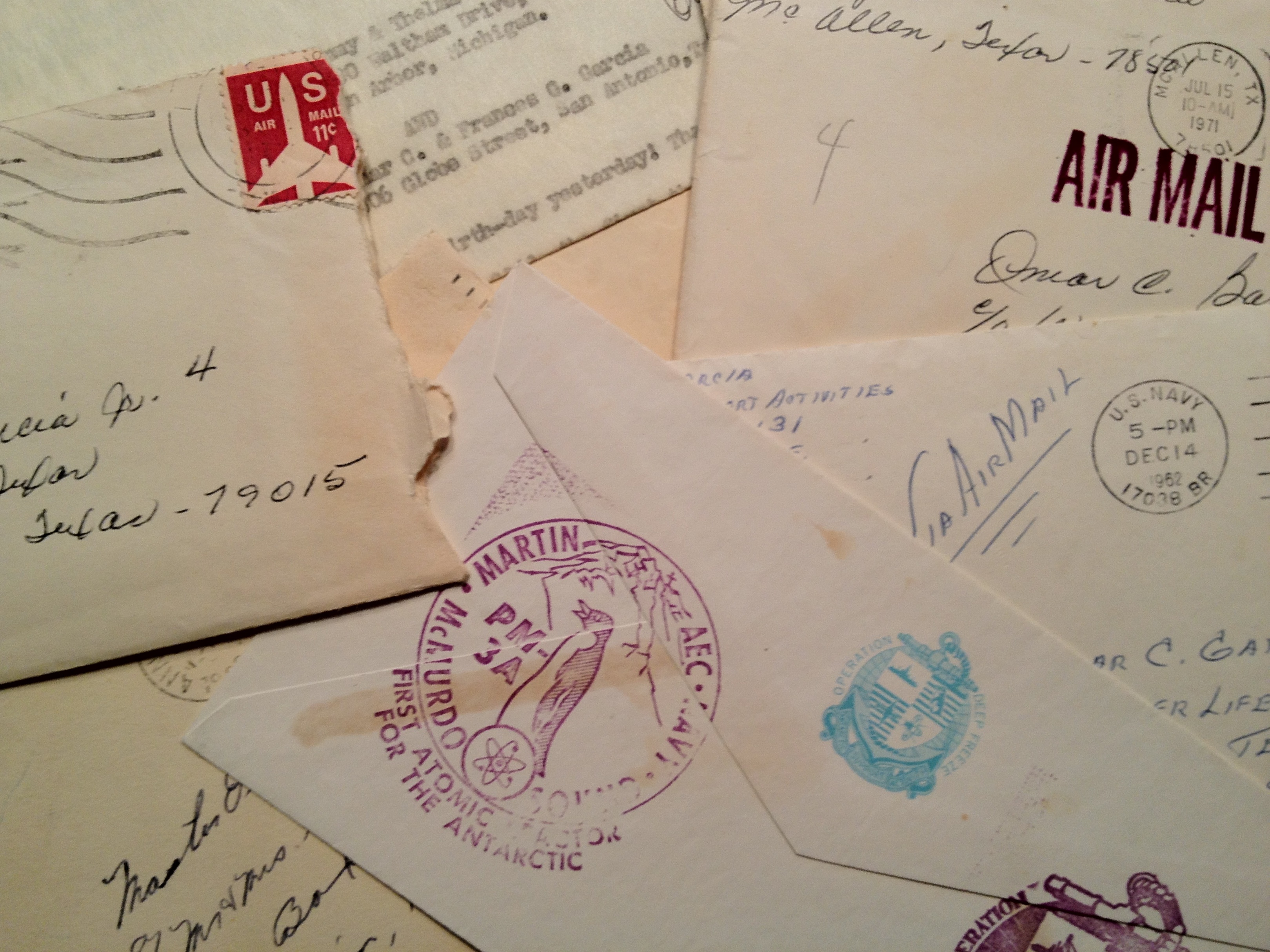 Going to the post office daily with my grandfather gave me an appreciation for writing and receiving letters. It was just as fun for me to mail a letter as it was to receive one. Over the years I managed to hold on to several letters that are, today, worth more to me than gold. They are irreplaceable because they keep me connected to the people and the places that shaped me.
 As much as I enjoy the convenience and speed of email, there will always be a part of me that misses going to the post office and the excitement of receiving a handwritten letter with an interesting stamp affixed to the upper right corner. Today, Mission has a new and modern post office. The old post office building was converted to a Museum Store a few years ago.
I know the day is coming when post offices and handwritten letters will be a thing of the past, but I’m going to continue to do my part to postpone that day by writing letters. I miss standing in front of P.O. Box 507 with my grandfather, but I am grateful for the things I learned from him at the post office in our small town.
The Brazos River
The Brazos is the longest river in the Lone Start State and one rich in history. The name of this 840-mile long waterway comes from the Spanish word for “arms.” Early Spanish explorers named this wide and slow-moving river Rio de Los Brazos de Dios — translated “The Arms of God River.”
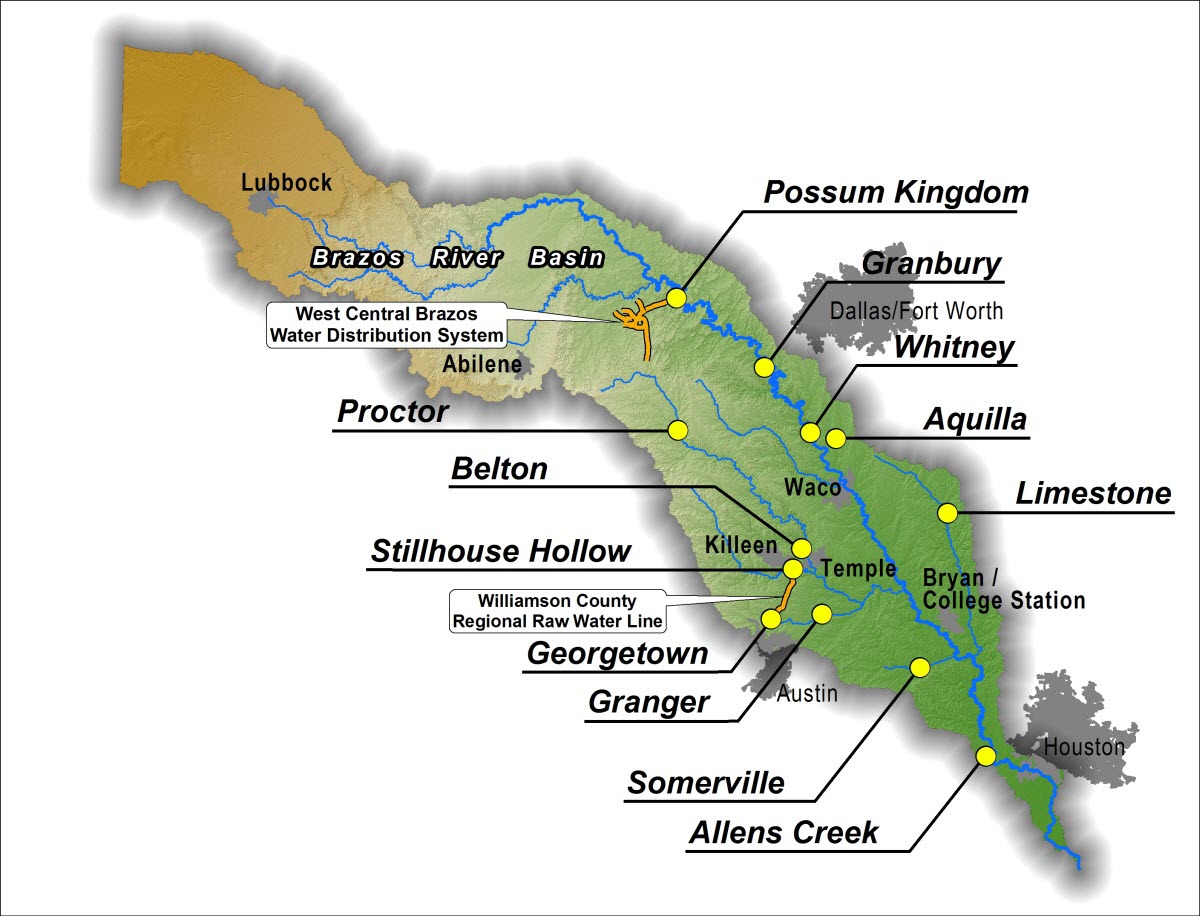 There are several legends about how the Brazos got its name. However, the common denominator among these stories is that thirsty explorers happened upon the river in the nick of time and were refreshed by its waters. These intrepid souls felt as though they had stumbled into the arms of God and were saved!
San Felipe de Austin, founded in 1824 by Stephen F. Austin, was the first permanent settlement along the Brazos River. Located on a high and easily defensible bluff near the Brazos River, San Felipe became the unofficial capital of Austin’s colony. The town was later incorporated in 1837 and became the county seat of the newly established Austin County.
 The nearby town of Washington, also known as Washington-on-the-Brazos, is recognized as the birthplace of Texas. It’s where Texas became Texas. On March 2, 1836, fifty-nine delegates met at Washington to make a formal declaration of independence from Mexico and birthed the Republic of Texas. Today, visitors to the Washington-on-the Brazos State Historic Site can walk through Independence Hall, the simple frame building where the fate of Texas was determined.
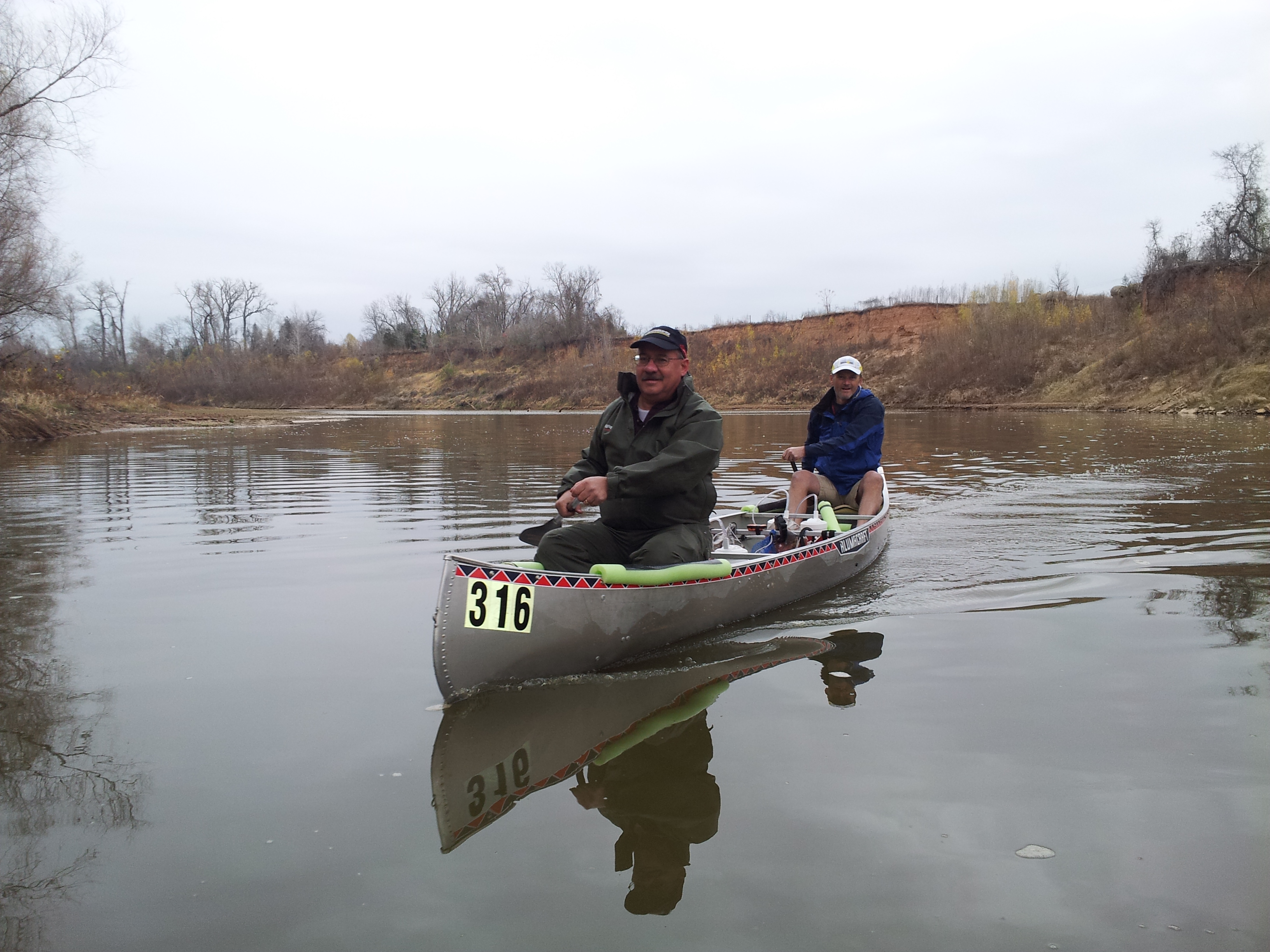 In the early years of Texas, the Brazos River was navigable from the Gulf all the way to Washington. Today, canoeists and kayakers enjoy paddling the slow flat waters of the historic Brazos River. Over the past few years I have enjoyed paddling on the Brazos as well as just relaxing on its banks as it flows past Stephen F. Austin and Brazos Bend State Parks. These parks afford bikers and hikers some exceptional views of the Brazos.
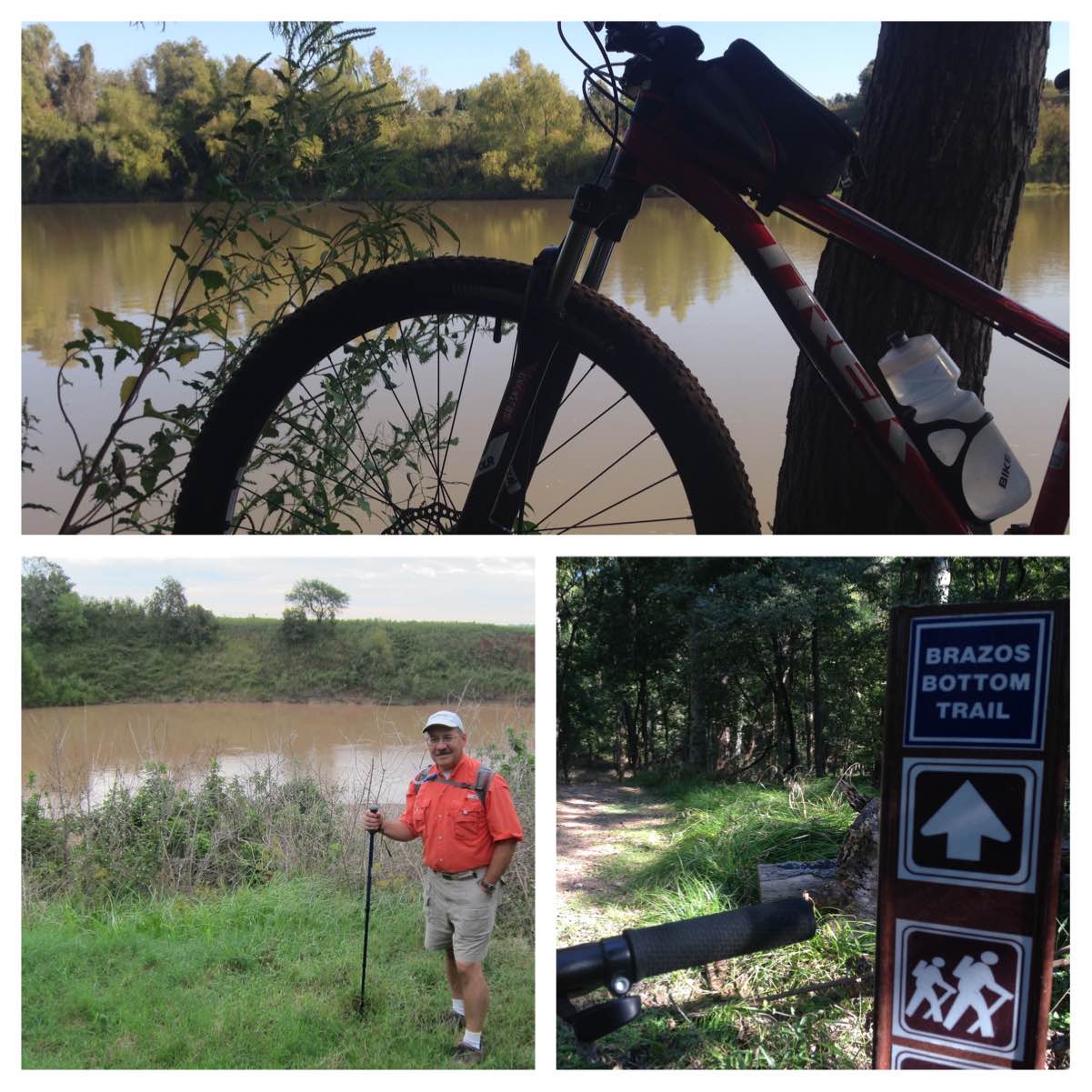 The next time you drive across Texas and cross over the Brazos, take a moment to reflect on the long and rich history of the longest waterway in the Lone Star State. If you have time, visit one of the parks near the river and bike or hike the trails that overlook this magnificent waterway. And be sure to slow down and make time to relax, reflect, and enjoy the quiet when you visit the Brazos. Enjoy the embrace of Los Brazos de Dios.
A Stroll Along Shoreline Drive
Shoreline Drive in Corpus Christi is one of my favorite drives in the Lone Star State. There is just something about looking out at the vast expanse of Corpus Christi Bay that I find soothing. During the years I lived in the Sparkling City by the Sea, I often ventured to Shoreline Drive to eat my lunch. I always enjoyed watching ships come into the port, recreational boats skipping across the waves, and birds dancing on the warm breezes.
 Whenever I visit Corpus Christi, I especially like driving over the Harbor Bridge at night because it affords a cool view of the lights reflecting off the water. At Christmas, this entry point is especially beautiful because of the colored lights on the bridge and the buildings. Definitely worth seeing this iconic bridge at night.
On a recent visit, I took a stroll along the waterfront. My earliest memories of Shoreline Drive are of coming here on vacation with my family when I was just a few years old. My Mom and Dad took my sister and me to the t-heads where we met and talked with shrimpers. And then they took us out on a boat excursion where we held up crackers for the seagulls to eat. Dad captured these special moments on his 8mm camera.
 I thought a lot about those happy days as I walked slowly beside the shrimp boats. I stopped and had a nice chat with one shrimper — a colorful character with a weathered face, bushy mustache, raspy voice, and one arm. Shrimping is hard work and I wondered how the one-armed man was able to manage the equipment on his boat. Somehow he did.
 While chatting with the shrimper, a couple visiting from China stopped to buy some shrimp from him and joined in the conversation. We all had an enjoyable visit. I believe that it’s definitely worth slowing down and taking the initiative to meet people, even if we only have a few minutes to spend with them. You never know how investing a few minutes in someone else might be just the thing they needed or you needed to brighten your day.
 I enjoyed my nostalgic stroll down Shoreline Drive. And I’m grateful that my Mom and Dad modeled for me the importance of slowing down and meeting others in those early years when we stopped to meet and talk with shrimpers on our visit to Corpus Christi. People, after all, are what make the places we visit interesting and meaningful.
If you have not yet visited Corpus Christi, I encourage you to plan a visit. Shoreline Drive is very visitor friendly. There are safe places to park your car and to take a stroll along the bayfront. And, of course, there are some really good places to eat along Shoreline Drive. I’ll post soon about biking along the bayfront.
Huntsville State Park Trails
Huntsville State Park offers 21 miles of trails through the natural beauty of the East Texas Pineywoods. Two of my favorite trails at the park are the Triple C and the Chinquapin Trails. These two trails wind their way through one of the most beautiful forested sections of the park. I was especially excited to hike the Triple C Trail — named in honor of the work of the Civilian Conservation Corps.
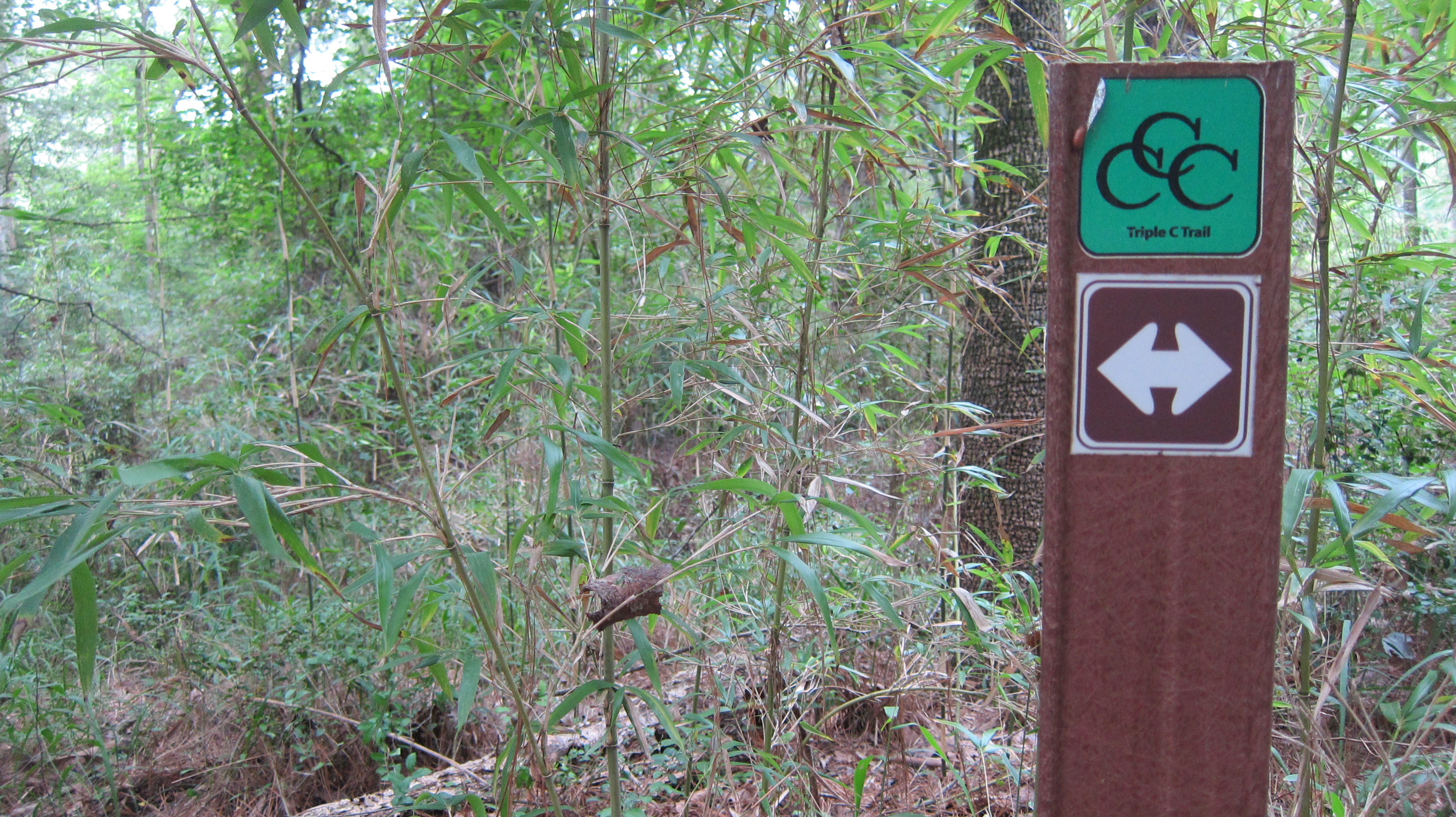 The Civilian Conservation Corps (CCC) was formed in March 1933 when our nation was in the grip of the Great Depression. With more than twenty-five percent of the population unemployed, President Franklin Delano Roosevelt took decisive action to help the unemployed. The CCC was one of Roosevelt’s first New Deal programs and harnessed the strength of our nation’s youth to help conserve our natural resources.
 Operating from 1933 to 1942, the CCC engaged in conservation initiatives in national and state parks around the nation. Today, the CCC is recognized as the single greatest conservation program in our history. The conservation initiatives of the program not only developed young men through disciplined outdoor labor, they also fueled concern for our natural resources and laid the foundation for the tenets of modern conservation.
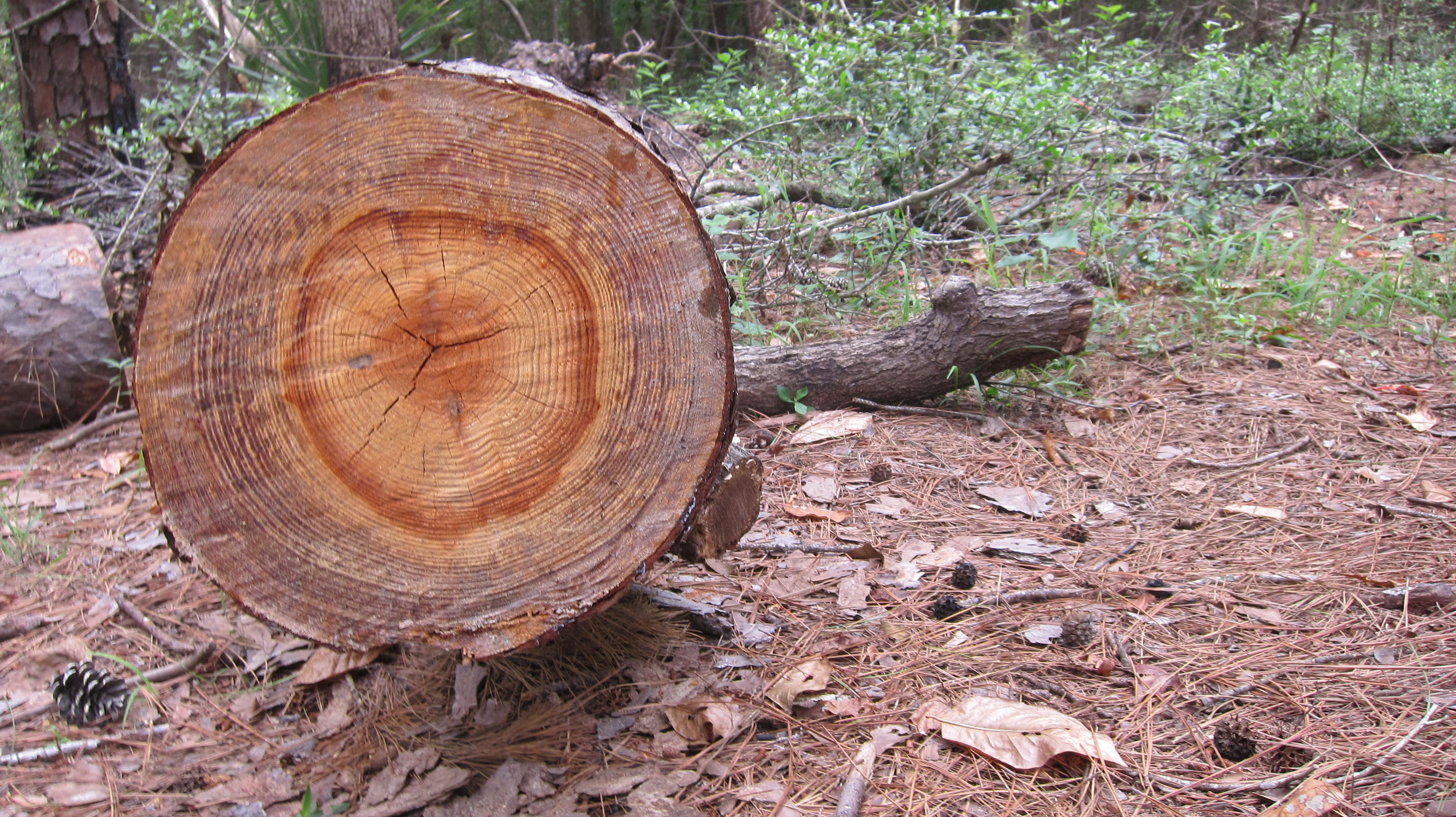
 As I hiked the Triple C Trail, I thought about the young men who labored during the Great Depression in the area near the trail. Their boot prints are no longer visible in the East Texas soil. Their names are not recorded on any plaque. The only thing that remains are remnants of their labor along a trail through the woods — one that has given countless numbers of people across the years access to one of the most beautiful places in the Lone Star State.
 When you think about it, we are all the beneficiaries of the labor of those who came before us or those who worked hard to make something that we enjoy today. Whether a hiking trail or a home or even the car that we drive, our lives are made better in many ways because of the labor of others.
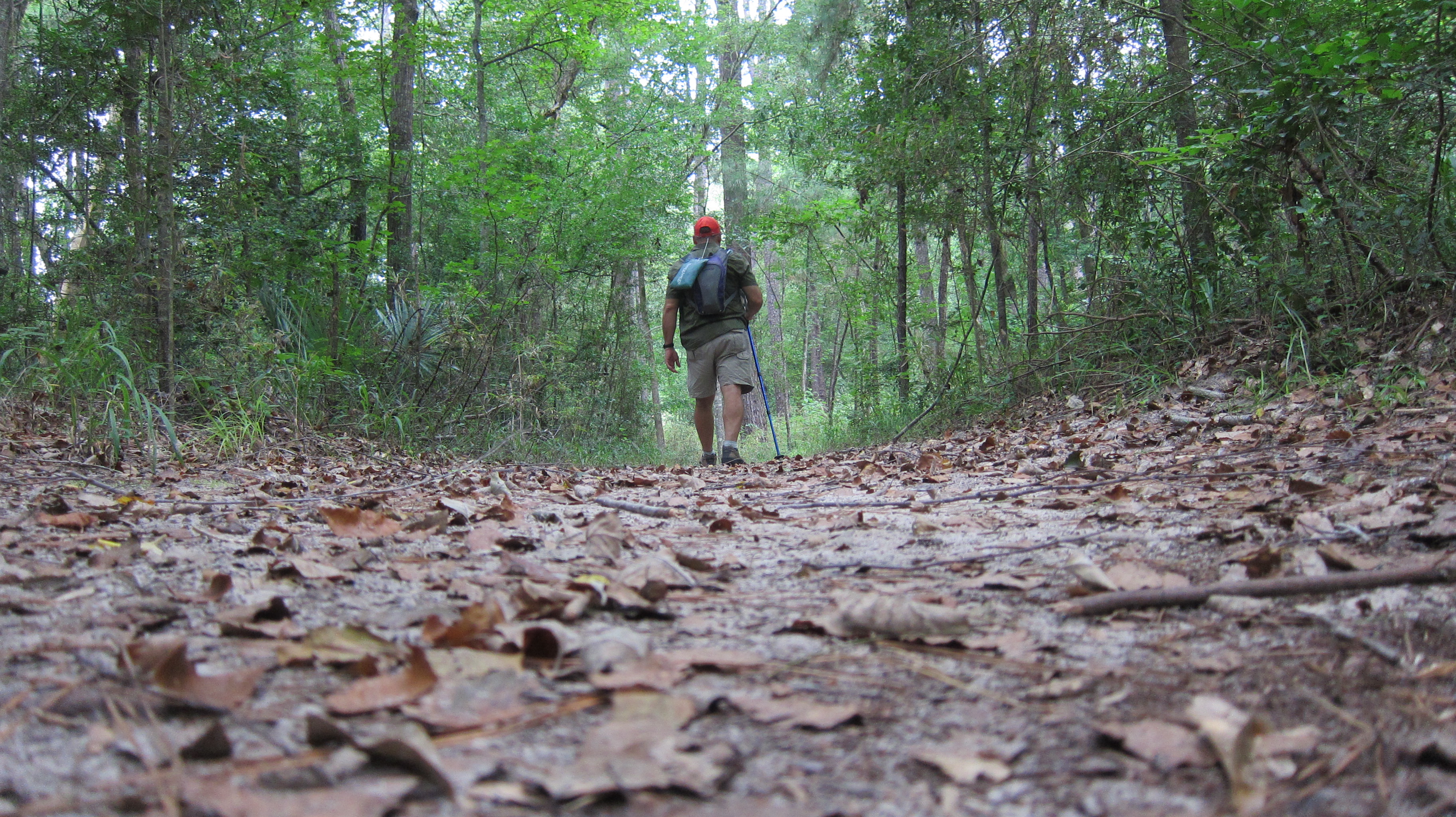 The next time you are in East Texas, swing by Hunstville State Park, lace up your hiking boots, and hit the trail. And, as you walk among the tall trees, make it a point to think about the young men who lived during the Great Depression and were a part of a program that inspired the preservation of our natural resources for the enjoyment of generations to come. May their example inspire us to leave a legacy that can be enjoyed by future generations.
Fishing Matagorda Bay
Washington Irving, the author of The Legend of Sleepy Hollow, said, “There is certainly something in angling that tends to produce a serenity of the mind.” I agree with Irving. There is indeed something therapeutic about being outdoors — especially casting a line into a body of water and the accompanying anticipation of catching a fish. Being outdoors is good medicine and even more therapeutic when you share your outdoors adventures with good friends.
I recently read The River of Doubt by Candice Millard, the account of Theodore Roosevelt’s epic journey to map an uncharted tributary of the Amazon River in Brazil. “Throughout his adult life,” Millard wrote, “Roosevelt would relish physical exertion, and he would use it not just to keep his body fit and his mind sharp but as his most effective weapon against depression and despair.” Dr. Christian Scirica, a physician at Massachusetts General Hospital would agree. He believes that “exposure to natural environments … improves physical and emotional health.”
 I have had the privilege of having some fun fishing adventures on Matagorda Bay thanks to my friend Holloway Sinclair. Everyone in the large Sinclair family loves the outdoors and often share adventures together. More than that, they enjoy inviting others to join them. I’m grateful for their kindness in inviting me to join family and friends to fish with them at one of the most beautiful coastal areas in the Lone Star State.
Having a knowledgeable fishing guide is important. Although there are some really great guides at Matagorda Bay, it’s been my privilege of fish with Captain Keith Phillips of Red Fish Matagorda. He is an expert fishing guide with a great sense of humor. If you fish with Keith, then count on laughter being a big part of the experience. Keith knows the coastal waters, where to find the fish, and how to make the experience enjoyable.
 For an occasional angler like myself, I am amazed at Keith’s attention to detail. He looks at the water, the currents, the wind, the marshes, and everything about the environment to determine where to find the fish. He knows exactly where to cast each line. And, with a single glance at the slightest movement of your fishing rod, he will know before you do that a fish is about to take the bait.
Fishing is enjoyable. However, sharing the adventure with friends makes the experience far more meaningful and fun. And, like Irving said, spending the day fishing will produce “a serenity of the mind.” Breathing the fresh gulf air, getting soaked by a sudden rain, catching our respective limits, and enjoying laughter and conversation with friends — these are the things that can refresh and revive even the most stressed soul.
 I encourage you to find time to get outdoors with family or friends. Enjoy the serenity that comes from taking in beautiful vistas, breathing fresh air, waiting for fish to bite, or whatever you enjoy doing in the great outdoors. You’ll be glad you did. And, if you want to enjoy a really fun fishing adventure, then give my friend Captain Keith a call. You’ll definitely enjoy your time with him and you will definitely catch fish!
Record Your Own Texas History
I have always enjoyed going home — back to the places where my childhood memories were made. On a recent trip to visit my Dad, I listened to a 2-hour taped interview between my uncle and my grandfather. This recording was made on January 15, 1975. The cassette had been tucked away for years for safe keeping. As soon as my grandfather started speaking, memories flooded the room and engulfed me in waves of pensive emotions.
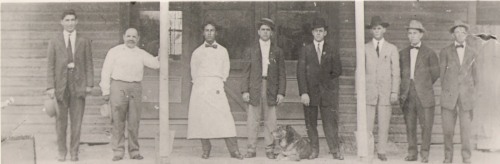
My grandfather (center) and friends. | San Diego, Texas | circa 1911
The interview was fascinating. My grandfather talked a lot about his family. He told the story of returning to his mother’s home to visit his grandfather. While there, his grandfather died. So, he negotiated with the local blacksmith, who also had carpentry skills, to have a coffin made and then arranged for his grandfather’s burial. He also spoke about his first school teacher and classmates and what life was like growing up on a ranch.
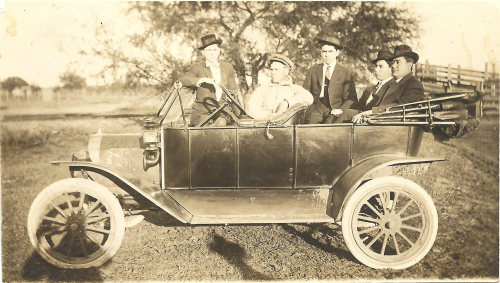
My Grandfather and Friends | San Diego, Texas | circa 1912
I especially liked his story about traveling from the family ranch near San Diego, Texas all the way to California in 1917. My grandfather talked about the route and how difficult it was to drive on the poor and sometimes impassable roads in those days before any highways or the interstate highway system. And when he arrived in Hollywood he learned that they were filming a western and applied to be an extra since he was a skilled cowboy.
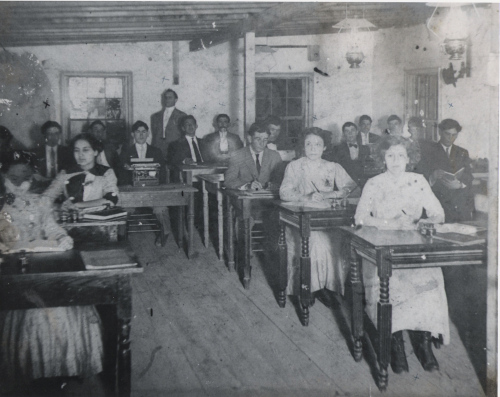
My grandfather’s business school classmates.
One of the most riveting parts of the interview was the time he served as an election judge in Duval Country, known for its political intrigue. When a particular election did not go as some in power had hoped, two police officers were sent to arrest him and take the ballot boxes from him before he could get them to the county courthouse. My grandfather did not give up the ballot boxes, asked to see the warrant for his arrest (none was offered), and succeeded in getting the voting results to the courthouse. He was never arrested.

My grandparents, Felipe and Lucy Garcia.
I loved every story he told, including the account of marrying my grandmother, starting the first Boy Scout troop for Hispanics in Duval Country and later in the Rio Grande Valley, enlisting in the First World War, and so many other great stories. Had my uncle not interviewed my grandfather, all of these wonderful memories would have been buried with him. And although I had heard some of these stories when I was a kid, it was good to hear them again as an adult. I appreciate them so much more. They are treasures. They are a part of the history of my family.

1955 reunion of Boy Scout Troop 20, started by my grandfather (front right).
I believe in the importance of recording family history lest it fade from memory, never to be seen or heard again. In this day of digital devices, there are no good excuses for failing to be a family historian. Here are a few practical suggestions for recording your family’s Texas history.
Interviews | Interview your grandparents and parents. Ask them to share stories about their childhood and your family that you can share with your children. If possible, interview them at a place that will awaken dormant memories.
Photographs | Sit with your family’s elders and ask them to tell you the stories associated with old photographs. Record the stories and names of the people in the photographs. Use a photo service to create photo books that can be easily reproduced and shared with family members.
Technology | Record interviews on video and audio devices. Ask family members specific questions about your family’s history. Be sure to ask them about how they responded to key events like the Kennedy assassination or the lunar landing.
Holidays | Use holidays, reunions, and other times when your family gathers together as a time to talk with older family members and to record some of your family’s history. Talk about traditions, vacations, celebrations, and getting through hard times together.
Journal | Don’t neglect to record your own history in a journal or even on a blog. By doing so you will ensure that your own kids will have access to your story.
 Explore Texas