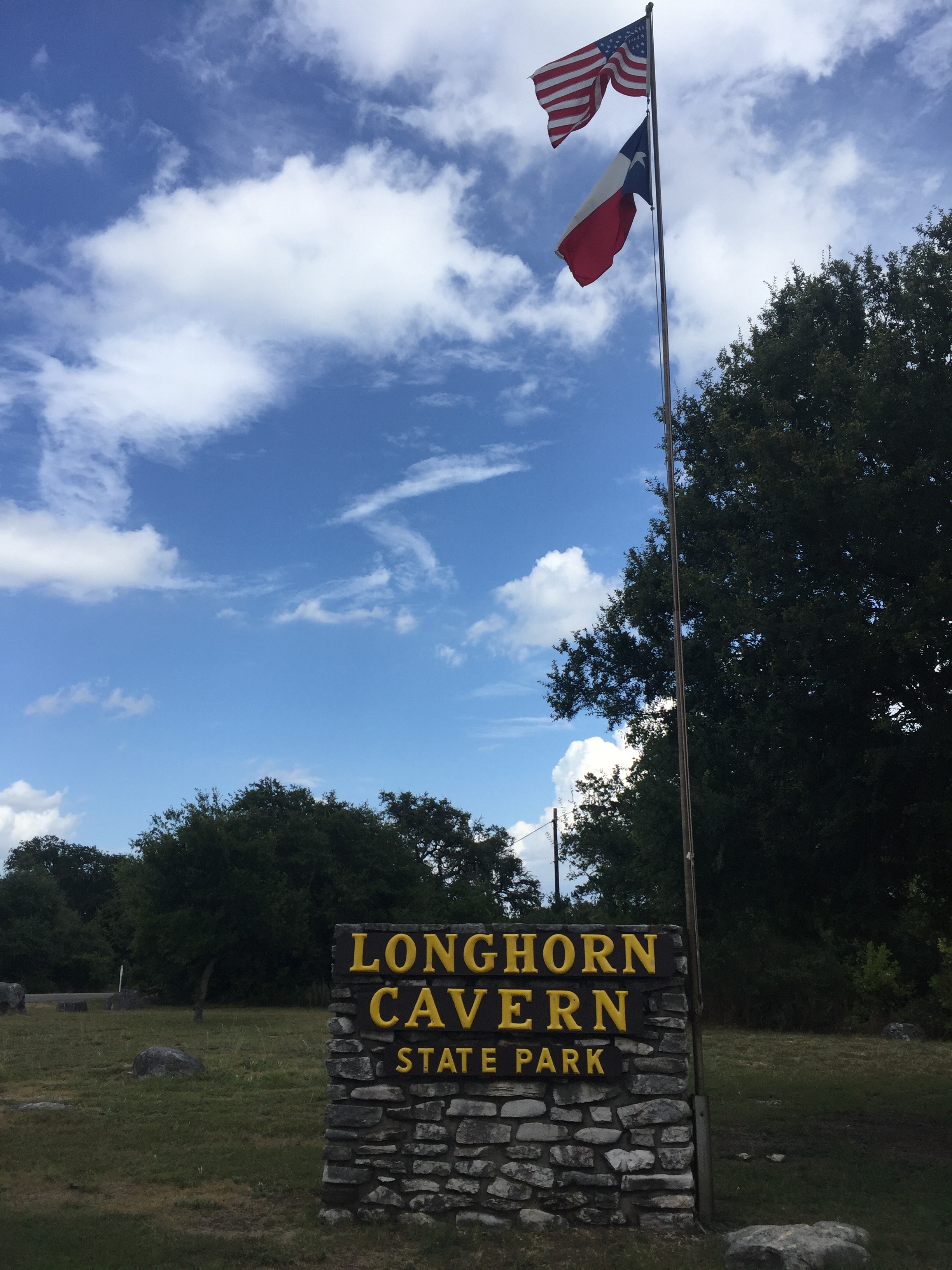
Located a few miles south of Burnet in Central Texas, Longhorn Cavern State Park is a Hill Country treasure. The land for this modest-acreage park was acquired in the 1930s. Over a period of eight years, more than 200 Civilian Conservation Corp workers carved a state park out of the rocky terrain and built a magnificent administration building to welcome park visitors.
The main attraction at the park is the Longhorn Cavern. When the state acquired the site, the cavern was choked with silt and debris. The CCC guys spent several years removing an estimated 2.5 tons of debris, including plenty of bat guano, out of the cavern using nothing more than picks, axes, shovels, and wooden wheelbarrows. Once they had removed the debris, the CCC guys mapped passageways, installed lighting, and prepared the cavern for public access.
Longhorn Cavern, it turns out, is a cave with a past. The cavern was used as a shelter by prehistoric peoples. Legend says that the Comanche held council meetings in the largest room in the cavern, appropriately named the Indian Council Room.
In more recent times, an outlaw named Sam Bass reportedly hid stolen gold somewhere in the deep recesses of the cavern. Bass was later killed and took the secret to the whereabouts of the hidden treasure to his grave.
During the Civil War, Confederate soldiers made gunpowder in the cavern. One legend says that the Texas Rangers rescued a kidnapped girl from Indians in the cavern. And during Prohibition, one of the landowners built a speakeasy in the bowels of the cavern. Guests enjoyed gambling, drinking, fine dining, and a dance hall.
The cavern features many beautiful natural formations. The best way to enjoy these is to register for one of the interpretive walking tours. The tour lasts about an hour and a half. The temperature in the cavern remains a constant 64-degrees year-round so bring a light sweater if you are prone to getting cold. The tour guides are pretty knowledgeable (ours had an endless supply of cave humor) and will help you appreciate things you might otherwise miss.
Even if you have visited other caves in the Lone Star State, make it a point to visit Longhorn Cavern. This is the only river-carved cavern in the state and boasts some pretty magnificent formations. The cavern’s natural beauty combined with its unique cultural history make this tour one of the best in Texas.
Author: Omar C. Garcia
Bill’s Burgers Wings and Things
Nestled in the heart of the Texas Hill Country is the city of Burnet — the bluebonnet capital of Texas. Burnet is not a newcomer on the Texas map. The origins of the town date back to the mid-1800’s. The town was established in the shadows of Fort Croghan, a post established by the US government to protect settlers from Indians along the Texas frontier.
On a recent road trip through the Texas Hill Country, my wife and I arrived in Burnet just in time for lunch. Hungry for a burger, we asked the manager at our hotel for his recommendation. He told us that Burnet actually had two amazing burger joints, both of which just happened to be featured on the front page of that day’s newspaper.
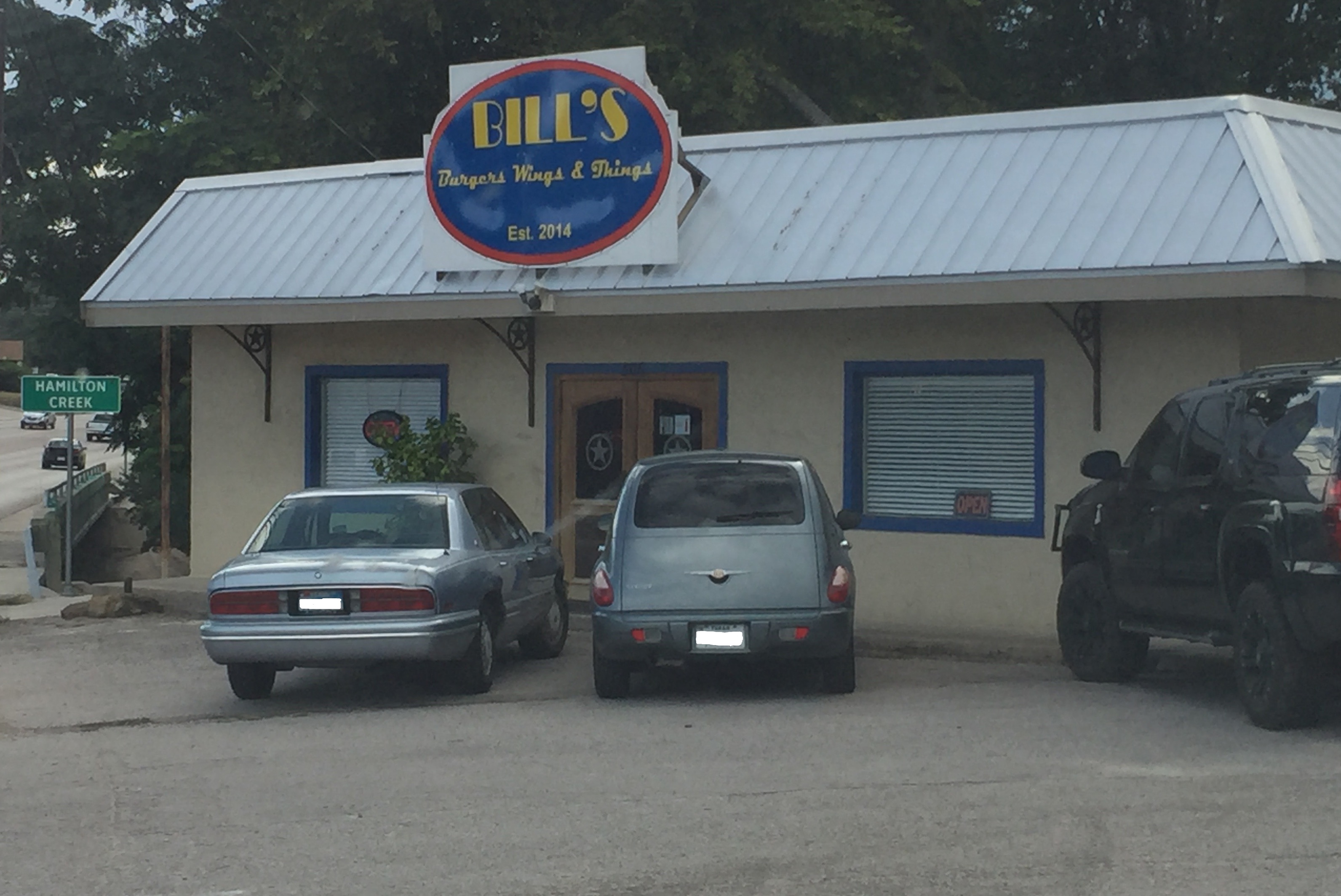
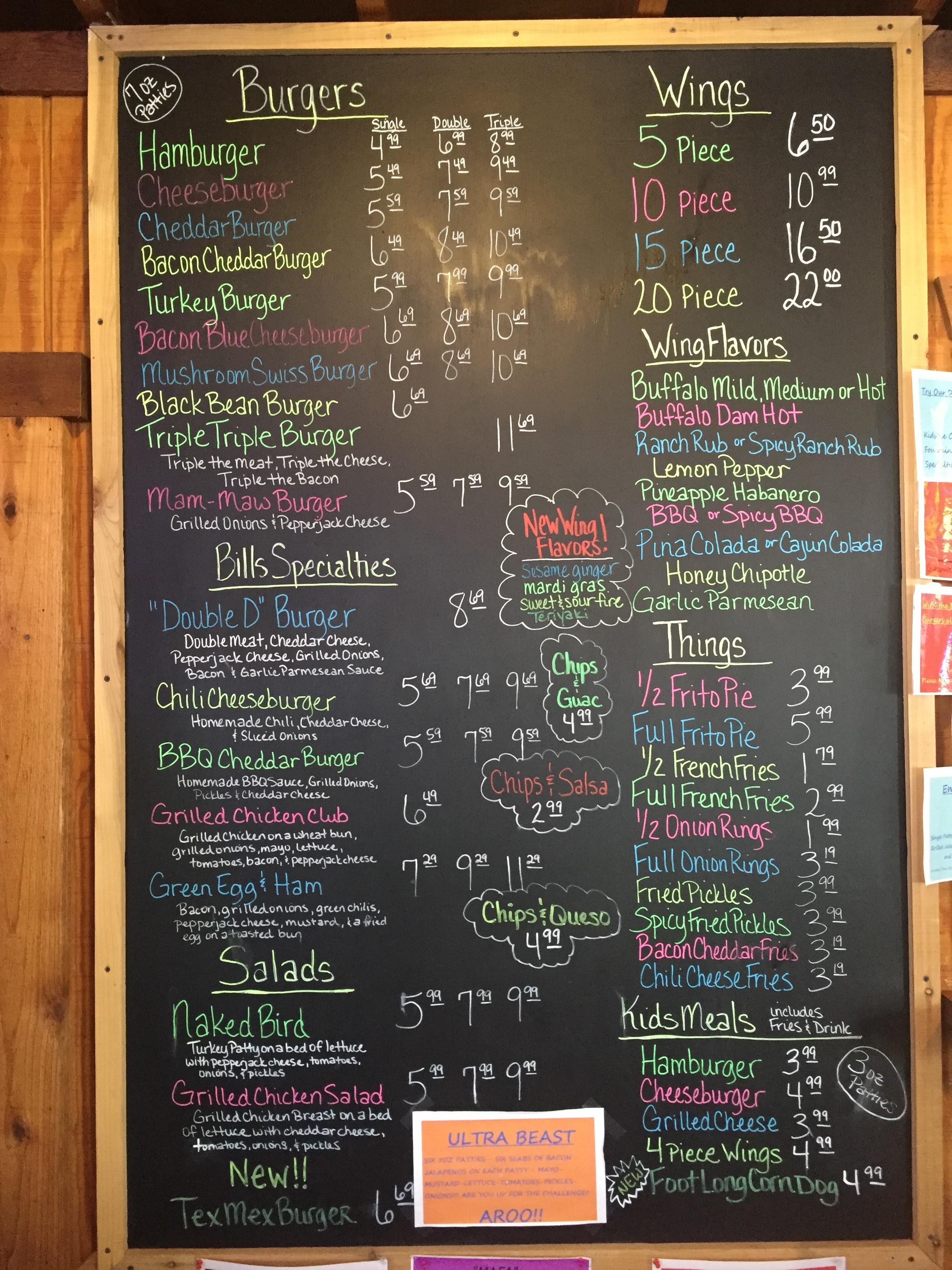
After reading the news article we decided to head over to Bill’s Burgers Wings and Things, the local joint that had made the Texas Monthly top burger list. The restaurant is housed in a modest little building with ample parking. The first thing I noticed when we walked in was the huge menu displayed on the wall. So many great options, but I zeroed in on my favorite — the bacon cheddar burger with a side of onion rings and a cold glass of iced tea.
My burger arrived in a paper boat along with a jumble of some of the best-looking hand-dipped onion rings I’ve seen in a while. Everything looked absolutely scrumptious (a reader challenged me to use this word in my next review, so here you go). As always, I cut my burger in half to look at the strata (as if I were some kind of burger geologist). The moist hand pressed hamburger patty and fresh lettuce, tomatoes, and pickles did indeed look scrumptious!
The first bite generally tells it all for me. And this first bite did not disappoint. Wow! Moist and perfectly seasoned, this burger immediately impressed me. I told my wife that I would drive back to Burnet just to do this all over again. As for the onion rings, there are no words. Cheryl told me that these were the best onion rings she has ever tasted. I have to agree. They were oh so delicious.
Bottom line: this burger definitely ranks among the top burgers I have eaten on my burger adventures in the Lone Star State — and I’ve tasted a lot of great burgers on my road trips. The onion rings are also at the top of my list. It’s experiences like these that have convinced me that eating a fast-food burger is not the best use of a buck. If you’re going to spend the money anyway, then look for a burger joint like Bill’s. You will certainly get more bang for your buck.
Vanishing Texas River Cruise
The Highland Lakes are a chain of seven lakes that were formed when the Lower Colorado River Authority built a series of dams along the Colorado River. Unquestionably one of the most beautiful regions in the Lone Star State, the Highland Lakes offer lots of enjoyable recreational opportunities for anyone looking for an affordable Texas adventure.
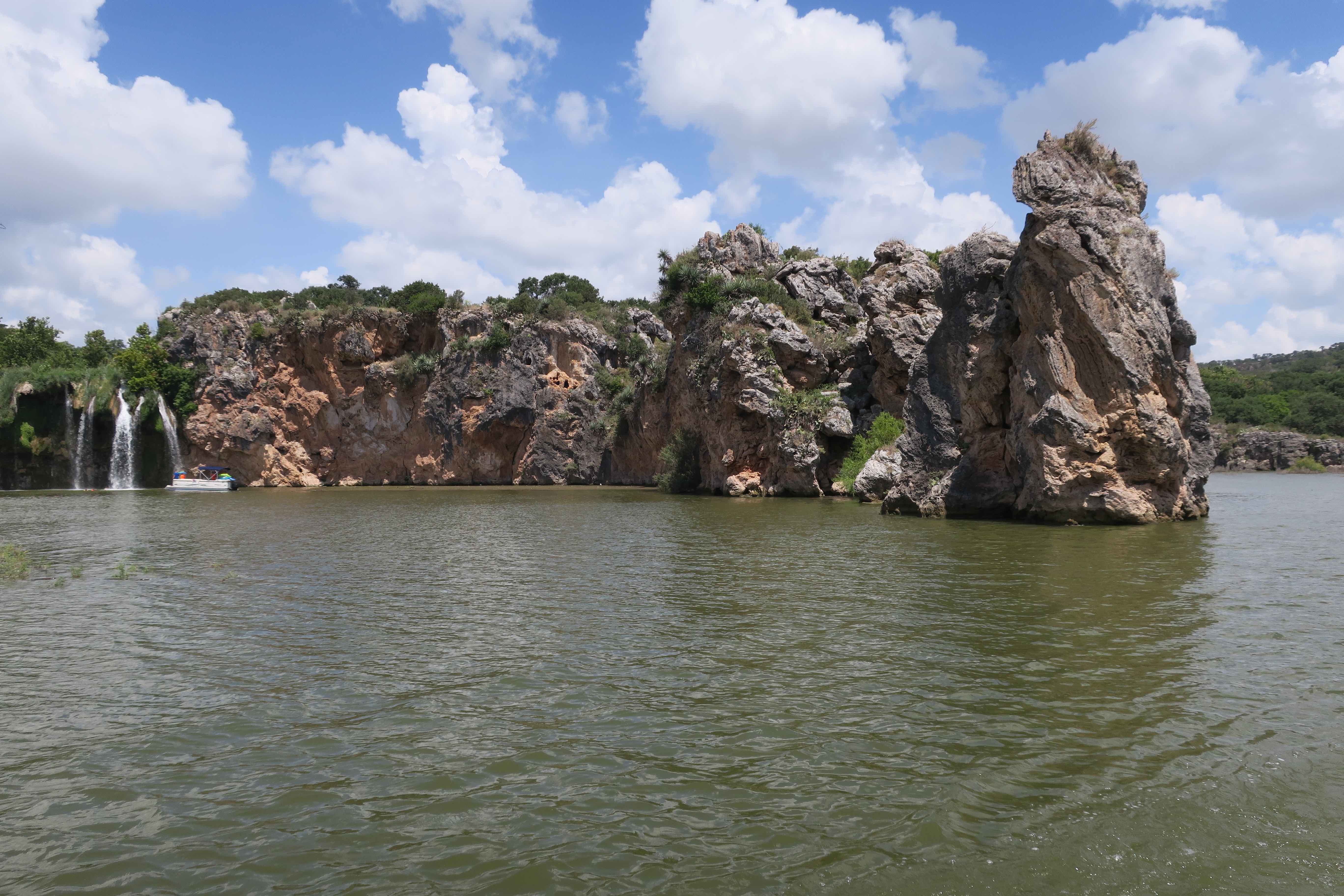
Lake Buchanan, the second largest of the Highlands Lakes in Central Texas, is the starting point for the Vanishing Texas River Cruise. This cruise was the brainchild of a man named Ed Low. In 1981, Ed envisioned starting a cruise to acquaint folks with the ecological beauty of the Highland Lakes region. The Vanishing Texas River Cruise introduces visitors to some really spectacular views of Lake Buchanan and the Colorado River — vistas that are best enjoyed from the water.
Since its start in 1982, the Vanishing Texas River Cruise has become the premier ecological tour in the Lone Star State. The relaxing two-hour cruise is hosted by a knowledgeable guide who points out native wildlife, waterfalls, and varieties of birds — including wintering Bald Eagles. The cruise also navigates over the ruins of Blufton, an entire town that was submerged in 1937 when Buchanan Dam was completed and filled. The old town ruins are visible only in seasons of drought.
The Vanishing Texas River Cruise folks offer a variety of cruises aboard their 120-passenger Texas Eagle II boat. The lower level features an air-conditioned cabin with large picture windows that make it easy to view the scenery. The upper open-air deck is covered and also gives passengers complete visual access to the passing scenery. You can bring a sack lunch or purchase one of the box lunches as a part of your package.
I can’t say enough about the staff. As someone who has toured all over the world and listened to tour guides in more than three-dozen countries, the guides on the Vanishing Texas River Cruise are among the very best. These guys know their stuff, communicate in an engaging way, and are always ready to answer questions. I learned a lot in the two-hours I spent aboard the Texas Eagle II.
Regardless of where you live in Texas, it is worth the drive to the centrally located Vanishing Texas River Cruise. Visit their website to learn more about their various cruises and how to reserve your space before heading their way. If you have never visited the Highland Lakes, then I encourage you to do so. And be sure to make the time for a Vanishing Texas River Cruise to see Texas in a whole new way.
The Pictographs of Seminole Canyon
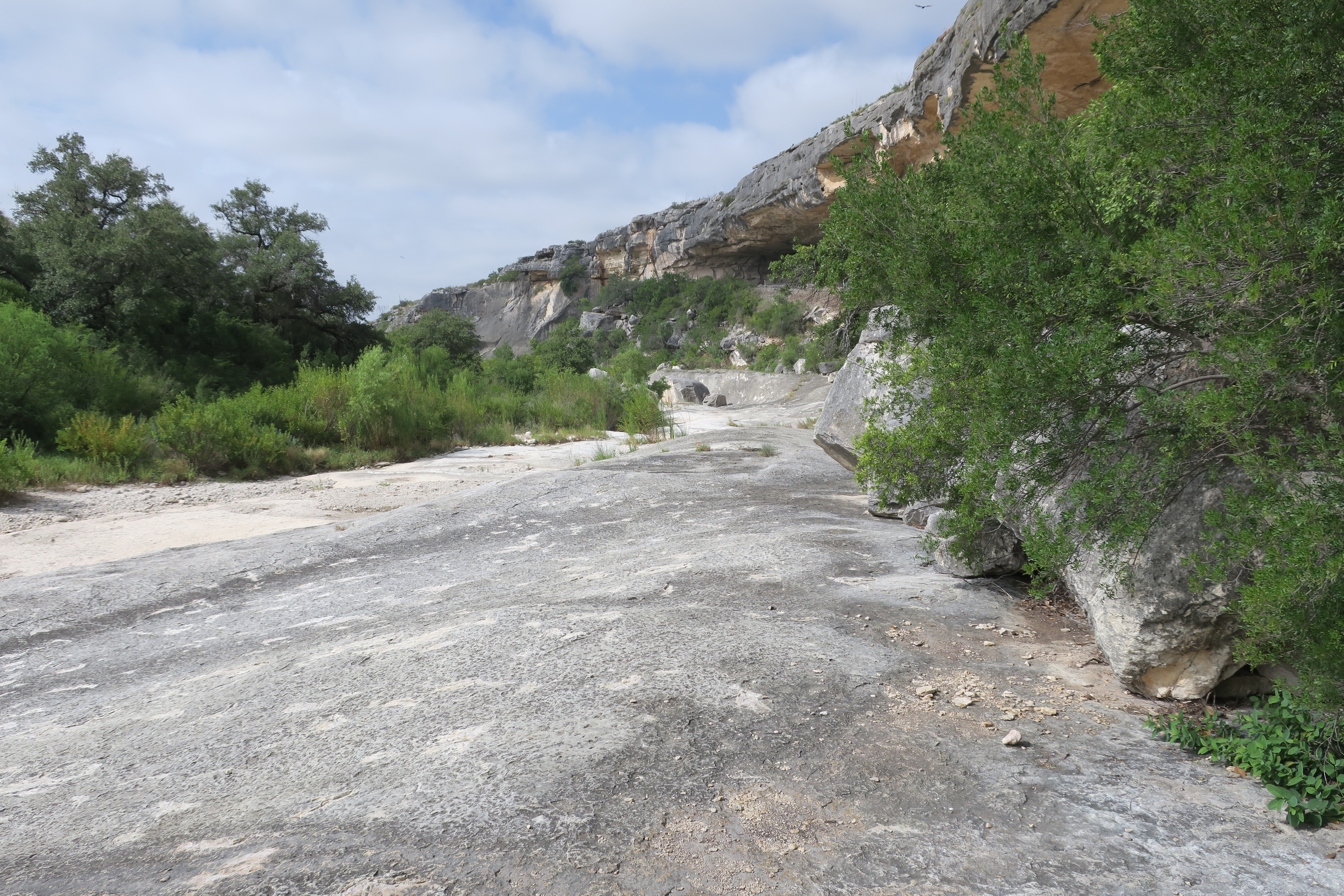
Seminole Canyon State Park and Historic Site is home to one of the oldest art collections in Texas — and I do mean really old. This 2172−acre park is nestled along the US-Mexico border nine miles west of Comstock in Val Verde County. Visitors can expect to see some of the most magnificent vistas in the Lone Star State and a whole lot more.
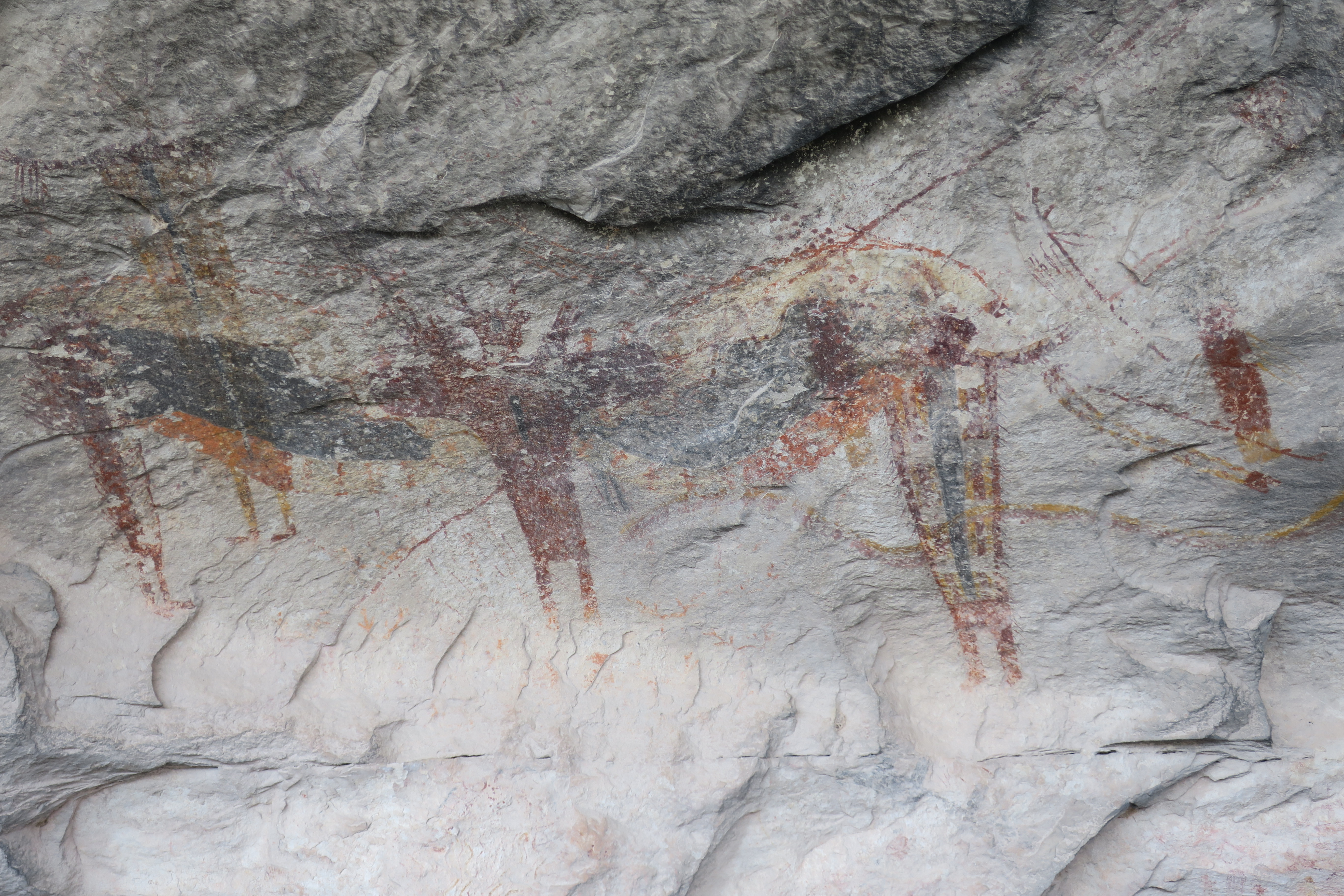
Ancient inhabitants of this rugged region left their mark on the walls and ceilings of the caves along Seminole Canyon. These natural caves provided shelter and the canvas for ancient peoples to record their own stories. Without question, the rock paintings or pictographs of Seminole Canyon provide visitors to the park with a fascinating visual link to the past.
Those who study rock art have identified the pictographs of Seminole Canyon as belonging to the Lower Pecos River Style. This style of rock art appears only within a fifty mile radius of the confluence of the Pecos and Rio Grande rivers.
The early artists who painted these pictographs obtained everything they needed to produce and to apply their paints from the surrounding environment. The fact that their art is still on display testifies to their ingenuity and to the quality of the materials they produced.
There are more than 200 pictograph sites in the area that contain single paintings and panels of art hundreds of feet long. The pictographs depict animals, birds, weapons — and also human, anthropomorphic, zoomorphic, and enigmatic figures.
Perhaps the most puzzling thing about these pictographs will always be their meaning. It’s impossible to look at the faded figures without speculating on possible meanings. Regardless of our conclusions, however, the reality is that the exact meaning of these paintings will be forever buried with the ancient artists who painted them.
Protecting pictograph sites like those at Seminole Canyon is important. These pictographs are essentially an ancient text preserved on stone. They remind us that even ancient peoples understood the value of recording aspects of their culture, beliefs, and daily life. We owe it to them and to future generations to preserve their artistic and cultural legacy.
The only way to see the pictographs of Seminole Canyon is by a guided tour. The park offers a daily guided tour for a nominal fee. A park ranger leads each tour and offers insightful interpretive commentary. Expect to walk a couple of miles, including descending into the canyon and up and down stairs that lead to the pictographs.
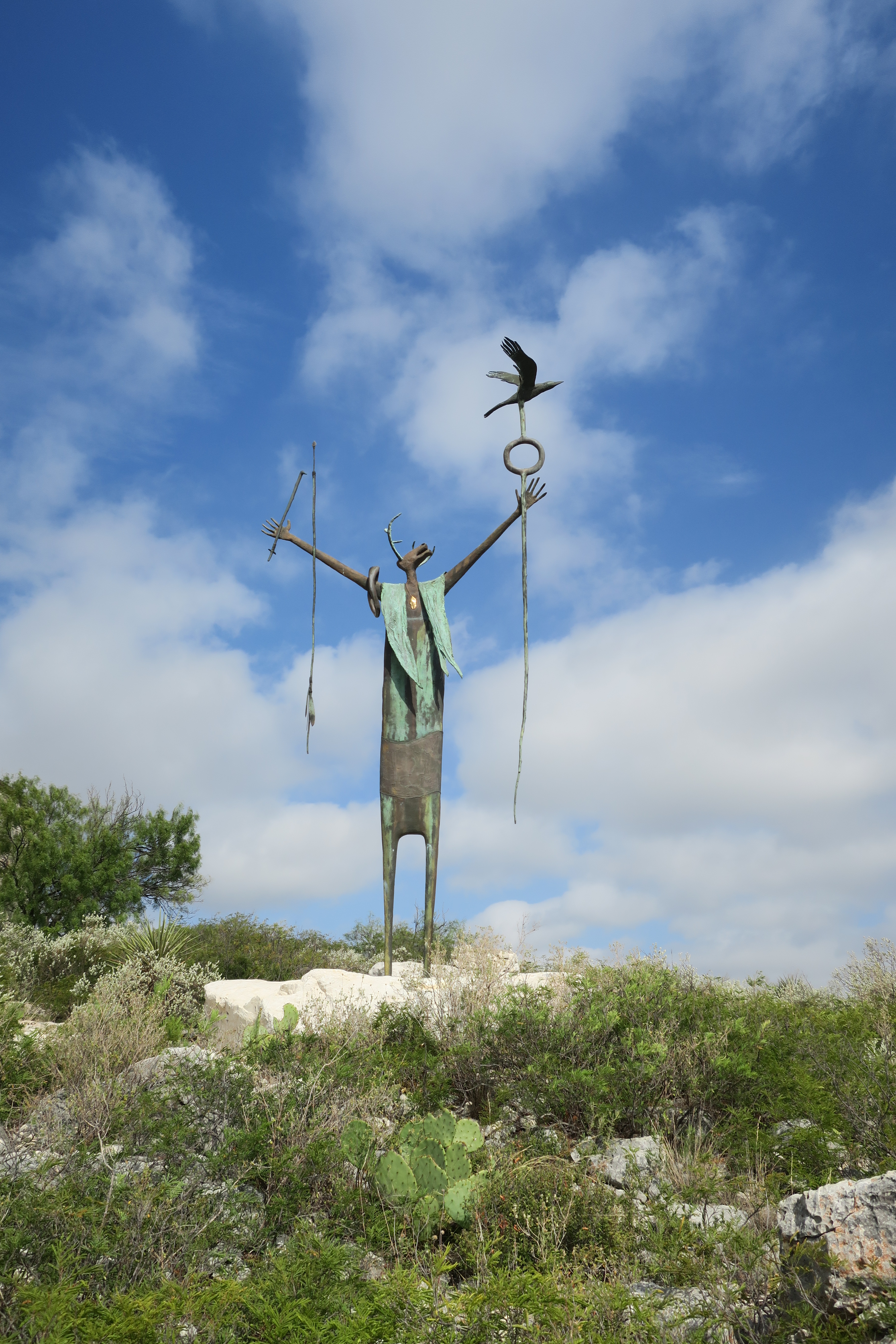
Because both time and the weather continue to take their toll on the pictographs of Seminole Canyon, plan to visit this ancient outdoor art museum sooner than later. You’ll also see the really cool sculpture by Bill Worrell on your hike down the canyon. Regardless of where you live in Texas, the pictographs of Seminole Canyon are worth a visit. This is one Texas treasure you should not miss.
The Neches River Wilderness Canoe Race
The Neches River Wilderness Canoe Race began more than twenty years ago as a fund-raising event for the Trinity Valley Community College and has earned a reputation as “one of the best organized and most challenging races around.” This fast-paced 22-mile race is organized by the Neches River Runners, a non-profit organization dedicated to conservation and education. The race is held annually on the first Saturday in August.
The Neches River derives its name from the Caddo Indian word “Nachawi” meaning wood of the bow, a reference to the bois d’arc trees that grow along the river. The Spaniards changed the name of the river to Neches. This flatwater river flows 416 miles through the piney woods of East Texas to Port Neches on the Gulf of Mexico. The Neches race covers 22 grueling miles of the river — and I do mean grueling.
The Neches race is billed as the toughest little canoe race in Texas. And indeed it is. This is the first marathon canoe race I participated in after my son Jonathan invited me to train with him for the Texas Water Safari, the world’s toughest canoe race. Since then, I have paddled in this race four times. Of all of the marathon canoe races in Texas, this is my favorite. Mile for mile, this little race is filled with a boat-load of challenges, obstacles, and opportunities to get scraped up, beat up, and worn out.

What makes this race so tough? Imagine what it would be like to be the ball in a pin-ball game for several hours and you will have some idea of what this race is like. The 22-mile race course is littered with fallen trees, submerged logs, and enough spiders, snakes, and other pesky little critters to fill a haunted mansion. Contestants have to navigate these and other obstacles along the way. Some places along the course are so narrow and tight that racers have to queue up just to get through.

I enjoy being a part of the paddling community in Texas. The Lone Star State offers paddlers some of the best marathon canoe races in the country and some of the most beautiful paddling trails in the world. Whether you paddle to compete or for fun, there are few things better than navigating down our beautiful Texas rivers. Plan to add a paddling excursion to your next Texas adventure. This is one of the best ways to see Texas as many of the early explorers did.

To see more photos and video of the 2016 Neches River Wilderness Canoe Race, please visit Facebook/Lone Star Pastors and Facebook/Explore Texas Blog pages and also Instagram #lsp316 and #exploretexasblog.
The Historic Murals of San Angelo
From earliest days, people have been compelled to record their history — the stories of how they lived, what they experienced, and what they accomplished. Ancient peoples cleverly devised ways to tell their stories.
The Egyptians painted hieroglyphs. The ancient Khmer empire recorded their history in the bas reliefs of Angkor Wat. Ancient cave dwellers left pictographs of animal and human figures, handprints, and curious geometric shapes on cave walls.
Even ancient peoples understood that history provides context to our existence. History helps us understand how our own personal stories fit into the larger narrative. Each of us are, after all, shaped by what happened before us and have the capacity to influence what happens after us. We can add to the narrative of history.
One of the coolest examples of recording history is found in the city of San Angelo. Situated along the Concho River, this Texas town is steeped in western history. San Angelo is unquestionably proud of its western heritage and dedicated to preserving and sharing its history and culture.
In 1997, a woman named Susan Morris founded The Historic Murals of San Angelo. According to their mission statement, this initiative was designed to provide the residents of San Angelo “with a clear, valid understanding of the history-rich legacy of our West Texas forefathers.”
Their specific platform for achieving their mission: larger-than-life murals to “expose as many people as possible to the history of San Angelo.” Today, the magnificent history-intensive works of art are on permanent public display on the brick and mortar canvases of the city’s downtown buildings.
These history-themed murals certainly pique interest in the city’s past. However, to make the learning experience even more enriching, Morris’ educational organization has added an additional component — a self-guided cell phone tour. Each mural has a designated number that you can dial to hear an audio recording with detailed historical information. Brilliant!
If you have never visited San Angelo you will be pleasantly surprised. It is now on my list of favorite Texas towns. This place has a lot to offer — historic places, a beautiful river walk, lots of interesting restaurants, great shopping, and a whole lot more.
Start your visit at the beautiful Visitors Center that overlooks the Concho River. The friendly folks there can get you started on your tour of the murals. There are currently a dozen murals with more in the works. You can either drive or walk to each mural since they are all clustered within a few city blocks of each other.
Kudos to The Historic Murals of San Angelo and their team of directors and artists. They have given a gift to both residents and visitors alike, one that will continue to educate and inspire others into the coming generations. Thanks for putting your rich history on display.
Digging for Topaz
Topaz is the official gemstone of Texas as well as the birthstone for the month of November. This beautiful gemstone is found only among the granite hills and sandy creek beds of Mason County — in the geologic region of the state known as the Llano Uplift. The town of Mason, the county seat, is about an hour’s drive from Fredericksburg in the beautiful Texas Hill Country.
Topaz was found in greater abundance in Mason County at the turn of the twentieth century. Old-timers speak of stumbling across topaz stones while looking for arrowheads in creek beds. In those days, however, there was a greater demand for arrowheads. Topaz was just another pretty rock.
Today, topaz hunters have to look a little harder and dig a little deeper to find this stone. Topaz resembles shards of broken glass or frozen water, thus earning it the nickname “Desert Ice.” Topaz, however, also occurs naturally in a variety of colors including blue, orange, brown, green, beige, and red. A good place to look for topaz is around granite outcroppings in creek beds and ditches.
Digging for topaz has been on my wife Cheryl’s list of Texas adventures for quite some time. So, we finally made the time to head to Mason County to try our hand at searching for the Texas State Gem. We set out with the understanding that topaz is hard to find and that we would be content to just share this adventure together.
Cheryl arranged for us to dig at the Seaquist Ranch in Mason County. The Seaquist family left their native Sweden at the turn of the twentieth century and settled in Mason County. The family still owns and operates their ranch located a few miles outside of the town of Mason. People have enjoyed rock hunting on the Seaquist Ranch since the 1970’s.
Our adventure began at eight in the morning. We met Jean Seaquist in the parking lot of the Dairy Queen in Mason, paid our $20 per person fee, and set off for the ranch. Jean personally escorted us to an area of the ranch known as Topaz Gulch — a creek bed snaking its way through the rugged hills at the base of pink granite outcroppings.
After our orientation, we set up our base camp — our canopy, camp chairs, and ice chest filled with fruit, water, and gatorade to beat the heat. And then we collected our gear and set off for the creek bed. We worked an hour at a time, digging and sifting material in our soil sifters. We found lots of pretty rocks and some that might be topaz. We’ll know more when we’ve had time to clean and examine our haul.

All in all, this was a fun and affordable adventure. Like fishing, you have to be prepared to just enjoy the experience regardless of whether you catch anything. The best part of the adventure was the anticipation of finding something and spending lots of quality time together. We both agreed that we’d like to share this adventure again in the future. And that is priceless!
Discover the Gem of the Hill Country
Small towns are a big deal for those of us who love exploring the Lone Star State. There is usually more history tucked away in small towns than most folks realize. The town of Mason is a case in point. Located on the western side of the beautiful Texas Hill Country, Mason is steeped in some interesting Texas history.
Mason is known as the “Gem of the Hill Country” — in part because Mason County is the only place in Texas where you can find Topaz, the Texas State Gem. But also because it is a gem in other senses of the word. Mason sparkles with culture, history, friendly folks, and a town square regarded as one of the five most beautiful squares in Texas by Texas Monthly Magazine.

Mason Square is really cool. The beautiful county courthouse, built in 1910, is surrounded by early twentieth-century buildings that have been repurposed as restaurants, art and antique shops, museums, and more. My wife and I enjoyed a delicious meal at the Willow Creek Cafe located in one of the old buildings across the street from the courthouse. Eating at this cafe is a definite must if you visit Mason.

If you enjoy shopping for cool stuff, then be sure to stop by Mason Country Collectibles. This is one amazing place crammed full of all kinds of old stuff, antique items, books, gems, art work, and a zillion other things. While there, be sure to ask for a peek at the 587-caret Grand Azure — the most beautiful piece of Topaz ever found in Mason County. Whether you like picking or not, you owe it to yourself to stop and look around this fascinating place.

If you love old heart-warming stories, you’ll be happy to know that Fred Gipson, one of the finest novelists in America, was born on a farm near Mason. Gipson wrote Old Yeller in 1956. A year later, Disney released a film version of the book, introducing Gipson’s story about a dingy yellow dog to a wider audience. A statue of Old Yeller and Travis, his human companion, greet visitors to the Mason Library.

The site of Fort Mason sits atop a hill overlooking the town. This fort was established in 1851 to protect settlers from Indians and to encourage the development of this vast and sparsely settled region of the state. Settlers often sought refuge at the fort during frequent Indian raids. Fort Mason was also Robert E. Lee’s last command post in the U.S. Army before the Civil War. Today, the only thing that remains at the site is a reproduction of the officers’ quarters. Worth a visit!
There is a whole lot more to discover in Mason and the surrounding area. So, if you find yourself traveling through Central Texas or are looking for an interesting destination for a day trip or vacation, add Mason to your travel plans. Be sure to schedule your trip from Thursday through the weekend when more of the local shops are open to weekend visitors. It won’t take you long to discover why Mason is indeed the Gem of the Hill Country.
5 Facts About Gayfeather
Texas has no shortage of beautiful native wildflowers. Gayfeather is among the most finely attired in the Lone Star State’s pageant of wildflowers. Standing taller than most, it draws your attention with its distinctive purple-pink spikes and tassels. This showy flower that resembles a bottle-brush makes its debut in pastures, prairies, and roadways in July and hangs around until October. Here are a few interesting facts about Gayfeather.
1. Gayfeather is a plant with aliases.
Gayfeather is also known by other show-bizesque names like Blazing Star and Button-Snakeroot. There are 43 species of plants in this handsome family. Identifying particular species can be hard because the species have a tendency to cross.
2. Gayfeather is a great garden plant.
This perennial plant can take the heat, is deer resistant, and requires no pampering — making it a popular choice for low-water xeriscapes. You can, essentially, plant Gayfeathers and then leave them alone. They won’t hold it against you and will not disappoint you.
3. Gayfeather is an attractive plant.
Gayfeather plants are a favorite dining spot for bees, butterflies, and other pollinating insects. Hummingbirds are also quite fond of Gayfeather. This plant is the perfect addition to any butterfly garden.
4. Gayfeather plants bloom from the top down.
Gayfeather plants bloom from the top down. Each flower spike starts to bloom at the top and slowly descends toward the base. The flower spike will have blooms on it for a long time. Gayfeather is a favorite in the cut flower industry because, when dried, it hold its color for a long time.
5. The Gayfeather pharmacy.
Native Americans discovered many medicinal qualities in the Gayfeather plant. The Cheyenne ground and used the roots to make a medicine to relieve headaches, arthritis, fever — and to treat measles, smallpox, and earaches. The Paiute shelled, cooked, and ate the small feathered nuts of the plant. Other Indians used the leaves to relieve upset stomachs and as an antiseptic wash.
Hamlin Pharmacy and Fountain
Long before the days of fast food chains and drive-thru lanes, folks who wanted to go out for a soda or burger had few options. One of those options was the local soda fountain — a place where a soda jerk took your order and prepared your soda or flavored drink. Few of those old-fashioned places remain, and those that do remain are definitely worth a visit.
Hamlin Pharmacy and Fountain in Corpus Christi operates the last remaining soda fountain in the Sparkling City by the Sea. While times have changed, their old-fashioned values have remained the same. If you are looking for a nostalgic dining experience, this is the place to go. You can enjoy your meal in one of the booths or sit on a swivel stool at the counter.
I visited on a day when the soda fountain was packed with customers but waited for a place to sit. This is one dining experience I was not going to miss. Fortunately, a booth opened up quickly and their friendly staff promptly took our order. As usual, I order a cheeseburger, onion rings, and a tall glass of iced tea.
The service was reasonably fast, but fast was the last thing I was concerned about. I wanted to enjoy my time in this place steeped in nostalgia — from the rotary public phone to the vinyl-clad booth benches. Fast food chains have trained us to eat fast and leave quickly. Not so at Hamlin Pharmacy. This is a place where you can enjoy your meal and have a conversation without feeling the need to rush off.
As for the food, it was pretty tasty. I have no complaints about my burger or the onion rings. An honest meal served up piping hot. Everything about the burger was good, including the moist bun. It was obvious this was not one of those made-in-a-hurry burgers. I enjoyed every bite. And, I really liked the slow and easy vibe of the place — a throwback to simpler times when lunch time was as much about connecting with friends as it was about enjoying a good meal.
If you find yourself in or anywhere near Corpus Christi at lunch time, swing by the soda fountain at the Hamlin Pharmacy. This is a great place to talk to your kids about old-fashioned places and old-fashioned values and the importance of using meal times as opportunities to enjoy more than your food. Because there are fewer and fewer places like this, it’s definitely worth visiting Hamlin Pharmacy and Soda Fountain.