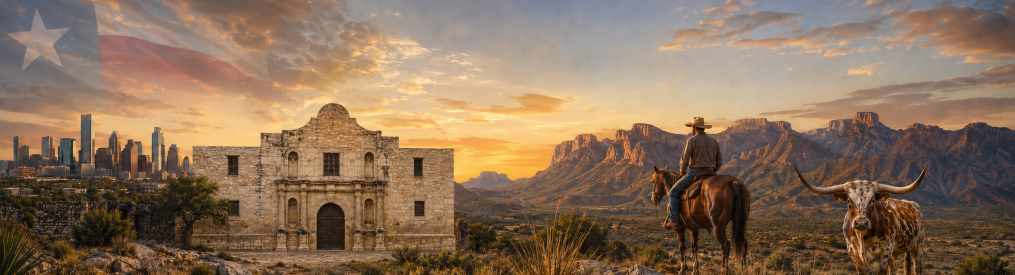
There are still places in Texas where the past has not yet completely surrendered to the present. You will find them along two-lane roads that lead to little communities nestled off the beaten path. No longer fed by the nourishing streams of progress, weathered old buildings stand as quiet witnesses to another time. The old general stores are among the most interesting of these remaining fragments of the past.
The general store was once the heart of rural life. These were the places where neighbors bought what they needed, caught up on local news, collected their mail, and lingered for conversation. Life moved at a slower pace, and folks were not always in a hurry to leave. A visit to the general store broke the rhythm of hard work and the monotony of endless chores.
Most of these old places are gone. That is why the few that remain deserve more than a passing glance. They deserve a stop, walking through a tattered screen door, and spending a few unhurried minutes inside, smelling the unmistakable fragrance of the past. The undeniable reality is that someday, perhaps sooner than we imagine, these remaining pieces of old Texas will disappear.
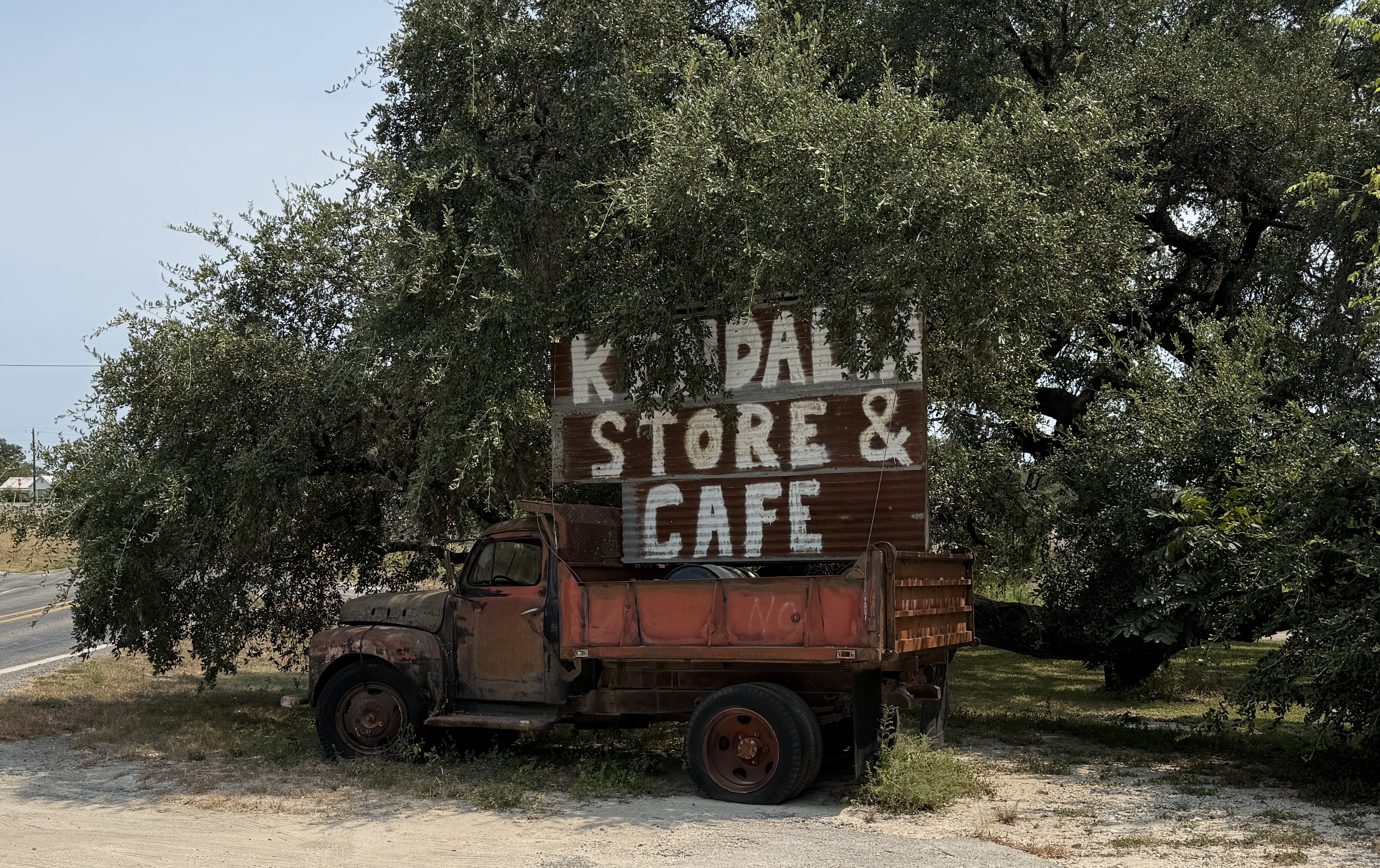
Kendalia represents a piece of Texas that has largely disappeared. This tiny unincorporated community grew around mills, ranches, churches, a school, a post office, and a country store. Located in eastern Kendall County in the Texas Hill Country, roughly 25 miles northeast of Boerne and about 40 miles north of San Antonio, Kendalia has remained small, rural, and peaceful.
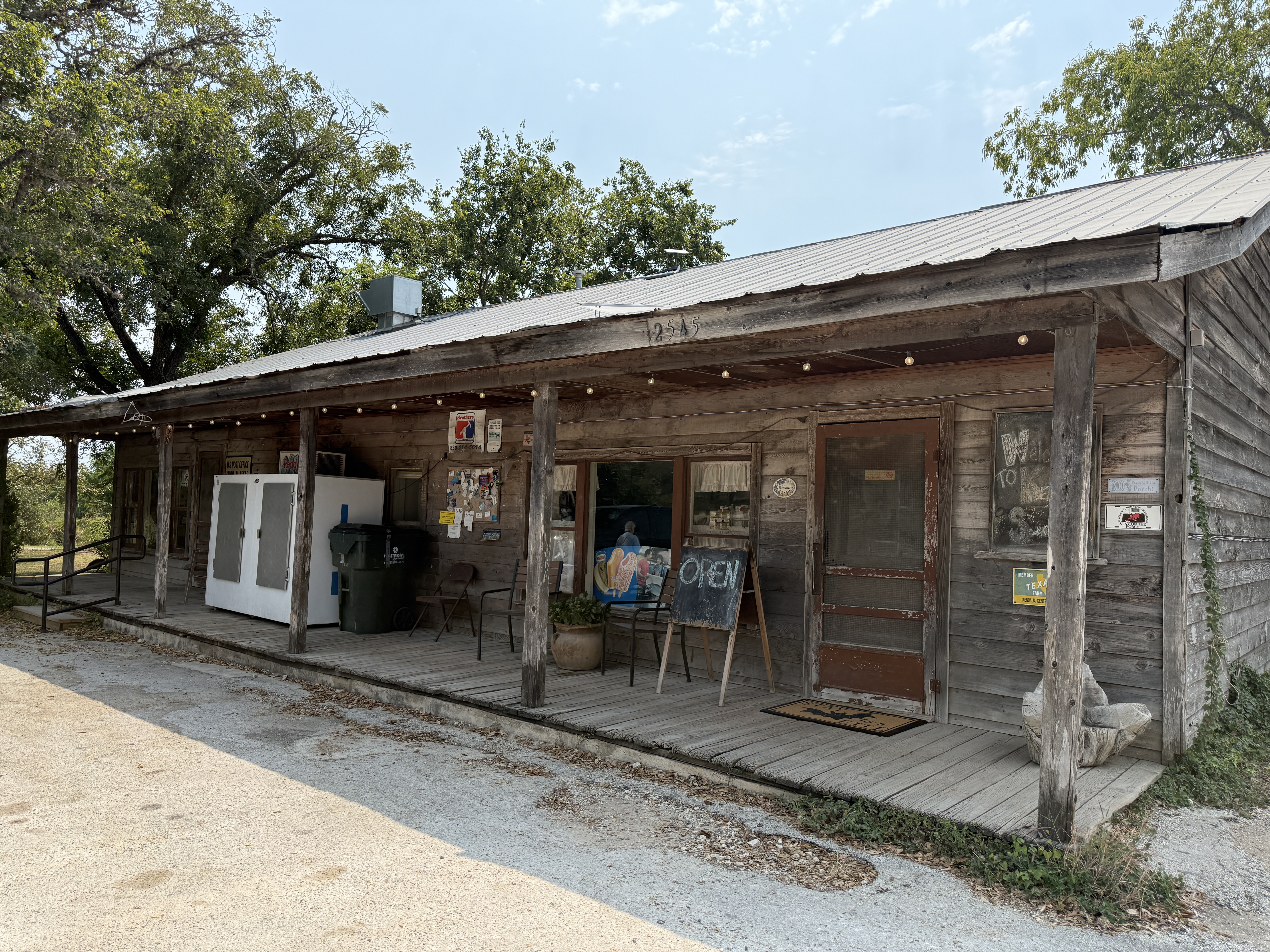
One of the best reminders of its small-town heritage is the Kendalia General Store on FM 473. The store continues the old Texas tradition of the general store. The years have changed the inventory of the little store but have not erased its charm. If its walls and worn wooden plank floors could talk, what stories they might tell.
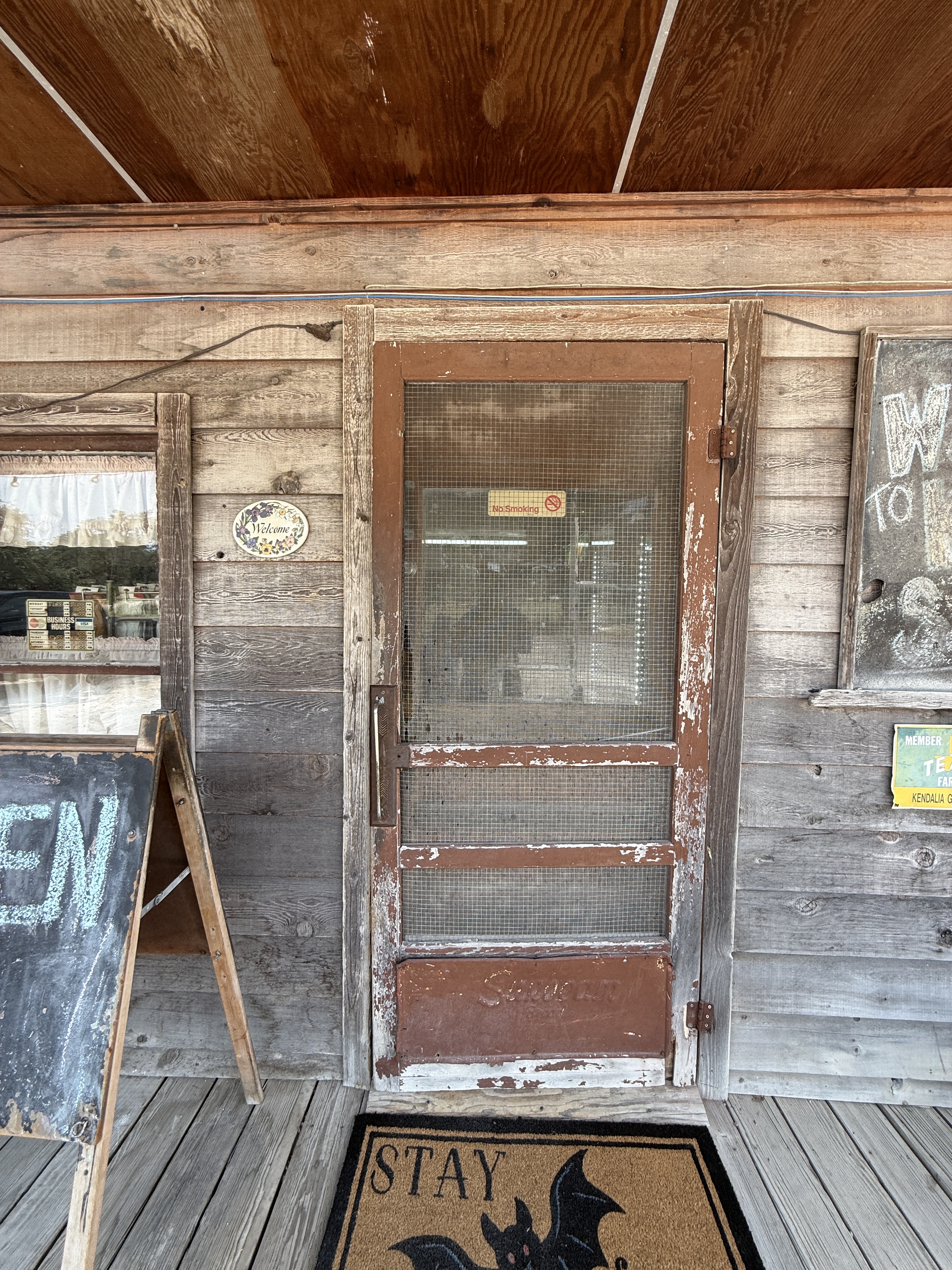
Cheryl and I stopped by the Kendalia General Store while traveling the winding and scenic back roads of the Texas Hill Country. The weathered old screen door invited us to step into the past. Inside, we met a young man who shared a little about the store’s history with us. Apart from a couple of new full-glass coolers filled with soft drinks and bottled water, it was not hard to imagine what this place must have been like a hundred years ago.
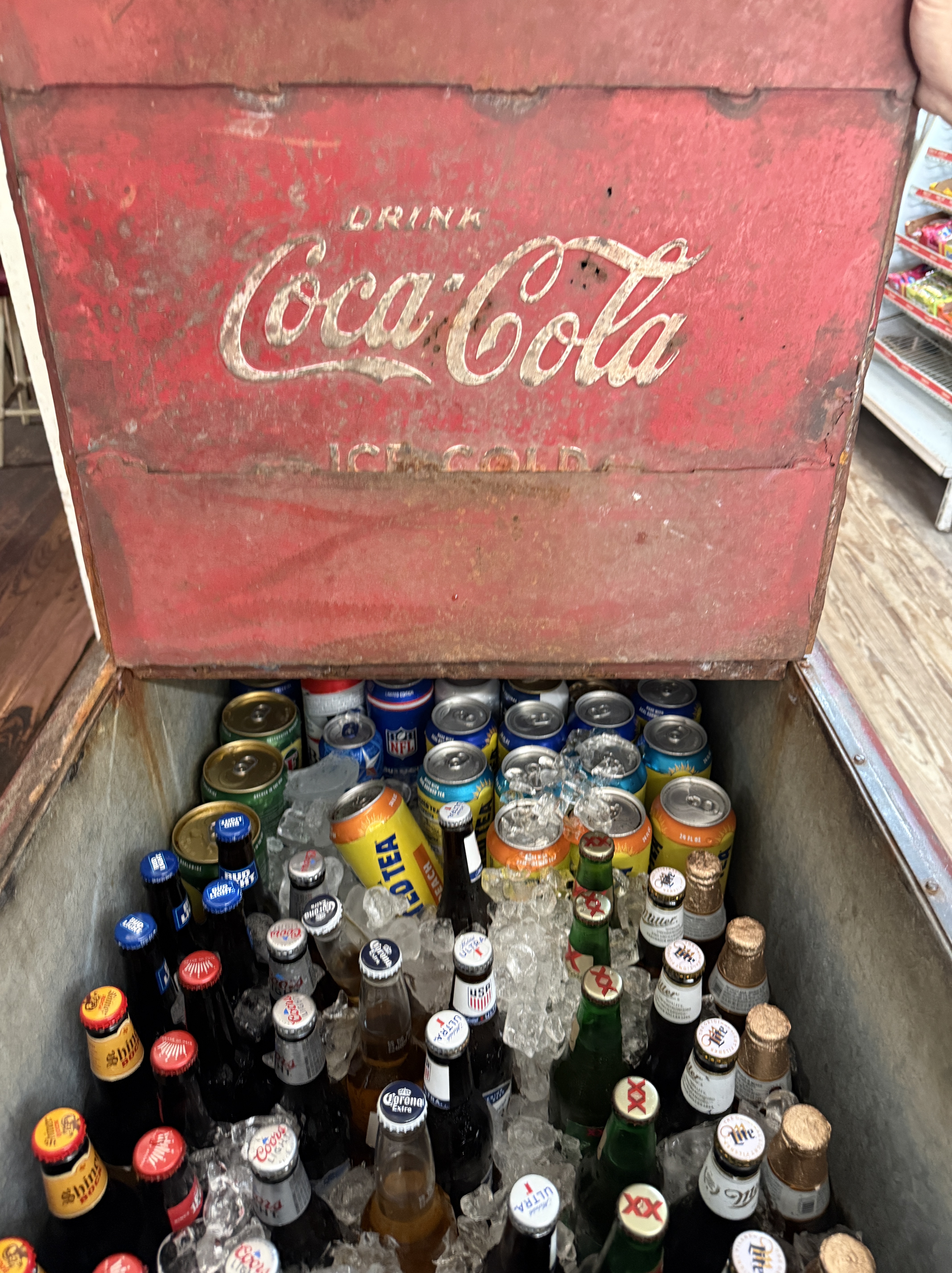
Today, you can order a burger, select your drink from an old Coca-Cola ice chest, grab a bag of chips off the shelves, and enjoy your meal in a time capsule of Texas history. And if you are a local, you can check your mailbox in the adjacent post office that shares the same front porch.
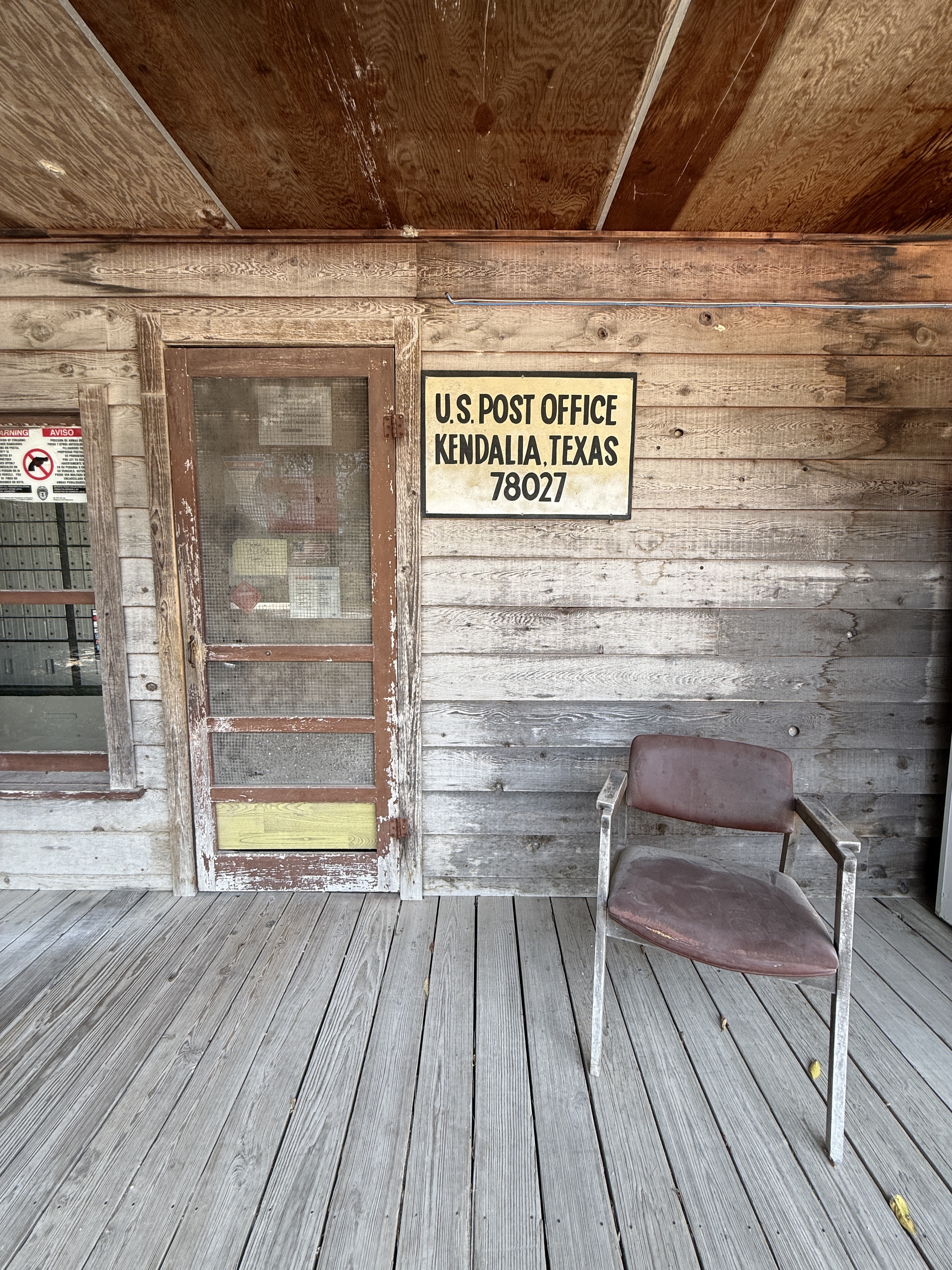
I hope the old store and post office in Kendalia will be around for another generation and retain its yesteryear charm. And I hope travelers who hurriedly drive down the Farm to Market road that passes in front of the store will slow down enough to stop and visit, have an unhurried conversation, and enjoy a Coca-Cola and a Moon Pie.
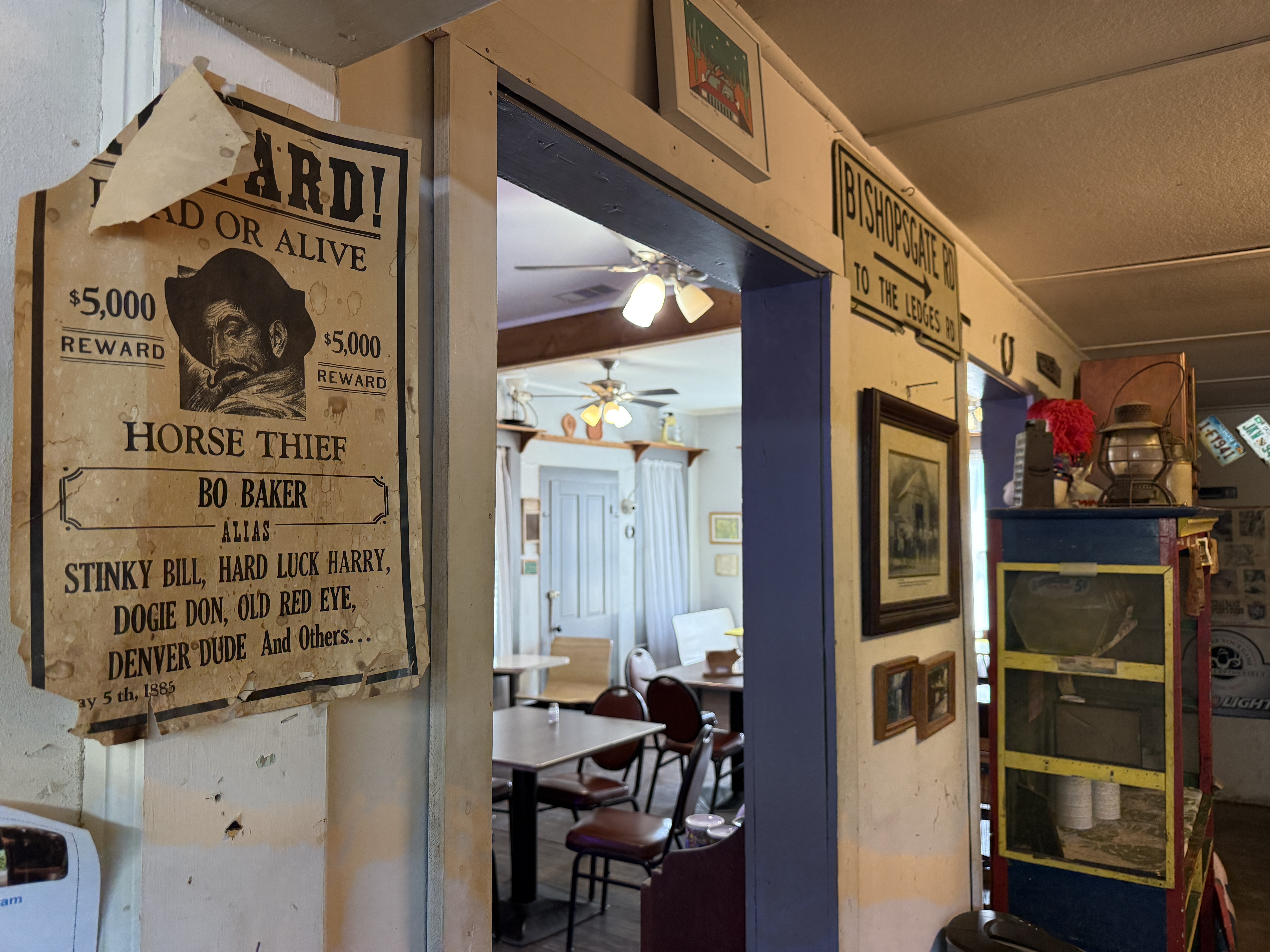
Places like the Kendalia General Store matter because they give us something a history book cannot: a physical connection to the lives of those who came before us. Walking through the door of an old store like the one in Kendalia can help us imagine a time when a general store was the center of community life.
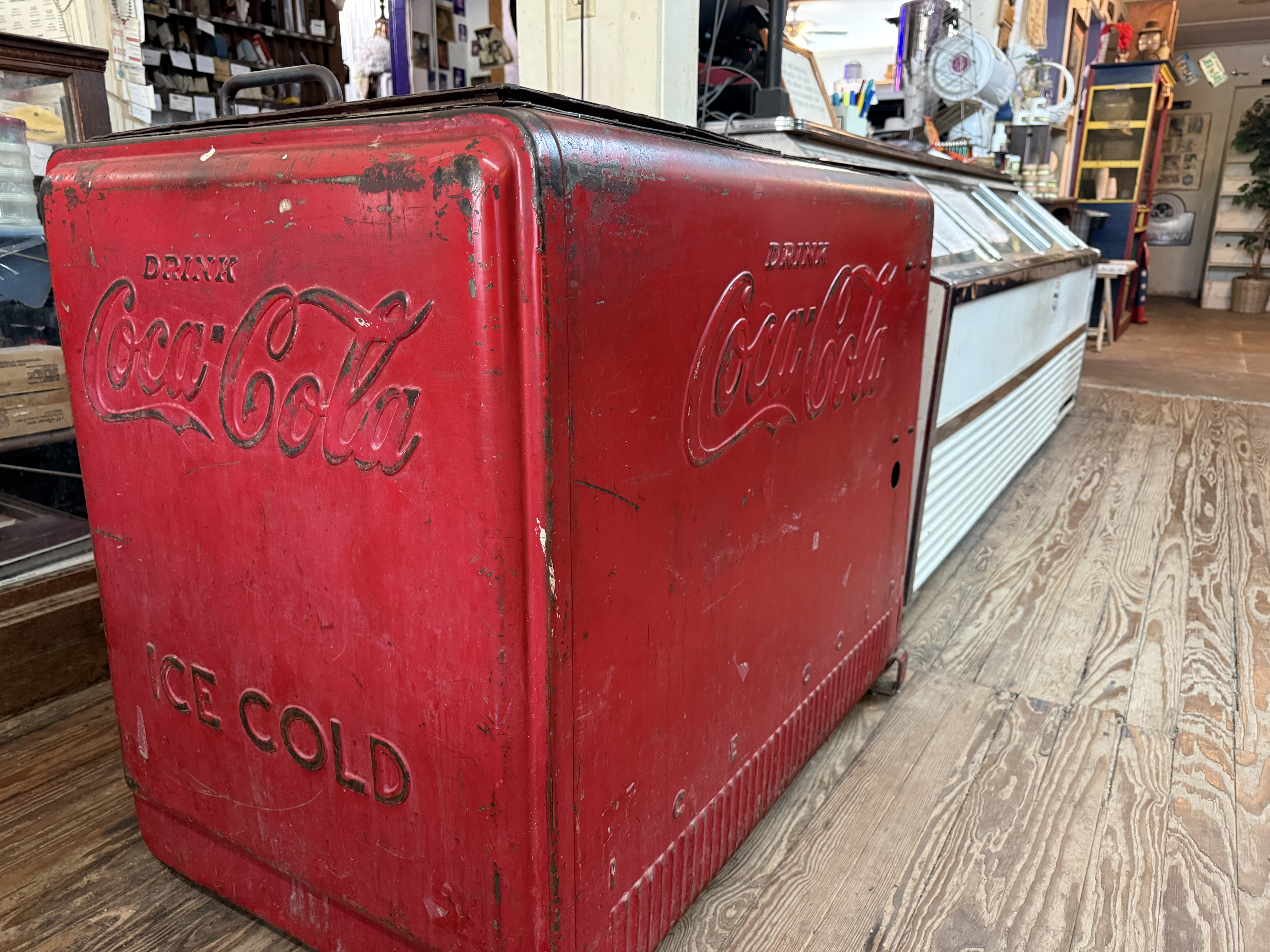
Once an old building is allowed to disappear, we lose an important connection to our past. While a photograph can preserve what a building looked like, it does not compare to the experience of opening an old door, hearing the floorboards creak beneath your feet, and being in a place that played an important role in the lives of previous generations.
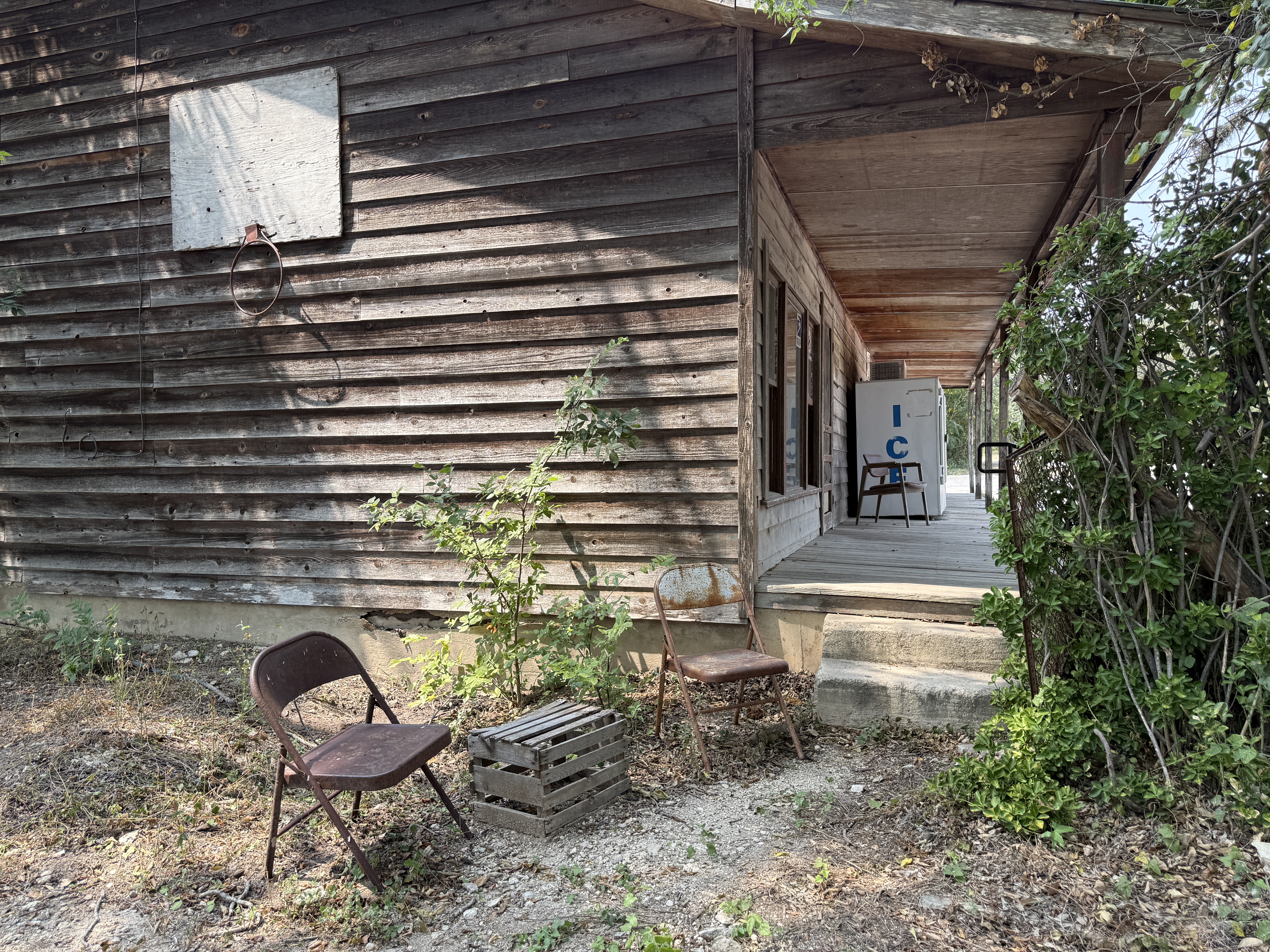
That is why stopping at a place like the Kendalia General Store is more than nostalgia. It is an act of appreciation for our history. The past rarely disappears all at once. It vanishes one old store, one weathered sign, one creaking floorboard at a time—which is why we should treasure places like the Kendalia Store and Cafe while we still can.

