Gruene General Store

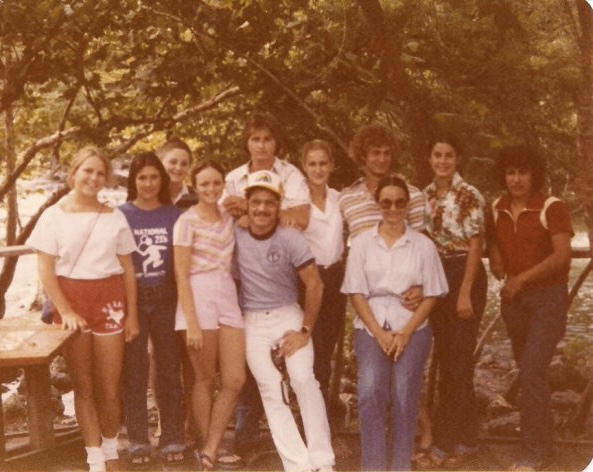
I first visited Gruene in the late 1970s while living in Corpus Christi. I wanted to take a group of singles from our church on a rafting trip, so—long before the days of the internet—I did a little research and discovered the Gruene River Company. They were wonderful to work with, and our group had a great experience on the Guadalupe River. That trip became my introduction to Gruene and the beginning of my appreciation for this historic Texas community.

Gruene is located along the Guadalupe River within the city limits of New Braunfels, about 35 miles northeast of San Antonio. German immigrant Ernst Gruene and his family settled in the area in the 1840s. His son Henry later developed Gruene into a prosperous cotton-farming community, building homes, a general store, a cotton gin, and the now-famous Gruene Hall.
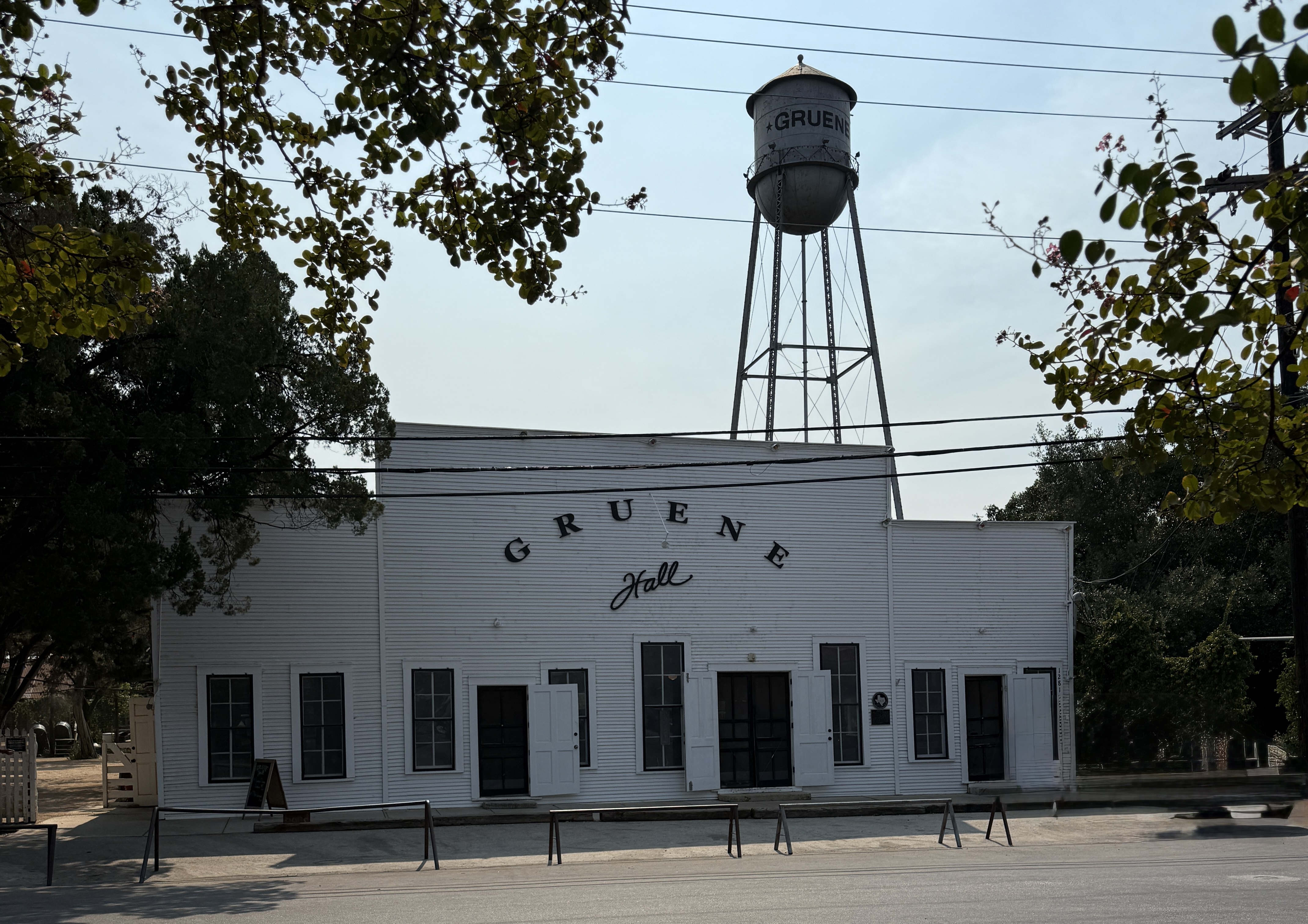

When the boll weevil devastated the local cotton industry in 1925, most of Gruene’s businesses closed. The dance hall—now known as Gruene Hall—was the town’s only business to remain open. Gruene lay largely dormant until restoration efforts began in 1974 and the community was recognized as a historic district.
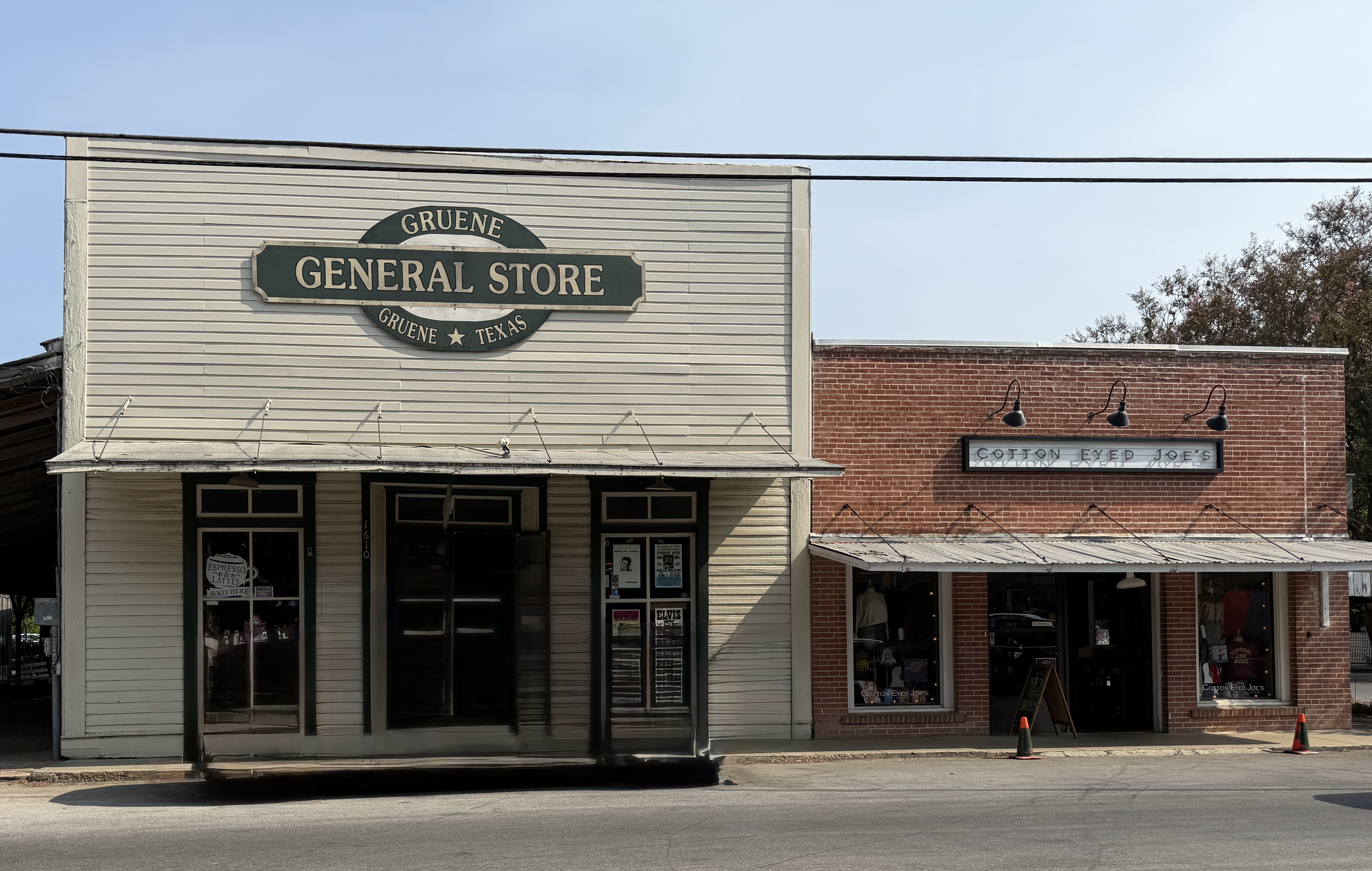

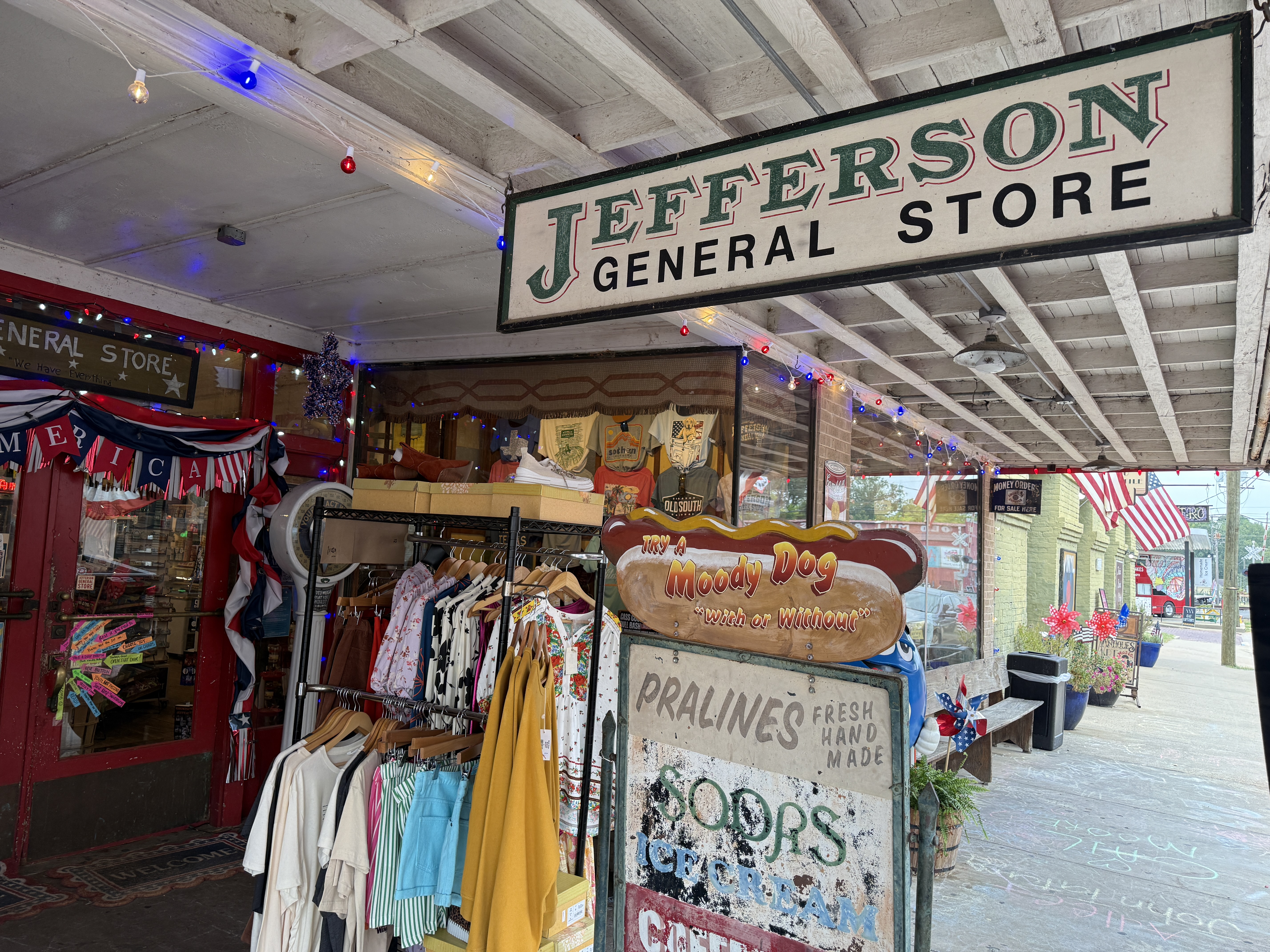
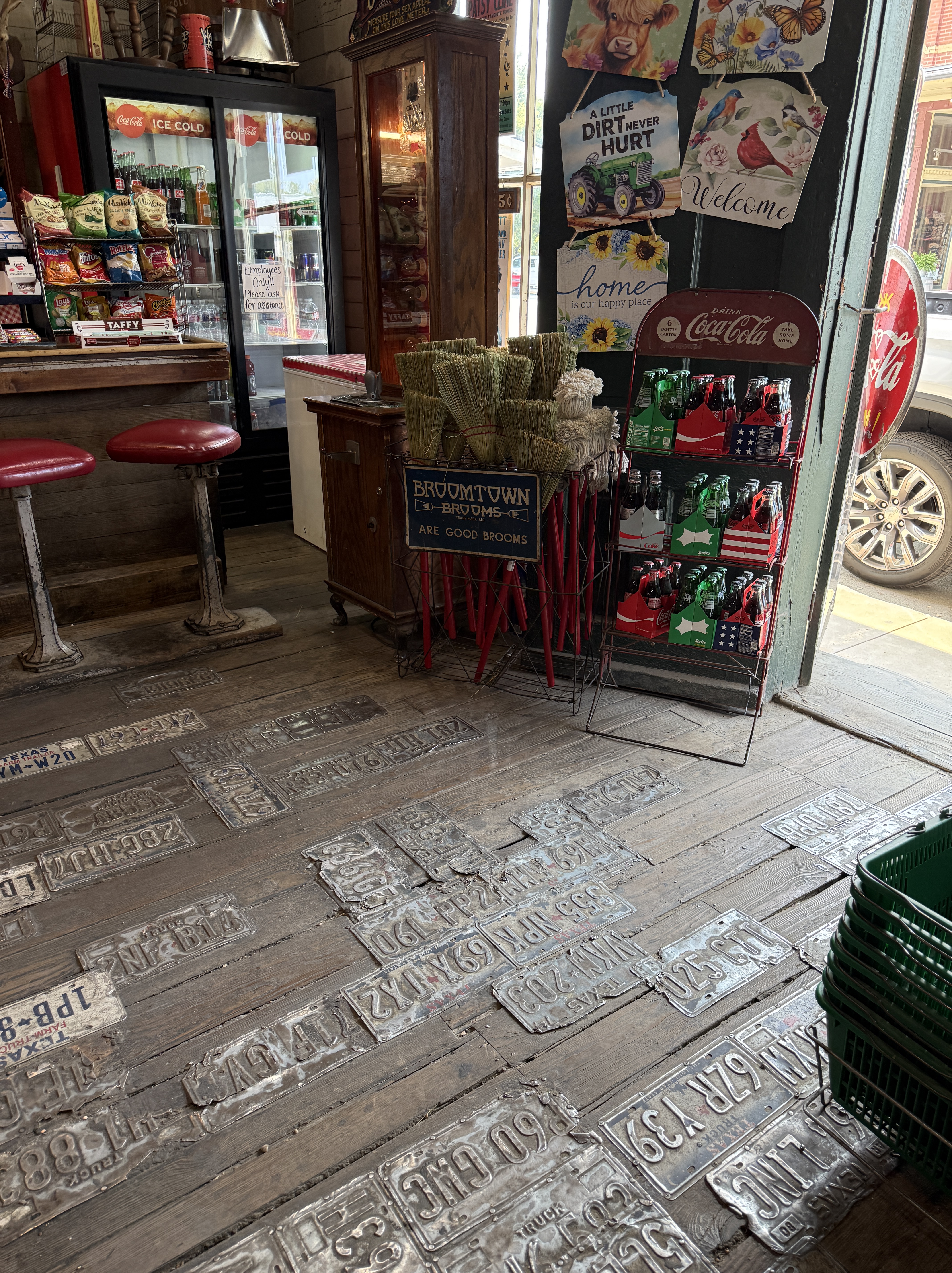
The Gruene General Store reopened in its original building in 1989, giving visitors a look at an old-fashioned Texas emporium. The wooden floors are worn and creak as you walk, with some damaged spots patched up with old license plates. Like many historic general stores in Texas, you can still feel the past in the air.
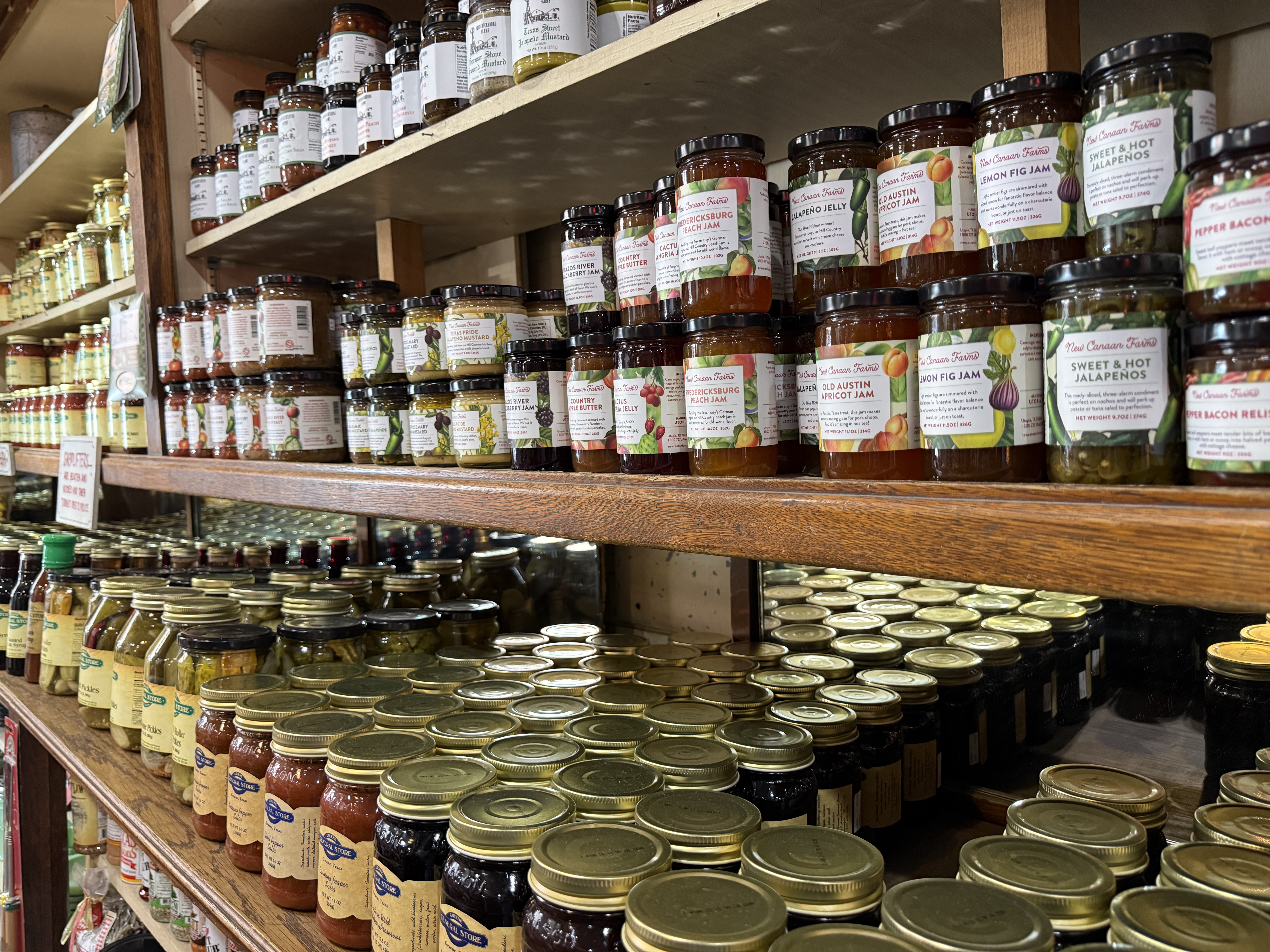

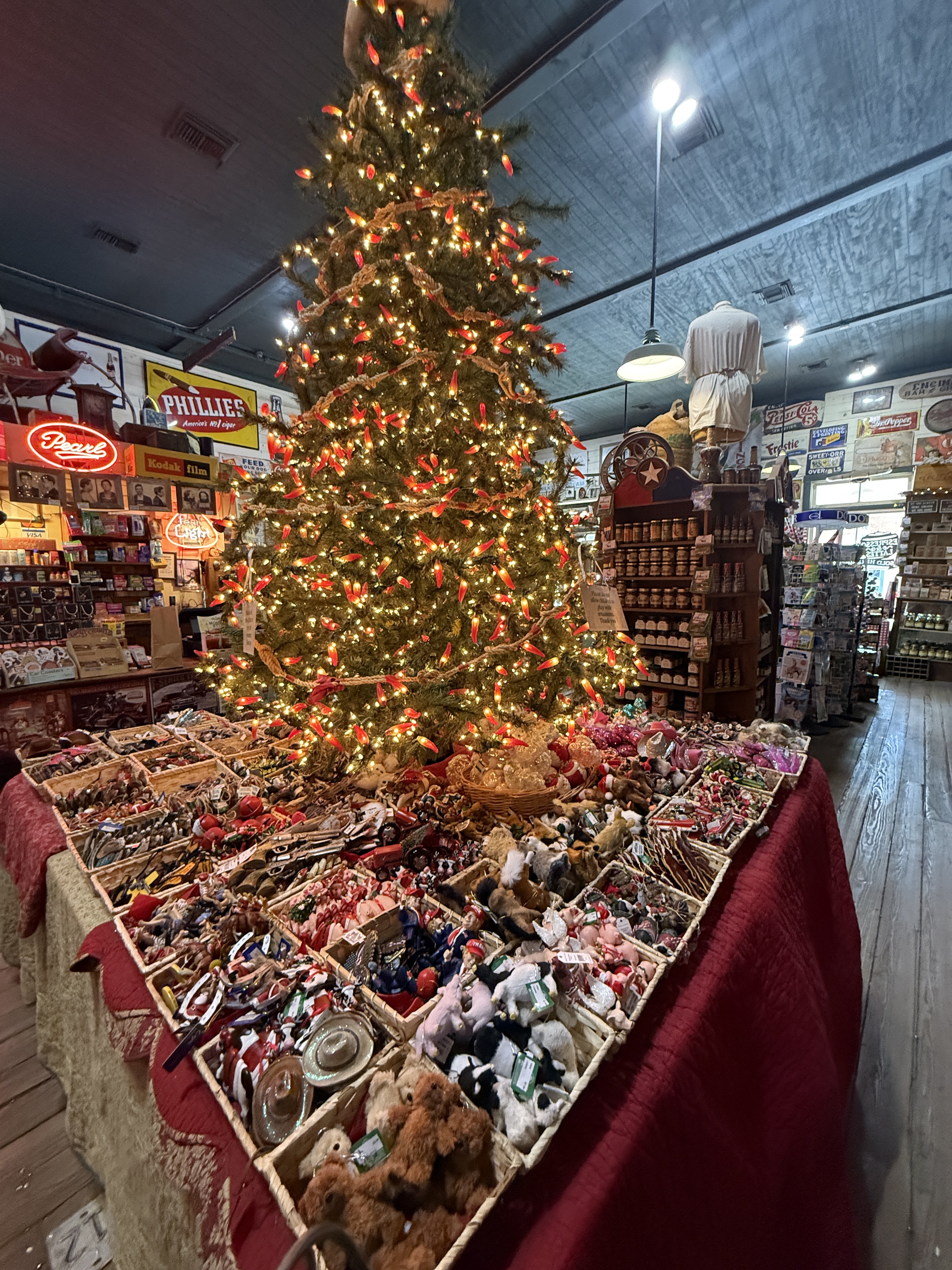
Cheryl and I took our time exploring the entire store. There was so much to see—vintage advertising signs, antique fixtures, old-fashioned candy, homemade fudge, Texas-made foods, Christmas ornaments, and an assortment of fun Texas-themed souvenirs. The store even has a soda fountain, completing the nostalgic experience and making a visit feel like a step back in time.

There is, of course, much more to see and experience in Gruene. The day we visited, the historic district was packed with visitors—and I loved seeing so many people enjoying this special place. Gruene is definitely a Texas treasure.

Cheryl and I can’t wait to introduce our granddaughters to the Gruene experience. And, of course, when we take them to the General Store, we will probably buy them whatever they want. That’s what grandparents do!
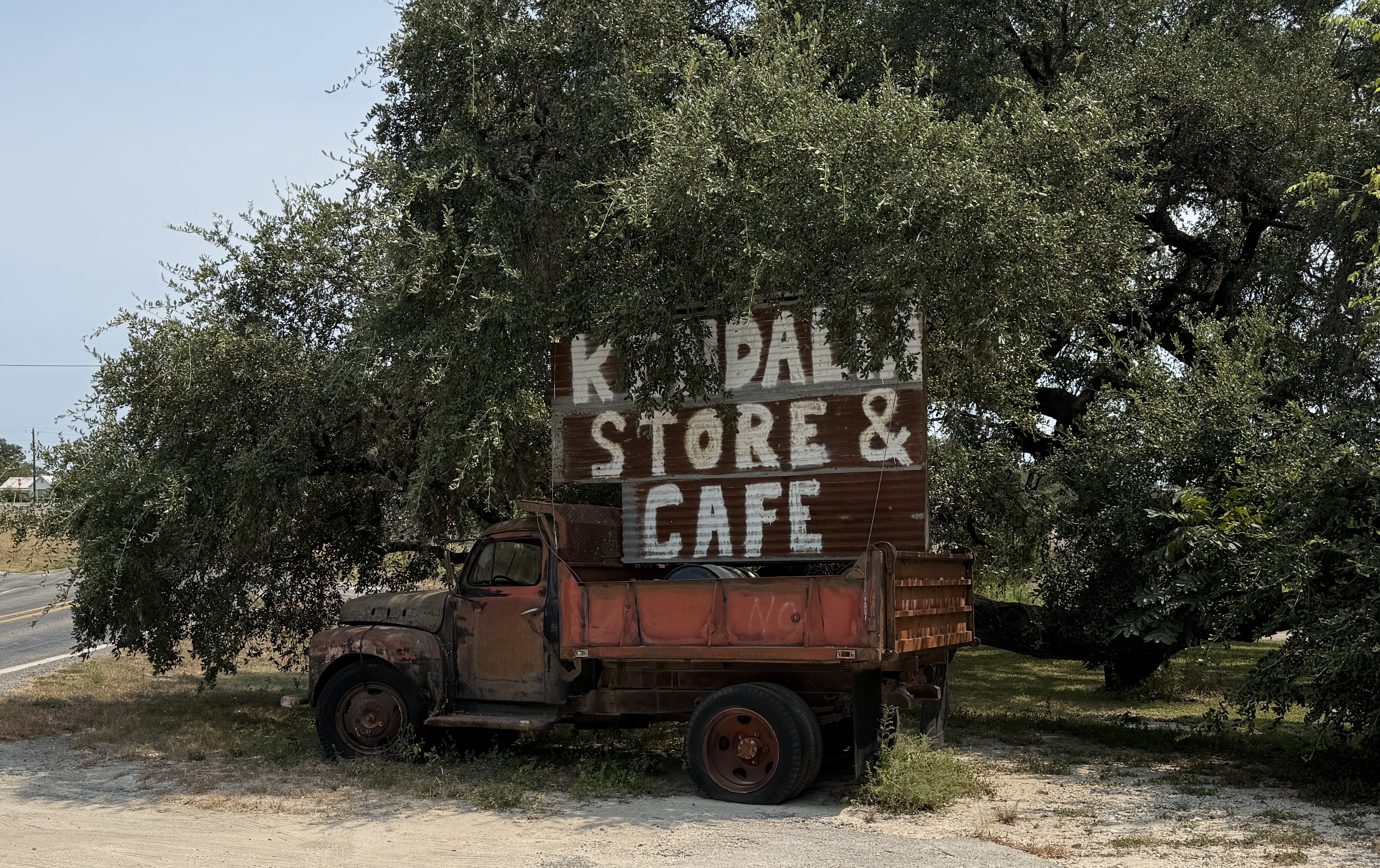
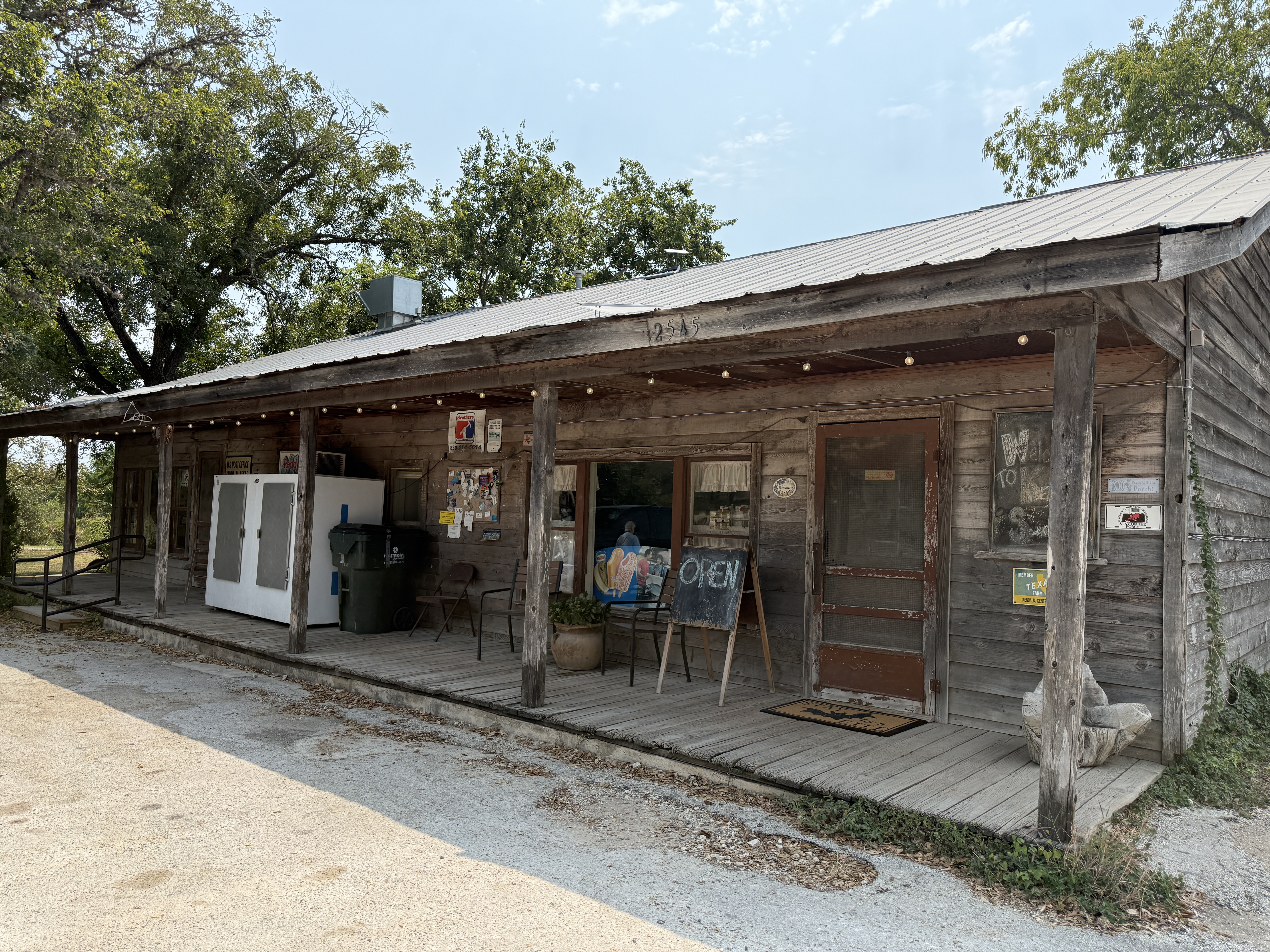
Kendalia General Store

There are still places in Texas where the past has not yet completely surrendered to the present. You will find them along two-lane roads that lead to little communities nestled off the beaten path. No longer fed by the nourishing streams of progress, weathered old buildings stand as quiet witnesses to another time. The old general stores are among the most interesting of these remaining fragments of the past.

The general store was once the heart of rural life. These were the places where neighbors bought what they needed, caught up on local news, collected their mail, and lingered for conversation. Life moved at a slower pace, and folks were not always in a hurry to leave. A visit to the general store broke the rhythm of hard work and the monotony of endless chores.

Most of these old places are gone. That is why the few that remain deserve more than a passing glance. They deserve a stop, walking through a tattered screen door, and spending a few unhurried minutes inside, smelling the unmistakable fragrance of the past. The undeniable reality is that someday, perhaps sooner than we imagine, these remaining pieces of old Texas will disappear.


Kendalia represents a piece of Texas that has largely disappeared. This tiny unincorporated community grew around mills, ranches, churches, a school, a post office, and a country store. Located in eastern Kendall County in the Texas Hill Country, roughly 25 miles northeast of Boerne and about 40 miles north of San Antonio, Kendalia has remained small, rural, and peaceful.


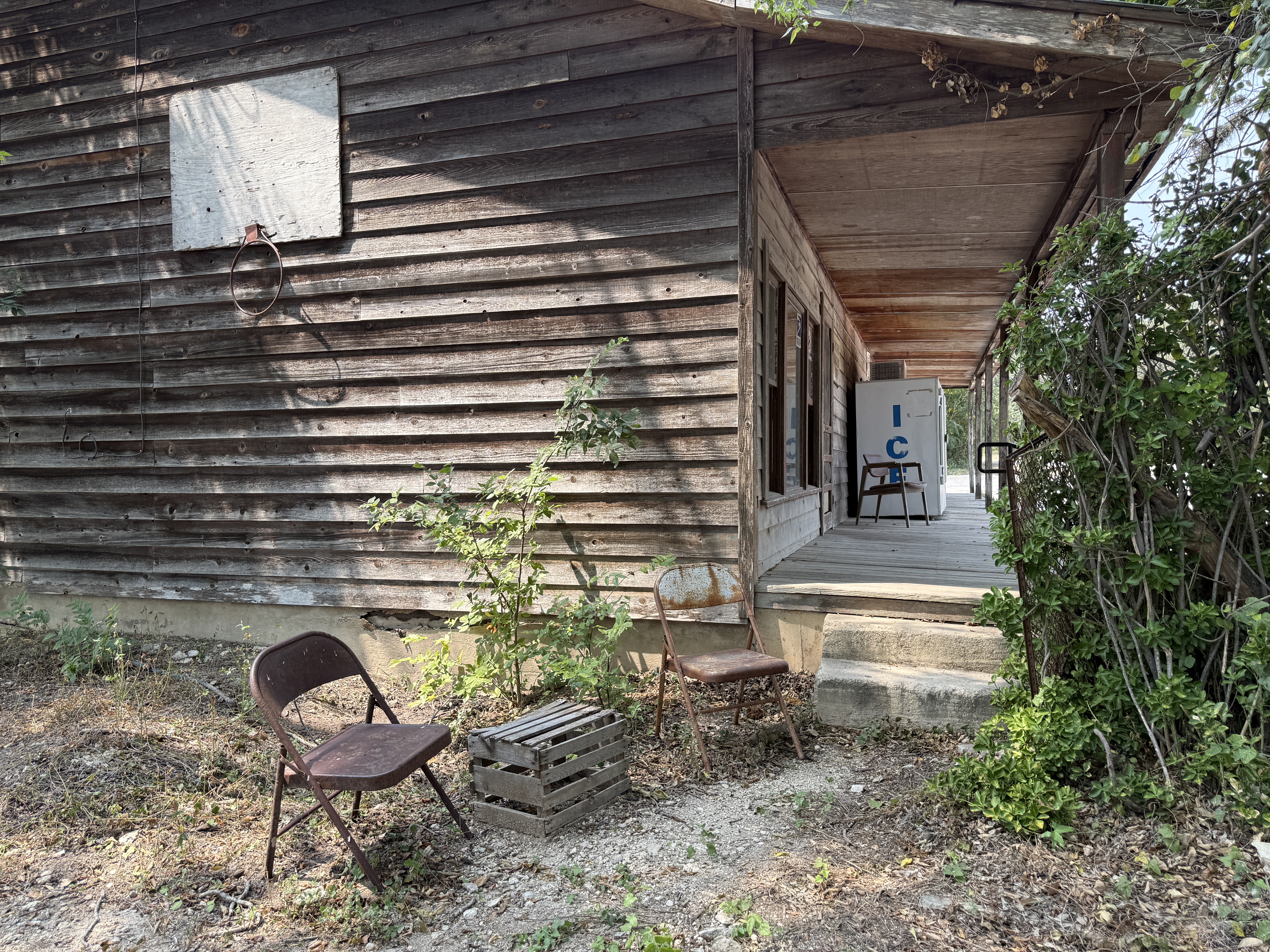
One of the best reminders of its small-town heritage is the Kendalia General Store on FM 473. The store continues the old Texas tradition of the general store. The years have changed the inventory of the little store but have not erased its charm. If its walls and worn wooden plank floors could talk, what stories they might tell.


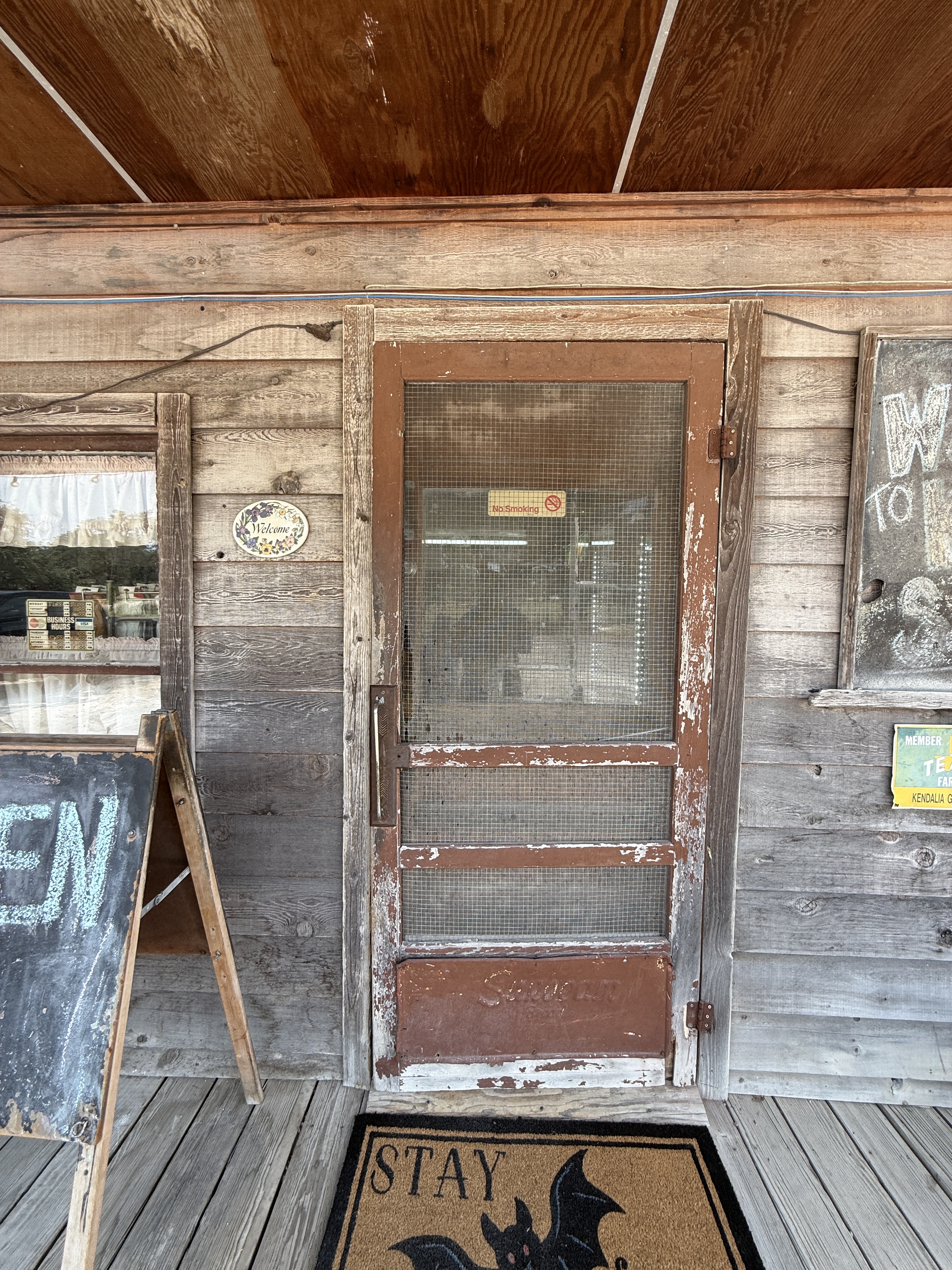
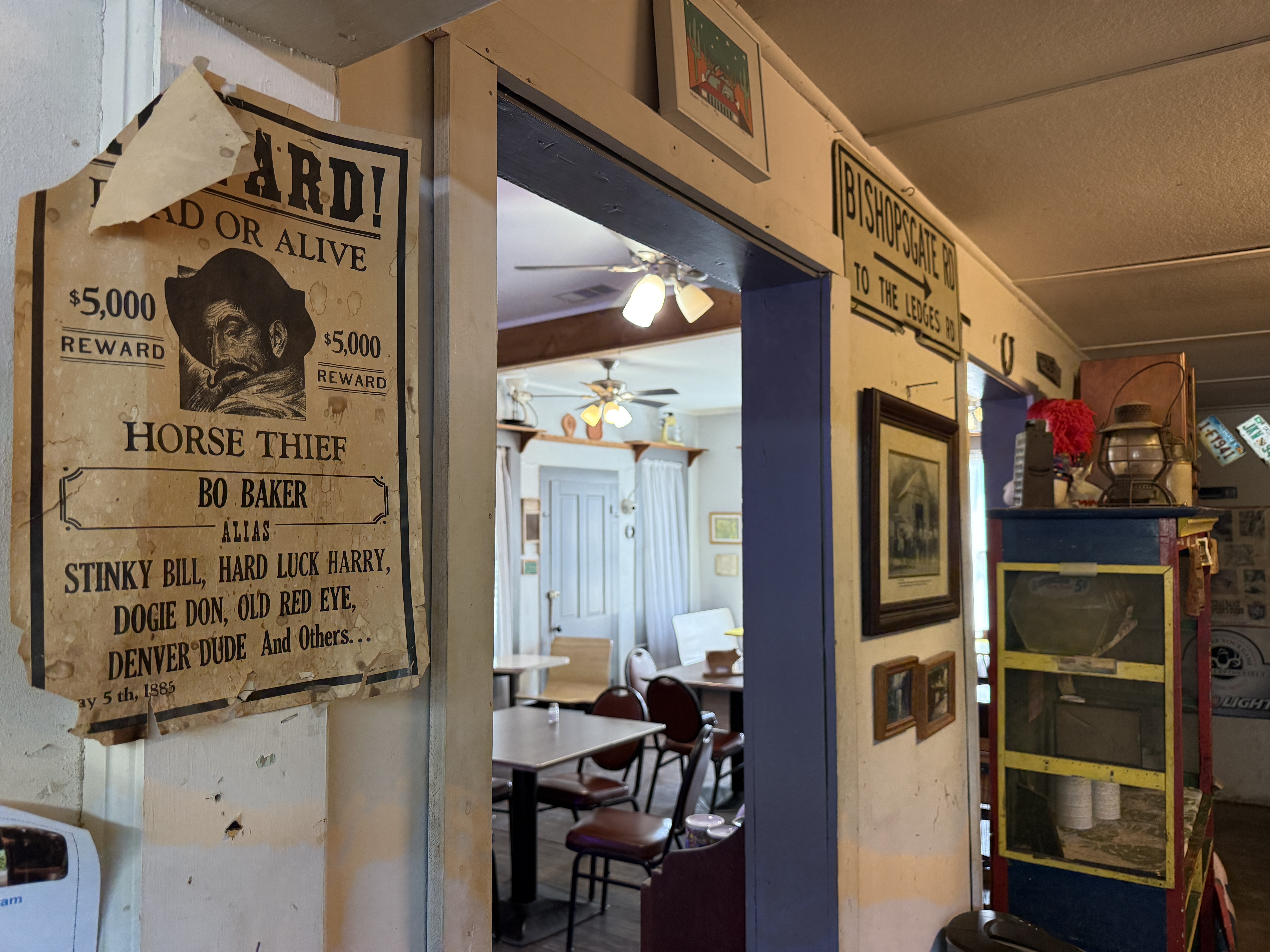
Cheryl and I stopped by the Kendalia General Store while traveling the winding and scenic back roads of the Texas Hill Country. The weathered old screen door invited us to step into the past. Inside, we met a young man who shared a little about the store’s history with us. Apart from a couple of new full-glass coolers filled with soft drinks and bottled water, it was not hard to imagine what this place must have been like a hundred years ago.


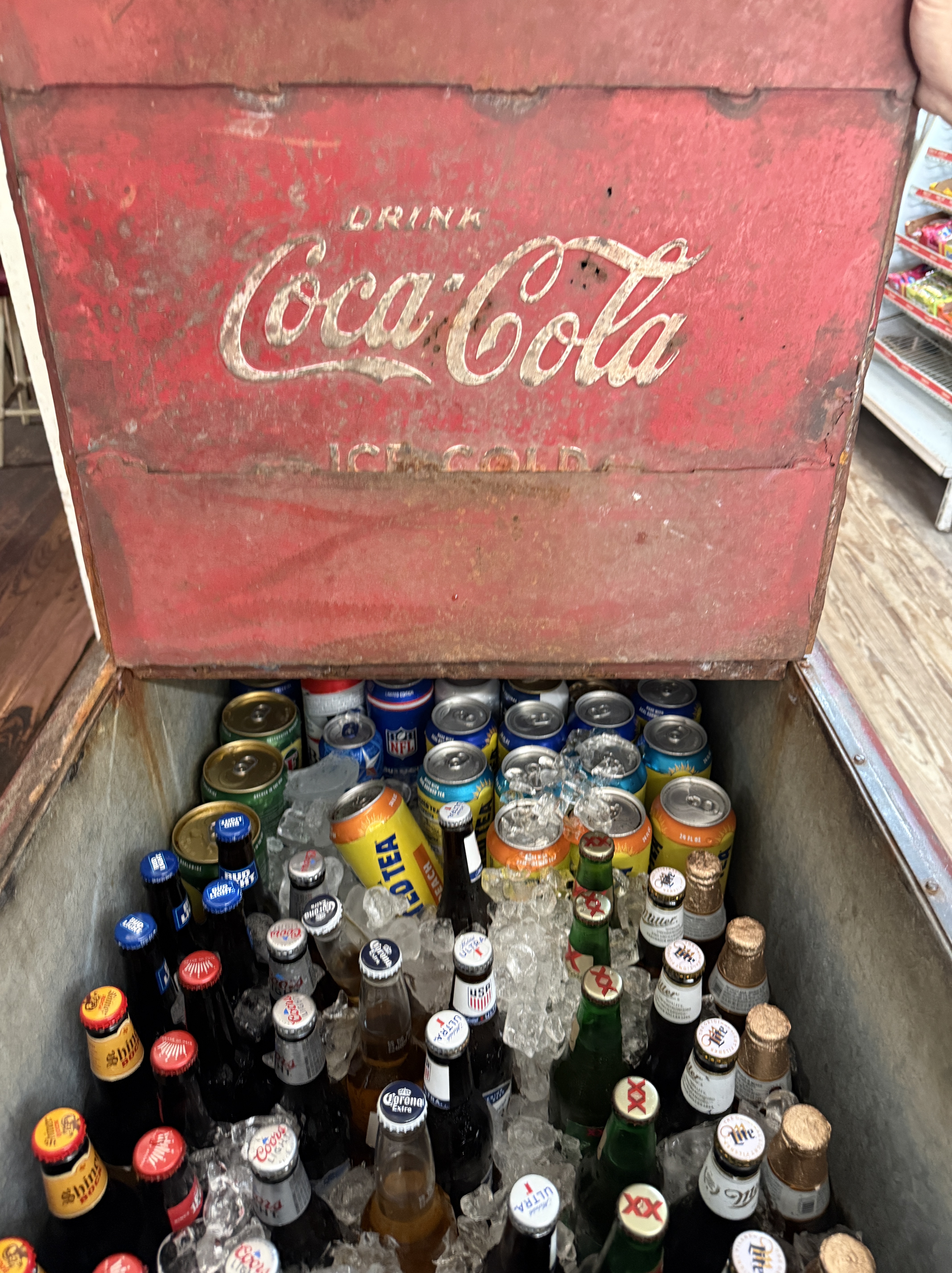
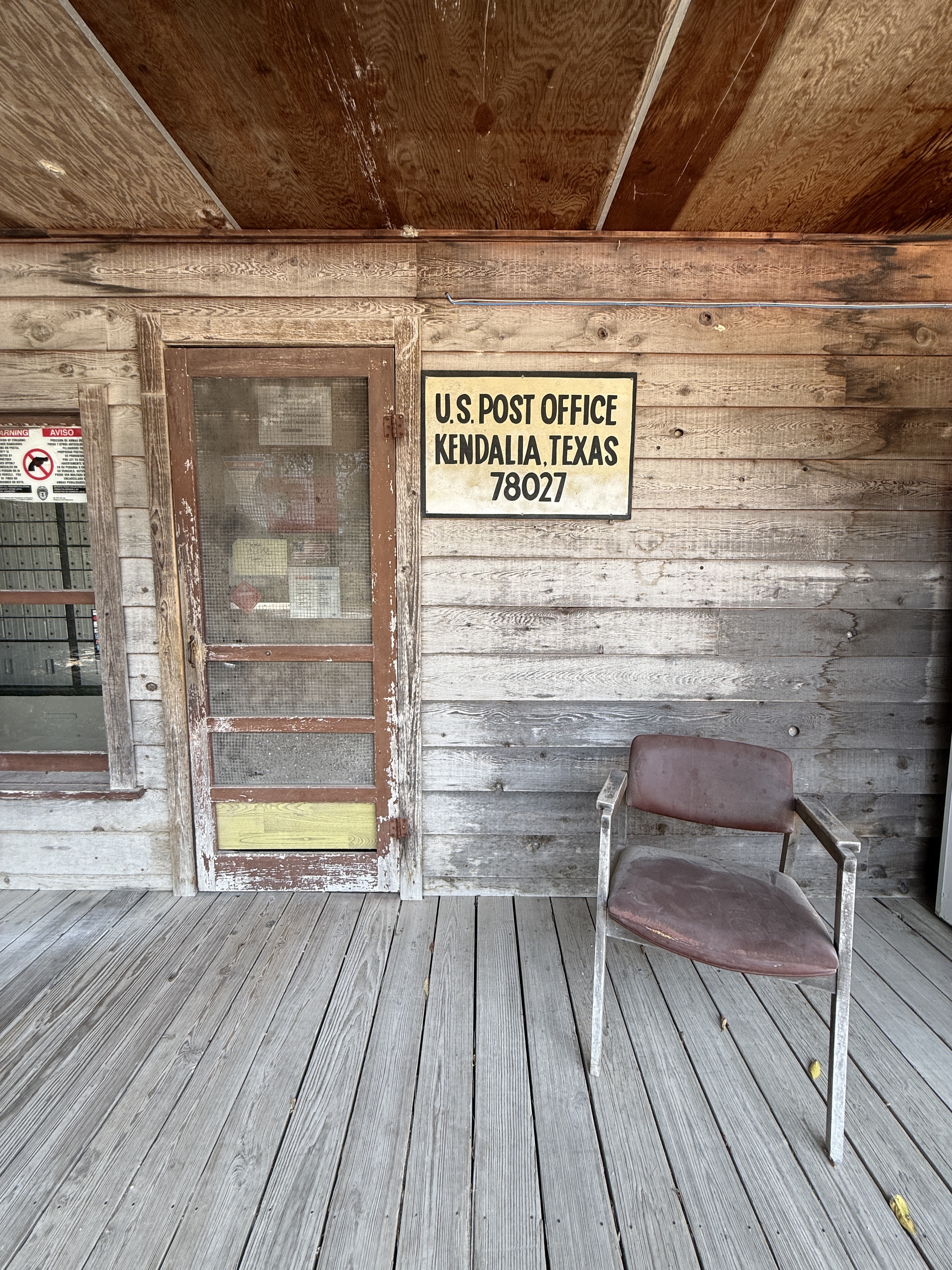
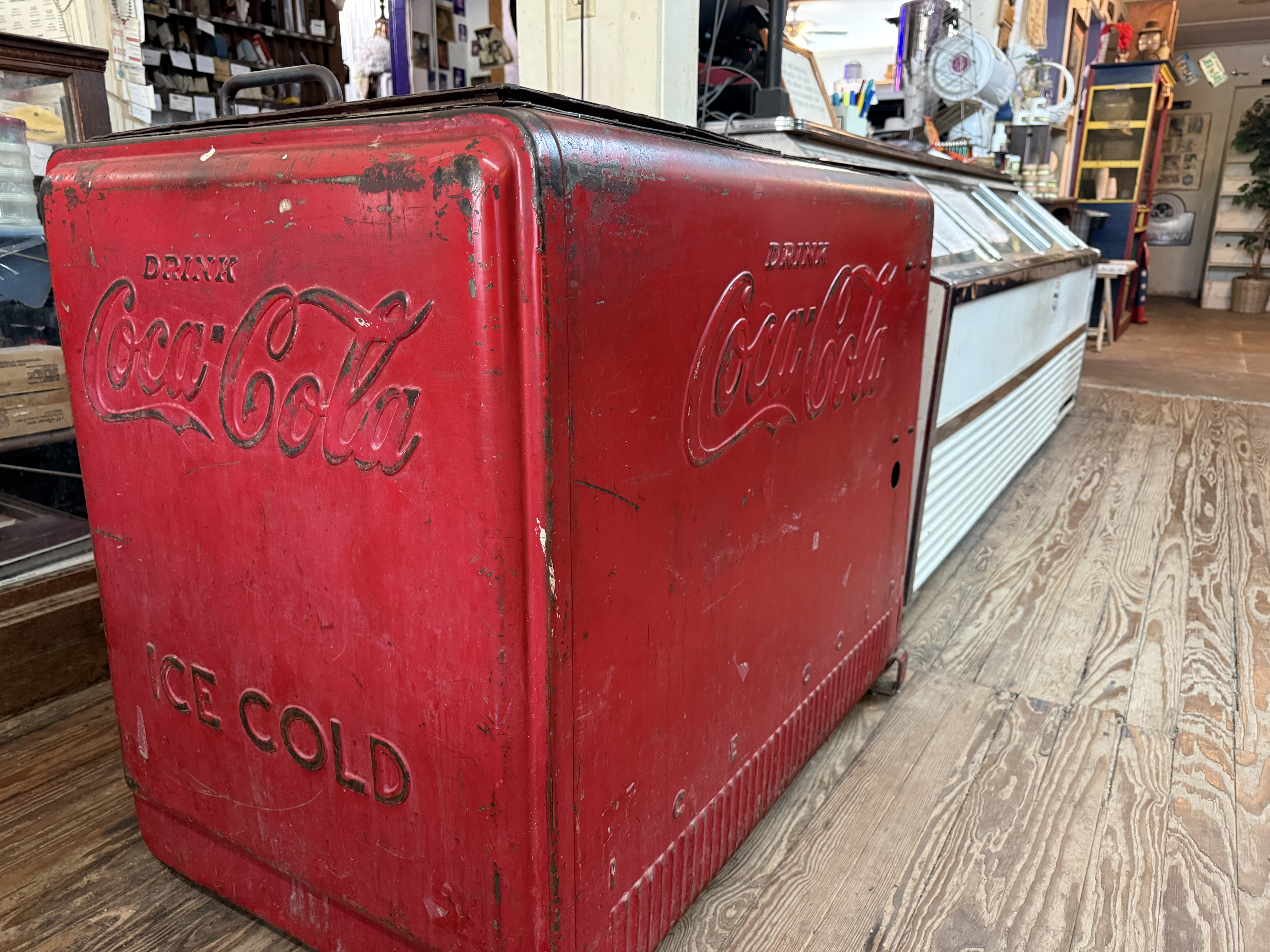
Today, you can order a burger, select your drink from an old Coca-Cola ice chest, grab a bag of chips off the shelves, and enjoy your meal in a time capsule of Texas history. And if you are a local, you can check your mailbox in the adjacent post office that shares the same front porch.


I hope the old store and post office in Kendalia will be around for another generation and retain its yesteryear charm. And I hope travelers who hurriedly drive down the Farm to Market road that passes in front of the store will slow down enough to stop and visit, have an unhurried conversation, and enjoy a Coca-Cola and a Moon Pie.


Places like the Kendalia General Store matter because they give us something a history book cannot: a physical connection to the lives of those who came before us. Walking through the door of an old store like the one in Kendalia can help us imagine a time when a general store was the center of community life.


Once an old building is allowed to disappear, we lose an important connection to our past. While a photograph can preserve what a building looked like, it does not compare to the experience of opening an old door, hearing the floorboards creak beneath your feet, and being in a place that played an important role in the lives of previous generations.


That is why stopping at a place like the Kendalia General Store is more than nostalgia. It is an act of appreciation for our history. The past rarely disappears all at once. It vanishes one old store, one weathered sign, one creaking floorboard at a time—which is why we should treasure places like the Kendalia Store and Cafe while we still can.

Our General Stores Bucket List

If you have watched enough Westerns, you have likely seen a scene or two play out in a general store. In the small towns of the American West, the general store played an important role in everyday life.


As a fan of old Westerns, I find one of the most memorable general-store scenes in the 1953 classic Shane, starring Alan Ladd. Much of the conflict between a powerful rancher and struggling homesteaders unfolds at Grafton’s General Store and adjoining saloon, which serves as the town’s commercial and social center.

Like so many things in history, the general store occupied a particular slice of time that is now gone. It was eventually replaced by stores that were bigger, broader, and supposedly better—but maybe not.


The closest thing to a general store in my world is the Little Burro Country Store, located about an hour south of Alpine in the Big Bend Valley, just north of Study Butte and Big Bend National Park. Our cabin is only a few miles away, and whenever we need something to get us through, this is the place we shop.

The Little Burro carries just enough essential goods to keep locals from making the hour-long drive to the grocery store in Alpine. More than once, however, what I expected to be a quick visit has turned into a much longer stay. I have enjoyed my share of conversations on the store’s front porch—a reminder that a good country store is still more than simply a place to shop.

The Little Burro is a small surviving example of the role general stores played in the history of the American frontier. It provides essential supplies and serves as a gathering place, with plenty of seating where locals and visitors can pass the time.


Old general stores were important for several reasons, not the least of which is that they helped the local economy. Farmers and ranchers bought supplies there. They also sold or traded their own goods. These stores connected small, isolated communities to the outside world, often acting as post offices, telegraph offices, and stagecoach stops.

Genuine general stores are a thing of the past. What remains are some really cool General Stores around the Lone Star State that, once you walk through the doors, revive nostalgic feelings and take you back to a simpler time. Some of these old stores occupy the same piece of real estate that housed them from their beginnings. Others are housed in old buildings that look and feel like an old-time general store.

Cheryl and I hope to visit as many of the remaining general store locations in Texas as we can on upcoming road trips. I have written about a few of these stores and will follow up with posts on the others as we visit them. The checkmarks indicate the stores we have visited. I hope you will come along for the ride.

Here is our General Stores Bucket List. Leave a comment with info about any locations missing from our list.

Hill Country and Central Texas
Bandera General Store — Bandera
✓ Camp Verde General Store — Camp Verde, near Kerrville
• Castell General Store — Castell
• Coats Grocery and Market — Gause
✓ Fischer Store — Fischer
Garven Store — Mountain Home
Gruene General Store — Gruene Historic District, New Braunfels
✓ Heinsohn’s General Store — Frelsburg
Kendalia General Store — Kendalia
• Luckenbach General Store — Luckenbach
Pipe Creek General Store and Dance Hall — Pipe Creek
✓ Stuermer General Store — Ledbetter
Welcome General Store — Welcome, near Brenham

East Texas
• Edge General Store — Edge, near Hearne
Farmers Mercantile — Orange
• General Mercantile and Old-Time String Shop — Nacogdoches
Jefferson General Store — Jefferson
• T. C. Lindsey & Co. General Store — Jonesville

North Texas
• The General Store — Fort Worth Stockyards
• Martin General Store — Granbury
• Texas General Store — Grapevine

West Texas
• Eggemeyer’s General Store — San Angelo

Gulf Coast and South Texas
• Girouard’s General Store — Freeport
• Morales Store — Morales, near Edna

Farmers Mercantile

Farmers Mercantile is a Texas time capsule — an old general store where almost 90 years of memories compete with merchandise for shelf space. You can feel the past the second you walk through the front door and step onto the old wooden slats that cover the original dirt floor. Once inside you realize that you are standing in a place like few others in the Lone Star State.
Farmers Mercantile WindowJo Harris along with her mother Lou and brother Bubba are the latest generation to run the old store located in Orange. This historic old town is situated on the West bank of the Sabine River, the waterway that separates Texas and Louisiana. The mercantile occupies a building that was originally a Buick dealership. Jo’s great grandfather bought the place in 1927 and opened his general store in April of the following year.
Farmers Mercantile FrontFive generations of the Harris family have kept the old store running. The store has weathered the Great Depression and other economic lows through the years. However, Jo explained to me that the only reason they weathered the damage of Hurricane Ike in September 2008 was because of the kindness of the community.
Farmers Mercantile HatsThe two-plus feet of flood waters dumped by Hurricane Ike rushed into the store and destroyed half a million dollars worth of merchandise. After the flood waters receded, Jo walked in to find the floors covered in inches of mud. Without any insurance to cover the cost of the damage, Jo wondered if the end of Farmers Mercantile had finally come.
Farmers Mercantile StoveAnd then, something remarkable happened. The people of the community and surrounding farms rallied to the aid of the Harris family. They told Jo and her family that they would help them clean up the mess and get things back in order because Farmers Mercantile was too important to the community. And that’s exactly what they did. Seven days later, Jo and her family opened their doors once again for business.
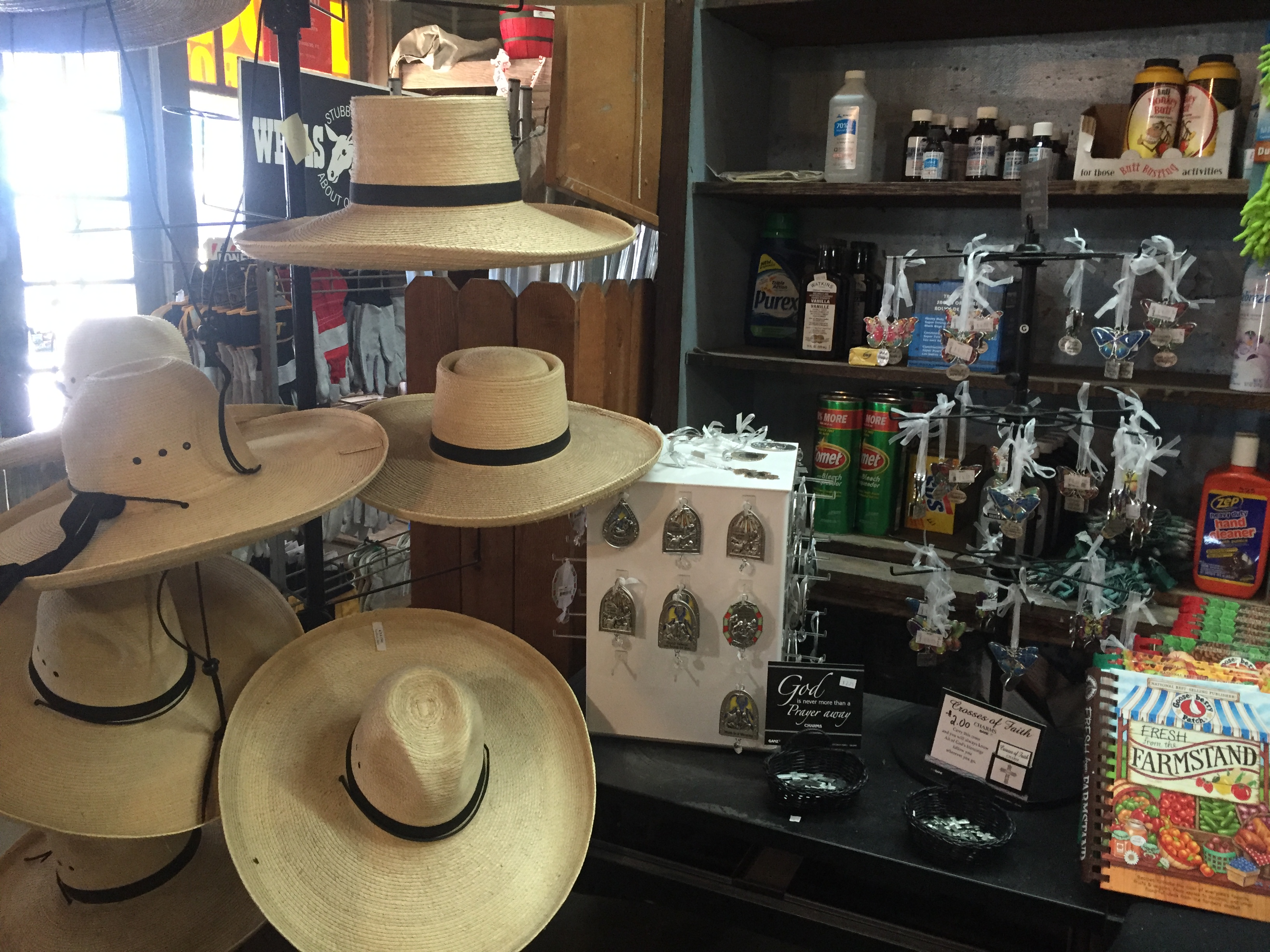
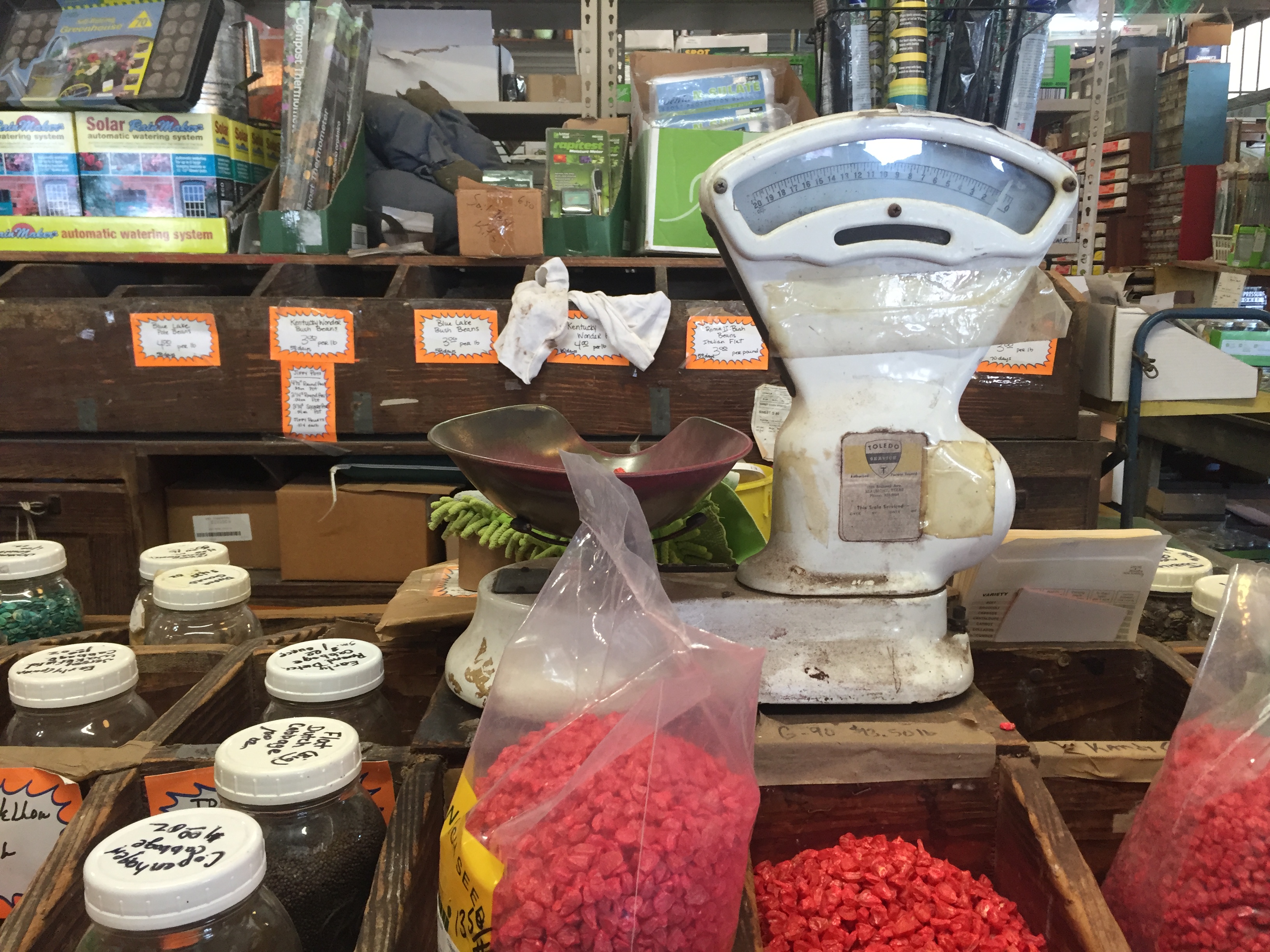
Farmers Mercantile ScaleToday, every shelf in the place is chock-full of the most interesting things — the kind of this-and-that kind of stuff that farming folks need. You’ll find garden supplies, seeds of every variety, corn shuckers, sausage stuffers, hand churns, straw hats, cast iron cookware, rope, saddles, wash tubs, bed bug poison, kerosene lamps, coolers, livestock feed, and much more. The store is, in fact, the oldest seller of Lone Star Feeds in Texas.
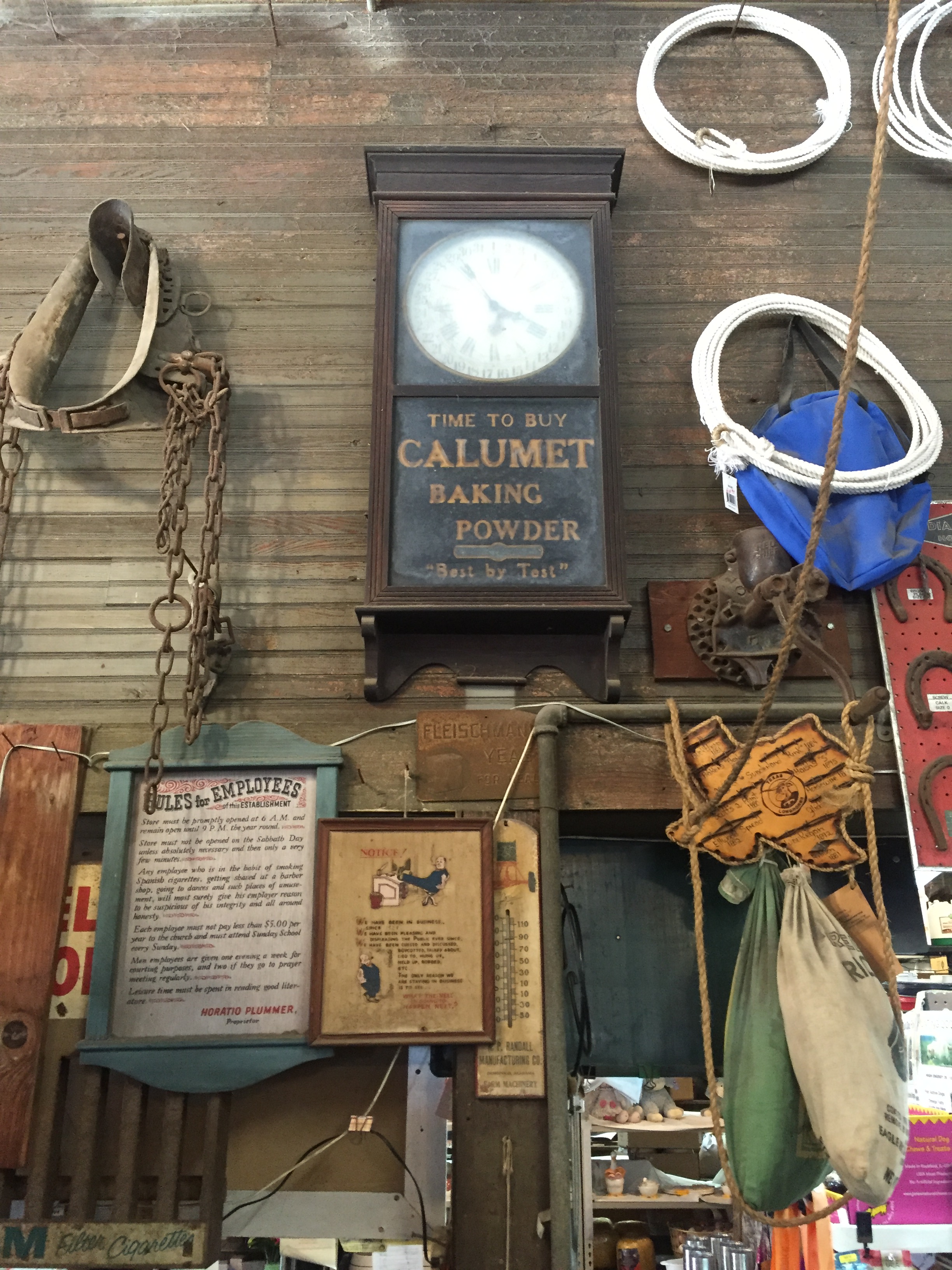
Farmers Mercantile ClockThe walls are adorned with almost ninety years worth of bric-a-brac — advertising signs, garden and farming implements, leftover automobile fan belts from the days when the Buick dealership occupied the place, assorted framed items, and other stuff. The most treasured is an old clock advertising Calumet Baking Powder. Jo’s grandfather won it in a contest after selling a full barrel of the brand’s baking powder. The clock remains exactly where her grandfather hung it on the wall.
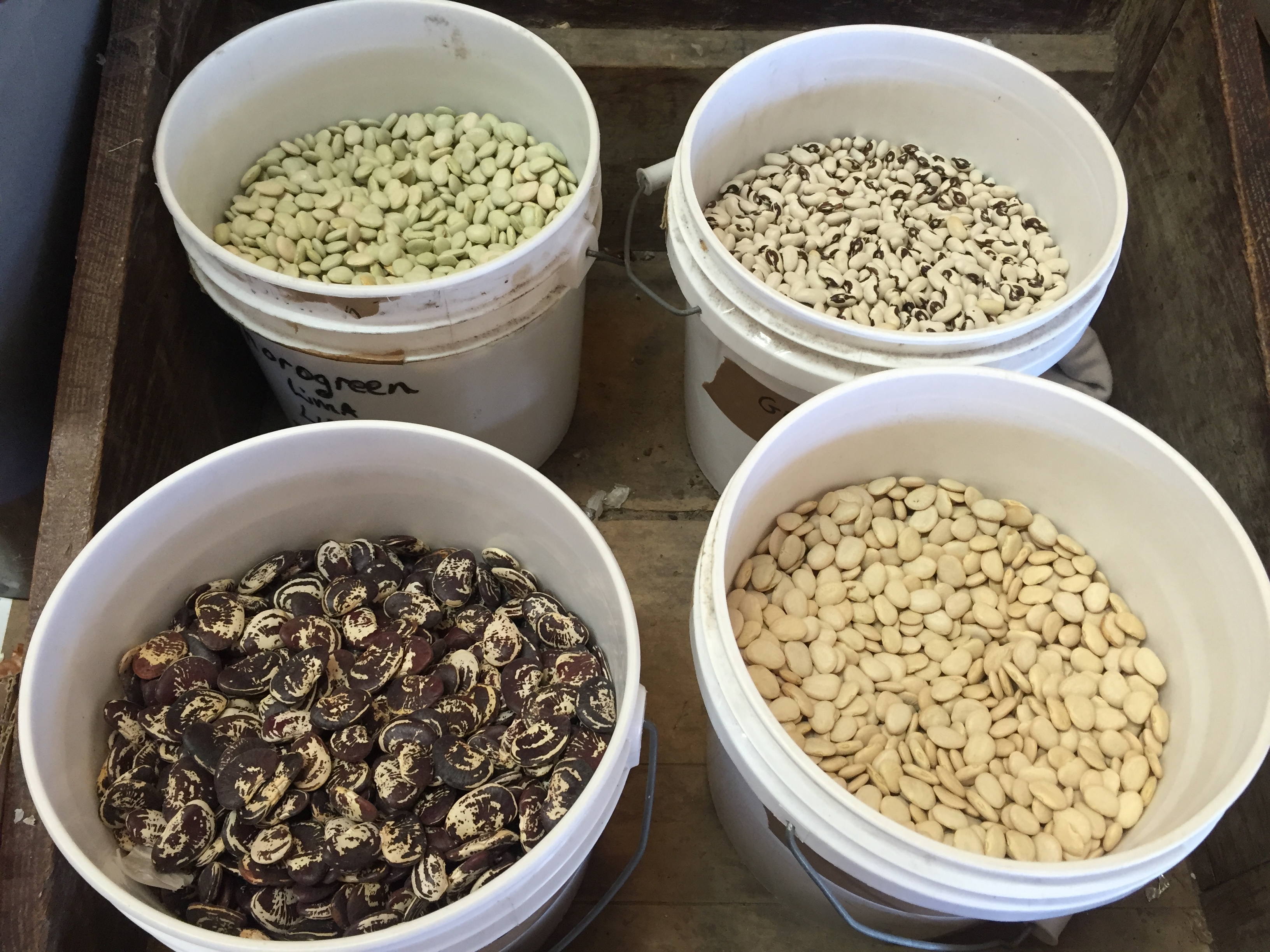
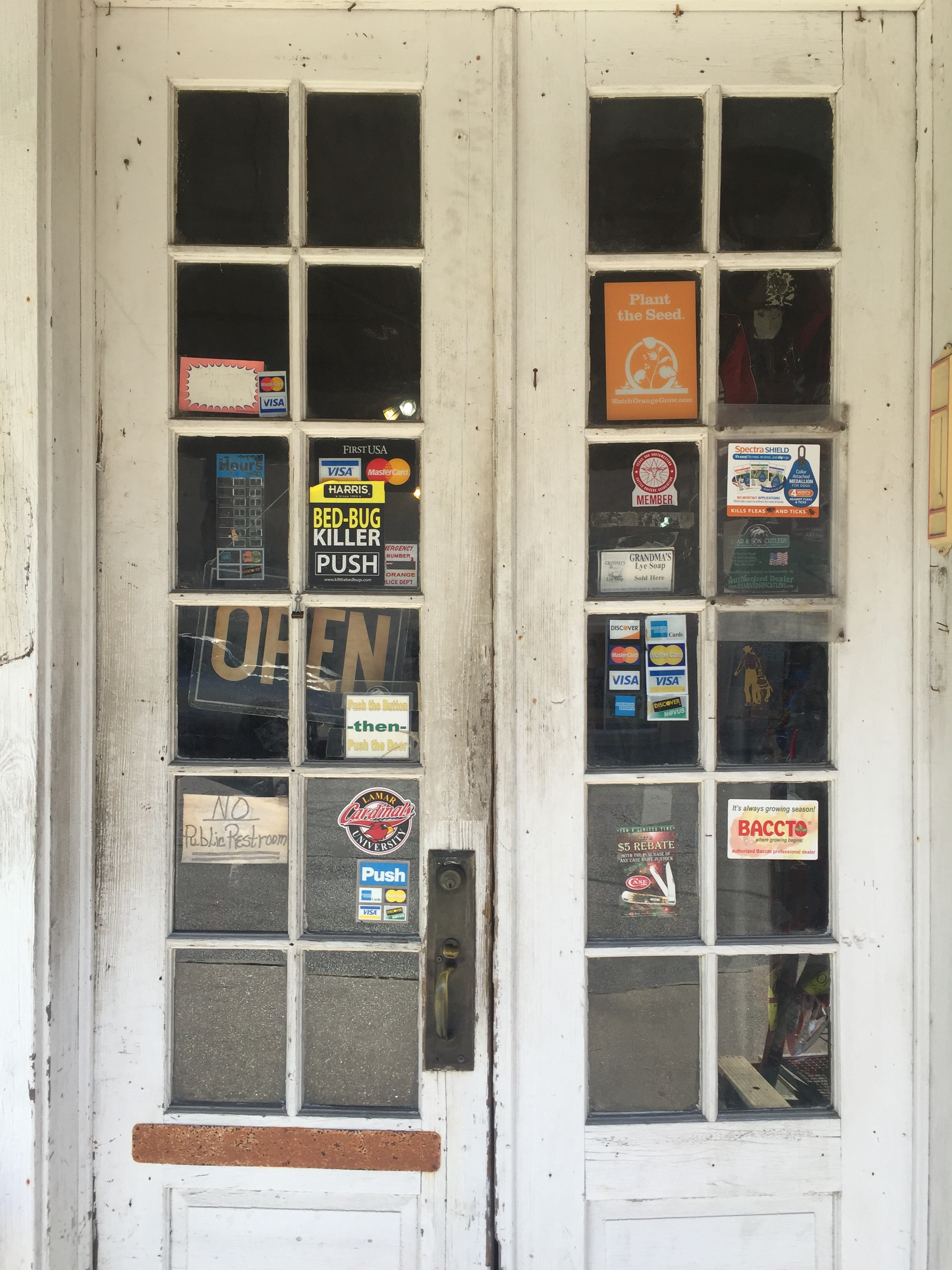
Farmers Mercantile SeedThere is one more thing that makes Farmers Mercantile a special place to the folks of the area — and that is the customer service. I enjoyed listening to Jo answer questions about seed and fertilizer and rat poison. Jo and her family know their stuff. They can advise you about what to plant and when to plant it and even tell you how to deal with bed bugs. In the hour-plus that I spent with Jo I was impressed by her knowledge and even more by her concern for every person who walked through the door.
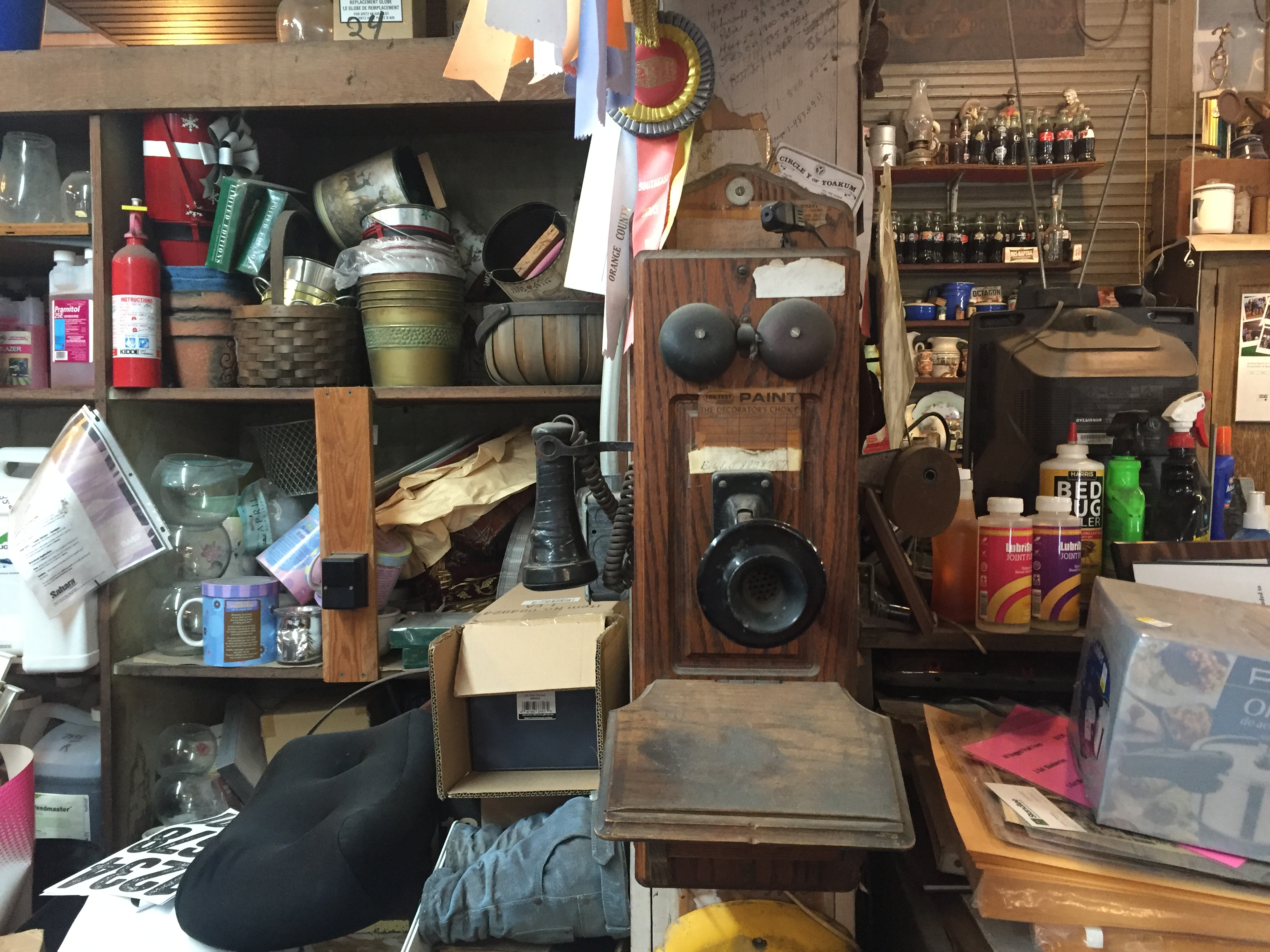
Farmers Mercantile PhoneThe world outside the Farmers Mercantile will continue to change. There is no doubt about it. However, in this day of constant motion and change, I find it comforting that there are still places like the Farmers Mercantile where what happens inside remains the same. Everyone who walks through the doors can expect to find the same unchanging and time-treasured values that have made this a special place.
IMG_7674Plan to visit Farmers Mercantile and to take your kids along. Jo and her family will be happy to show you around and to answer any questions about what you see on their shelves. It might surprise your kids to see a business that has survived for so long without any modern conveniences — no air conditioning in the summer and only a central stove to heat the place in the winter. It won’t take you long to discover why this place is valued by the folks around Orange and why it continues to endure.