Gruene General Store

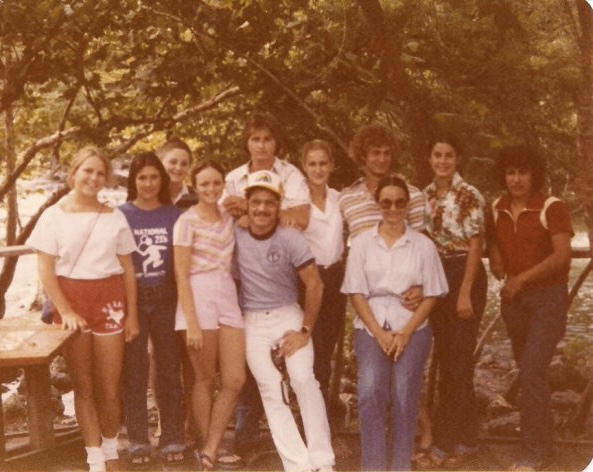
I first visited Gruene in the late 1970s while living in Corpus Christi. I wanted to take a group of singles from our church on a rafting trip, so—long before the days of the internet—I did a little research and discovered the Gruene River Company. They were wonderful to work with, and our group had a great experience on the Guadalupe River. That trip became my introduction to Gruene and the beginning of my appreciation for this historic Texas community.

Gruene is located along the Guadalupe River within the city limits of New Braunfels, about 35 miles northeast of San Antonio. German immigrant Ernst Gruene and his family settled in the area in the 1840s. His son Henry later developed Gruene into a prosperous cotton-farming community, building homes, a general store, a cotton gin, and the now-famous Gruene Hall.
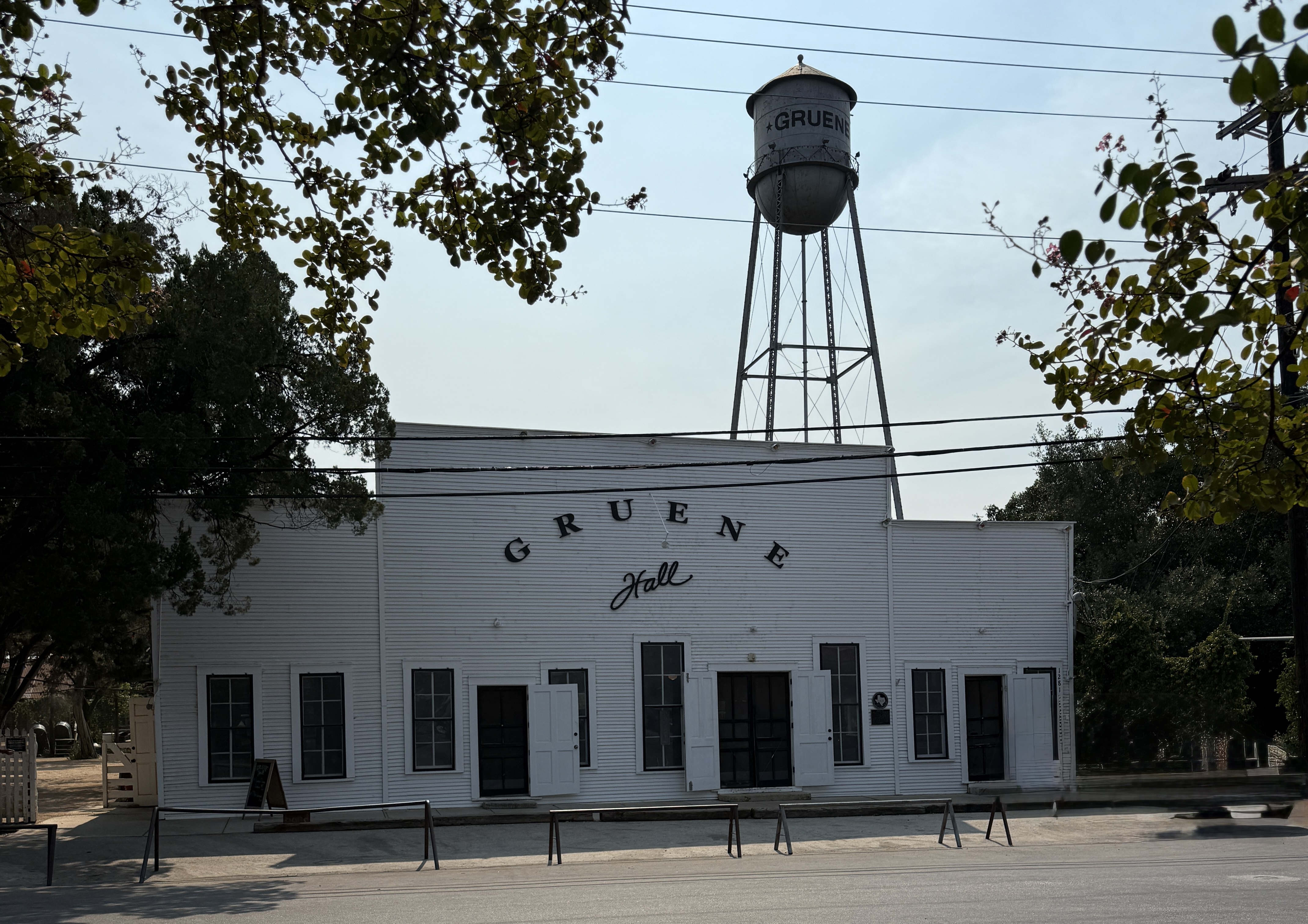

When the boll weevil devastated the local cotton industry in 1925, most of Gruene’s businesses closed. The dance hall—now known as Gruene Hall—was the town’s only business to remain open. Gruene lay largely dormant until restoration efforts began in 1974 and the community was recognized as a historic district.
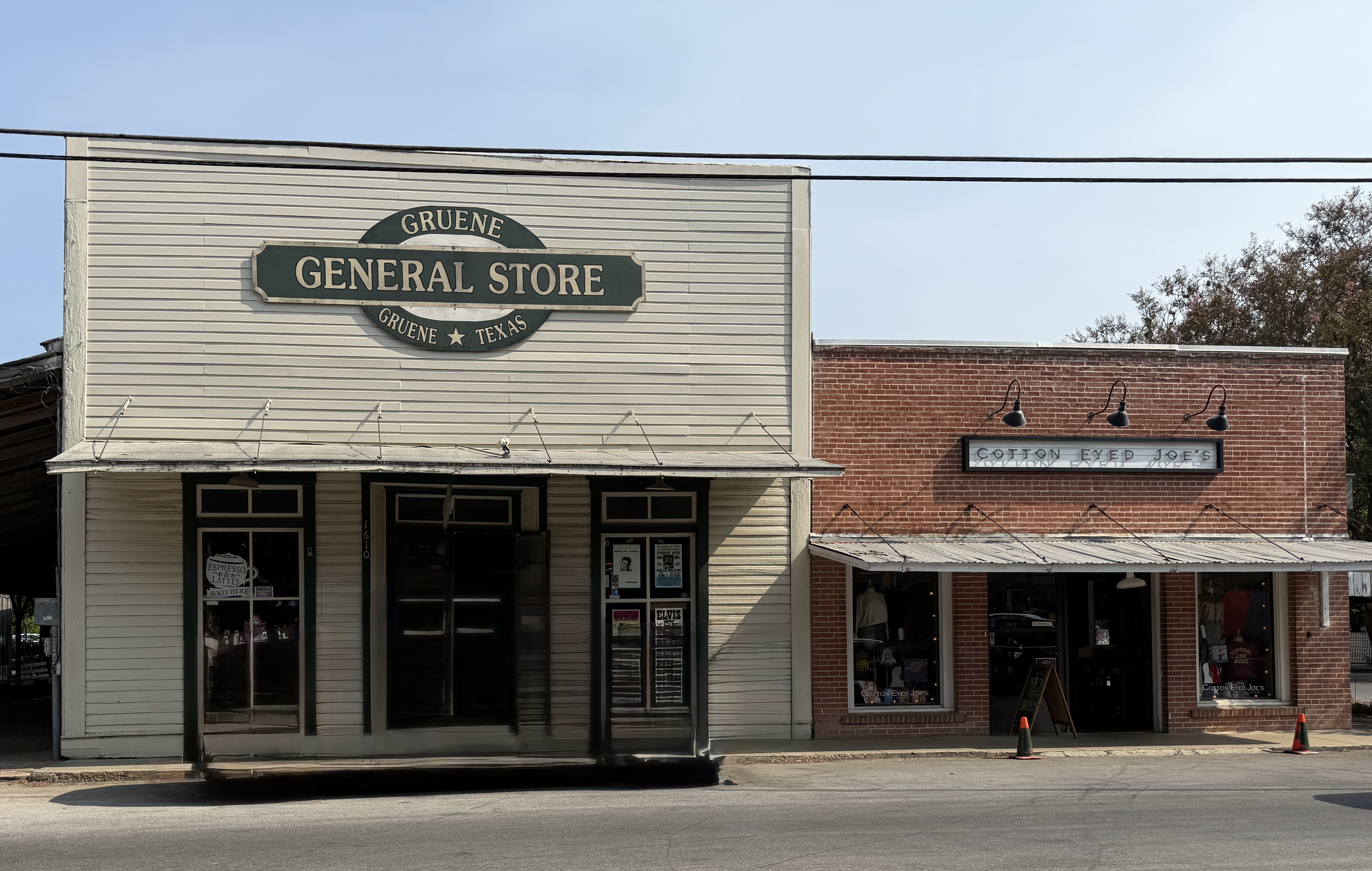

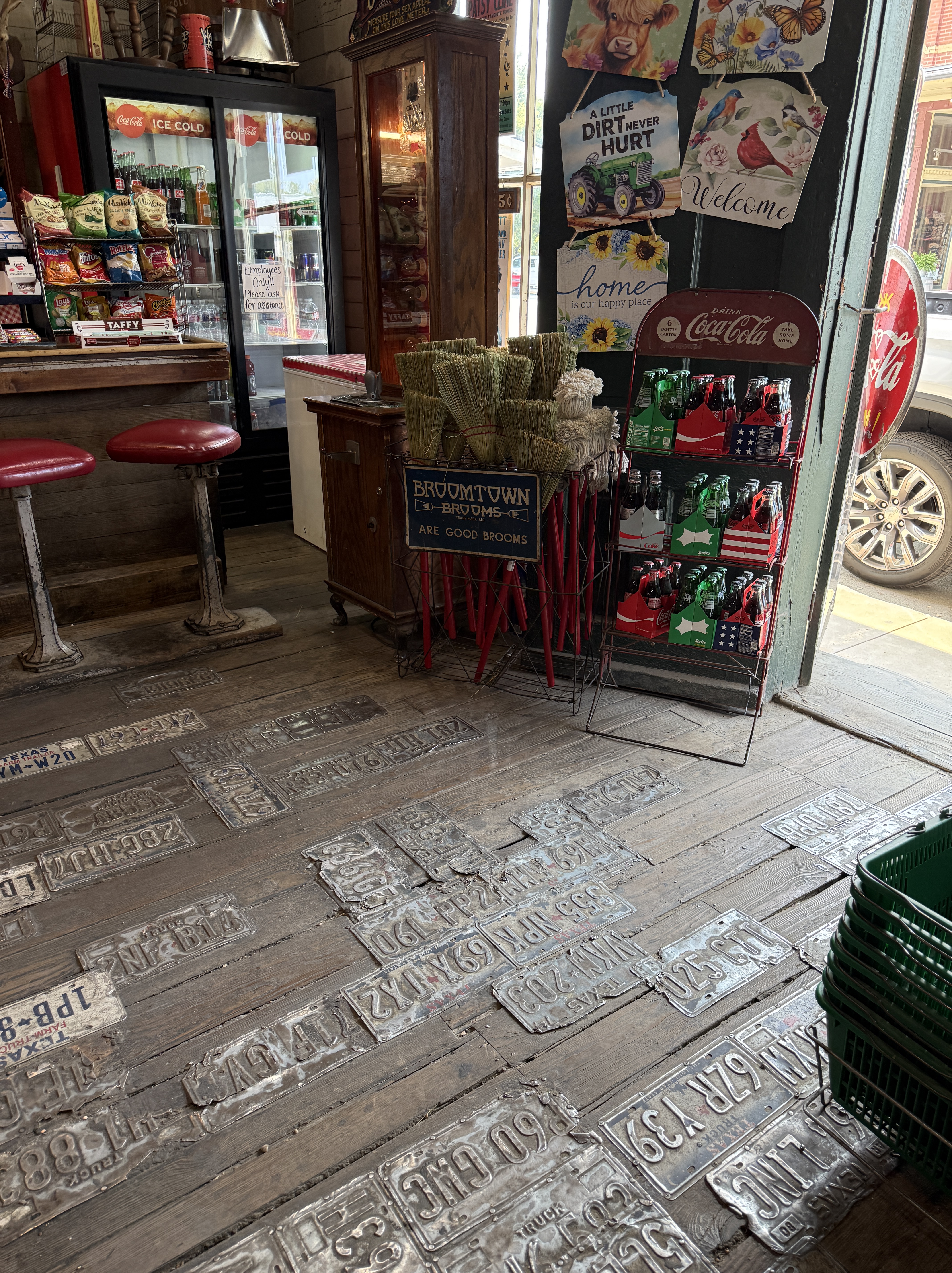
The Gruene General Store reopened in its original building in 1989, giving visitors a look at an old-fashioned Texas emporium. The wooden floors are worn and creak as you walk, with some damaged spots patched up with old license plates. Like many historic general stores in Texas, you can still feel the past in the air.


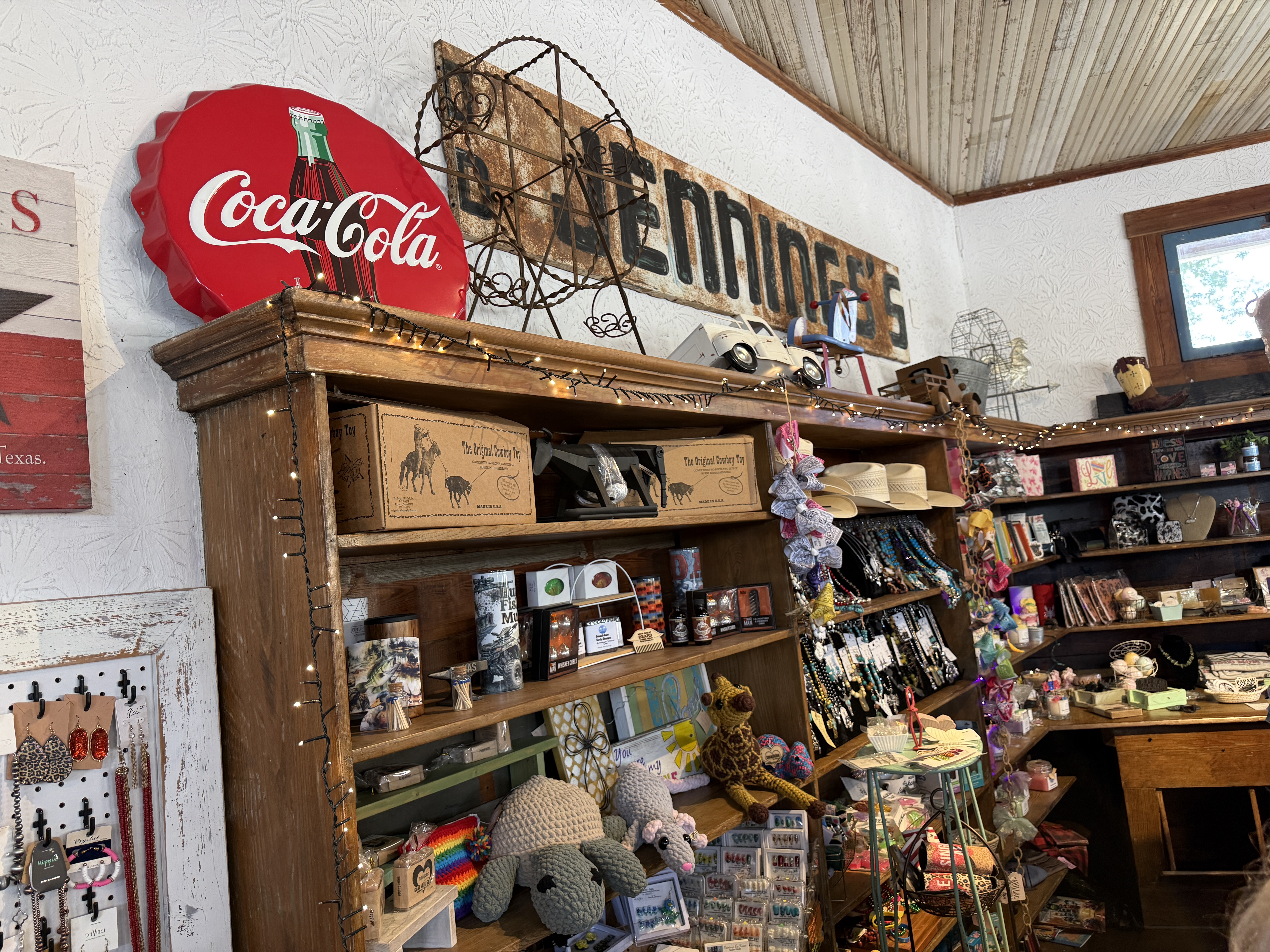
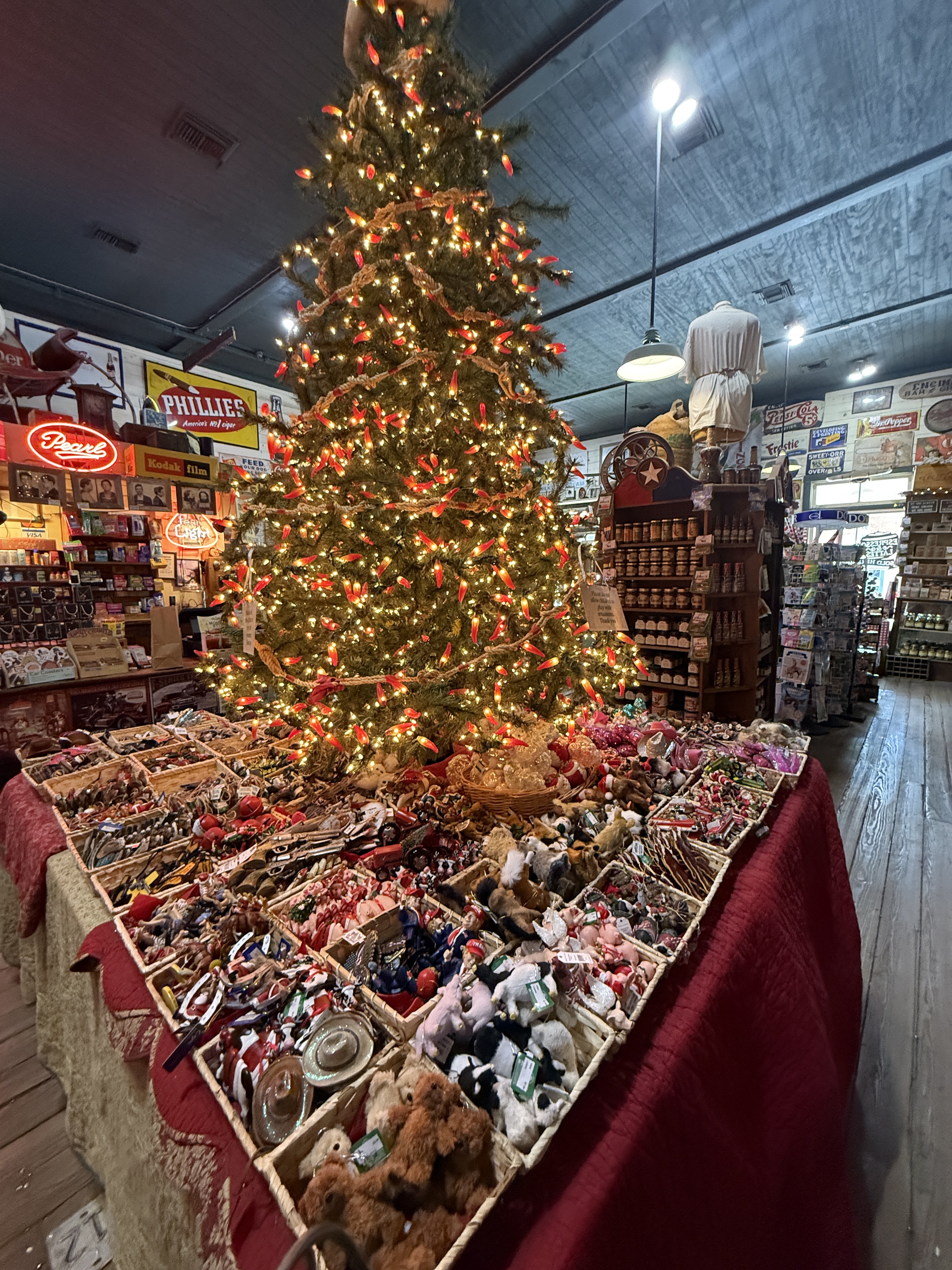
Cheryl and I took our time exploring the entire store. There was so much to see—vintage advertising signs, antique fixtures, old-fashioned candy, homemade fudge, Texas-made foods, Christmas ornaments, and an assortment of fun Texas-themed souvenirs. The store even has a soda fountain, completing the nostalgic experience and making a visit feel like a step back in time.

There is, of course, much more to see and experience in Gruene. The day we visited, the historic district was packed with visitors—and I loved seeing so many people enjoying this special place. Gruene is definitely a Texas treasure.

Cheryl and I can’t wait to introduce our granddaughters to the Gruene experience. And, of course, when we take them to the General Store, we will probably buy them whatever they want. That’s what grandparents do!
Saint Mary’s Help of Christians Catholic Church

Among the more interesting place names in Texas is the small historic community of Twin Sisters. Located in Blanco County, about seven miles south of Blanco along Ranch to Market Road 473, the community takes its unusual name from two prominent nearby hills—the “Twin Sisters.” The hills became familiar landmarks for early settlers traveling through the Texas Hill Country.

The settlement began in the 1850s when German and other European immigrants established farms and ranches in the area. A small community gradually developed with schools, churches, businesses, and a post office serving ranch families in the area.

Twin Sisters never developed into a large town. As nearby Blanco became the area’s commercial center, many of the small businesses disappeared or relocated there. The post office eventually closed, and Twin Sisters settled into life as a quiet rural ranching community.

Today, little remains of the original settlement. Time is slowly erasing the evidence that a community once flourished here. Even so, the Twin Sisters hills, a tiny chapel, and an old cemetery remain as reminders of this early Texas Hill Country community.


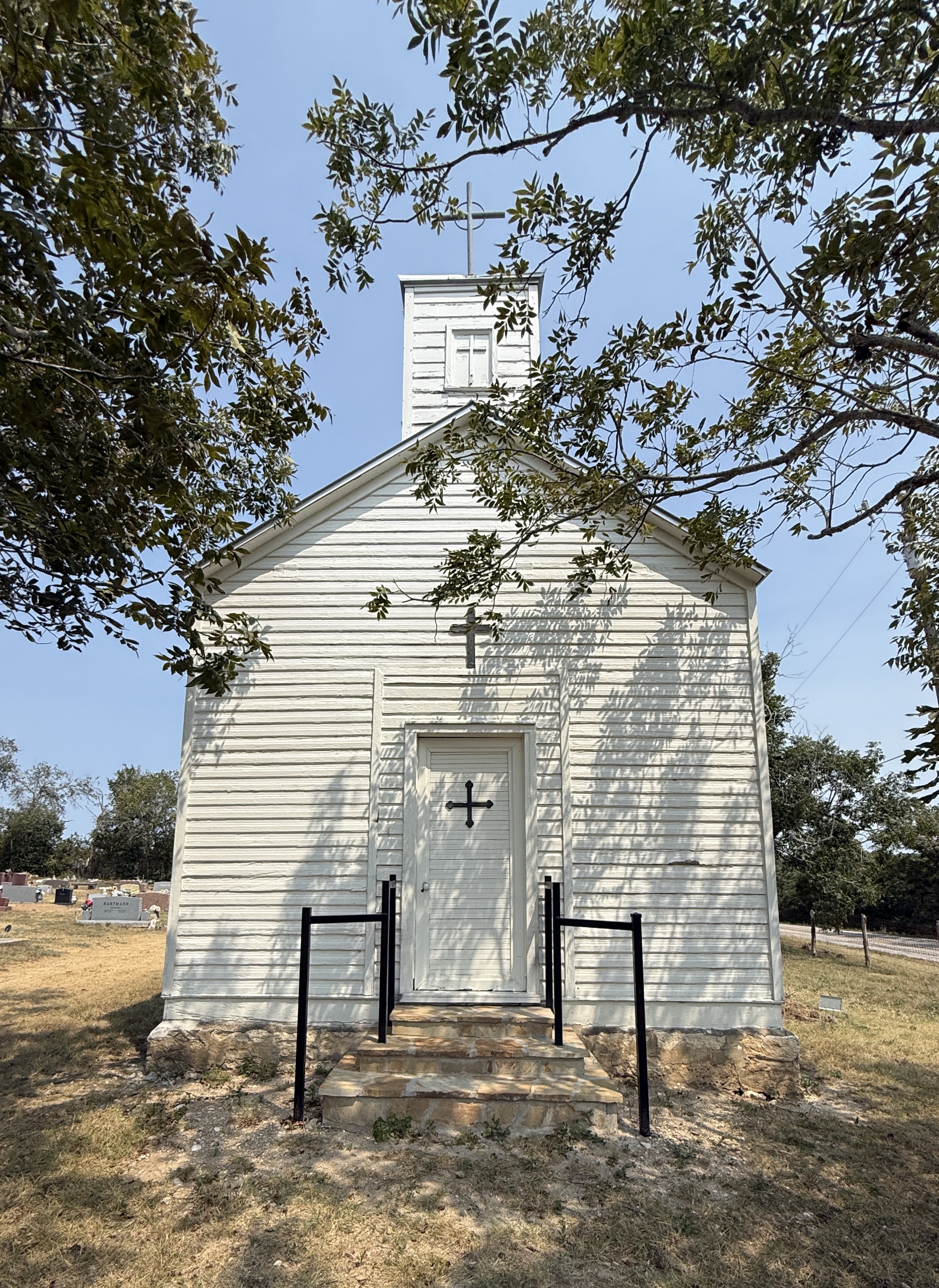
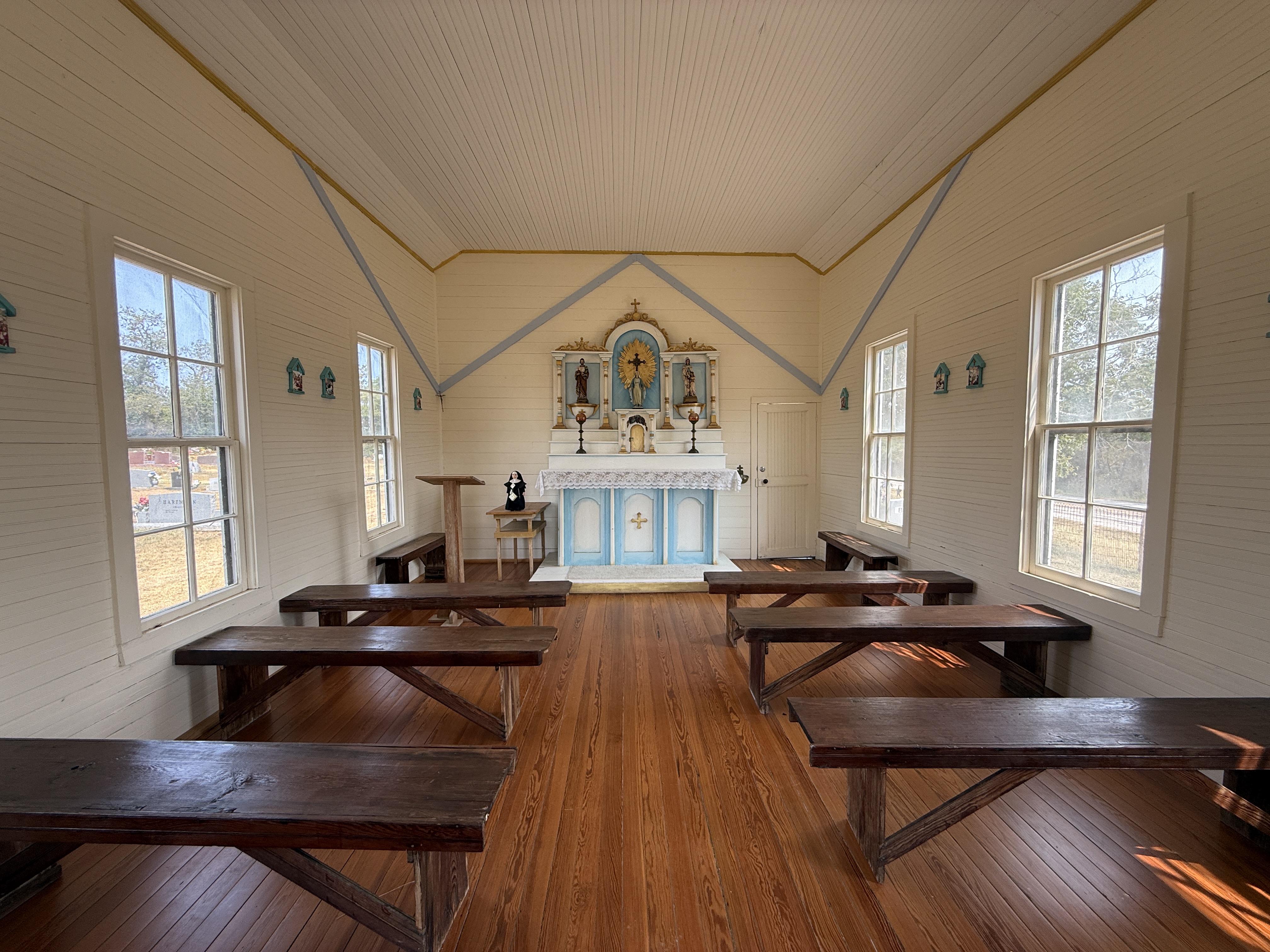
Saint Mary’s Help of Christians Catholic Church is perhaps the most important surviving landmark in this rural area.

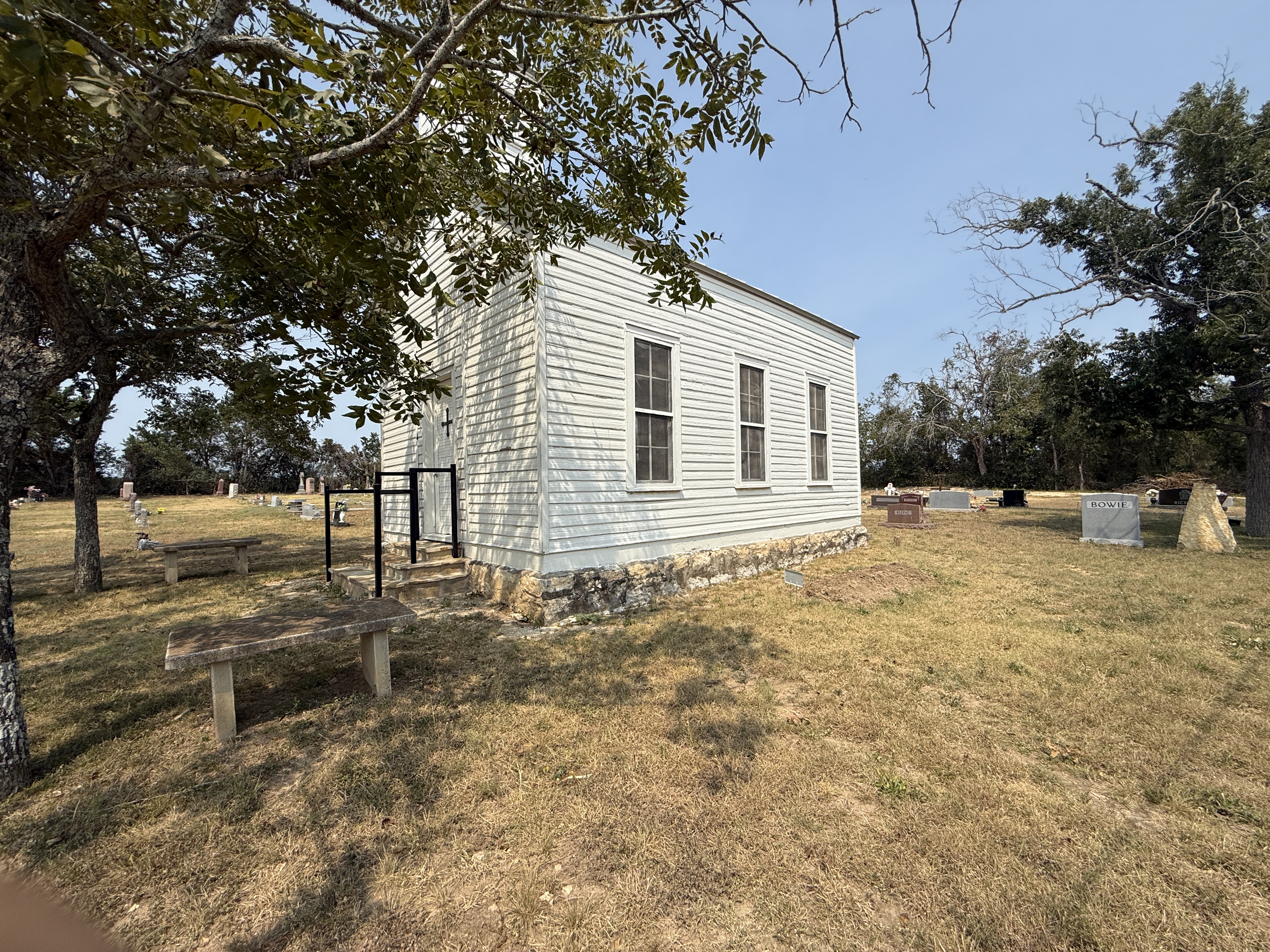
Built in 1889, Saint Mary’s was the first Catholic church established in Blanco County. Catholic families had been gathering for worship in homes and other locations in the area since their arrival in the 1850s.

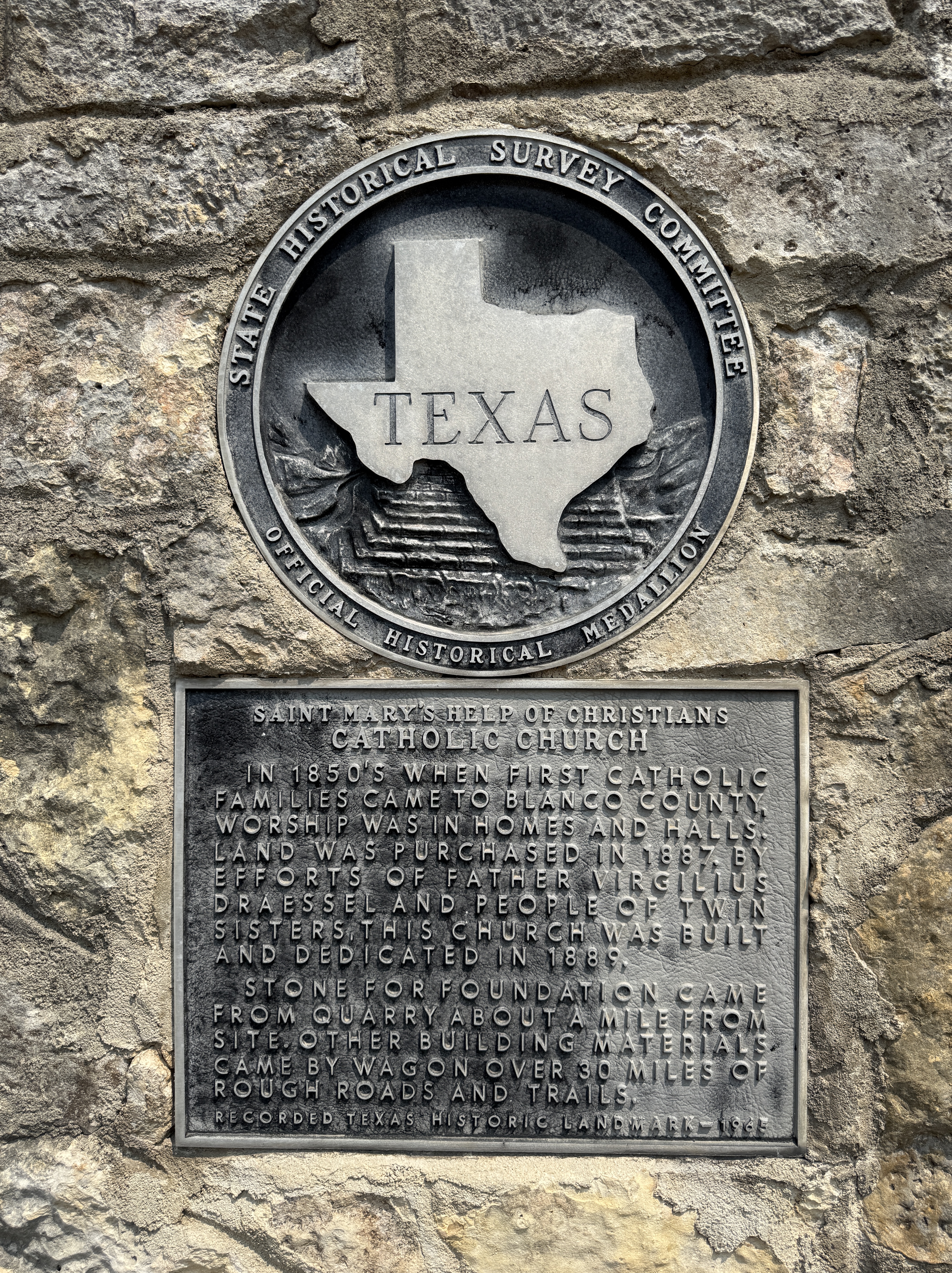
After residents acquired land for a church in 1887, construction began under the leadership of Father Virgilius Draessel. The small chapel rests on a foundation of locally quarried stone, while other building materials were reportedly hauled by wagon from farther away. According to the Texas historical marker at the site, the chapel was dedicated in 1889.


For the next half century, Saint Mary’s served as an important center of worship and community life for Catholic families in the surrounding countryside.

That changed in 1940 when St. Ferdinand Catholic Church was established in Blanco. Regular parish worship shifted from the little country chapel to the new church in town. Even the bell from Saint Mary’s was moved to St. Ferdinand.

Saint Mary’s subsequently took on a new role as a cemetery chapel and historic site. It remains connected with St. Ferdinand and is still used on special occasions, particularly for the annual All Souls’ Day Mass in November, as well as funerals and other services.

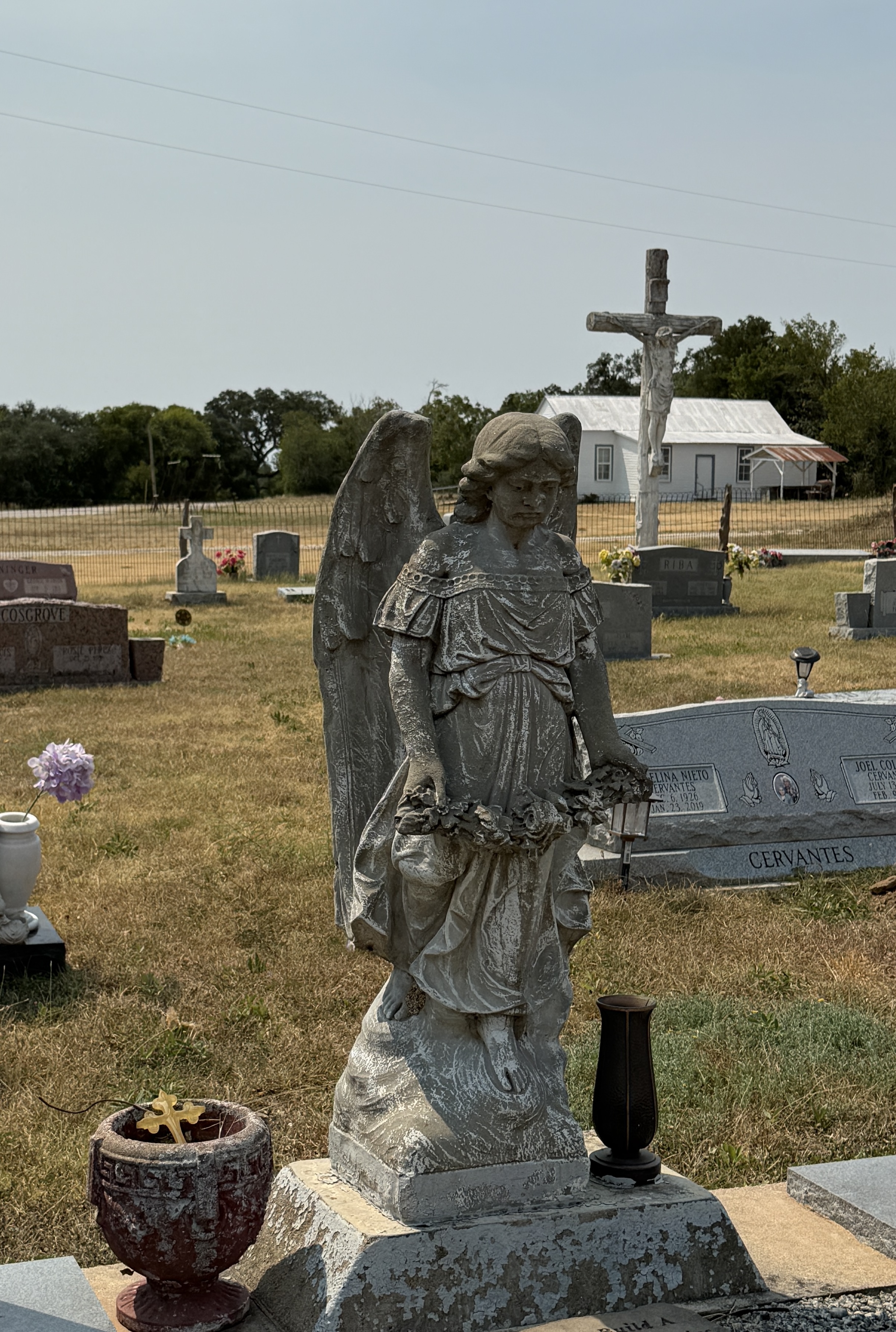
When Cheryl and I stopped here, two new graves in the cemetery caught my attention—one belonging to a man born in 1956 and another to a woman born in 1978. Their graves seemed especially noticeable among the older markers surrounding the chapel.


Cemeteries have a way of reminding us of something we spend much of our lives trying not to think about: we are all headed in this direction. Someday each of us will either choose where we are buried or leave that decision to someone else. Standing among the graves at Saint Mary’s is a quiet reminder that every life has a beginning, a story, and an end.

For generations, Saint Mary’s Help of Christians Catholic Church played an important role in the lives of those who settled this part of the Hill Country. Through good times and bad, through the celebration of births and marriages and the grief of deaths, and through the long years of families working hard to build new lives in Texas, Father Draessel, the priests who followed him, and this little church were there.


Today, Saint Mary’s is a reminder of the faith of the Hill Country’s early settlers. Its historical importance was officially recognized in 1965 when it became a Recorded Texas Historic Landmark.

For backroad explorers like Cheryl and me, the attraction here is about the setting—an old country church, weathered gravestones, rolling Hill Country ranchland, and the kind of silence that invites you to slow down and reflect.


Places like Saint Mary’s are easy to drive past. There are no crowds, gift shops, or flashy attractions competing for your attention. Instead, there is a small chapel standing quietly among the graves of people who came before us.

And that is what makes it worth stopping.

If you enjoy historic churches, cemeteries, Texas history, or forgotten places along the back roads, Saint Mary’s Help of Christians Catholic Church is definitely worth a visit.

Pipe Creek General Store

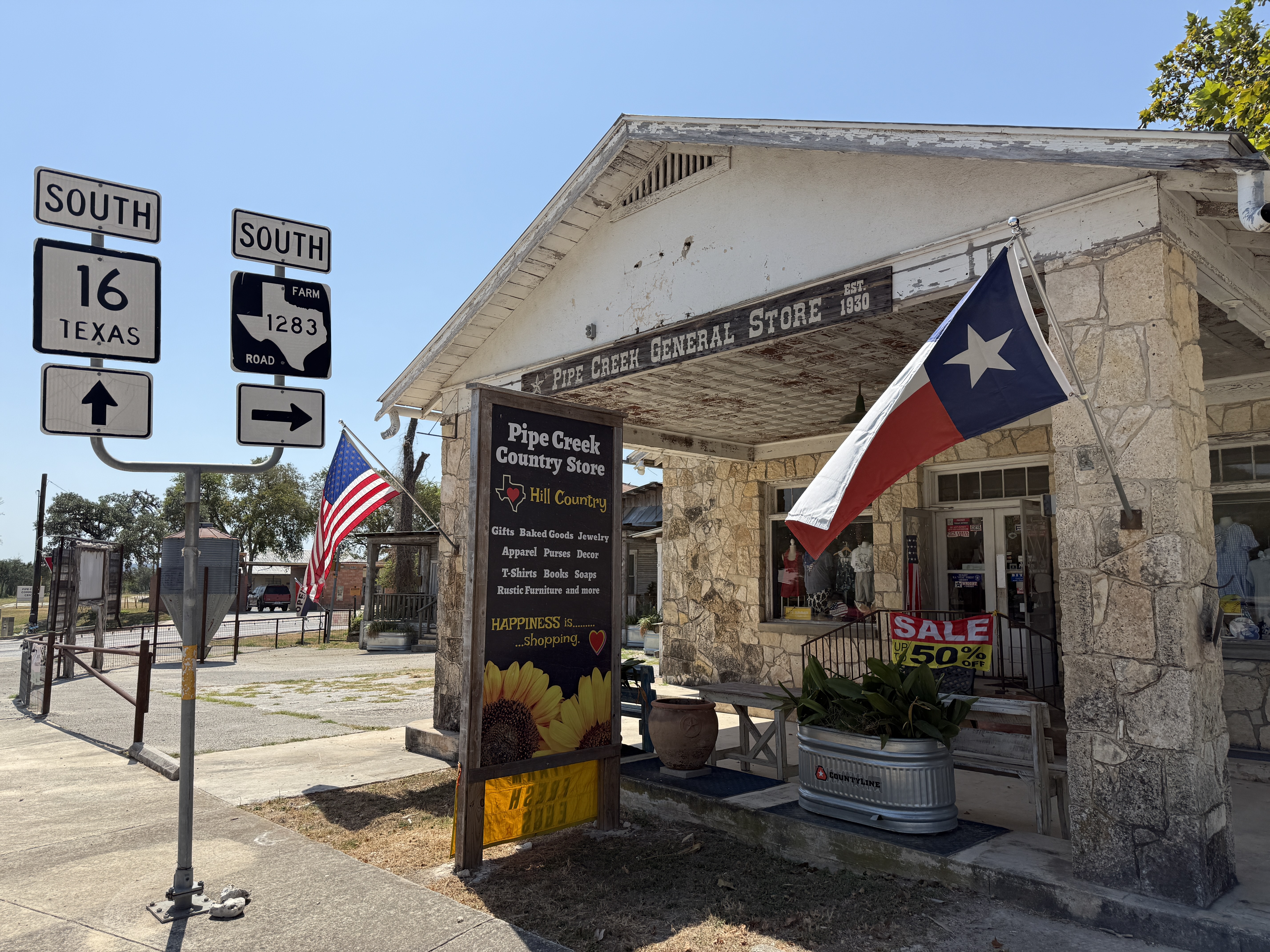
While Cheryl and I were driving down Highway 16 on our Texas Hill Country road trip, I spotted the Pipe Creek General Store and Dance Hall out of the corner of my eye. Curious, I turned the truck around to take a closer look. I’m really glad we stopped.

Honestly, we hadn’t planned to visit the Pipe Creek General Store because we had not heard about it. But that quick glimpse made us turn around, and I’m so happy we did. This Hill Country spot turned out to be a real find.


Pipe Creek is a small community in eastern Bandera County, about nine miles east of Bandera on State Highway 16. It was settled around 1870 and named after the nearby creek. The town started as a ranching and farming community, and it still has a peaceful, rural feel.


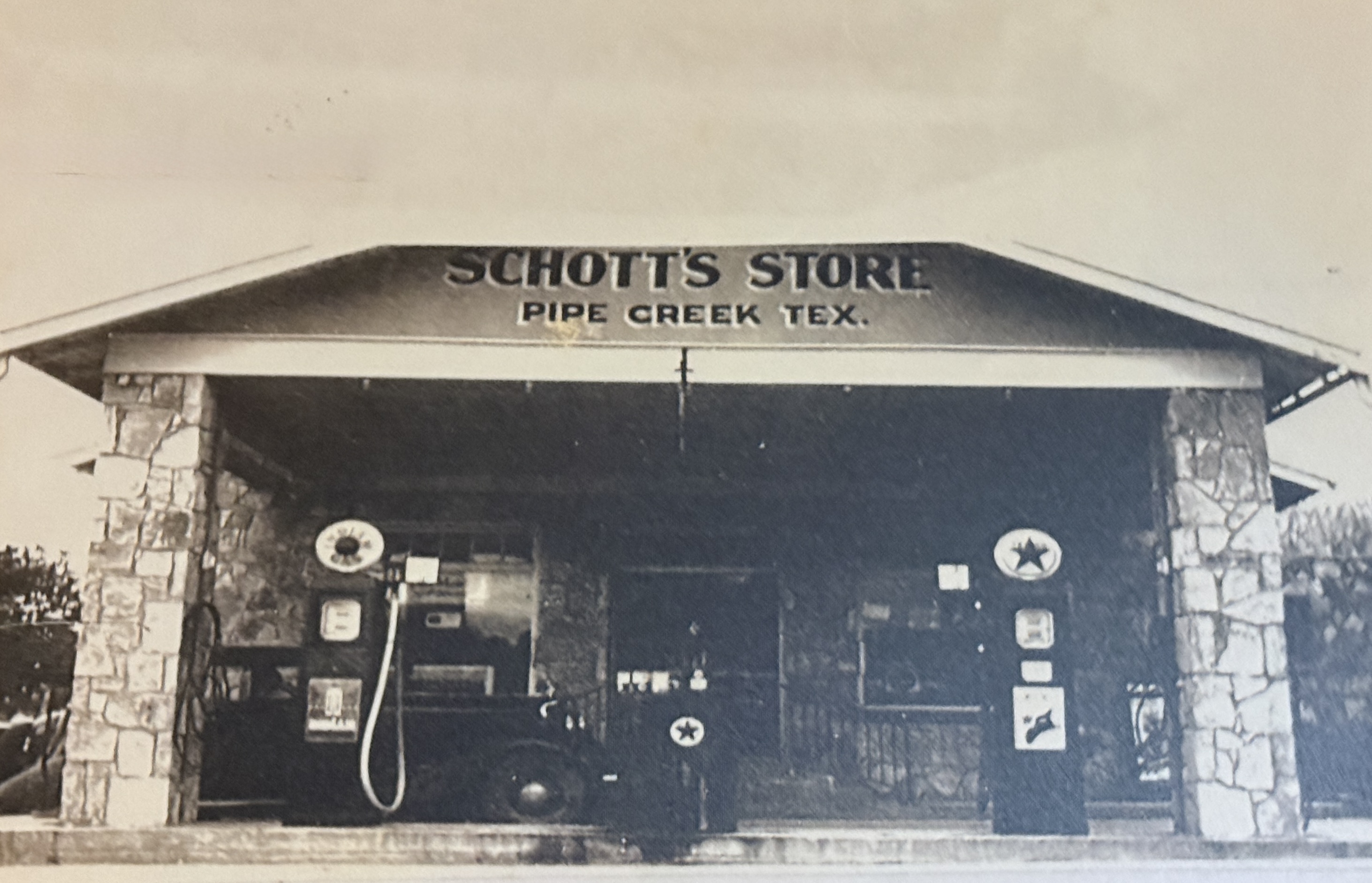
When we walked into the store, a young woman named Melissa greeted us warmly and happily answered my questions about the place and its history. Like many old general stores, the Pipe Creek store has a rich history dating back to 1911, when E. B. and Carrie Keefe established the first store on the property.


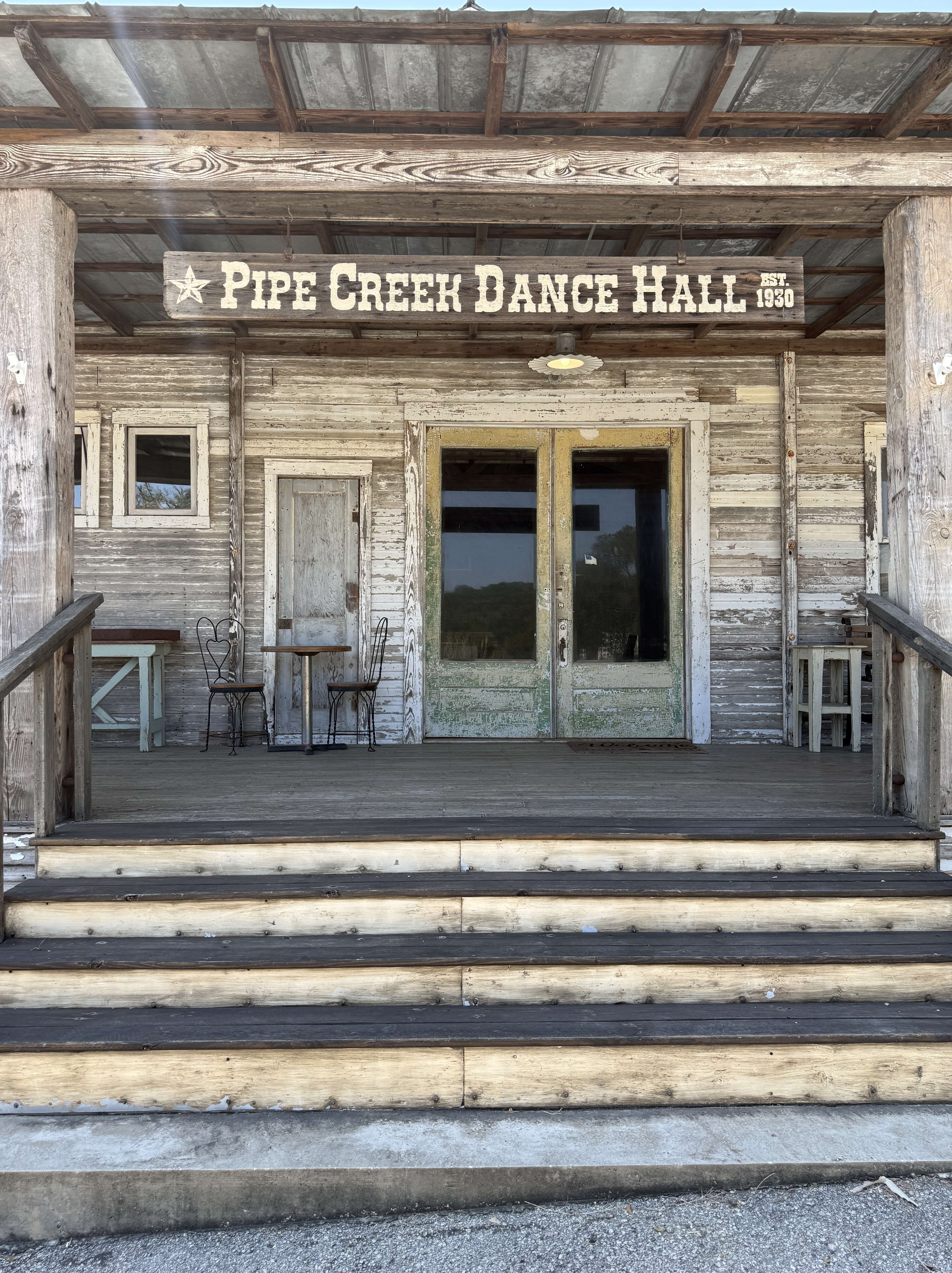
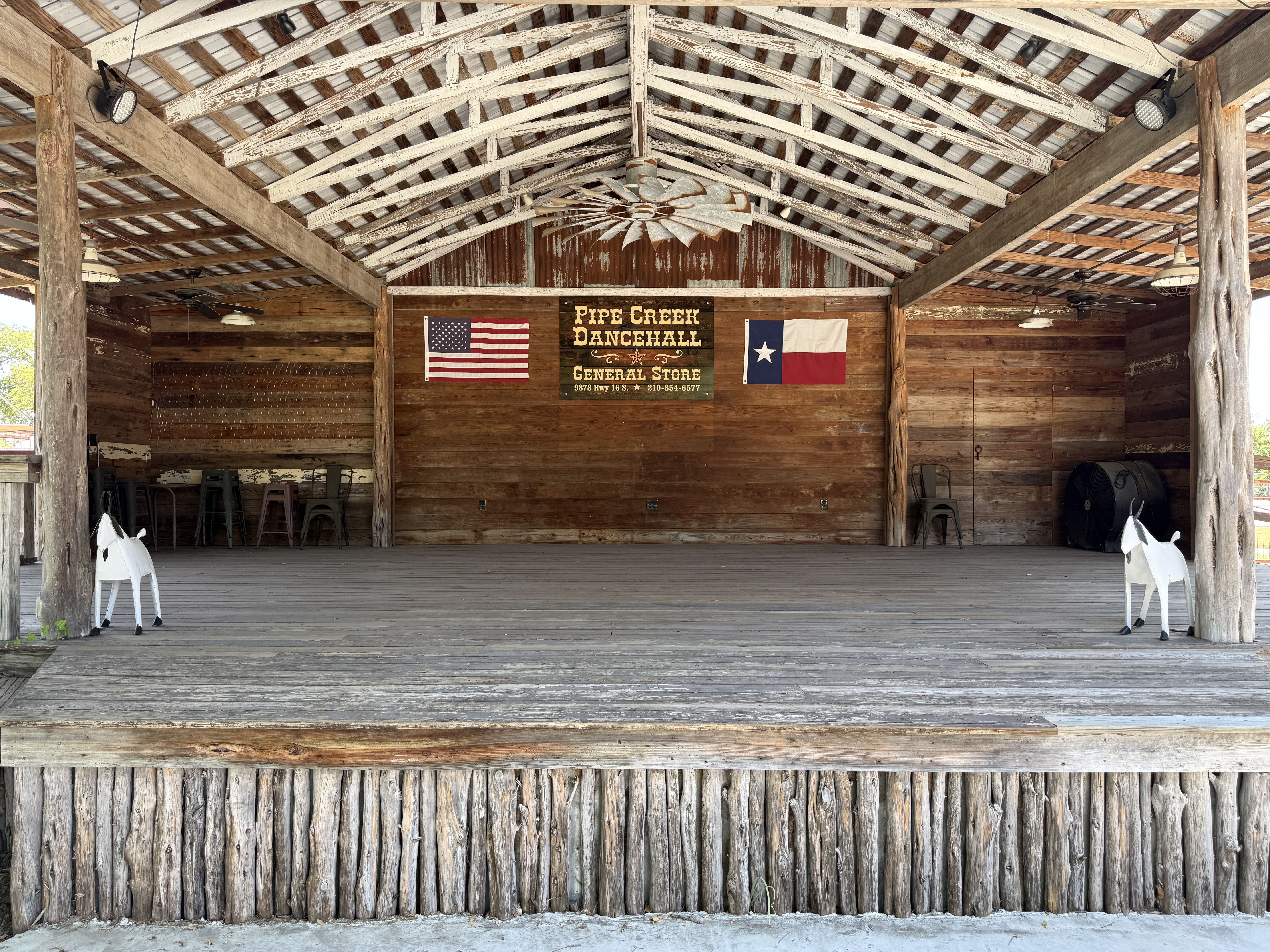
A dance hall was added in 1930, becoming a popular gathering place for dances, movies, and skating. The present store was built in 1936 when Highway 16 was widened. After decades of serving travelers and local families, Bruce Martin purchased the property in 2014. Martin restored the property and grounds, taking pains to preserve its historic 1930s-era character.

Places of historical interest need people like Bruce Martin. Preserving old places requires vision, personal commitment, and a great deal of respect for the past if old buildings are to be saved and given a new life.


Martin did more than restore the Pipe Creek General Store and Dance Hall; he preserved a community gathering place and an important part of Hill Country heritage for future generations to experience and enjoy.


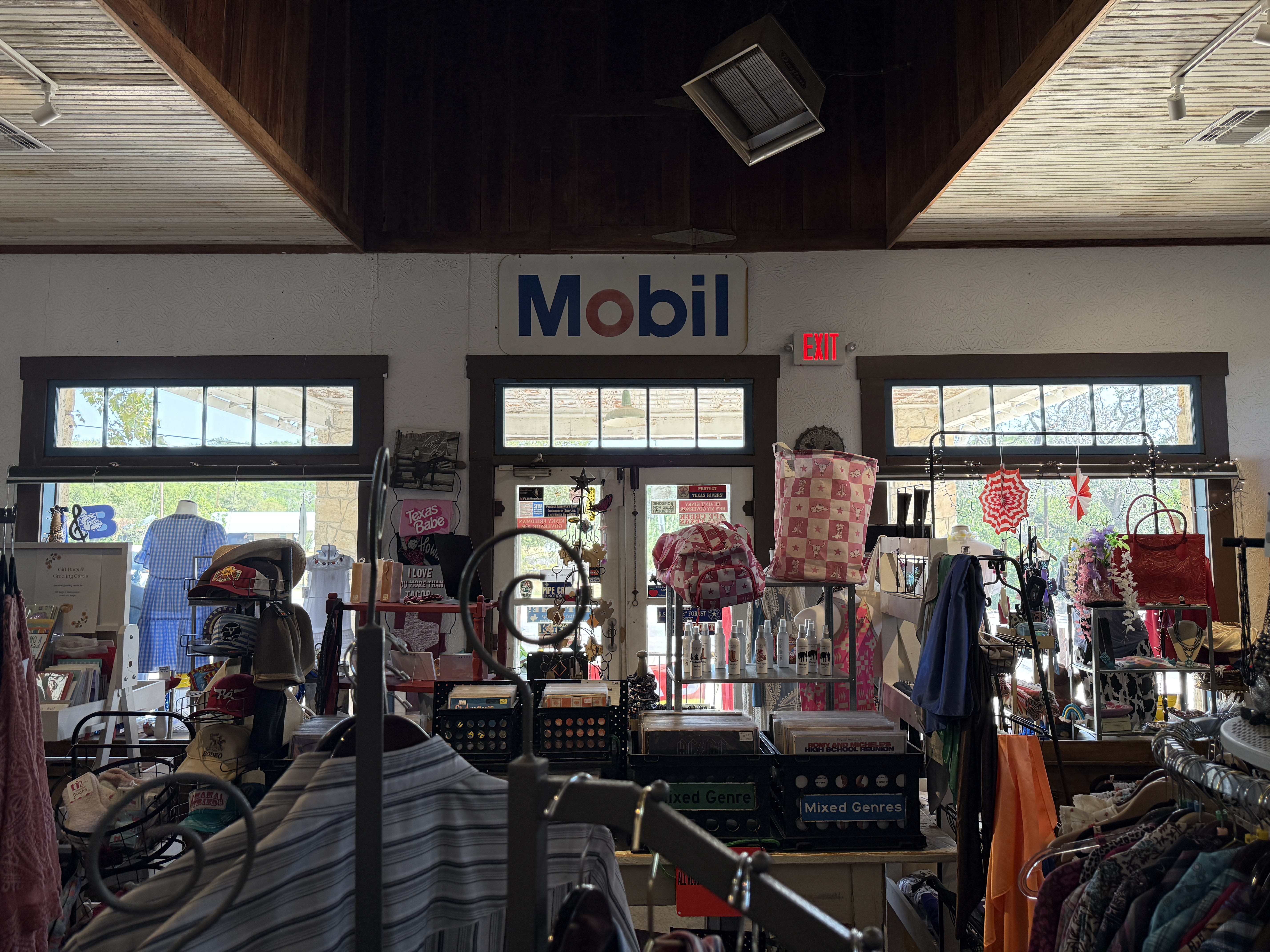
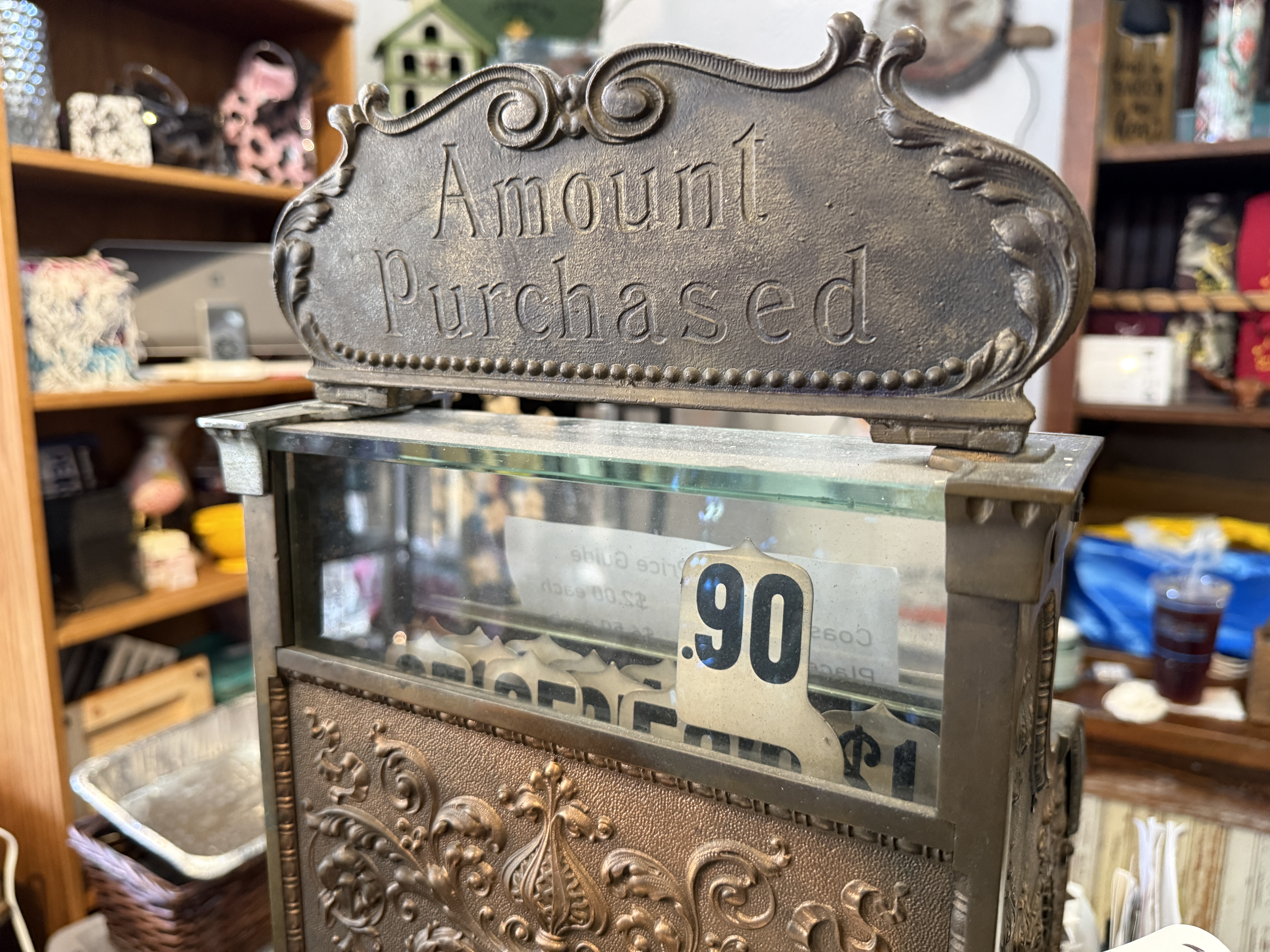
Today, the front of the store houses an inviting boutique stocked with a wide variety of merchandise. The original wood floors, period cabinets and counters, rustic décor, and vintage cash register preserve the building’s historic character and add to the charm of this special place.


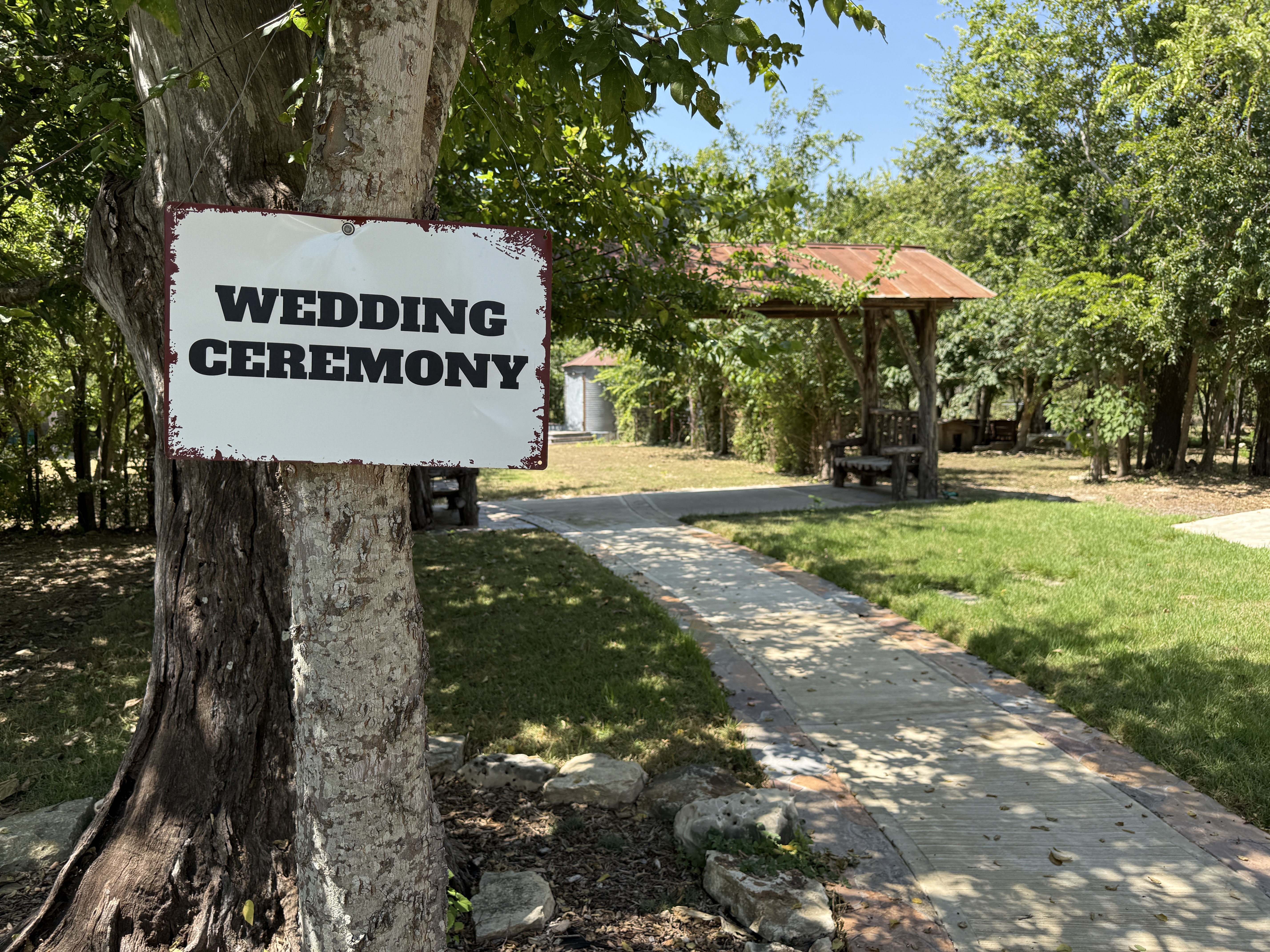
The dance hall next door and the three acres behind the store provide welcoming venues for celebrations of life, baby showers, weddings, and family gatherings. Everywhere you look, something interesting catches your eye—remnants of the past that make it easy to imagine the quieter, slower pace of life enjoyed by previous generations.


Communities need gathering places. Big cities may have them in abundance, but few can compare with the small-town stores and venues that connect us not only with one another but also with the generations that came before us. That is why places like the Pipe Creek General Store and Dance Hall matter—and why preserving them for future generations is so important.


I am so glad that a passing glance while driving through the Texas Hill Country led us to the Pipe Creek General Store. If you find yourself anywhere near Pipe Creek, it is well worth taking the time to step inside this charming time capsule and be transported to a simpler era—even if only for a few brief moments.


As Cheryl and I drove away, we talked about how much we hope places like the Pipe Creek General Store will still be around a hundred years from now. The busier and more complicated our lives become, the more we need places that invite us to slow down and remember where we have come from.

Kendalia General Store

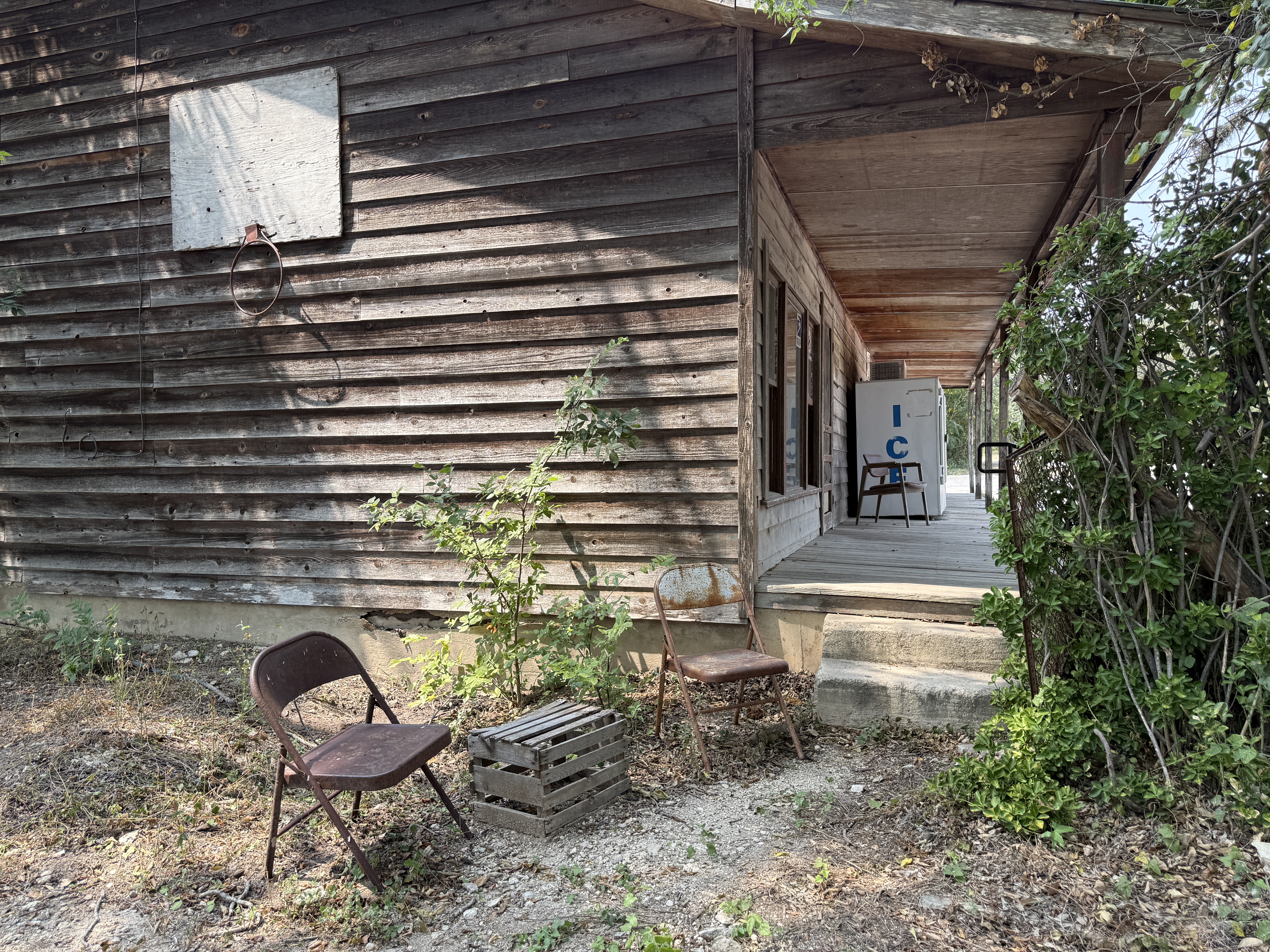
There are still places in Texas where the past has not yet completely surrendered to the present. You will find them along two-lane roads that lead to little communities nestled off the beaten path. No longer fed by the nourishing streams of progress, weathered old buildings stand as quiet witnesses to another time. The old general stores are among the most interesting of these remaining fragments of the past.

The general store was once the heart of rural life. These were the places where neighbors bought what they needed, caught up on local news, collected their mail, and lingered for conversation. Life moved at a slower pace, and folks were not always in a hurry to leave. A visit to the general store broke the rhythm of hard work and the monotony of endless chores.

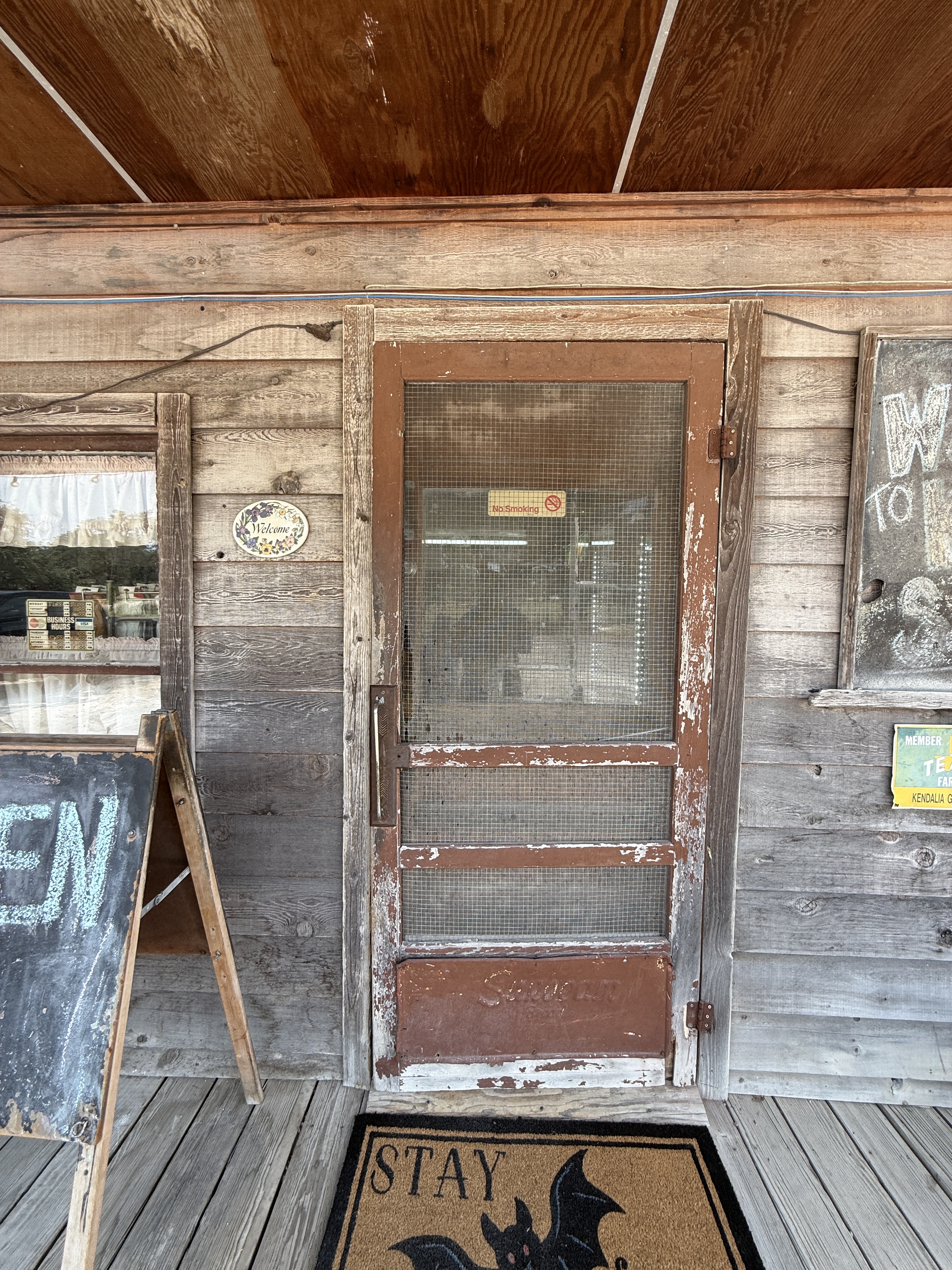
Most of these old places are gone. That is why the few that remain deserve more than a passing glance. They deserve a stop, walking through a tattered screen door, and spending a few unhurried minutes inside, smelling the unmistakable fragrance of the past. The undeniable reality is that someday, perhaps sooner than we imagine, these remaining pieces of old Texas will disappear.


Kendalia represents a piece of Texas that has largely disappeared. This tiny unincorporated community grew around mills, ranches, churches, a school, a post office, and a country store. Located in eastern Kendall County in the Texas Hill Country, roughly 25 miles northeast of Boerne and about 40 miles north of San Antonio, Kendalia has remained small, rural, and peaceful.


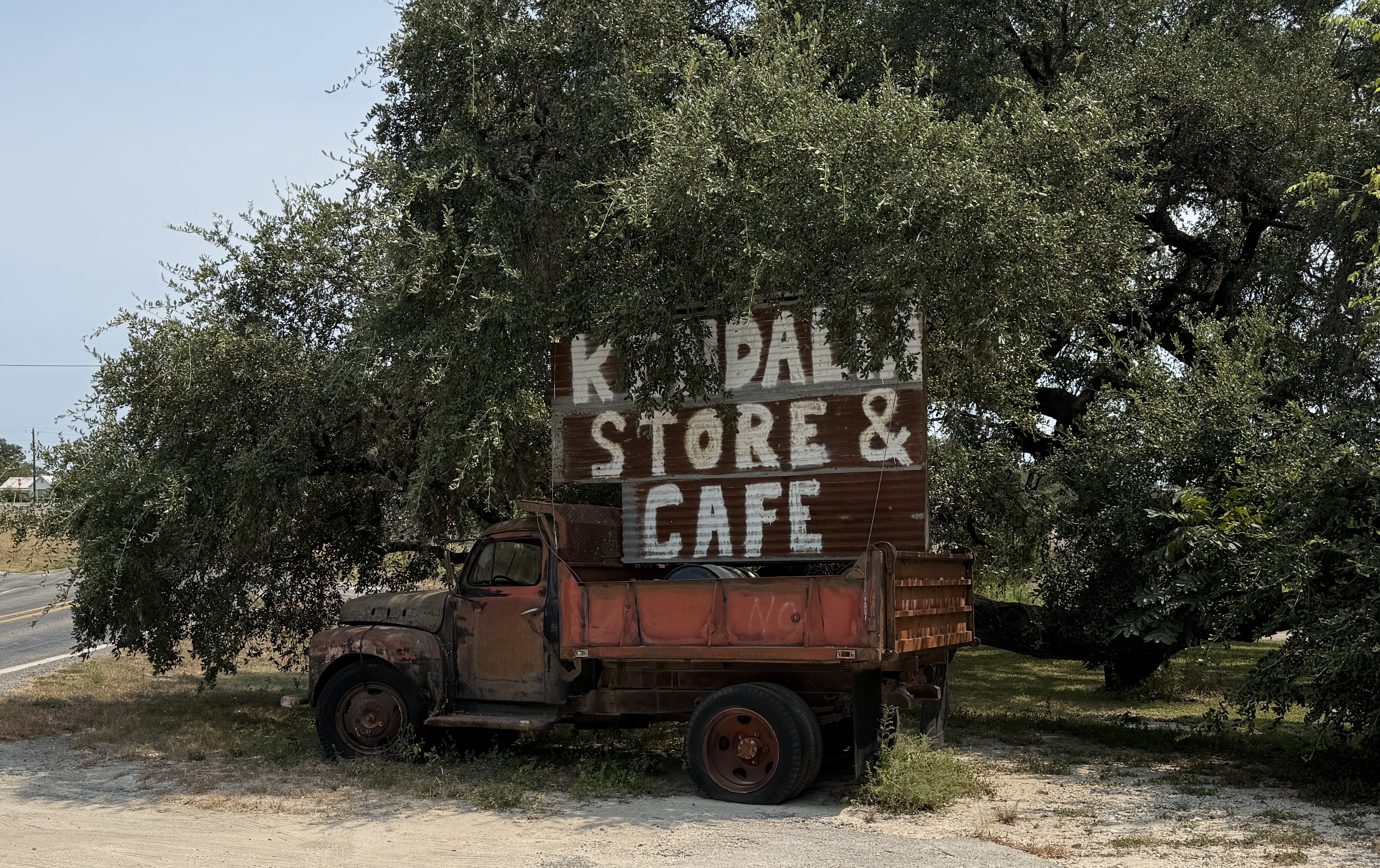
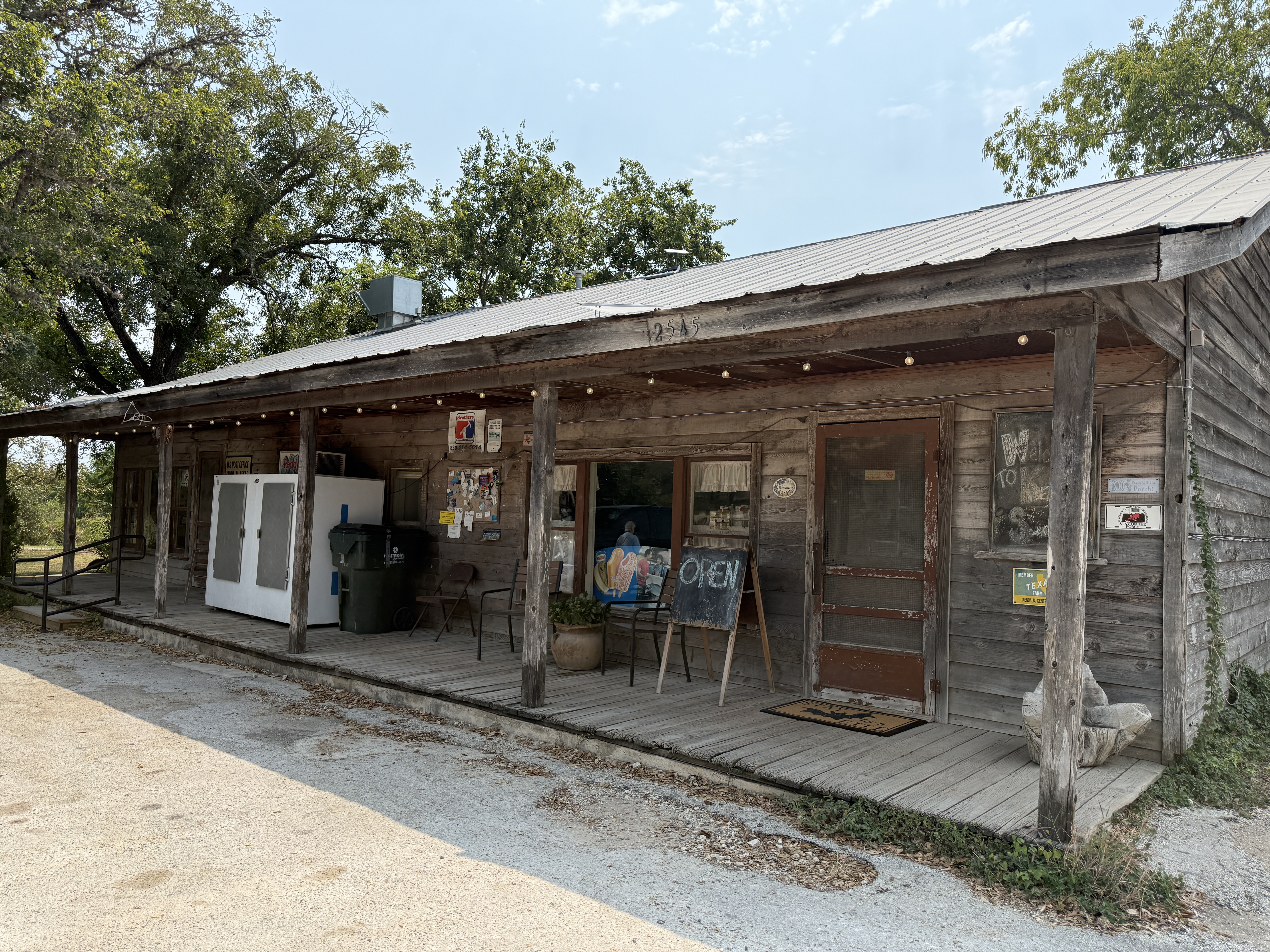
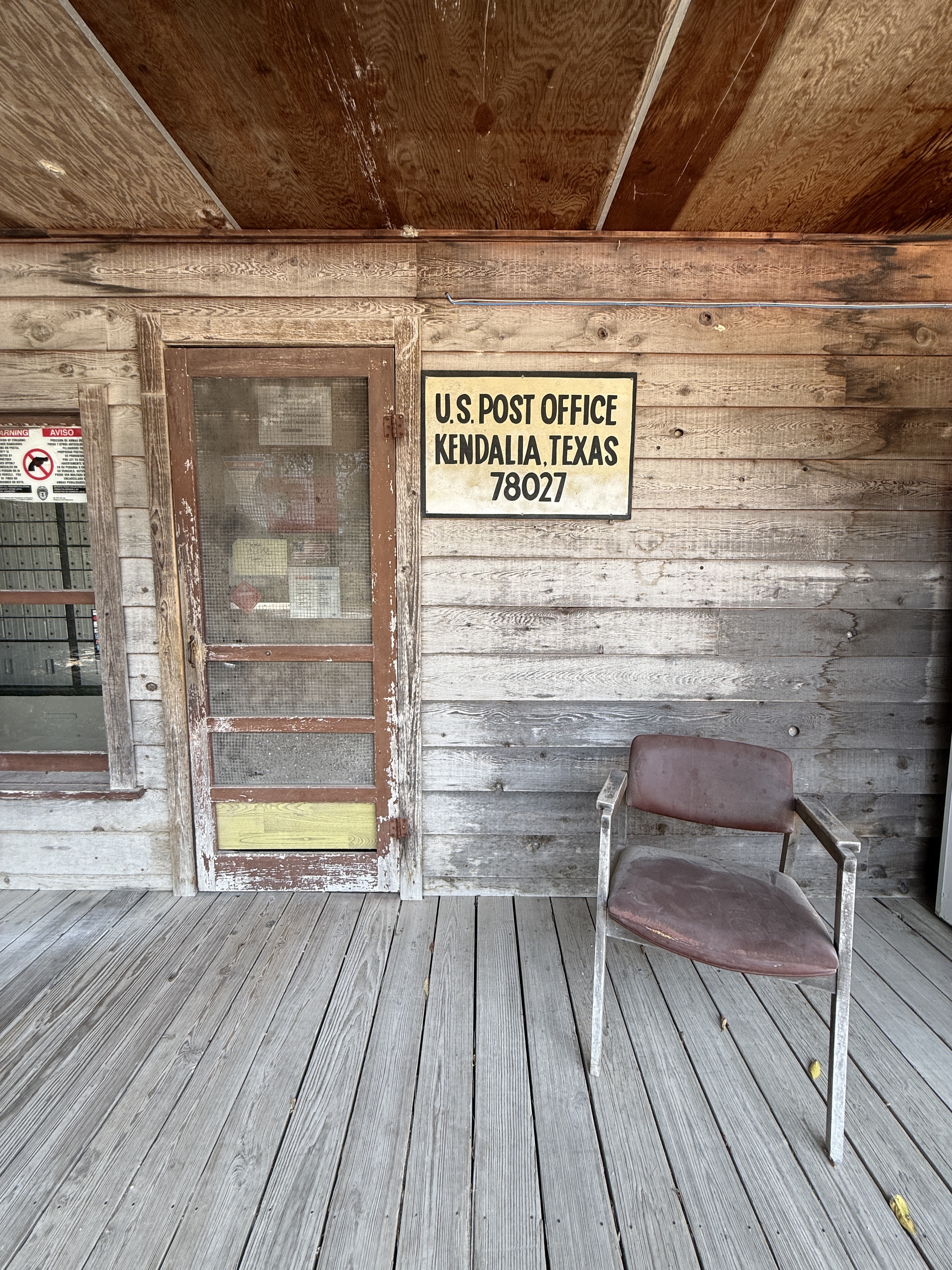
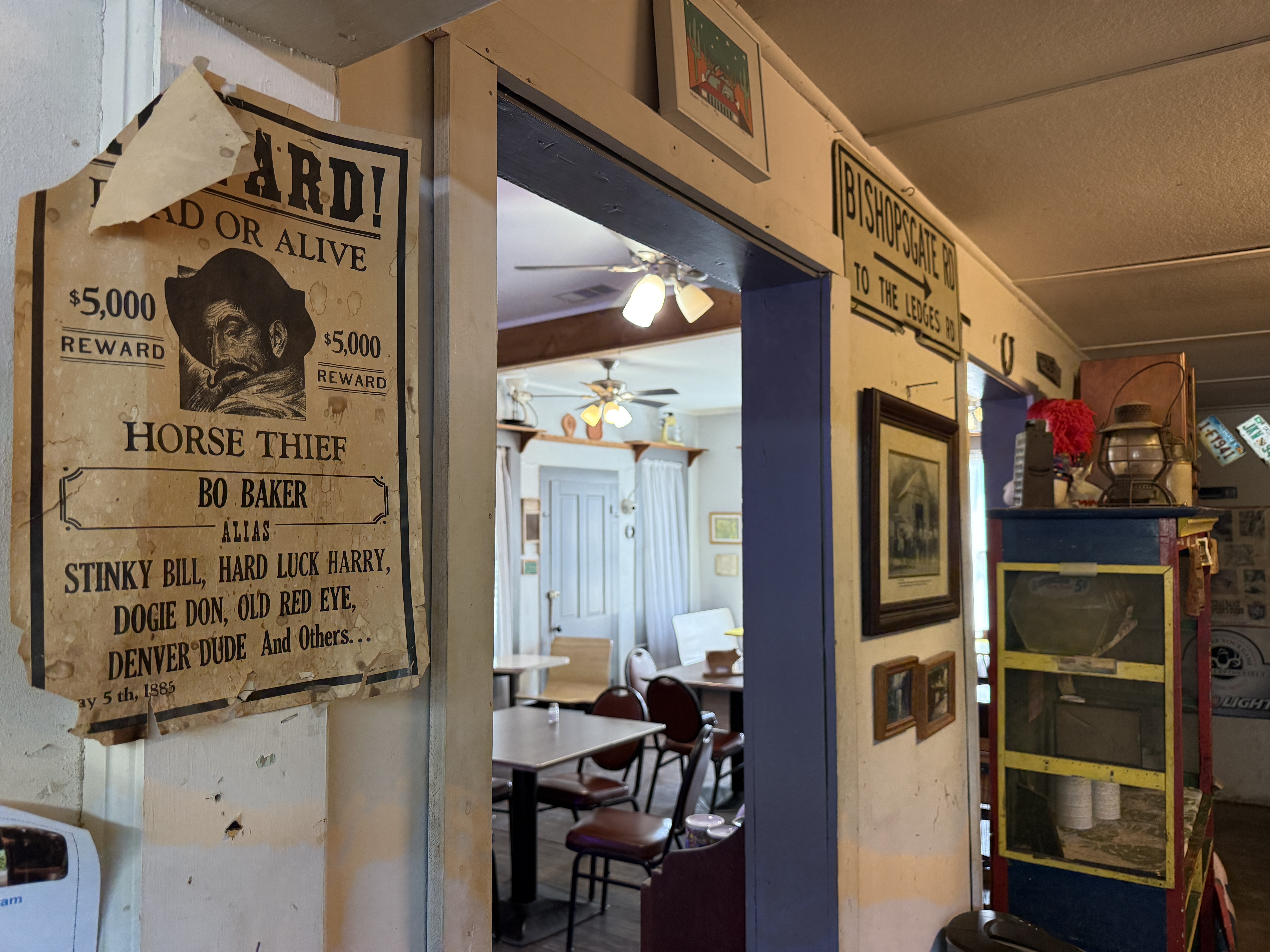
One of the best reminders of its small-town heritage is the Kendalia General Store on FM 473. The store continues the old Texas tradition of the general store. The years have changed the inventory of the little store but have not erased its charm. If its walls and worn wooden plank floors could talk, what stories they might tell.


Cheryl and I stopped by the Kendalia General Store while traveling the winding and scenic back roads of the Texas Hill Country. The weathered old screen door invited us to step into the past. Inside, we met a young man who shared a little about the store’s history with us. Apart from a couple of new full-glass coolers filled with soft drinks and bottled water, it was not hard to imagine what this place must have been like a hundred years ago.


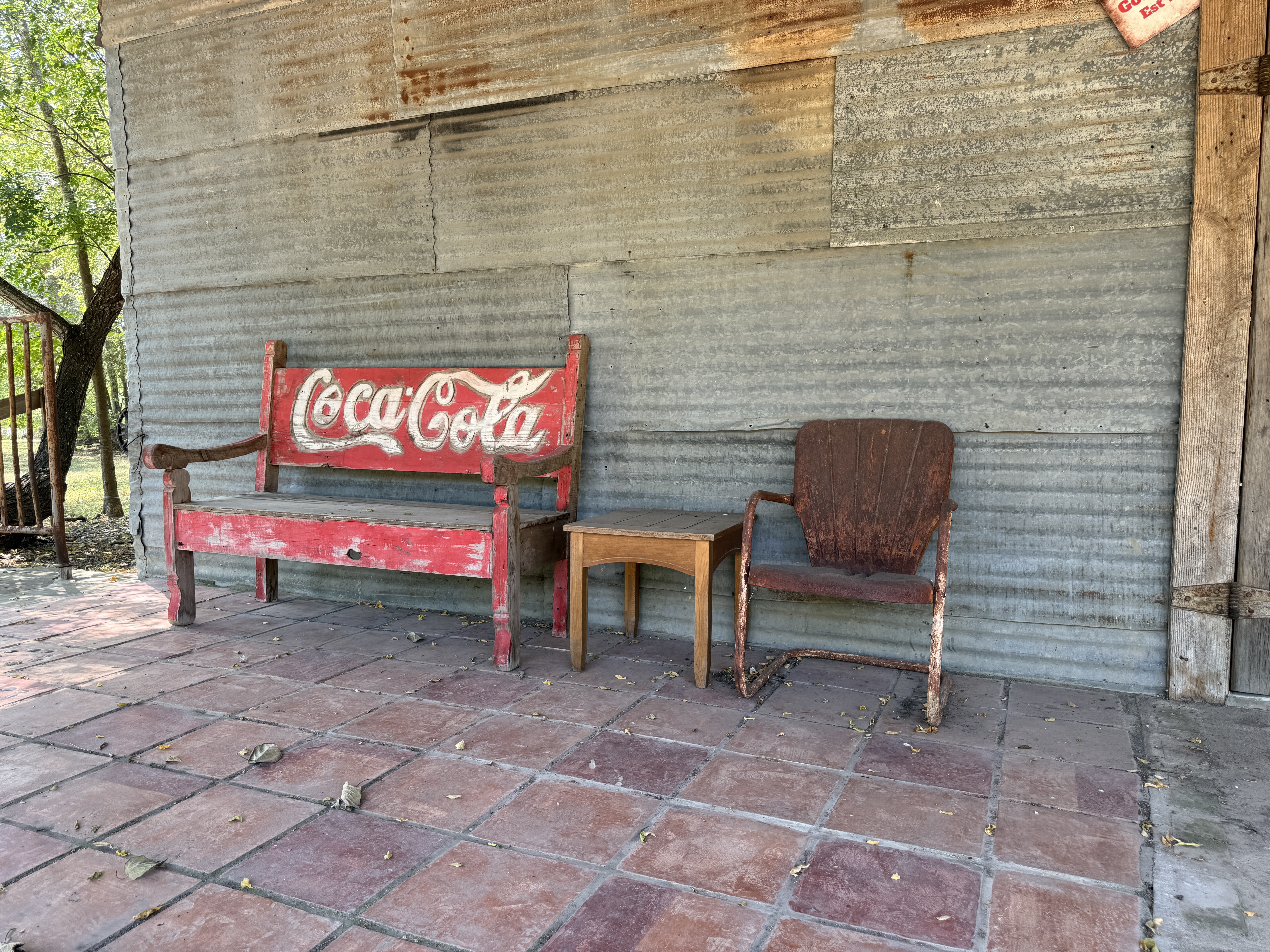
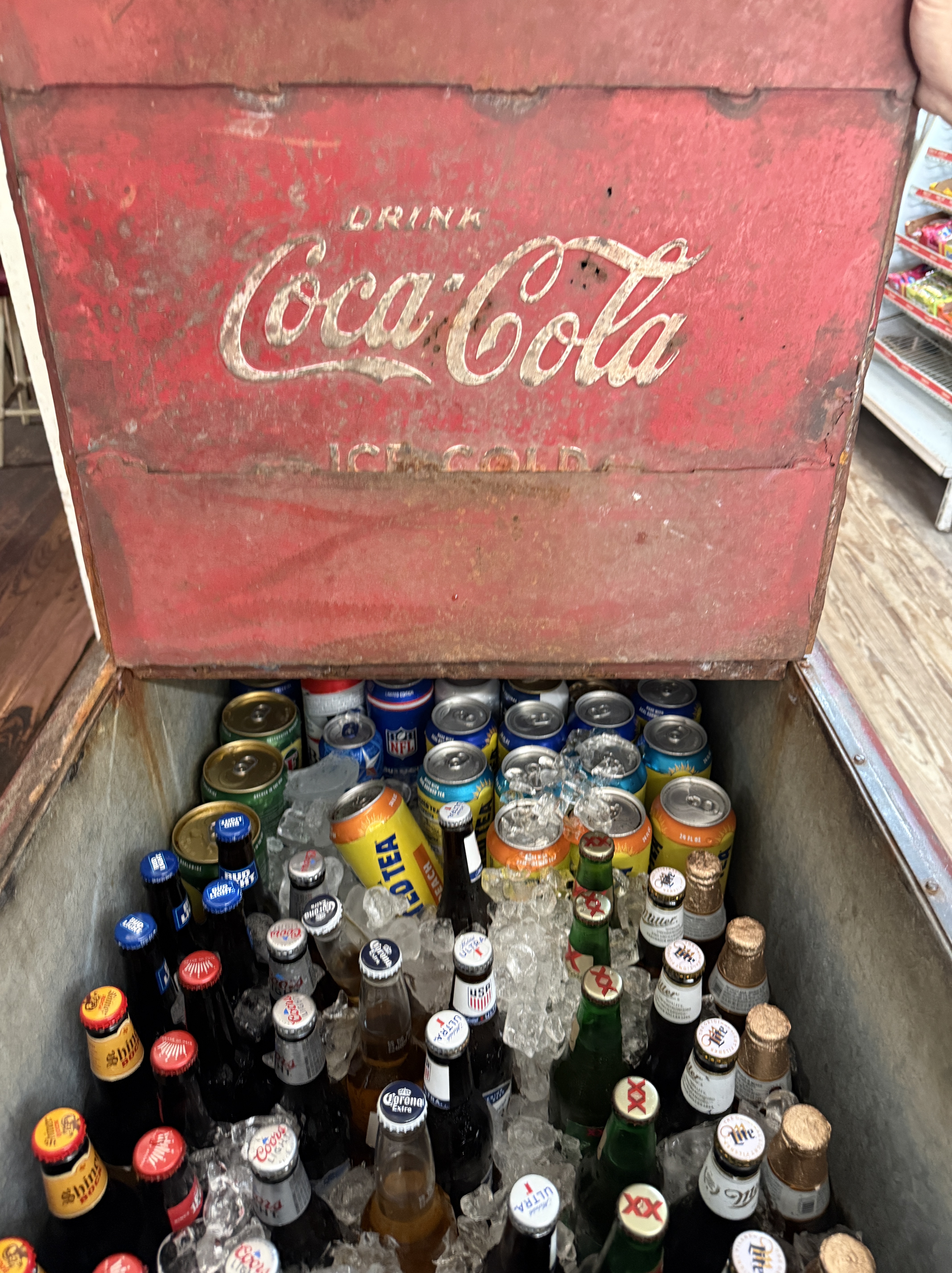
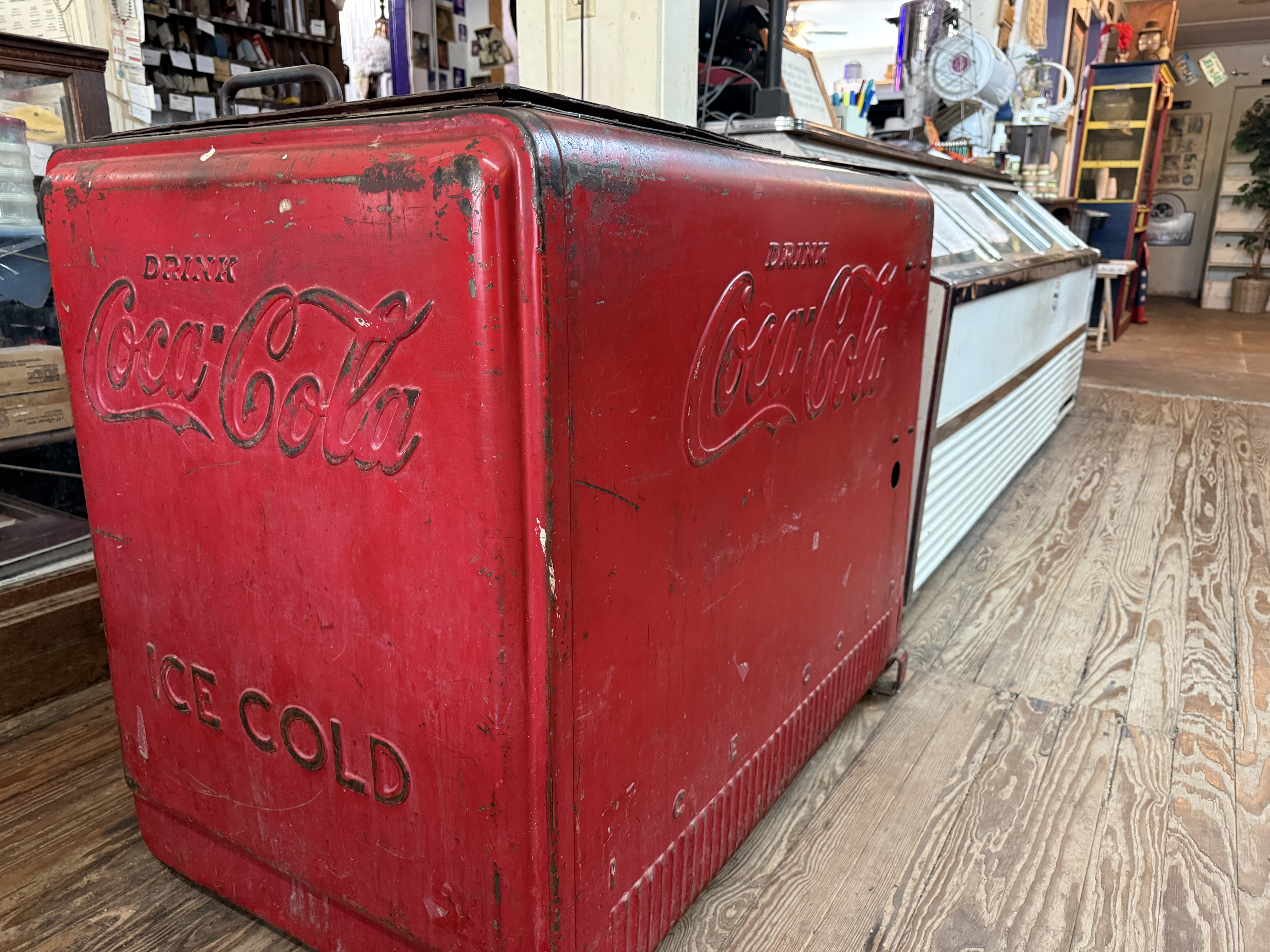
Today, you can order a burger, select your drink from an old Coca-Cola ice chest, grab a bag of chips off the shelves, and enjoy your meal in a time capsule of Texas history. And if you are a local, you can check your mailbox in the adjacent post office that shares the same front porch.


I hope the old store and post office in Kendalia will be around for another generation and retain its yesteryear charm. And I hope travelers who hurriedly drive down the Farm to Market road that passes in front of the store will slow down enough to stop and visit, have an unhurried conversation, and enjoy a Coca-Cola and a Moon Pie.


Places like the Kendalia General Store matter because they give us something a history book cannot: a physical connection to the lives of those who came before us. Walking through the door of an old store like the one in Kendalia can help us imagine a time when a general store was the center of community life.


Once an old building is allowed to disappear, we lose an important connection to our past. While a photograph can preserve what a building looked like, it does not compare to the experience of opening an old door, hearing the floorboards creak beneath your feet, and being in a place that played an important role in the lives of previous generations.


That is why stopping at a place like the Kendalia General Store is more than nostalgia. It is an act of appreciation for our history. The past rarely disappears all at once. It vanishes one old store, one weathered sign, one creaking floorboard at a time—which is why we should treasure places like the Kendalia Store and Cafe while we still can.