The Bandera General Store

No road trip through the Texas Hill Country would be complete without a stop in Bandera. Located along the Medina River approximately 50 miles northwest of San Antonio, Bandera is the county seat of Bandera County. It sits where the rolling Hill Country meets the rugged Edwards Plateau.

Bandera takes its name from nearby Bandera Pass, which appeared on maps as early as 1842. Bandera is the Spanish word for “flag” or “banner.” Although the name’s exact origin remains uncertain, a popular account says Spanish settlers and Apache leaders met near the pass to make peace. According to the story, they placed a flag on a hill to mark the boundary between their territories.

The town was founded in 1853. Its early settlers included Polish immigrants who helped establish the community and built St. Stanislaus Catholic Church. One of Bandera’s earliest industries was the production of cypress shingles made from trees growing along the Medina River.
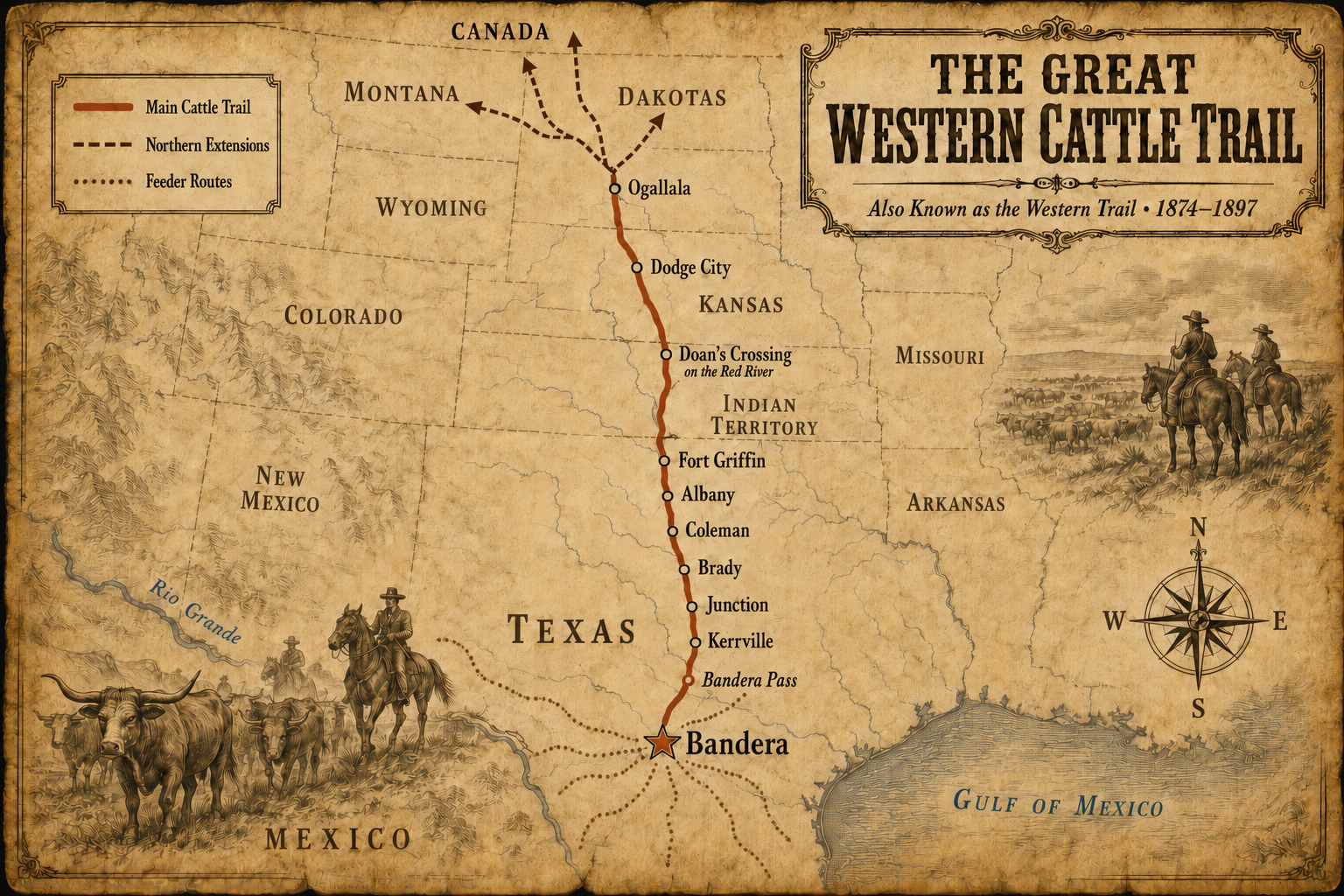

After the Civil War, Bandera became an important staging area for cattle drives heading north along the Western Trail. By the late 1870s, this route had largely replaced the famous Chisholm Trail as the principal trail north. Millions of cattle traveled the Western Trail before expanding railroads, barbed-wire fencing, and the closing of the open range brought the great cattle-drive era to an end.

Today, Bandera calls itself the “Cowboy Capital of the World.” Given its history as the start of the Western Trail, it has earned the title. Cheryl and I enjoyed our visit to Bandera. The downtown area has a vintage-western character all its own and is a fun place to explore. It’s easy to park, stroll the sidewalks, browse the unique stores, and enjoy a place where the spirit of the Old West still feels very much alive.
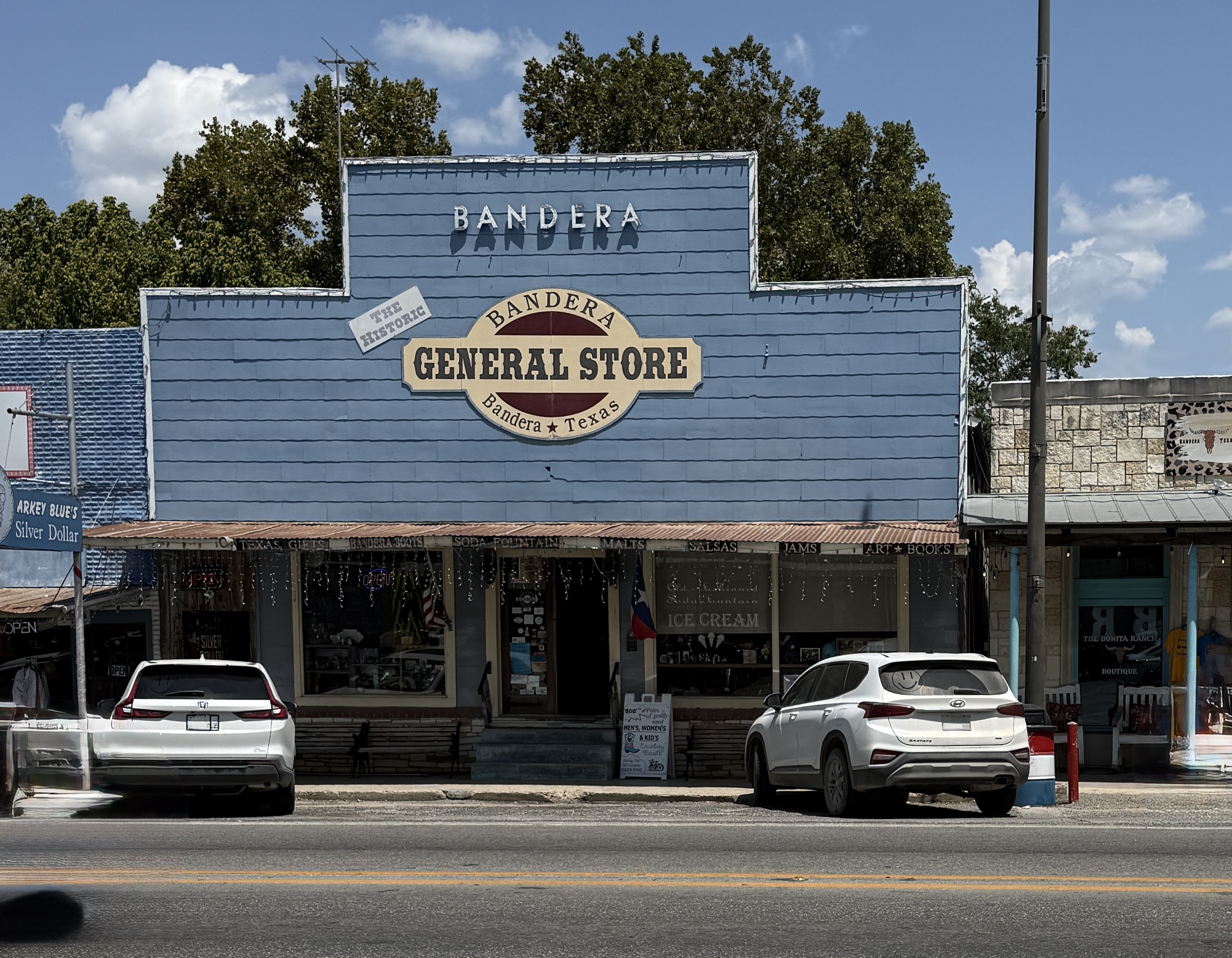

Our main reason for visiting Bandera was to explore the Bandera General Store at 306 Main Street. Historical sources differ on whether the building dates to 1907 or 1921, but it has certainly enjoyed a long and colorful past. Over the years, it has housed a dance hall, movie theater, saddle shop, feed store, appliance store, and Western-wear shop.
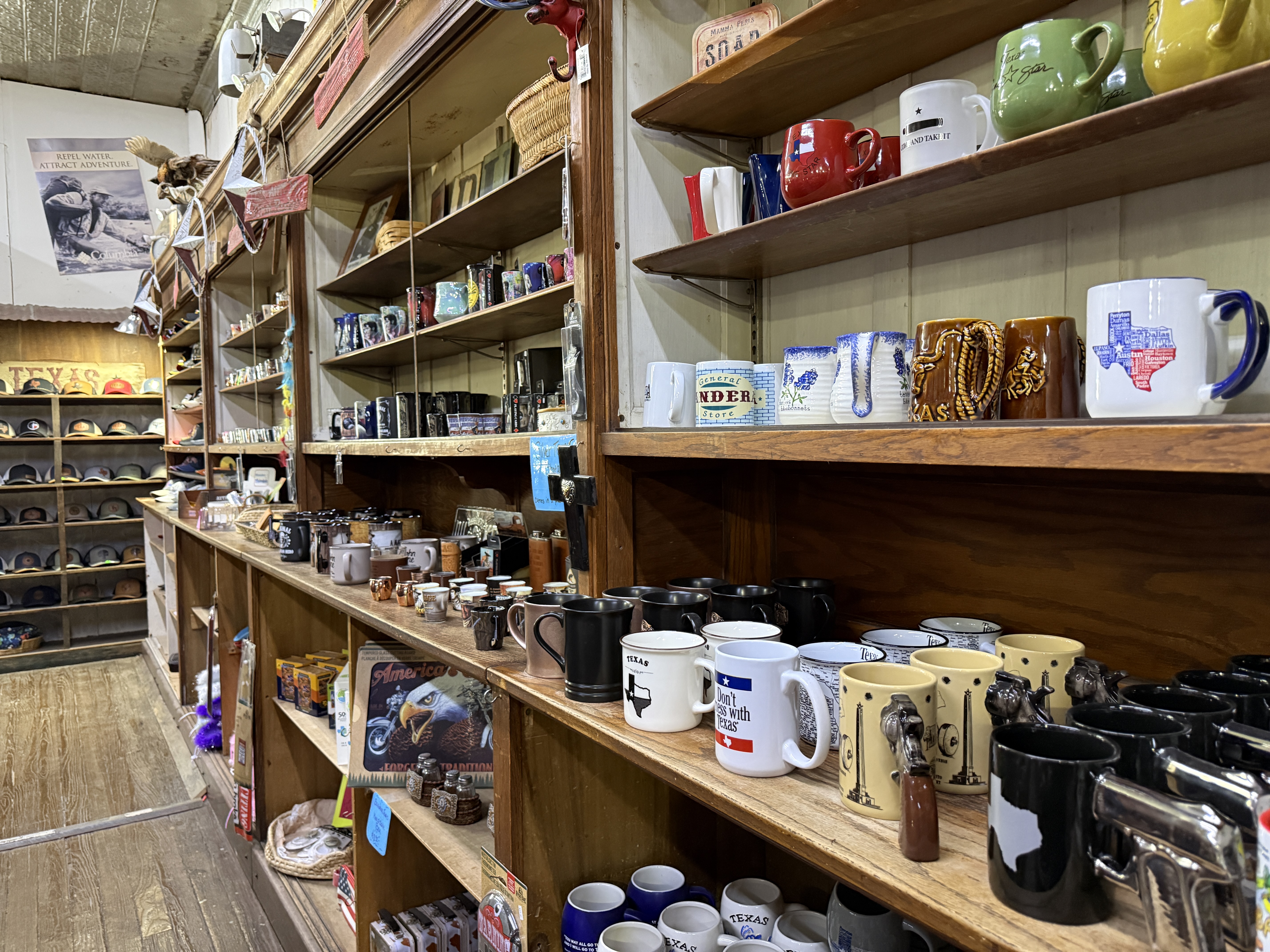

Like many of the historic stores we visited during our Texas Hill Country road trip, the Bandera General Store occupies one of the coolest old buildings in town. Its original wooden floors and pressed-tin ceiling remain, filling the store with vintage character and offering visitors a connection to Bandera’s colorful cowboy past.
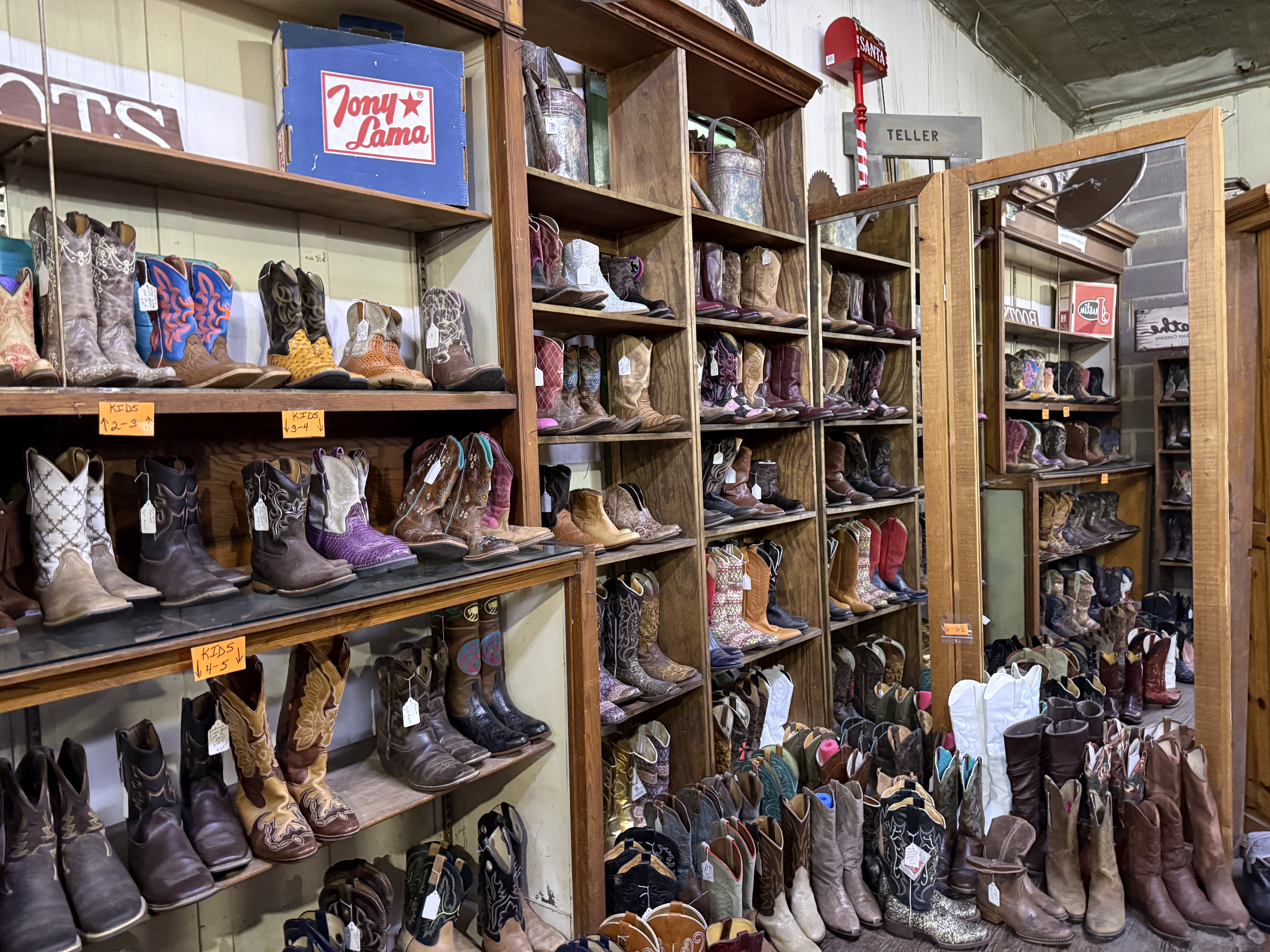

The Bandera General Store offers a wide assortment of Western and Texas-themed merchandise, including cowboy boots, hats, clothing, souvenirs, antiques, books, toys, and home décor. It also carries locally made jams, jellies, honey butter, spices, salsas, and hot sauces. We enjoyed browsing the store’s interesting selection and even picked up a couple of things for our cabin—along with some old-fashioned candy for the road.
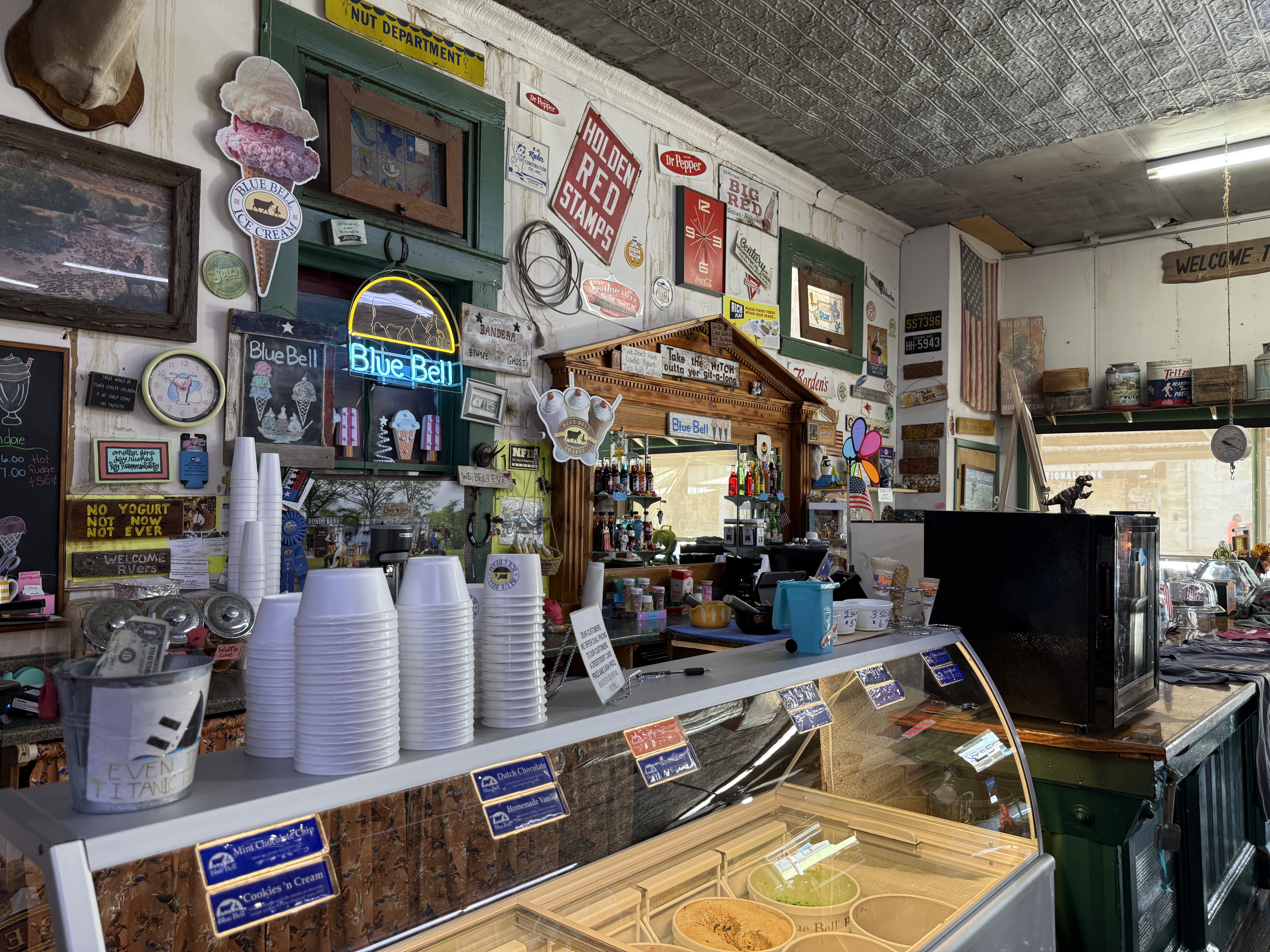

One of the store’s coolest features is its 1950s-era soda fountain. Pull up a seat and enjoy Blue Bell ice cream, milkshakes, malts, floats, sundaes, sodas, freezes, or a classic banana split. The welcoming, family-friendly atmosphere makes this a great place for kids—and kids at heart—to enjoy a cool treat.
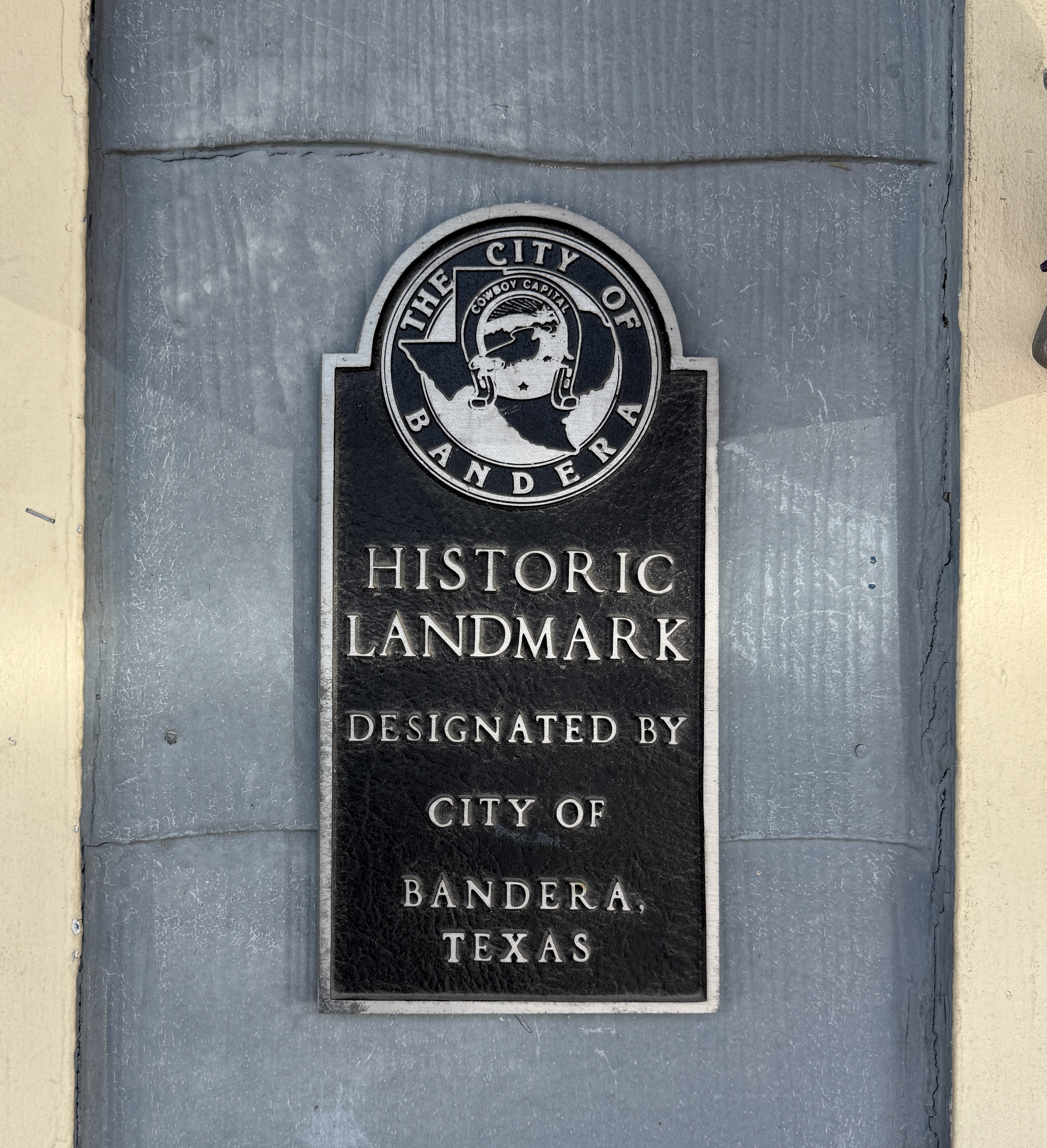

Cheryl and I really enjoyed our visit and appreciate how Bandera works to protect its unique history and character. This heritage is a special gift for everyone who lives in or visits the town. We hope Bandera keeps its one-of-a-kind spirit and continues to share its story for many years to come.
The Garven Store

Cheryl and I spent an amazing week driving the back roads of the Texas Hill Country in search of old country stores. We discovered so many interesting places and so much history along these quiet two-lane roads. After a few days of exploring, we set our navigation for Mountain Home, a small community south of Interstate 10 and home to the Garven Store, one of the historic stops on our list.

Mountain Home is a small, unincorporated ranching community in northern Kerr County, located at the junction of State Highways 27 and 41. Settled around 1856, it received its post office and name in 1879, briefly becoming known as Eura in the early twentieth century. Ranching has long been the foundation of the local economy in this rugged part of the Texas Hill Country.


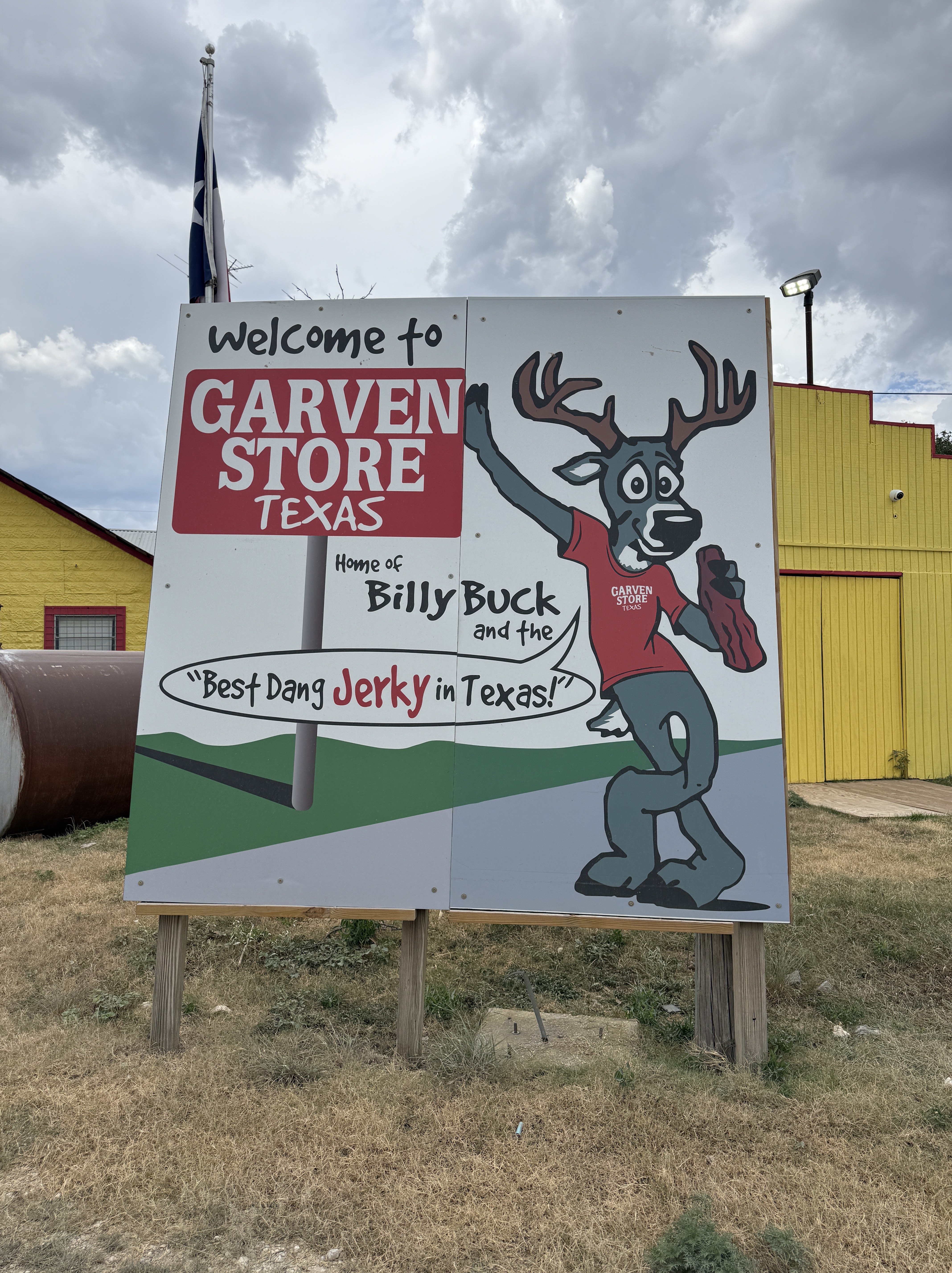
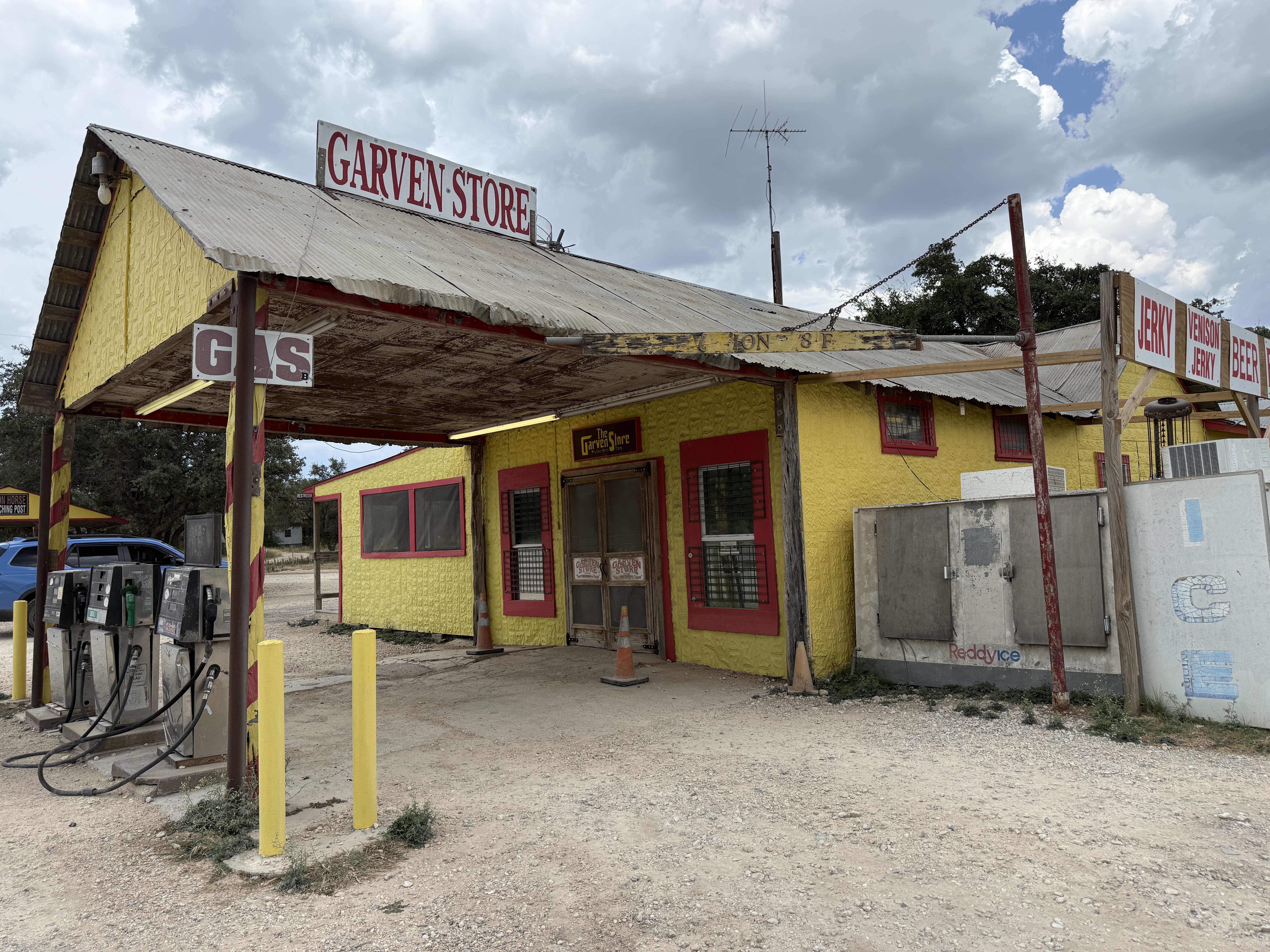
When we made our initial list of historic country stores to visit, the Garven Store easily made the cut. Everything we learned about the store convinced us that it was a must-see stop on our Hill Country trek. The historic Garven Store is located at the remote intersection of U.S. Highway 83 and Texas Highway 41 near Mountain Home. The store traces its roots to Scottish immigrant William Burney Garven and his son Edward, who purchased ranchland along the historic Rocksprings-to-Kerrville trail.

In 1932, Edward built the original store on his ranch beside Highway 41. When his son Clarence left the following year, Edward’s wife, Lettie, took over its operation with the help of ranch hand Gene Roberts.

In 1948, Edward and Lettie’s daughter Myrtle and her husband, George “Bill” Dowdy, assumed responsibility for the store. Their son Billy remembers a time when customers arriving after hours could take what they needed, write down their purchases, and leave payment on the counter. That was definitely a different time!

When U.S. 83 was constructed through the area in 1952, the store building was moved from its original location to the crossroads where it stands today. In 1998, Billy and Shirley Dowdy began operating the Garven Store, continuing five generations of family involvement. Over its long history, the little store has survived economic changes, highway construction, and the challenges of its isolated Hill Country location.


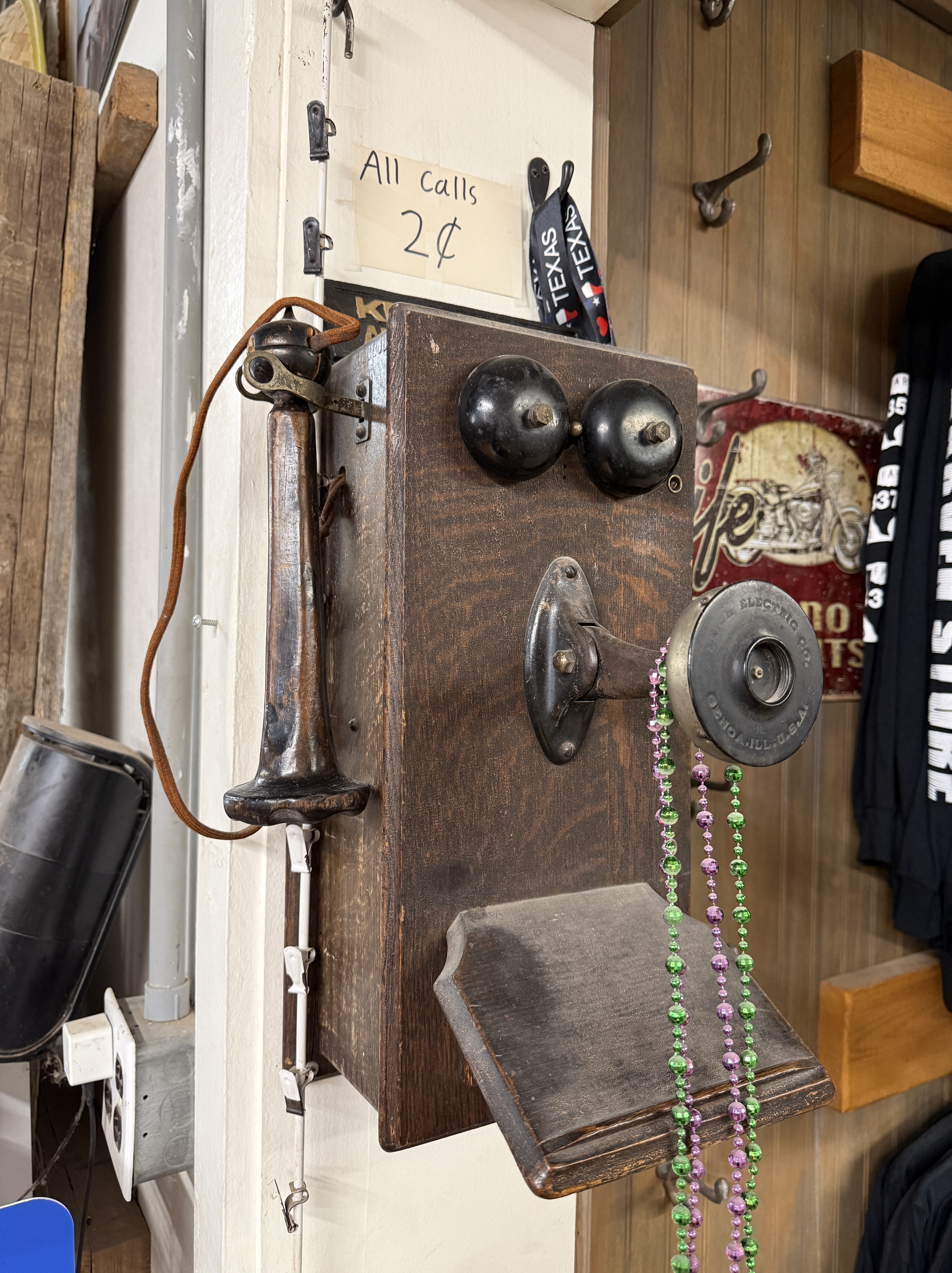
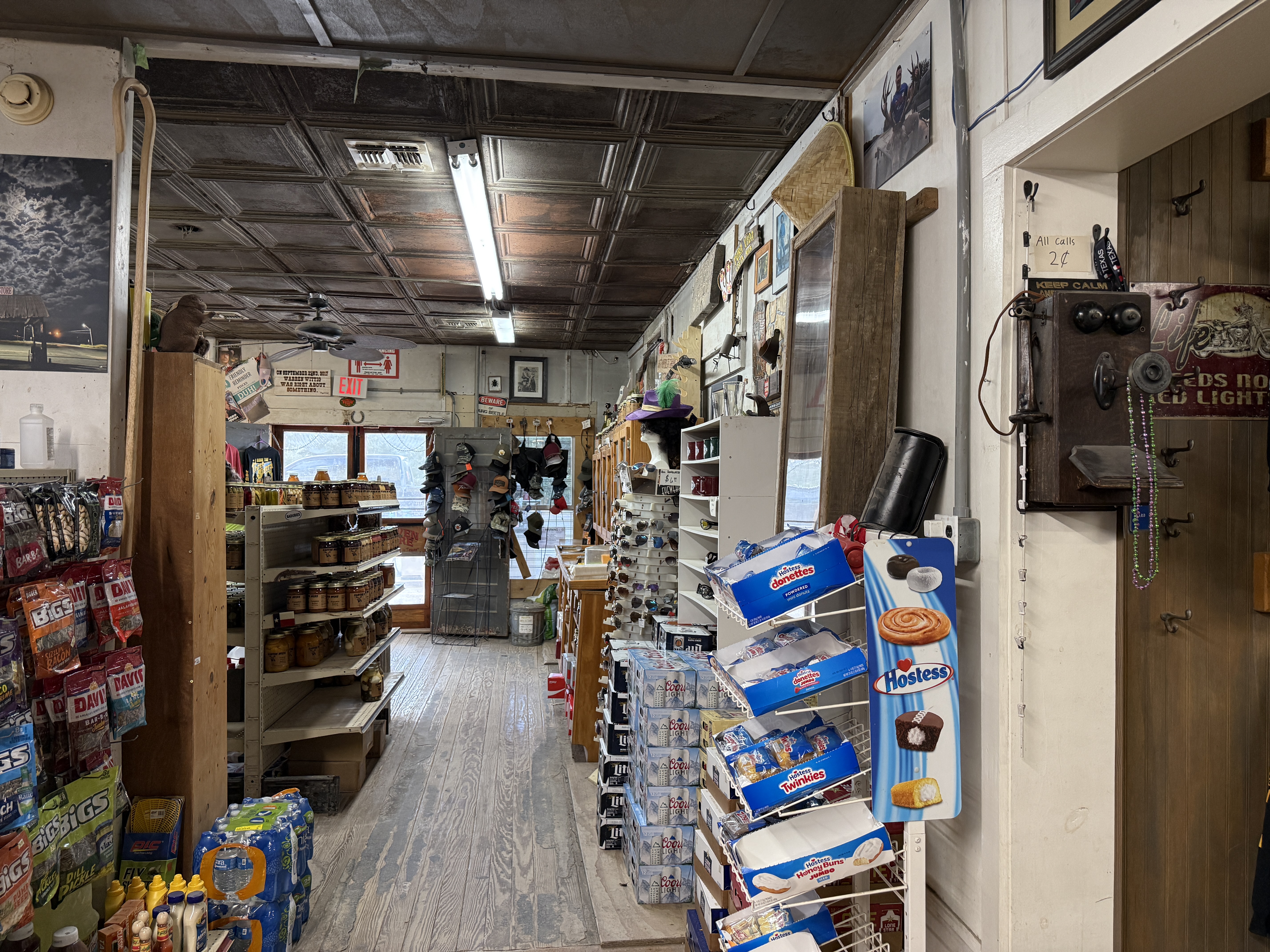
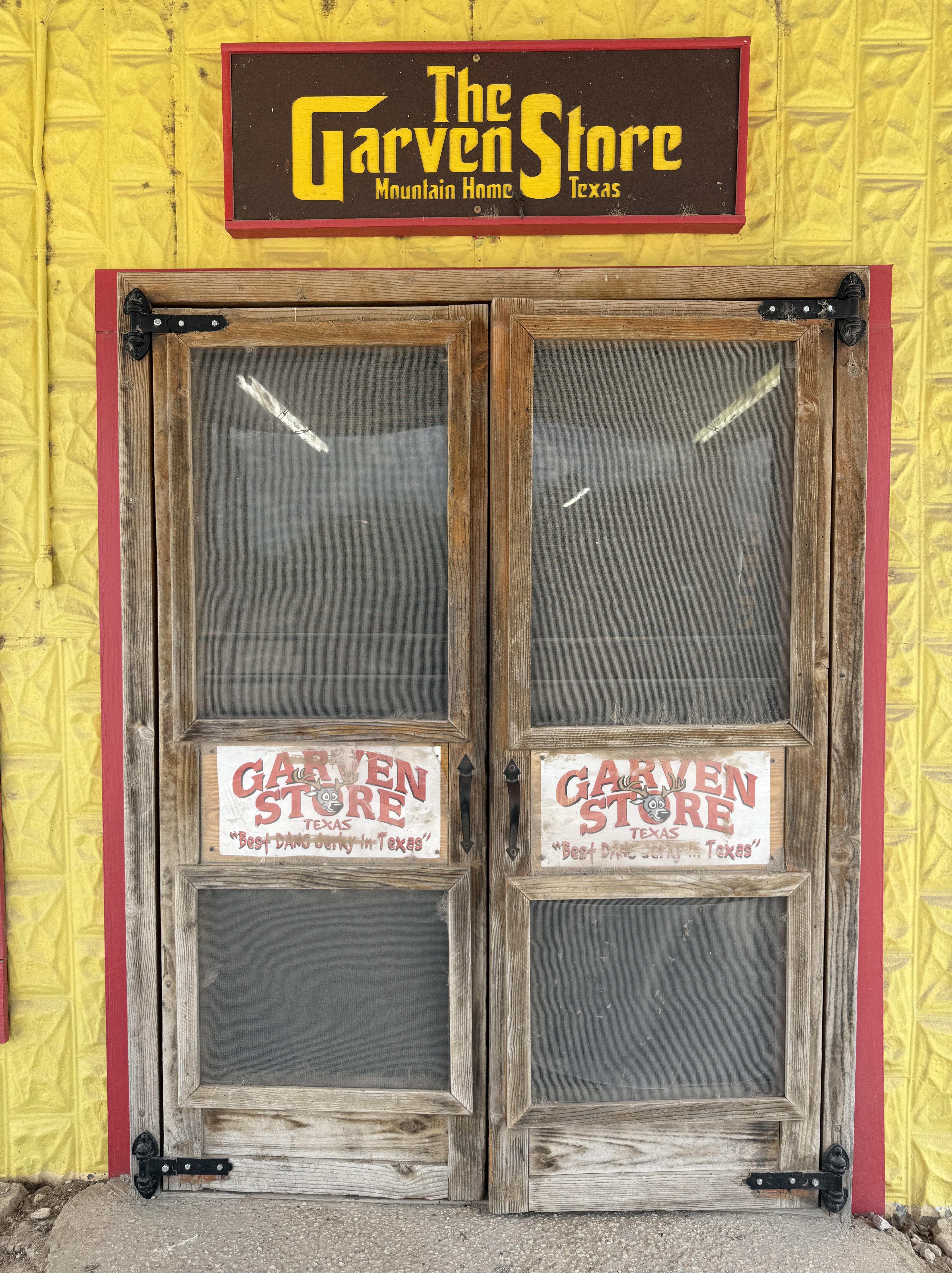
When we stepped through the double screen doors, we were not disappointed. The front part of the store remains much as it was when first built, with worn wooden floors, sturdy old shelving, a counter where generations of customers placed their purchases and exchanged money, and an original candlestick telephone mounted on the wall. The whole place felt as though decades of history were still lingering in the air.


Today, the Garven Store proudly boasts that it has “the best dang jerky in Texas.” Of course, we had to put that claim to the test. For such a little store, it offers an impressive selection, and Cheryl wasted no time choosing several varieties for us to sample. Our conclusion: They are telling the truth in their advertising. The jerky is truly outstanding.


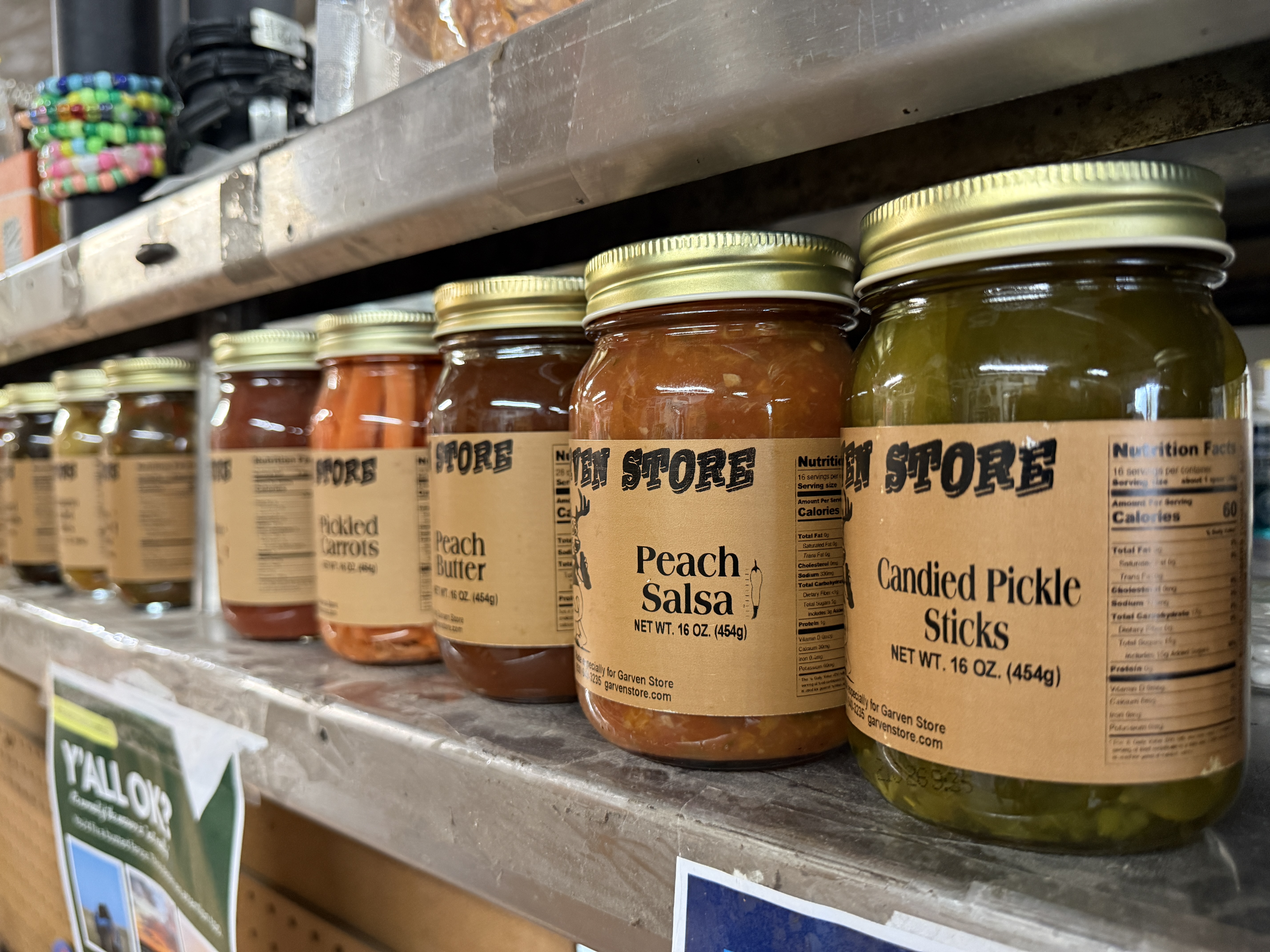
In addition to their great selection of homemade jerky, they offer a large selection of pickled products bearing the Garven Store brand. And if you need an affordable pocket knife, they have a selection in pick-and-grab boxes next to the cash register. The addition on the back side of the store has refrigerated coolers with a variety of drinks and a few simple grocery items.


The Garven Store has remained open for nearly a century, and we hope it will welcome travelers for many more years. Places like this are more than convenient roadside stops; they are living museums of Texas history. Country stores once played an essential role in rural communities, providing farming and ranching families with groceries, supplies, news, and a place to connect with their neighbors.


The next time you are traveling from here to there, take a closer look at the map and add a stop along a back road. Find an old country store, historic site, or other hidden place worth exploring. We are fortunate to have so many Texas treasures tucked away along quiet country roads. I promise you, the extra time and miles will be worth it.

Saint Mary’s Help of Christians Catholic Church

Among the more interesting place names in Texas is the small historic community of Twin Sisters. Located in Blanco County, about seven miles south of Blanco along Ranch to Market Road 473, the community takes its unusual name from two prominent nearby hills—the “Twin Sisters.” The hills became familiar landmarks for early settlers traveling through the Texas Hill Country.

The settlement began in the 1850s when German and other European immigrants established farms and ranches in the area. A small community gradually developed with schools, churches, businesses, and a post office serving ranch families in the area.

Twin Sisters never developed into a large town. As nearby Blanco became the area’s commercial center, many of the small businesses disappeared or relocated there. The post office eventually closed, and Twin Sisters settled into life as a quiet rural ranching community.

Today, little remains of the original settlement. Time is slowly erasing the evidence that a community once flourished here. Even so, the Twin Sisters hills, a tiny chapel, and an old cemetery remain as reminders of this early Texas Hill Country community.


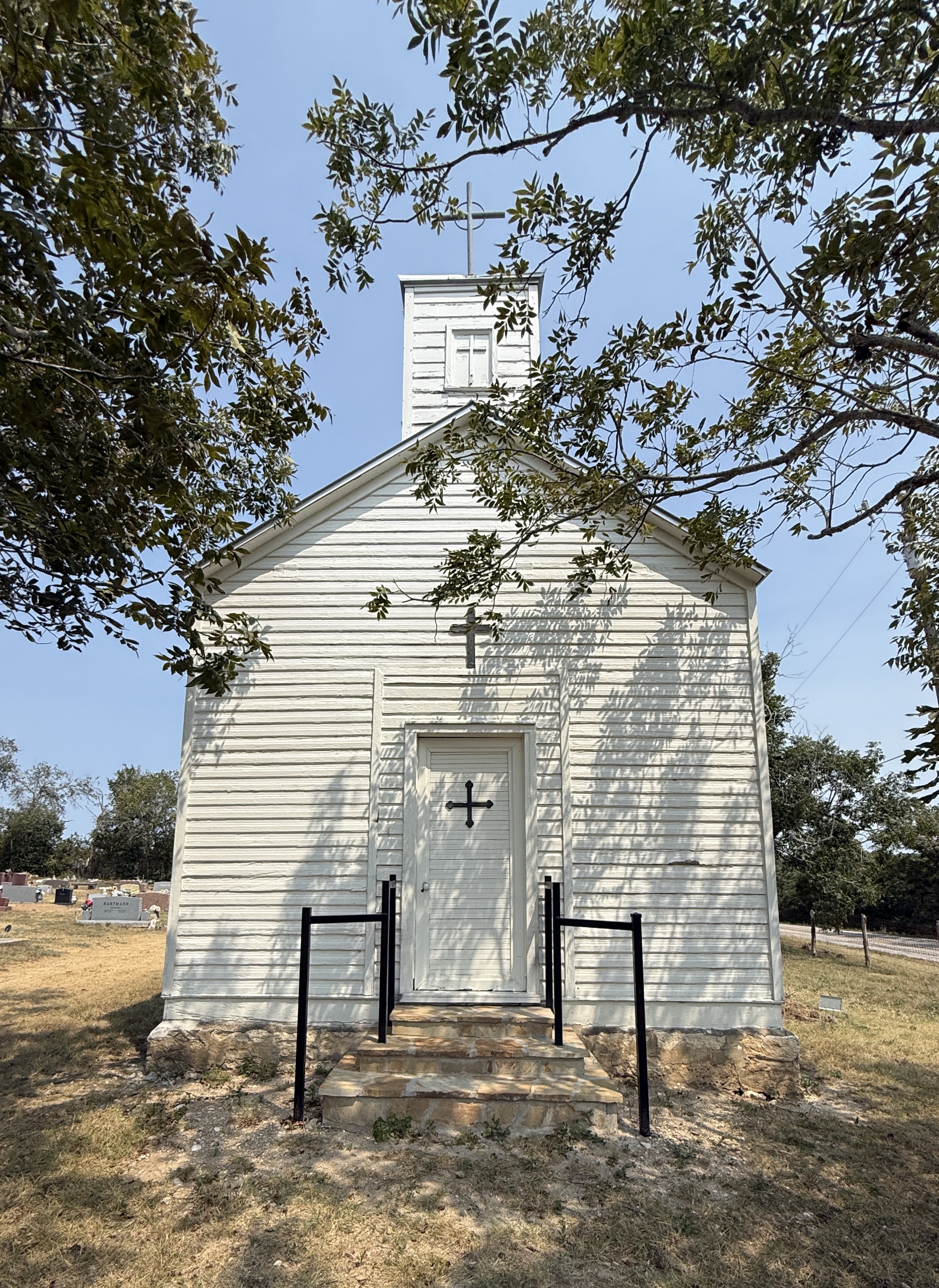
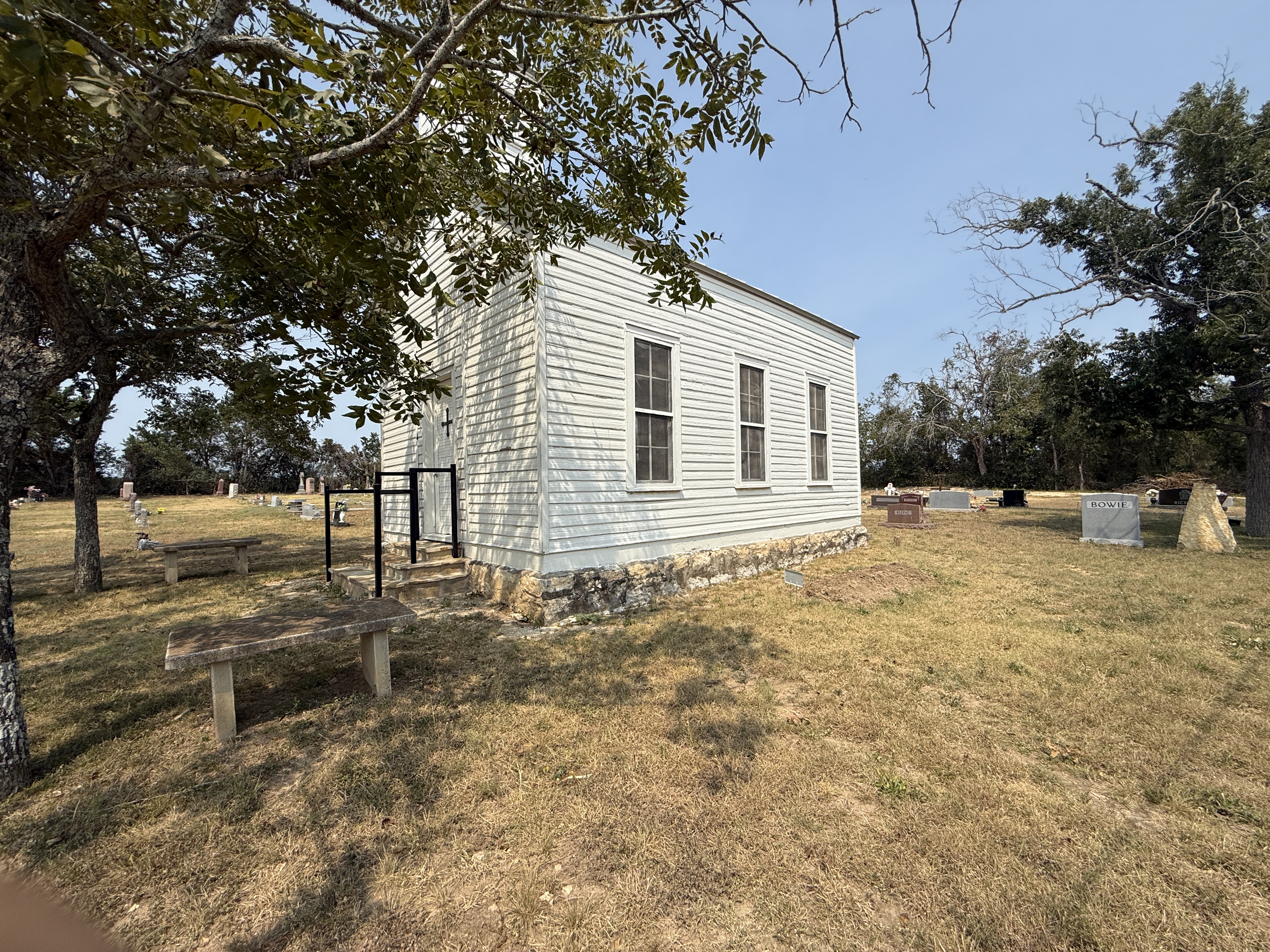
Saint Mary’s Help of Christians Catholic Church is perhaps the most important surviving landmark in this rural area.

Built in 1889, Saint Mary’s was the first Catholic church established in Blanco County. Catholic families had been gathering for worship in homes and other locations in the area since their arrival in the 1850s.

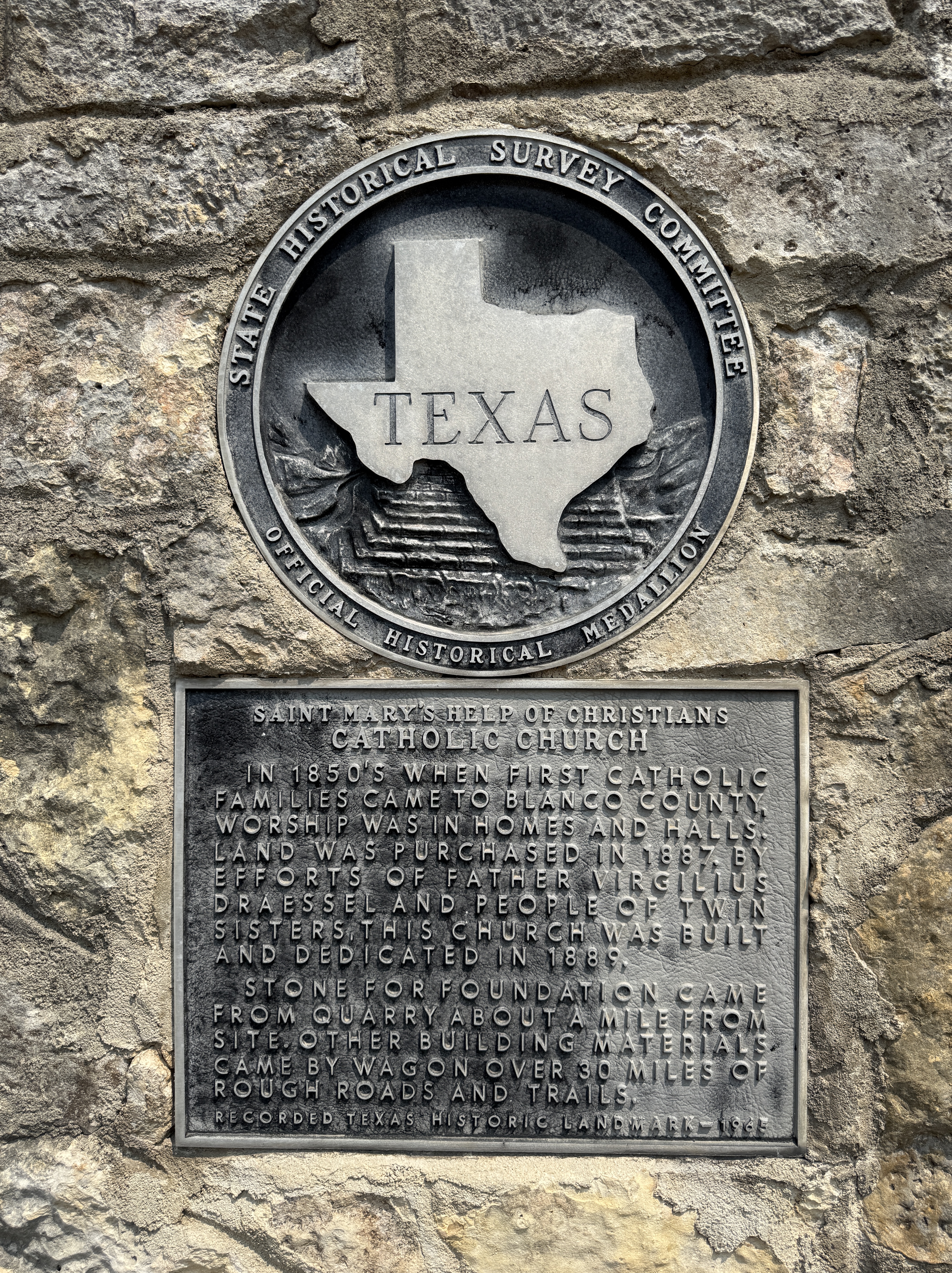
After residents acquired land for a church in 1887, construction began under the leadership of Father Virgilius Draessel. The small chapel rests on a foundation of locally quarried stone, while other building materials were reportedly hauled by wagon from farther away. According to the Texas historical marker at the site, the chapel was dedicated in 1889.


For the next half century, Saint Mary’s served as an important center of worship and community life for Catholic families in the surrounding countryside.

That changed in 1940 when St. Ferdinand Catholic Church was established in Blanco. Regular parish worship shifted from the little country chapel to the new church in town. Even the bell from Saint Mary’s was moved to St. Ferdinand.

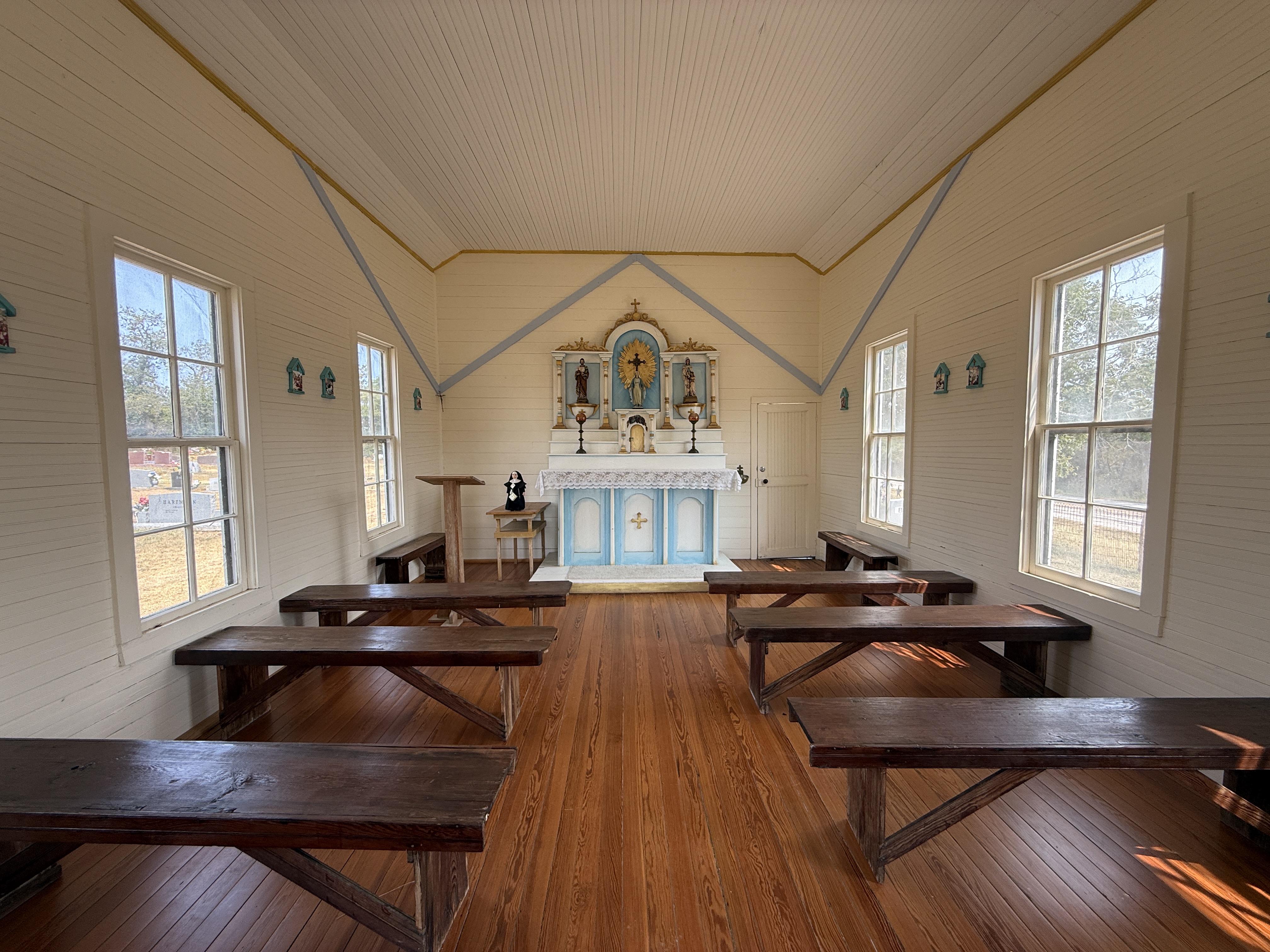
Saint Mary’s subsequently took on a new role as a cemetery chapel and historic site. It remains connected with St. Ferdinand and is still used on special occasions, particularly for the annual All Souls’ Day Mass in November, as well as funerals and other services.

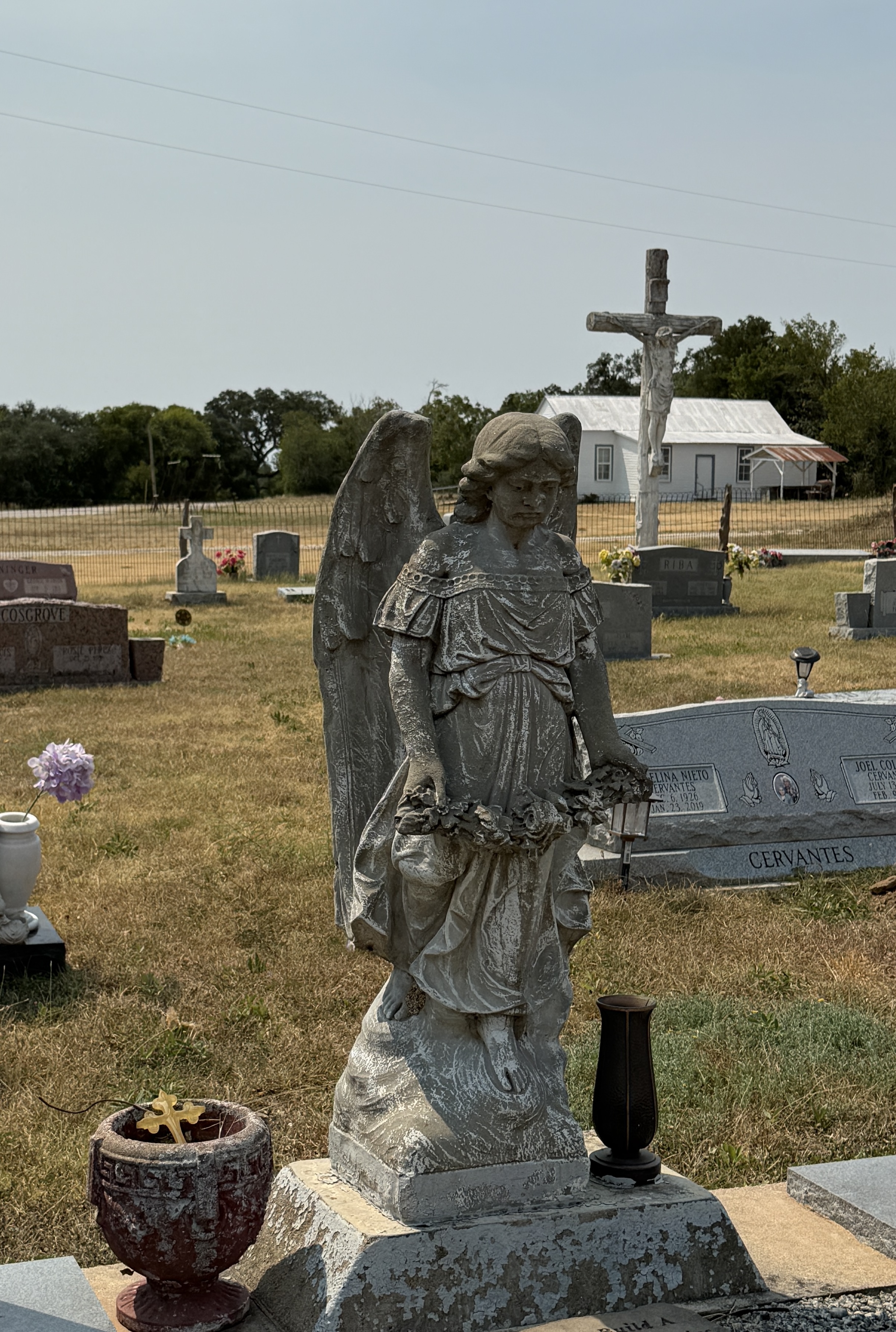
When Cheryl and I stopped here, two new graves in the cemetery caught my attention—one belonging to a man born in 1956 and another to a woman born in 1978. Their graves seemed especially noticeable among the older markers surrounding the chapel.


Cemeteries have a way of reminding us of something we spend much of our lives trying not to think about: we are all headed in this direction. Someday each of us will either choose where we are buried or leave that decision to someone else. Standing among the graves at Saint Mary’s is a quiet reminder that every life has a beginning, a story, and an end.

For generations, Saint Mary’s Help of Christians Catholic Church played an important role in the lives of those who settled this part of the Hill Country. Through good times and bad, through the celebration of births and marriages and the grief of deaths, and through the long years of families working hard to build new lives in Texas, Father Draessel, the priests who followed him, and this little church were there.


Today, Saint Mary’s is a reminder of the faith of the Hill Country’s early settlers. Its historical importance was officially recognized in 1965 when it became a Recorded Texas Historic Landmark.

For backroad explorers like Cheryl and me, the attraction here is about the setting—an old country church, weathered gravestones, rolling Hill Country ranchland, and the kind of silence that invites you to slow down and reflect.


Places like Saint Mary’s are easy to drive past. There are no crowds, gift shops, or flashy attractions competing for your attention. Instead, there is a small chapel standing quietly among the graves of people who came before us.

And that is what makes it worth stopping.

If you enjoy historic churches, cemeteries, Texas history, or forgotten places along the back roads, Saint Mary’s Help of Christians Catholic Church is definitely worth a visit.

Pipe Creek General Store

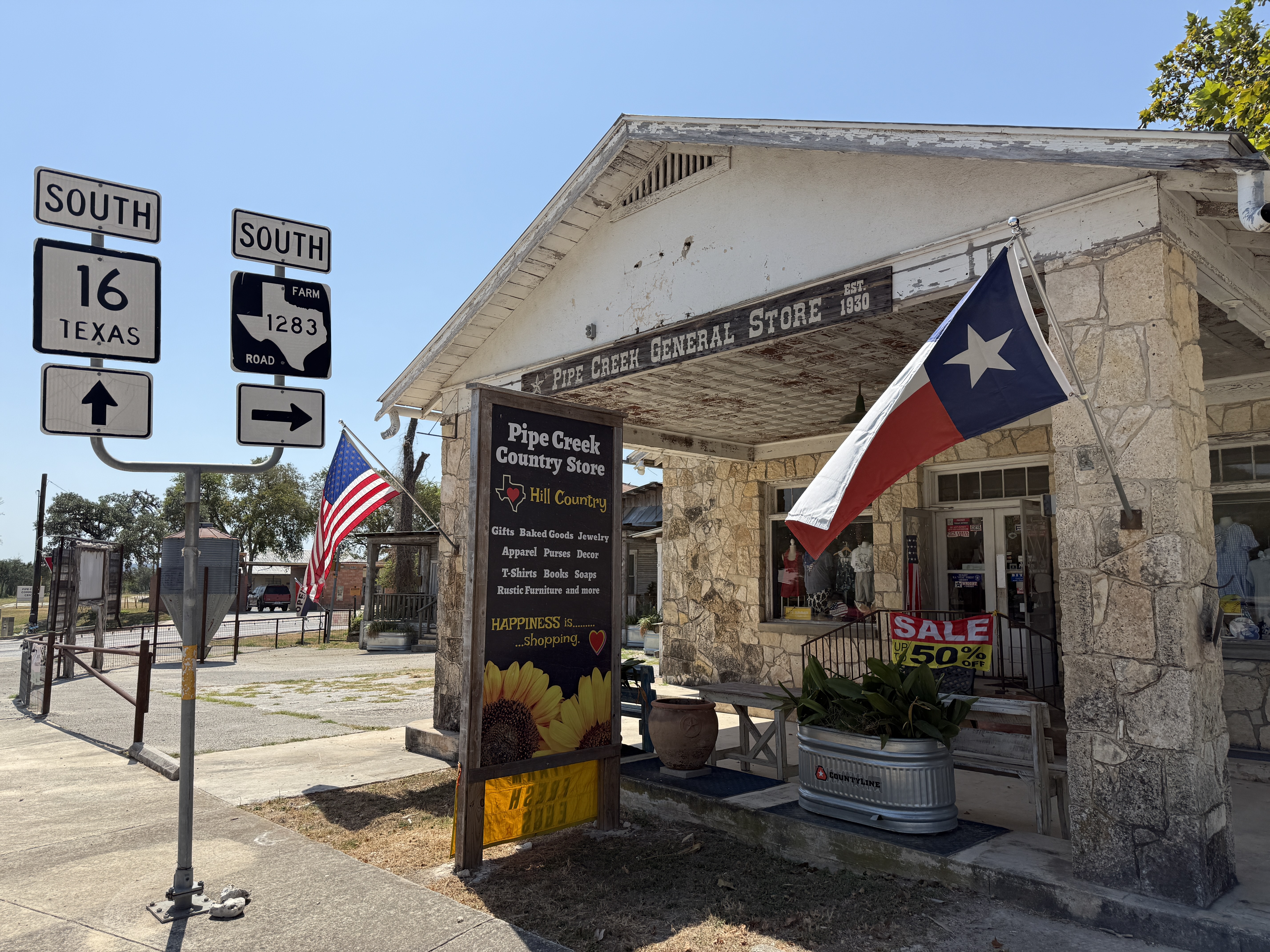
While Cheryl and I were driving down Highway 16 on our Texas Hill Country road trip, I spotted the Pipe Creek General Store and Dance Hall out of the corner of my eye. Curious, I turned the truck around to take a closer look. I’m really glad we stopped.

Honestly, we hadn’t planned to visit the Pipe Creek General Store because we had not heard about it. But that quick glimpse made us turn around, and I’m so happy we did. This Hill Country spot turned out to be a real find.


Pipe Creek is a small community in eastern Bandera County, about nine miles east of Bandera on State Highway 16. It was settled around 1870 and named after the nearby creek. The town started as a ranching and farming community, and it still has a peaceful, rural feel.


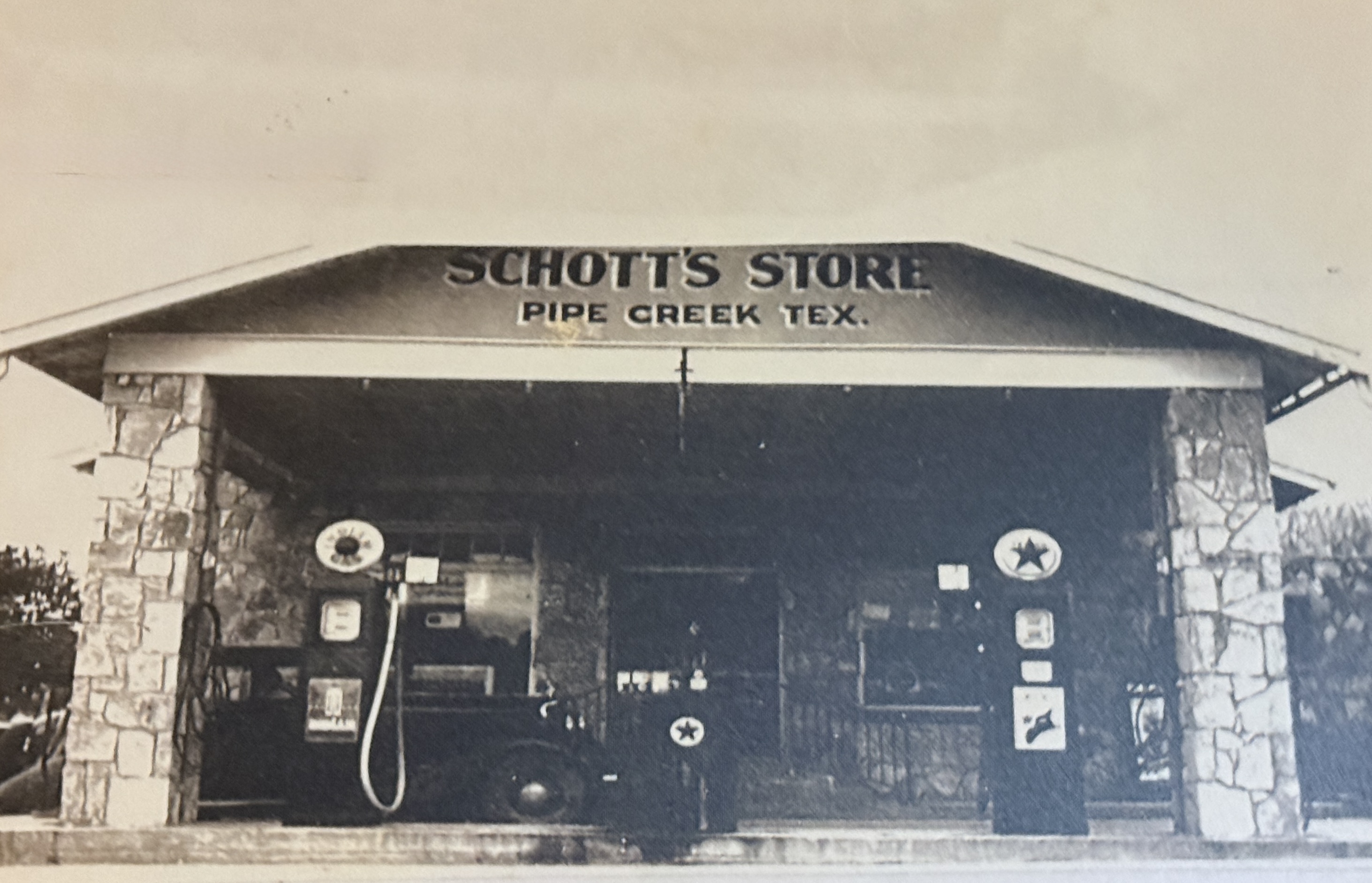
When we walked into the store, a young woman named Melissa greeted us warmly and happily answered my questions about the place and its history. Like many old general stores, the Pipe Creek store has a rich history dating back to 1911, when E. B. and Carrie Keefe established the first store on the property.


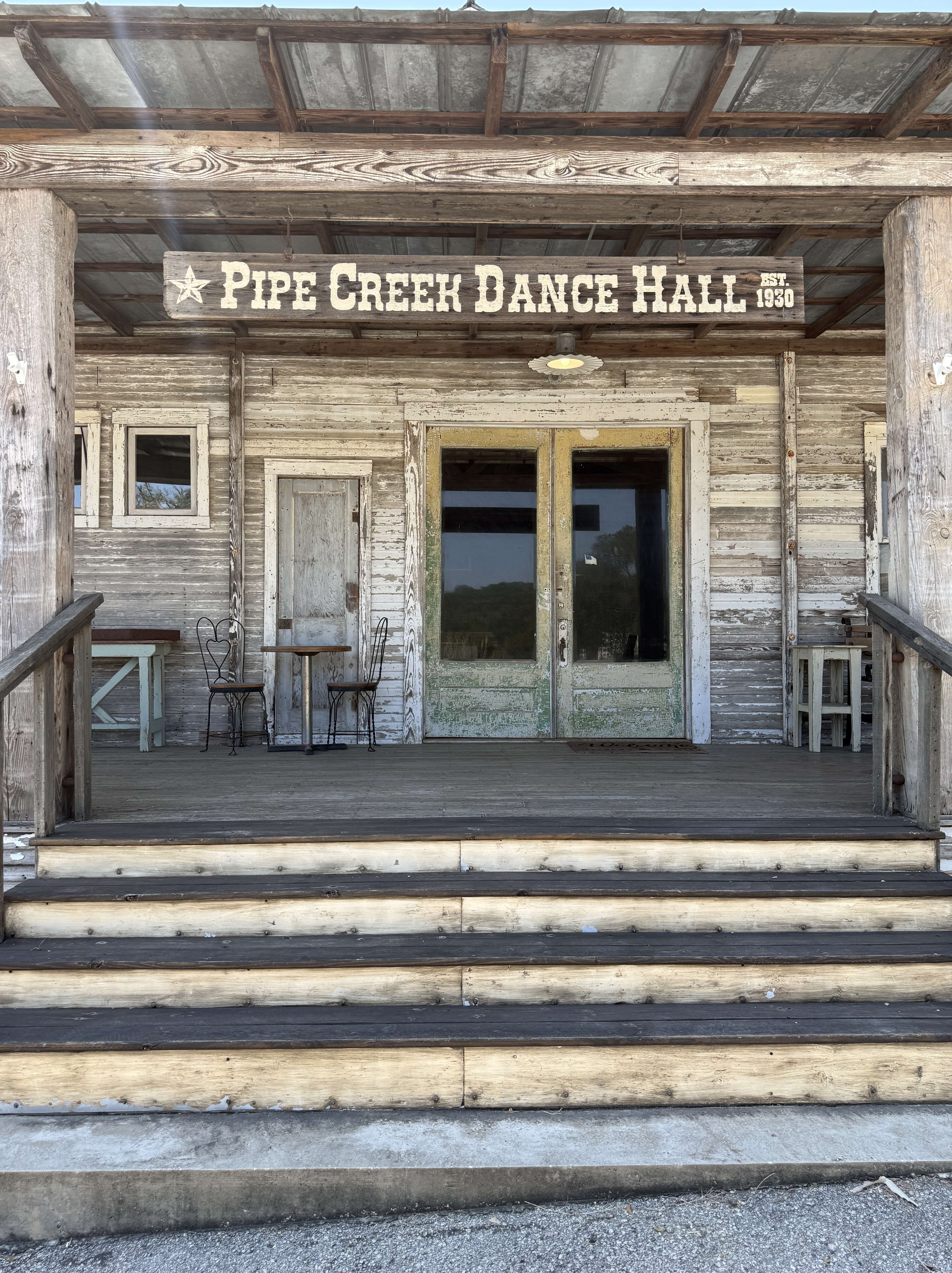
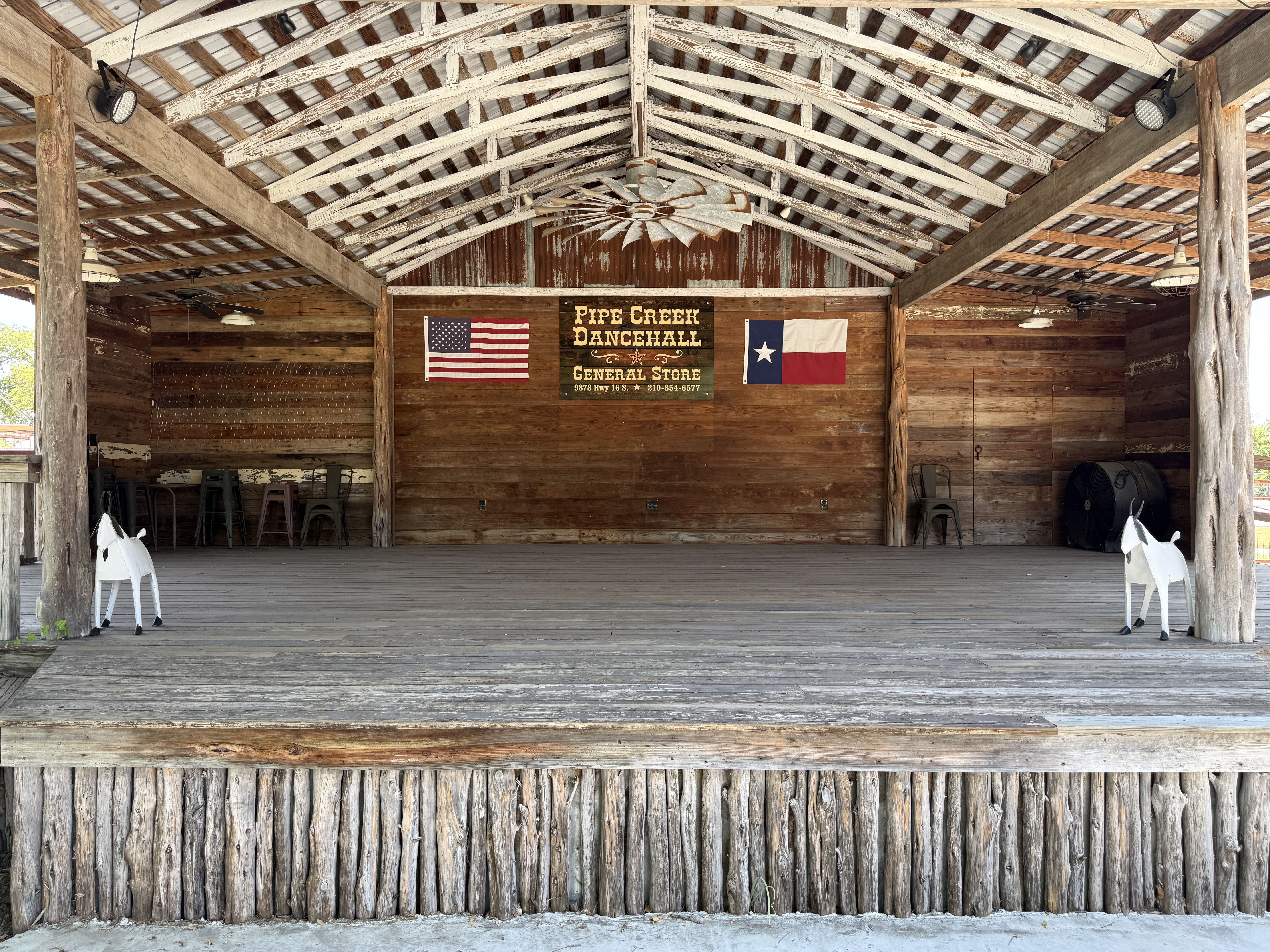
A dance hall was added in 1930, becoming a popular gathering place for dances, movies, and skating. The present store was built in 1936 when Highway 16 was widened. After decades of serving travelers and local families, Bruce Martin purchased the property in 2014. Martin restored the property and grounds, taking pains to preserve its historic 1930s-era character.

Places of historical interest need people like Bruce Martin. Preserving old places requires vision, personal commitment, and a great deal of respect for the past if old buildings are to be saved and given a new life.


Martin did more than restore the Pipe Creek General Store and Dance Hall; he preserved a community gathering place and an important part of Hill Country heritage for future generations to experience and enjoy.


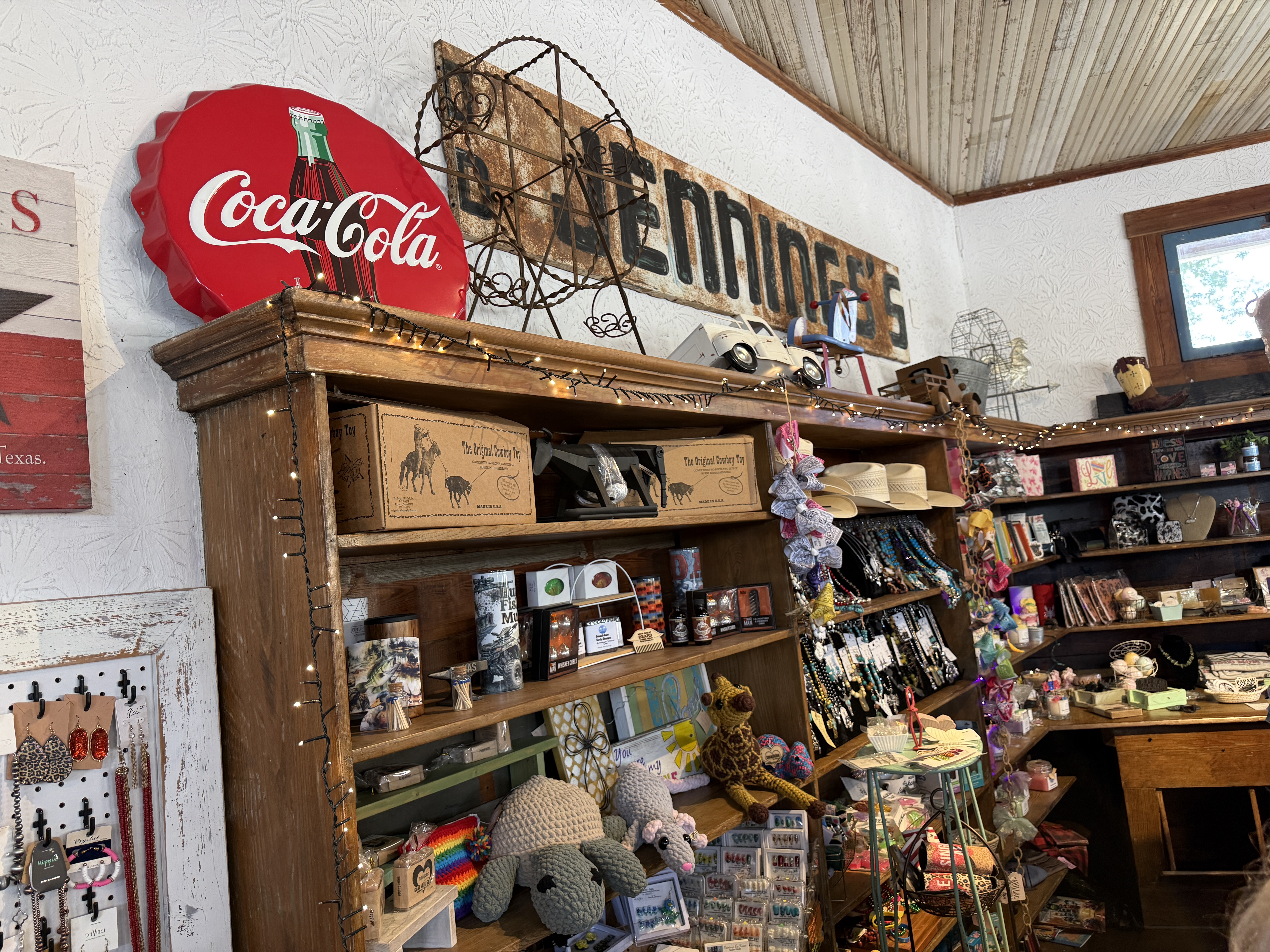
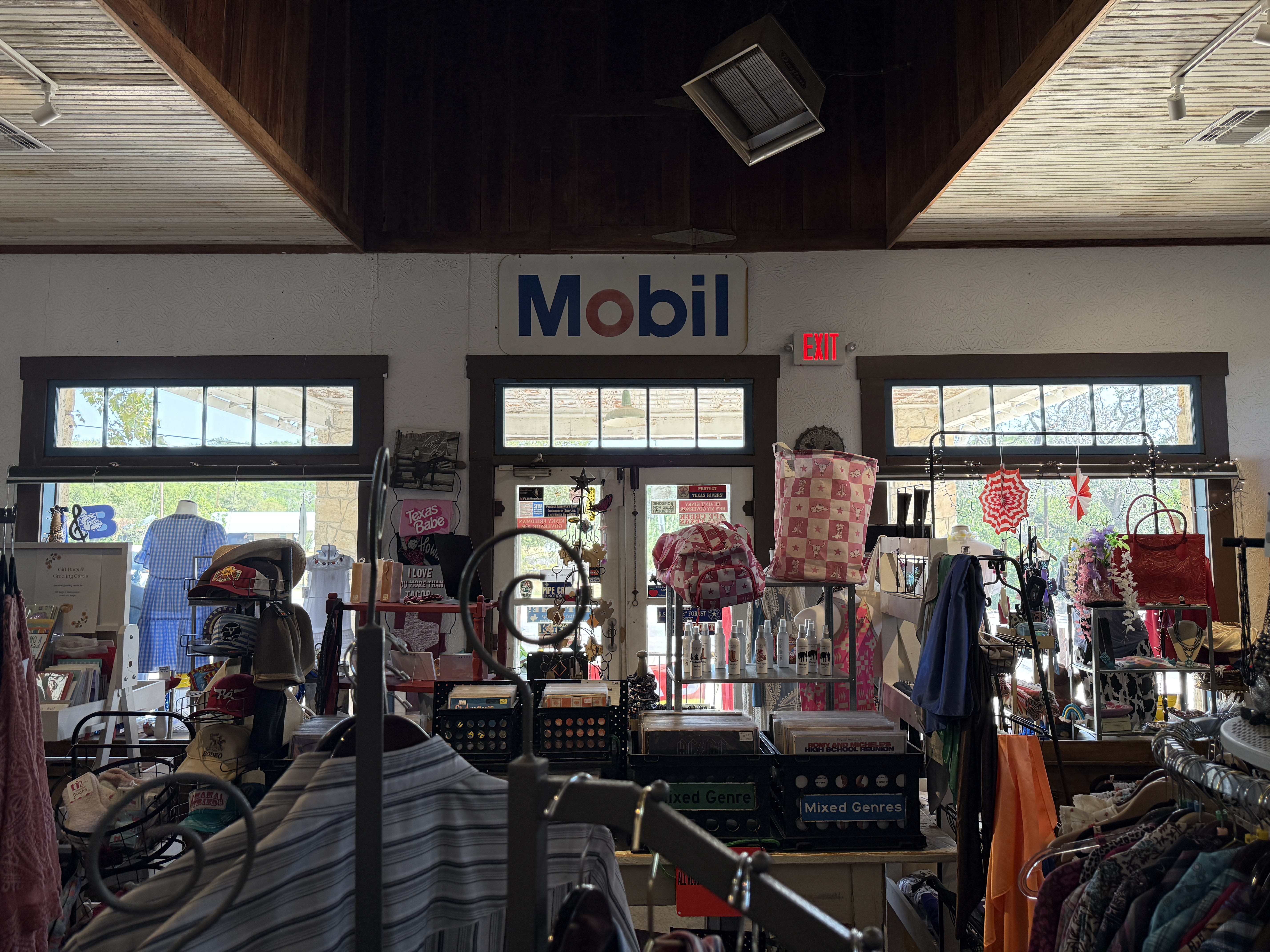
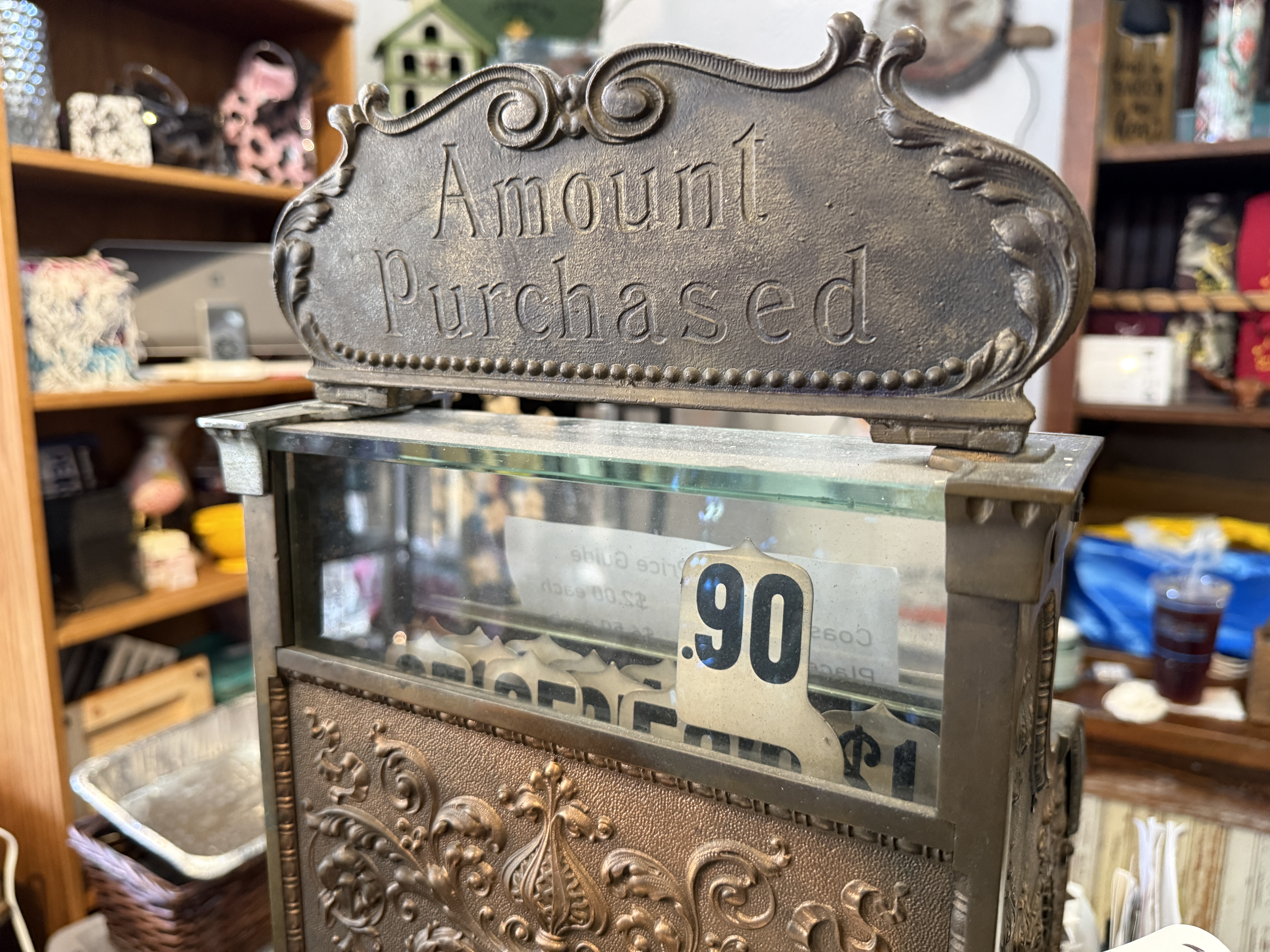
Today, the front of the store houses an inviting boutique stocked with a wide variety of merchandise. The original wood floors, period cabinets and counters, rustic décor, and vintage cash register preserve the building’s historic character and add to the charm of this special place.


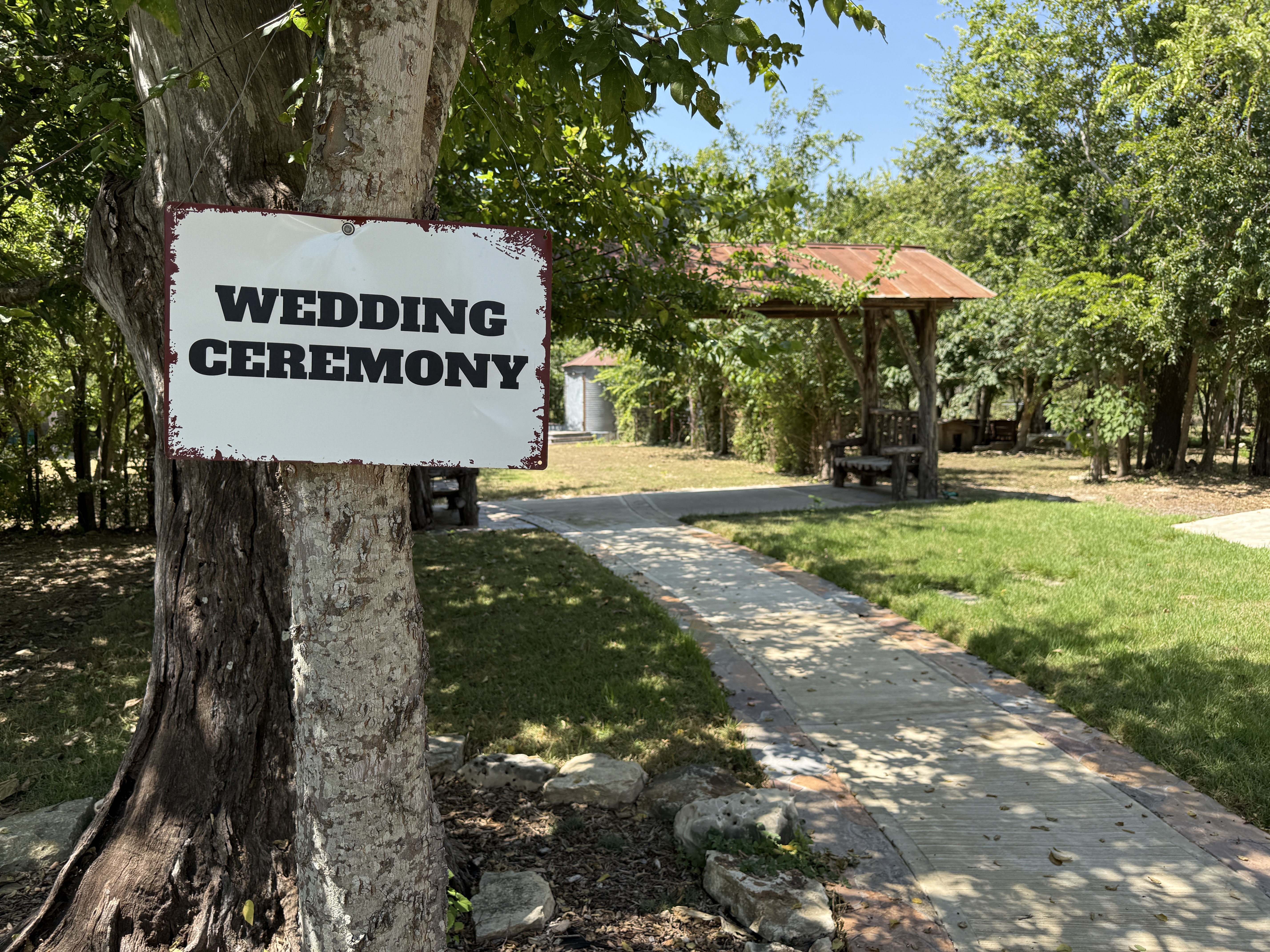
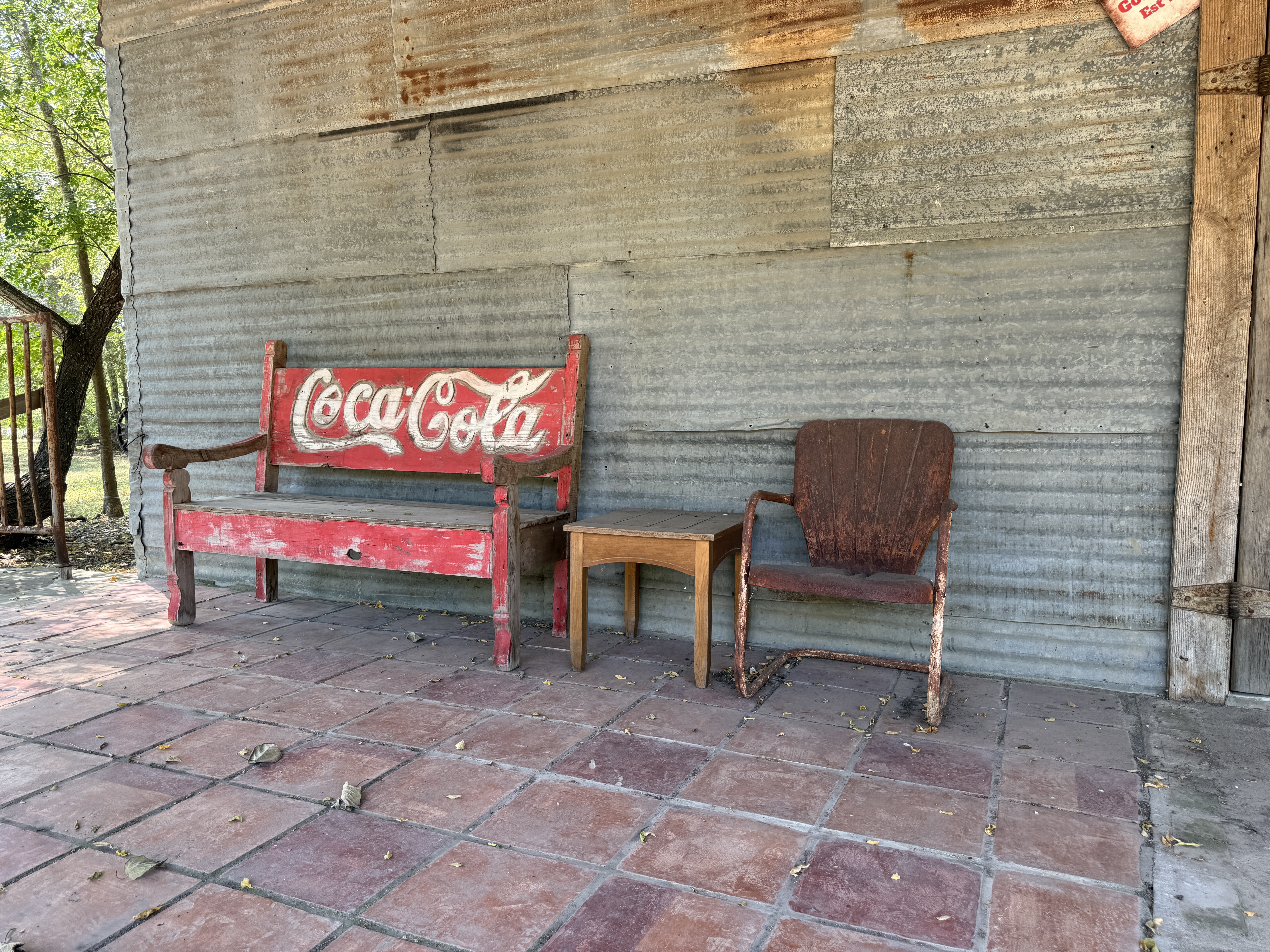
The dance hall next door and the three acres behind the store provide welcoming venues for celebrations of life, baby showers, weddings, and family gatherings. Everywhere you look, something interesting catches your eye—remnants of the past that make it easy to imagine the quieter, slower pace of life enjoyed by previous generations.


Communities need gathering places. Big cities may have them in abundance, but few can compare with the small-town stores and venues that connect us not only with one another but also with the generations that came before us. That is why places like the Pipe Creek General Store and Dance Hall matter—and why preserving them for future generations is so important.


I am so glad that a passing glance while driving through the Texas Hill Country led us to the Pipe Creek General Store. If you find yourself anywhere near Pipe Creek, it is well worth taking the time to step inside this charming time capsule and be transported to a simpler era—even if only for a few brief moments.


As Cheryl and I drove away, we talked about how much we hope places like the Pipe Creek General Store will still be around a hundred years from now. The busier and more complicated our lives become, the more we need places that invite us to slow down and remember where we have come from.